

Geography of Algeria
Algeria, located in North Africa, is the largest country on the continent and features a diverse geography that includes vast Sahara Desert regions, fertile plains, and mountainous areas. It shares borders with several countries, including Tunisia, Libya, Niger, Mali, Mauritania, Western Sahara, and Morocco. The Mediterranean coast provides Algeria with a strategic access point to the sea, while the interior landscape is dominated by arid deserts and rugged mountain ranges. This varied geography contributes to the country’s rich natural resources and diverse climates, shaping its cultural and economic landscape.
Location and Borders
Algeria is a country located in North Africa, occupying a vast area along the Mediterranean coastline. It is the largest country in Africa and the 10th largest in the world, known for its diverse landscapes that include deserts, mountains, and fertile plains. Algeria shares borders with several countries: Tunisia and Libya to the northeast, Niger to the southeast, Mali and Mauritania to the southwest, Western Sahara to the southwest, and Morocco to the west. The northern coast features a narrow Mediterranean shoreline, while the interior extends into the vast Sahara Desert, making Algeria a country of notable geographical diversity and importance in the region.
Major Mountain Ranges
Algeria, located in North Africa, features a diverse geography marked by extensive mountain ranges that significantly influence its landscape and climate. The most prominent mountain ranges include the Tell Atlas, which runs parallel to the Mediterranean coast and is characterized by fertile plains and lush vegetation. The Saharan Atlas, situated south of the Tell Atlas, forms part of the larger Atlas mountain system and features rugged peaks and deep valleys. The Ahaggar Mountains, also known as the Hoggar Mountains, are located in the central Sahara and are famous for their volcanic origins and the volcanic massif of Tahat, the highest peak in Algeria. Additionally, the Tassili n’Ajjer mountain range, known for its stunning rock formations and prehistoric cave paintings, extends across southeastern Algeria. These mountain ranges play a vital role in shaping Algeria’s climate, biodiversity, and cultural history.
Desert Regions and Sahara Terrain
Algeria, the largest country in Africa, boasts a diverse geography that significantly shapes its climate and landscapes. Its northern regions are characterized by fertile plains and the Atlas Mountains, while the southern part of the country transitions into vast desert areas, dominated by the Sahara Desert. The Sahara covers approximately four-fifths of Algeria’s territory, making it a defining feature of the nation’s geography.
- The Sahara Desert in Algeria is one of the hottest and driest places on Earth, with some areas experiencing temperatures exceeding 50°C (122°F).
- It features extensive sand dunes, rocky plateaus, dry valleys, and sparse vegetation, creating a harsh but striking environment.
- Major desert regions encompass the Tassili n’Ajjer plateau, known for its unique rock formations and prehistoric cave paintings.
- Despite the arid conditions, the desert contains underground aquifers that support limited human settlements and oasis towns like Timimoun and Ouargla.
The desert terrain plays a crucial role in Algeria’s climate, economy, and cultural history, making it an essential part of the country’s national identity and natural landscape.
Important Rivers and Water Bodies
Algeria, located in North Africa, is characterized by diverse geographical features including vast deserts, mountain ranges, and a lengthy coastline along the Mediterranean Sea. The country’s terrain influences its climate and natural resources, making it an interesting region for geographical study.
Important rivers in Algeria include the Chelif River, which is the longest and flows through the fertile Mitidja Plain, providing vital water for agriculture. The Soummam River also plays a significant role in the Kabylie region, supporting local communities and ecosystems. The Rhumel River, passing through the city of Constantine, is notable for its scenic gorges and historical significance.
Algeria’s major water bodies include the Mediterranean Sea along its northern coast, offering access to maritime trade routes and fisheries. The country also features several significant lakes, such as the Chott Melrhir, a salt lake in the northeast, and the Boudalk Lake in the Sahara Desert. The Sahara Desert itself contains numerous ephemeral and permanent water bodies that are crucial for local flora and fauna.
History of Algeria
Algeria, located in North Africa, boasts a rich and complex history that has shaped its modern identity. From ancient Berber civilizations and the Roman empire to Arab conquest and Ottoman rule, the country’s past is a tapestry of diverse cultures and influences. The struggle for independence from France in the 20th century marked a pivotal moment, leading to the establishment of the nation we know today. Understanding Algeria’s history provides important context for its current society and cultural heritage.
Ancient Civilizations and Inhabitants
Algeria boasts a rich history that dates back to ancient times, with its territory inhabited by various civilizations over thousands of years. The region was originally inhabited by Berber tribes, who are among the oldest inhabitants of North Africa. Ancient civilizations such as the Phoenicians established trading posts along the coast around 800 BCE, contributing to the development of maritime trade and cultural exchanges. Later, the area became part of the Carthaginian Empire before falling under the control of Roman North Africa, known as Numidia, which flourished as a center for agriculture, trade, and administration. The Roman influence is still visible today in archaeological sites and historical ruins. Following the decline of Roman power, the region saw successive waves of Berber kingdoms and later Arab conquests in the 7th century, which introduced Islam and Arabic culture, profoundly shaping the identity of modern Algeria. Throughout its history, Algeria has been a crossroads of civilizations, blending various cultural heritages making it a fascinating country with a deep and diverse historical background.
Colonial Period Under French Rule
The history of Algeria during the colonial period under French rule is a significant chapter marked by colonization, resistance, and transformation. France colonized Algeria in 1830, establishing it as a French territory that would remain under colonial control for over a century. During this period, the French implemented extensive land expropriation, economic exploitation, and cultural assimilation policies, which heavily impacted the indigenous Algerian population. The land was largely used for settler agriculture, and the native communities faced systemic discrimination and marginalization. Throughout the 19th and early 20th centuries, Algerians increasingly resisted French dominance through various uprisings, revolts, and the rise of nationalist movements. This era also saw the emergence of Algerian identity, fueled by the struggle for independence and the desire to reclaim sovereignty. The colonial period culminated in the Algerian War of Independence, which began in 1954 and ended with Algeria gaining independence from France in 1962, marking a pivotal moment in the nation’s history. The legacy of colonial rule continues to influence Algerian society, politics, and culture today.
War of Independence and National Founding
Algeria, located in North Africa, has a rich and complex history marked by its struggle for independence and national sovereignty. The region’s history dates back to ancient times, with influences from Phoenicians, Romans, Byzantines, and later Arab conquerors, which shaped its diverse cultural heritage. In the modern era, Algeria was a French colony from 1830 until the mid-20th century, during which time it experienced economic development as well as resistance from its indigenous population.
The War of Independence, also known as the Algerian War, began in 1954 and lasted until 1962. It was a brutal conflict characterized by guerrilla warfare, terrorism, and significant political upheaval. The National Liberation Front (FLN) led the struggle against French colonial forces, aiming to establish an independent Algerian nation. The war was marked by widespread atrocities on both sides and drew international attention to the cause of decolonization in Africa and beyond.
Algeria achieved independence on July 5, 1962, following the Évian Accords which marked the end of French colonial rule. The country’s founding father, Ahmed Ben Bella, became its first president, guiding Algeria towards building a sovereign nation based on Arab and Berber identity, social justice, and anti-colonial principles. The post-independence period saw efforts to unify the country, develop its economy, and establish its place on the global stage, shaping Algeria’s national identity today.
Post-Independence Developments
Algeria, located in North Africa, has a rich and complex history that significantly shaped its modern development. After gaining independence from France in 1962, the country faced numerous post-independence challenges and developments that influenced its political, social, and economic landscape.
Following independence, Algeria embarked on a path of nation-building with the establishment of a one-party state under the National Liberation Front (FLN). The government prioritized land reforms, education, and infrastructure projects to improve living standards. Significant efforts were made to eradicate colonial legacies and promote Arab and Muslim identity.
- The 1963-1964 Algerian Civil War was a tumultuous period that tested national unity. Despite internal conflicts, the government consolidated control and promoted policies of Arabization and Islamization.
- During the 1970s and 1980s, Algeria’s economy was largely based on oil and gas exports, leading to rapid economic growth but also dependence on volatile commodity prices.
- The 1990s saw a violent civil conflict between the government and various Islamist groups, which resulted in thousands of deaths and a significant impact on the country’s stability.
- In the 2000s, a process of political reconciliation and economic reforms was initiated, including efforts to diversify the economy and improve social welfare programs.
- Recent developments include attempts at political liberalization, though challenges remain related to governance, economic diversification, and regional stability.
Demographics of Algeria
Algeria, located in North Africa, is a country characterized by a diverse demographic landscape. Its population reflects a rich blend of ethnicities, cultures, and ages, shaped by centuries of historical influences. Understanding the demographics of Algeria provides valuable insights into its social structure, growth patterns, and cultural diversity, making it a fascinating aspect of the country’s overall facts.
Population Size and Growth
Algeria, the largest country in Africa, has a diverse and rapidly growing population. As of recent estimates, the population is approximately 44 million people. The country has experienced steady growth over the past decades due to natural population increase and improvements in healthcare and living standards. The population growth rate is around 1.5% annually, contributing to ongoing demographic changes. Algeria’s demographics are characterized by a young population, with a significant proportion under the age of 25, which influences the country’s social and economic development. Ethnically, the population primarily consists of Arab-Berbers, along with smaller communities of Europeans and other groups. Urbanization is also prominent, with major cities like Algiers, Oran, and Constantine continuing to expand as people move from rural areas to urban centers. Overall, Algeria’s demographics reflect a nation in transition, with a vibrant and expanding population shaping its future trajectory.
Ethnic Composition
Algeria is a diverse country with a rich demographic landscape. Its population is predominantly Arab-Berber, reflecting a blend of indigenous Berber groups and Arab settlers who migrated to the region over centuries. The Berbers, also known as Amazigh, are considered the original inhabitants of North Africa and constitute a significant ethnic group within Algeria. Arabic is the official language and is widely spoken across the country, with many people also speaking French, especially in urban areas. The ethnic composition of Algeria also includes smaller communities such as Europeans, mainly of French descent, and various other migrant groups. Overall, the population is characterized by its ethnic diversity, which has contributed to the country’s vibrant cultural heritage and social fabric.
Languages Spoken
Algeria is the largest country in Africa by land area, with a diverse demographic composition. The population is predominantly Arab-Berber, reflecting a rich mix of indigenous Berber peoples and Arab settlers. The official language is Arabic, which is widely spoken throughout the country. French is also commonly used, especially in education, government, and media, serving as a language of business and communication. Additionally, various Berber languages, such as Kabyle, Chaouia, and Mzab, are spoken by different Berber communities and have been recognized as national languages. The population includes various ethnic groups, with Arab and Berber being the major ones, and a smaller number of Europeans, sub-Saharan Africans, and others contributing to Algeria’s cultural mosaic. Overall, the linguistic landscape of Algeria is shaped by its complex history and diverse demographics, making it a nation of vibrant cultural and linguistic traditions.
Religious Distribution
Algeria is the largest country in Africa by land area, with a diverse demographic composition. The population is predominantly Arab-Berber, making up the vast majority of the inhabitants. The country has a youthful demographic, with a significant percentage of its population under the age of 30. Urbanization is prominent, with major cities like Algiers, Oran, and Constantine hosting large populations.
Religious distribution in Algeria is primarily Muslim, with Islam being the dominant faith practiced by approximately 99% of the population. The majority adhere to Sunni Islam, particularly the Maliki school of jurisprudence. There are small Christian and Jewish communities, but they represent less than 1% of the population. Religious practice is generally integrated into daily life, and Algeria’s constitution upholds freedom of religion, although Islam holds a special status in the country’s cultural and legal framework.
Economy of Algeria
Algeria’s economy is primarily driven by its vast natural resources, notably oil and natural gas, which account for a significant portion of the country’s revenue and exports. The nation’s economic landscape is characterized by a transition toward diversification, aiming to reduce dependency on hydrocarbons and develop sectors such as manufacturing, agriculture, and tourism. With a strategic location and abundant resources, Algeria plays an important role in the North African region’s economic stability and growth.
Major Industries and Sectors
Algeria’s economy is predominantly driven by its vast natural resources, with oil and natural gas playing a central role. As one of the largest economies in Africa, Algeria relies heavily on the petroleum sector, which accounts for a significant portion of government revenue and exports. The country has made efforts to diversify its economy by developing other industries and sectors to reduce dependence on hydrocarbons.
Major industries in Algeria include oil and gas extraction, which remains the backbone of the economy. Besides hydrocarbons, the country has a growing agriculture sector that produces cereals, olives, and dates. Manufacturing industries such as construction materials, chemicals, and pharmaceuticals are also present but less developed. Additionally, Algeria has a burgeoning renewable energy sector, especially solar power, aimed at reducing reliance on fossil fuels.
Other important sectors include mining, with deposits of iron ore, zinc, and lead, and tourism, which is gradually expanding due to Algeria’s rich cultural heritage and natural landscapes. Despite challenges such as economic diversification and political stability, Algeria continues to focus on strengthening its industrial base and expanding non-oil sectors to promote sustainable economic growth.
Oil and Natural Gas Resources
Algeria’s economy is heavily reliant on its abundant natural resources, particularly oil and natural gas. These resources are the cornerstone of the country’s revenue, making Algeria one of the leading energy producers in Africa and a significant player in global markets.
The country possesses vast reserves of hydrocarbons, with oil and natural gas accounting for a substantial portion of its exports and government income. The government’s economic stability and growth are closely tied to fluctuating global energy prices, which can significantly impact Algeria’s fiscal health.
- Algeria is the 10th largest oil producer in Africa and among the top 20 in the world.
- Natural gas exports are a major source of revenue, primarily sent to the European market through pipelines.
- The hydrocarbon sector accounts for approximately 95% of Algeria’s export earnings.
- The country has an estimated 12 billion barrels of proven oil reserves and around 4 trillion cubic meters of natural gas reserves.
- Efforts are underway to diversify the economy beyond hydrocarbons, including investments in sectors like agriculture, manufacturing, and renewable energy.
Agriculture and Food Production
Algeria’s economy is predominantly driven by its vast reserves of hydrocarbons, making the oil and gas sector the cornerstone of its economic activity. This reliance on fossil fuels has historically contributed to significant revenue, although it also makes the country vulnerable to fluctuations in global energy prices. Diversification efforts are underway to bolster other sectors such as manufacturing and services, aiming to reduce dependence on oil and gas.
Agriculture in Algeria is an important sector that employs a considerable portion of the population, though it faces challenges related to arid conditions, limited arable land, and water scarcity. The main agricultural products include cereals like wheat and barley, as well as olives, dates, and fruits. The government has implemented initiatives to improve irrigation, modernize farming techniques, and promote agricultural productivity to ensure food security and support rural development.
Food production in Algeria has been affected by climatic challenges and limited water resources, which impact crop yields and livestock. Despite these difficulties, the country produces essential staples such as cereals, dairy, and meat. Efforts to increase local food self-sufficiency include investing in agricultural technology, encouraging small-scale farming, and reducing food imports. Overall, enhancing food production remains a priority to meet the needs of the population and reduce dependency on international markets.
Tourism Potential and Challenges
Algeria, Africa’s largest country by land area, possesses a diverse economy that heavily relies on hydrocarbons, especially oil and natural gas, which account for a significant portion of government revenue and exports. Despite its vast natural resources, the economy faces challenges such as dependency on fossil fuels, infrastructural deficiencies, and high unemployment rates. Algeria has been working towards economic diversification, but progress is gradual due to political and socio-economic factors.
Regarding tourism potential, Algeria boasts rich cultural heritage, including ancient Roman ruins like Timgad and Tipasa, historical sites from the Islamic era, and stunning natural landscapes ranging from the Sahara Desert to the All Algeria mountain ranges. Its Mediterranean coastline provides appealing beaches and seaside resorts. However, the tourism sector is underdeveloped due to security concerns, limited infrastructure, and a lack of international marketing. Unlocking its tourism potential could significantly contribute to economic diversification and job creation.
In conclusion, while Algeria has immense natural and cultural resources that could boost its tourism industry, political stability, infrastructural improvements, and strategic investments are necessary to overcome existing challenges and fully realize its tourism potential.
Cultural Heritage of Algeria
Algeria’s cultural heritage is a rich tapestry woven from ancient traditions, diverse civilizations, and historic landmarks. From the prehistoric ruins of Tassili n’Ajjer to the historic streets of Algiers, the country showcases a unique blend of Arab, Berber, Ottoman, and French influences. This vibrant cultural landscape reflects Algeria’s storied past and its ongoing commitment to preserving its heritage for future generations.
Traditional Music and Dance
Algeria boasts a rich cultural heritage that reflects its diverse history and ethnic influences. Traditional music and dance play a vital role in preserving the nation’s cultural identity, showcasing the vibrant customs of its people. Among the most renowned musical styles is Rai, which originated in the Algiers region and combines Bedouin, African, and Western influences, often addressing social issues through its lyrics. Other traditional genres include Chaabi, a popular urban music style characterized by lively rhythms and poetic lyrics, and Tassili n’Ajjer, a music style rooted in the Saharan desert communities. Music is often accompanied by expressive dance forms, such as the Ahidous performed by the Berbers of the Kabylie region, which involves communal singing and intricate hand movements. These artistic expressions are not only forms of entertainment but also serve as important means of cultural transmission, keeping alive Algeria’s diverse heritage across generations.
Cuisine and Culinary Traditions
Algeria boasts a rich and diverse cultural heritage that reflects its long history, numerous civilizations, and vibrant traditions. This heritage is evident in its language, art, music, festivals, and especially its cuisine, which offers a unique blend of Mediterranean, Arab, Berber, and French influences. The culinary traditions of Algeria are celebrated for their bold flavors, aromatic spices, and hearty ingredients, making it a significant aspect of Algerian identity and social life.
- Cuisine and Culinary Traditions: Algerian cuisine is characterized by the use of fresh vegetables, legumes, meats, and aromatic spices such as cumin, cinnamon, and harissa. Traditional dishes often include couscous, which is considered the national dish, accompanied by rich stews and salads. Bread, particularly khobz, plays an essential role in daily meals, often served alongside dips like harissa or olive oil.
- Popular Dishes: Some renowned Algerian dishes include “Tajine,” a slow-cooked stew with meat and vegetables; “Chorba,” a flavorful soup typically enjoyed during Ramadan; and “Makroudh,” a sweet pastry filled with dates or almonds. These dishes are usually prepared during special occasions and family gatherings, emphasizing community and hospitality.
- Cultural Significance: Food in Algeria is deeply intertwined with cultural customs and social rituals. Traditional cooking methods and recipes are passed down through generations, preserving the country’s culinary diversity. Festivals, such as Ramadan and the celebration of local saints, feature special foods that highlight regional flavors and culinary artistry.
Architectural Landmarks
Algeria boasts a rich cultural heritage that reflects its diverse history and influences from various civilizations. Its architectural landmarks showcase the grandeur of its past, blending ancient traditions with Islamic and French colonial styles. The UNESCO World Heritage Sites, such as the old city of Algiers, Kasbah of Algiers, highlight its well-preserved medieval Islamic architecture and bustling souks. In addition, the Roman ruins of Timgad and Djemila reveal the depth of Algeria’s ancient Roman history, featuring well-preserved theaters, mosaics, and arches. The iconic Notre-Dame d’Afrique basilica in Algiers, with its stunning Moorish Revival architecture, stands as a symbol of the country’s religious multiculturalism. These architectural landmarks not only serve as historical treasures but also exemplify Algeria’s diverse cultural tapestry and rich heritage for visitors and locals alike.
Festivals and Cultural Events
Algeria boasts a rich and diverse cultural heritage that reflects its long history and the various civilizations that have influenced the region. From ancient Roman ruins to Islamic art and Bedouin traditions, Algeria’s cultural fabric is vibrant and unique. The country celebrates numerous festivals and cultural events that showcase its heritage, music, dance, and culinary traditions. These events often draw both locals and tourists, offering a glimpse into the vibrant Algerian identity. Popular festivals include the International Sahara Festival in Douz, which highlights desert culture through music, camel races, and traditional crafts, and the Timgad Festival, celebrating the ancient Roman city with theatrical performances and archaeological exhibitions. Additionally, the Algerian Independence Day on July 5th is marked by patriotic parades and cultural performances across the nation. These festivals serve not only as entertainment but also as a means to preserve and promote Algeria’s cultural history for future generations.
Political Structure
Algeria’s political structure is characterized by a semi-presidential republic, where power is divided between the President, the Prime Minister, and the Parliament. The President holds significant authority, overseeing both the executive branch and military, while the Parliament, consisting of the National Assembly and the Council of the Nation, plays a key role in legislative processes. This political framework reflects Algeria’s efforts to balance leadership and governance within a complex history of colonial influence and independence movements.
Government System and Leadership
Algeria is a sovereign country located in North Africa with a complex political structure. Its government operates as a semi-presidential republic, featuring both a President and a Prime Minister who share executive responsibilities. The President, elected by popular vote, serves as the head of state and holds significant influence over national policy, while the Prime Minister, appointed by the President, manages the government’s daily functions. The legislative branch consists of two chambers: the People’s National Assembly and the Council of the Nation, which are responsible for enacting laws and overseeing governance. Algeria’s political landscape has historically been characterized by a strong central government with influence from various political parties and military institutions. Leadership in Algeria has traditionally been centralized, with the President playing a pivotal role in shaping policy and national direction, supported by a structured hierarchy within the ruling elite. The country’s governance reflects a blend of republican institutions and a history of executive dominance, shaping its political environment and decision-making processes.
Administrative Divisions
Algeria is a sovereign country located in North Africa, known for its rich history and diverse culture. Its political structure is a semi-presidential republic, which means it combines a president and a prime minister who share executive powers. The country is governed by a constitution that establishes the framework for political authority and civil liberties. The President of Algeria is the head of state, while the Prime Minister is the head of government, responsible for running daily administrative affairs.
Algeria is divided into 58 administrative provinces called “wilayas,” each headed by a Wali, who is appointed by the central government. These provinces are further subdivided into districts, known as “daïras,” and then into smaller units called “communes,” which serve as the basic administrative units. This layered administrative division enables the government to efficiently manage regional affairs, local governance, and resource distribution across its vast territory.
Major Political Parties
Algeria has a semi-presidential republic form of government, where power is divided between the President and the Parliament. The President is the head of state and holds considerable executive authority, while the Prime Minister, appointed by the President, oversees the government’s daily operations. The Parliament consists of two chambers: the National People’s Assembly and the Council of the Nation, which legislate and oversee government functions.
The major political parties in Algeria include the National Liberation Front (FLN), which has historically been the dominant party since independence. The National Rally for Democracy (RND) is another influential party that aligns closely with the FLN. The Democratic National Rally (RCD) caters mainly to the Berber community and advocates for cultural and regional rights. Additionally, there are several smaller parties representing various political and social interests, reflecting a diverse political landscape in the country.
Recent Political Developments
Algeria’s political structure is a semi-presidential republic, featuring both a President and a Prime Minister who share executive powers. The President is the head of state and is elected by popular vote for a five-year term, while the Prime Minister, appointed by the President, manages the government’s day-to-day affairs. The legislative branch consists of two chambers: the People’s National Assembly and the Council of the Nations, which work together to pass laws and oversee governance.
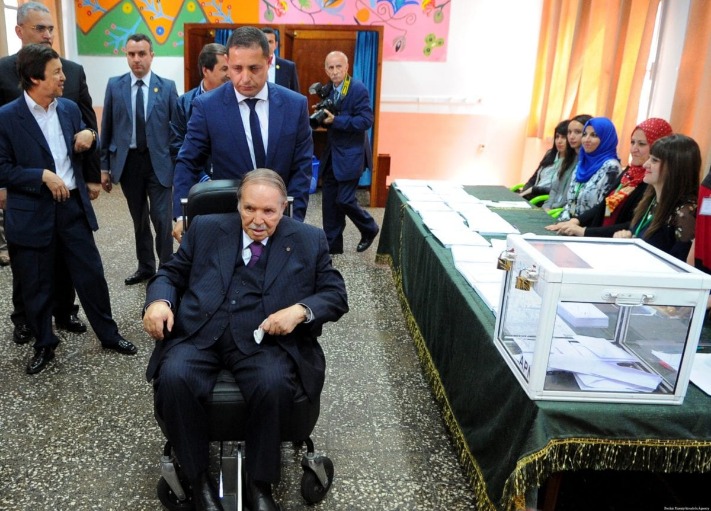
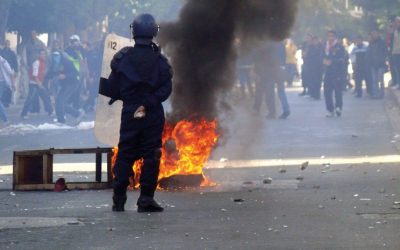
Recent political developments in Algeria have been marked by significant protests and demands for reforms. The 2019 resignation of President Abdelaziz Bouteflika, who had been in power for two decades, was a pivotal moment driven by widespread dissatisfaction with governance and corruption. Since then, the country has seen ongoing efforts to revise the constitution, enhance transparency, and curb corruption. Additionally, there has been a push toward greater political pluralism and increased participation of youth and civil society in political processes, reflecting a desire for more inclusive governance amid calls for economic reforms to diversify Algeria’s resource-dependent economy.

0 Comments