
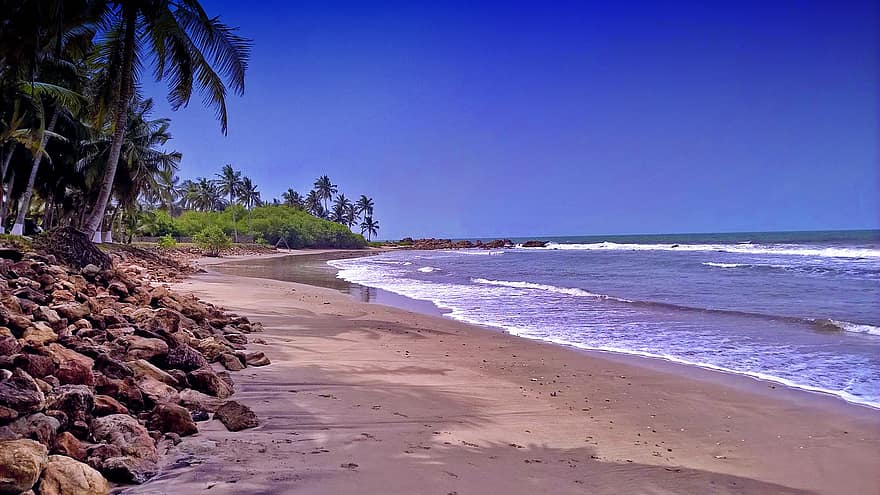
Geography and Climate of Ghana
Ghana, located along the Gulf of Guinea in West Africa, boasts a diverse geography and climate that shape its natural environment and way of life. The country’s landscape includes coastal plains, rolling savannahs, dense forests, and the mountainous regions of the Ashanti highlands. Its climate varies from tropical on the coast to more semi-arid in the northern regions, creating a rich variety of ecosystems and agricultural opportunities. This dynamic geographical setting plays a significant role in Ghana’s culture, economy, and biodiversity.
Physical Features of Ghana
Ghana, located in West Africa, is characterized by diverse geography and a tropical climate. The country features a range of physical landscapes including coastal savannahs, forests, and inland plains, giving it rich natural beauty. To the south, Ghana borders the Gulf of Guinea, which provides a lengthy coastline and major ports. The northern region is characterized by flatter terrain and semi-arid conditions, while the southern areas are more lush with dense forests.
The climate of Ghana is generally warm and humid, with distinct wet and dry seasons. The south experiences a tropical rainforest climate, with heavy rainfall and high temperatures year-round. In contrast, the north has a savannah climate with a longer dry season and relatively lower rainfall. These climatic conditions support a variety of agriculture and biodiversity across the country.
The physical features of Ghana include the Volta River, which is one of the largest and most important rivers in West Africa, feeding into Lake Volta. Lake Volta itself is one of the largest artificial reservoirs in the world. The country also has several mountains and highlands, notably the Atewa Range and the Akwapim-Togo mountain range, which provide highlands and fertile lands. Overall, Ghana’s diverse geography and climate play a vital role in shaping its ecosystems, agriculture, and way of life.
Climate Zones and Weather Patterns
Ghana, located in West Africa, features diverse geography and climate patterns that influence its environment and way of life. The country extends from the Gulf of Guinea in the south to the Sahel region in the north, offering a variety of landscapes including coastal savannahs, rainforests, and grasslands. This geographical variation results in different climate zones across the nation.
Ghana’s climate can be broadly categorized into three main zones:
- The Coastal Zone: Characterized by a tropical climate with high temperatures and significant rainfall throughout the year, especially during the rainy season from April to October.
- The Forest Zone: Found inland, this area also experiences a tropical climate with abundant rainfall, supporting lush rainforests and biodiversity.
- The Savannah Zone: Located in the northern parts, this zone has a more semi-arid climate with lower rainfall, hotter temperatures, and a distinct dry season from November to March.
Weather patterns in Ghana are largely influenced by the West African monsoon and the Atlantic Ocean. The country experiences two main seasons:
- The rainy season, which brings heavy monsoon rains, particularly in the south and the forest regions.
- The dry season, dominated by Harmattan winds from the Sahara Desert, resulting in dry, dusty conditions and cooler temperatures, especially in the north.
Overall, Ghana’s varied geography and climate zones support a range of ecosystems, agriculture, and human activities across the country, making it a geographically and climatically diverse nation in Africa.
Major Water Bodies and Natural Resources
Ghana, located in West Africa, features diverse geographical landscapes, including coastal plains, mountains, and savannahs. Its climate varies from the tropical rainforest in the south to the semi-arid conditions in the north, characterized by distinct wet and dry seasons. The coastal region enjoys a warm, humid climate, while the northern parts experience colder temperatures during harmattan season. Major water bodies include the Gulf of Guinea along the southern coast, the Volta River, which is the longest river in Ghana, and Lake Volta, one of the largest artificial reservoirs in the world. Ghana is endowed with several rich natural resources such as gold, cocoa, diamonds, bauxite, and manganese. These resources significantly contribute to the country’s economy and development. Overall, Ghana’s geography and climate foster a variety of ecosystems, supporting diverse flora and fauna, while its water bodies and natural resources are vital for its economic activities and sustenance.
History and Cultural Heritage
Ghana, located in West Africa, boasts a rich history and vibrant cultural heritage that reflect its diverse past. From ancient kingdoms and trading centers to modern nations, Ghana’s historical sites and traditions offer a window into its unique identity. The country’s cultural tapestry is woven with distinctive music, dance, art, and festivals that celebrate its ancestral roots and contemporary spirit.
Ancient Kingdoms and Empires
Ghana, located in West Africa, boasts a rich history and cultural heritage that dates back thousands of years, making it a prominent center of ancient kingdoms and empires. The region was home to powerful states that greatly influenced the course of West African history and culture.
- Ancient Ghana Empire: Not to be confused with modern Ghana, the historic Ghana Empire (circa 700-1240 AD) was one of the earliest and most influential trading states in West Africa. It prospered through the gold and salt trade and facilitated cultural exchanges across the region.
- Mali Empire: Following the decline of the Ghana Empire, the Mali Empire rose to prominence in the 13th century, with notable rulers like Mansa Musa, whose wealth and pilgrimage to Mecca put West Africa on the world map. Mali contributed significantly to Islamic scholarship and culture.
- Songhai Empire: The Songhai Empire (15th-16th centuries) became one of the largest Islamic empires in history, centered around the city of Gao. It was a hub for trade, learning, and political power, influencing later West African states.
- Modern Ghana’s Heritage: Today, Ghana’s cultural heritage is reflected in its ancient forts, castles, and UNESCO-listed sites like Cape Coast Castle and Elmina Castle, which tell stories of its colonial past and the transatlantic slave trade. The rich traditions of the Asante Kingdom and other ethnic groups continue to shape Ghanaian culture.
Colonial Period and Independence
Ghana, located in West Africa, boasts a rich history and vibrant cultural heritage that dates back thousands of years. It was home to powerful kingdoms such as the Ashanti Empire, known for their sophisticated political systems and stunning gold craftsmanship. The region’s history was deeply impacted by the arrival of European traders in the 15th century, beginning with the Portuguese, followed by the Dutch, British, and others, who established trading forts and contributed to the trans-Atlantic slave trade. During the colonial period, Ghana was known as the Gold Coast due to its abundant mineral wealth and strategic importance.
European colonization brought significant changes, including the imposition of new administrative structures and economic systems. Despite these influences, Ghana’s cultural diversity persisted, with various ethnic groups maintaining their traditions, languages, and beliefs. The struggle for independence gained momentum in the 20th century, fueled by a desire for self-determination and freedom from colonial rule. Led by prominent figures like Kwame Nkrumah, Ghana became the first African nation to gain independence from European colonial powers in 1957, marking a pivotal moment in Africa’s decolonization history.
Today, Ghana celebrates its cultural heritage through festivals, music, dance, and art, which reflect its diverse ethnic identities and historical experiences. The country’s journey from colonial rule to independence is a testament to its resilience and commitment to sovereignty, shaping its national identity and development efforts in the modern era.
Major Historical Landmarks
Ghana, located in West Africa, boasts a rich history and vibrant cultural heritage that dates back thousands of years. It was the center of powerful ancient kingdoms such as the Ashanti Empire and the Nok Culture, which contributed significantly to regional history and development. The country is renowned for its diverse traditions, festivals, and artisanal crafts that reflect its deep-rooted cultural identity.
Among its major historical landmarks, the Cape Coast Castle stands out as a powerful symbol of Ghana’s involvement in the transatlantic slave trade. This UNESCO World Heritage Site offers visitors a glimpse into the nation’s complex history. Another important site is the W.E.B. Du Bois Center in Accra, which honors the renowned civil rights leader and his contributions to African heritage. The Larabanga Mosque, one of the oldest mosques in West Africa, showcases Islamic influence and traditional Sudani architecture. Additionally, the Kakum National Park, with its famous canopy walkway, not only provides ecological significance but also cultural insight into the indigenous communities living in harmony with nature.
Political and Administrative Structure
Ghana, located in West Africa, boasts a well-defined political and administrative structure that supports its democratic governance. The country operates a unitary system with a central government overseeing various administrative regions. Ghana’s political framework includes executive, legislative, and judicial branches that work together to ensure stability, development, and citizen participation. This structure facilitates effective governance and promotes the country’s progress on the continental stage.
Government System and Leadership
Ghana, located in West Africa, boasts a well-established political and administrative structure that supports its democratic governance. The government operates under a unitary presidential system, where the President serves as both the head of state and the head of government. The executive branch is complemented by a multi-party system that encourages political pluralism and democratic elections. The Parliament of Ghana is a unicameral legislative body responsible for making laws and overseeing the executive. The administrative framework is decentralized, with regional and district assemblies facilitating local governance and development initiatives. Leadership in Ghana is characterized by elected officials who uphold the principles of democracy, transparency, and accountability, playing a crucial role in nation-building and fostering socio-economic progress across the country.
Administrative Divisions and Regions
Ghana, located in West Africa, has a well-defined political and administrative structure that supports its governance and regional development. The country operates as a unitary state with a centralized government, complemented by local administrative units to facilitate effective governance at various levels.
- Political Structure: Ghana functions as a democratic republic with a President as the head of state and government. The President is elected through general elections and exercises executive authority. The Parliament of Ghana, a unicameral legislative body, makes national laws and policies.
- Administrative Divisions: The country is divided into several administrative levels, including Regions, Districts, and Local Assemblies. These divisions help in decentralizing administrative functions and promoting local governance.
- Regions: Ghana is divided into sixteen regions, each governed by a Regional Minister appointed by the President. These regions serve as administrative hubs for planning and development activities.
- Districts: Regions are subdivided into districts, which are the basic units of local government. Each district has a District Assembly responsible for local administration and service delivery.
- Local Authorities: Further subdivisions include metropolitan, municipal, and town assemblies that handle local issues, development projects, and community needs.
Role in Regional and International Organizations
Ghana’s political and administrative structure is founded on a democratic framework that encompasses the Executive, Legislature, and Judiciary. The President serves as both head of state and government, overseeing the executive branch and implementing national policies. The Parliament, a unicameral body, enacts legislation and supervises the government’s activities, while the judiciary ensures the rule of law through an independent court system. Administratively, Ghana is divided into regions, districts, and local assemblies that facilitate governance and development initiatives across the country.
Ghana actively participates in regional and international organizations, reflecting its commitment to regional integration and global cooperation. It is a member of the Economic Community of West African States (ECOWAS), working to promote economic stability, peace, and development within West Africa. Ghana is also a member of the African Union (AU), contributing to continental efforts toward peace, security, and economic growth. Internationally, Ghana maintains diplomatic relations with numerous countries and is a member of organizations such as the United Nations, where it advocates for issues like sustainable development, peacekeeping, and human rights.
Economy and Resources
Ghana, a vibrant country in West Africa, boasts a diverse economy heavily reliant on its rich natural resources. Its economy is characterized by agricultural activities, mining, and increasingly growing sectors such as manufacturing and services. The nation’s vast resources, including gold, cocoa, and mineral deposits, play a pivotal role in shaping its economic landscape and development prospects. Understanding Ghana’s resources and their management is essential to grasping the country’s economic potential and challenges.
Key Sectors: Agriculture, Mining, and Industry
Ghana’s economy is diverse, with key sectors such as agriculture, mining, and industry playing vital roles in its development. Agriculture remains the backbone of the country, providing employment to a significant portion of the population and producing crops like cocoa, cocoa beans, yams, and fruits. The mining sector is renowned for its production of gold, which is one of the country’s main exports, along with bauxite and manganese. Industry in Ghana includes manufacturing, processing, and construction activities, contributing to economic growth and employment opportunities. Overall, these sectors collectively support Ghana’s economic stability and development trajectory, making it a vital part of the nation’s resources and economic structure.
Major Export Commodities
Ghana, located in West Africa, has a diverse economy primarily driven by its rich natural resources and export commodities. The country has historically been one of the leading producers of gold in Africa, which remains a major contributor to its economy. Gold exports generate substantial revenue and attract international investment. Additionally, Ghana is a significant producer of cocoa, making it one of the world’s top exporters of this commodity. Cocoa beans are vital to Ghana’s economy, supporting numerous livelihoods and the country’s export earnings. Apart from gold and cocoa, Ghana also exports minerals such as bauxite and manganese. The country is increasingly investing in other sectors like oil and natural gas, further diversifying its resource base and economic prospects. Overall, Ghana’s economy relies heavily on its natural resource wealth and the export of key commodities that contribute substantially to national income and development.
Economic Challenges and Opportunities
Ghana, located in West Africa, possesses a diverse economy heavily reliant on natural resources, including gold, cocoa, and oil. Its abundant mineral wealth provides significant opportunities for economic growth, attracting foreign investment and fostering industrial development. However, the country faces economic challenges such as over-reliance on commodity exports, which makes it vulnerable to global price fluctuations. Infrastructure deficits, limited diversification, and unemployment further hinder sustainable growth. Despite these challenges, Ghana has the potential to leverage its resources for economic advancement by investing in sectors like manufacturing, technology, and renewable energy. Strengthening education, improving governance, and expanding access to infrastructure can unlock new opportunities for job creation and poverty reduction, ensuring long-term economic stability and prosperity.
Culture and Society
Ghana, a vibrant country in West Africa, boasts a rich tapestry of culture and society that reflects its diverse history and ethnic groups. From traditional festivals to modern urban life, Ghanaian culture is characterized by its unique customs, art, music, and social values. Understanding the intricate relationship between culture and society in Ghana provides a deeper insight into the nation’s identity and resilience.
Languages and Ethnic Groups
Ghana, located in West Africa, boasts a rich tapestry of culture and society that is deeply rooted in its history and diverse population. The country is known for its vibrant traditions, colorful festivals, and unique art forms that reflect the heritage of its many ethnic groups. Language plays a crucial role in Ghanaian society, with English serving as the official language used in government, education, and media, while numerous indigenous languages such as Akan, Mole-Dagbon, Ewe, and Ga are widely spoken within local communities. These languages help preserve cultural identities and facilitate communication among different ethnic groups. Ghana’s ethnic composition is diverse, with the Akan being the largest group, followed by Mole-Dagbon, Ewe, and Ga-Dangme, among others. This ethnic diversity contributes to a dynamic and harmonious society, where traditional customs coexist with modern influences, shaping the country’s unique cultural landscape.
Traditional Customs and Festivals
Ghana, located in West Africa, boasts a rich cultural heritage shaped by diverse ethnic groups, traditional customs, and vibrant festivals. The community’s social fabric is deeply rooted in traditions that have been passed down through generations, reflecting their history and values. Music, dance, and storytelling play a vital role in everyday life, serving as means of preserving culture and fostering social bonds.
Traditional customs in Ghana vary among its ethnic groups, such as the Akan, Mole-Dagbon, Ewe, and Ga-Dangme communities. These customs include rites of passage, marriage ceremonies, and ceremonies honoring ancestors. Many rituals are performed during important life events, emphasizing respect for elders and communal participation.
Festivals hold a significant place in Ghanaian society, often coinciding with harvest seasons or historical commemorations. Notable festivals like Homowo in the Ga community celebrate harvest abundance, while the Panafest promotes unity and cultural pride. During these festivals, elaborate dances, colorful attire, drumming, and communal feasts bring people together in joyful celebration of their heritage.
Ghanaian Cuisine and Arts
Ghana, located in West Africa, boasts a rich cultural heritage that is reflected in its vibrant society, diverse cuisine, and expressive arts. The country’s cultural traditions are deeply rooted in history, with numerous festivals, ceremonies, and rituals celebrated throughout the year, showcasing the heritage of ethnic groups like the Ashanti, Ewe, and Mole-Dagbon. Society in Ghana emphasizes community, family bonds, and respect for elders, which are vital aspects of daily life.
Ghanaian cuisine is renowned for its flavorful dishes that utilize local ingredients such as maize, yams, plantains, and a variety of vegetables and spices. Staples like banku, fufu, and jollof rice are enjoyed across the country, often accompanied by rich stews and soups made from fish, meat, or vegetables. These dishes reflect the country’s agricultural bounty and cultural diversity, bringing people together in communal dining experiences.
The arts in Ghana are vibrant and diverse, encompassing traditional crafts, music, dance, and contemporary artistic expressions. Adinkra symbols, used in fabric and pottery, convey messages and proverbs, embodying philosophical concepts. Ghanaians are also celebrated for their drum-making and dance, which play a significant role in social and spiritual events. Modern Ghanaian artists fuse traditional elements with contemporary styles, gaining international recognition and contributing to a dynamic cultural scene.
Tourism and Natural Attractions
Ghana, in the heart of Africa, is a vibrant destination renowned for its rich cultural heritage and stunning natural attractions. From pristine beaches along the Atlantic coast to lush rainforests and majestic waterfalls, the country offers a diverse array of experiences for travelers. Visitors are often drawn to its historical sites, vibrant festivals, and breathtaking landscapes, making Ghana a captivating gem for eco-tourism and cultural exploration alike.
Popular Tourist Destinations
Ghana, located in West Africa, is a vibrant country renowned for its rich history, diverse culture, and stunning natural attractions. Tourists flock to Ghana to explore its beautiful landscapes, historic sites, and lively cities, making it a popular travel destination on the continent. The country offers a unique blend of natural beauty and cultural heritage that appeals to travelers seeking both adventure and enlightenment.
One of the major natural attractions in Ghana is Lake Volta, one of the largest reservoirs in the world, offering opportunities for boating, fishing, and scenic views. Kakum National Park is another must-visit destination, famous for its canopy walkways that allow visitors to see the rainforest from above and experience the diverse flora and fauna. Mole National Park provides a sanctuary for wildlife enthusiasts eager to spot elephants, antelopes, and various bird species in their natural habitat.
Ghana’s coastal cities are also popular tourist hubs. Accra, the capital, boasts vibrant markets, historic sites like the Cape Coast Castle, and a lively nightlife. The coastal town of Cape Coast is well-known for its historic slave castles and beaches, offering both cultural insights and relaxation. Additionally, the UNESCO World Heritage Site of Elmina Castle is a significant historical site that attracts many visitors interested in Ghana’s role in the transatlantic slave trade.
Overall, Ghana’s natural attractions and cultural landmarks make it a captivating destination for travelers looking to explore Africa’s diverse landscapes and historical richness.
Wildlife and National Parks
Ghana in Africa is renowned for its rich tourism offerings, combining vibrant cultural heritage with stunning natural attractions, wildlife, and national parks. Visitors have the opportunity to explore diverse ecosystems, experience unique wildlife, and enjoy the scenic beauty of the country’s landscapes.
- Luxurious coastal resorts along the Atlantic Ocean, especially in Accra and Cape Coast, attract visitors seeking relaxation and oceanic adventures.
- Lake Volta, one of the largest man-made lakes in the world, offers boat cruises and fishing activities.
- Kakum National Park features the famous canopy walk, providing a bird’s-eye view of the rainforest canopy.
- Mole National Park is Ghana’s largest wildlife refuge, home to elephants, buffalo, antelopes, and numerous bird species, providing safari experiences for tourists.
- Bia National Park and Boni Wildlife Sanctuary are also vital protected areas known for their rich biodiversity and conservation efforts.
National parks and wildlife reserves serve as major attractions for eco-tourists and nature enthusiasts, showcasing Ghana’s commitment to preserving its natural heritage. These destinations offer a glimpse into the diverse flora and fauna of the region, enticing visitors to explore the continent’s natural beauty.
Adventure and Eco-Tourism Activities
Ghana, located in West Africa, is a captivating destination renowned for its rich natural attractions and diverse tourism opportunities. Visitors can explore stunning landscapes such as the Cape Coast Castle, Lake Volta, and the picturesque Wli Waterfalls, offering an immersive experience in the country’s scenic beauty. Adventure and eco-tourism activities abound in Ghana, with options like hiking in the Akwaba Forest Reserve, birdwatching in Mole National Park, and exploring the unique biodiversity of Kakum National Park through its famous canopy walkway. Ghana’s vibrant culture, combined with its lush environments and adventure activities, makes it an ideal destination for travelers seeking both relaxation and excitement amidst nature.
Education and Healthcare
Education and healthcare are vital pillars for the development and well-being of Ghana, a country located in West Africa. Access to quality education and healthcare services plays a crucial role in improving living standards, reducing poverty, and fostering sustainable growth. In Ghana, ongoing efforts aim to enhance these sectors to ensure a brighter future for its citizens and promote overall national progress.
Educational System and Universities
Ghana, located in West Africa, is making significant strides in improving its education and healthcare systems to foster national development and uplift its population. The country’s educational system aims to provide quality education to all levels, from primary to tertiary, as a foundation for economic growth and social stability.
- Ghana’s educational system comprises basic education, secondary education, and tertiary institutions, including universities and technical colleges.
- The government has implemented policies to increase access to education, reduce disparities, and improve curriculum standards.
- Universities such as the University of Ghana, Kwame Nkrumah University of Science and Technology, and University of Cape Coast are prominent centers for higher learning and research.
- Efforts are ongoing to enhance infrastructure, incorporate technology, and promote research and innovation within these institutions.
In healthcare, Ghana faces challenges related to access, quality, and funding, but recent initiatives aim to strengthen healthcare delivery across the country. The National Health Insurance Scheme has expanded coverage, making healthcare more affordable for citizens, while efforts continue to improve healthcare infrastructure, maternal health, and disease prevention.
- Ghana’s healthcare system includes public and private facilities, with a focus on primary healthcare centers reaching rural areas.
- The government collaborates with international organizations to combat diseases such as malaria, HIV/AIDS, and tuberculosis.
- Ongoing investments in medical training and facilities are essential to meet the growing health needs of the population.
Healthcare Infrastructure and Services
Ghana has been making significant strides in improving education and healthcare, recognizing their vital roles in national development. The country has expanded access to primary and secondary education, aiming to increase literacy rates and reduce disparities. Investment in healthcare infrastructure has led to the establishment of numerous hospitals and clinics, enhancing service delivery across urban and rural areas. Ghana’s healthcare system offers a range of services, including maternal and child health, infectious disease control, and increasingly, non-communicable disease management. Efforts continue to strengthen healthcare infrastructure, train healthcare professionals, and promote public health awareness to ensure better health outcomes for its population.
Development Initiatives in Education and Health
Ghana, a country in West Africa, has made significant strides in advancing education and healthcare through various development initiatives. The government and international partners have prioritized increasing access to quality education, ensuring that children and young adults receive the skills necessary for economic growth. Initiatives such as free primary and secondary education have helped reduce dropout rates and promote literacy. In healthcare, Ghana has launched programs to improve maternal and child health, combat infectious diseases like malaria and HIV/AIDS, and expand healthcare infrastructure across rural and urban areas. These efforts aim to create a healthier, more educated population that can contribute to Ghana’s sustainable development.



0 Comments