
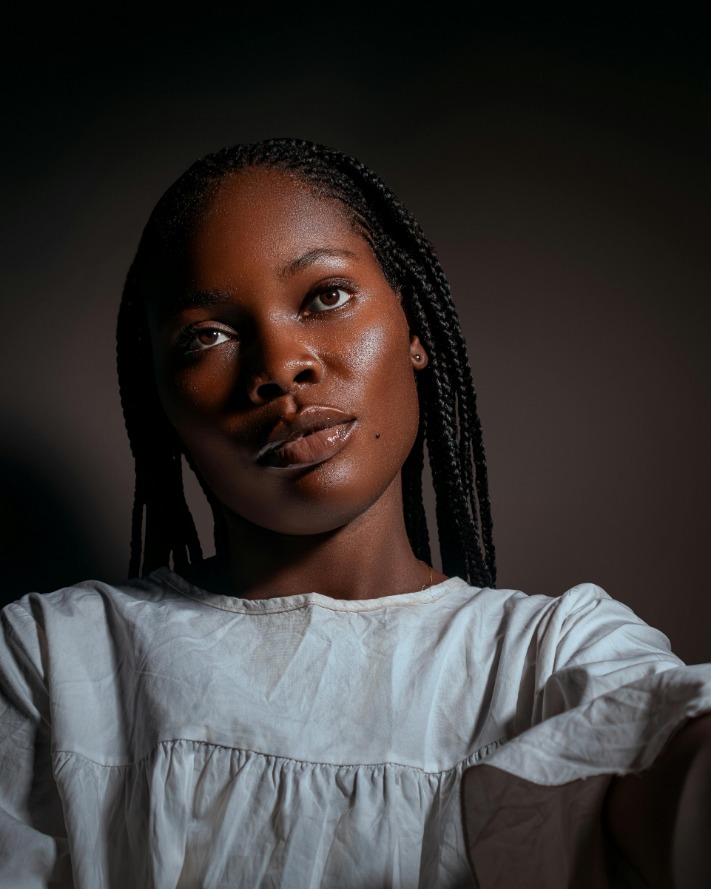
History and Cultural Significance of Ghana Braids
Ghana braids, also known as cornrows, hold a rich history and cultural significance that dates back centuries in West Africa. These intricate hairstyles are more than just a fashion statement; they serve as a symbol of identity, social status, and cultural heritage among Ghanaian communities. Throughout history, Ghana braids have been used to convey messages, mark milestones, and celebrate traditions, making them an enduring and meaningful part of Ghanaian culture.
Origins of Ghana Braids
Ghana braids, also known as cornrows, are a traditional hairstyle with deep roots in African history and culture. These intricate braids have been worn for centuries, serving both practical and symbolic purposes across various communities in Ghana and the broader West African region. Historically, Ghana braids were used to signify social status, age, ethnicity, and even tribal affiliation, acting as a form of visual communication.
The origins of Ghana braids can be traced back thousands of years, with archaeological evidence suggesting that similar braided hairstyles were practiced by ancient African societies. The technique involves close-to-the-scalp braiding that can be styled into complex patterns, often requiring skilled craftsmanship passed down through generations. Beyond aesthetics, these styles also helped protect hair from harsh environmental conditions, such as sun and wind.
Throughout history, Ghana braids have held cultural significance, representing identity, beauty, and cultural heritage. They have been embraced as a symbol of pride and a way to preserve African traditions in a modern world. Today, Ghana braids continue to be celebrated globally, symbolizing cultural resilience, artistry, and the shared history of African peoples.
Historical Use in African Societies
Ghana braids, also known as Cornrows, hold a rich history and cultural significance in African societies. These intricate braiding styles have been used for centuries as a form of artistic expression, social communication, and cultural identity among various African communities. Historically, Ghana braids served as a way to indicate a person’s age, marital status, tribe, or social rank, allowing individuals to convey important information without spoken words. They also played a role in rituals and ceremonies, symbolizing unity, status, and ancestral ties. Over time, Ghana braids have become a symbol of cultural pride and heritage, reflecting the vibrant traditions and craftsmanship of African people. Today, they continue to be celebrated globally as a beautiful and meaningful hairstyle that connects modern individuals to their African roots and history.
Symbolism and Cultural Identity
Ghana braids, also known as Ghana Weaving or Cornrows, hold a deep historical and cultural significance in West Africa, particularly in Ghana. These intricate hairstyles date back centuries and have been used to signify social status, age, ethnicity, and even religious beliefs. Traditionally, Ghana braids are crafted using natural hair, often styled in complex patterns that reflect a person’s identity and community ties.
Beyond their aesthetic appeal, Ghana braids symbolize cultural pride and heritage. They serve as a means of preserving African traditions and passing down skills from generation to generation. The styles often incorporate symbolic patterns and designs that carry meaning specific to different tribes and regions, acting as visual language that communicates identity and social belonging.
In contemporary times, Ghana bras are embraced worldwide as a symbol of cultural pride and empowerment. They also represent a connection to African roots and history, fostering a sense of unity and cultural affirmation among those who wear them. Overall, Ghana braids remain a powerful expression of cultural identity, history, and artistic mastery that continues to evolve while honoring its rich heritage.
Types and Styles of Ghana Braids
Ghana braids are a popular and versatile hairstyle that showcases the rich cultural heritage of Ghana. They come in various types and styles, each offering a unique way to express personality and creativity. From intricate patterns to simple braids, Ghana braids are celebrated for their durability, beauty, and ability to be customized for any occasion. This article explores the different types and styles of Ghana braids, helping you discover the perfect look for yourself.
Singles and Double Braids
Ghana braids are a popular and versatile style of protective hairstyle that originate from West Africa. They are known for their neatness, durability, and cultural significance, often symbolizing social status and heritage. There are various types and styles of Ghana braids, each offering a unique look and suited for different occasions.
Single Ghana braids, also called individual braids, are created by sectioning the hair into small parts and braiding each section separately from the root to the tip. This style allows for a clean, sleek appearance and offers versatility, as the braids can be styled in different ways, including ponytails, buns, or left hanging.
Double braids, on the other hand, involve creating two parallel rows of braids that run along the scalp. This style often gives a more structured and symmetrical look and can be customized with added accessories like beads or hair cuffs. Double Ghana braids are suitable for both casual and formal occasions and are appreciated for their ease of maintenance.
Other popular Ghana braid styles include cornrows, which are tight, close-to-scalp braids that can be styled in intricate geometric patterns, and Ghana weaving, which involves larger, thicker braids for a bold statement. Overall, Ghana braids are celebrated for their cultural richness, protective benefits, and endless styling possibilities.
Feed-in Ghana Braids
Ghana braids, also known as cornrows, are a popular and versatile protective hairstyle originating from West Africa. They feature intricate, tight braiding patterns that can be styled into various looks to showcase creativity and cultural heritage. Ghana braids are known for their durability and the ability to incorporate beads, shells, or other accessories for added flair.
There are several types and styles of Ghana braids, each offering unique aesthetic and functional benefits. Classic Ghana braids typically consist of straight, neat cornrows that run close to the scalp in straight or curved lines. They can be styled into larger or smaller braids depending on preference. Some styles branch into artistic patterns such as zigzags, spirals, or geometric designs, allowing for personalized expression.
Feed-in Ghana braids are a modern variation designed for a natural and seamless look. This technique involves gradually adding small pieces of hair into the braid as it is created, which results in a more natural transition from the scalp to the length of the braid. Feed-in braids help reduce tension on the scalp and create a gradual, flowing appearance. These styles can be customized with various parts, lengths, and accessories to suit different tastes, making them a popular choice for both everyday wear and special occasions.
Invisible and Cornrow Variations
Ghana braids are a popular and versatile hairstyle that showcases intricate patterns and cultural significance. They come in a variety of types and styles, allowing for personalized expression and creativity. One common style is the classic Ghana braid, which features long, thick, and well-defined plaits that are often left to hang freely or styled into different patterns.
Invisible braids, also known as hidden or seamless braids, are a sleek variation where the braid is tightly woven with each section concealed within the previous one. This technique creates a smooth, polished look that appears seamless on the scalp. They are ideal for formal occasions or everyday wear, providing a neat and tidy appearance.
Cornrow variations are another popular form of Ghana braids, characterized by tight, raised rows that run parallel to the scalp. These can be styled in numerous ways, including straight, zigzag, or curved patterns. Some variations include adding beads, cowries, or colorful extensions to enhance the overall aesthetic. Cornrow styles can be simple and elegant or elaborate with intricate designs, making them suitable for both casual and special events.
Overall, Ghana braids, including invisible and cornrow styles, offer a rich array of options that celebrate African heritage while allowing for modern fashion trends. They are not only a practical protective style but also a form of cultural expression and artistry.
Decorative and Beaded Ghana Braids
Ghana braids are a popular and versatile style of protective braiding that originates from Ghana and has gained worldwide popularity. These braids come in various types and styles, each offering a unique look and cultural significance. Some common types include small, tight braids often called “cornrows,” which lie flat against the scalp, and larger, more intricate styles such as Ghana weaving or tribal braids that feature creative patterns and extensions. The styles can range from simple and neat to elaborate and artistic, allowing for personal expression and cultural pride.
Decorative Ghana braids incorporate added elements such as colorful beads, charms, or accessories that enhance the visual appeal. These decorative styles often involve inserting beads at the ends of the braids or integrating beads into the strands during braiding, creating a vibrant and eye-catching look. Beaded Ghana braids are especially popular among women and girls for special occasions, festivals, or everyday fashion, symbolizing beauty and cultural heritage. They are not only stylish but also serve to preserve tradition, making Ghana braids a meaningful form of self-expression across the globe.
Styling Techniques and Methods
Ghana braids are a stunning and versatile hairstyle that showcases intricate weaving techniques and cultural significance. Learning various styling methods allows for creative expression and personal style customization. Whether for everyday wear or special occasions, understanding these techniques helps achieve beautiful and long-lasting results in Ghana braids.
Preparation and Hair Care
Ghana braids, also known as cornrows or canerows, are a popular and versatile hairstyle rooted in African culture. To achieve the best results, proper styling techniques and methods are essential, beginning with clean, well-conditioned hair to ensure smooth braiding and prevent damage. Preparing the hair involves detangling thoroughly, sectioning into manageable parts, and applying a styling gel or conditioner to reduce frizz and enhance grip during braiding. When creating Ghana braids, it’s important to braid close to the scalp using consistent tension to ensure neatness and longevity. Regular maintenance, such as moisturizing the scalp, avoiding excessive tension, and covering the braids at night, helps preserve the style and maintain healthy hair. Proper hair care also includes gentle cleansing, using lightweight oils, and avoiding over-manipulation to prevent breakage and retain hair strength. Overall, combining careful preparation with proper styling and care techniques ensures that Ghana braids stay beautiful and healthy for an extended period.
Sectioning and Parting
Styling techniques and methods, along with sectioning and parting, are essential elements in creating beautiful Ghana braids. Proper sectioning ensures that the braids are neat, uniform, and evenly distributed, which contributes to a polished appearance. Artists often use precise parting techniques to create clean lines and define the sections, making the braiding process more manageable and enhancing the overall aesthetic.
There are various sectioning methods used in Ghana braids, including straight, zigzag, and triangular partings, each offering a different visual effect. The choice of parting style can reflect personal taste or cultural significance. Sectioning also helps prevent the braids from becoming tangled or uneven, ensuring durability and comfort for the wearer.
When it comes to styling techniques, braiders typically start with a thorough scalp preparation, followed by sectioning the hair into manageable parts. Using the chosen parting pattern, they then create small, even sections before beginning the braiding process. Techniques such as feed-in, invisible, and box braids may be used to achieve different textures and lengths, all while maintaining the integrity of the original parting pattern.
Braiding Techniques
Ghana braids are a versatile and stylish protective hairstyle that offers a variety of styling techniques and methods. These braids are characterized by their intricate patterns and neat construction, making them a popular choice for many looking to showcase creativity and cultural heritage. Techniques such as cornrowing, box braiding, and feed-in braiding are commonly used to achieve the signature look of Ghana braids. Each method involves sectioning the hair into small, manageable portions before braiding systematically to create uniform, long-lasting styles. Artists often incorporate creative elements like beads, cowries, and colorful extensions to enhance the overall aesthetic. Additionally, techniques like ladder braids or zig-zag patterns can add a unique touch to traditional Ghana braids, allowing for personalization and expression. Proper traction and tension are important to prevent damage and ensure comfort, which is why skilled braiders focus on precise methods for a polished finish. These styling techniques not only provide a beautiful appearance but also serve as a practical way to maintain hair health and reduce daily styling time. Overall, Ghana braids exemplify a blend of artistry and cultural significance, utilizing a range of braiding methods to create stunning, durable hairstyles.
Incorporating Accessories
Ghana braids are a versatile and elegant hairstyle that can be styled using various techniques and methods to enhance their beauty and durability. When creating Ghana braids, individuals often opt for a neat, tight plaiting technique that ensures the braids remain secure and last longer. To add dimension and personality, different parting styles such as zigzag or straight lines can be incorporated. Incorporating accessories plays a crucial role in elevating the look, allowing for the addition of beads, cuffs, or charms at the ends or throughout the braids. These accessories not only add flair and individuality but also help to create a more textured and eye-catching style. Combining creative braiding methods with thoughtful accessory placement allows for a customized and fashionable appearance suitable for any occasion. Properly maintaining Ghana braids with moisturizing treatments and gentle handling ensures they stay vibrant and stylish over time.
Maintaining Ghana Braids
Ghana braids, also known asghana cornrows, are a beautiful and versatile hairstyle that can enhance your overall look. Proper maintenance is essential to keep them looking fresh, neat, and healthy for as long as possible. With the right care and attention, you can enjoy your Ghana braids for weeks while maintaining scalp health and preventing damage. In this article, we’ll explore simple tips and techniques for maintaining Ghana braids to ensure they stay beautiful and comfortable.
Washing and Cleaning Tips
Ghana braids are stylish and versatile protective hairstyles that require proper maintenance to keep them looking fresh and neat. Regular washing and cleaning are essential to maintain scalp health and prolong the life of the braids. Here are some helpful tips to keep your Ghana braids clean and well-maintained.
- Wash your scalp gently with a diluted shampoo solution to remove dirt and excess oil without disturbing the braids.
- Use a spray bottle to apply a mixture of water and a small amount of shampoo or co-wash product directly to the scalp, then gently massage to clean.
- Focus on rinsing thoroughly to ensure no buildup of product or dirt remains, which can cause scalp irritation.
- Pat your braids dry with a soft towel or air dry to prevent mold and mildew from developing under the braids.
- Apply a lightweight leave-in conditioner or oil to keep your scalp moisturized and prevent dryness and itching.
- Wear a satin or silk scarf or bonnet at night to protect your braids and maintain moisture.
- Avoid heavy or greasy products that can cause buildup and weigh down the braids.
Moisturizing and Scalp Care
Maintaining Ghana braids requires regular care to keep both your hair and scalp healthy. It is essential to moisturize your scalp daily using light oils or sprays to prevent dryness and itching. Applying natural oils like coconut or jojoba can nourish your scalp and hair strands, promoting growth and moisture retention. Additionally, avoid tight braiding styles that can cause tension and damage to your hairline. Sleeping with a satin or silk scarf or bonnet can reduce friction and maintain the longevity of your Ghana braids. Regularly washing your scalp with a gentle, diluted shampoo helps remove buildup and keeps your scalp clean without disturbing the braids. Lastly, scheduling touch-ups or re-braiding sessions as needed can help prevent matting and keep your look fresh and healthy.
Longevity and Touch-ups
Maintaining Ghana braids to ensure their longevity and freshness involves proper care and regular touch-ups. To keep your Ghana braids looking their best, avoid over-manipulating them and try to sleep with a satin or silk scarf or bonnet to minimize friction and frizz. Moisturize your scalp regularly with natural oils like castor oil, coconut oil, or braid sprays to prevent dryness and itching. Gently wash your braids with diluted shampoo, focusing on your scalp, and avoid excessive water to prevent mold and smell. For touch-ups, gradually tighten loose or frayed sections, especially around the edges, to maintain a neat appearance. It’s recommended to visit a professional stylist every few weeks for re-braiding or fixing any noticeable issues, which will prolong the lifespan of your Ghana braids and keep them looking vibrant and beautiful. Proper care and timely touch-ups will help you enjoy your Ghana braids for weeks or even months.
Detangling and Removing Braids
Maintaining Ghana braids involves gentle handling and regular care to keep them looking fresh and neat. To prolong the style, avoid excessive pulling and avoid over-tightening during installation. It is essential to keep the scalp clean by gently washing with a diluted shampoo solution, focusing on the scalp rather than the braids themselves. Moisturizing your scalp and hair regularly with light oils or leave-in conditioners helps prevent dryness and breakage. When detangling Ghana braids, use your fingers or a wide-tooth comb to carefully loosen any knots or tangles from the ends upwards, ensuring minimal hair breakage. When it’s time to remove the braids, do so gently by unbraiding slowly and carefully to avoid unnecessary hair damage. Applying a bit of oil or conditioner before removing can help ease the process. After removing the braids, it is advisable to deep condition your hair to restore moisture and maintain healthy hair growth. Always remember to take proper care of your hair and scalp to keep your Ghana braids looking beautiful and to maintain overall hair health.
Modern Trends and Influences
In recent years, modern trends and influences have significantly shaped the way we perceive and style Ghana braids. These traditional protective hairstyles have evolved, blending contemporary fashion with cultural significance, and reflecting broader social and artistic movements. As global interactions increase, Ghana braids have gained international recognition, inspiring innovative designs and fostering a deeper appreciation for African heritage within modern beauty standards.
Popular in Fashion and Media
Ghana braids have gained international popularity as a versatile and stylish hairstyle that blends cultural heritage with modern trends. Influenced by African traditions, these braids are now embraced by fashion icons and celebrities worldwide, making them a dominant feature in contemporary media and fashion landscapes.
- Bold and intricate patterns showcasing craftsmanship and cultural significance
- Use of vibrant accessories and beads to enhance visual appeal
- Incorporation into runway shows, music videos, and social media content
- Fusion with other hairstyle trends such as color treatments and creative styling
- Recognition as a symbol of identity, empowerment, and cultural pride
Fusion with Other Hairstyles
Modern trends in Ghana braids showcase a dynamic fusion of traditional craftsmanship with contemporary fashion influences. Different textures, colors, and intricate patterns are now incorporated to create personalized and trendy styles that appeal to a diverse audience. Influenced by global fashion movements, Ghana braids are often combined with accessories such as beads, charms, or added hair extensions to enhance their aesthetic appeal. This fusion allows for a versatile expression of culture and individuality, making Ghana braids a popular choice for both traditional celebrations and everyday fashion statements. As hairstyling continues to evolve, these trends reflect a seamless blend of heritage and modern creativity, pushing the boundaries of conventional braided styles.
Celebrity Styles
Ghana braids have become a prominent feature in modern fashion, blending traditional craftsmanship with contemporary influences. These intricate braids are celebrated for their versatility and cultural significance, inspiring trends across the globe. Influences from celebrity styles have further popularized Ghana braids, as many famous personalities showcase them on red carpets and social media, setting new standards for elegance and individuality. The evolving styles now incorporate creative patterns, accessory embellishments, and vibrant colors, making Ghana braids a symbol of both cultural pride and modern innovation in hairstyling.
Ghana Braids and Personal Identity
Ghana braids, also known as cornrows, are a traditional African hairstyle that holds deep cultural significance and serves as a powerful expression of personal identity. Rooted in history and rich in symbolism, these intricate braids reflect cultural heritage, social status, and individual creativity. As a modern symbol of pride and tradition, Ghana braids continue to connect people to their roots while allowing for contemporary fashion statements.
Expressing Cultural Heritage
Ghana braids are more than just a popular hairstyle; they serve as a powerful expression of cultural heritage and personal identity. Rooted in the traditions of West Africa, these intricately designed braids symbolize various social, cultural, and personal meanings, allowing individuals to showcase their connection to their roots while embracing modern beauty trends.
Wearing Ghana braids can convey identity, social status, and cultural pride. The styles often reflect specific cultural symbols, community affiliations, or personal stories, making them a vital form of non-verbal communication within Ghanaian society and beyond. For many, these braids are a way to honor their ancestors and maintain a connection to their cultural history.
Additionally, Ghana braids are a versatile canvas for self-expression. They can be styled in numerous patterns, colors, and intricate designs, enabling individuals to express their unique personality and aesthetic preferences while still respecting traditional techniques. This blend of tradition and creativity helps preserve cultural heritage while allowing personal innovation.
- Ghana braids symbolize cultural identity and social belonging.
- The styles often carry specific cultural and personal meanings.
- Wearing these braids fosters a sense of pride and connection to heritage.
- They serve as a form of artistic expression and personal creativity.
- Ghana braids help maintain cultural traditions in contemporary fashion.
Fashion Statement and Personal Style
Ghana braids, also known as Ghana weaving, are a traditional hairstyle deeply rooted in African culture, particularly among the Ghanaian people. They serve not only as a practical method of hair protection but also as a powerful expression of personal identity. Wearing Ghana braids can signify cultural pride, heritage, and community connection, allowing individuals to celebrate their roots and showcase their unique stories through intricate braiding styles.
As a fashion statement, Ghana braids have gained popularity worldwide, transcending cultural boundaries and becoming a versatile trend in contemporary hairstyling. Their elaborate patterns and creative styling options allow wearers to make bold fashion statements, whether by opting for large, thick braids or detailed, narrow plaits. Ghana braids enable individuals to experiment with their personal style, blending tradition with modern aesthetics and showcasing their innovative approach to fashion.
Furthermore, Ghana braids reflect personal identity by allowing wearers to choose styles that resonate with their personality and cultural background. They serve as an extension of self-expression, helping individuals assert their uniqueness and confidence. Over time, Ghana braids have evolved into a symbol of empowerment and cultural affirmation, bridging the gap between heritage and modern fashion in a way that is meaningful and stylish.
Empowerment and Confidence
Ghana braids are a traditional and culturally significant hairstyle that goes beyond mere aesthetics, playing a vital role in shaping personal identity, empowerment, and confidence. These intricate braids serve as a symbol of cultural heritage, representing history, artistry, and community bonds.
Wearing Ghana braids allows individuals to connect with their roots, expressing pride in their cultural background. The craftsmanship involved in creating these styles fosters a sense of accomplishment and personal empowerment, as they often require skill and patience. Additionally, Ghana braids can be a form of self-expression, enabling individuals to showcase their personality and creativity through various braid designs.
Moreover, Ghana braids contribute to boosting confidence by providing a stylish and unique look that can make a person feel beautiful and confident in their appearance. They often serve as a statement of resilience and cultural pride in diverse settings, empowering wearers to celebrate their heritage and embrace their authentic selves.
- Symbol of cultural identity and heritage
- Expression of creativity and individuality
- Boost in self-esteem and confidence
- Representation of empowerment and community pride
- Connection to traditional artistry and craftsmanship
Care Products for Ghana Braids
Ghana braids are a beautiful and culturally significant hairstyle that has gained popularity worldwide. To maintain the health and appearance of these intricate braids, specialized care products are essential. High-quality care products help keep the scalp clean, moisturized, and detangled, ensuring that your Ghana braids stay vibrant and comfortable for an extended period. Whether you are newly installed or maintaining existing braids, the right care products can make all the difference in ensuring your hair remains healthy and beautiful.
Recommended Hair Oils and Moisturizers
When caring for Ghana braids, selecting the right hair products is essential to maintain their beauty and health. Recommended hair oils include castor oil, coconut oil, and jojoba oil, which help to nourish the scalp, prevent dryness, and add shine to the braids. Moisturizers such as leave-in conditioners and light sprays formulated for textured hair are also beneficial in keeping the braids hydrated and reducing itching or scalp irritation. Properly chosen products ensure that Ghana braids remain looking fresh and vibrant while promoting scalp health during their wear time.
Specialized Sprays and Serums
Ghana braids are a beautiful and versatile protective hairstyle that requires specialized care to maintain their appearance and health of the scalp and natural hair. Using the right care products, including specialized sprays and serums, can help keep the braids looking fresh and prevent dryness or breakage.
Specialized sprays for Ghana braids often include moisture-locking formulas that hydrate the scalp and hair strands without causing buildup. These sprays help maintain the essential moisture balance, reducing itching and discomfort during the wear period. Serums enriched with nourishing oils and vitamins can also be applied to the scalp and hair to add shine, promote healthy growth, and prevent frizz or dryness.
When selecting care products for Ghana braids, it is important to look for lightweight, non-greasy formulations that do not weigh down the braids. Regular use of these sprays and serums ensures that the hair remains moisturized, healthy, and vibrant while showcasing the intricate beauty of Ghana braids. Proper maintenance with these specialized products can make your protective style last longer, keeping your hair healthy and stylish.
Tools for Maintenance
Ghana braids require specific care products and maintenance tools to keep them looking fresh and to promote scalp health. Using the right products ensures the braids stay neat and reduce potential damage or buildup. Moisturizing sprays and lightweight oils are essential to prevent dryness and keep the scalp nourished. Additionally, braided scalp cleansers help remove dirt and excess oils without disturbing the braid structure.
Tools such as wide-tooth combs or fingers are useful for gently detangling and maintaining the braids without causing frizz or breakage. Edge brushes or small styling brushes help smooth edges and define intricate parts, while silk or satin scarves protect the braids overnight from frizz and friction. Constant maintenance with these tools and products ensures Ghana braids remain attractive and healthy for an extended period.
Finding a Professional stylist
Finding a professional stylist for Ghana braids is essential to achieve a beautiful and lasting hairstyle. A skilled stylist can ensure that your braids are neat, secure, and suited to your individual style preferences. With the right expertise, you can enjoy a stunning look that enhances your confidence and complements your personality. Whether you’re a first-timer or looking to maintain your existing style, choosing a qualified stylist is the key to satisfaction and comfort.
Qualities to Look for
Finding a professional stylist for Ghana braids requires careful consideration of their skills and experience to ensure you get the desired look and maintain healthy hair. Choosing the right stylist can make a significant difference in the longevity and appearance of your Ghana braids.
- Experience with Ghana braids: A skilled stylist should have extensive experience specifically with Ghana braid styles to ensure proper technique and sophisticated results.
- Attention to detail: Look for a stylist who pays close attention to the intricacies of braid pattern and neatness for a polished finish.
- Hygiene and cleanliness: Maintaining a clean workspace and using sterilized tools are essential for preventing hair and scalp issues.
- Good communication skills: A professional stylist listens to your preferences and provides guidance to achieve the look you desire.
- Positive client reviews and recommendations: Feedback from previous clients can provide insight into their professionalism and skill level.
- Patience and professionalism: Ghana braids can be time-consuming; a good stylist should be patient and respectful throughout the process.
- Affordable pricing with quality service: While cost is a factor, quality should not be compromised to ensure healthy hair and longevity of the braids.
Questions to Ask a Stylist
Finding a professional stylist for Ghana braids is essential to ensure a beautiful and lasting hairstyle. Asking the right questions can help you gauge their experience and skill level, making your decision easier.
What specific styles of Ghana braids are you experienced with? This helps ensure they can create the look you want.
How many years have you been styling Ghana braids? Experience often correlates with quality and efficiency.
Can I see photos of your previous work on Ghana braids? Portfolio images give insight into their style and craftsmanship.
What products do you use during the braiding process? Quality products can affect the health of your hair and the final look.
How long will the braiding process take, and what is the expected maintenance routine? Understanding timelines and upkeep is important for planning.
What is the cost of Ghana braids, and are there additional charges for certain styles or hair accessories? Clarify pricing upfront to avoid surprises.
Do you offer consultations before the styling appointment? A consultation can help communicate your preferences and desired style.
How do you ensure the health and safety of your clients’ hair during and after styling? Proper techniques prevent damage and promote hair health.
Are you available for follow-up or touch-up appointments if needed? Continuity of service can be helpful for maintenance or adjustments.
Pricing and Appointment Tips
Finding a professional stylist for Ghana braids ensures your hairstyle looks stunning and lasts longer. Look for stylists with a good reputation, positive reviews, and experience specifically in Ghana braids. Asking for recommendations from friends or family can help you find trusted professionals. When considering pricing, keep in mind that quality and expertise often influence the cost; cheaper options may not provide the best results. It’s important to inquire about the total cost upfront, including any additional charges for hair or extra services. Booking your appointment in advance is recommended to secure your preferred stylist and date. Arrive on time and communicate clearly about the style you want to ensure satisfaction. Maintaining good hygiene and hair care practices will also help keep your Ghana braids looking great long after your appointment.



0 Comments