
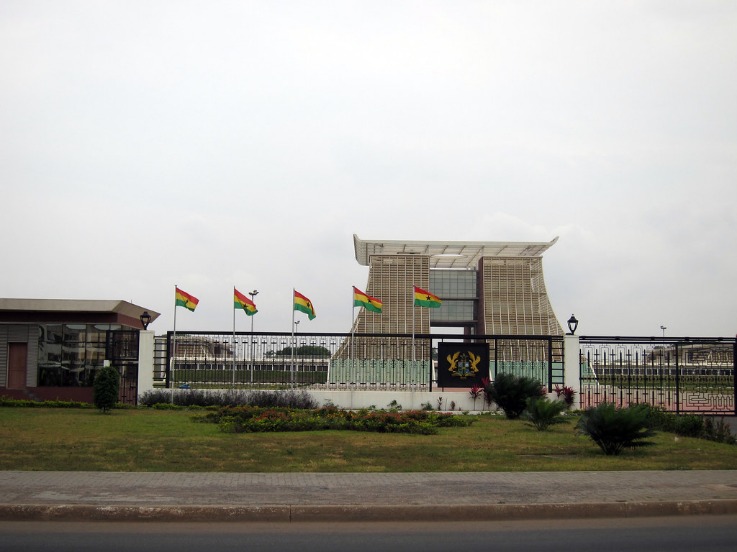
Economic Developments in Ghana
Ghana has experienced noteworthy economic developments in recent times, reflecting both opportunities and challenges within the country’s financial landscape. As a key economic player in West Africa, Ghana’s efforts to diversify its economy and attract foreign investment have gained significant momentum. These developments are crucial for understanding the nation’s current economic trajectory and the broader implications for its citizens and regional stability.
Recent GDP Growth Figures
Recent economic developments in Ghana have shown promising signs of recovery and growth. The country’s GDP growth figures for the past quarter indicate a positive trajectory, reflecting improvements across various sectors such as agriculture, manufacturing, and services. This growth is driven by increased industrial activity, improved export performance, and government initiatives to boost economic stability.
- Ghana’s recent GDP growth rate has been reported at approximately 4.2% for the latest quarter.
- This represents an acceleration compared to the same period last year, highlighting a robust recovery from previous economic challenges.
- The agricultural sector continues to be a major contributor, supported by favorable weather conditions and increased investments.
- The manufacturing industry shows signs of expansion, driven by increased local and export demand.
- Services sector growth, particularly in finance and telecommunications, is contributing significantly to the overall GDP increase.
- The government’s strategic policies aimed at diversifying the economy are beginning to bear fruit, attracting foreign investment.
- Inflation rates are gradually stabilizing, creating a conducive environment for business growth.
- Recent infrastructural projects are expected to further boost economic activity in key regions.
Inflation Trends and Price Stability
Recent economic developments in Ghana have shown a cautious recovery trajectory, marked by efforts to stabilize the economy amidst global and domestic challenges. The government has implemented various fiscal and monetary measures aimed at boosting growth, attracting investment, and improving infrastructure. Inflation trends remain a key concern, with recent data indicating a slight decline in inflation rates compared to previous months, reflecting the effectiveness of interventions to curb rising prices.
Price stability in Ghana continues to be a priority for policymakers, as persistent inflation can undermine purchasing power and economic confidence. The Bank of Ghana has maintained a prudent monetary policy stance, including adjusting interest rates and controlling money supply, to keep inflation within targeted ranges. While inflation remains above the desired levels, recent trends suggest a gradual move towards price stability, which is crucial for sustainable economic growth and improving the living standards of Ghanaians.
Foreign Investment Highlights
Ghana has experienced notable economic developments recently, driven by reforms aimed at stabilizing the economy and promoting sustainable growth. The government’s efforts to improve fiscal discipline, alongside a rebound in commodity prices, have contributed to a positive economic outlook. Additionally, infrastructural investments and initiatives to diversify the economy beyond traditional sectors have enhanced economic resilience.
Foreign investment highlights in Ghana include increased interest in the mining, oil and gas, and renewable energy sectors. Major international companies are expanding their presence, attracted by the country’s stable political environment and strategic position in West Africa. Recent agreements and projects have aimed to boost industrialization and create employment opportunities, further strengthening Ghana’s position as an investment destination.
Government Economic Policies
Ghana has experienced notable economic developments in recent years, marked by efforts to stabilize and grow its economy amidst global uncertainties. The government has implemented several economic policies aimed at enhancing fiscal discipline, promoting industrialization, and attracting foreign investment. Policies such as the Ghana Beyond Aid agenda seek to reduce dependency on aid and foster sustainable development through private sector expansion. Additionally, Ghana has focused on diversifying its economy by investing in sectors like agriculture, mining, and manufacturing. Efforts to improve infrastructure, streamline tax collection, and implement digital financial services have contributed to an improved economic outlook. Despite challenges such as inflation and public debt, the government’s strategic policies aim to foster long-term economic resilience and inclusive growth.
Political Updates and Elections
Stay informed with the latest political updates and election news in Ghana, a nation that continues to experience dynamic political shifts. In this article, we explore recent developments, upcoming elections, and the impact of these changes on Ghana’s future. Keep up with the key events shaping the country’s political landscape and understand their significance in the broader context of Ghanaian democracy.
Recent Electoral Developments
Recent developments in Ghana’s political landscape have garnered significant attention as the country prepares for upcoming elections. Key political parties are intensifying their campaigns, emphasizing their commitments to economic growth, infrastructure development, and good governance. The electoral commission has announced new measures to ensure transparent and free elections, including the deployment of technology to streamline the voting process. Political leaders are engaging fervently with the electorate, highlighting policy visions and addressing current national challenges. These developments mark a crucial phase in Ghana’s democratic process, reflecting the nation’s dedication to peaceful and credible elections.
Leadership Changes and Political Appointments
Recent political developments in Ghana have captured public attention, with notable updates in elections, leadership changes, and new political appointments across various government levels.
- The upcoming general elections are scheduled for December 2024, with parties ramping up campaigns and strategizing to secure votes nationwide.
- There has been a significant leadership change within the New Patriotic Party (NPP), as the party appointed a new national campaign coordinator to strengthen their electoral efforts.
- The government of Ghana recently appointed a new Minister of Finance, signaling a shift in economic policy priorities amidst ongoing discussions about economic recovery and stability.
- Several regional governors and local government officials have been sworn into office, promising improved service delivery and regional development initiatives.
- The Electoral Commission has announced the implementation of new electoral technology aimed at increasing transparency and efficiency during voting processes.
Major Political Debates and Policy Focus
Recent developments in Ghana’s political landscape have centered around upcoming elections, with various parties intensifying their campaigns to garner support. The political scene remains dynamic, reflecting the country’s commitment to democratic processes and peaceful transitions of power.
Major political debates have focused on economic recovery, job creation, and governance reforms. Leaders are engaging in discussions on how to address inflation, improve infrastructure, and ensure transparency in public administration. These debates highlight the urgent need for policies that promote sustainable growth and social stability.
Policy focus has also shifted toward health sector improvements, education reform, and environmental protection. The government is prioritizing initiatives aimed at expanding access to quality healthcare, reducing educational disparities, and combating climate change impacts. Overall, these efforts aim to strengthen Ghana’s development trajectory and enhance the well-being of its citizens.

Social and Cultural News
Social and cultural news in Ghana provides a vibrant glimpse into the diverse traditions, lifestyles, and societal changes shaping the country today. From celebrations of age-old festivals to the latest developments in community initiatives, these stories reflect Ghana’s rich heritage and evolving social landscape. Staying informed about these trends offers insight into how Ghanaian culture continues to thrive amid modern influences.
Educational Reforms and Initiatives
Ghana is experiencing significant social and cultural developments that reflect its vibrant heritage and evolving society. Recent initiatives aim to promote traditional arts, music, and dance, fostering national pride and cultural identity among the youth. Educational reforms are also underway to enhance literacy rates and improve access to quality education across rural and urban areas. New policies emphasize integrating technological tools into classrooms and encouraging STEM subjects to prepare students for a competitive global economy. Additionally, several government-led programs focus on vocational training and adult education, ensuring inclusive growth. These efforts collectively aim to build a more educated and culturally enriched Ghana, aligning with the country’s vision for sustainable development and social cohesion.
Health Sector Updates
Recent social and cultural developments in Ghana highlight a renewed emphasis on preserving indigenous traditions while embracing modernity. Cultural festivals, such as Homowo and Panafest, continue to attract both locals and international tourists, showcasing Ghana’s rich heritage. Furthermore, efforts to promote local arts and crafts have gained momentum, supporting small-scale artisans and boosting community pride.
In the health sector, Ghana has made significant strides in improving healthcare access and infrastructure. The government recently launched a nationwide campaign to boost vaccination coverage and combat communicable diseases like malaria and COVID-19. New healthcare facilities have been inaugurated in rural areas, aiming to reduce the urban-rural health gap. Additionally, initiatives to strengthen health education and awareness are underway, focusing on maternal health and nutrition to improve overall community well-being.
Cultural Events and Festivals
Ghana continues to celebrate its rich social and cultural heritage through a variety of vibrant events and festivals. These gatherings serve as a platform for communities to showcase their traditions, music, dance, and art, fostering unity and pride among the people. Recently, the Homowo Festival in Accra drew visitors from around the world, highlighting the importance of harvest celebrations in Ga traditional culture. Additionally, the Chale Wote Street Art Festival in Cape Coast has gained international recognition, featuring street art, performances, and workshops that promote contemporary Ghanaian creativity. Such events not only preserve cultural practices but also promote tourism and economic growth in the country.
Environmental and Climate Initiatives
Ghana is actively engaging in environmental and climate initiatives to address pressing ecological challenges and promote sustainable development. These efforts aim to combat climate change, preserve natural resources, and improve the quality of life for its citizens. Recent news highlights Ghana’s commitment to innovative solutions and international collaborations that drive progress in environmental conservation and climate resilience.
Renewable Energy Projects
Recent developments in Ghana highlight a strong commitment to Environmental and Climate Initiatives, with a focus on expanding Renewable Energy Projects across the nation. The government has launched several programs aimed at reducing reliance on fossil fuels by investing in solar, wind, and hydroelectric power. These initiatives are part of Ghana’s broader strategy to combat climate change and promote sustainable development. Notably, upcoming solar farms and wind parks are expected to significantly boost the country’s clean energy capacity, creating jobs and supporting economic growth. Community engagement and international partnerships are also playing vital roles in advancing these renewable projects, positioning Ghana as a leader in environmentally sustainable practices in West Africa.
Climate Change Adaptation Measures
Ghana is actively engaging in environmental and climate initiatives to address the increasing impacts of climate change. The government has launched multiple programs aimed at reducing greenhouse gas emissions and promoting sustainable development. Climate change adaptation measures are being prioritized, including the construction of resilient infrastructure, afforestation projects, and the promotion of renewable energy sources such as solar and wind power. These efforts seek to mitigate the adverse effects of climate change on agriculture, water resources, and communities vulnerable to climate-related disasters. Additionally, Ghana is collaborating with international partners to strengthen its capacity for climate resilience, ensuring a sustainable future for its citizens and ecosystems.
Wildlife Conservation Efforts
Ghana continues to make significant strides in environmental and climate initiatives, reflecting its commitment to sustainable development. Recent policies focus on renewable energy solutions, afforestation programs, and reducing carbon emissions to combat climate change. Efforts to promote eco-friendly practices among communities aim to ensure long-term environmental health and resilience.
Wildlife conservation remains a top priority for Ghana as the country works to protect its rich biodiversity. Initiatives include the enforcement of anti-poaching laws, expansion of protected areas like national parks and wildlife sanctuaries, and community engagement programs. These efforts are crucial for safeguarding endangered species such as elephants, chimpanzees, and local bird populations, promoting ecological balance and eco-tourism development.
Technology and Innovation
Technology and innovation are transforming Ghana at a rapid pace, driving economic growth and improving the quality of life for its people. In recent news, the country has made significant strides in digital infrastructure, renewable energy, and tech startups, positioning itself as a emerging leader in West Africa’s technological landscape. These advancements highlight Ghana’s commitment to embracing innovation as a key driver of sustainable development and future prosperity.
Emerging Tech Startups
Ghana’s technology landscape is experiencing remarkable growth with the emergence of innovative startups that are transforming various sectors. These emerging tech startups are leveraging cutting-edge technologies such as artificial intelligence, blockchain, and IoT to address local challenges and create new economic opportunities. The government and private investors are increasingly supporting these ventures, fostering an environment conducive to technological advancement and entrepreneurship. Recent initiatives and funding programs are empowering startups to develop solutions in areas like agritech, fintech, health tech, and renewable energy, positioning Ghana as a rising hub for innovation in West Africa. This dynamic growth reflects Ghana’s commitment to embracing digital transformation and creating a sustainable tech ecosystem that benefits its citizens and attracts global interest.
Government Digital Initiatives
Ghana continues to make remarkable strides in leveraging technology and innovation to enhance government services and promote sustainable development. Recent digital initiatives, such as the Ghana.gov platform, aim to streamline public service delivery, increase transparency, and improve citizen engagement. The government is also investing heavily in expanding internet access and promoting mobile technology to ensure broader inclusion across urban and rural communities. Innovations like e-visa systems, digital tax interfaces, and smart city projects exemplify Ghana’s commitment to embracing digital transformation. These efforts are vital in fostering economic growth, reducing corruption, and positioning Ghana as a leading digital economy in Africa.
Impact of Technology on Local Industries
Technology and innovation are rapidly transforming local industries in Ghana, driving economic growth and enhancing competitiveness. In recent years, digital technologies such as mobile banking, e-commerce, and renewable energy solutions have revolutionized sectors like agriculture, retail, and manufacturing. This shift has enabled small-scale farmers to access broader markets and financial services, reducing poverty and increasing productivity. Furthermore, the adoption of innovative tools has improved supply chain efficiency and quality standards, positioning Ghana as a competitive player in regional markets. The government and private sector collaborations promoting technology-driven initiatives are fueling sustainable development and creating numerous employment opportunities across the country.
Infrastructure and Development Projects
Infrastructure and development projects in Ghana are essential for the nation’s progress, reflecting ongoing efforts to enhance economic growth, improve public services, and transform urban and rural landscapes. Recent initiatives focus on expanding transportation networks, boosting energy capacity, and strengthening healthcare and educational facilities. These projects are vital for fostering sustainable development and ensuring better living standards for all citizens across Ghana.
Transportation Improvements
Ghana has been making significant progress in infrastructure and development projects, aiming to enhance the country’s economic growth and improve the quality of life for its citizens. Recent initiatives focus on expanding road networks, upgrading transportation facilities, and increasing connectivity across urban and rural areas. These efforts are designed to reduce travel time, boost trade, and promote regional development. Key projects include the construction of new highways, the expansion of ports, and modernization of airports, all of which are intended to position Ghana as a transportation hub in West Africa. The government’s strategic investments are also aimed at improving public transportation systems, facilitating easier commutes, and supporting sustainable development goals.
Urban Development Programs
Ghana continues to make significant strides in infrastructure and development projects aimed at boosting economic growth and improving urban living conditions. Recent initiatives include the expansion of transportation networks, such as road and rail upgrades, to enhance connectivity across major cities and rural areas. Urban development programs focus on modernizing city landscapes, building affordable housing, and improving sanitation facilities to accommodate the growing urban population. These projects are part of Ghana’s broader vision to foster sustainable development, attract investments, and create job opportunities for its citizens. The government collaborates with international partners and private sector stakeholders to ensure that infrastructure development aligns with environmental sustainability and social inclusivity, paving the way for a more resilient and prosperous Ghana.
Rural Electrification Projects
Ghana is making significant strides in infrastructure development, focusing on enhancing rural electrification to improve living standards and foster inclusive growth. These projects aim to connect rural communities to reliable electricity, supporting economic activities and social services.
- Launch of the Rural Electrification Expansion Program to extend power coverage to remote villages.
- Upgrade of national roads to facilitate better transportation and access to markets.
- Development of new infrastructure for healthcare and education in underserved regions.
- Introduction of renewable energy projects, including solar and hydropower, to diversify the national energy mix.
- Partnerships with international organizations to fund and support infrastructure initiatives across the country.


0 Comments