

Historical Background
Ghana and Ivory Coast, two neighboring countries in West Africa, share a rich and complex historical background shaped by ancient civilizations, colonialism, and trade. Their histories are deeply intertwined through cultural exchanges, conflicts, and economic cooperation, which have contributed to their unique national identities. Exploring their past reveals insights into their development and the significant events that have shaped their societies today.
Pre-Colonial Era
The Pre-Colonial Era of Ghana and Ivory Coast was marked by rich cultural developments and the rise of powerful kingdoms and empires that shaped the region’s history long before European contact. During this period, the area was inhabited by diverse ethnic groups withdistinct social structures, trading systems, and traditions.
- The Ashanti Empire in present-day Ghana was a dominant force from the 17th century, known for its advanced political organization and wealth, especially through gold trading.
- In Ivory Coast, the Kong Empire and other indigenous groups thrived, engaging in trade and establishing complex societal hierarchies.
- Gold, ivory, and kola nuts were significant commodities that fostered trade networks connecting West Africa to Arab traders and later European merchants.
- Strong kinship ties and oral traditions played vital roles in maintaining social order and passing down history across generations.
- The arrival of Islam, through traders and travelers, influenced local beliefs and practices, leading to the integration of Islamic cultures into existing societies.
Colonial Period and Independence
Ghana and Ivory Coast, located in West Africa, have rich historical backgrounds shaped by ancient civilizations, colonial influences, and their respective paths to independence. Ghana, formerly known as the Gold Coast, was home to advanced societies such as the Ashanti Empire, which was known for its wealth, sophisticated culture, and extensive trade networks. Ivory Coast, or Côte d’Ivoire, boasts a history of powerful kingdoms like the Sanwi and Kong, which thrived through trade and agriculture long before European contact.
During the colonial period, both countries were subjected to European domination. The Gold Coast was primarily colonized by the British, who governed it as a Crown Colony, exploiting its resources and establishing plantations. Ivory Coast fell under French control as part of French West Africa, with French administrators influencing its political and economic systems. Colonial rule significantly impacted local cultures, social structures, and economies, laying the groundwork for future independence movements.
The struggle for independence was marked by growing nationalist movements in both countries during the mid-20th century. Ghana became the first sub-Saharan African country to gain independence from colonial rule in 1957, led by Kwame Nkrumah, who envisioned a united Africa and promoted Pan-Africanism. Ivory Coast achieved independence from France in 1960, with Félix Houphouët-Boigny becoming its first President. Both nations embarked on nation-building efforts, striving to overcome colonial legacies and foster economic growth and stability.
Post-Independence Developments
Ghana and Ivory Coast share a rich historical background shaped by pre-colonial kingdoms, European colonization, and their subsequent paths to independence. Ghana, formerly known as the Gold Coast, was a hub for gold trade and experienced significant colonial influence from the British, gaining independence in 1957 as the first African nation to do so. Ivory Coast, colonized by France, gained independence in 1960, establishing a republic and experiencing rapid economic growth driven by cocoa and coffee exports. Post-independence, both nations faced challenges related to political stability, economic development, and ethnic divisions. Ghana adopted a wave of modernization efforts, social reforms, and democratic governance, while Ivory Coast experienced periods of political turmoil, including civil conflicts in the late 20th and early 21st centuries. Despite these challenges, both countries have worked towards economic diversification, regional cooperation, and strengthening democratic institutions in the years following independence.
Geography and Climate
Ghana and Ivory Coast are two neighboring countries in West Africa, each with unique geographical features and climatic conditions. Their landscapes include lush forests, savannahs, and coastal plains, shaping their diverse ecosystems. The climate in these countries varies from tropical in the south to more arid conditions in the north, influencing agricultural practices and daily life. Understanding their geography and climate is essential to appreciating the rich natural and cultural heritage of these nations.
Topography and Landforms
Ghana and Ivory Coast are located in West Africa, sharing borders along the Gulf of Guinea, and are characterized by diverse geographical features and climates. Ghana boasts a largely flat landscape with the Volta River Basin at its center, while Ivory Coast features a varied topography that includes mountain ranges, plains, and coastal plains. The climate in both countries is predominantly tropical, with distinct wet and dry seasons, though Ivory Coast’s climate varies more across its regions due to differences in elevation.
Ghana’s topography consists mainly of low plains and high plains, with the Akan Highlands in the south and the Volta Plateau in the north. The country is endowed with several rivers, including the Volta, which forms Lake Volta, one of the largest artificial reservoirs in the world. Ivory Coast’s landforms include the Aïr Mountains and the Mount Tonkoui in the mountainous regions, along with fertile coastal plains and inland plateaus. The coastal areas feature sandy beaches and lagoons, while the interior regions are punctuated with forests and highlands.
The landforms and landscape features of both countries influence their climate and agriculture, with coastal regions experiencing higher humidity and rainfall, supporting lush vegetation, while interior regions tend to be drier and more suitable for semi-arid agriculture. Overall, the diverse topography and varied climates contribute significantly to the natural resources and economic activities of Ghana and Ivory Coast.
Climate Zones and Weather Patterns
Ghana and Ivory Coast are located in West Africa, sharing similar geographical features that influence their climate and weather patterns. Ghana lies along the Gulf of Guinea, characterized by coastal plains, forests, and savannahs, while Ivory Coast features a diverse landscape that includes coastal lagoons, dense rainforests, and mountainous regions. These geographical features significantly impact their climate zones and weather conditions.
Both countries experience a generally tropical climate, but there are variations due to their topography and proximity to the coast. Ghana’s climate is primarily divided into a wet and dry season, with the southwest experiencing heavy rainfall due to the West African Monsoon, supporting lush vegetation and agriculture. The northern part of Ghana has a more Sahelian climate, with less rainfall and higher temperatures.
Ivory Coast has a similar climate pattern, with a distinct wet season from May to July and a shorter, more intense rainy period from September to November. The coastal zone benefits from humid equatorial conditions, while inland areas can be drier and more temperature varied. The country’s climate zones are influenced by the movement of the Intertropical Convergence Zone, which governs the seasonal rains.
Weather patterns in both nations are shaped by the West African Monsoon and the positioning of the ITCZ, resulting in generally warm temperatures year-round. The coastal regions tend to be humid, with frequent rainfall, while the northern regions experience a more pronounced dry season. These climate zones support diverse ecosystems and agricultural activities across Ghana and Ivory Coast.
Natural Resources and Environment
Ghana and Ivory Coast are two neighboring West African countries characterized by diverse geography and climates. Ghana features a varied landscape with coastal savannahs, forested areas, and mountainous regions, particularly in the southwestern part. Its climate is generally tropical, with a wet season from April to October and a dry season from November to March. Ivory Coast also boasts a diverse terrain that includes coastal plains, lush forests, and inland highlands, with a similar tropical climate that supports a rich biodiversity. Both countries experience significant rainfall, which sustains their extensive natural resources. Regarding natural resources, Ghana is renowned for its gold, cocoa, and oil reserves, making it an essential player in the global commodities market. Ivory Coast is one of the world’s leading producers of cocoa and also possesses significant deposits of minerals like manganese and gold. The rich natural environment faces challenges such as deforestation, illegal mining, and environmental degradation, which threaten the sustainability of their ecosystems. Efforts are ongoing in both nations to balance economic development with environmental conservation to ensure the preservation of their natural heritage for future generations.
Political Systems and Governance
Political systems and governance play a crucial role in shaping the development and stability of countries. In this article, we explore the political landscapes of Ghana and Ivory Coast, two West African nations with diverse governance structures. Understanding their political frameworks provides insight into how these countries manage power, uphold democracy, and address their societal challenges.
Government Structure
Ghana and Ivory Coast are two West African countries with distinct political systems and governance structures that shape their national development and regional influence.
Ghana operates a unitary presidential system characterized by a strong executive branch headed by the President, who is both the head of state and government. The government structure includes a multi-party political system with a constitution that guarantees democratic processes, independence of the judiciary, and regular elections.
Ivory Coast, officially the Republic of Côte d’Ivoire, also has a semi-presidential system where power is shared between the President and the Prime Minister. Its political landscape has experienced periods of instability, but since the early 2000s, efforts have been made to strengthen democratic governance through electoral reforms and national reconciliation processes.
- Ghana’s government is divided into three branches: the Executive, the Legislature, and the Judiciary.
- The President is elected through universal suffrage for a four-year term and can serve a maximum of two terms.
- The Parliament is a unicameral body responsible for making laws and overseeing the executive.
- Ivory Coast’s governance includes a President elected by popular vote for a five-year term.
- The country has a National Assembly as its legislative body, which is elected through proportional representation.
- The political system has been evolving to promote stability, with recent efforts focused on strengthening democratic institutions and decentralization.
Political History and Key Figures
Ghana and Ivory Coast are two West African nations with rich political histories and diverse governance systems. Both countries have experienced significant political changes over the years, shaping their current political landscapes and regional influence.
Ghana’s political system is a stable democratic republic with a multi-party system. It gained independence from British colonial rule in 1957, led by Kwame Nkrumah, a pivotal figure in its independence movement and a key figure in Africa’s post-colonial history. Ghana has since seen peaceful transfers of power, fostering democratic governance.
Ivory Coast, officially known as Côte d’Ivoire, adopted a republican form of government after independence from France in 1960. Its history has been marked by periods of political instability and civil conflict, notably in the early 2000s. Key figures include Félix Houphouët-Boigny, the country’s first president, who unified the nation and promoted economic development. More recent political figures have struggled to maintain stability amid ongoing tensions.
- Kwame Nkrumah – Ghana’s first Prime Minister and President, instrumental in independence.
- Félix Houphouët-Boigny – The founding father of Côte d’Ivoire and its first president, serving from 1960 to 1993.
- John Atta Mills and Nana Akufo-Addo – Prominent Ghanaian leaders in recent years, contributing to democratic consolidation.
- Laurent Gbagbo and Alassane Ouattara – Key figures in Ivory Coast’s recent political upheavals and efforts towards peace and reconciliation.
Recent Political Developments
Ghana and Ivory Coast, two prominent West African nations, have experienced significant political developments in recent years. Ghana continues to strengthen its democratic institutions with peaceful transitions of power, holding transparent elections that bolster its reputation as a stable democracy. The government has also focused on economic reforms and social policies to address widespread development challenges. Conversely, Ivory Coast has been navigating post-conflict recovery, with efforts to promote national reconciliation and political stability. While recent elections in Ivory Coast have seen some tensions, the government is working towards consolidating democratic governance and fostering economic growth. Both countries face the ongoing challenge of balancing political stability with economic development, shaping their future governance landscapes in the region.
Economy and Industries
Ghana and Ivory Coast are two prominent West African nations known for their dynamic economies and diverse industries. Their economies are primarily driven by agriculture, natural resources, and emerging sectors such as manufacturing and services. Understanding the economic landscape of these countries reveals their important roles in regional trade and development, shaping the future prospects of West Africa.
Agriculture and Farming
Ghana and Ivory Coast are prominent economies in West Africa, with diverse industries and significant agricultural sectors. Both countries have historically relied on agriculture as a backbone of their economies, producing commodities such as cocoa, coffee, and palm oil, which are major exports and vital to their economic stability. Ghana is one of the world’s largest producers of cocoa, contributing substantially to its national income, while Ivory Coast leads globally in cocoa production. The agricultural sector also includes crops like yams, cassava, and plantains, supporting local food security and rural employment.
Beyond agriculture, these nations have diversified their industries over recent years. Ghana has developed its mining industry, extracting gold, bauxite, and manganese, which contribute significantly to its GDP. Additionally, Ghana has a growing oil and gas sector, propelled by offshore discoveries. Ivory Coast has also expanded into manufacturing and processing industries, such as food processing, textiles, and cement production. Both countries are working to improve infrastructure and attract investment to bolster industrial growth and diversify their economies further.
Mining and Mineral Resources
Ghana and Ivory Coast are two West African nations with significant contributions to the regional economy through their diverse industries and rich mineral resources. Ghana’s economy is largely driven by agriculture, mining, and processing industries, with gold being a major export commodity. The country also has substantial bauxite and manganese reserves, supporting its mining sector. Ivory Coast’s economy is predominantly based on agriculture, with cocoa being the most vital crop, making it the world’s leading producer. Additionally, the country has investments in mining activities, including gold and iron ore extraction, which bolster its industrial growth. Both nations are exploring sustainable development of their mineral resources to enhance economic stability and regional influence. Their mining industries are crucial for export revenues and sustainable development efforts, representing vital sectors for their economic future.
Manufacturing and Industry Sectors
Ghana and Ivory Coast are prominent economies in West Africa, with diverse industrial sectors contributing significantly to their development. Ghana’s economy is largely driven by gold mining, cocoa production, and oil extraction, making it one of the leading producers of cocoa and gold globally. Ivory Coast, on the other hand, relies heavily on cocoa and coffee exports, which form the cornerstone of its manufacturing industries. Both countries have been expanding their manufacturing sectors to include food processing, textiles, and chemical production to add value to raw materials. The industrial sectors in these nations are increasingly modernizing, with investments in infrastructure and technology aimed at boosting productivity and economic growth. These industries are crucial for employment generation and improving living standards across both countries, positioning Ghana and Ivory Coast as vital players in regional economic integration and development.
Trade and Economic Relations
Ghana and Ivory Coast are prominent West African nations with dynamic economies heavily reliant on their rich natural resources, particularly in agriculture and mining. Both countries have developed diverse industries that contribute significantly to their national development and regional stability. Their trade and economic relations are characterized by strong cooperation and trade exchanges, fostering growth and stability within the Economic Community of West African States (ECOWAS).
- The economies of Ghana and Ivory Coast are among the fastest-growing in the region, driven by sectors such as cocoa, gold, oil, and tourism.
- Both countries are major producers of cocoa, with Ivory Coast being the world’s largest exporter, and Ghana ranking second, creating a robust trade relationship in this sector.
- Trade relations between the two nations include the exchange of agricultural products, minerals, and manufactured goods, strengthening regional economic integration.
- Ghana and Ivory Coast cooperate within ECOWAS to facilitate trade liberalization, infrastructure development, and economic stability in West Africa.
- Challenges such as fluctuating commodity prices, political stability, and infrastructure deficits impact their economic growth but efforts are underway to address these issues.
- Both countries are also investing in renewable energy and industrial diversification to reduce dependence on commodity exports and enhance sustainable development.
Cultural Heritage and Traditions
Cultural heritage and traditions play a vital role in shaping the identity of nations, serving as a link between the past and present. In Ghana and Ivory Coast, these rich cultural practices and historical legacies are deeply rooted in their communities, reflecting their unique histories, beliefs, and social customs. Exploring these traditions offers a glimpse into the diverse and vibrant cultural tapestry that defines West Africa.
Languages and Ethnic Groups
Ghana and Ivory Coast are rich in cultural heritage and traditions that reflect their diverse histories and ethnic compositions. Both countries are known for their vibrant festivals, traditional music, and dance forms that preserve their ancestral customs.
Languages and ethnic groups play a vital role in shaping the cultural landscape of Ghana and Ivory Coast. Ghana boasts over 80 languages, with Akan, Mole-Dagbon, Ewe, and Ga being some of the most prominent, each representing distinct ethnic communities. Ivory Coast is home to more than 60 ethnic groups, including the Baoulé, Senufo, Dan, and the Krou, each language contributing to the country’s linguistic diversity.
The ethnic groups in these nations maintain unique cultural practices, attire, and rituals that are proudly passed down through generations. Traditional art forms such as beadwork, pottery, and sculpture are highly valued, showcasing the artistic talents rooted in their cultural identities. Both Ghana and Ivory Coast also emphasize the significance of oral storytelling as a means of preserving history and moral values across generations.
The shared and individual cultural elements between Ghana and Ivory Coast highlight their deep connection to their ethnic roots, making their cultural heritage a vibrant and integral part of their national identities. Efforts to preserve and promote these languages and traditions continue to strengthen their cultural fabric in a rapidly changing world.
Festivals and Cultural Events
Ghana and Ivory Coast are rich in cultural heritage, showcasing a diverse array of traditions, festivals, and cultural events that reflect their vibrant histories. In Ghana, festivals such as Homowo and Panafest celebrate the unique customs of various ethnic groups, featuring colorful drumming, dancing, and storytelling that preserve ancestral traditions. Ivory Coast is renowned for its Fêtes des Masques, where masked dances and rituals play a central role in religious and communal festivities, highlighting the importance of masquerade and symbolism in Ivorian culture. Both countries also host contemporary cultural events that promote music, art, and fashion, serving as platforms to celebrate their identities and attract tourism. These festivities not only strengthen community bonds but also serve as vital expressions of national pride, history, and cultural continuity across generations.
Traditional Arts and Crafts
Cultural heritage and traditions in Ghana and Ivory Coast are deeply rooted in their history, showcasing a rich diversity of customs, stories, and practices passed down through generations. These countries celebrate their unique identities through colorful festivals, traditional music, dance, and rituals that highlight their ancestral connections and societal values.
Traditional arts and crafts play a vital role in shaping the cultural landscape of Ghana and Ivory Coast. Ghana is renowned for its intricate beadwork, kente cloth weaving, and carved wooden masks that symbolize various spiritual and social aspects. Ivory Coast boasts beautiful woven textiles, pottery, and wood carvings, reflecting its ancestral artistry and cultural symbolism.
These artistic expressions are more than aesthetics; they serve as means of storytelling, ceremonial significance, and preserving historical narratives. Craftsmanship is often a communal activity, fostering social bonds and identity among communities, and these artisanal skills are passed from one generation to the next, ensuring the continuity of their rich cultural heritage.
Religious Practices and Beliefs
Ghana and Ivory Coast are rich in cultural heritage and traditions that reflect their diverse history and communities. These countries boast vibrant practices, unique art forms, and deep-rooted beliefs that have been passed down through generations.
- Traditional festivals such as Ghana’s Homowo and Ivory Coast’s Fêtes des Masques showcase colorful rituals, dance, and music that celebrate agricultural blessings and ancestral spirits.
- Arts and crafts, including beadwork in Ghana and woodcarving in Ivory Coast, serve as expressions of cultural identity and spiritual beliefs.
- Music genres like Highlife and Juju in Ghana, and Zouglou in Ivory Coast, play vital roles in social and ceremonial events, often associated with storytelling and communal bonding.
- Religious practices include the worship of traditional deities, Christianity, and Islam, with many communities blending spiritual elements in their daily lives.
- Ancestors are revered in both countries, guiding moral conduct and community decisions, with rituals performed to honor their spirits during special occasions.
Education and Research
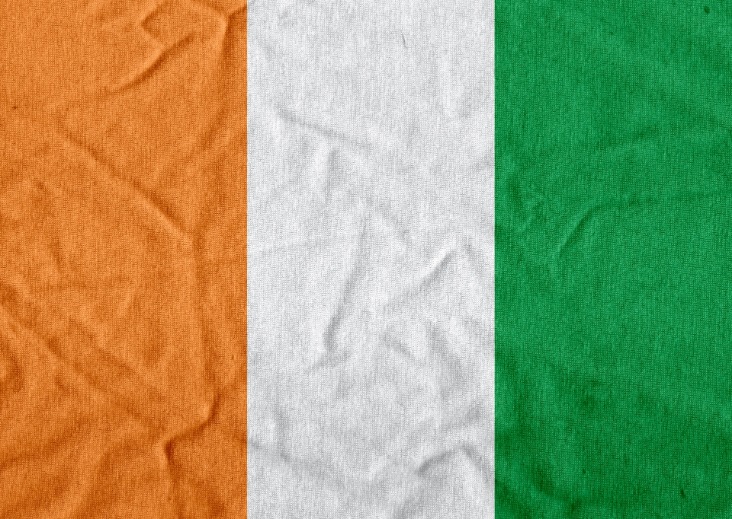
Education and research play a vital role in shaping the development and progress of nations. In countries like Ghana and Ivory Coast, these sectors are essential for fostering innovation, economic growth, and social stability. Both nations are pursuing strategies to enhance their educational systems and promote research to address local challenges and contribute to global knowledge. Understanding their efforts provides insight into their paths toward sustainable development and regional leadership.
Educational Systems and Institutions
Ghana and Ivory Coast both have well-established education systems that play a vital role in their national development. Ghana’s educational structure includes Basic Education, Senior High School, and Tertiary education, with a focus on expanding access and improving quality. Ivory Coast offers similar levels, emphasizing primary and secondary education, along with technical and vocational training to foster skills relevant to its economy. Both countries host a variety of educational institutions, from government-funded schools to private universities, contributing to a diverse learning environment. Significant investments in research and innovation are ongoing, aiming to address local challenges and promote economic growth. Efforts are underway in both nations to modernize their curricula, enhance teacher training, and increase enrollment rates to ensure broader societal participation in education. Ultimately, Ghana and Ivory Coast recognize education as a key driver for sustainable development and are working towards fostering inclusive and equitable access for all citizens.
Research and Innovation
Ghana and Ivory Coast are both renowned for their commitment to education, research, and innovation, which play a vital role in their economic development and societal progress. These countries have invested in higher education institutions, research centers, and technology hubs to foster knowledge creation and skill development.
In Ghana, efforts to improve education include expanding access to primary and secondary schooling, as well as promoting research in agriculture, health, and technology sectors. Institutions like the University of Ghana and Kwame Nkrumah University of Science and Technology serve as centers for innovation and scientific advancement.
Ivory Coast has prioritized education reform and increased funding for research initiatives, particularly in agricultural techniques, sustainable development, and medical sciences. The country’s investment in research infrastructure aims to support local industries and address national challenges through innovation.
Both nations recognize that fostering research and innovation is crucial for economic diversification and competitiveness. Regional collaborations and international partnerships further enhance their capacity to generate new ideas, technologies, and solutions that benefit their populations and contribute to sustainable growth.
Challenges and Future Goals
Education and research in Ghana and Ivory Coast play a vital role in shaping the future of these West African nations, fostering development and innovation. Both countries have invested in improving their educational infrastructure and promoting higher education and scientific research to enhance economic growth and societal progress.
However, they face several challenges, including limited access to quality education, inadequate funding for research initiatives, and disparities between urban and rural educational opportunities. These issues hinder the countries’ ability to fully harness their human capital and technological advancements.
Looking ahead, Ghana and Ivory Coast aim to strengthen their educational systems through increased investment, curriculum reform, and international collaborations. They also seek to promote research that addresses local issues such as agriculture, health, and sustainable development, with the goal of transforming their economies and improving the quality of life for their citizens.
Tourism and Travel
Tourism and travel play a vital role in connecting cultures and enhancing economic growth, offering travelers the chance to explore new destinations and experiences. Ghana and Ivory Coast, located in West Africa, are vibrant countries rich in history, natural beauty, and diverse attractions. From historic landmarks to breathtaking landscapes, these nations invite travelers to discover their unique heritage and hospitality.
Major Tourist Attractions
Tourism and travel play a significant role in showcasing the cultural heritage, natural beauty, and vibrant traditions of Ghana and Ivory Coast. These West African countries attract visitors from around the world who seek unique experiences and memorable adventures. From historic sites to stunning landscapes, both nations offer a diverse array of major tourist attractions.
Major Tourist Attractions in Ghana
- Kumasi Palace – The historic seat of Ashanti royalty and a symbol of Ghanaian culture.
- Cape Coast Castle – A UNESCO World Heritage Site reflecting the country’s history of the transatlantic slave trade.
- Wli Waterfalls – The highest waterfalls in West Africa, located in the Volta Region.
- Lake Volta – One of the largest artificial lakes in the world, ideal for boat rides and fishing.
- Mole National Park – Ghana’s largest wildlife refuge, home to elephants, antelopes, and other animals.
Major Tourist Attractions in Ivory Coast
- Yamoussoukro Basilica – The largest church in Africa and an architectural marvel in the capital city.
- Grand Bassam – A historic coastal town known for its colonial architecture and vibrant markets.
- Mount Nimba Strict Nature Reserve – A UNESCO World Heritage Site with rich biodiversity and scenic vistas.
- Taï National Park – UNESCO-listed rainforest reserve hosting various endangered species and lush landscapes.
- Comoé National Park – One of West Africa’s largest protected areas featuring diverse flora and fauna.
Natural Parks and Heritage Sites
Ghana and Ivory Coast are renowned for their rich natural parks and heritage sites, attracting travelers seeking unique cultural and ecological experiences. Ghana’s Kakum National Park offers visitors a thrilling canopy walkway amidst lush rainforest, showcasing diverse wildlife and vibrant flora. In Ivory Coast, Taï National Park is a UNESCO World Heritage site that protects endangered primates and rare bird species, highlighting the region’s ecological importance. Both countries boast historic sites such as Ghana’s Cape Coast Castle and Ivory Coast’s Grand Bassam, reflecting their deep-rooted colonial history and cultural heritage. These destinations provide an unforgettable blend of natural beauty and historical significance, making Ghana and Ivory Coast prime locations for eco-tourism and heritage exploration.
Tourism Infrastructure and Development
Tourism and travel are vital sectors for Ghana and Ivory Coast, contributing significantly to their economies through job creation and foreign exchange earnings. Both countries are renowned for their rich cultural heritage, diverse natural landscapes, and historical sites that attract travelers from around the world. To sustain and enhance this growth, robust tourism infrastructure and development initiatives are essential. Ghana boasts popular destinations like Cape Coast Castle, Kakum National Park, and Lake Volta, which require continuous upgrades in transportation, hospitality, and safety measures. Similarly, Ivory Coast offers attractions such as Yamoussoukro Basilica, Parc National du Mont Sângbé, and beaches along the Gulf of Guinea, necessitating improved roads, airports, and accommodation facilities. Strategic investment in tourism infrastructure not only improves visitor experiences but also promotes regional development, sustainability, and cultural preservation in both nations.
Society and Demographics
Ghana and Ivory Coast are two vibrant West African nations characterized by rich cultural traditions and dynamic populations. Understanding their societies and demographics provides insight into their unique social structures, population trends, and cultural diversity. These insights are essential for appreciating the social fabric that influences each country’s development and regional relationships.
Population Statistics
Ghana and Ivory Coast are two West African countries with rich cultural heritages and diverse populations. Ghana’s population is estimated to be over 34 million people, characterized by a young demographic with a median age of around 21 years. Ivory Coast has a slightly larger population, approximately 26 million, also featuring a youthful demographic profile. Both nations exhibit ethnic diversity, with Ghana comprising major groups like the Akan, Mole-Dagbon, and Ewe, while Ivory Coast is home to the Baoulé, Bété, and Senoufo among others. Urbanization rates are increasing in both countries, with Accra and Abidjan serving as their bustling economic and cultural hubs. The population figures reflect their rapid growth, driven by high birth rates and improvements in healthcare. These demographic trends are influential in shaping their social structures, economic development, and policy planning for future growth.
Urbanization and Rural Life
Ghana and Ivory Coast are characterized by diverse societies and demographic trends that shape their national identities. Both countries have experienced significant population growth, with vibrant communities contributing to their cultural richness. Ghana’s population is young, with a high birth rate that supports a predominantly youthful society, while Ivory Coast also displays a growing, youthful demography influenced by their respective urban and rural dynamics.
Urbanization has accelerated in both nations, driven by the search for better economic opportunities and improved living standards. Major cities like Accra and Abidjan have become bustling hubs of commerce, culture, and innovation, drawing people from rural areas. This rapid urban growth presents challenges such as infrastructure development, housing, and social services. Conversely, rural areas in Ghana and Ivory Coast retain strong agricultural traditions and community ties, which are vital to the countries’ economies and cultural heritage.
Despite the push towards urban centers, rural life remains essential, offering a slower pace of living and maintaining traditional practices. Agricultural activities continue to support livelihoods for the majority of the population, though this sector faces difficulties related to modernization and resource availability. Balancing urban development with rural sustainability is crucial for these nations to ensure equitable growth and social stability.
Health and Social Services
Ghana and Ivory Coast are two West African nations with diverse societies and demographic profiles, which significantly influence their health and social services systems. Both countries exhibit youthful populations, with a high percentage of residents under 25 years old, posing challenges and opportunities for social development and healthcare provision.
- Ghana has a population of approximately 31 million people, characterized by ethnic diversity including the Akan, Mole-Dagbon, Ewe, and others.
- Ivory Coast’s population is around 26 million, with major ethnic groups such as the Baoulé, Bété, and Dioula, reflecting a culturally rich society.
- Both nations face urbanization trends, with Accra and Abidjan rapidly expanding, which impacts access to health and social services.
- Health infrastructure in Ghana has improved, but disparities remain between urban and rural areas, affecting service delivery.
- In Ivory Coast, civil unrest and political instability have historically hindered consistent development of health systems, though recovery efforts are ongoing.
- Health services in Ghana include widespread primary healthcare centers and initiatives targeting infectious diseases like malaria, HIV/AIDS, and tuberculosis.
- Ivory Coast has made strides in reducing child and maternal mortality, though regional disparities in healthcare access persist.
- Both countries face the dual burden of communicable diseases and emerging non-communicable diseases such as hypertension and diabetes.
- Social services in Ghana include educational programs, social protection schemes, and community development projects aimed at vulnerable populations.
- Ivory Coast has been working to strengthen social safety nets, especially for displaced persons and internally displaced populations affected by past conflicts.


0 Comments