
Overview of Fish in Seychelles
The Seychelles archipelago is renowned for its vibrant marine life, with fish playing a crucial role in its underwater ecosystem. Home to hundreds of fish species, the waters surrounding Seychelles are a paradise for snorkelers and divers alike, offering an incredible diversity of tropical fish, coral reef inhabitants, and pelagic species. Understanding the variety and importance of fish in Seychelles highlights the significance of conserving these marine resources for the health of the ecosystem and the local economy.
Marine Biodiversity in Seychelles
The Seychelles archipelago is renowned for its rich marine biodiversity, making it a premier destination for fish enthusiasts and marine life researchers. Its clear waters and diverse coral reefs provide an ideal habitat for a wide variety of fish species, ranging from vibrant reef fish to large pelagic species.
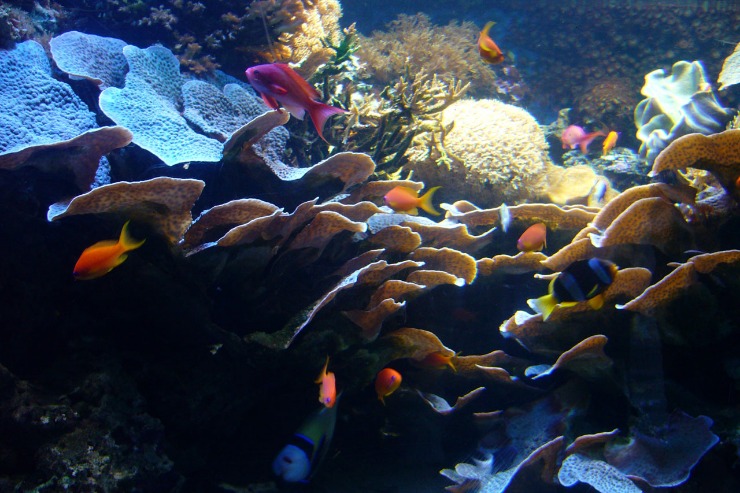
Marine biodiversity in Seychelles is exceptionally high, with more than 250 species of reef fish documented in its waters. These include colorful species such as angelfish, butterflyfish, and parrotfish, which contribute to the visual splendor of the coral reefs. The region also hosts larger species like tuna, barracuda, and trevally, which are crucial for local fisheries and ecological balance.
The reefs of Seychelles serve as breeding grounds and nurseries for numerous fish species, supporting healthy populations and genetic diversity. The combination of nutrient-rich waters, extensive coral structures, and minimal human disturbance has helped maintain the health and productivity of these marine ecosystems.
Conservation efforts in Seychelles focus on protecting these vital habitats through marine protected areas and sustainable fishing practices. These initiatives aim to preserve the rich fish diversity and ensure the ongoing health of Seychelles’ marine environment for future generations.
Significance for Local Ecosystems
Fish in Seychelles play a crucial role in maintaining the health and balance of the local ecosystems, particularly in marine environments. These species contribute significantly to the biodiversity of the region, supporting various food webs and ecological processes. The waters around Seychelles are home to a diverse array of fish, including reef fish, pelagic species, and deep-sea varieties, which all interact with their habitats in complex ways.
For the local ecosystems, fish are vital as they help regulate populations of smaller marine organisms and contribute to nutrient cycling. Many fish species also serve as prey for larger marine animals such as sharks, sea turtles, and seabirds, thereby reinforcing the intricate food chains within the ecosystem. Moreover, fish populations are indicative of the overall health of marine environments, making their conservation essential for sustaining the biodiversity and productivity of Seychelles’ oceans.
Popular Fish Species in Seychelles
The Seychelles, renowned for its stunning islands and diverse marine life, is home to a variety of popular fish species that attract both anglers and marine enthusiasts. These vibrant and abundant fish contribute to the rich underwater ecosystem, making Seychelles a top destination for snorkeling, diving, and fishing adventures. Exploring these species offers a glimpse into the vibrant biodiversity that defines this Indian Ocean paradise.
Yellowfin Tuna
Seychelles is renowned for its diverse marine life, including a variety of popular fish species that attract anglers and marine enthusiasts alike. Among these, Yellowfin Tuna stands out as one of the most sought-after species due to its size, strength, and delicious meat. These tuna are characterized by their vibrant yellow dorsal fins and streamlined bodies, making them easily identifiable. They are predominantly found in the warm Indian Ocean waters surrounding Seychelles and are a favorite target for recreational and commercial fishermen. The Yellowfin Tuna plays a vital role in Seychelles’ fishing industry and is also highly prized in global markets for sashimi and canned tuna products, contributing to the country’s reputation as a prime destination for fishing expeditions.
Red Snapper
Red Snapper is one of the most popular and sought-after fish species in Seychelles, known for its vibrant color and delicious taste. It is a favorite among both local fishermen and visitors who enjoy fresh seafood cuisine. Red Snapper typically inhabits coral reefs and rocky areas, making Seychelles a prime location for catching this prized fish.
- Rich in flavor, with a firm and flaky texture
- Commonly used in grilling, baking, and frying dishes
- Highly valued for its nutritional benefits, including high protein content
- Widely available in local markets and seafood restaurants in Seychelles
Grouper
Grouper is one of the most popular fish species in Seychelles, renowned for its impressive size and delicious meat. These fish are commonly found in the coral reefs and rocky areas surrounding the islands, making them a favorite among local fishermen and divers alike. Grouper’s firm, flaky flesh is highly sought after in Seychelles cuisine, often prepared grilled or steamed to highlight its rich flavor. The species plays a vital role in the marine ecosystem, helping maintain healthy reef environments. Whether you’re interested in fishing, diving, or simply appreciating the diverse marine life, grouper exemplifies the vibrant aquatic biodiversity that makes Seychelles a top destination for fish enthusiasts.
Mahi-Mahi (Dorado)
Mahi-Mahi, also known as Dorado, is one of the most popular fish species in Seychelles, cherished by anglers and seafood lovers alike. Renowned for its vibrant coloration and acrobatic displays, this fish is a favorite target for sport fishing in the region. Mahi-Mahi are easily recognizable by their bright yellow and green hues, which make them a striking presence in the waters surrounding the islands. They are not only valued for their visual appeal but also for their firm white flesh, which is versatile and delicious in various culinary preparations. In Seychelles, Mahi-Mahi are abundant and play a significant role in local fishing culture, contributing to the vibrant fishing industry of the archipelago.
Clownfish and Reef Fish
The Seychelles is renowned for its vibrant marine life, making it a popular destination for snorkeling and diving enthusiasts. Among the diverse species found in its waters, clownfish and various reef fish are particularly notable for their colors and ecological importance.
Clownfish are one of the most iconic fish species in Seychelles. Recognizable by their bright orange bodies with white stripes, they often live in symbiosis with sea anemones. These small, hardy fish are a favorite among divers and snorkelers because of their fascinating behavior and vibrant appearance.
Reef fish in Seychelles encompass a wide variety of species that contribute to the health and vibrancy of coral reef ecosystems. They include parrotfish, angelfish, butterflyfish, and damselfish, each playing a role in maintaining coral health and balancing the reef community.
- Clownfish – Known for their vivid orange color and symbiotic relationship with sea anemones.
- Parrotfish – Recognizable by their beak-like teeth, they help control algae growth on reefs.
- Angelfish – Brightly colored and often seen fluttering around coral formations.
- Butterflyfish – Characterized by their striking patterns and elongated shapes.
- Damselfish – Small, energetic fish that are common in reef environments and often form schools.
Fishing Techniques and Practices
Fishing in Seychelles is a renowned activity that combines traditional techniques with modern practices to yield abundant catches in its pristine waters. Skilled anglers utilize a variety of methods, including trolling, bottom fishing, and fly fishing, tailored to the diverse marine environment. These practices not only support local livelihoods but also promote sustainable fishing to preserve the region’s rich aquatic biodiversity. Exploring these techniques offers insight into the cultural heritage and environmental responsibility embedded in Seychelles’ fishing industry.
Deep-sea Fishing
Deep-sea fishing in Seychelles is renowned for its exciting and diverse opportunities to catch a variety of big game fish. This technique involves venturing far beyond the shoreline into deep ocean waters where larger species such as marlin, sailfish, tuna, and wahoos reside. Anglers employ specialized equipment including heavy-duty rods, reels, and tackle designed to handle the power and size of these fish. Trolling is a popular practice, where lures are dragged behind boats at various speeds to attract game fish. Live bait fishing is also effective, especially for targeting elusive species like marlin and sailfish. Depth finders and fish finders are vital tools that help locate schools of fish and identify underwater structures that attract large species. Responsible fishing practices, such as using sustainable gear and adhering to local regulations, ensure the longevity of fish populations in Seychelles waters. With the pristine environment and warm Indian Ocean currents, Seychelles offers some of the best deep-sea fishing experiences in the world, perfect for both seasoned anglers and beginners seeking adventure.
Kite and Trolling Methods
Fishing in Seychelles offers a diverse array of techniques and practices suited to the region’s rich marine environment. Anglers often utilize various methods to maximize their chances of success, including kite fishing and trolling, which are particularly effective in deep-sea and open water settings. Kite fishing involves using a kite to lift the fishing line above the water, allowing long-distance bait presentation and reducing drag, making it ideal for targeting species like marlin and sailfish. Trolling, on the other hand, consists of dragging lures or baited hooks behind a moving boat at different speeds to attract predatory fish such as tuna, kingfish, and large trevallies. Both methods require specific gear, such as heavy-duty rods, reels, and specialized lures, and demand skill and experience to execute effectively.
In Seychelles, these techniques are popular among professional and recreational anglers alike, taking advantage of the region’s favorable currents, temperature, and abundant fish species. Practice in kite fishing involves setting up the kite system, controlling its flight, and carefully positioning baits at strategic depths. Trolling involves carefully selecting lure types, adjusting trolling speeds, and navigating the waters to find the most productive zones. Overall, employing these methods enhances the fishing experience and increases the likelihood of landing prized catches in Seychelles’ pristine waters.
Sustainable Fishing Initiatives
Fishing techniques and practices in Seychelles are diverse, combining traditional methods with modern innovations to ensure efficient harvest while maintaining ecological balance. Local fishers often utilize pole-and-line fishing, handline, and trolling techniques to target species such as tuna, mahi-mahi, and trevally, minimizing bycatch and habitat disruption. Sustainable fishing initiatives are a focal point in Seychelles, with government policies promoting marine conservation and the establishment of marine protected areas. These efforts help preserve fish populations and coral reefs, ensuring the long-term viability of fisheries. Additionally, Seychelles has adopted international certifications like the Marine Stewardship Council (MSC) to promote responsible fishing practices and encourage eco-labeling, boosting sustainable seafood markets. Community-based management approaches also play a crucial role, involving local communities in decision-making processes to foster stewardship and sustainable use of marine resources. Overall, Seychelles emphasizes balancing economic benefits from fishing with environmental sustainability through integrated practices and initiatives that support both local livelihoods and marine ecosystem health.
Conservation and Environmental Challenges
Conservation and environmental challenges are critical issues facing many regions around the world, particularly in island nations like Seychelles. As a marine destination renowned for its vibrant coral reefs and diverse aquatic life, Seychelles faces increasing pressures from overfishing, pollution, and climate change. Protecting its rich marine ecosystems is essential not only for maintaining biodiversity but also for supporting sustainable tourism and local communities. Addressing these challenges requires concerted efforts to promote conservation initiatives and implement effective environmental policies.
Overfishing Risks
Overfishing poses a significant threat to the marine ecosystems surrounding Seychelles, one of the world’s most renowned island destinations. Unsustainable fishing practices can lead to the depletion of fish populations, disrupting the delicate balance of the ocean environment. This not only jeopardizes the sustainability of local fisheries but also impacts the broader biodiversity of the region.
Conservation efforts in Seychelles are vital to preserve its rich marine life, including iconic species such as sharks, rays, and various tropical fish. Implementing fishing quotas, establishing marine protected areas, and promoting sustainable fishing techniques are essential steps to mitigate overfishing risks. These measures help ensure that the island nation’s vibrant underwater ecosystems remain resilient and continue to support both local communities and thriving tourism industry.
Protecting Seychelles’ marine resources requires ongoing commitment and collaboration among government authorities, local communities, and international partners. By prioritizing sustainable practices and enforcing regulations, Seychelles can maintain its status as a paradise for fish and other marine species while securing a healthy environment for future generations.
Marine Protected Areas
Marine Protected Areas (MPAs) play a vital role in conserving the rich biodiversity of Seychelles’ waters, which are famous for their numerous fish species and vibrant marine ecosystems. These protected zones help to safeguard critical habitats, support sustainable fishing practices, and enhance the overall health of the ocean environment.
However, effectively managing MPAs presents several challenges, including illegal fishing, pollution, and climate change impacts such as coral bleaching and ocean acidification. These threats threaten the delicate balance of marine life and diminish the abundance of fish populations that local communities rely on for livelihood and nutrition.
Seychelles has made significant efforts to establish and expand MPAs to address these environmental concerns. By promoting responsible tourism, enforcing fishing regulations, and engaging local communities, Seychelles aims to ensure the sustainability of its marine resources, preserving its reputation as a global hub for diverse fish species and healthy coral reefs.
Climate Change Impact
Fisheries in Seychelles face numerous conservation and environmental challenges, largely driven by climate change impacts. Rising sea temperatures threaten the delicate marine ecosystems that support the country’s vibrant fish populations, which are vital for both local livelihoods and the tourism industry. Coral reefs, essential spawning grounds for many fish species, are increasingly vulnerable to bleaching and degradation, reducing biodiversity and fish stocks. Overfishing and unregulated fishing practices further compound these issues, putting additional pressure on the marine environment. Addressing these challenges requires comprehensive conservation strategies, including marine protected areas, sustainable fishing policies, and global efforts to mitigate climate change. Protecting Seychelles’ fish populations is critical to maintaining ecological balance and ensuring the long-term sustainability of its fishing industry and marine biodiversity.
Economic and Cultural Importance of Fish
Fish play a vital role in both the economy and culture of Seychelles, an island nation renowned for its rich marine resources. As a primary source of livelihood for local communities, fisheries contribute significantly to the country’s GDP and exports. Beyond their economic value, fish are also deeply embedded in Seychelles’ cultural traditions, cuisine, and way of life, symbolizing the close relationship between the people and their surrounding waters. This interconnectedness highlights the importance of sustainable fishing practices to preserve both the environment and the cultural heritage of Seychelles.
Local Fisheries and Livelihoods
Fish play a vital role in the economic and cultural landscape of Seychelles, serving as a cornerstone for local livelihoods and dietary traditions. As one of the island nation’s primary sources of income, fisheries support thousands of fishermen and related industries, contributing significantly to the country’s gross domestic product. The sustainable management of fish stocks ensures ongoing economic stability and promotes responsible resource utilization. Culturally, fishing practices and seafood consumption are deeply embedded in Seychelles’ heritage, symbolizing community identity and traditional customs passed down through generations. The rich maritime resources not only bolster the local economy but also strengthen cultural bonds, fostering a sense of pride and continuity among Seychellois people. The emphasis on local fisheries highlights the importance of preserving both the environment and the cultural practices linked to fishing, ensuring the sustainability of Seychelles’ unique maritime legacy.
Tourism and Recreational Fishing
Fish Seychelles plays a vital role in the nation’s economy and cultural heritage, contributing significantly to employment, food security, and local traditions. The fishing industry sustains a large portion of the population and supports small-scale fishermen, who rely on the abundant marine resources of the Seychelles archipelago. Additionally, fish exports generate valuable foreign exchange, bolstering the country’s economic stability.
Tourism in Seychelles is deeply intertwined with its vibrant marine life and pristine waters, making fishing and related recreational activities highly attractive to visitors. Sport fishing, snorkeling, and diving excursions centered around the region’s diverse fish species attract tourists from around the world, which in turn stimulates local businesses such as hotels, restaurants, and dive centers. This influx of tourists not only benefits the economy but also raises awareness about the importance of preserving the region’s fragile marine ecosystems.
Recreational fishing in Seychelles offers a unique experience for enthusiasts seeking both challenge and relaxation amidst stunning natural surroundings. The activity promotes sustainable practices that help protect fish populations and marine habitats, ensuring that future generations can enjoy these resources. Overall, fish, tourism, and recreational fishing collectively contribute to the sustainable development of Seychelles, enriching its cultural identity and supporting its economic resilience.
Traditional Fishing Practices
Fish, particularly in Seychelles, holds significant economic and cultural importance. As a vital resource, fish supports the livelihoods of many local communities through commercial fishing, providing employment and contributing to the nation’s export revenues. The fishing industry also plays a crucial role in food security, supplying fresh and locally sourced seafood to both residents and tourists. Culturally, fishing has been an integral part of Seychelles’ heritage, often intertwined with traditional practices that have been passed down through generations. These practices reflect the community’s deep connection to the ocean, emphasizing sustainability and respect for marine resources. Traditional fishing methods, such as handline fishing and coral reef fishing, illustrate the craftsmanship and ecological knowledge that underpin Seychelles’ rich maritime culture. Preservation of these practices helps maintain cultural identity while promoting sustainable fishing for future generations.
Aquaculture and Sustainable Seafood
Aquaculture and sustainable seafood are essential components of responsible marine resource management, helping to meet the increasing global demand for seafood while protecting ocean ecosystems. These practices ensure the health of fish populations, minimize environmental impact, and promote economic stability for communities dependent on fishing industries. In the context of Seychelles, a renowned island nation in the Indian Ocean, sustainable fishing and aquaculture efforts play a vital role in preserving its rich marine biodiversity and supporting local livelihoods.
Developments in Fish Farming
Fish Seychelles plays a significant role in the country’s aquaculture sector, emphasizing the importance of sustainable seafood practices. Recent developments in fish farming have focused on minimizing environmental impact while meeting local and international demand for fresh seafood. Innovations in aquaculture technology, such as recirculating aquaculture systems and integrated multi-trophic aquaculture, have helped improve efficiency and reduce reliance on wild fish stocks. Seychelles has also adopted stricter regulations to ensure that fish farming operations do not harm marine ecosystems, promoting responsible stewardship of marine resources. These efforts contribute to the global movement toward sustainable seafood, supporting economic growth in fisheries-dependent communities and preserving biodiversity. Overall, the future of fish Seychelles in aquaculture is geared towards balancing productivity with environmental sustainability, ensuring a resilient and responsible seafood industry.
Seafood Certification and Eco-labeling
Fish Seychelles is a prominent example of aquaculture and sustainable seafood practices within the region. The island nation has committed to responsible fishery management, emphasizing eco-labeling and seafood certifications to ensure ecological balance and promote environmentally friendly practices.
Sustainable seafood certification and eco-labeling play vital roles in preserving marine biodiversity while providing consumers with confidence in their purchases. These initiatives help differentiate responsibly harvested fish from less sustainable options, supporting efforts to maintain healthy fish populations and aquatic ecosystems.
The key aspects of sustainable seafood certification in Seychelles include:
- Adherence to national and international standards such as the Marine Stewardship Council (MSC) certification.
- Implementation of responsible fishing practices to prevent overfishing and reduce bycatch.
- Monitoring and managing fish stocks to ensure long-term sustainability.
- Transparent traceability systems that allow consumers to verify the origin of their seafood.
- Promotion of eco-labels on seafood products to inform and educate consumers about sustainability efforts.
Through these measures, Seychelles aims to balance its rich fishing heritage with environmental conservation, positioning itself as a leader in sustainable seafood. Consumers worldwide increasingly seek out certified Seychelles fish, recognizing their commitment to ecological responsibility and high-quality products.

0 Comments