
Overview of Language in Morocco
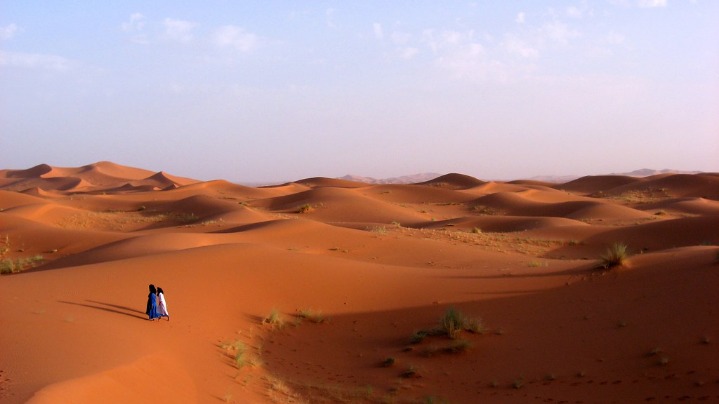
Morocco is a multilingual country, reflecting its rich cultural diversity and history. The official languages are Arabic and Amazigh (Berber), both of which are widely spoken across the nation. Additionally, French plays a significant role in education, business, and government, serving as a lingua franca for many Moroccans. The presence of Spanish and other languages further highlights the country’s historical connections and multicultural identity, making Morocco a fascinating linguistic landscape.
Languages Spoken in Morocco
Morocco is a multilingual country with a rich linguistic landscape shaped by its history and cultural diversity. The primary languages spoken in Morocco include Arabic, Amazigh (Berber), and French, among others. Arabic, specifically Modern Standard Arabic, is the official language used in government, media, and education. Moroccan Arabic, also known as Darija, is the most widely spoken dialect in everyday life and varies across regions. Amazigh languages, including Tarifit, Tamazight, and Tachelhit, are spoken by the Berber communities throughout the country and have gained official recognition. French remains widely used in commerce, higher education, and diplomatic contexts, reflecting Morocco’s historical ties to France. Additionally, Spanish is spoken in northern regions due to historical influence. The diverse linguistic fabric of Morocco highlights its cultural richness and the coexistence of multiple language communities within the country.
Official Languages
Morocco is a multilingual country with a rich linguistic landscape that reflects its diverse cultural heritage. The primary languages spoken include Arabic, Amazigh (Berber), and French, each playing a significant role in daily communication, education, and official affairs. Arabic, specifically Modern Standard Arabic, is the official language used in government, media, and literature, while Amazigh has been recognized officially since 2011, emphasizing the country’s commitment to preserving indigenous languages. French serves as a lingua franca in business, higher education, and diplomatic interactions, due to Morocco’s historical ties with France. Additionally, other languages such as Spanish are spoken in certain regions, showcasing the country’s historical influences. Overall, language in Morocco illustrates its cultural diversity and historical connections, shaping the country’s social and political fabric.
Regional and Minority Languages
Morocco is a linguistically diverse country where multiple languages coexist and reflect its rich cultural heritage. The official languages are Arabic and Amazigh (Berber), which are used in government, education, and media. Moroccan Arabic, locally known as Darija, is the most widely spoken language among the population and serves as the primary means of daily communication. In addition to these, French plays a significant role due to historical ties and is extensively used in business, higher education, and diplomacy.
Regional and minority languages are also prominent within Morocco. Amazigh languages, including Tarifit, Tashelhit, and Central Atlas Tamazight, are spoken by various Berber communities across the country, particularly in the Rif, Atlas Mountains, and Souss regions. These languages have seen a resurgence and official recognition in recent years, emphasizing cultural identity and regional pride. Other minorities, such as the Jews and Haratin communities, use their distinct languages and dialects, contributing further to Morocco’s linguistic mosaic. Overall, the language landscape in Morocco showcases a blend of indigenous, Arab, and colonial influences, reflecting its complex social fabric.
Historical Development of Languages in Morocco
The historical development of languages in Morocco reflects a rich tapestry of cultural influences and societal changes over centuries. From ancient Berber origins to the arrival of Arabic and the influence of European languages, Morocco’s linguistic landscape has evolved through various periods of conquest, trade, and cultural contact. This diversity has shaped a multilingual nation where different languages coexist, each bearing the marks of its historical journey and cultural significance.
Pre-Colonial Language Landscape
The historical development of languages in Morocco reflects a rich tapestry influenced by various civilizations and cultural shifts over centuries. In the pre-colonial era, the linguistic landscape was predominantly shaped by indigenous Berber languages, which have been spoken in the region for thousands of years. These Berber languages, also known as Amazigh languages, form the core of Morocco’s early linguistic identity and include various dialects such as Tarifit, Tamazight, and Tachelhit. Alongside Berber, Arabic was introduced with the spread of Islam in the 7th century and gradually became the dominant language through religious, cultural, and political influence. Classical Arabic was used in religious and literary contexts, while the local dialects of colloquial Arabic also developed, known as Darija, which remains widely spoken today. Additionally, due to historical interactions with other civilizations, including Phoenicians, Romans, and later Europeans, languages such as Latin, Spanish, and French also played significant roles in Morocco’s pre-colonial and subsequent linguistic development. Collectively, these languages form a complex, multilingual environment that continues to influence Morocco’s cultural and social identity today.
Colonial Influence on Language Policy
The historical development of languages in Morocco is deeply intertwined with its rich and diverse cultural history. Indigenous Berber languages have been spoken in the region for thousands of years, serving as the foundational linguistic identity of the Berber populations. Arabic, brought to the area through Arab conquest in the 7th century, gradually became dominant, especially with the spread of Islam and the Arabization of the population. Over the centuries, these languages coexisted and influenced each other, creating a multilingual society that includes Darija (Moroccan Arabic), Berber languages, and classical Arabic used in religious contexts.
Colonial influence significantly shaped Morocco’s language policy, particularly during the period of French and Spanish colonization in the 20th century. The French colonial administration prioritized the use of French in education, government, and media, establishing it as the language of elites and official institutions. This marginalization of local languages created a linguistic divide, leading to a cultural and educational gap between urban and rural populations. Post-independence, Morocco has made efforts to revive and promote its native languages, recognizing the importance of Berber and Arabic in national identity, but French still retains a prominent role in higher education, commerce, and diplomatic affairs, reflecting the enduring legacy of colonial influence on language policy in Morocco.
Post-Independence Language Dynamics
The historical development of languages in Morocco reflects a rich tapestry of cultural influences, colonial history, and modern national identity. Historically, Berber (Amazigh) languages have been spoken by indigenous populations for thousands of years, serving as the foundation of local communication and cultural expression. Arab conquest in the 7th century introduced Arabic, which gradually became the dominant language in religious, administrative, and literary domains, especially after the spread of Islam. During the French colonial period (1912-1956), French was introduced as the language of education, administration, and elite communication, leaving a lasting impact on institutional functions and higher education. Post-independence, Morocco has navigated complex language dynamics by promoting Arabic as the official language and emphasizing its role in national identity, while also acknowledging the importance of Berber languages, which gained official recognition in 2011. Conversely, French continues to be influential in business, higher education, and diplomacy, creating a multilingual environment. This diversity underscores Morocco’s ongoing efforts to balance cultural heritage with modern development, shaping its unique linguistic landscape today.
Arabic in Morocco
Arabic holds a central place in Morocco’s linguistic landscape, serving as the country’s official language and a vital part of its cultural identity. In Morocco, Arabic is used in government, education, media, and religious practices, reflecting its deep historical roots. Alongside Moroccan Arabic, also known as Darija, and other languages, Arabic continues to influence and shape the nation’s diverse linguistic environment.
Modern Standard Arabic
Language in Morocco is characterized by a rich linguistic diversity that reflects its history and cultural influences. Arabic is the official language of the country, and it is used in government, media, and education. Moroccan Arabic, also known as Darija, is the most widely spoken dialect among the population in everyday life. It incorporates vocabulary and structures from Berber, French, and Spanish due to Morocco’s historical interactions. Modern Standard Arabic is employed primarily in formal settings, literature, and official documents, serving as a standard form of communication across the Arab world. Many Moroccans are bilingual or even multilingual, often switching between Darija, Modern Standard Arabic, French, and other languages, which exemplifies the country’s linguistic versatility. This multilingual environment contributes to Morocco’s unique cultural identity and facilitates communication within diverse communities.
Moroccan Dialect (Darija)
Arabic in Morocco, particularly the Moroccan Dialect known as Darija, plays a central role in daily communication, culture, and identity. Darija is a unique blend of Classical Arabic, Amazigh, French, Spanish, and other influences, reflecting Morocco’s rich history and diverse society. It is spoken by the majority of Moroccans and is used in informal settings, while Modern Standard Arabic is reserved for formal occasions, media, and education.
- Darija is highly adaptable and varies across different regions of Morocco, incorporating local vocabulary and pronunciation.
- Many Moroccans are bilingual or even trilingual, speaking Darija alongside French and sometimes Spanish or Amazigh languages.
- Although Darija is primarily a spoken language, efforts are ongoing to standardize its written form and incorporate it into media and literature.
- The use of Darija is a symbol of cultural identity and pride among Moroccans, serving as a means of preserving local traditions and expressions.
- Language policies in Morocco often aim to balance the promotion of Modern Standard Arabic with the recognition of Darija’s role in everyday life.
Usage and Societal Role
Arabic in Morocco plays a vital role in the country’s cultural and societal identity, serving as both an official language and a symbol of national heritage. It is widely used in government, education, media, and religious contexts, reflecting its significance in daily life and formal institutions.
Moroccan Arabic, also known as Darija, is the most commonly spoken dialect at home and in casual settings. It differs considerably from Modern Standard Arabic, which is primarily employed in formal writing, official speeches, and religious texts. This linguistic diversity highlights the coexistence of traditional and modern forms of communication within Moroccan society.
Arabic’s societal role extends beyond communication, fostering a sense of unity and cultural pride among Moroccans. It influences arts, literature, and religious practices, reinforcing Morocco’s historical and cultural ties to the Arab world. The use of Arabic, alongside Amazigh (Berber) languages and French, illustrates Morocco’s multilingual landscape and complex identity.
Tamazight (Berber Languages) in Morocco
Tamazight, also known as Berber, is an indigenous language spoken by the Berber communities in Morocco. It holds significant cultural and historical importance, serving as a symbol of identity and heritage for various Amazigh groups across the country. Recognized officially in recent years, Tamazight is increasingly being integrated into education, media, and public life, contributing to the preservation and promotion of Morocco’s rich linguistic diversity.
Recognition and Official Status
Tamazight, also known as Berber languages, holds a significant place in Morocco’s linguistic landscape. Recognized as a vital component of the country’s cultural heritage, Tamazight has experienced advancements in official recognition and status over recent years.
In 2011, Morocco adopted a new constitution that officially acknowledged Tamazight as an official language alongside Arabic. This marked a milestone in efforts to preserve and promote Amazigh culture and language throughout the nation.
- The 2011 constitution mandates the recognition of Tamazight as an official language, aiming to promote its use in education, media, and government institutions.
- Government initiatives have been launched to incorporate Tamazight into public schools, universities, and official documents.
- Various media outlets now broadcast in Tamazight, contributing to its revitalization and wider dissemination.
- Efforts continue to standardize the language, develop literature, and support cultural festivities associated with Amazigh heritage.
- Despite these advances, challenges remain in fully implementing language policies and ensuring equal usage across different regions of Morocco.
Variants and Dialects
Tamazight, also known as Berber languages, is an important indigenous language spoken in Morocco. It holds a significant cultural and historical value for various Berber communities across the country. The language is recognized officially and enjoys a revival in recent years as part of Morocco’s efforts to preserve its indigenous heritage.
Moroccan Tamazight includes several variants and dialects that vary regionally. The major dialect groups are Tarifit, spoken mainly in the Rif Mountains in the north; Tamazight (or Central Berber), prevalent in the Atlas Mountains and central regions; and Tachelhit, spoken primarily in the Souss-Massa and Anti-Atlas areas in the south. Each dialect has unique phonological, lexical, and grammatical features, reflecting the diverse history and cultural influences of their respective regions.
Despite these differences, speakers of various Tamazight dialects generally understand each other, especially through the standardized forms used in education and media. The Moroccan government has taken steps to promote and standardize Tamazight, including its recognition as an official language alongside Arabic, and initiatives to incorporate it into educational curricula and public broadcasting. This effort aims to reinforce the identity and linguistic rights of Berber-speaking communities throughout Morocco.
Cultural Significance
Tamazight, also known as Berber, holds a profound cultural significance in Morocco as a symbol of the country’s rich heritage and identity. It is one of the indigenous languages spoken by the Berber people, who are among the oldest inhabitants of the region. The language embodies their history, traditions, and social practices, serving as a vital link to their ancestral roots.
In Morocco, Tamazight has gained recognition as an official language alongside Arabic, reflecting the nation’s commitment to preserving its diverse cultural landscape. Its use in daily life, media, education, and cultural festivities underscores its importance in maintaining a sense of identity and pride among Berber communities.
- Preservation of Cultural Heritage: Tamazight language preserves traditional stories, music, and oral history, ensuring the continuation of Berber cultural practices.
- Promotion of Identity: The language reinforces a sense of belonging and cultural identity among Berber people in a multilingual society.
- Educational Inclusion: The integration of Tamazight into the school curriculum helps promote awareness and appreciation of Berber culture among younger generations.
- Representation in Media: Usage of Tamazight in radio, television, and literature enhances visibility and respect for Berber traditions.
- Political Recognition: Official acknowledgment of Tamazight has empowered Berber communities to advocate for their rights and cultural preservation.
French Influence and Usage
French influence in the language of Morocco is a significant aspect of its cultural and historical landscape. Due to historical colonization and ongoing interactions, many French words and expressions have been integrated into everyday Moroccan speech. This blending of languages reflects the country’s colonial past as well as its modern ties to France, making French an important second language and a prominent presence in education, administration, and media across Morocco.
Historical Context
The French influence on the language in Morocco is deeply rooted in the country’s historical context, particularly stemming from the period of French colonization from 1912 to 1956. During this era, French was introduced as the official administrative and educational language, shaping the linguistic landscape of Morocco. Consequently, French became widely used in government, business, and higher education, coexisting with Arabic and Amazigh languages. After gaining independence, Morocco retained French as a key second language, maintaining its significance in commerce, diplomacy, and academia. Today, the usage of French reflects Morocco’s colonial legacy while serving as a crucial tool for international communication and economic development. The bilingual nature of Moroccan society illustrates a complex linguistic heritage, blending indigenous languages with colonial influence, which continues to evolve within the modern social and political context.
Commerce, Education, and Media
French has a significant influence on Morocco, serving as a key language in various aspects of societal life. It is widely used in commerce, where many business transactions and official documents are conducted in French, making it essential for economic activities and international trade. In education, French is frequently employed as the medium of instruction, especially in secondary and higher education institutions, contributing to the country’s multilingual proficiency. The media landscape in Morocco also reflects this influence, with many newspapers, television programs, and online platforms producing content in French to reach diverse audiences. Overall, the integration of French into daily life underscores its importance in Morocco’s cultural, economic, and educational spheres.
Current Status and Trends
French influence and usage in Morocco have played a significant role in shaping the country’s linguistic landscape. Since the colonial period, French has established itself as an important language of administration, education, business, and media. Today, it is widely spoken among the educated urban population and remains a key language for economic and diplomatic interactions within Morocco and with the international community.
The current status of French in Morocco is that it functions as a linguistic bridge between Arabic and other international languages, especially English and Spanish. While Modern Standard Arabic is the official language and Amazigh (Berber) languages are recognized as national languages, French continues to be a dominant language in higher education, scientific research, and professional sectors. Its usage underscores the country’s colonial history and ongoing francophone cultural ties.
Recent trends reflect a gradual shift towards increased usage of English, driven by globalization and the desire to connect more directly with the broader international community. However, French remains deeply embedded in Morocco’s social and institutional structures. Efforts are ongoing to balance multilingualism, promote national languages, and adapt to evolving linguistic demands, with a focus on integrating multiple languages in education and public life.
Other Languages in Morocco
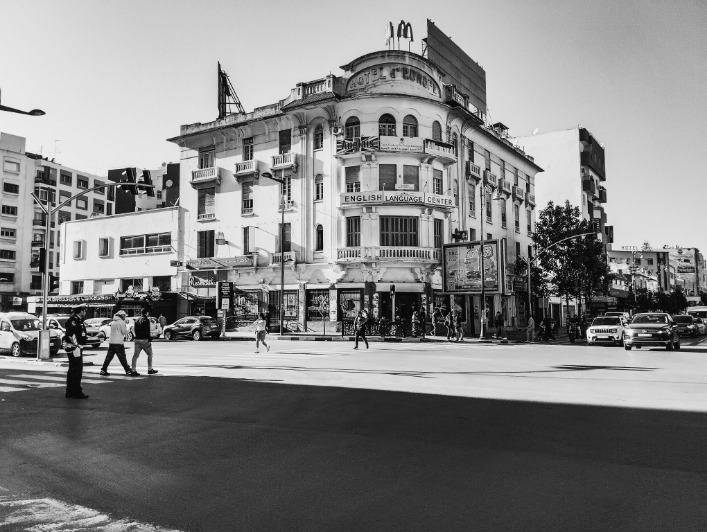
Morocco is a country known for its rich cultural diversity and multilingual landscape. In addition to Arabic and Berber, which are widely spoken, the country is home to several other languages that reflect its historical interactions and cultural influences. These other languages play a significant role in shaping Morocco’s social fabric and contribute to its vibrant, multicultural identity.
Spanish Language Presence
Morocco is a multilingual country with a rich linguistic landscape that includes not only Arabic and Amazigh languages but also other languages due to historical and cultural influences. Spanish is one of the prominent foreign languages spoken in certain regions, especially in the northern parts of the country and in the city of Tangier, which has historical ties to Spain. The presence of Spanish in Morocco is a result of Spain’s colonial history in the region, and it continues to be used in education, business, and tourism. Many Moroccans, particularly those in border areas and coastal cities, are bilingual or even multilingual, often speaking Arabic, Amazigh, French, and Spanish to varying degrees. The use of Spanish also persists through cultural exchanges, media, and local communities that maintain ties with Spanish-speaking countries, making it an integral part of Morocco’s diverse linguistic environment.
Italian and Other Minor Languages
In addition to Arabic and Amazigh (Berber), Morocco is home to a diverse range of languages, including Italian and various minor languages. Italian has historical roots in Morocco, particularly in cities such as Tangier and Casablanca, where it was once widely spoken due to colonial influence and economic ties. Although it is no longer a primary language, some communities and older generations continue to use Italian, and it remains of interest for cultural and linguistic studies. Besides Italian, several minor languages are spoken by smaller communities across Morocco. These include Spanish, due to historical connections with Spain, and other languages brought by immigrant groups. The rich linguistic landscape of Morocco highlights its cultural diversity and historical interactions with different nations and peoples.
Languages of Immigrant Communities
Morocco is a multilingual country with a rich linguistic landscape influenced by its diverse cultural history. Besides the official languages of Arabic and Amazigh (Berber), many immigrant communities contribute to the linguistic diversity. These communities speak a variety of languages including French, Spanish, and others brought by migrants and expatriates. French is widely used in education, business, and government, serving as a bridging language in many sectors. Spanish is also prevalent, especially in northern regions and the Sahara, owing to historical ties with Spain. Additionally, communities from Sub-Saharan Africa and other parts of the world often speak their native languages, enriching the overall linguistic fabric of Morocco. This multilingual environment reflects the country’s openness to cultural exchange and its position as a crossroads between Africa, Europe, and the Arab world.
Language Education and Policy
Language education and policy play a crucial role in shaping cultural identity and fostering communication within a country. In Morocco, a nation rich in linguistic diversity, the approach to language education influences social integration, national unity, and international relations. Understanding the development and implementation of language policies in Morocco provides insight into how the country balances its linguistic heritage with the demands of modern society.
Language Curriculum in Schools
Language education and policy in Morocco play a pivotal role in shaping national identity and social cohesion, reflecting the country’s multilingual reality. The Moroccan education system emphasizes the teaching of Arabic, Amazigh (Berber), French, and increasingly, English, to prepare students for diverse cultural and economic opportunities. The language curriculum in schools is designed to promote proficiency in these languages, with Arabic serving as the official language and medium of instruction, while Amazigh has gained recognition as a co-official language. French remains influential, especially in higher education, business, and diplomatic contexts, acting as a bridge to global engagement. Recent policy reforms aim to balance the use of these languages, integrating them into the curriculum to support linguistic diversity and improve educational outcomes. Moreover, the promotion of English as a foreign language reflects Morocco’s strategic aim to boost international communication and economic prospects. Overall, Morocco’s language policy seeks to foster multilingual competence that aligns with its cultural heritage and modern aspirations.
Government Language Policies
Language education and government language policies in Morocco play a crucial role in shaping the country’s cultural identity and social cohesion. The Moroccan government has implemented policies that aim to promote multilingualism by recognizing Arabic, Amazigh (Berber), and French as official languages, reflecting the nation’s diverse linguistic landscape. Arabic, particularly Modern Standard Arabic, is used in official settings, education, and media, serving as a unifying national language. Amazigh was recognized as an official language in 2011, emphasizing the importance of indigenous cultures. French remains influential in education, business, and government, symbolizing Morocco’s historical ties with France and facilitating international connectivity. These policies seek to balance preserving local linguistic heritage with integrating into the global economy. Efforts continue to improve language education to foster bilingual and multilingual competencies, supporting social inclusion and national unity amidst Morocco’s rich linguistic diversity.
Language Preservation Initiatives
Language education and policy in Morocco are characterized by a multilingual approach that reflects the country’s rich cultural heritage. Arabic, Amazigh (Berber), French, and increasingly English play vital roles in the educational system, government, and society at large. Efforts to balance these languages involve implementing policies aimed at promoting linguistic diversity while ensuring effective communication and educational accessibility for all citizens.
Among the initiatives to preserve Morocco’s linguistic heritage are language preservation projects focusing on Amazigh languages. These initiatives include integrating Amazigh into official education curricula, developing standardized orthographies, and promoting cultural activities that celebrate Amazigh traditions. The Moroccan government officially recognized Amazigh as an official language alongside Arabic in 2011, which marked a significant step towards safeguarding this linguistic heritage.
- Establishing bilingual and trilingual education systems that incorporate Arabic, Amazigh, and French to foster cultural identity and global competitiveness.
- Launching media programs and publishing efforts in Amazigh to increase visibility and cultural pride.
- Supporting community-led language revitalization initiatives to sustain endangered dialects and foster intergenerational transmission.
- Encouraging the teaching of English as a foreign language to enhance future economic opportunities and international relations.
- Formulating policies that ensure equal access to quality education in all official languages, respecting Morocco’s diverse linguistic landscape.
Cultural Impact of Languages in Morocco
The cultural landscape of Morocco is profoundly shaped by its diverse languages, which serve as vital expressions of its rich history and social identity. Languages such as Arabic, Amazigh, French, and Spanish coexist and influence daily life, tradition, and communication across the country. This linguistic diversity reflects Morocco’s historical interactions, regional identities, and cultural heritage, making language a key element in shaping its vibrant and multifaceted culture.
Media and Literature
The cultural impact of languages in Morocco is profound, shaping the nation’s identity through its rich tapestry of linguistic diversity. Arabic, especially its Moroccan dialect, serves as the cornerstone of cultural expression, religious practices, and daily communication, fostering a shared sense of community and tradition. Amazigh languages, recognized as national languages, play a vital role in preserving indigenous heritage and cultural identity, contributing to a sense of pride among Amazigh communities. French, inherited from colonial history, influences education, business, and media, often acting as a bridge to global communication and modernity. Spanish also maintains historical significance in northern regions, affecting regional dialects and cultural expressions. These languages collectively influence Moroccan media and literature, creating a multilingual environment where messages are conveyed in various linguistic forms. Moroccan literature reflects this linguistic diversity, blending Arabic poetry, Amazigh oral traditions, and modern works in French and Spanish, illustrating the country’s cultural plurality. Media in Morocco often caters to multiple language groups, ensuring the dissemination of information across different linguistic communities and reinforcing cultural ties. Overall, the interplay of languages in Morocco enriches its cultural landscape, fostering a society that values its diverse heritage while embracing contemporary global influences.
Music, Arts, and Oral Traditions
The linguistic landscape of Morocco has significantly shaped its rich cultural heritage, influencing music, arts, and oral traditions. Arabic, as the official language, serves as the foundation for many traditional and contemporary artistic expressions, reflecting the country’s Islamic history and cultural identity. Amazigh (Berber) languages contribute to a unique cultural identity, inspiring music and storytelling that preserve ancient customs and histories. French, widely used in education and media, facilitates cultural exchange and modern artistic development. The interplay of these languages fosters a diverse cultural environment where oral traditions, such as storytelling and poetic recitations, are preserved and passed down through generations. Music genres like Amazigh folk songs, Gnawa rhythms, and Arabic melodies are deeply intertwined with language, serving as powerful mediums of cultural expression and identity. Overall, the multilingual fabric of Morocco enriches its artistic landscape, ensuring the perpetuation of its vibrant cultural traditions and innovations.
Language and Identity
The cultural impact of languages in Morocco is profound, shaping the country’s diverse identity and social fabric. Arabic, as the official language, holds religious and national significance, serving as a symbol of unity and Arab heritage. Amazigh (Berber) languages reflect Morocco’s indigenous roots and are vital in preserving ancient traditions and cultural practices. French, inherited from colonial history, plays a dominant role in business, education, and administration, symbolizing modernity and international connectivity.
These languages collectively contribute to a multifaceted national identity, allowing Moroccans to navigate complex cultural landscapes. Language in Morocco is more than communication; it is an expression of historical narrative, social belonging, and cultural pride. The coexistence and mutual influence of these languages highlight Morocco’s rich cultural mosaic and underscore the importance of linguistic diversity in shaping individual and collective identities in the country.



0 Comments