
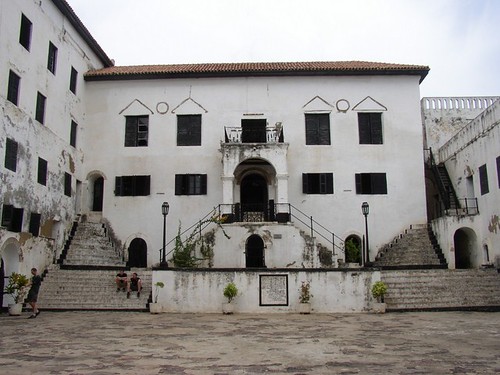
Historical Background of Fort Elmina
Fort Elmina, located in present-day Ghana, holds a significant place in West African history as one of the earliest European trading outposts in the region. Built in the late 15th century by the Portuguese, it served as a crucial hub for the trans-Atlantic slave trade and European colonial expansion. Over the centuries, it was controlled by various European powers, including the Dutch and the British, shaping the complex history of trade, conflict, and cultural exchange in the Gulf of Guinea.
Origins and Establishment
Fort Elmina, located along the coast of present-day Ghana, has a rich historical background dating back to the late 15th century. It was originally established by the Portuguese in 1482 as a trading post and a strategic point for commerce and military operations in West Africa. The fort was named “Elmina,” derived from “Elmina Castle,” which signifies the meaning “Mine” in Portuguese, reflecting its importance in resource extraction. Over the centuries, Fort Elmina became a focal point for European powers, including the Dutch and the British, evolving into a significant hub for the Atlantic slave trade. Its strategic location and robust defenses helped it become one of the most fortified and influential structures along the Gold Coast, playing a central role in the history of trade, colonization, and cultural exchanges in the region.
Role in the Atlantic Slave Trade
Fort Elmina, located in present-day Ghana, was established in the late 15th century by Portuguese traders, making it one of the earliest European settlements along the West African coast. Originally built as a trading post, it served as a significant hub for commerce, particularly in gold and other valuable goods. Over time, the fort changed hands among various European powers, including the Dutch and the British, reflecting its strategic importance in the region.
Role in the Atlantic Slave Trade
Fort Elmina played a crucial role in the transatlantic slave trade, serving as a major point of departure for enslaved Africans transported to the Americas. The fort’s dungeons and holding areas were used to imprison captives before their forced migration across the Atlantic. Its location allowed European traders to access inland regions for capturing or acquiring enslaved persons, making it a central node in the network of the transatlantic slave trade.
- Established as a trading post by the Portuguese in 1482.
- Expanded into a fortified trading center to control regional commerce.
- Captured and controlled by the Dutch in 1637, maintaining its importance in regional trade.
- Served as a major slave trading port from the 17th to the 19th centuries.
- Facilitated the forced migration of thousands of Africans to the Americas, contributing significantly to the transatlantic slave trade.
Historical Significance in Ghanaian and Global History
Fort Elmina, located on the central coast of Ghana, was originally established by Portuguese traders in 1482 as Elmina Castle, making it one of the oldest European colonial buildings in Sub-Saharan Africa. Over the centuries, it has changed hands among the Portuguese, Dutch, and British, reflecting the region’s strategic importance in the lucrative Atlantic trade routes. The fort was primarily used for trading gold, ivory, and eventually as a hub in the trans-Atlantic slave trade, which had profound impacts on the region’s history and demographics.
In terms of historical significance, Fort Elmina is a symbol of European colonial ambitions and economic pursuits in West Africa. It played a crucial role in the development of the Atlantic slave trade, facilitating the forced migration of millions of Africans to the Americas. Its architecture and preserved state offer valuable insights into colonial history and military engineering. Globally, Fort Elmina is recognized as part of the UNESCO World Heritage Site, highlighting its importance as a reminder of the complexities of colonialism, the origins of global trade networks, and the enduring legacy of African-European interactions throughout history.
Architectural Features of Fort Elmina
Fort Elmina, located in Ghana, is a historic European-built fortress that showcases unique architectural features reflecting its rich colonial past. The structure is renowned for its massive stone walls, strategic design, and blend of European and local construction techniques. Its well-preserved bastions, gateway, and intricate interior courtyards offer a glimpse into 16th-century military architecture and trading history.
Design and Structural Layout
Fort Elmina in Ghana showcases a striking example of colonial military architecture, reflecting both strategic military design and cultural influences. Its design incorporates thick stone walls, ramparts, and bastions that were constructed to withstand sieges and attacks, emphasizing defensive strength. The structural layout is centered around a rectangular footprint, featuring a series of interconnected courtyards and gated entrances that facilitated movement and security within the fortified complex. The prominent bastions at each corner provided vantage points for surveillance and artillery placement, ensuring comprehensive coverage of the surrounding area. Interior spaces include living quarters, storage rooms, chapels, and administrative offices, arranged to maximize functionality while maintaining the integrity of the fort’s defensibility. Architectural features such as vaulted ceilings, arched doorways, and narrow slits for firing demonstrate a blend of European design adapted to the Atlantic coast’s strategic needs. Overall, Fort Elmina’s structural layout exemplifies a balance between military capability, functionality, and the colonial architectural style prevalent during its period of construction in the late 15th century.
Notable Architectural Elements
Fort Elmina, located in Ghana, is renowned for its unique architectural features that reflect a blend of African and European influences. The fortress’s strategic location on the coast allowed for robust defensive structures designed to withstand maritime attacks. Its massive stone walls and bastions are characteristic of 15th-century European fortress construction, featuring thick, load-bearing masonry that showcases advanced military engineering of the period. The architecture incorporates large courtyards, narrow corridors, and fortified gateways, all aimed at enhancing security and control. Notable elements include the Circular and Square Bastions, which provided vantage points for lookouts and defenses against intruders, and the Chapel of Our Lady of Mercy, which displays European ecclesiastical architectural styles integrated into the fortress layout. Furthermore, the fortress’s use of local materials alongside imported ones underscores a architectural synergy that marks its historical significance. Overall, Fort Elmina’s architecture reflects its functional purpose as a colonial trading post and military stronghold, embodying a significant chapter in West African colonial history.
Modifications Over Time
Fort Elmina in Ghana showcases a unique blend of architectural features that reflect its historical significance as a major trading post and colonial stronghold. The fortress is characterized by thick stone walls, strategic bastions, and a central courtyard that facilitated defense and administration. Its design incorporates Dutch and Portuguese architectural elements, evident in the ornate facades and robust construction methods. Over time, modifications to Fort Elmina have included the addition of guns and defensive structures to adapt to evolving military technologies and threats. The restoration efforts in the 20th and 21st centuries have aimed to preserve its original design while accommodating new structures for tourism and heritage education. These changes highlight the fortress’s transition from a purely military installation to a symbol of cultural heritage and historical resilience.
Cultural and Archaeological Significance
Fort Elmina in Ghana holds immense cultural and archaeological significance as a symbol of the country’s rich history. Established in the late 15th century, it served as a major hub for trade, including gold, slaves, and other goods, shaping the region’s historical development. The site offers valuable insights into colonial era architecture and the complex interactions between indigenous peoples and European powers, making it a vital part of Ghana’s cultural heritage and a UNESCO World Heritage site.
Relics and Artifacts Found at the Site
Fort Elmina in Ghana holds immense cultural and archaeological significance as a historic site that reflects the rich past of West Africa. It served as a major hub during the Portuguese and Dutch colonial periods, playing a vital role in regional trade and interactions between Europeans and local communities. The site is renowned for its well-preserved architecture and strategic location along the Gulf of Guinea, making it a crucial point in the history of transatlantic trade and the Atlantic slave trade.
Numerous relics and artifacts have been uncovered at Fort Elmina, offering valuable insights into its complex history. These include colonial-era cannons, muskets, and trade goods, as well as personal items belonging to both Europeans and Africans. Archaeological excavations have also revealed fragments of pottery, jewelry, and ceremonial objects, which illuminate the cultural exchanges that took place at the fortress. The artifacts serve as tangible connections to the diverse communities that interacted within and around the site, highlighting its importance as a center of commerce, religion, and social exchange over centuries.
Impact on Local Cultures and Communities
Fort Elmina in Ghana holds immense cultural and archaeological significance, serving as a testament to the country’s rich history and its interactions with different civilizations over centuries. As one of the oldest European-built structures in sub-Saharan Africa, it provides invaluable insights into colonial architecture, trade, and the transatlantic slave trade. The fort is recognized as a UNESCO World Heritage Site, highlighting its global importance and the need to preserve its historical integrity.
The impact of Fort Elmina on local cultures and communities is profound, both historically and in contemporary times. It has shaped local identities, influenced cultural expressions, and contributed to a collective memory of resilience and history. However, its history also involves the painful legacy of slavery, which continues to resonate with descendants and visitors alike. The site serves as an educational platform for promoting awareness of African history and fostering dialogue about human rights and heritage preservation.
Preservation Efforts and Challenges
Fort Elmina in Ghana holds immense cultural and archaeological significance as a symbol of West Africa’s complex history of trade, diplomacy, and conflict. As one of the oldest European-built structures in Sub-Saharan Africa, it offers invaluable insights into the architecture, social interactions, and economic exchanges of the colonial period. The fort is also of great cultural importance to the local communities, representing a testament to their history and resilience against external influences.
Preservation efforts for Fort Elmina involve maintaining the structural integrity of the historic site, promoting its use as an educational resource, and fostering sustainable tourism practices. The Ghanaian government, along with international organizations such as UNESCO, has undertaken conservation projects aimed at restoring damaged areas and preventing further deterioration caused by weather, tourism, and human activity. These initiatives aim to ensure the fort remains an accessible and meaningful heritage site for future generations.
Despite these efforts, challenges persist in preserving Fort Elmina. Limited funding, inadequate infrastructure, and the effects of climate change, such as rising sea levels and erosion, threaten the site’s stability. Additionally, balancing tourism development with conservation needs remains complex, as increased visitor numbers can lead to wear and tear. Addressing these challenges requires continued collaboration between government agencies, local communities, and international partners to implement effective conservation strategies and raise awareness of the fort’s cultural importance.
Tourism and Modern-Day Relevance
Tourism plays a vital role in showcasing the rich history and cultural heritage of destinations like Fort Elmina in Ghana. As a significant historical site, Fort Elmina offers visitors a glimpse into the past, highlighting both Ghana’s heritage and its relevance in the modern world. Today, it continues to attract tourists from around the globe, contributing to local economies and fostering a greater understanding of Ghana’s important history.
Visitor Attractions and Facilities
Fort Elmina in Ghana holds a significant place in the history of tourism and continues to be a relevant destination for visitors today. Its rich heritage and historical importance attract tourists from around the world, making it an integral part of Ghana’s cultural tourism industry. The fort serves as a reminder of the transatlantic slave trade, offering an educational experience alongside its scenic and historical appeal.
Visitors to Fort Elmina can explore well-preserved structures, museum exhibits, and guided tours that provide insight into its past. The site’s breathtaking views of the Gulf of Guinea and its strategic location make it a popular landmark for both history enthusiasts and general tourists. Facilities such as visitor centers, souvenir shops, and guided tour services enhance the overall experience, ensuring that tourists have access to all necessary amenities during their visit.
- Historical Museum and Exhibits that detail the fort’s role in regional history
- Guided Tours led by knowledgeable guides to enrich visitor understanding
- Restoration and Preservation Facilities to maintain the site’s integrity
- On-site cafes and shops offering local crafts and refreshments
- Accessibility features to accommodate visitors with disabilities
Educational and Cultural Programs
Fort Elmina in Ghana holds significant historical and cultural importance, drawing countless visitors interested in exploring its rich past. Today, it serves as a beacon of heritage, offering insights into the colonial era and the transatlantic slave trade, making it a vital site for tourism. The fort’s preservation and management promote sustainable tourism by encouraging responsible visits that respect its historical integrity.
Modern-day relevance of Fort Elmina extends beyond tourism, as it is integrated into educational and cultural programs that deepen understanding of Ghanaian history and West African heritage. Schools and universities frequently organize excursions to the site, fostering learning through direct engagement with history. Additionally, cultural festivals and performances held at the fort highlight local traditions, promoting cultural pride and continuity. These initiatives help ensure that the significance of Fort Elmina is shared globally while supporting community involvement and preservation efforts.
Fort Elmina’s Role in Ghana’s Heritage Tourism
Fort Elmina in Ghana stands as a significant symbol of the nation’s rich history and cultural heritage, attracting numerous tourists from around the world. Its role in modern-day tourism highlights the importance of preserving historical sites and educating visitors about Ghana’s complex past involving trade, colonialism, and human migration.
- Fort Elmina serves as a key educational resource, offering insights into West African history and the transatlantic slave trade.
- It is a UNESCO World Heritage Site, which helps promote Ghana’s cultural tourism and international recognition.
- The site supports local economies by increasing tourism-related activities such as guided tours, hospitality services, and souvenir trade.
- Fort Elmina fosters cultural pride among Ghanaians, emphasizing the importance of heritage conservation and national identity.
- Its role in modern tourism also includes collaborations with educational institutions for research and student visits, enhancing global understanding of Ghana’s history.
Economic Impact on the Region
Fort Elmina in Ghana has significantly influenced the economic landscape of the region through its historical importance and tourism appeal. As a UNESCO World Heritage Site, it attracts visitors from around the world, generating revenue and fostering local businesses. Additionally, the fort’s presence has contributed to job creation and infrastructure development, playing a crucial role in the economic growth of the surrounding communities. This blend of cultural heritage and economic activity underscores Fort Elmina’s vital contribution to regional development.
Tourism Revenue Generation
Fort Elmina in Ghana significantly influences the economic landscape of the region through its role as a major tourist attraction. The influx of visitors from around the world generates substantial tourism revenue, supporting local businesses, hotels, restaurants, and craft markets. This revenue not only provides direct financial benefits but also creates numerous employment opportunities for residents, fostering economic growth and community development. Additionally, the preservation and promotion of Fort Elmina as a historical site encourage ongoing investment in infrastructure and cultural initiatives, further boosting the regional economy. Overall, Fort Elmina serves as a vital engine for economic activity and income generation in the region, highlighting its importance beyond its historical significance.
Employment Opportunities
Fort Elmina in Ghana has significantly contributed to the economic development of the region by attracting tourism and fostering local businesses. The influx of visitors generates revenue for hotels, restaurants, and craft markets, boosting the local economy. Additionally, the site creates employment opportunities for residents through roles in tour guiding, hospitality, security, and maintenance. The historical importance of Fort Elmina also encourages international investment and partnerships, further enhancing economic stability. Overall, the fort plays a crucial role in promoting regional growth and providing sustainable livelihoods for the surrounding communities.
Local Business Development
Fort Elmina has significantly contributed to the economic development of the region by attracting tourism and promoting local businesses. The historical site draws numerous visitors annually, creating opportunities for hospitality services, local crafts, and guided tours that benefit residents. Additionally, the influx of tourists boosts revenue for hotels, restaurants, and markets nearby, fostering job creation and entrepreneurship. This growth in economic activity enhances the region’s infrastructure and encourages further investment, strengthening the local economy. Overall, Fort Elmina plays a vital role in stimulating regional development and supporting small-scale businesses in the community.




0 Comments