
Historical Background of Kolmanskop
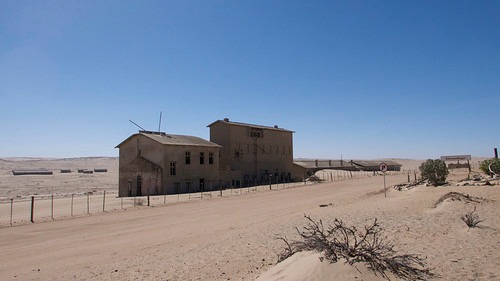
Kolmanskop is a historic ghost town located in the Namib Desert near Lüderitz in Namibia, renowned for its fascinating story rooted in the early 20th century. Founded during the diamond boom of the 1900s, it once thrived as a bustling mining settlement, attracting prospectors and settlers seeking fortune. Over time, as diamond deposits dwindled and resources were exhausted, the town gradually deserted, transforming into an eerie yet captivating site with partially restored buildings that echo its prosperous past. Today, Kolmanskop stands as a symbol of Namibia’s rich mining history and a popular attraction for tourists and explorers alike.
Origins of the Diamond Mining Settlement
Kolmanskop is a deserted diamond mining settlement located in the Namib Desert in Namibia. Its origins trace back to the early 20th century when the discovery of diamonds in the region spurred a rush of prospectors and investors seeking to capitalize on the mineral wealth of the area. The settlement was established in 1908 by German colonists during Namibia’s period of colonial rule under German administration, initially serving as a small operation to extract and process diamonds from the sands of the desert.
As the diamond deposits became more lucrative, Kolmanskop rapidly developed into a thriving town with modern amenities including a hospital, school, theater, and even a casino, reflecting the prosperity brought about by diamond mining. The settlement was strategically situated near the diamond-rich gravel plains, and the prosperity of the area was closely tied to the fortunes of the diamond industry. However, after World War I and subsequent decline in diamond yields, mining activities gradually diminished. By the mid-20th century, the desert’s shifting sands and dwindling diamond deposits led to the abandonment of Kolmanskop, transforming it into the ghost town that remains today, symbolizing the fleeting nature of prosperity driven by resource extraction.
Development During the Diamond Boom
Kolmanskop, located in the Namib Desert near Lüderitz in Namibia, has a rich history rooted in the diamond mining industry. It was established in the early 20th century following the discovery of diamonds in the region in 1908, which sparked a rapid influx of prospectors and settlers seeking their fortune. As diamond discoveries intensified, Kolmanskop grew from a small mining camp into a thriving settlement, attracting hundreds of residents and developing the infrastructure necessary to support its boom society.
During the height of the diamond rush in the 1910s and 1920s, Kolmanskop experienced significant development. The town was equipped with modern amenities for its time, including a hospital, school, theater, and even a sandbag-lined ice factory, reflecting the prosperity brought by diamond extraction. Elegant buildings, including a luxury casino and opulent homes, were constructed to cater to the wealthy prospectors and officials. The town’s layout showcased a blend of European architecture adapted to the harsh desert environment, symbolizing its status as a jewel of the Namib Desert during the diamond boom.
Decline and Abandonment of the Town
Kolmanskop, located near Lüderitz in Namibia, has a rich historical background rooted in the early 20th-century diamond rush. Established in 1908 following the discovery of diamonds in the area, the town quickly grew into a prosperous settlement due to the lucrative diamond mining operations. It was initially developed as a thriving German colonial town, featuring modern amenities such as a hospital, theater, and luxury homes, reflecting its importance during the colonial period. The town was named after Johnny Coleman, a worker at the nearby diamond fields.
However, the decline of Kolmanskop began in the late 1920s when the diamond deposits in the region started to deplete and became unprofitable. The advent of more accessible diamond deposits elsewhere, combined with the exhaustion of local resources and the harsh desert environment, led to the gradual abandonment of the town. By the 1950s, the remaining residents had moved away, and Kolmanskop was officially deserted. Over the subsequent decades, the desert sand gradually encroached upon the structures, transforming the once bustling town into a haunting ghost town, attracting visitors and historians alike. The remnants of Kolmanskop now stand as a testament to a bygone era of prosperity and industrial ambition in Namibia’s history.
Geography and Location
Geography and location play a crucial role in shaping the unique features and history of a place. Understanding where a location is situated helps reveal its environmental conditions, weather patterns, and cultural influences. Kolmanskop, a famous ghost town in Karas Region of Namibia, is renowned for its desert surroundings and proximity to the Namib Desert and the Atlantic Ocean. Its geographic position has contributed significantly to its rise and subsequent abandonment, making it an intriguing destination for explorers and historians alike.
Position within the Namib Desert
Kolmanskop, located in the Namib Desert in Namibia, is a historic ghost town that once thrived during the diamond boom in the early 20th century. Situated near the coastal town of Lüderitz, it lies approximately 10 kilometers inland from the Atlantic Ocean. Its geographical positioning within the vast, arid desert landscape makes it a testament to the area’s extreme climate and rich mineral history.
- Kolmanskop is located in the southern part of Namibia, in the Namib Desert.
- The town lies about 10 kilometers east of Lüderitz, accessible by a gravel road.
- The area is characterized by shifting sands and sparse vegetation, typical of the Namib Desert ecosystem.
- Its proximity to the Atlantic Ocean influences its climate, making it a semi-arid environment.
- The desert’s geography has contributed to the preservation and eventual abandonment of the town, due to shifting sands covering structures over time.
Climate and Environmental Conditions
Kolmanskop in Karas, Namibia, is a historic ghost town located in the Namib Desert, approximately 10 kilometers southeast of Lüderitz. Situated within a semi-arid region, the town lies amidst vast desert landscapes characterized by rolling dunes and sparse vegetation. The area’s geography features sandy plains and shifting sand dunes, shaped by strong desert winds that have contributed to the town’s abandonment over the years.
The climate in Kolmanskop is classified as desert climate, with extremely hot summers and mild winters. Temperatures can soar above 40°C (104°F) during the peak summer months, while winter temperatures tend to be cooler, averaging around 10-15°C (50-59°F). Precipitation is minimal, often less than 50 millimeters annually, leading to dry conditions that persist throughout the year. This arid environment has resulted in minimal rainfall, high evaporation rates, and a landscape prone to sand encroachment.
Environmental conditions in the area are harsh, with the desert environment posing challenges to both flora and fauna. The region is home to specialized desert-adapted plants and animals, such as succulents, lichens, and desert-adapted wildlife like foxes and insects. The shifting sands and extreme temperatures have contributed to the preservation of Kolmanskop as a ghost town, as the desert’s relentless movement and climate have limited human activity and aided in maintaining the ruins in a state of semi-preservation. Overall, Kolmanskop’s geographic setting, climate, and environmental conditions are integral to its haunting beauty and historical significance.
Surrounding Landscape and Natural Features
Kolmanskop is a former mining town located in the Namib Desert near Lüderitz in Namibia. It is situated in the southern part of Namibia, a region characterized by its arid desert landscape and minimal vegetation. The town lies within the Namib Desert, one of the oldest and most arid deserts in the world, featuring vast expanses of shifting sand dunes and sparse plant life.
The surrounding landscape of Kolmanskop is dominated by towering sand dunes and semi-arid terrain, which have shaped the area’s natural environment over millions of years. The nearby coastline along the Atlantic Ocean influences the local climate, creating foggy conditions that occasionally contribute to the region’s unique ecosystem. The natural features of the area, including the sandbanks and desert plains, provide a striking backdrop to the abandoned structures of the town.
Kolmanskop’s natural setting is characterized by its remote location within the desert, surrounded by rolling dunes and sparse shrubbery, with the Atlantic Ocean just a few kilometers away. The landscape’s stark beauty and the contrasting features of the desert and ocean make it a notable site for exploration and photography. The natural environment plays a significant role in the history and current state of the town, from its origins as a diamond mining hub to its present status as a ghost town immersed in the dramatic scenery of Namibia’s desert wilderness.
Architectural Features and Infrastructure
Kolmanskop in Namibia is renowned for its fascinating architectural features and historical infrastructure that reflect both the Ingenuity of early 20th-century settlers and the unique desert environment. The abandoned town showcases a mix of desert-adapted structures, including grandiose wooden buildings, ornate windows, and remnants of once-thriving amenities. These features highlight the blend of natural elements and human craftsmanship, creating a captivating glimpse into Namibia’s colonial past and the resilience of its infrastructure amidst shifting sands.
Buildings and Structures
Kolmanskop in Karas Region, Namibia, showcases a unique blend of architectural features and infrastructure reflective of its history as a diamond mining settlement. The buildings exhibit early 20th-century German colonial architecture, characterized by brick construction, ornate facades, and utilitarian design adapted to the desert environment. Infrastructure such as narrow streets and remnants of water supply systems demonstrate the once-thriving community’s planning and engineering efforts. The structures include abandoned houses, a hospital, the train station, and an ice factory, all of which highlight the functional architecture suited to the harsh desert conditions. Over time, the encroaching desert sands have partially buried some buildings, creating a striking visual juxtaposition of human ingenuity and nature’s resilience. Today, Kolmanskop stands as a ghost town with well-preserved, albeit weathered, structures that tell the story of Namibia’s diamond rush era and serve as a historical monument to early African colonial infrastructure development.
Utilities and Amenities
Kolmanskop in Karas, Namibia, is renowned for its unique architectural features and infrastructure that reflect the opulence of the early 20th-century diamond mining boom. The buildings are characterized by their distinctive German colonial style, with well-preserved structures such as the former hospital, theater, and houses that showcase intricate woodwork, stucco exteriors, and spacious layouts. The development of infrastructure during its peak included paved roads, power supplies, and water systems that supported the mining community, illustrating an advanced level of planning for a remote desert settlement.
Utilities in Kolmanskop were designed to cater to the needs of its residents and mining operations, featuring electricity for lighting and machinery, as well as water supply systems sourced from underground wells. The town was equipped with essential amenities like a school, bakery, and shops, which contributed to a comfortable living environment. Today, many of these infrastructures remain as ruins, offering a glimpse into the town’s once-thriving infrastructure and the ingenuity employed to sustain a desert community during its heyday.
Preservation of Colonial Architecture
Kolmanskop in Karas Region, Namibia, is renowned for its unique blend of colonial architectural features and historic infrastructure that reflect its rich past as a diamond mining town. The structures exhibit German colonial architectural styles, characterized by ornate facades, intricate woodwork, and sturdy brick construction designed to withstand the harsh desert environment. Preserving these buildings offers a glimpse into the early 20th-century lifestyle and engineering ingenuity, with well-maintained streets, remnants of old railway lines, and abandoned homes symbolizing the town’s former prosperity. Efforts to conserve Kolmanskop focus on maintaining the authentic appearance of the colonial architecture while restoring infrastructure such as roads, drainage systems, and utility frameworks, ensuring that the site’s historical significance continues to be appreciated by visitors and future generations.
Current Status and Preservation Efforts
Kolmanskop in Namibia is a hauntingly beautiful ghost town that stands as a testament to the once-thriving diamond mining industry. Currently, it faces challenges from natural erosion and human activity, which threaten its delicate structures. Preservation efforts are underway to restore and maintain this historic site, aiming to protect its unique architecture and cultural significance for future generations to explore and appreciate.
Tourist Attractions and Guided Tours
Kolmanskop, located in the Namib Desert near Lüderitz, Namibia, is a historic abandoned diamond mining town that has become a fascinating site for visitors. Currently, it stands as a popular tourist destination, attracting those interested in its unique blend of history and hauntingly beautiful architecture. Preservation efforts are ongoing to stabilize the structures and maintain the site’s historical integrity, ensuring that future generations can experience its ghostly charm. Conservation projects focus on protecting the original buildings and preventing further deterioration caused by natural elements and vandalism.
Tourists can explore the expansive, sand-filled streets and visit restored buildings such as the hospital, theater, and school, which provide insight into life during Kolmanskop’s heyday. Guided tours are available, offering in-depth knowledge about the town’s history, the diamond mining industry, and the area’s geographical significance. These tours often include walking through the deserted streets, photographing the interplay of sand and architecture, and learning about the town’s decline and preservation efforts. Overall, Kolmanskop remains an iconic symbol of Namibia’s rich mining history and its eerie, picturesque landscape continues to captivate visitors worldwide.
Conservation Initiatives
Kolmanskop in Namibia is a historic ghost town that has garnered attention for its abandoned diamond mining structures and desert surroundings. Currently, it remains a significant cultural and tourist site, attracting visitors interested in its eerie beauty and history. Preservation efforts focus on stabilizing the remaining buildings and preventing further deterioration caused by desert winds and weathering. Various conservation initiatives are implemented to maintain the site’s structures and protect its unique architectural features. These measures include structural reinforcement, controlled access to limit damage, and ongoing research to better understand the preservation needs of the town. Collaborative efforts between local authorities, heritage organizations, and conservation experts aim to ensure Kolmanskop’s legacy endures for future generations while promoting sustainable tourism and cultural heritage awareness.
Challenges in Preservation
Kolmanskop, once a thriving diamond mining town in Namibia, is currently in a state of neglect and decay, serving as a haunting reminder of Namibia’s diamond rush era. The town’s abandoned buildings and structures have become a popular site for tourists and photographers, highlighting its historical significance and eerie beauty. Preservation efforts are underway to stabilize and conserve what remains of Kolmanskop, recognizing its cultural and historical importance. However, these efforts face numerous challenges due to the harsh desert environment, limited funding, and the ongoing natural deterioration of the structures. The extreme desert climate, characterized by high temperatures, shifting sands, and limited water sources, accelerates the degradation of the buildings, making preservation complex and costly. Additionally, efforts to maintain the site require careful balancing between conservation and ensuring that tourism does not cause further damage. Despite these challenges, ongoing initiatives aim to preserve Kolmanskop for future generations, emphasizing its unique history as a symbol of Namibia’s diamond boom and subsequent decline.
Tourism and Local Economy
Tourism plays a vital role in shaping the local economy of many unique destinations around the world. One such remarkable location is Kolmanskop in Karas, Namibia, a once-thriving diamond mining town that has transformed into a captivating ghost town attracting visitors from all over. Its intriguing history and eerie beauty contribute to its popularity, significantly boosting local businesses and economies through tourism-related activities. Exploring Kolmanskop offers an opportunity to understand how tourism can influence and sustain small communities and preserve historical sites.
Visitor Demographics
Tourism at Kolmanskop in Namibia has a significant impact on the local economy, offering economic opportunities through job creation, hospitality services, and guided tours. As one of Namibia’s most iconic ghost towns, it attracts visitors from around the world, contributing to the region’s income and infrastructure development.
Visitor demographics to Kolmanskop tend to be diverse, with a notable presence of international tourists, particularly from Europe and North America, alongside local Namibian travelers and researchers. The age range of visitors varies, but many are middle-aged or older, drawn by history, architecture, and photographic opportunities.
- Tourists interested in history and architecture
- Photographers seeking unique desert landscapes and abandoned structures
- Adventure travelers exploring Namibia’s desert regions
- Researchers studying desert environments and preservation efforts
This variety of visitor demographics not only fuels the local hospitality industry but also encourages cultural exchange and global awareness of Namibia’s heritage, making Kolmanskop a vital economic and cultural asset for the region.

Activities and Experiences Offered
Kolmanskop in Namibia is a fascinating ghost town that attracts tourists eager to explore its hauntingly beautiful desert relics. The town offers a unique glimpse into the history of early 20th-century diamond mining, which once fueled the local economy. Visitors can immerse themselves in guided tours that reveal the abandoned buildings, sand-filled streets, and captivating architecture, creating an atmospheric experience that combines history and adventure. Additionally, nearby desert excursions, such as quad biking, camel rides, and scenic flights, provide memorable activities for travelers seeking to enhance their visit. The pristine landscape surrounding Kolmanskop also offers excellent opportunities for photography and nature observation, making it a distinctive destination that greatly benefits the local economy through tourism revenue and employment opportunities. Overall, the site provides a compelling blend of cultural history and outdoor activities, enriching visitors’ understanding and appreciation of Namibia’s rich heritage and natural beauty.
Impact on Local Communities
Kolmanskop in Namibia has become a significant destination that influences the local economy and community dynamics. As a once-thriving diamond mining town turned tourist attraction, it draws visitors from around the world eager to explore its abandoned buildings and desert landscapes. This influx of tourists boosts local businesses, including guided tours, accommodations, and souvenir shops, providing a vital source of income for residents.
The presence of tourism in Kolmanskop fosters employment opportunities for local residents, from tour guides to service providers, contributing to economic development. However, it also brings challenges such as increased environmental impact and the need for sustainable management to preserve the site’s historical and natural significance. The local community benefits from improved infrastructure and services driven by tourism-related revenue, but there is an ongoing need to balance economic gains with the preservation of local culture and environment.
Unique Features and Cultural Significance
Kolmanskop in Namibia is a fascinating site that showcases unique features and holds deep cultural significance. This abandoned diamond mining town is renowned for its ghostly charm, with deserted buildings and dunes intertwining to create a surreal landscape. The area reflects the history of Namibia’s diamond rush and offers insight into the early settlements, making it an important cultural landmark. Exploring Kolmanskop reveals not only its distinctive architecture but also its role in shaping the region’s heritage and identity.
Photographic Opportunities
Kolmanskop in Karas, Namibia, is a hauntingly beautiful ghost town that offers a unique blend of history, architecture, and natural beauty. Its abandoned diamond mining facilities and deserted buildings tell a captivating story of a once-thriving settlement, now overtaken by shifting sands and time. The town’s distinctive art deco architecture, weathered by the desert environment, adds to its allure and provides a glimpse into Namibia’s rich history during the diamond boom era.
The cultural significance of Kolmanskop lies in its reflection of Namibia’s colonial past and the rapid development driven by the diamond industry. It stands as a monument to human ambition, resilience, and the transient nature of prosperity. Today, it serves as a reminder of the bygone era and is a symbol of Namibia’s historical heritage.
Photographic opportunities at Kolmanskop are unparalleled, attracting photographers worldwide. The interplay of light and shadow on its abandoned structures creates striking visuals, especially during sunrise and sunset. The drifting sands encroach upon the buildings, creating surreal scenes and stark contrasts between man-made and natural elements. The intricate details of the decaying interiors, coupled with the vast, shifting desert backdrop, make it a perfect location for capturing both atmospheric and architectural shots.
Symbol of Namibia’s Mining Heritage
Kolmanskop in Karas Namibia is renowned not only for its haunting and picturesque abandoned structures but also for its unique features and cultural significance as a symbol of Namibia’s rich mining heritage. Once a thriving diamond mining town, it represents the economic history and resilience of the region during the early 20th century. The site’s distinctive architecture and desert setting evoke a sense of nostalgia and historical reflection, making it an iconic emblem of Namibia’s development during the diamond rush era.
- Historically significant as a former diamond mining settlement that boomed with the discovery of lucrative deposits.
- Features well-preserved ruins of European-style buildings, including a school, hospital, and theater, showcasing the town’s once luxurious lifestyle.
- Serves as an enduring symbol of Namibia’s mining industry, illustrating the socio-economic impact of resource extraction on local communities.
- Reflects the cultural fusion of German colonial influence and indigenous heritage, visible in its architecture and historical artifacts.
- Now a popular tourist destination, its eerie beauty and historical importance promote awareness of Namibia’s mining legacy and heritage conservation efforts.
Folklore and Stories Associated with Kolmanskop
Kolmanskop, located in the Namib Desert of Namibia, is renowned for its unique architectural features and rich cultural history. The town showcases early 20th-century German colonial architecture with its abandoned buildings, deserted streets, and remnants of once-thriving life, creating a hauntingly beautiful landscape that captures the imagination of visitors. Its distinctive blend of desert environment and human craftsmanship makes it a striking example of how civilization can temporarily flourish in seemingly inhospitable conditions.
Historically, Kolmanskop holds cultural significance as a symbol of Namibia’s colonial past and the boom-and-bust cycle of resource extraction. The town was established during the diamond rush and quickly became a prosperous hub, reflecting the ambitions and struggles of early settlers and miners. Today, it serves as a reminder of Namibia’s complex history and evolving identity.
There are numerous stories and folklore associated with Kolmanskop that contribute to its mystique. Local legends speak of ghostly apparitions seen wandering the abandoned streets and of phantom sounds echoing through the silent buildings. Some stories tell of miners who once worked there, believed to still linger as spirits, protecting secrets of the diamond era. These tales have transformed Kolmanskop into a captivating place not only of historical interest but also of supernatural intrigue, attracting thrill-seekers and history enthusiasts alike.



0 Comments