

Overview of Algerian Ethnic Composition
Algeria’s ethnic composition is a rich tapestry shaped by centuries of historical influences and migrations. The country’s population predominantly consists of Arabs and Berbers, with the latter being the indigenous inhabitants. Over time, various other groups, including Sub-Saharan Africans and Europeans, have contributed to the diverse cultural landscape. This intricate ethnic mosaic plays a significant role in shaping Algeria’s social and cultural identity today.
Major Ethnic Groups
Algeria is a diverse country with a rich tapestry of ethnic groups contributing to its cultural mosaic. The main ethnic groups in Algeria include Arabs, Amazigh (Berbers), and other smaller communities. The Arab population forms the majority, primarily speaking Arabic and practicing Islam, which influences much of the nation’s cultural and social structure. The Amazigh, also known as Berbers, are the indigenous peoples of North Africa and represent a significant ethnic group within Algeria. They have preserved their languages, traditions, and customs, particularly in regions such as Kabylie, Aurès, and the Mzab. Additionally, there are minority groups including sub-Saharan Africans, Europeans, and others who have settled in Algeria through migration and historical interactions. Overall, Algeria’s ethnic composition reflects a blend of its indigenous roots and various historical influences, shaping its vibrant national identity.
Historical Settlement Patterns
Algeria’s ethnic composition is a diverse mosaic shaped by centuries of historical settlement patterns and migration. The predominant ethnic group is Arabs, who have historically influenced the culture, language, and social structure of the region. Alongside Arabs, Berbers, also known as Amazighs, constitute a significant indigenous population with a presence that predates Arab conquest. The Berbers are distributed across various regions, particularly in the Kabylie, Aurès, and Mzab areas, maintaining distinct languages and customs. Throughout history, Algeria has experienced various settlement patterns, including the indigenous Berber communities maintaining their traditions amidst Arab influence, as well as the Arab migration that increased during the Islamic expansion from the 7th century onward. Additionally, during the French colonial period, a small number of Europeans and other migrant groups settled in Algeria, adding to its ethnic diversity. Today, the interplay of Arab and Berber identities, along with historical influences from colonies and neighboring Mediterranean countries, shapes the complex ethnic landscape of Algeria.
Demographic Distribution
Algeria’s ethnic composition is diverse, reflecting its rich history and cultural interactions. The majority of the population consists of Arab-Berbers, who have historically shaped the nation’s identity and culture. Berbers, also known as Amazighs, are indigenous to North Africa and represent a significant minority within the country, with various subgroups such as Kabyles, Chaouis, and Mozabites residing mainly in the mountainous and northern regions. Arabs, who migrated to North Africa centuries ago, form the dominant cultural and linguistic group, primarily speaking Arabic and adhering to Islam. Additionally, there are small communities of other ethnic groups, including Europeans—mainly of French, Spanish, and Italian descent—primarily concentrated in urban centers and coastal areas. Throughout Algeria, demographic distribution shows a higher density of Berber populations in the mountainous north and a more Arabized population in the central and southern regions, reflecting historical migration and settlement patterns. This ethnic mosaic contributes to the nation’s cultural richness and social diversity.
Arab-Berber Heritage
Arab-Berber heritage forms the rich cultural fabric of Algeria, reflecting a deep-rooted history that intertwines Arab and Berber influences. This unique ethnic blend has shaped the country’s traditions, languages, and identity over centuries. Understanding Algeria’s ethnicity involves exploring the diverse origins and enduring legacies of its people, highlighting the significance of their shared and distinct cultural elements.
Berber Languages and Cultures
Algeria’s ethnicity is deeply influenced by its rich Arab-Berber heritage, which forms the backbone of the nation’s cultural identity. The Berbers, also known as Amazighs, are indigenous to North Africa and have inhabited the region for thousands of years, maintaining distinct languages and cultural practices. Arab influence became prominent following the Arab conquests in the 7th century, leading to a blending of traditions and the spread of Islam. This confluence created a diverse cultural landscape where Berber languages and customs coexist with Arab traditions, shaping the social fabric of Algeria. Berber languages, such as Tamazight and Tachelhit, are still spoken in various regions, and efforts to revive and preserve these languages reflect their significance in national identity. The cultural expressions of Berber communities, including music, dance, festivals, and traditional crafts, continue to enrich Algeria’s multicultural heritage, highlighting the enduring legacy of Arab-Berber roots in the country’s ethnicity and cultural diversity.
Arabic Influence and Language
Algeria’s rich ethnic tapestry is deeply rooted in its Arab and Berber heritage, reflecting centuries of cultural integration and historical evolution. The Berber people, indigenous to North Africa, have preserved their unique traditions, languages, and identity despite external influences. Arab conquest in the 7th century introduced the Arabic language and Islamic culture, significantly shaping the cultural landscape of the region. Over centuries, Arab influence blended with Berber customs, resulting in a diverse society that celebrates both heritages through language, traditions, and social practices. The Arabic language, especially in its Algerian dialect, is widely spoken and serves as a unifying cultural element, while Berber languages such as Tamazight have experienced a cultural revival and recognition in recent years. This interplay of Arab and Berber elements forms a core part of Algeria’s national identity, reflecting its complex history and the coexistence of multiple ethnicities within the country.
Fusion of Arab and Berber Identities
Algeria’s ethnicity is profoundly shaped by its rich Arab-Berber heritage, reflecting centuries of cultural fusion. This blending of identities has created a unique social fabric where Arab and Berber traditions, languages, and customs coexist and influence one another. The preservation of Berber cultural elements alongside Arab influences demonstrates the country’s diverse historical roots and its ongoing process of cultural integration.
The fusion of Arab and Berber identities in Algeria can be observed in various aspects, including language, religion, and cultural practices. While Arabic is the official language and widely spoken, the Berber languages, such as Tamazight, are also recognized officially and hold cultural significance. This linguistic blend emphasizes the country’s dual heritage and promotes a sense of national unity rooted in diversity.
Algeria’s demographic composition is a testament to this intercultural heritage, with populations identifying as Arab, Berber, or a combination of both. The intermingling over centuries has led to a rich cultural mosaic, where each group’s traditions are celebrated and preserved as part of the national identity.
- Language Diversity: The coexistence of Arabic and Berber languages highlights the importance of both cultures in everyday life.
- Cultural Festivals: Celebrations often incorporate Arab and Berber customs, showcasing the harmonious blending of traditions.
- Historical Roots: The influence of Arab-Islamic civilization and indigenous Berber culture has shaped the social and spiritual landscape of Algeria.
- Music and Art: Many musical styles and artistic expressions reflect a fusion of Arab and Berber aesthetics, emphasizing shared cultural stories.
Indigenous Berber Communities
Indigenous Berber communities are among the earliest inhabitants of Algeria, shaping the country’s rich cultural and historical landscape. These communities, also known as Amazigh, have preserved their unique languages, traditions, and customs despite many external influences over centuries. Their presence is a vital part of Algeria’s diverse ethnic fabric, contributing significantly to the nation’s identity and cultural heritage.
Amazigh Identity and Recognition
The indigenous Berber communities, also known as Amazigh, are an integral part of Algeria’s rich ethnic fabric. These communities have preserved their language, customs, and traditions despite centuries of various influences and attempts at assimilation. The Amazigh identity encompasses a sense of belonging rooted in their history, culture, and linguistic heritage, which differentiates them from the Arab majority in the country. Recognizing and respecting their unique identity has been an ongoing process in Algeria, marked by efforts to promote their language and cultural practices.
In recent years, there has been a significant movement among Amazigh communities advocating for greater recognition and rights. The Berber language, Tamazight, was officially recognized as a national language in 2002 and later elevated to an official language alongside Arabic in 2016. This recognition has helped boost the visibility of Amazigh identity and foster national unity by acknowledging the diverse cultural landscape of Algeria. Despite this progress, challenges remain in fully integrating Amazigh culture into national institutions and ensuring its preservation for future generations.
The struggle for Amazigh recognition in Algeria highlights broader issues of ethnicity, cultural rights, and identity within the country’s complex social fabric. Empowering Amazigh communities involves not only legal recognition but also cultural revitalization and educational initiatives to promote their language and history. This ongoing process continues to shape the dialogue around ethnicity and national identity in Algeria, emphasizing the importance of diversity and inclusion in building a cohesive society.
Regions with Predominant Berber Presence
Indigenous Berber communities, also known as Amazigh people, are among the original inhabitants of Algeria, with a rich history that predates Arab influence in the region. These communities have maintained their distinct languages, cultural practices, and traditions over centuries, contributing significantly to Algeria’s diverse ethnic mosaic.
Regions with predominant Berber presence in Algeria include the Kabylie area in the north, the Aurès Mountains in the northeast, and the Mzab Valley in the central Sahara. The Kabyle people, living in the Kabylie region, are especially notable for their vibrant language and cultural identity. The Aurès Mountains are home to the Chaouia and related Berber tribes, known for their resilience and preservation of ancient customs. The Mzab Valley, a UNESCO World Heritage Site, hosts the Mozabite Berbers who follow unique Ibadi Islamic traditions that differentiate them from other Arab communities in Algeria.
Overall, Berber communities constitute a significant ethnic group within Algeria, contributing to the country’s rich cultural diversity and history. Their presence remains vital to understanding the broader ethnolinguistic landscape of Algerian society today.
Cultural Practices and Traditions
Indigenous Berber communities, also known as Amazigh, are a vital part of Algeria’s rich ethnolinguistic landscape. These communities have preserved their unique cultural identity, customs, and traditions despite historical influences and external pressures. The Berbers primarily inhabit regions such as the Kabylie, Aurès Mountains, and the Sahara, maintaining a strong connection to their ancestral lands.
Cultural practices among Berber communities are diverse and deeply rooted in their history. They celebrate various festivals, such as Yennayer, the Amazigh New Year, which marks the start of the agricultural calendar and emphasizes communal unity. Traditional music, dance, and art play a significant role in their social life, with instruments like the bendir drum and the krakebs cymbals being commonly used during celebrations and gatherings.
Language is a cornerstone of Berber identity, with Tamazight recognized as an official language in Algeria. Songs, poetry, and storytelling are vital means of passing down history and cultural values from generation to generation. Clothing also reflects cultural heritage, with women often wearing embroidered dresses, jewelry, and accessories that symbolize their community’s aesthetic and social status.
Traditional crafts such as weaving, pottery, and metalwork are still practiced and cherished within Berber communities. These crafts not only serve functional purposes but are also expressions of cultural pride and artistic creativity. Overall, the indigenous Berber communities maintain vibrant cultural practices and traditions that continue to shape Algeria’s diverse and multifaceted national identity.
Other Ethnic Minorities
Algeria is a diverse country with a rich tapestry of ethnic backgrounds that contribute to its vibrant cultural landscape. While the majority of the population identifies as Arab-Berber, numerous other ethnic minorities add depth and complexity to Algerian society. These groups maintain distinct languages, traditions, and customs, reflecting the country’s extensive history of migration and interaction with neighboring regions. Exploring the variety of ethnic minorities in Algeria provides a deeper understanding of its unique identity and social fabric.
Sub-Saharan African Communities
Algeria is a diverse country with a rich tapestry of ethnic groups, among which Sub-Saharan African communities and other ethnic minorities play a significant role. These groups have contributed to the cultural mosaic of Algeria, bringing unique traditions, languages, and customs that enrich the nation’s identity. Historically, many Sub-Saharan Africans migrated to Algeria through trade, labor, or as refugees, especially during periods of regional instability. Today, these communities often reside in urban centers and coastal regions, maintaining their cultural heritage while integrating into Algerian society. Other ethnic minorities, including Berbers and various indigenous groups, also coexist within the country, further highlighting Algeria’s multifaceted ethnicity. The interactions among these diverse groups help foster a climate of cultural exchange and mutual influence, shaping the social and cultural landscape of modern Algeria.
European Descendants and Communities
Algeria is a nation characterized by its diverse ethnic composition, which includes various minority groups alongside the dominant Arab-Berber population. Among these minorities are Europeans, who have a historical presence in the country, primarily as descendants of French colonizers, settlers, or expatriates. These European communities often maintain distinct cultural identities, traditions, and languages that contrast with the Arabic and Berber cultures predominant in Algeria. Chinese and other Asian communities are also present, contributing to the multicultural fabric of the nation.
European descendants in Algeria have historically played significant roles in the country’s economic and social spheres, especially during the colonial period when France controlled Algeria. Although their numbers have declined since independence in 1962, they continue to be a visible minority with active communities and associations that preserve their heritage. These communities often engage in commerce, arts, and cultural exchanges, enriching Algeria’s diverse society.
Various other ethnic minorities and diaspora communities are integral to Algeria’s social tapestry. Berbers, also known as Amazighs, are indigenous to North Africa and constitute a significant and culturally influential group within Algeria, practicing their language and customs. Smaller communities, such as Jews and others, have historically contributed to the country’s rich multicultural history. Today, the coexistence and interaction among these diverse communities highlight Algeria’s complex ethnic landscape and its ongoing efforts toward cultural preservation and integration.
Jewish Population in Algeria
Algeria has a diverse ethnic composition, reflecting its rich history and cultural interactions. Among these groups, the Jewish community holds a significant historical presence, particularly in cities like Algiers, Oran, and Constantine. Historically, Jews in Algeria have contributed to the country’s cultural, economic, and social development over centuries. However, following Algerian independence in 1962, the majority of the Jewish population emigrated to France, Israel, and other countries, leading to a substantial decline in their numbers. Today, only a small Jewish community remains in Algeria, mainly composed of elderly members, with synagogues and cultural sites serving as reminders of this once-thriving community. The Jewish population’s history in Algeria highlights the country’s complex mosaic of ethnic groups and their intertwined histories.
Languages Spoken in Algeria
Algeria is a diverse country with a rich tapestry of ethnic backgrounds, and this diversity is reflected in the variety of languages spoken across the nation. These languages embody the historical, cultural, and social influences that have shaped Algeria over centuries. Understanding the linguistic landscape offers insights into the country’s ethnic composition and the deep-rooted traditions of its people.
Official and National Languages
Algeria is a diverse country characterized by a rich tapestry of ethnic groups and languages. The official language of Algeria is Arabic, which is used in government, education, and media. Additionally, Berber (Tamazight) holds official status and is widely spoken among indigenous Berber communities, reflecting the country’s ethnic diversity. French is also commonly used in many sectors, serving as a lingua franca in business, higher education, and daily communication. These languages collectively highlight Algeria’s multicultural heritage and the coexistence of various ethnic identities within the nation.
Berber Languages and Dialects
Algeria is a diverse country with a rich tapestry of ethnic groups, each contributing to its cultural heritage. One of the key aspects of this diversity is the variety of languages spoken throughout the nation, reflecting its complex history and ethnic makeup. The official language of Algeria is Arabic, and French is widely used in education, administration, and media. Additionally, Algerian society is home to Berber-speaking communities, which include a range of languages and dialects that have been preserved for centuries.
Berber languages, also known as Amazigh languages, are spoken by indigenous Berber groups across Algeria, especially in regions such as the Kabylie, Aurès, and Mzab. These languages belong to the Afro-Asiatic language family and include several distinct dialects. Some of the prominent Berber dialects in Algeria are Tamazight, Tachelhit, and Tuareg. Tamazight has been recognized as a national language and has seen efforts toward revitalization and standardization, including the introduction of a written script based on Tifinagh.
Dialects within Berber languages can vary significantly from one region to another, often adapting to local cultures and histories. Despite centuries of external influence and suppression, the Berber languages continue to thrive and play a vital role in maintaining the cultural identity of Berber communities in Algeria. Their preservation and promotion remain important facets of the country’s broader efforts to celebrate its ethnic diversity and cultural heritage.
Arabic Dialects and Their Variations
Algeria is a diverse country with a rich tapestry of ethnicities and languages that reflect its historic interactions and cultural heritage. The primary language spoken in Algeria is Arabic, which serves as the official language and is used in government, education, and media. However, Arabic in Algeria is not homogenous; it exists in various dialects that vary significantly across regions. The most prominent spoken dialects include Algerian Arabic, also known as Darja, which is a colloquial form used in everyday communication throughout the country. Darja incorporates words and influences from Berber, French, and other languages due to Algeria’s colonial history and interactions over centuries. In addition to Darja, Modern Standard Arabic is used in formal settings, religious contexts, and media. Berber languages, also known as Amazigh languages, are recognized as national languages and are spoken by indigenous Berber communities, each with its own dialects such as Kabyle, Chaoui, and Mozabite. French also plays a significant role in Algeria as a legacy of colonization, being widely used in business, higher education, and sometimes in everyday conversation among certain demographics. This linguistic diversity reflects Algeria’s complex ethnicity and history, contributing to its vibrant cultural landscape.
Languages of Minority Groups
Algeria is a diverse country with a rich tapestry of ethnic groups and languages. The official language of the country is Arabic, which is widely spoken across the nation. Additionally, Berber languages, collectively known as Tamazight, are recognized as national languages and are spoken by various Berber communities, particularly in the Kabylie, Aurès, and M’zab regions. French also remains prevalent due to historical ties, especially in education, administration, and commerce.
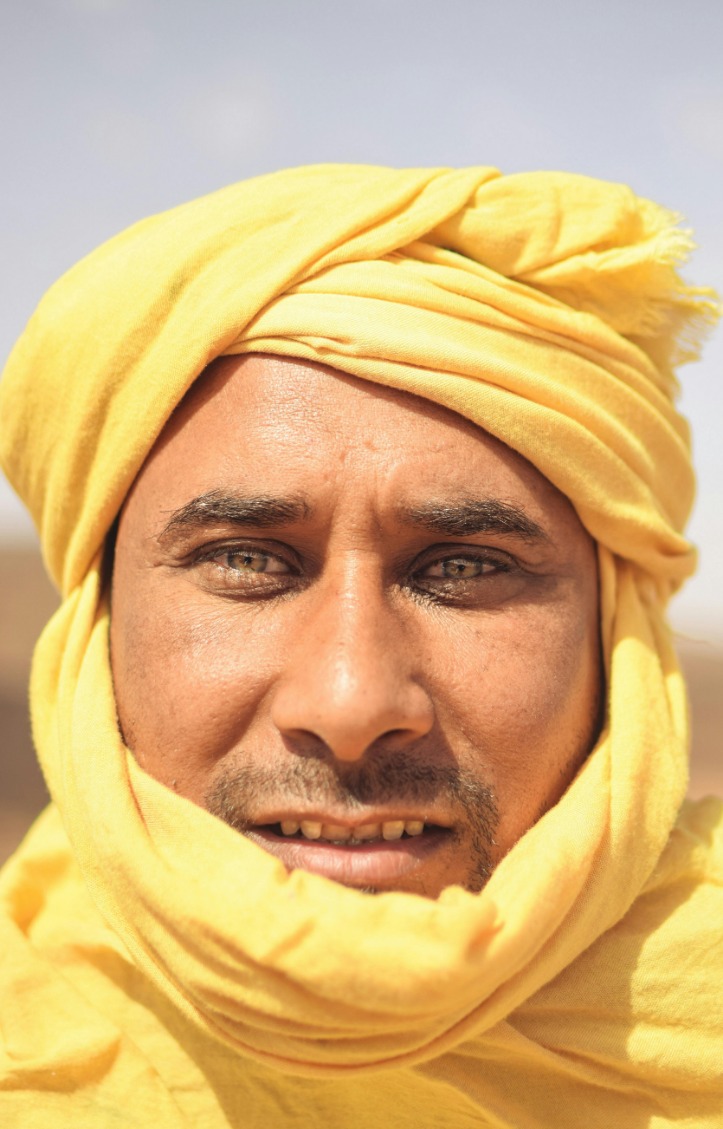
Beyond these, several minority groups in Algeria speak their own distinct languages. For example, the Tuareg people speak Tamasheq, a Berber language with its own script and cultural significance. Other minority groups, such as the Mozabites, speak Mzabite, a local Berber language. These languages and dialects contribute to the country’s cultural mosaic, reflecting the diverse origins and traditions of Algeria’s various ethnic communities.
Cultural Interactions and Ethnic Relations
Algeria is a country rich in cultural diversity, where various ethnic groups have coexisted for centuries, shaping its complex social fabric. The interactions between these communities have played a significant role in defining the nation’s identity, influencing language, traditions, and social dynamics. Understanding the nuances of ethnic relations in Algeria provides insight into the country’s historical resilience and ongoing efforts toward social cohesion.
Coexistence and Cultural Exchange
Algeria is a nation characterized by its rich tapestry of ethnic groups and cultural interactions, fostering a unique environment of coexistence and exchange. The country’s diverse population includes Arabs, Berbers, and various other ethnic communities, each contributing to the cultural mosaic that defines Algeria today. These groups have historically engaged in vibrant interactions that have shaped their shared heritage and societal norms.
The coexistence of different ethnicities in Algeria has often been marked by both harmony and challenges, but it has ultimately led to a dynamic cultural landscape. Traditional music, cuisine, and festivals reflect the blending of Berber and Arab influences, illustrating a history of cultural exchange. This interplay nurtures a sense of identity rooted in diversity while promoting mutual understanding and respect among communities.
- Historical Interactions: The Berber and Arab populations have interacted for centuries, resulting in language sharing, intermarriage, and cultural syncretism.
- Language and Literature: Indigenous Berber languages are recognized alongside Arabic, highlighting linguistic coexistence and exchange.
- Cultural Festivals: Celebrations such as Yennayer (Berber New Year) and Islamic festivals are celebrated widely, showcasing shared cultural practices.
- Art and Craftsmanship: Artistic expressions like pottery, embroidery, and music reflect the blending of different ethnic aesthetics.
- Modern Society: Efforts towards promoting cultural diversity and protecting ethnic heritage foster an environment of mutual appreciation and continuous exchange.
Ethnic Identity and National Identity
Algeria’s ethnic landscape is a complex mosaic shaped by long-standing historical, cultural, and social interactions. The primary ethnic groups include Arabs, Berbers (Amazigh), and smaller communities such as Tuaregs and Mozabites, each contributing unique traditions and identities to the national fabric. These groups have historically maintained distinct languages, customs, and social structures, yet they also share a common history of resistance and integration within the broader Algerian identity. Cultural interactions among these groups have fostered a rich tapestry of traditions, often blending elements from different backgrounds while also preserving unique customs that reinforce ethnic pride.
Ethnic relations in Algeria have experienced both cooperation and tension, often influenced by political, economic, and social factors. The struggle for recognition of Berber language and identity, for instance, highlights ongoing debates about ethnic rights and cultural diversity within the nation. Efforts to promote inclusivity and equal recognition have been crucial in shaping a cohesive national identity that accommodates the country’s diverse ethnic backgrounds. Recognizing the importance of cultural heritage, the Algerian government has taken steps to protect and promote the languages and traditions of various ethnic groups, emphasizing unity within diversity.
Ethnic identity in Algeria is a central aspect of individual and collective self-understanding, often intertwined with language, traditional practices, and historical narratives. For many, identification with Berber or Arab roots is a source of pride and social cohesion. At the same time, national identity, especially post-independence, has evolved to emphasize sovereignty, unity, and patriotism that transcend ethnic differences. This dual sense of identity reflects Algeria’s ongoing effort to balance ethnic particularism with a unified national consciousness, fostering a sense of belonging among its diverse population while respecting their unique cultural heritages.
Challenges and Resolutions in Ethnic Relations
Algeria’s diverse ethnic landscape, comprising Arabs, Berbers, Tuaregs, and other groups, has shaped its rich cultural fabric but also posed challenges in fostering unity and social cohesion. Ethnic interactions often reflect historical distinctions, language differences, and varying cultural practices, which can sometimes lead to tensions or misunderstandings. These challenges are further compounded by socio-economic disparities and political dynamics, making ethnic relations a complex aspect of Algerian society.
Efforts to promote multicultural dialogue and inclusion have played a vital role in addressing these challenges. Policies encouraging the recognition of Berber languages and traditions, along with national initiatives aimed at fostering mutual understanding, have helped bridge divides. Education that emphasizes cultural diversity and the importance of unity across ethnic lines is also crucial in building a more harmonious society.
Resolutions in Algerian ethnic relations often focus on promoting respect for cultural differences and ensuring equitable representation in political and social spheres. Community-based programs and intercultural exchanges serve as platforms for fostering dialogue and tolerance. Ultimately, embracing diversity as a strength and integrating various ethnic identities into the national identity can aid in overcoming divisions and strengthening social cohesion in Algeria.



0 Comments