
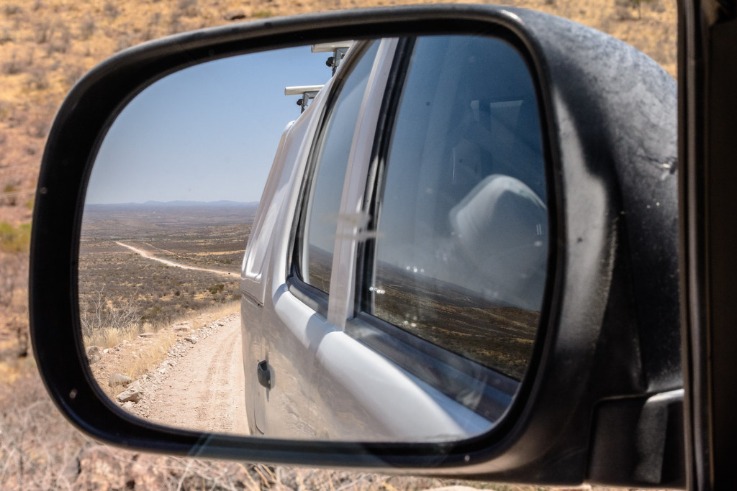
Geography and Climate of Namibia
Namibia, located in southwestern Africa, is renowned for its diverse geography and unique climate. The country features vast deserts, such as the Namib Desert, which is one of the oldest na
Location and Borders
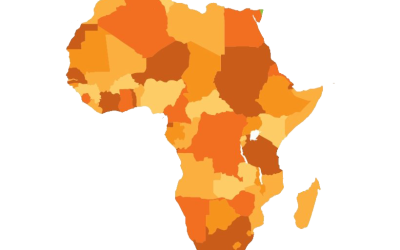
Namibia is a country located in southwestern Africa, known for its diverse landscapes and unique climate conditions. It is bordered by Angola and Zambia to the north, Botswana to the east, South Africa to the south and southeast, and the Atlantic Ocean to the west. The country covers an area of approximately 825,116 square kilometers, making it one of the larger nations in Africa. Namibia’s geographical features include vast deserts such as the Namib Desert, which is one of the oldest deserts in the world, and the Kalahari Desert in the east. The country’s climate varies from arid and semi-arid in most regions to more temperate in the highlands. The coastal areas experience cool breezes, while the interior regions tend to be hotter with less rainfall, influencing the country’s flora, fauna, and human activities. Overall, Namibia’s location and borders define it as a land of striking contrasts and ecological richness within the African continent.
Landscape Features
Namibia, located in southwestern Africa, boasts a diverse geography and climate that significantly influence its landscape features. The country is characterized by vast desert regions, sprawling semi-arid plains, and rugged mountains, creating a striking and varied terrain. The Namib Desert, one of the world’s oldest deserts, stretches along the Atlantic coast and is famous for its towering dunes, particularly near Sossusvlei, which are among the tallest in the world. The contrasting Kalahari Desert covers much of eastern Namibia and features a mix of dunes, grasslands, and salt pans. The landscape is further shaped by mountain ranges such as the Brandberg and the Oshikoto Mountains, which rise dramatically from the plains. Namibia’s climate varies from the coastal region’s cool, foggy conditions to the intense heat of the inland deserts, resulting in extreme temperature fluctuations and limited rainfall. These climatic elements contribute to the unique natural scenery, including vast deserts, distinctive dunes, salt pans, and rugged mountains, making Namibia a land of striking visual contrasts and natural beauty.
Climate Zones and Weather Patterns
Namibia, located in southern Africa, features a diverse geography and climate that significantly influence its weather patterns. The country’s landscape includes vast deserts, rugged mountains, savannahs, and coastal areas, creating a variety of ecological zones and climates. These differences shape the distinct weather conditions experienced across Namibia throughout the year.
Namibia’s climate can be classified into several primary zones:
- Desert Climate: Predominantly found in the Namib Desert along the coast, characterized by extremely low rainfall, high temperatures during the day, and cold nights.
- Semi-Arid Climate: Covering much of the interior regions, with slightly higher rainfall than the desert zones, supporting sparse vegetation and drought-resistant wildlife.
- Montane Climate: Present in the mountainous areas such as the Otjihimba and Waterberg ranges, where temperatures are cooler and rainfall is more reliable.
- Coastal Climate: Mild and moist, influenced by the cold Atlantic Ocean currents, resulting in less temperature variation and occasional fog.
Weather patterns in Namibia are subject to these climatic zones and are characterized by the following:
- High temperatures during the summer months (October to April), often exceeding 35°C in the interior.
- Relatively low and irregular rainfall, with the majority falling between January and April, leading to frequent drought conditions.
- Heavy fog along the coast, especially in June and July, caused by the cold Benguela Current, impacting local weather and ecosystem dynamics.
- Occasional desert storms and unpredictable weather events influenced by the regional atmospheric conditions.
Major Geographic Landmarks
Namibia, located in southwestern Africa, is a country characterized by diverse geography and a generally arid climate. It features expansive deserts, dry plains, and rugged mountain ranges, making it a unique landscape within the continent. The climate is predominantly desert and semi-desert, with hot temperatures during the day and cooler nights, particularly in the desert regions.
Major geographic landmarks in Namibia include the Namib Desert, regarded as one of the oldest deserts in the world, famous for the towering sand dunes of Sossusvlei. The Fish River Canyon, one of the largest canyon systems globally, offers stunning scenic views and is a popular destination for hikers. The Skeleton Coast, known for its treacherous waters and shipwrecks, stretches along the Atlantic Ocean and is distinguished by foggy conditions and rugged coastline. The Etosha Pan, a large salt pan within Etosha National Park, serves as a vital waterhole habitat for diverse wildlife and is key for ecotourism in the country.
Historical Background of Namibia
Namibia, located in the southwestern part of Africa, has a rich and complex historical background shaped by indigenous cultures and European colonization. The region was originally inhabited by San, Nama, and Ovambo peoples, who developed unique traditions and societies over centuries. In the late 19th century, Namibia became a German colony known as German South West Africa, leading to significant cultural and political changes. After World War I, it was administered by South Africa, which imposed racial segregation policies until Namibia gained independence in 1990, marking a new chapter in its history of nation-building and resilience.
Pre-Colonial Era and Indigenous Peoples
Namibia, located in the southwestern part of Africa, boasts a rich historical background that dates back thousands of years. In the pre-colonial era, the region was inhabited by a diverse array of indigenous peoples who developed distinct cultures and societies. These groups established their own social structures, languages, and traditions long before European explorers arrived. Among the prominent indigenous communities were the San people, known for their hunter-gatherer lifestyle and deep knowledge of the land; the Nama, who were primarily pastoralists and traders; and the Ovambo, Bantu-speaking people engaged in agriculture and fishing. These communities thrived in various regions of Namibia, each contributing uniquely to the cultural mosaic of the country. Their resilience and adaptation over centuries laid the foundation for Namibia’s diverse cultural heritage observed today.
German Colonial Period
Namibia, located in southwestern Africa, has a rich and complex history shaped by various indigenous cultures and colonial influences. Before colonial rule, the region was inhabited by indigenous groups such as the Herero, Nama, and Himba, each with distinct social structures and traditions. The area was part of various indigenous kingdoms and trading networks long before European contact.
The German colonial period in Namibia began in the late 19th century when Germany established a protectorate over the region, then known as German South West Africa, in 1884 during the Scramble for Africa. The Germans aimed to exploit the area’s resources, including minerals and land for agriculture, leading to significant changes in local society. German colonial rule was marked by attempts to assert control through military force, land confiscations, and the suppression of indigenous resistance.
This period saw the violent suppression of rebellions, most notably the genocide against the Herero and Nama peoples between 1904 and 1908. The Herero uprising was sparked by land dispossession and oppression, leading to a brutal campaign by German forces that resulted in the deaths of an estimated 70,000 Herero and 10,000 Nama people. The atrocities committed during this time are considered one of the first genocides of the 20th century and have left a lasting impact on Namibia’s history.
German administration introduced infrastructure projects like roads, railways, and administrative systems, which contributed to the development of some regions but often prioritized German economic interests. After World War I, the League of Nations mandated South Africa to administer Namibia, transitioning the colonial influence from Germany to South African control. This period laid the foundation for Namibia’s later struggles for independence, which was achieved in 1990.
South African Administration and Independence
Namibia, located in southwestern Africa, has a rich and complex history shaped by indigenous cultures, colonial influences, and struggles for independence. Historically, the region was inhabited by various Khoisan-speaking peoples and later experienced Bantu migrations introducing new cultural groups. European exploration began in the 15th century, but it was during the late 19th century that Namibia, then known as German South West Africa, was formally colonized by Germany. After World War I, control shifted to South Africa under a League of Nations mandate, leading to a period of South African administration that lasted for several decades. During this time, policies of apartheid and economic exploitation persisted, igniting resistance movements among the local populations. The desire for self-determination grew stronger through the mid-20th century, culminating in Namibia’s fight for independence. Following prolonged guerrilla warfare, diplomatic negotiations, and international support, Namibia finally achieved independence from South African rule on March 21, 1990. This marked a new chapter in the country’s history, paving the way for the establishment of a democratic government and efforts toward development and reconciliation.
Post-Independence Developments
Namibia, located in southwestern Africa, has a rich historical background shaped by indigenous cultures, colonial rule, and the struggle for independence. The area was inhabited by various indigenous groups such as the Himba, Herero, and Nama long before European contact. In the late 19th century, Namibia became a German colony known as German South West Africa, which lasted until World War I when it was taken over by South Africa. The South African administration imposed apartheid policies, deepening social stratification and resistance among the local populations.
Following decades of struggle and resistance, Namibia gained independence on March 21, 1990. The transition was marked by negotiations between the South West Africa People’s Organization (SWAPO), which led the independence movement, and the South African government. Since independence, Namibia has made significant strides in political stability and economic development. It adopted a democratic constitution, held free elections, and created institutions aimed at fostering national unity and development.
Post-independence developments in Namibia include efforts to diversify its economy, which has traditionally been dependent on mining, agriculture, and fishing. The country has focused on improving education, healthcare, and infrastructure. Namibia has also been active in regional and international organizations, advocating for peace, stability, and sustainable development in Africa. Social reforms have aimed to address historical inequalities, although challenges such as unemployment and poverty persist. Overall, Namibia’s post-independence history reflects a journey toward nation-building, reconciliation, and growth amid a complex colonial legacy.
Demographics and Culture
Namibia, located in southwestern Africa, boasts a diverse tapestry of demographics and rich cultural heritage. The country’s population is composed of various ethnic groups, each contributing unique traditions, languages, and customs. Understanding Namibia’s demographics and culture provides valuable insight into its societal dynamics and the deep-rooted heritage that shapes the nation’s identity.
Population Overview
Namibia, located in southwestern Africa, is characterized by a rich tapestry of demographics and diverse cultural practices. The country has a relatively small population but is known for its ethnic variety and vibrant traditions. Its demographic profile reflects a mixture of indigenous groups, settlers, and recent migrants, contributing to a complex cultural landscape.
The population of Namibia is approximately 2.5 million people. The demographic distribution is skewed towards a young population, with a significant percentage under the age of 30. Urban areas, particularly the capital Windhoek, have experienced growth due to rural-to-urban migration, while many rural communities maintain traditional lifestyles.
Namibia is home to several ethnic groups, each contributing unique cultural identities. The major ones include the Ovambo, Herero, Damara, Nama, and San peoples. These groups preserve distinct languages, festivals, and customs, fostering a multicultural environment. Christianity is the predominant religion, influencing many cultural practices, though indigenous beliefs also persist.
- Population: Approximately 2.5 million
- Major ethnic groups: Ovambo, Herero, Damara, Nama, San
- Urbanization: Growing urban centers, especially Windhoek
- Age distribution: Predominantly youth under 30
- Languages: English (official), Oshiwambo, Herero, Damara, Nama, indigenous San languages
- Religion: Christianity, with traditional indigenous beliefs
Ethnic Groups and Languages
Namibia, located in southwestern Africa, boasts a diverse demographic and cultural landscape shaped by its rich history and various ethnic communities. The population includes several ethnic groups, each with unique traditions, languages, and customs. The major groups are Ovambo, Herero, Damara, and Nama, along with smaller communities such as the San and Tswana. These groups contribute to Namibia’s vibrant cultural mosaic, which is reflected in traditional attire, music, dance, and rituals.
Languages spoken across Namibia are equally varied, with English being the official language used in government and education. However, many indigenous languages are widely spoken at the community level, including Ovambo, Herero, Nama, and Damara. Recognizing this linguistic diversity, efforts are made to promote multilingual education and preserve linguistic heritage. The cultural practices and languages of Namibia’s different ethnic groups greatly enrich the nation’s identity, making it a fascinating fusion of tradition and modernity in the African context.
Religious Beliefs and Practices
Namibia, located in southern Africa, is a country characterized by a rich diversity of demographics and cultural heritage. Its population comprises various ethnic groups, including the Ovambo, Herero, Nama, Damara, and San peoples, each contributing unique languages, traditions, and customs to the nation’s cultural fabric. The majority of the population observes Christianity, with denominations ranging from Protestant to Catholic, though traditional indigenous beliefs are also prevalent in many communities. Religious practices often blend Christian doctrines with age-old rituals, ceremonies, and folklore, reflecting Namibia’s complex spiritual landscape. Festivals, rites of passage, and community gatherings frequently incorporate traditional religious elements that reinforce cultural identity and social cohesion. Overall, Namibia’s demographic makeup and religious practices exemplify a harmonious coexistence of diverse traditions, enriching the nation’s collective identity in Africa.
Cultural Traditions and Festivals
Namibia, located in southwestern Africa, boasts a rich tapestry of demographics and diverse cultural traditions. The country is home to various ethnic groups, including the Ovambo, Herero, Himba, and Damara, each contributing unique customs and practices to the national identity. The population is youthful, with a significant proportion under 25 years old, reflecting a vibrant and dynamic society.
Culturally, Namibia is renowned for its vibrant traditions and festivals that celebrate its diverse heritages. The Herero people commemorate their history with the annual Herero Day, featuring traditional music, dance, and attire. The Himba community is famous for their distinctive red ochre body paint and jewelry, showcasing their cultural pride. Festivals such as the Namaqua Festival highlight the music, dance, and rituals of the indigenous Nama and Khoikhoi groups, fostering cultural preservation. These celebrations serve as a vital link to Namibia’s past, promoting unity and pride among its people while attracting visitors from around the world.
Economy and Natural Resources
Namibia, located in southern Africa, boasts a rich array of natural resources that significantly influence its economy. The country’s economy is closely tied to its abundant mineral deposits, including diamonds, uranium, and other valuable minerals, which contribute to national revenue and export earnings. Additionally, Namibia’s natural landscapes and wildlife support growing tourism industries, further bolstering economic development. The sustainable management of these resources remains essential for Namibia’s ongoing growth and environmental preservation.
Mining Industry
Namibia’s economy is significantly influenced by its rich natural resources, notably its mineral deposits. The mining industry stands as a cornerstone of the nation’s economic development, contributing substantially to GDP, employment, and export revenues. Namibia is renowned for its extensive deposits of diamonds, uranium, copper, zinc, and gold, making it one of Africa’s key mineral producers. The country’s strategic focus on sustainable mining practices aims to balance economic growth with environmental conservation. Additionally, Namibia’s abundance of natural resources attracts foreign investment and fosters technological advancements within the industry. Efforts to diversify the economy include expanding sectors such as tourism and agriculture, yet mining remains vital for Namibia’s economic stability and development prospects.
Agriculture and Livestock
Namibia, located in southern Africa, boasts a diverse economy heavily reliant on natural resources, agriculture, and livestock. The country’s rich mineral deposits, including uranium, diamonds, and copper, play a significant role in its economic development, making mining a vital sector. Agriculture and livestock farming are also crucial, providing livelihoods for a large portion of the population. The arid climate presents challenges, but farmers have adapted through innovative techniques to cultivate crops and sustain herds. Namibia’s natural resources and agricultural activities contribute to both domestic consumption and export income, supporting ongoing economic growth and development in the region.
Tourism Sector
Namibia, located in southwestern Africa, boasts a diverse economy heavily reliant on its natural resources and burgeoning tourism industry. The country’s vast deserts, unique wildlife, and archaeological sites attract visitors from around the world, significantly contributing to its economic growth. Natural resources such as minerals, fish, and energy also play a vital role in shaping Namibia’s economic landscape.
- Mineral Resources: Namibia is rich in minerals, with uranium, diamonds, and other precious stones being key exports. The uranium mines at Rossing and Husab are among the largest in the world, providing substantial revenue for the country.
- Fishing Industry: The Atlantic Ocean’s coastal waters support a thriving fishing sector, especially for sardines and anchovies, which are important commodities for both local consumption and export.
- Renewable Energy: Namibia has significant solar and wind energy potential, contributing to sustainable energy development and reducing reliance on imported fuels.
- Tourism Sector: Namibia’s unique landscapes, including the Namib Desert and Etosha National Park, make it a top destination for eco-tourism and adventure tourism. The sector offers employment opportunities and foreign investment, bolstering economic resilience.
- Wildlife Conservation: The country’s focus on wildlife preservation has created numerous national parks and conservancies, attracting eco-conscious travelers and supporting local communities.
- Challenges and Opportunities: While Namibia’s reliance on natural resources can lead to economic vulnerabilities, investments in sustainable tourism and renewable energy hold promise for diversified growth and development.
Major Economic Challenges
Namibia, located in southern Africa, has a diverse economy largely driven by its natural resources. The country benefits from rich mineral deposits, including diamonds, uranium, copper, and zinc, which play a significant role in its export earnings. Additionally, Namibia’s livelihood depends on agriculture, tourism, and fishing industries, all closely linked to its natural environment. Despite these resources, Namibia faces several economic challenges that hinder sustainable growth and development.
- Overreliance on mineral exports, especially diamonds and uranium, which makes the economy vulnerable to global commodity price fluctuations.
- High unemployment rates, especially among youth, leading to social and economic instability.
- Limited diversification of the economy beyond natural resource sectors, creating risks associated with resource depletion.
- Inadequate infrastructure and investment in technology, reducing efficiency and competitiveness.
- Income inequality and poverty, which are persistent issues despite economic growth.
- Environmental challenges such as desertification, water scarcity, and the impact of climate change, affecting agriculture and natural resources.
- Dependence on imports for many goods, which affects the trade balance and economic resilience.
Wildlife and Conservation
Namibia, located in southwestern Africa, is renowned for its diverse and stunning wildlife, including elephants, lions, cheetahs, and rhinoceroses. The country’s unique landscapes, from vast deserts to lush wetlands, provide vital habitats for countless species. Conservation efforts in Namibia are crucial to protect these natural treasures, ensuring that future generations can continue to experience the rich biodiversity that makes this region so special.
Unique Flora and Fauna
Namibia, located in southwestern Africa, is renowned for its rich and diverse wildlife, making it a prime destination for conservation efforts and eco-tourism. The country’s expansive deserts, such as the Namib Desert, provide unique habitats for a variety of flora and fauna that have adapted to extreme conditions. Among its most iconic species are the desert-adapted elephants, black rhinoceroses, and the rare desert lion, all of which highlight Namibia’s commitment to wildlife preservation.
In addition to its charismatic megafauna, Namibia boasts unique flora like the Welwitschia mirabilis, a rare plant that survives in the harsh desert environment and is considered a living fossil. The quiver trees, known as Aloidendron dichotomum, are striking succulents native to Namibia’s Damaraland region, thriving in arid conditions while providing vital resources for local wildlife.
Namibia’s conservation initiatives focus on protecting these extraordinary species and their habitats through national parks such as Etosha and private reserves. These efforts help sustain the country’s rich biodiversity and promote awareness about the importance of preserving unique ecosystems. The combination of distinctive flora and fauna, along with dedicated conservation efforts, makes Namibia a vital region for studying and safeguarding Africa’s natural heritage.
National Parks and Game Reserves
Namibia, located in southern Africa, is renowned for its rich and diverse wildlife, making it a global hotspot for conservation efforts. The country’s expansive landscapes include deserts, savannas, and wetlands, providing habitats for a wide array of species, some of which are endemic or endangered. Native animals such as elephants, lions, rhinoceroses, cheetahs, and oryx thrive within carefully managed protected areas, emphasizing Namibia’s commitment to preserving its natural heritage.
Numerous national parks and game reserves in Namibia serve as vital sanctuaries for wildlife conservation. These protected areas offer visitors opportunities to experience the natural beauty and biodiversity of the region while supporting sustainable tourism initiatives. Some of the most notable parks include:
- Etosha National Park: Famous for its salt pan and abundant wildlife, particularly during the dry season when animals congregate around waterholes.
- Waterberg Plateau Park: Known for its rugged landscapes and as a refuge for rare species like the black rhinoceros.
- Namib-Naukluft National Park: Home to the iconic Great Dune Sea, supporting unique desert-adapted flora and fauna.
Conservation initiatives in Namibia often involve local communities and emphasize sustainable practices to protect ecosystems while allowing for eco-tourism and local livelihoods. The country is also known for its pioneering approach to wildlife management, including the use of community conservancies that empower local residents to actively participate in conservation efforts, ensuring the survival of Namibia’s incredible biodiversity for future generations.
Conservation Initiatives and Challenges
Wildlife and conservation in Namibia, Africa, are vital components of the country’s natural heritage and ecological stability. Namibia is renowned for its diverse landscapes, including deserts, savannahs, and coastal areas, which support a wide array of plant and animal species. Conservation initiatives in Namibia focus on protecting these ecosystems and the species that inhabit them, such as the endangered black rhinoceros and desert-adapted elephants. Community-based conservation programs, like community conservancies, have been instrumental in promoting sustainable use of resources, empowering local communities, and generating revenue through eco-tourism.
Despite these efforts, Namibia faces ongoing challenges in wildlife conservation. Poaching for horns and tusks, habitat degradation, and human-wildlife conflicts threaten conservation progress. Climate change also impacts the region, leading to water scarcity and altered migration patterns. To counter these challenges, Namibia has implemented strict anti-poaching laws, established protected areas, and encourages international collaboration. Continued investment in conservation education, community involvement, and innovative strategies remain essential for safeguarding Namibia’s unique biodiversity for future generations.
Government and Political Structure
Namibia, a country located in southwestern Africa, has a democratic government characterized by a multi-party political system. Its political structure is based on elected representatives and a constitution that ensures democratic processes, safeguarding civil liberties and human rights. The government operates through executive, legislative, and judicial branches, reflecting the nation’s commitment to stability and governance rooted in its historical and cultural context.
Political System and Leadership
Namibia, located in southwestern Africa, has a democratic government characterized by a stable political system. It operates under a multiparty political landscape, where transparency, rule of law, and democratic principles are upheld. The country’s government is divided into three branches: the Executive, the Legislature, and the Judiciary. The President serves as the head of state and government, elected by popular vote for a five-year term, and holds significant executive powers. The Parliament consists of two chambers: the National Assembly and the National Council, responsible for legislative functions. Namibia’s leadership has been marked by peaceful transfers of power and efforts to promote development, good governance, and social stability. The political environment is generally peaceful, with the ruling party, SWAPO, playing a dominant role, though there are multiple active opposition parties contributing to a dynamic political landscape.
International Relations
Namibia, located in southwestern Africa, features a democratic government structure characterized by a multi-party system. The country operates as a republic with a president serving as both head of state and government, supported by a parliamentary framework. The National Assembly and the National Council form the legislative branches responsible for law-making and policy oversight. Namibia’s political landscape emphasizes stability, democratic elections, and respect for human rights.
On the international stage, Namibia maintains active diplomatic relations across Africa and beyond. It is a member of regional organizations such as the Southern African Development Community (SADC) and the African Union (AU), fostering political and economic cooperation within the continent. Namibia also engages in bilateral relations with various countries, emphasizing trade, development aid, and regional security cooperation. Its foreign policy aims to promote stability, economic growth, and the peaceful resolution of conflicts in the region.
Political Challenges and Reforms
Namibia, located in southwestern Africa, has a democratic government characterized by a multi-party political system. The country operates under a constitution that guarantees fundamental rights and establishes a framework for governance, centered around a parliamentary system with executive authority vested in the President. The Namibian People’s Liberation Army (SWAPO) has been the dominant political force since independence in 1990, shaping the nation’s political landscape.
Despite its stable political environment, Namibia faces several challenges, including high unemployment rates, economic inequality, and issues related to land reform and resource management. Corruption and governance transparency have also been points of concern, impacting public trust and international relations. In recent years, demands for political reform and greater democratic accountability have grown among civil society and opposition parties.
The government has initiated reforms aimed at enhancing transparency, reducing corruption, and diversifying the economy. Efforts include constitutional amendments, strengthening institutions, and promoting participatory governance. However, progress remains slow, and ongoing political challenges require continued efforts to foster inclusive political development, ensure equitable resource distribution, and uphold democratic principles for sustainable national growth.
Major Cities and Infrastructure
Namibia’s major cities and infrastructure play a vital role in the country’s development, connecting urban centers and facilitating economic growth. These urban areas serve as hubs for commerce, culture, and transportation, showcasing a blend of modern facilities and regional heritage. Investing in infrastructure has been essential for Namibia to enhance its connectivity and improve the quality of life for its residents.
Windhoek: Capital and Economic Hub
Windhoek, the capital city of Namibia, serves as the country’s political, economic, and cultural center. As the largest city in Namibia, it plays a vital role in the nation’s development and regional connectivity.
- Major Transportation Hub: Windhoek is equipped with well-developed infrastructure including roads, railways, and an international airport, facilitating efficient movement of people and goods.
- Urban Infrastructure: The city features modern utilities such as reliable electricity, water supply systems, and telecommunications, supporting both residential and commercial activities.
- Economic Activities: Windhoek hosts key sectors like trade, manufacturing, finance, and government services, contributing significantly to Namibia’s economy.
- Development Initiatives: Ongoing infrastructure projects aim to upgrade roads, expand public transport, and improve urban amenities, reflecting Namibia’s commitment to sustainable growth.
- Regional Significance: As an economic hub, Windhoek attracts investment and talent, serving as a central point for Namibia’s integration into broader African markets.
Other Notable Cities and Towns
Namibia, located in southwestern Africa, is home to several major cities and towns that serve as economic and administrative hubs. Windhoek, the capital and largest city, is known for its vibrant culture, colonial architecture, and significant political institutions. Walvis Bay is a vital port city that plays a crucial role in maritime trade and logistics, supporting Namibia’s economy. Swakopmund, situated along the Atlantic coast, is renowned for its colonial-era buildings, beaches, and adventure tourism activities. Other notable towns include Keetmanshoop in the south, serving as a gateway to the Kalahari Desert, and Oshakati in the north, a center for commerce and regional administration. The country’s infrastructure includes well-developed road networks connecting these cities, major airports supporting international and domestic flights, and ports facilitating trade, all contributing to Namibia’s growth and connectivity. Additionally, smaller towns and settlements spread across Namibia contribute to the country’s diverse cultural and economic landscape.
Transport and Communication Networks
Namibia, a country located in southwestern Africa, boasts major cities and infrastructure that are vital to its development. Windhoek, the capital city, serves as the administrative and economic hub, supported by expanding urban infrastructure and modern amenities. Swakopmund and Walvis Bay are key coastal cities that facilitate trade and tourism, with ports that support maritime activities. The country’s transport network primarily comprises well-maintained roads and tracks connecting major urban centers to rural areas, enabling efficient movement of goods and people. Namibia’s communication infrastructure has seen significant improvements, with widespread mobile network coverage and internet accessibility that foster connectivity both domestically and internationally. These elements collectively strengthen Namibia’s integration into regional and global networks, promoting economic growth and social development.
Education and Healthcare Facilities
Namibia, located in southwestern Africa, is characterized by major cities that serve as key centers for economic activities and development. Windhoek, the capital city, is the political and economic hub, boasting modern infrastructure, government buildings, and commercial establishments. Other significant cities include Swakopmund, known for its tourism industry, and Walvis Bay, famous for its port and industrial facilities. These urban areas are connected through a network of roads and transportation systems that facilitate trade and mobility throughout the country.
Infrastructure development in Namibia has focused on improving transportation, electricity, and communication networks. The country has invested in road construction, harbors, and airports to enhance connectivity. Energy infrastructure includes the development of renewable energy projects, particularly solar power, to address energy needs sustainably. Water supply and sanitation facilities have also seen improvements, especially in urban centers.
Namibia places considerable emphasis on education and healthcare facilities to promote social development. The country has a network of schools ranging from primary to secondary levels, along with higher education institutions such as the University of Namibia. The government continues to work towards increasing access to quality education and reducing disparities. Healthcare services are provided through a network of clinics and hospitals, with efforts underway to improve healthcare infrastructure, ensure wider access, and combat diseases such as HIV/AIDS. Overall, Namibia’s focus on developing its major cities and infrastructure aims to support sustainable growth and improve the quality of life for its citizens.


0 Comments