
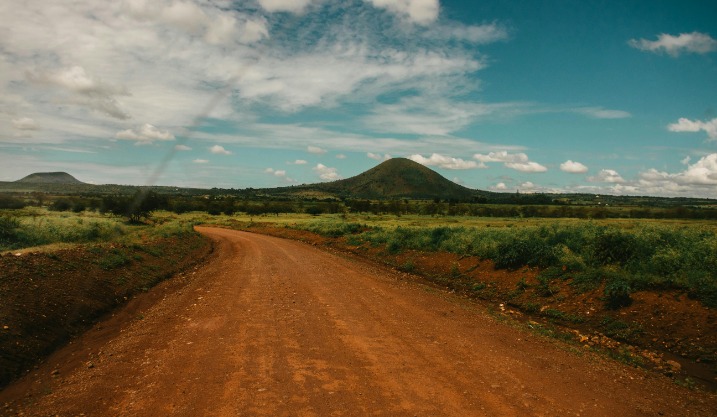
Overview of Safari Tanzania
Safari Tanzania offers an unforgettable adventure into the heart of Africa’s most iconic wilderness areas. Renowned for its stunning landscapes, diverse wildlife, and vibrant cultures, Tanzania is a premier destination for safari enthusiasts. Whether exploring the vast Serengeti, witnessing the Great Migration, or visiting the majestic Mount Kilimanjaro, visitors can experience the authentic beauty and thrill of an African safari.
Geographical Location and Map
Safari Tanzania is renowned for its exceptional wildlife experiences and stunning landscapes, making it a top destination for nature enthusiasts and adventure seekers. Located in East Africa, Tanzania offers a diverse array of ecosystems, from savannahs and plains to mountains and lakes, providing a rich habitat for a wide variety of animal species.
Geographically, Tanzania is situated along the eastern coast of Africa, bordered by Kenya and Uganda to the north, Rwanda, Burundi, and the Democratic Republic of the Congo to the west, Zambia, Malawi, and Mozambique to the south, and the Indian Ocean to the east. This strategic location gives it access to some of the world’s most famous safaris, including the Serengeti National Park and the Ngorongoro Conservation Area.
The map of Safari Tanzania highlights key attractions such as the Serengeti National Park, known for the Great Migration; Mount Kilimanjaro, Africa’s highest peak; and Lake Manyara, a scenic freshwater lake teeming with wildlife. These regions are accessible via major towns like Arusha and Dar es Salaam, serving as gateways to the country’s rich biodiversity and stunning scenery. Overall, Tanzania’s geographical diversity and strategic location make it an ideal safari destination for exploring Africa’s natural wonders.
Climate and Best Visiting Seasons
Safari Tanzania offers an unparalleled adventure experience, showcasing some of Africa’s most stunning landscapes and diverse wildlife. From vast savannahs to lush jungles, this destination is a haven for nature enthusiasts and safari lovers alike.
The climate in Tanzania varies across regions but generally features a warm, tropical climate with distinct wet and dry seasons. The coastal areas and plains are typically hot and humid, while the highlands enjoy cooler temperatures. Rainfall is most prominent from March to May, with a shorter rainy season occurring in November and December.
The best visiting seasons for Safari Tanzania are during the dry months from June to October and from December to February. During this period, animals tend to gather around water sources, making wildlife viewing more accessible and rewarding. The dry season also offers clearer skies and less vegetation, enhancing the overall safari experience.
Major Safari Destinations
Safari Tanzania offers an unparalleled experience for wildlife enthusiasts and explorers seeking breathtaking landscapes and diverse ecosystems. Known for its rich biodiversity, Tanzania’s safaris provide opportunities to witness iconic animals such as lions, elephants, and rhinoceroses in their natural habitats. The country is renowned for its vast savannahs, lush forests, and pristine lakes that make each safari adventure unique and memorable.
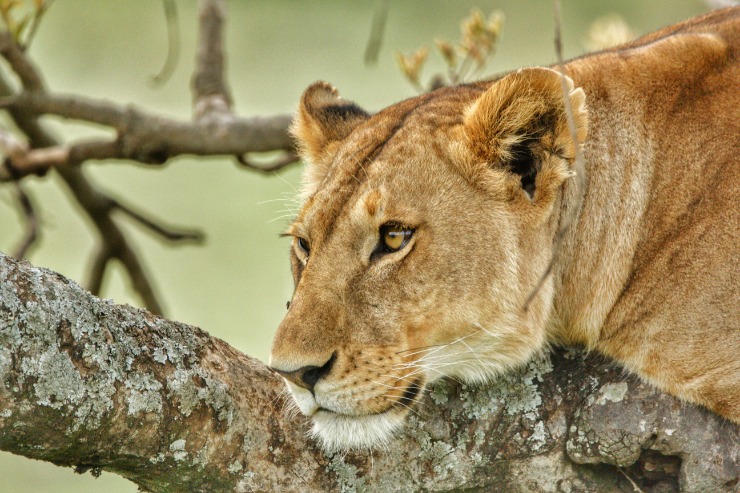
Major safari destinations in Tanzania include the Serengeti National Park, famous for the annual wildebeest migration and abundant wildlife. Ngorongoro Crater, a UNESCO World Heritage site, offers a stunning volcanic caldera teeming with wildlife. Tarangire National Park stands out for its high density of elephants and scenic baobab trees. Lake Manyara National Park is known for its flamingos and tree-climbing lions, providing diverse landscapes for visitors to explore. Finally, the Selous Game Reserve is one of Africa’s largest protected areas, offering wilderness experiences away from crowds and exceptional opportunities for boat safaris along the Rufiji River.
Major National Parks and Reserves
Major national parks and reserves in Tanzania are renowned for their stunning landscapes and rich wildlife, making them prime destinations for safaris. These protected areas offer visitors the opportunity to witness Africa’s incredible biodiversity, from majestic elephants and lions to rare bird species. With their diverse ecosystems and breathtaking scenery, Tanzania’s parks are essential for both conservation efforts and unforgettable safari experiences.
Serengeti National Park
Serengeti National Park, one of the most renowned wildlife sanctuaries in Tanzania, is a major highlight of safari experiences in the country. It covers an expansive area known for its incredible biodiversity and breathtaking landscapes, including vast savannahs, open plains, and iconic acacia trees. The park is famous for the annual migration of over two million wildebeests, accompanied by zebras and gazelles, which attracts tourists and photographers from around the world. Visitors to Serengeti can experience thrilling game drives to see the Big Five—lion, elephant, buffalo, leopard, and rhino—and witness dramatic predator-prey interactions in their natural habitat. The park also contains several important reserves and conservation areas that play a vital role in protecting Tanzania’s rich wildlife heritage. Safari Tanzania offers unforgettable encounters with nature, and Serengeti National Park stands as a symbol of Tanzania’s dedication to wildlife preservation and eco-tourism excellence.
Ngorongoro Conservation Area
Safari Tanzania offers an incredible opportunity to explore some of Africa’s most renowned protected areas, including the Major National Parks and Reserves and the Ngorongoro Conservation Area. These sites are famous for their stunning landscapes, diverse wildlife, and unique ecological significance. The Ngorongoro Conservation Area, a UNESCO World Heritage Site, is renowned for its vast volcanic caldera, home to a rich variety of animals such as lions, elephants, and rhinoceroses. It also provides a remarkable setting for viewing wildlife in their natural habitat. Other major parks, like Serengeti National Park, are famous for their annual wildebeest migration and excellent game viewing experiences. Visiting these protected areas is a must for anyone seeking an authentic and unforgettable safari adventure in Tanzania, immersed in breathtaking scenery and extraordinary wildlife encounters.
Tarangire National Park
Tarangire National Park is one of Tanzania’s premier safari destinations, renowned for its stunning landscapes and abundant wildlife. Located in the Manyara Region, it covers approximately 2,850 square kilometers and is famous for the large herds of elephants that congregate around the Tarangire River during the dry season. Visitors to the park can also encounter lions, leopard, buffalo, and a variety of antelope species, making it a Big Five destination. The park’s baobab trees and acacia woodlands create a picturesque backdrop for game drives, offering unforgettable safari experiences. Tarangire’s unique ecosystem, coupled with its diverse birdlife, makes it an essential stop for anyone exploring Tanzania’s natural wonders.
Lake Manyara National Park
Lake Manyara National Park is one of the major national parks and reserves in Tanzania, renowned for its diverse wildlife and stunning landscapes. Situated in the Manyara Region, this park offers a unique safari experience with its lush lake, dense forests, and expansive grasslands. Visitors can enjoy game drives that reveal a variety of animals, including elephants, giraffes, hippos, and the famous tree-climbing lions. The park’s rich birdlife also attracts birdwatchers from around the world, with thousands of flamingos and other waterbirds populating the lake. Lake Manyara’s accessibility from Arusha makes it a popular destination for travelers seeking an authentic Tanzanian safari experience.
- Famous for its unique tree-climbing lions
- Home to diverse wildlife including elephants, giraffes, and baboons
- Birdwatching paradise with flamingos and migratory waterbirds
- Scenic landscapes combining lakes, forests, and open plains
- Ideal for a safari day trip or part of a longer Northern Circuit safari tour
Selous Game Reserve
Selous Game Reserve, located in Tanzania, is one of the largest and most renowned protected areas in Africa. It is a major national park and reserve known for its diverse wildlife and pristine landscapes, making it a popular destination for safari enthusiasts. The reserve is home to elephants, lions, buffalo, giraffes, and rare species such as the African wild dog and the sable antelope. Visitors to Selous can enjoy game drives, boat safaris on the Rufiji River, and walking safaris, offering a comprehensive safari experience. Its vast wilderness and rich biodiversity highlight Tanzania’s commitment to conservation and ecotourism, making it a must-visit location for those exploring the natural beauty of Tanzania’s national parks and reserves.
Ruaha National Park
Ruaha National Park is one of Tanzania’s largest and most pristine wilderness areas, renowned for its diverse landscapes and abundant wildlife. Located in the heart of the country, it offers a unique safari experience away from the crowded tourist spots, allowing visitors to immerse themselves in the natural beauty of Tanzania. The park is home to a wide variety of animals, including elephants, lions, cheetahs, and numerous bird species, making it a prime destination for wildlife enthusiasts. As a major part of Tanzania’s network of national parks and reserves, Ruaha plays a vital role in conservation efforts and eco-tourism, providing both breathtaking scenery and vital habitats for its inhabitants. Whether exploring the rugged terrains or enjoying game drives at sunrise and sunset, travelers can witness the awe-inspiring beauty of Tanzania’s wilderness in this extraordinary national park.
Wildlife and Flora
Safari Tanzania offers a breathtaking glimpse into the diverse Wildlife and Flora that thrive across its expansive landscapes. From majestic elephants roaming the savannahs to vibrant wildflowers blooming in the plains, the region is a sanctuary for countless species. Exploring this unique environment allows visitors to witness the intricate harmony between nature’s flora and fauna, making it a truly unforgettable experience.
Big Five Animals
Safari Tanzania offers an extraordinary opportunity to experience the diverse wildlife and stunning flora of East Africa. One of the main attractions is the chance to see the iconic Big Five animals and explore the rich natural beauty of the region’s various national parks and game reserves.
- Lions – Known as the king of the jungle, lions are among the most sought-after wildlife sightings in Tanzania’s Serengeti and Ngorongoro Crater.
- Elephants – Large herds of elephants roam the savannahs and forests, especially in Tarangire National Park, showcasing the region’s lush flora.
- Buffalo – Often found in large groups, buffalo are vital to the ecosystem and are commonly seen in the Serengeti and Maasai Mara regions.
- Leopards – Stealthy and elusive, leopards can be spotted in the trees or stalking through the grasslands of various parks like Selous and Ruaha.
- Rhinoceroses – Although endangered, both black and white rhinos can sometimes be seen in protected sanctuaries, highlighting conservation efforts in Tanzania.
Beyond the Big Five, Tanzania boasts a vast array of flora, including acacia trees, baobabs, and vibrant savannah grasses, which support this incredible wildlife. Visiting Tanzania for a safari provides a remarkable opportunity to witness nature’s grandeur in its untouched state.
Bird Watching Opportunities
Safari Tanzania offers a stunning array of wildlife and flora, providing a perfect destination for nature enthusiasts. Visitors can witness the magnificent Big Five—lion, elephant, buffalo, leopard, and rhinoceros—in their natural habitat, along with a diverse range of other mammals, birds, and aquatic life. The lush landscapes of national parks like Serengeti, Ngorongoro Crater, and Tarangire are teeming with unique plant species that support vibrant ecosystems.
Bird watching opportunities are abundant, with over 1,000 bird species recorded across the region. Enthusiasts can observe predators like the martial eagle, colorful species such as the Lilac-breasted Roller, and numerous migratory birds that visit during seasonal changes. Early mornings and safaris are ideal times to spot these avian species, making Tanzania a premier destination for bird lovers seeking to explore the rich biodiversity of East Africa.
Endangered Species
Safari Tanzania offers a breathtaking glimpse into the diverse wildlife and lush flora that flourish across the region. This national treasure is home to an incredible array of species, many of which are now facing threats of extinction. Endangered animals such as the mountain gorilla, black rhinoceros, and African wild dog are critically protected within Tanzania’s vast national parks and conservation areas. The rich flora, including acacia forests, baobab trees, and various grasslands, provides vital habitats and sustenance for these species. Conservation efforts continue to be essential in safeguarding Tanzania’s unique biodiversity, ensuring that future generations can experience its stunning wilderness and preserve the delicate balance of its ecosystems.
Vegetation and Ecosystems
Safari Tanzania offers a stunning glimpse into the diverse wildlife and flourishing flora that thrive across its vast landscapes. From the expansive savannas to lush forested areas, the region supports a rich variety of ecosystems that sustain numerous species of animals and plants. The majestic elephants, lions, cheetahs, and giraffes roam freely in national parks like Serengeti and Ngorongoro Crater, highlighting the importance of preserving these habitats. The flora includes acacia trees, baobabs, and vibrant wildflowers that not only provide shelter and food for wildlife but also contribute to the unique biodiversity of Tanzania’s ecosystems. These vibrant environments create a dynamic balance, making Tanzania a premier destination for eco-tourism and conservation efforts.
Types of Safari Experiences
Embarking on a safari in Tanzania offers a diverse range of experiences that cater to every traveler’s interest. From thrilling game drives across vast savannahs to intimate walking safaris through lush wilderness, Tanzania’s varied landscapes provide unique opportunities to witness the majestic wildlife and stunning scenery. Whether you prefer luxury lodges, mobile tented camps, or cultural encounters with local tribes, there is a safari experience suited for every adventurer eager to explore this remarkable destination.
Game Drives
Safari Tanzania offers a diverse range of safari experiences tailored to different interests and adventure levels. One of the most popular activities is game drives, which provide a fantastic opportunity to explore the stunning landscapes and observe wildlife in their natural habitats.
- Morning Game Drives: These typically start early in the morning, allowing visitors to witness wildlife activity at dawn. The cooler temperatures and early light make it an ideal time for wildlife sightings and photography.
- Afternoon Game Drives: Conducted later in the day, these drives often extend into the evening, offering the chance to see nocturnal animals and experience the changing colors of the sunset over the savannah.
- Night Game Drives: Available in certain reserves, night drives provide a unique chance to see animals that are active after dark, using spotlighting to spot elusive predators and other nocturnal species.
- Private Game Drives: These are conducted in exclusive vehicles, often with a dedicated guide, allowing for a personalized and flexible safari experience.
- Shared Game Drives: Conducted with multiple guests, these drives are a more social option and are commonly offered in public reserves for a wider audience.
Each type of game drive offers a unique perspective on Tanzania’s incredible wildlife and landscapes, making safari Tanzania a truly unforgettable adventure for nature lovers and photography enthusiasts alike.
Walking Safaris
Walking safaris in Tanzania offer an immersive and adventurous way to experience the country’s rich wildlife and stunning landscapes. These safaris allow travelers to explore the wilderness on foot, often led by experienced guides who provide insights into animal behavior, plants, and the ecosystem. Walking safaris are ideal for those seeking a close-up encounter with nature and a deeper understanding of Tanzania’s diverse habitats. Whether traversing the plains of Serengeti, the forests of Gombe, or the Ngorongoro Crater, guests can enjoy a unique perspective and a sense of connection with the environment that is different from traditional vehicle safaris. This experience emphasizes patience, awareness, and a respect for the natural world, making it a memorable part of any Tanzanian safari adventure.
Balloon Safaris
Safari Tanzania offers a variety of exhilarating experiences for adventurers and nature enthusiasts alike. One of the most popular options is traditional game drives, which allow visitors to explore Tanzania’s renowned national parks such as Serengeti and Ngorongoro Crater, in search of wildlife like lions, elephants, and giraffes. For those seeking a unique perspective, walking safaris provide an intimate encounter with the wilderness, guided by experienced rangers on foot. Additionally, boat safaris along lakes and rivers offer the chance to spot aquatic and birdlife in their natural habitat. Among these options, balloon safaris stand out as a breathtaking way to view the sprawling landscapes from above. Rising early at dawn, travelers ascend in hot air balloons that drift silently over the plains, revealing the park’s vast beauty and wildlife activity from a bird’s-eye view. These safaris often culminate with a celebratory breakfast in the wilderness, creating unforgettable memories of adventure and nature’s grandeur in Tanzania.
Cultural Tours
Safari Tanzania offers a diverse range of experiences, allowing travelers to explore the rich landscapes and vibrant cultures of the region. From thrilling game drives in national parks to serene walking safaris, visitors can choose the adventure that suits their preferences. Cultural tours provide an immersive opportunity to meet local communities, learn about traditional customs, and understand the history of Tanzania’s diverse tribes. These experiences often include visits to Maasai villages, local markets, and archaeological sites, providing a deeper connection to the country’s heritage. Whether seeking wildlife encounters or cultural enrichment, safari Tanzania caters to all interests with its unique and unforgettable experiences.
Travel Tips and Practical Information
Embarking on a safari in Tanzania promises an unforgettable adventure into the heart of Africa’s stunning wilderness. To ensure your journey is smooth and enjoyable, it’s essential to familiarize yourself with some practical travel tips and useful information. From packing essentials to local customs, this guide will help you prepare for your exciting Tanzanian safari experience.
Best Time to Visit
Traveling to Tanzania for a safari adventure offers an unforgettable experience, but a little preparation can make your trip even better. When planning your visit, consider practical information such as necessary vaccinations, visa requirements, and what to pack for varying weather conditions. It’s also helpful to have local currency and understanding of park regulations to ensure a smooth journey.
The best time to visit Tanzania for a safari is during the dry season, from June to October, when wildlife congregates around water sources and animals are easier to spot. The short rains in November and December can also be a good time, with fewer tourists and lush scenery. The rainy season from March to May is generally less ideal for safaris, as heavy rains can hinder wildlife viewing and access to certain parks. Planning your trip around these months will help you experience the incredible landscapes and wildlife Tanzania has to offer.
Visa and Entry Requirements
When planning a safari in Tanzania, it is important to be well-informed about travel tips and entry requirements to ensure a smooth adventure. Make sure your travel documents are in order before you depart.
Most travelers need a visa to enter Tanzania, which can be obtained prior to arrival through an online e-visa application or upon arrival at major airports and border crossings. Ensure your passport is valid for at least six months beyond your planned stay and has at least two blank pages for visa stamps.
It is recommended to carry multiple photocopies of your passport and visa, as well as any necessary travel certificates or vaccination records, particularly for yellow fever, which is a requirement for entry into Tanzania. Health precautions such as recommended vaccinations and anti-malarial medication are also essential for travel safety.
Check the latest travel advisories and entry regulations before your trip, as policies may change due to health or security concerns. Be prepared for varied climate conditions, and pack appropriate clothing, including lightweight layers and sun protection, for your safari experience.
Health and Safety Tips
When planning a safari in Tanzania, it is essential to prepare thoroughly to ensure a safe and enjoyable experience. Make sure to carry appropriate clothing, including lightweight, neutral-colored outfits suitable for outdoor activities, and a hat and sunglasses for sun protection. Staying hydrated is vital, so bring enough bottled water, especially during hot days. Research vaccination requirements and carry necessary medications, including anti-malaria tablets, as Tanzania is a malaria-prone region. Respect local wildlife and follow the guidance of your safari guides to prevent accidents or injuries. Keep your valuables secure and avoid displaying expensive items to reduce the risk of theft. Lastly, familiarize yourself with local health facilities and emergency contact information to handle any unforeseen health or safety issues promptly.
Currency and Payment Methods
When planning a safari in Tanzania, understanding the local currency and payment methods is essential for a smooth experience. Tanzanian shillings (TZS) are the official currency, and it’s advisable to carry some cash for small purchases and tips, especially in remote areas. Credit cards are accepted at larger hotels, lodges, and safari operators, but it’s best to confirm beforehand.
- Carry a mix of cash and cards to handle different situations.
- Use ATMs available in major cities like Arusha, Dar es Salaam, and Moshi to withdraw local currency.
- Inform your bank about your travel plans to avoid card issues.
- Keep small denominations for tipping and purchases in markets or local stalls.
- Be aware that in rural or park areas, cash may be the only payment option.
Accommodations and Lodging Options
When planning an unforgettable safari experience in Tanzania, choosing the right accommodations is essential for a comfortable and immersive adventure. From luxurious lodges overlooking wildlife-rich plains to tucked-away tented camps amidst nature’s splendor, Tanzania offers a diverse range of lodging options to suit every traveler’s preference. These accommodations not only provide a cozy retreat after exciting days on safari but also enhance your connection with the breathtaking landscapes and wildlife of this incredible destination.
Luxury Safari Lodges
When planning a safari in Tanzania, luxury safari lodges offer an unmatched level of comfort and exclusivity. These lodges are often beautifully situated in prime locations, providing spectacular views of the savannah, wildlife, and natural surroundings. Guests can enjoy world-class amenities, elegant decor, and personalized services that make their stay truly memorable.
Many luxury safari lodges in Tanzania feature spacious suites, private pools, spa facilities, and gourmet dining experiences. These accommodations are designed to blend seamlessly with the environment, allowing visitors to immerse themselves in the beauty of nature without sacrificing comfort. Some lodges also offer unique experiences such as guided bush walks, sundowner drinks, and exclusive wildlife viewing opportunities.
Choosing a luxury safari lodge in Tanzania ensures a blend of adventure and relaxation, making it an ideal choice for travelers seeking a premium safari experience. Whether staying near the Serengeti, Ngorongoro Crater, or Selous Game Reserve, these lodges provide a luxurious base from which to explore the incredible wildlife and landscapes of the region.
Mid-range Campsites
Mid-range campsites in Tanzania offer a comfortable and convenient option for travelers seeking an authentic safari experience without the luxury price tag. These campsites typically feature well-maintained tents or lodge-style accommodations, often equipped with essential amenities such as flushing toilets, hot showers, and dining areas. Located near or within national parks like Serengeti or Ngorongoro Crater, they provide prime access to wildlife and natural attractions. Guests can enjoy the balance of outdoor adventure and comfort, making mid-range campsites an ideal choice for those looking to immerse themselves in Tanzania’s stunning landscapes while still enjoying modern conveniences.
Budget Guesthouses
When planning a safari in Tanzania, budget guesthouses provide a comfortable and affordable lodging option for travelers. These guesthouses are often located near popular safari destinations, offering convenient access to national parks and game reserves. They typically feature basic amenities, clean rooms, and friendly hosts, making them an ideal choice for travelers seeking an authentic experience without overspending. Many budget guesthouses also offer helpful advice and arranged tours to enhance your safari adventure. Staying in these accommodations allows you to immerse yourself in local culture while enjoying a cozy stay after exciting days in the wild.
Conservation and Responsible Tourism
Conservation and responsible tourism play a crucial role in ensuring the preservation of Tanzania’s stunning wildlife and natural landscapes. As one of Africa’s premier safari destinations, Tanzania attracts travelers from around the world seeking authentic experiences in the wild. Emphasizing sustainable practices helps protect the environment, support local communities, and ensure that future generations can also enjoy the wonder of Tanzania’s rich biodiversity.
Ecotourism Initiatives
Safari Tanzania offers a remarkable opportunity to experience the rich biodiversity of Africa while promoting conservation and responsible tourism. By supporting eco-friendly lodges and tour operators committed to preserving natural habitats, travelers can ensure their visit benefits both local communities and wildlife conservation efforts. Ecotourism initiatives in Tanzania focus on minimizing environmental impact, providing educational experiences, and fostering sustainable relationships between tourists and local populations. These efforts help protect iconic species like elephants, lions, and rhinos, ensuring that future generations can enjoy the continent’s breathtaking landscapes and vibrant ecosystems.
Wildlife Protection Efforts
Safari Tanzania is renowned for its stunning landscapes and diverse wildlife, emphasizing the importance of conservation and responsible tourism. These efforts help preserve the natural habitat for countless species and ensure that tourism benefits local communities sustainably. Responsible tourism practices include minimizing environmental impact, supporting eco-friendly lodges, and encouraging visitors to respect wildlife and local cultures.
Wildlife protection in Tanzania involves a range of initiatives such as anti-poaching patrols, community engagement programs, and the establishment of protected areas like Serengeti National Park and Ngorongoro Conservation Area. These initiatives aim to combat illegal hunting and habitat destruction, fostering a harmonious coexistence between humans and wildlife.
Conservation organizations and government agencies work together to promote sustainable tourism that educates visitors on the importance of wildlife preservation. By choosing eco-conscious tours and supporting local conservation projects, tourists actively contribute to safeguarding Tanzania’s rich biodiversity for future generations.
Community Engagement
Conservation and responsible tourism are essential components of safari experiences in Tanzania, helping to ensure that the region’s rich biodiversity is preserved for future generations. By prioritizing eco-friendly practices, tourists can minimize their environmental impact, such as reducing waste, supporting conservation projects, and adhering to guidelines that protect wildlife and habitats. Community engagement further enhances the sustainability of safari tourism by involving local communities in decision-making and benefit-sharing, fostering a sense of ownership and pride in conserving their natural resources. When travelers participate responsibly, they contribute to the economic development of local communities, support traditional cultures, and promote the long-term health of Tanzania’s renowned national parks and wildlife reserves.
Planning Your Safari
Planning a safari in Tanzania is an exciting adventure that promises unforgettable wildlife encounters and breathtaking landscapes. To ensure a smooth trip, it’s essential to consider factors such as the best time to visit, destinations to explore, and the types of accommodation available. Proper planning allows you to make the most of your Tanzanian safari experience and create memories that will last a lifetime.
Choosing the Right Tour Operator
Planning your safari in Tanzania requires careful consideration to ensure a memorable and smooth experience. Choosing the right tour operator is a crucial step, as it directly impacts the quality of your adventure. Look for operators with extensive knowledge of Tanzanian parks, positive customer reviews, and a strong commitment to responsible tourism.
Research different tour companies, comparing their itineraries, services, and pricing. An experienced operator will tailor your safari to match your interests, whether it’s wildlife viewing, cultural experiences, or luxury accommodations. Ensure they have certified guides and good safety standards in place. Ultimately, selecting a reputable tour operator will help you explore Tanzania’s breathtaking landscapes with confidence and ease, making your safari truly unforgettable.
Sample Safari Packages
Planning your safari in Tanzania can be an exciting and rewarding experience, offering unforgettable wildlife encounters and breathtaking landscapes. To ensure a smooth trip, it’s essential to consider the best time to visit, the parks to explore, and the types of safari packages available to suit your interests and budget.
Sample safari packages in Tanzania often include options such as a Northern Circuit safari covering Serengeti National Park, Ngorongoro Conservation Area, and Lake Manyara, ideal for seeing the Big Five and witnessing the Great Migration. Alternatively, Southern Tanzania safaris focus on parks like Selous Game Reserve and Ruaha National Park, known for their remote and less crowded wilderness. Customizable packages may also combine cultural visits, mountain treks, and coastal experiences, providing a well-rounded Tanzanian adventure.
Packing Tips
Planning your safari in Tanzania requires careful preparation to ensure a smooth and enjoyable experience. Start by researching the best times to visit, typically during the dry seasons from June to October and December to March, when wildlife viewing is optimal. Decide on the regions you want to explore, such as Serengeti, Ngorongoro Crater, or Tarangire National Park, and choose accommodations that suit your comfort level and budget. Booking your permits and lodges in advance is highly recommended, especially during peak season. Be sure to familiarize yourself with the park rules and safety guidelines to ensure a responsible adventure.
Packing wisely is essential for a successful safari. Pack lightweight, breathable clothing in neutral colors to blend into the environment and avoid attracting insects. Include a wide-brim hat, sunglasses, and sunscreen for sun protection. Bring a good camera with extra batteries and memory cards to capture the stunning landscapes and wildlife. Don’t forget binoculars for a closer view of animals and a small backpack for daily excursions. Insect repellent, personal medications, and a basic first aid kit are also important. Lastly, pack a sense of adventure and respect for nature to truly enjoy this extraordinary journey in Tanzania.


0 Comments