
Overview of Safari in Tanzania
Embarking on a safari in Tanzania offers an unparalleled adventure into some of Africa’s most breathtaking landscapes and diverse wildlife. Renowned for the iconic Serengeti, vast savannahs, and the majestic Ngorongoro Crater, Tanzania provides a unique opportunity to witness incredible animal migrations, big game encounters, and pristine natural environments. Whether you’re a wildlife enthusiast or seeking a cultural experience with local Maasai communities, a Tanzanian safari promises unforgettable memories and rich exploration.
Location and Geography
Tanzania is renowned for its extraordinary safari experiences, offering some of the most diverse and pristine wilderness areas in Africa. The country is home to lush national parks, vast savannahs, and iconic landscapes that attract wildlife enthusiasts from around the world.
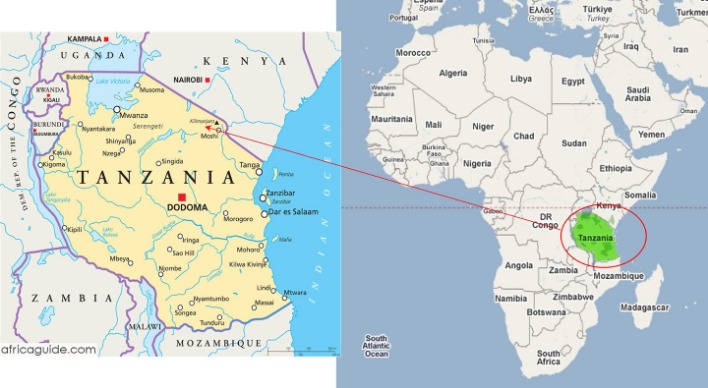
Located in East Africa, Tanzania shares borders with Kenya, Uganda, Rwanda, Burundi, Democratic Republic of Congo, Zambia, Malawi, and Mozambique. Its geographic position provides a diverse range of ecosystems, from the Great Rift Valley to the Serengeti plains and the Ngorongoro Crater. The country’s terrain includes mountains such as Mount Kilimanjaro, the highest peak in Africa, as well as expansive grasslands and dense forests, making it a premier destination for safari adventures combined with breathtaking scenery.
Types of Safari Experiences
Tanzania is renowned for its exceptional safari experiences, offering a diverse range of wildlife encounters and breathtaking landscapes. Whether you’re seeking a classic game drive, walking safari, or hot air balloon adventure, Tanzania provides unforgettable opportunities to explore its iconic national parks and reserves.
- Game Drives: The most popular safari activity, allowing visitors to view wildlife such as lions, elephants, giraffes, and cheetahs in their natural habitat. These can be conducted in open-sided vehicles for optimal viewing.
- Walking Safaris: An exciting way to experience the bush on foot, guided by expert rangers who teach guests about flora, fauna, and tracking skills.
- Hot Air Balloon Safaris: Offer panoramic views of the savannah, wildlife, and landscapes, often followed by a champagne breakfast in the wilderness.
- Boat Safaris: Conducted on lakes and rivers like Lake Manyara and the Rufiji River, providing opportunities to see aquatic wildlife and bird species up close.
- Cultural Safaris: Combine wildlife viewing with visits to local Maasai villages and other communities, enriching the safari experience with cultural insights.
Best Time to Visit
Safari in Tanzania offers an extraordinary opportunity to experience some of Africa’s most renowned wildlife and scenic landscapes. The country boasts vast national parks and game reserves, including the Serengeti, Ngorongoro Crater, and Tarangire, where visitors can witness an incredible diversity of animals such as lions, elephants, giraffes, and wildebeests. Tanzania’s rich biodiversity and captivating scenery make it a top destination for safari enthusiasts seeking adventure and nature’s marvels.
The best time to visit Tanzania for a safari is during the dry season from June to October. During these months, the wildlife congregates around water sources, making it easier to spot animals. The weather is also more predictable, with less rain disrupting travel plans. Additionally, the Great Migration in the Serengeti, when millions of wildebeests and zebras traverse the plains, occurs from June to September, providing an unforgettable wildlife spectacle.
Major Safari Destinations in Tanzania
Tanzania is renowned for its spectacular safari destinations that offer unparalleled wildlife viewing experiences. From vast savannahs to lush forests, this East African country is home to some of the world’s most iconic national parks and reserves. Whether you’re seeking the thrill of spotting the Big Five or exploring pristine natural landscapes, Tanzania’s safari destinations promise unforgettable adventures for nature enthusiasts and travelers alike.
Serengeti National Park
Serengeti National Park is one of the most renowned safari destinations in Tanzania, famed for its extraordinary wildlife and vast open plains. It offers visitors the chance to witness the magnificent annual migration of over two million wildebeest, zebras, and gazelles, which is considered one of the most spectacular natural events on Earth. The park is home to a diverse array of wildlife, including lions, elephants, leopards, cheetahs, and rhinoceroses, making it an ideal location for game drives and wildlife photography. In addition to its rich biodiversity, Serengeti features iconic landscapes such as acacia woodlands, river valleys, and volcanic hills, providing a breathtaking backdrop for an authentic safari experience. Visitors can explore the park through guided tours, hot air balloon safaris, and luxury lodges, ensuring a memorable adventure into the heart of Tanzania’s wilderness.
Ngorongoro Conservation Area
Ngorongoro Conservation Area is one of the premier safari destinations in Tanzania, renowned for its breathtaking landscapes and rich wildlife. It is home to the famous Ngorongoro Crater, a UNESCO World Heritage Site, which serves as a natural caldera teeming with wildlife such as lions, elephants, rhinoceroses, and wildebeests. Visitors can enjoy game drives, bird watching, and exploring the diverse ecosystems within the area. The conservation area also offers a unique opportunity to experience Maasai culture and traditional villages, making it a must-visit location for safari enthusiasts seeking both wildlife and cultural immersion in Tanzania.
Lake Manyara National Park
Lake Manyara National Park is one of Tanzania’s premier safari destinations, renowned for its stunning landscapes and diverse wildlife. Situated in the Great Rift Valley, the park features lush forests, swamps, and expansive lake watershores, creating a vibrant habitat for various species. Visitors can enjoy game drives where they might see elephants, giraffes, baboons, and possibly the elusive tree-climbing lions. The park is also famous for its birdlife, particularly flamingos that gather around the lake, offering excellent opportunities for birdwatching. With its accessible location near Ngorongoro Crater and Serengeti, Lake Manyara provides a memorable safari experience for travelers seeking both scenery and wildlife adventures in Tanzania.
Selous Game Reserve
Tanzania is renowned for its extraordinary safari experiences, offering countless opportunities to witness diverse wildlife and breathtaking landscapes. Among its numerous safari destinations, the Selous Game Reserve stands out as one of the most iconic and expansive protected areas in Africa. Spanning over 50,000 square kilometers, the Selous is home to a rich variety of species, including elephants, lions, cheetahs, hippos, crocodiles, and numerous bird species. Visitors to the reserve can enjoy thrilling game drives, boat safaris along the Rufiji River, and walking safaris that allow for an intimate connection with nature. The reserve’s remote location and low visitor traffic ensure a pristine experience, making it a must-visit for safari enthusiasts seeking authentic and wild adventures in Tanzania.
Wildlife and Biodiversity
Wildlife and biodiversity are vital components of our planet’s ecosystems, offering a stunning display of nature’s variety and resilience. In Tanzania, this rich tapestry of life comes to life through expansive savannahs, lush forests, and diverse habitats that host countless species. Embarking on a safari in Tanzania provides an extraordinary opportunity to experience the beauty and complexity of wildlife in their natural environment, fostering appreciation and awareness for conservation efforts worldwide.
Big Five Species
Safari in Tanzania offers an unparalleled opportunity to experience the richness of wildlife and biodiversity. The country is renowned for its vast landscapes teeming with diverse species, making it one of the top destinations for nature enthusiasts. Tanzanian safaris provide a chance to observe a wide array of flora and fauna in their natural habitats.
The Big Five – lion, elephant, buffalo, leopard, and rhinoceros – are the most famous and sought-after animals among safari travelers. These iconic species symbolize the thrill and challenge of wildlife viewing in Africa. Tanzania’s national parks, such as Serengeti and Ngorongoro Crater, are prime locations to spot these majestic creatures in the wild.
Protecting wildlife and biodiversity is crucial for maintaining the ecological balance and supporting sustainable tourism in Tanzania. Conservation efforts help ensure that future generations can continue to enjoy the incredible diversity of life that makes Tanzanian safaris so unique. A visit to Tanzania not only offers unforgettable adventure but also raises awareness about wildlife preservation.
Migration Patterns
Embarking on a safari in Tanzania offers a unique opportunity to observe the incredible wildlife and rich biodiversity that thrive in this region. The country is renowned for its diverse ecosystems, from the lush plains of the Serengeti to the dense forests of the Ngorongoro Crater, providing habitats for a wide variety of species including lions, elephants, cheetahs, and rhinoceroses. Such environments are crucial for maintaining ecological balance and supporting the region’s vibrant biodiversity.
Migration patterns play a vital role in Tanzania’s wildlife conservation and tourism. The Great Migration, one of the most spectacular wildlife events on earth, involves millions of wildebeest, zebras, and gazelles moving across the Serengeti and Maasai Mara in search of fresh grazing lands and water. This annual movement attracts travelers from around the world and highlights the importance of preserving migratory corridors to ensure the survival of these species.
During a safari in Tanzania, visitors have the chance to witness these migration patterns firsthand, observing the synchronized herds crossing rivers and plains, which is a testament to the resilience and adaptability of wildlife. Protecting these migratory routes and the biodiversity of Tanzania’s national parks remains essential for future generations to appreciate and learn from nature’s incredible phenomena.
Unique Flora and Fauna
Embarking on a safari in Tanzania offers a captivating journey into the heart of wildlife and biodiversity, showcasing some of the most unique flora and fauna on the planet. The country’s diverse ecosystems, from the savannahs of the Serengeti to the lush forests of Mahale Mountains, support an extraordinary array of species that are found nowhere else in the world. This incredible variety includes iconic animals like lions, elephants, giraffes, and cheetahs, as well as rare and endemic species such as the African wild dog and the Tanzanian cheetah.
Types of Safari Activities
Embarking on a safari in Tanzania offers a diverse array of activities that allow visitors to explore its incredible wildlife and breathtaking landscapes. From thrilling game drives to serene walking safaris, there are experiences suited to every adventurer. Whether you seek close encounters with the Big Five or scenic sightings of the Serengeti plains, Tanzania’s safari activities provide unforgettable moments in the heart of Africa’s wilderness.
Game Drives
Safari activities in Tanzania offer an exhilarating experience for wildlife enthusiasts and adventure seekers alike. One of the most popular activities is the game drive, which allows visitors to explore the vast national parks and reserves in search of diverse wildlife such as lions, elephants, giraffes, and cheetahs. Game drives are typically conducted in open-sided vehicles, providing unobstructed views and photo opportunities. These drives can be full-day expeditions or shorter half-day tours, often led by experienced guides who share their knowledge about the flora and fauna of the region. Besides game drives, safari activities in Tanzania include walking safaris, where guests can explore on foot with armed rangers, offering a more intimate connection with nature. Additionally, night drives are available in certain parks, providing a chance to see nocturnal animals and experience the wilderness after sunset. Hot air balloon safaris are also a popular option, offering breathtaking aerial views of landscapes and wildlife from above, especially over the Serengeti plains. Overall, these safari activities provide a comprehensive and immersive exploration of Tanzania’s rich ecosystems and wildlife heritage.
Walking Safaris
Walking safaris offer an immersive experience for travelers exploring Tanzania’s wildlife and landscapes. These safaris allow visitors to venture on foot with skilled guides, providing a closer and more personal connection to nature. Typically conducted in the early mornings or late afternoons, walking safaris showcase the intricate details of the flora and fauna that are often missed from vehicles. Participants can observe tracks, learn about local ecosystems, and listen to the sounds of the wilderness. This activity is ideal for those seeking a peaceful and educational adventure, offering a unique perspective on Tanzania’s abundant wildlife and stunning terrains.
Hot Air Balloon Safaris
Safari activities in Tanzania offer a thrilling way to experience the country’s diverse wildlife and breathtaking landscapes. Among the most popular options are hot air balloon safaris, which provide a unique perspective of the savannah from above. These safaris typically take place early in the morning, allowing travelers to witness the sunrise over the vast plains and spot animals such as elephants, lions, giraffes, and zebras from a bird’s-eye view. Hot air balloon safaris in Tanzania are known for their serene atmosphere and the chance to capture stunning photographs while floating silently over national parks like Serengeti and Ngorongoro Crater. Besides hot air balloon rides, other safari activities include game drives in open vehicles, walking safaris with expert guides, and cultural tours to learn about local traditions and communities, all contributing to an immersive Tanzanian safari experience.
Cultural Tours and Village Visits
Exploring Tanzania offers a diverse range of safari activities, cultural tours, and village visits that provide an enriching experience of its rich wildlife and vibrant local traditions. These activities allow travelers to immerse themselves in the natural beauty and cultural heritage of the region.
- Game Drives: Embark on guided game drives in renowned national parks like Serengeti, Ngorongoro Crater, and Tarangire to witness the incredible wildlife including lions, elephants, giraffes, and cheetahs.
- Walking Safaris: Experience close encounters with nature on walking safaris led by experienced guides, offering a more intimate connection with the environment.
- Hot Air Balloon Rides: Enjoy breathtaking aerial views of iconic landscapes and wildlife migrations, especially over the Serengeti during the Great Migration.
- Cultural Tours: Visit local tribes such as the Maasai and Hadza to learn about their traditional lifestyles, customs, and rituals.
- Village Visits: Explore small villages to observe local crafts, participate in cultural ceremonies, and engage with community members, gaining insights into their way of life.
- Bird Watching Tours: Discover the diverse avian species unique to Tanzania’s wetlands, forests, and lakes, a paradise for bird enthusiasts.
Planning Your Safari
Planning a safari in Tanzania is an exciting adventure that promises unforgettable wildlife encounters and breathtaking landscapes. With its vast national parks, diverse ecosystems, and rich cultural heritage, Tanzania offers an exceptional experience for travelers seeking both adventure and serenity. Proper preparation ensures you make the most of your trip, from choosing the best time to visit to arranging accommodations and guided tours.
Travel Tips and Recommendations
Planning a safari in Tanzania requires careful preparation to ensure a memorable and smooth experience. Understanding the best time to visit, selecting the right parks, and packing appropriately are essential steps for a successful adventure.
- Choose the Best Time to Visit: The dry season from June to October is ideal for wildlife viewing, as animals gather around water sources and vegetation is less dense.
- Select Your Destinations: Popular parks include Serengeti National Park, Ngorongoro Crater, Tarangire National Park, and Lake Manyara.
- Book with reputable tour operators: Ensure your guides and accommodations are experienced and certified for safety and quality.
- Pack appropriately: Bring lightweight clothing, neutral colors, sun protection, insect repellent, binoculars, camera, and a good pair of walking shoes.
- Prepare for health considerations: Get necessary vaccinations, carry malaria prophylaxis, and consider travel insurance that covers medical emergencies.
- Respect local culture and wildlife: Follow park rules, keep a safe distance from animals, and avoid feeding or disturbing wildlife.
- Plan logistics and permits: Arrange visas, park entry permits, and relevant transportation ahead of time to avoid delays.
With thoughtful planning and these tips, your safari in Tanzania can be an unforgettable adventure filled with stunning landscapes and incredible wildlife experiences.
Budget and Luxury Options
Planning a safari in Tanzania requires careful consideration of your budget and preferred level of luxury to ensure an unforgettable experience. For budget travelers, there are affordable lodges and camping options within national parks like Serengeti and Ngorongoro Crater, allowing a closer connection to nature without overspending. These options often include guided tours and basic amenities that provide comfort while maintaining affordability. Conversely, those seeking luxury safaris can opt for high-end lodges and tented camps offering exclusive services, gourmet dining, and stunning views. Many luxury options include private guides, customized itineraries, and additional amenities such as spa treatments and pool access, elevating the overall experience. When planning your trip, consider the best time to visit, typically during the dry season from June to October, to witness the incredible wildlife migrations and maximize your safari adventure. Balancing your budget with your desired comfort will help you create a tailored Tanzanian safari that aligns with your expectations and ensures memories that last a lifetime.
Best Safari Agencies and Tour Operators
Planning a safari in Tanzania requires careful consideration of your destinations, budget, and preferred experiences. It’s essential to choose the right time to visit, typically during the dry season from June to October, when wildlife viewing is optimal. Researching reputable safari agencies and tour operators can greatly enhance your experience, ensuring safety, comfort, and access to the best locations. Many established companies offer customized packages that include guided tours, accommodations, and transportation, allowing you to immerse yourself fully in Tanzania’s stunning wilderness.
Some of the best safari agencies and tour operators in Tanzania include reputable names such as Kilimanjaro International Safaris, Thomsons Tanzania, Absolute Tanzania, and AfricanExplorations. These companies are known for their expertise, quality services, and commitment to sustainable tourism. When selecting an operator, consider their experience, reviews from previous travelers, and whether they align with your specific interests, whether it be birdwatching, luxury camping, or wildlife photography. Proper planning and choosing a trusted operator will ensure a memorable and seamless safari adventure in Tanzania.
Conservation and Responsible Tourism
Conservation and responsible tourism are essential components of enjoying the natural beauty and wildlife of Tanzania, especially during a safari adventure. By prioritizing sustainable practices, visitors can help preserve the country’s unique ecosystems and support local communities. A mindful approach ensures that future generations can continue to experience the wonders of Tanzania’s breathtaking landscapes and diverse wildlife.
Protected Areas and Regulations
Conservation and responsible tourism are essential components of a safari experience in Tanzania, helping to preserve the country’s rich biodiversity and natural beauty for future generations. By adhering to sustainable practices, tourists can minimize their environmental impact and support local communities, contributing to the long-term protection of vital ecosystems. Tanzania has established numerous protected areas, including national parks and game reserves, which serve as crucial habitats for iconic species such as elephants, lions, and rhinoceroses.
These protected areas are governed by strict regulations aimed at conserving wildlife and natural resources. Visitors are required to follow guidelines that prohibit illegal activities like poaching and unregulated hunting, ensuring the survival of endangered species. Responsible tourism in Tanzania promotes eco-friendly accommodations, responsible wildlife viewing, and education about conservation efforts, fostering a respectful coexistence between humans and nature. By respecting regulations and supporting conservation initiatives, tourists can help sustain Tanzania’s exceptional wilderness for future generations to enjoy.
Community Involvement
Conservation and responsible tourism are vital components of a memorable and sustainable safari experience in Tanzania. By prioritizing practices that protect the region’s unique ecosystems and wildlife, visitors can contribute to the long-term preservation of these natural wonders. Community involvement plays a crucial role, as engaging local communities ensures they benefit economically from tourism while actively participating in conservation efforts. Responsible travelers are encouraged to choose eco-friendly lodges, follow park guidelines, and support local initiatives, fostering a harmonious balance between tourism and environmental stewardship. This approach not only enhances the authenticity of the safari but also helps safeguard Tanzania’s rich biodiversity for future generations.
Impact of Tourism on Wildlife and Environment
Safari in Tanzania offers an incredible opportunity to experience the diverse wildlife and stunning landscapes of the region. However, responsible tourism is essential to preserve these natural treasures for future generations. Conservation efforts focus on protecting endangered species and maintaining the balance of ecosystems, which is crucial for sustainable tourism development.
The impact of tourism on wildlife and the environment can be both positive and negative. While tourism generates vital funds for conservation projects and local communities, excessive or unmanaged tourism can lead to habitat degradation, pollution, and disturbance to animals. Ensuring that safaris adhere to eco-friendly practices helps minimize these adverse effects and promotes harmony between tourists, wildlife, and their habitats.
Promoting responsible tourism in Tanzania involves educating visitors about respecting wildlife, supporting local communities, and engaging in eco-conscious activities. By doing so, tourists contribute to conservation efforts and enjoy authentic experiences that benefit both the environment and the local people. Sustainable safaris play a key role in preserving the rich biodiversity of Tanzania for generations to come.

0 Comments