

The Historical Significance of Ethiopia in the Bible
Ethiopia holds a vital place in the history and narratives of the Bible, symbolizing a land of profound spiritual significance. As one of the regions mentioned in biblical texts, Ethiopia is associated with notable stories and figures that highlight its role in the ancient world. Its connection to biblical history reflects the rich cultural and religious heritage that has shaped its identity through the centuries.
The Land of Cush
Ethiopia holds a significant place in biblical history, often associated with the ancient Land of Cush. In the Bible, Cush is mentioned as a powerful and influential region located south of Egypt, corresponding to modern-day Ethiopia and Sudan. The presence of Cush in biblical narratives highlights Ethiopia’s long-standing connection to the spiritual and political history of the biblical world.
One of the notable references is the Queen of Sheba, believed to have originated from the region of Ethiopia. She visited King Solomon to test his wisdom, which underscores Ethiopia’s prominence in the ancient world and its association with wealth, wisdom, and grandeur.
Additionally, Ethiopia is referenced in the Old Testament as a region that played a role in various significant events. For example, the prophet Isaiah mentions Ethiopia in the context of divine judgment and salvation, reflecting the region’s importance in divine plans and biblical prophecy.
Furthermore, the Apostle Philip’s encounter with the Ethiopian eunuch in the Book of Acts illustrates Ethiopia’s early engagement with Christianity. This event marks Ethiopia as one of the earliest places outside of Judea to embrace Christianity, emphasizing its spiritual significance in biblical history.
Overall, Ethiopia’s biblical associations through the Land of Cush reflect its historical importance as a land of power, wisdom, and faith, contributing to its enduring significance in biblical and religious studies.
Ethiopian Eunuch in the Book of Acts
Ethiopia holds a unique place in the Bible, highlighting its historical and spiritual significance. It is often referenced as a land of ancient civilization and faith, with various mentions emphasizing its importance in biblical history. One of the most notable biblical figures associated with Ethiopia is the Ethiopian Eunuch, whose story is recorded in the Book of Acts. This eunuch was a high-ranking official in the court of the Queen of Ethiopia and is considered one of the first Gentiles to convert to Christianity. His encounter with the Apostle Philip and subsequent baptism symbolize the spread of Christianity beyond Jewish communities and the inclusion of diverse peoples in the faith. The narrative of the Ethiopian Eunuch underscores Ethiopia’s biblical and spiritual relevance, serving as a testament to its longstanding role in the history of Christianity. Additionally, Ethiopia’s ancient Christian heritage, notably the Ethiopian Orthodox Church, further highlights its deep-rooted connection to biblical history and religious tradition.
Ancient Kingdoms of Ethiopia Mentioned in Biblical Texts
Ethiopia holds a notable place in biblical history, often referred to as a land of great antiquity and significance. The Bible mentions Ethiopia, or Cush, as a powerful and influential kingdom that played a prominent role in the ancient world. These references highlight Ethiopia’s importance in biblical narratives and historical contexts, emphasizing its connection to key events and figures. The biblical texts depict Ethiopia as a land of wealth, strength, and spiritual significance, symbolizing both geographic and cultural diversity within the biblical stories. The ancient kingdoms of Ethiopia, such as the Kingdom of Aksum, are recognized for their early adoption of Christianity and their influence on regional history. Overall, Ethiopia’s mention in the Bible underscores its enduring legacy as a vital part of biblical geography and history, influencing religious and cultural developments within and beyond biblical times.
Ancient Traditions and Ethiopian Christianity
Ancient traditions and Ethiopian Christianity are deeply interwoven, reflecting a rich cultural and spiritual heritage that dates back centuries. Ethiopia is renowned for its unique Christian history, which has preserved some of the earliest practices and scriptures associated with the Bible. This enduring faith has shaped the nation’s identity, making Ethiopia a significant center for Christian pilgrimage and biblical history.
The Role of the Ethiopian Orthodox Church
Ethiopia holds a unique place in the history of Christianity, with its ancient traditions deeply rooted in the Ethiopian Orthodox Church. This church has preserved many early Christian practices and beliefs, dating back to the 4th century when Christianity was adopted as the state religion. Ethiopian Christianity is characterized by its distinct liturgical rites, religious festivities, and a strong sense of community rooted in centuries-old customs.
The Ethiopian Orthodox Church plays a central role in shaping the cultural and spiritual life of Ethiopia. It has been a guardian of biblical traditions, often emphasizing the connection between faith and the ancient history of the nation. The church’s teachings and rituals are heavily influenced by the Bible, which is considered the foundation of Ethiopian Christian life. Moreover, the church has historically served as a custodian of biblical manuscripts and scriptures, helping to preserve biblical texts in the Ge’ez language, an ancient liturgical language of Ethiopia.
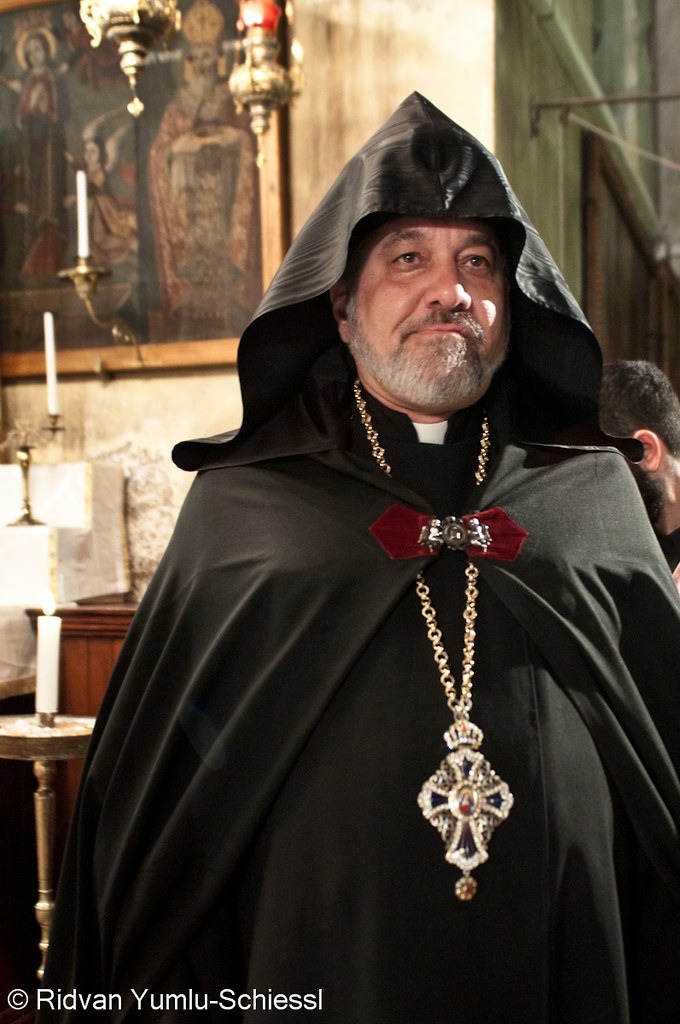
Throughout history, the Ethiopian Orthodox Church has fostered a strong sense of identity and continuity, influencing art, education, and national traditions. Its close ties to biblical stories and teachings have made it a vital part of Ethiopia’s cultural heritage, ensuring that biblical principles and traditions are passed down through generations. Today, the church continues to be a prominent institution, promoting faith, community cohesion, and the preservation of Ethiopia’s ancient Christian legacy.
The Kebra Nagast and the Legend of the Queen of Sheba
Ancient traditions and Ethiopian Christianity are deeply intertwined, shaping the country’s rich cultural and religious heritage. Central to these traditions is the Kebra Nagast, an important Ethiopian epic that narrates the legendary story of the Queen of Sheba and her visit to King Solomon. This legend emphasizes Ethiopia’s biblical connections and its significance as a cradle of Christian faith.
The Kebra Nagast, which translates to “The Glory of Kings,” holds a revered place in Ethiopian history as both a religious and national document. It details the origins of the Solomonic dynasty and asserts that the Ark of the Covenant was brought to Ethiopia by Menelik I, the son of Queen of Sheba and King Solomon. This belief reinforces Ethiopia’s claim to a divine right and its status as a Holy Land in Christian tradition.
The legend of the Queen of Sheba is pivotal in Ethiopian Christianity, symbolizing the link between biblical events and Ethiopian identity. It inspires numerous religious practices and cultural expressions, portraying Ethiopia as chosen by God and blessed with a special spiritual status.
Key aspects of Ethiopia’s biblical connection include:
- The belief that the Ark of the Covenant resides in the Church of St. Mary of Zion in Axum.
- The historical and religious significance of the Solomonic lineage, which continues to influence Ethiopian monarchy and identity.
- The widespread veneration of the Queen of Sheba as a symbol of wisdom and divine favor.
Enshrined Biblical Relics and Sites in Ethiopia
Ancient traditions and Ethiopian Christianity possess a unique and profound connection to biblical history, making Ethiopia a significant land for religious pilgrims and historians alike. The country’s rich heritage is deeply rooted in early Christian practices that have been preserved for centuries, reflecting the unwavering faith of its people. Enshrined within Ethiopia are numerous biblical relics and sacred sites that attract visitors from around the world, highlighting the country’s spiritual significance in Christian history.
- The Ethiopian Orthodox Tewahedo Church considers Ethiopia as one of the earliest regions to adopt Christianity, dating back to the 4th century.
- Important biblical relics such as the Ark of the Covenant are believed to be housed within the Church of St. Mary of Zion in Axum, making it a sacred pilgrimage destination.
- The Grand Churches of Lalibela, carved out of rock in the 12th century, serve as both religious sites and symbols of Ethiopia’s enduring Christian legacy.
- The ancient city of Axum holds numerous obelisks, relics, and inscriptions that testify to Ethiopia’s biblical connections and its role in early Christianity.
- Many Ethiopian monasteries and churches are built on sites that are believed to be directly linked to biblical events and figures, enhancing their spiritual significance.
Ethiopia’s biblical relics and sacred sites embody a centuries-old tradition of faith that continues to influence the cultural and religious landscape of the country, making it a vital part of Christian history and heritage. These relics and sites not only serve as places of worship but also as symbols of Ethiopia’s unique place in the biblical world.
Biblical References and Symbolism in Ethiopian Culture
Ethiopian culture is deeply intertwined with biblical references and symbolism, reflecting the country’s rich religious history and spiritual heritage. Christianity, particularly the Ethiopian Orthodox Tewahedo Church, has shaped many aspects of Ethiopian identity, arts, and traditions. Biblical stories and symbols are often woven into everyday life, architecture, and rituals, highlighting the enduring influence of the Bible in Ethiopian society. This unique blend of faith and culture underscores Ethiopia’s reputation as one of the oldest Christian civilizations in the world.
The Use of Biblical Symbols in Art and Architecture
Ethiopia has a rich cultural history deeply intertwined with Biblical references and symbolism, which are reflected vividly in its art, architecture, and religious practices. The Ethiopian Orthodox Tewahedo Church incorporates numerous Biblical symbols that serve to convey spiritual truths and religious narratives, reinforcing the community’s faith and heritage. Iconography in Ethiopian religious art often features scenes from the Bible, saints, and angels, all imbued with symbolic meanings that emphasize divine authority and spiritual protection. Architectural structures such as ancient churches and monasteries are designed with symbolic elements, including crosses, geometric patterns, and murals that depict Biblical stories. These symbols not only serve decorative purposes but also function as instructional tools for believers, illustrating moral lessons and Biblical teachings. Overall, Biblical references and symbols are integral to Ethiopian culture, reflecting the deep-rooted Christian identity and historical connection to the Holy Scriptures.
The Influence of the Bible on Ethiopian Literature and Music
Biblical references and symbolism hold a profound place in Ethiopian culture, reflecting the country’s deep-rooted Christian heritage. The Ethiopian Orthodox Tewahedo Church incorporates numerous biblical stories and themes into its religious practices, art, and architecture, illustrating the spiritual significance of the Bible in everyday life. Symbols such as the Ark of the Covenant are central to Ethiopian identity and are believed to reside in the Church of Our Lady Mary of Zion in Axum, emphasizing the sacred connection between Ethiopia and biblical history.
The influence of the Bible on Ethiopian literature is evident through the extensive use of biblical themes, stories, and allegories in historical texts, poetry, and religious writings. Ethiopian authors frequently draw inspiration from biblical narratives to explore moral lessons, national identity, and spiritual values. In music, biblical themes are prevalent in hymns, chants, and liturgical compositions, which serve both as expressions of faith and cultural identity. The integration of biblical elements into these artistic forms underscores their importance in preserving Ethiopian spiritual and cultural heritage, creating a unique blend of biblical symbolism and traditional Ethiopian artistry.
Mythology and Folklore Derived from Biblical Narratives
Ethiopian culture is deeply intertwined with Biblical references and symbolism, reflecting the nation’s historical and spiritual heritage. Central to this relationship is the Ethiopian Orthodox Tewahedo Church, which venerates the Bible not only as a religious text but also as a foundation of national identity. Biblical narratives such as the story of Noah’s Ark are vividly preserved in the legend of the Ark of the Covenant, believed to reside in Ethiopia, symbolizing divine favor and sacred history. The Lion of Judah, a prominent symbol in Ethiopian heraldry, derives from Biblical genealogies, representing strength, kingship, and divine authority bestowed upon the Ethiopian emperors. Folklore and mythology often incorporate Biblical themes, portraying biblical figures and stories as allegories for moral virtues, divine justice, and the spiritual journey. These symbols and stories serve as cultural touchstones, shaping Ethiopian art, literature, and societal values, illustrating a unique blend of Biblical tradition and indigenous cultural identity. Ultimately, Biblical references in Ethiopian culture highlight a profound spiritual connection to Scripture that continues to influence the nation’s worldview and cultural expressions.
The Modern Relevance of the Bible in Ethiopia
The Bible holds a profound and enduring significance in Ethiopia, reflecting the country’s rich religious heritage and cultural identity. As one of the earliest nations to embrace Christianity, Ethiopia venerates the Holy Scriptures as a vital source of spiritual guidance, historical continuity, and national pride. In modern Ethiopia, the Bible continues to influence social values, educational practices, and community life, underscoring its ongoing relevance in shaping the nation’s identity and spiritual practices.
Religious Practices and Daily Life
The Bible holds a profound significance in Ethiopia, shaping both religious beliefs and daily practices. As one of the oldest Christian nations, Ethiopia has a rich history of biblical tradition that influences various aspects of life. Many Ethiopians attend church regularly, celebrate religious festivals, and incorporate biblical teachings into their moral values and social interactions. The presence of ancient manuscripts, such as the Ethiopian Orthodox Tewahedo Church’s canon, highlights the deep-rooted connection between the Bible and Ethiopian identity. In daily life, biblical principles guide personal conduct, community responsibilities, and cultural customs, demonstrating the ongoing relevance of the Bible in contemporary Ethiopian society.
The Role of Biblical Education and Scripture in Society
The Bible holds a profound and enduring significance in Ethiopian society, serving not only as a spiritual compass but also as a cultural and historical cornerstone. Its influence spans across various aspects of life, from religious practices to social values, and continues to shape the identity of the Ethiopian people in contemporary times.
Biblical education plays a vital role in Ethiopia, fostering moral development, promoting literacy, and preserving religious traditions. Schools and religious institutions emphasize the study of Scripture, which helps reinforce community cohesion and provides a framework for understanding ethical conduct and societal responsibilities.
In Ethiopian society, Scripture is more than a religious text; it is a source of national pride and cultural heritage. The Ethiopian Orthodox Tewahedo Church, one of the oldest Christian traditions, upholds the Bible as central to its teachings and practices. Celebrations, art, and national rituals often reflect biblical themes, highlighting the Bible’s ongoing cultural influence.
Furthermore, the modern relevance of the Bible in Ethiopia is evident in discussions about social justice, reconciliation, and national development. Many leaders and communities draw inspiration from Scripture to address contemporary challenges, demonstrating the enduring role of biblical principles in guiding societal progress.
Overall, the Bible remains a vital element of Ethiopian society, a source of spiritual guidance, cultural identity, and moral foundation that continues to influence and inspire the nation in profound ways.
Interfaith Relations and Biblical Dialogues
The Bible holds a significant place in Ethiopia’s cultural and religious landscape, serving as a foundation for spiritual life and social values. Its relevance persists in contemporary society, influencing moral frameworks and community practices across diverse faith communities. Interfaith relations in Ethiopia are shaped by mutual respect for sacred texts and shared traditions, fostering dialogue and cooperation among Christians, Muslims, and indigenous faith groups. Biblical dialogues often emphasize common values such as compassion, justice, and peace, promoting unity amid diversity. The ongoing engagement with biblical teachings helps bridge differences and strengthens interfaith understanding, ensuring the Bible remains a vital resource for ethical guidance and communal harmony in Ethiopia today.



0 Comments