
Geography and Climate of Addis Ababa
Addis Ababa, the capital city of Ethiopia, is situated in the heart of the Ethiopian Highlands. Known for its strategic location, the city lies at an elevation of about 2,355 meters (7,726 feet), making it one of the highest capitals in the world. The geography of Addis Ababa is characterized by rugged terrain, hills, and valleys, which contribute to its scenic beauty. Its climate is classified as a subtropical highland climate, marked by mild temperatures, moderate rainfall, and clear, sunny days throughout most of the year. This unique combination of geography and climate influences the city’s culture, agriculture, and daily life of its residents.
Location and Topography
Addis Ababa, the capital city of Ethiopia, is situated in the central part of the country, serving as a political, cultural, and economic hub. It is located at an elevation of approximately 2,350 meters (7,700 feet) above sea level, making it one of the highest capitals in the world.
The topography of Addis Ababa is characterized by its position on a highland plateau surrounded by rugged hills and deep valleys. The city is built on a series of rolling hills and ridges, which provide scenic views and natural elevation changes throughout the area. This elevated location significantly influences its climate, contributing to mild temperatures and a generally temperate climate year-round.
Climate Patterns and Seasons
Addis Ababa, the capital city of Ethiopia, is situated in the highlands of the central part of the country, at an elevation of approximately 2,355 meters (7,726 feet) above sea level. Its geographical location gives it a prominent position within the Ethiopian Plateau, providing scenic views and a strategic climate zone. The city is bordered by mountains and rugged terrain, contributing to its diverse landscape and unique environmental characteristics.
The climate of Addis Ababa is classified as a subtropical highland climate, which is characterized by moderate temperatures throughout the year. Due to its elevation, the city generally experiences mild and comfortable weather, avoiding the extreme heat typical of lower altitudes in the region. Elevation also influences local weather patterns, resulting in cooler nights and moderate daytime temperatures.
In terms of climate patterns and seasons, Addis Ababa experiences two main rainy and dry seasons. The rainy season typically begins in March and lasts until May, known as the Kiremt or long rains, bringing most of the annual precipitation. The short rains occur from June to September, providing additional rainfall. The dry season extends from October to February, characterized by clear skies, lower humidity, and cooler temperatures, especially during the mornings and evenings. This seasonal variation supports the diverse agricultural activities and contributes to the overall temperate climate of the area.
Natural Landmarks and Surrounding Areas
Addis Ababa, the capital city of Ethiopia, is situated in the central highlands of the country at an elevation of approximately 2,355 meters above sea level. Its geographical location grants it a temperate climate despite its proximity to the equator, characterized by mild temperatures and moderate rainfall throughout the year. The city lies on a high plateau surrounded by rugged hills and deep valleys, contributing to its scenic beauty and diverse landscape.
The region around Addis Ababa features several natural landmarks, including the Entoto Hills, which offer panoramic views of the city and are home to historic sites and forests. Mount Entoto is a notable natural landmark providing not only cultural significance but also serving as a popular spot for hiking and tourism. In addition, the surrounding areas are dotted with lakes, such as Lake Abyata and Lake Hora, adding to the area’s ecological diversity and natural charm.
The nearby areas of Addis Ababa are rich with natural features, ranging from lush forests and rolling hills to dramatic valleys. These landscapes support various plant and animal species, making it a vital ecological zone in Ethiopia. The combination of highland terrain, natural landmarks, and scenic surroundings makes Addis Ababa a unique city with a profound connection to Ethiopia’s diverse geography and climate.
Historical Background of Addis Ababa
Addis Ababa, the capital city of Ethiopia, boasts a rich historical background that dates back centuries. Originally established in the late 19th century by Emperor Menelik II, the city quickly grew to become the political, cultural, and economic center of Ethiopia. Its strategic location at the highlands provided a suitable climate and defensive advantage, fostering its development into a vibrant metropolis. Over the years, Addis Ababa has played a significant role in Ethiopian history, hosting important events, treaties, and serving as the headquarters for numerous international organizations, including the African Union.
Foundation and Early History
Addis Ababa, the capital city of Ethiopia, has a rich historical background that dates back to its foundation in the late 19th century. The city was established by Emperor Menelik II in 1886 as a strategic military and political center. Its name, which means “new flower” in Amharic, reflects the hope and renewal associated with its founding. Prior to its development as a modern city, the area was inhabited by local communities and served as a marketplace and a settlement with traditional roots. The strategic location of Addis Ababa on the central highlands contributed to its selection as the capital, as it provided a suitable climate and ease of access across the region. Early on, the city grew rapidly, becoming a hub for government, religious institutions, and commerce, laying the foundation for its contemporary status as Ethiopia’s political and cultural heart. The early history of Addis Ababa is marked by its transformation from a modest settlement into a prominent capital city, shaped by Ethiopia’s political ambitions and historical developments.
Role in Ethiopia’s Modern History
Addis Ababa, the capital city of Ethiopia, was founded in 1886 by Emperor Menelik II as a strategic and administrative center. Its location was chosen for its proximity to the route connecting the highlands and the southern regions, facilitating trade and military movements. Over the years, Addis Ababa grew rapidly, becoming a political and economic hub of Ethiopia.
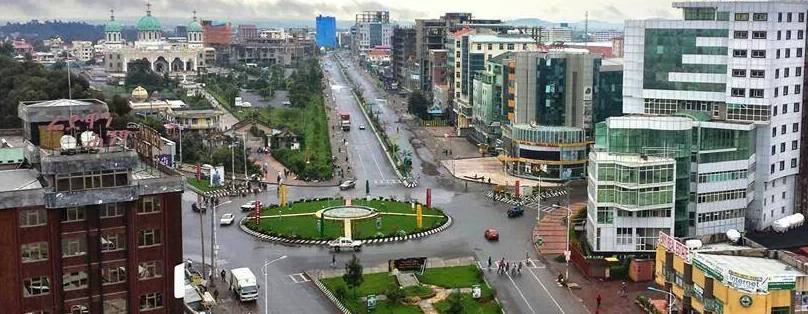
During the early 20th century, Addis Ababa became a symbol of Ethiopian sovereignty and modernization efforts under Emperor Haile Selassie. It played a central role in the country’s resistance against Italian occupation during the Second Italo-Ethiopian War, hosting important diplomatic negotiations and resistance movements. The city also became a focal point for Ethiopia’s political reforms, social changes, and international diplomacy.
In the post-independence era, Addis Ababa continued to develop as Ethiopia’s political and administrative capital, hosting numerous national institutions and the African Union headquarters. Its historical significance is deeply intertwined with Ethiopia’s struggles for sovereignty, modernization, and regional influence, making it a vital city in Ethiopia’s modern history.
Historical Landmarks and Sites
Addis Ababa, the capital city of Ethiopia, has a rich historical background that dates back to its founding in 1886 by Emperor Menelik II. Originally established as a royal settlement, it quickly grew into the political, cultural, and economic hub of the country. Throughout its history, Addis Ababa has played a vital role in Ethiopian independence, modernization, and regional diplomacy. The city has seen significant development during the reign of subsequent leaders, shaping its diverse architecture and vibrant urban culture.
When it comes to historical landmarks and sites, Addis Ababa offers a variety of remarkable places that reflect its heritage and history. These sites provide insight into Ethiopia’s royal past, religious traditions, and modern history. Visitors can explore ancient churches, museums, and government buildings that collectively tell the story of the nation’s evolution.
- National Museum of Ethiopia: Known for housing the famous fossil “Lucy,” this museum showcases Ethiopia’s archaeological and cultural history.
- Holy Trinity Cathedral: A major religious site and the final resting place of Emperor Haile Selassie, this cathedral features stunning architecture and religious artifacts.
- Ethnological Museum: Located within Addis Ababa University, it offers extensive displays on Ethiopia’s diverse cultures and history.
- Yenebere Ethiopia Monument: Commemorates Ethiopia’s resistance against colonial invasions and celebrates national independence.
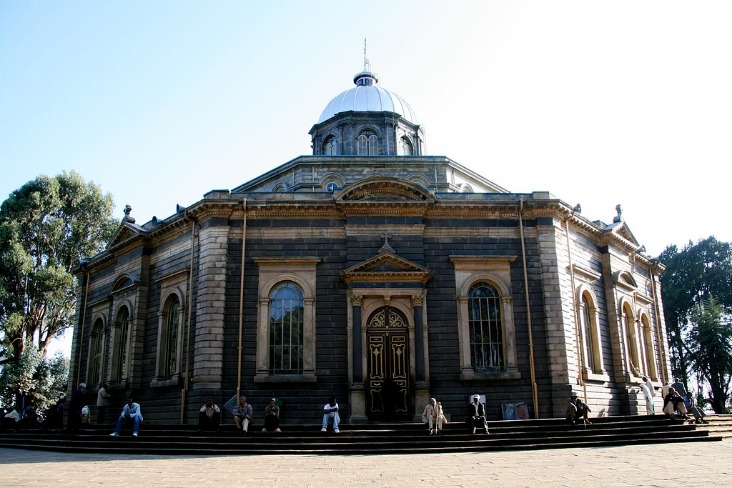
- St. George’s Cathedral: An iconic church with historical significance and beautiful Ethiopian Orthodox architecture.
Government and Administration
The government and administration of Ethiopia, particularly in its capital city Addis Ababa, play a vital role in shaping the nation’s development and governance. As the political and economic center, Addis Ababa hosts various governmental institutions responsible for implementing policies, maintaining public services, and fostering national growth. Understanding the administrative structure of this city provides insight into Ethiopia’s broader political landscape and efforts toward modernization and stability.
Political Structure
Ethiopia’s government and administrative structure are characterized by a federal parliamentary system that emphasizes decentralization and regional autonomy. The country is divided into multiple regions, each with its own government, allowing for local governance and decision-making. Addis Ababa, the capital city, serves as the political and administrative hub, hosting the national government institutions, foreign embassies, and key administrative offices. The federal government is headed by the Prime Minister, who leads the executive branch, while the legislative power is vested in the Ethiopian Parliament. The political structure fosters a multi-party system, with the Ethiopian People’s Revolutionary Democratic Front (EPRDF) and subsequent political parties playing significant roles in governance. This system aims to promote unity while respecting Ethiopia’s diverse ethnic and regional identities.
Major Government Offices and Institutions
In Ethiopia, especially in Addis Ababa, the government and administrative structure play a crucial role in the country’s governance and development. The city serves as the political and administrative center, hosting various key government offices and institutions that facilitate effective governance and service delivery.
- Presidential Palace: The official residence and workplace of the President of Ethiopia.
- Prime Minister’s Office: The central office responsible for coordinating government policies and administration.
- Ministry of Finance and Economic Cooperation: Manages the country’s economic policies and financial affairs.
- City Administration Office: Oversees the municipal governance and development projects within Addis Ababa.
- Regional State Offices: Various offices representing regional governments and administrations within the city.
- Judicial Institutions: Including the Federal Supreme Court and other courts providing legal services and justice.
- Security Agencies: Ethiopian Federal Police and military headquarters to ensure national and city security.
Municipal Administration
Ethiopia’s capital city, Addis Ababa, serves as the political and administrative hub of the country, playing a vital role in government and municipal administration. The city’s governance is structured through a municipality that manages urban planning, public services, and local development initiatives to accommodate its growing population. The municipal administration is responsible for maintaining infrastructure, ensuring community welfare, and implementing policies issued by the national government.
At the national level, Ethiopia’s government operates under a federal parliamentary system, with Addis Ababa functioning as both the political capital and a center for diplomatic activities. The city hosts various government ministries, foreign embassies, and international organizations, making it a focal point for administrative functions, policy formulation, and international relations.
Municipal administration in Addis Ababa involves local government officials who oversee city planning, transport, sanitation, and social services. The governance structure aims to promote sustainable urban development, improve living standards, and facilitate economic growth. Efforts include infrastructure expansion, waste management, and cultural preservation, reflecting the city’s evolving administrative landscape.
Economy and Infrastructure
Economy and infrastructure in Addis Ababa, Ethiopia, play a vital role in shaping the city’s development and regional influence. As the nation’s economic center, Addis Ababa experiences rapid growth fueled by investments in transportation, energy, and urban facilities. These advancements are essential in supporting the expanding population and fostering sustainable economic progress in the region.
Economic Sectors and Key Industries
Etiopia Addis Ababa boasts a developing economy supported by diverse infrastructure and key industries that drive its growth. The city is increasingly becoming an economic hub in East Africa, with expanding sectors that contribute significantly to the nation’s economy.
- Agriculture remains vital, with Ethiopia being one of Africa’s largest producers of coffee, spices, and grains, although urbanization is shifting focus toward industrialization.
- The manufacturing sector is growing, including textiles, leather goods, and food processing industries, supported by industrial parks in and around Addis Ababa.
- Construction and infrastructure development are prominent, with ongoing projects such as roads, bridges, and the Addis Ababa Light Rail Transit system improving connectivity.
- The services sector, particularly telecommunications, banking, and tourism, plays an essential role in the city’s economy, attracting investments and fostering economic diversification.
- Energy infrastructure is expanding with investments in renewable energy sources like hydroelectric, wind, and solar power to meet increasing demand and support urban development.
Transport and Communication Networks
Ethiopia’s economy is one of the fastest-growing in Africa, with Addis Ababa serving as the economic hub of the country. The city boasts a diverse economy, including trade, services, manufacturing, and public administration, which contributes significantly to national development. Infrastructure development in Addis Ababa has advanced considerably, with ongoing projects to improve roads, airports, and industrial zones, fostering economic growth and regional integration.
Transport networks are vital for connecting Addis Ababa internally and with neighboring countries. The city is served by a major international airport, Addis Ababa Bole International Airport, which is a key aviation hub in Africa. Road networks are continuously expanding, linking the city to various parts of Ethiopia, facilitating trade and mobility. Additionally, urban transport systems such as taxi services, buses, and emerging metro projects are enhancing connectivity within the city.
Communication networks in Addis Ababa have seen significant improvements, with widespread mobile phone coverage and internet access. The government has invested in telecommunications infrastructure to promote digital connectivity, supporting business activities, education, and government services. These advancements in transport and communication are crucial for Ethiopia’s ambitions of economic growth and regional influence, positioning Addis Ababa as a central node for trade, diplomacy, and development in East Africa.
Major Commercial Centers and Markets
Economy and infrastructure in Addis Ababa play a vital role in shaping Ethiopia’s overall development. The city serves as the economic hub, hosting numerous businesses, government offices, and international organizations. With ongoing investments in transportation, telecommunications, and energy, Addis Ababa continues to enhance its infrastructure to support economic growth. Major commercial centers in the city include the Merkato, one of Africa’s largest open-air markets, where a wide variety of goods are traded daily. Other prominent markets such as the Bole Medhanialem and Piazza provide vibrant shopping experiences and serve as hubs for local and regional commerce. These markets not only facilitate trade but also reflect the rich cultural diversity of the city, attracting both residents and visitors from around the world.
Culture and Society
Culture and society in Addis Ababa, Ethiopia, offer a vibrant tapestry of history, traditions, and modern influences. As the capital city, Addis Ababa serves as a cultural hub where diverse ethnic groups and communities come together, showcasing the rich heritage of Ethiopia. The city’s dynamic social fabric reflects centuries of heritage, religious practices, and contemporary developments that shape daily life in this bustling metropolis.
Language and Ethnic Diversity
Culture and society in Addis Ababa, Ethiopia, are rich and diverse, reflecting a blending of traditional practices and modern influences. The city serves as a cultural hub where various ethnic groups coexist, each contributing unique customs, festivals, and arts that shape the vibrant social fabric. Language plays a crucial role in this diversity, with Amharic being the official language, alongside many other regional languages such as Oromiffa, Tigrinya, and Gurage. This multilingual environment fosters a sense of identity and community among Ethiopia’s numerous ethnic groups.
The ethnic diversity in Addis Ababa is a prominent feature of its societal structure, emphasizing coexistence and mutual respect amid differences. The city’s social life is enriched by diverse cultural expressions, including traditional music, dance, cuisine, and clothing from different ethnic backgrounds. Understanding and valuing this diversity is essential to appreciating Addis Ababa’s place as a melting pot of Ethiopia’s cultural heritage, making it a dynamic and inclusive capital city.
Religious Influences and Heritage
Ethiopia, and its capital Addis Ababa, are rich in culture and society shaped by centuries of history and diverse traditions. The city’s vibrant cultural scene reflects a mix of ancient customs and modern influences, with numerous theaters, museums, and cultural festivals showcasing Ethiopia’s heritage. Religious influences play a significant role in daily life, with Ethiopian Orthodox Christianity being predominant, alongside Islam and other faiths, all contributing to a unique spiritual landscape. These religious traditions are deeply embedded in the community’s practices, festivals, and architecture, such as the historic churches and Islamic mosques found across the city. Heritage is visibly preserved through historic sites, traditional music, dance, cuisine, and language, maintaining Ethiopia’s identity as a nation proud of its ancient civilization and cultural resilience.
Arts, Music, and Festivals
Addis Ababa, the vibrant capital of Ethiopia, is a hub of rich culture and diverse society that reflects the country’s historical and contemporary influences. The city is known for its unique blend of traditions, languages, and customs that shape the daily lives of its residents.
Ethiopian arts thrive with a variety of forms including traditional dance, sculpture, and painting, often inspired by religious themes and historical events. The Ethiopian Orthodox Tewahedo Church has a significant influence on the artistic expressions found throughout the city, visible in its intricate iconography and architecture.
Music plays a vital role in Addis Ababa’s cultural identity, with genres such as Ethio-jazz, traditional folk, and modern pop artists captivating audiences. The unique sound of Ethio-jazz, pioneered by legendary musicians like Mulatu Astatke, represents a fusion of jazz, traditional Ethiopian tones, and African rhythms, making Addis Ababa a renowned center for musical innovation.
Festivals in Addis Ababa are lively celebrations of Ethiopia’s diverse heritage, including religious events like Timket, Meskel, and Fasika. These festivals feature vibrant processions, traditional attire, and communal participation, showcasing the country’s spiritual and cultural richness. Additionally, international events, music concerts, and cultural fairs further highlight the city’s dynamic social scene.
Education and Research Institutions
Education and research institutions in Addis Ababa, Ethiopia, play a vital role in shaping the country’s academic and innovative landscape. As the nation’s capital, Addis Ababa hosts a diverse array of universities, colleges, and research centers dedicated to advancing knowledge and fostering development. These institutions serve as hubs for learning, scientific inquiry, and cultural exchange, contributing significantly to Ethiopia’s progress in various fields.
Major Universities and Colleges
Ethiopia, particularly in its capital city Addis Ababa, is home to numerous prominent education and research institutions that play a vital role in the country’s development and academic excellence. The city hosts major universities and colleges that attract students from across Ethiopia and beyond. These institutions offer a wide range of academic programs in fields such as medicine, engineering, social sciences, and humanities, fostering a robust environment for higher education and research.
The University of Addis Ababa, established in 1950, is the oldest and most prestigious university in Ethiopia. It serves as a leading center for academic research, policy development, and higher education, contributing significantly to the country’s intellectual growth. The Addis Ababa University has various specialized colleges and faculties, including Medicine, Law, Business, and Social Sciences.
Other notable institutions include Horacec International College, Addis Ababa Science and Technology University, and Addis Ababa University Institute of Educational Research. These institutions emphasize innovative research, technological advancement, and capacity building to meet Ethiopia’s development needs. Additionally, there are numerous private colleges and vocational training centers in Addis Ababa, supporting skills development and professional training for the youth.
Research Centers and Think Tanks
Ethiopia’s capital, Addis Ababa, is a prominent hub for education and research institutions that contribute significantly to the country’s development. The city hosts several universities, including Addis Ababa University, which is one of the oldest and most renowned higher education institutions in the region. These institutions provide advanced education and foster research across various disciplines, including science, technology, social sciences, and humanities.
In addition to universities, Addis Ababa is home to numerous research centers that focus on addressing national and regional challenges. For example, the Ethiopian Institute of Agricultural Research and the Ethiopian Institute of Helath Sciences conduct vital research to improve agriculture, health, and sustainable development. Many think tanks and policy research organizations are also based in the city, playing a critical role in informing government policies and promoting evidence-based decision-making.
The vibrant academic and research environment in Addis Ababa helps the country participate actively in international research collaborations and promotes innovation. These institutions are integral to Ethiopia’s efforts to accelerate growth, improve social services, and achieve sustainable development goals.
Educational Challenges and Developments
Education and research institutions in Addis Ababa, Ethiopia, play a vital role in shaping the country’s academic and scientific landscape. The city is home to numerous universities and colleges, such as Addis Ababa University, which serve as centers for higher learning and innovation. These institutions contribute significantly to research, development, and capacity building in various fields, including science, technology, medicine, and social sciences.
Despite these advancements, Ethiopia faces several educational challenges. Limited access to quality education, especially in rural areas, remains a major concern. Infrastructure shortages, shortage of qualified teachers, and inadequate funding hinder the education system’s overall progress. Moreover, language barriers and curriculum relevance continue to impact student engagement and learning outcomes.
Nevertheless, Ethiopia is making notable developments to address these issues. The government and private sector are investing in expanding educational infrastructure, improving teacher training, and integrating new technologies. Initiatives aimed at increasing enrollment rates, especially of girls and marginalized groups, are underway to promote inclusive education. These efforts are crucial for fostering a skilled workforce capable of supporting Ethiopia’s socio-economic development and research pursuits in Addis Ababa and beyond.
Tourism and Attractions
Tourism in Ethiopia, particularly in the vibrant city of Addis Ababa, offers a fascinating blend of rich history, diverse culture, and modern attractions. Visitors can explore ancient landmarks, museums, lively markets, and enjoy the warm hospitality of the Ethiopian people. Addis Ababa serves as a gateway to discovering the unique cultural heritage and natural beauty that Ethiopia has to offer, making it a compelling destination for travelers from around the world.
Key Tourist Sites and Museums
Addis Ababa, the capital city of Ethiopia, is a vibrant hub for tourists with its rich history, diverse culture, and numerous attractions. Visitors can explore a blend of modern and ancient sites that showcase Ethiopia’s unique heritage and development.
- National Museum of Ethiopia: Home to the famous Lucy skeleton, this museum displays prehistoric, archaeological, and artistic collections that offer insight into Ethiopia’s ancient past.
- Ethiopian Ethnological Museum: Located within Addis Ababa University, it provides extensive exhibits on the diverse cultures and histories of Ethiopia’s many ethnic groups.
-
- Red Terror Martyrs Memorial Museum: A poignant site dedicated to the victims of Ethiopia’s recent history, providing insight into the country’s struggles and resilience.
- Entoto Hills and Mountain: Offering panoramic views of Addis Ababa, this area features historic churches and beautiful natural scenery.
- National Palace: The official residence of the Prime Minister, often open to visitors during special occasions, showcasing modern Ethiopian architecture.
- Menelik II Palace and Museum: Showcasing the history of Ethiopia’s former emperor, this site provides cultural and historical artifacts.
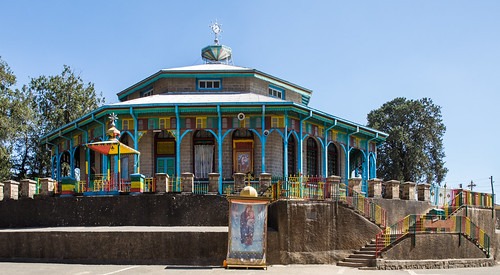
- Hanna Mariam Church: An important Ethiopian Orthodox church known for its traditional architecture and religious significance.
Hotels and Hospitality Industry
Addis Ababa, the vibrant capital of Ethiopia, is a rapidly growing hub for tourism and hospitality, attracting visitors with its rich history, diverse culture, and modern amenities. The city offers a blend of traditional and contemporary attractions, including historic sites like Holy Trinity Cathedral, the Ethnological Museum, and the National Museum, home to the famous Lucy fossil. Tourists can also explore the nearby Entoto Hills, providing panoramic views of the city and opportunities for outdoor activities.
The hospitality industry in Addis Ababa is well-developed, featuring a wide range of hotels and lodges that cater to both business and leisure travelers. From luxury hotels offering world-class amenities to boutique accommodations providing cultural experiences, the city ensures comfort and convenience for all visitors. The hospitality sector continues to expand, driven by Ethiopia’s increasing international profile and the growing influx of tourists seeking to experience the country’s unique heritage and natural beauty.
Additionally, Addis Ababa serves as a gateway for travelers exploring Ethiopia’s diverse landscape, from the Simien Mountains to the Danakil Depression. The city’s tourism and hospitality industry play a crucial role in promoting Ethiopia’s rich cultural legacy and natural wonders, supporting local economies and fostering sustainable tourism development. With ongoing investments and international events, Addis Ababa is set to strengthen its position as a premier tourist destination in Africa.
Cultural Events and Festivals
Addis Ababa, the capital city of Ethiopia, is a vibrant destination full of diverse attractions, cultural events, and festivals that showcase its rich heritage and lively atmosphere.
- National Museum of Ethiopia: Home to the famous Lucy skeleton and an extensive collection of Ethiopian art and history.
- Meskel Square: A bustling center of activity, hosting various cultural events and celebrations throughout the year.
- Ethnological Museum: Located within Addis Ababa University, it offers insights into Ethiopia’s diverse cultures and traditions.
- Mount Entoto: Provides panoramic views of the city and is historically significant as the founding site of Addis Ababa.
- Timket Festival: Celebrated in January, this is Ethiopia’s Epiphany, marked by colorful religious processions and water blessings.
- Meskel Festival: Held in September, featuring vibrant processions and the lighting of the Demera bonfire to commemorate the discovery of the True Cross.
- Enkutatash: The Ethiopian New Year celebration in September, featuring music, dance, and traditional rituals.
- Fasika: The Ethiopian Easter, observed with church services, feasting, and lively community events.
- International Addis Film Festival: An annual event showcasing African and international cinema, promoting cultural exchange.
Urban Development and Future Outlook
Urban development in Addis Ababa, Ethiopia, is experiencing rapid growth as the city transforms into a vibrant hub of economic and cultural activity. With increasing population and infrastructure demands, strategic planning is essential to ensure sustainable expansion. The future outlook for Addis Ababa involves modernization initiatives, improved transportation networks, and innovative urban projects aimed at enhancing the quality of life for its residents while preserving the city’s rich heritage.
Recent Urban Projects and Expansion
Urban development in Addis Ababa has seen significant growth over recent years, reflecting Ethiopia’s broader economic progress and modernization efforts. The city is focused on expanding infrastructure, improving transportation networks, and enhancing public services to accommodate its rapidly increasing population. Future outlooks emphasize sustainable urban growth, integrating green spaces, smart city technologies, and innovative housing solutions to ensure a high quality of life for residents.
Recent urban projects in Addis Ababa include the development of the Addis Ababa Light Rail Transit system, which has improved public transportation and reduced traffic congestion. The city has also launched large-scale housing initiatives, commercial centers, and pedestrian-friendly urban spaces to foster economic activity and urban living standards. These projects aim to transform Addis Ababa into a modern, livable city that meets the needs of its growing population.
Expansion efforts are evident in new suburban developments and the upgrading of existing districts to support commercial and residential activities. The city’s planning authorities are prioritizing sustainable development practices, with an emphasis on eco-friendly buildings, waste management, and water resource management. With these initiatives, Addis Ababa is positioning itself to become a key hub in the region, balancing rapid growth with environmental concerns and urban resilience.
Planned Infrastructure Developments
Urban development in Addis Ababa is experiencing significant growth, driven by rapid population expansion and the country’s economic ambitions. The city is focusing on sustainable infrastructure to accommodate its expanding population while enhancing the quality of urban life. Future outlooks emphasize integrating modern urban planning principles with eco-friendly initiatives to create a resilient and vibrant city.
- Development of new road networks and transportation hubs to improve connectivity within the city and reduce traffic congestion.
- Expansion of residential and commercial zones to support the growing workforce and housing needs.
- Introduction of smart city technologies to enhance urban management, security, and public services.
- Investment in renewable energy projects to power urban infrastructure sustainably.
- Renovation and expansion of public spaces, parks, and recreational facilities to improve urban livability.
- Construction of light rail and metro systems to provide efficient mass transit options.
- Implementation of green infrastructure projects, such as rain gardens and green roofs, to manage urban runoff and improve air quality.
- Development of mixed-use complexes to promote walkability and reduce dependency on automobiles.
- Urban renewal programs aimed at revitalizing older neighborhoods with modern amenities while preserving cultural heritage.
- Partnerships between government, private sector, and international organizations to fund sustainable urban projects.
Challenges and Opportunities for Growth
Urban development in Addis Ababa is rapidly transforming the city into a modern metropolis, driven by economic growth, population expansion, and increased investment in infrastructure. The city’s future outlook presents both significant opportunities and notable challenges, shaping the trajectory of Ethiopia’s capital in the coming decades. Strategic planning and sustainable practices are essential to harness growth while addressing urban issues.
- Modernization of infrastructure, including roads, bridges, and public transportation systems, to accommodate the growing population.
- Implementation of smart city initiatives to improve urban management and service delivery.
- Expansion of affordable housing projects to reduce informal settlements and improve living standards.
- Promotion of green spaces and environmental sustainability to mitigate urban pollution and support residents’ well-being.
- Enhancement of water, sanitation, and waste management facilities for a healthier urban environment.
- Rapid population growth leading to increased demand for housing, transportation, and basic services.
- Challenges related to urban sprawl, traffic congestion, and pollution, risking environmental degradation.
- Limited financial and institutional capacity to effectively implement large-scale development programs.
- Potential socio-economic disparities, risking increased inequality within the city.
- Opportunities to leverage public-private partnerships for infrastructure development and innovation.
- Utilization of international funding and knowledge exchange to promote sustainable urban planning.



0 Comments