

Historical Background
Understanding the historical background of Ethiopia and Eritrea is essential to grasp the complex relationship between the two nations. Both countries have rich, intertwined histories marked by ancient civilizations, colonial influences, and struggles for independence. Over the centuries, their cultural and political landscapes have evolved through various dynasties, conflicts, and treaties, shaping the current dynamics of their relationship. The history of Ethiopia and Eritrea provides valuable insights into their identities, aspirations, and the enduring quest for sovereignty and stability.
Ancient Civilizations of Ethiopia and Eritrea
Ethiopia and Eritrea boast rich historical backgrounds, rooted in some of the world’s earliest civilizations. Ancient Ethiopia, often referred to as the cradle of humankind, is known for its early development of complex societies and cultural traditions. The Kingdom of Aksum, which flourished around the 1st to 7th centuries AD, was a prominent ancient civilization famous for its architecture, written script, and its role as a trading hub connecting Africa, Arabia, and India. Aksum was also one of the first major civilizations to adopt Christianity as a state religion in the 4th century, leaving behind impressive obelisks and religious sites. Eritrea, historically linked with Ethiopia, shares similar ancient roots and was an integral part of the Aksumite Empire. Its strategic location along the Red Sea facilitated trade and cultural exchanges, shaping its early development. Over centuries, these regions experienced various influences, including Egyptian, Arabian, and later European contacts, which contributed to their diverse historical and cultural landscapes. The rich archaeological and historical sites in both Ethiopia and Eritrea serve as testimonies to their enduring legacy as ancient centers of civilization and trade.”
Colonial Era and Federal Developments
The historical background of Ethiopia and Eritrea is deeply intertwined, with both regions experiencing significant events during the colonial era and subsequent federal developments. These periods shaped the political, social, and economic landscapes of both nations, influencing their path toward independence and modern governance.
During the colonial era, Eritrea was a focal point of European interest, particularly under Italian colonization from 1890 to 1941. Italy established Eritrea as its colony, integrating it into its colonial empire and developing infrastructure such as roads and ports. Ethiopia, on the other hand, notably resisted colonization and maintained its independence until 1936 when Italy invaded and occupied it during the Second Italo-Ethiopian War. After World War II, Eritrea’s status shifted as it was federated with Ethiopia in 1952 under a UN resolution, sparking tensions that would later lead to independence movements. The federation faced opposition from Ethiopia, culminating in Eritrea’s full annexation as a province in 1962, igniting a long struggle for sovereignty.
- Legacy of Italian colonization in Eritrea, including infrastructure and conflicts.
- Italy’s invasion of Ethiopia and its brief occupation, impacting regional dynamics.
- Post-war arrangements, including Eritrea’s federation with Ethiopia in 1952.
- Eritrea’s annexation by Ethiopia in 1962, sparking independence movements and guerrilla warfare.
Following these tumultuous histories, the federal developments in Ethiopia and Eritrea included significant reforms and struggles for autonomy. Eritrea gained de facto independence after a protracted 30-year war, culminating in a formal declaration of independence in 1993. Ethiopia adopted a federal system in 1995, granting various regional states a degree of autonomy, including Eritrea until its complete independence. The federalist approach aimed to accommodate diverse ethnic groups and manage regional differences, though conflicts and border disputes continued to challenge regional stability. These developments have played a crucial role in shaping the current political landscape of both countries.
Post-Independence Transitions
The historical background of Ethiopia and Eritrea is marked by a complex relationship shaped by colonial legacies, territorial disputes, and movements for independence. Ethiopia, with its ancient history as a sovereign nation, maintained its independence through much of its history, resisting colonial encroachment, although it was briefly occupied by Italy from 1936 to 1941. Eritrea, on the other hand, was an Italian colony from the late 19th century until World War II, after which it was administered by Britain and later integrated into Ethiopia in 1962, sparking long-standing resistance.
Post-independence transitions in Ethiopia and Eritrea involved significant political upheaval and shifts toward self-determination. Eritrea’s struggle for independence was characterized by a protracted guerrilla warfare led by the Eritrean People’s Liberation Front (EPLF), culminating in its de facto independence in 1991 and international recognition in 1993. Meanwhile, Ethiopia experienced a series of coups and changes in government, transitioning from Emperor Haile Selassie to a Marxist regime under the Derg, and eventually returning to a federal parliamentary republic.
- 1993: Eritrea officially becomes an independent state after a UN-supervised referendum.
- 1994: Ethiopia adopts a new constitution establishing a federal system, recognizing Eritrea’s independence.
- 1998-2000: Border conflicts erupt between Ethiopia and Eritrea, leading to a bloody war that lasts two years.
- 2000s: Peace efforts and agreements are attempted, but tensions and border disputes persist.
- 2018: Ethiopia’s new Prime Minister Abiy Ahmed initiates reforms, aiming to resolve long-standing conflicts and improve relations with Eritrea.
Geography and Environment
Geography and environment play a crucial role in shaping the diverse landscapes and ecosystems of Ethiopia and Eritrea. These neighboring countries are characterized by rugged mountains, expansive deserts, and fertile valleys, each influencing the way of life for their inhabitants. Understanding their geographical features and environmental challenges is essential for appreciating their rich natural resources and the need for sustainable development in the region.
Topographical Features
Ethiopia and Eritrea are two neighboring countries in the Horn of Africa, each characterized by diverse topographical features that significantly influence their climate and environment. Ethiopia is renowned for its rugged mountains, highlands, and extensive plateaus, with the Ethiopian Highlands occupying the central and northern regions. These highlands are often referred to as the “Water Tower of Africa” because they are the source of several major rivers, including the Blue Nile. The Great Rift Valley runs through Ethiopia, creating deep valleys and volcanic landscapes that add to the country’s varied topography.
Eritrea, located to the north of Ethiopia, features a combination of coastal plains, rugged mountains, and desert areas. The country’s western border is marked by the Anseba and Emba Sue River valleys, with the central highland region containing rugged mountains such as the Debub Massawa. Along the Red Sea coast, Eritrea has flat, arid plains and fertile coastal plains that support agriculture and fishing. The terrain in Eritrea varies from the arid, flat coastal lowlands to the more elevated and agriculturally productive highlands, reflecting the country’s diverse environmental zones.
Climate Zones and Variations
Ethiopia and Eritrea, located in the Horn of Africa, experience diverse climate zones and environmental conditions due to their varied topography and geographical features. These differences significantly influence the local climate patterns, agriculture, and ecosystems in both countries. Understanding the climate variations is essential for addressing environmental challenges and promoting sustainable development in the region.
- Highland Climate: Found in the Ethiopian Highlands, this climate features mild temperatures year-round with moderate rainfall, supporting lush vegetation and diverse agriculture.
- Somali Climate: Characterized by arid and semi-arid conditions, particularly in eastern Ethiopia and parts of Eritrea, with low rainfall and high temperatures, suitable for pastoralism.
- Desert and Semi-Desert Zones: Present in Eritrea’s Danakil Depression and parts of eastern Ethiopia, these areas have extreme temperatures and scarce rainfall, creating harsh living conditions.
- Coastal Climate: Eritrea’s Red Sea coast experiences a hot desert climate with high temperatures and minimal rainfall, impacting marine and coastal ecosystems.
- Climate Variations: The diverse topography causes significant climate variation within short distances, from cool highlands to hot lowlands.
- Environmental Challenges: Deforestation, land degradation, and climate change threaten ecosystems and sustainable resources, necessitating adaptive measures.
- Impact on Agriculture: Different climate zones support various crops; for example, coffee thrives in Ethiopian highlands, while pastoralism dominates arid regions.
- Conservation Efforts: Preservation of unique environments like the Ethiopian Rift Valley lakes and Eritrea’s coral reefs is vital for biodiversity and tourism.
Natural Resources and Biodiversity
Ethiopia and Eritrea are countries rich in diverse geography and abundant natural resources that significantly influence their environments and biodiversity. Ethiopia’s landscape features highlands, mountain ranges, and vast plateaus, providing unique habitats for various flora and fauna. Eritrea, with its long coastline and rugged mountains, also boasts diverse ecosystems that support a wide range of species.
Natural resources play a crucial role in the economies of both nations. Ethiopia is known for its coffee, minerals, and agricultural products, while Eritrea has access to mineral deposits, fishery resources, and potential for hydroelectric power. The sustainable management of these resources is vital for environmental preservation and future development.
Biodiversity in Ethiopia and Eritrea is remarkably rich due to their varied climates and terrain. Ethiopia is home to iconic species such as the Ethiopian wolf, Gelada baboons, and numerous endemic plants. Eritrea’s unique ecosystems include coral reefs, mangroves, and endemic animal species, which are vital for maintaining ecological balance. Conservation efforts are increasingly important to protect these natural treasures amid threats like climate change, deforestation, and overexploitation of resources.
Political Landscape
The political landscape of Ethiopia and Eritrea has been deeply shaped by their shared history, conflicts, and pursuit of sovereignty. Over the years, both nations have experienced significant changes in governance, regional influence, and international diplomacy. Understanding this dynamic environment is essential to grasp the ongoing developments and prospects for stability and cooperation in the Horn of Africa.
Government Structures and Leadership
The political landscape of Ethiopia and Eritrea has been marked by complex historical tensions, evolving governance structures, and leadership dynamics shaped by decades of conflict and cooperation. Ethiopia, a federal parliamentary republic, features a diverse array of ethnic groups and regions, with political power often influenced by regional and ethnic considerations. Its government has undergone significant reforms in recent years, aiming for democratization and stability, yet challenges remain with issues of ethnic federalism and political inclusivity. Eritrea, on the other hand, operates under a one-party system dominated by the People’s Front for Democracy and Justice, with a strong centralized leadership that has maintained control since independence. Both nations have experienced periods of conflict, notably ending the Eritrean-Ethiopian War, which impacted their political relations, but recent attempts at peace have opened pathways for regional cooperation. Leadership in Ethiopia has seen transition through elections and shifts in political power, while Eritrea’s leadership under President Isaias Afwerki has remained largely consolidated, influencing their respective domestic policies and international relations. The interplay between governance structures and leadership styles continues to shape the political trajectory of both countries, impacting regional stability and development.”
Major Political Parties and Movements
The political landscape of Ethiopia and Eritrea has been shaped by complex historical, social, and regional dynamics. Ethiopia operates as a federal parliamentary republic with a diverse array of political parties representing various ethnic groups, such as the Prosperity Party, which is the current ruling coalition, and opposition groups advocating for greater regional autonomy. Eritrea, on the other hand, has been governed by the People’s Front for Democracy and Justice since independence, with a strong central authority and limited political pluralism. Movements for independence, self-determination, and democratization have played significant roles in both countries, influencing policy directions and regional relations. The interplay between ethnic identities and political loyalties continues to impact governance and stability in the region.
Recent Political Developments and Conflicts
The political landscape of Ethiopia and Eritrea has been marked by significant developments and ongoing conflicts that have shaped their regional dynamics. Ethiopia, with its complex federal system, continues to face internal challenges related to ethnic tensions and calls for greater autonomy, which periodically lead to unrest and political reforms. Eritrea, emerging from a long period of independence struggle, remains under an authoritarian government that tightly controls political expression and dissent.
Recent political developments in Ethiopia include the implementation of a peace agreement with neighboring Eritrea in 2018, which marked a historic step towards regional stability. However, internal conflicts, notably in the Tigray region, have reignited tensions and resulted in a humanitarian crisis. The government has initiated political reforms and peace talks in an effort to address these conflicts, yet sporadic violence persists.
Eritrea continues to face internal political challenges, with the ruling People’s Front for Democracy and Justice maintaining tight control over political life. The country’s policies remain largely isolated, with limited political freedoms and ongoing border disputes with Ethiopia. Diplomatic relations between the two nations have experienced a thaw, but underlying tensions and unresolved issues from their history still influence their interactions and regional peace efforts.
Economy and Infrastructure
The economies of Ethiopia and Eritrea are shaping the future of the Horn of Africa, with each nation working to develop its infrastructure and boost economic growth. While Ethiopia has experienced rapid expansion driven by agriculture, manufacturing, and services, Eritrea is focusing on rebuilding and modernizing its infrastructure to support sustainable development. Both countries face unique challenges and opportunities as they strive to improve connectivity, transportation, and resource management to enhance their economic stability and regional integration.
Key Economic Sectors
Both Ethiopia and Eritrea have unique economic structures that play vital roles in their national development. Ethiopia’s economy is primarily driven by agriculture, which employs the majority of its population, alongside emerging sectors such as manufacturing, services, and construction. Eritrea’s economy relies heavily on agriculture, mining, and resources like minerals and the red sea ports, which are crucial for regional trade. Infrastructure development is a key focus for both countries to facilitate economic growth and regional integration.
Major economic sectors in Ethiopia include agriculture, which accounts for a substantial portion of GDP, along with textiles, leather, and food processing industries. Ethiopia also has a growing construction sector, driven by government investment in infrastructure projects like roads, railways, and energy facilities. Eritrea’s key sectors include mining—particularly gold, copper, and zinc—and fisheries. The country has been working on expanding its transportation infrastructure, including ports and roads, to boost trade and economic activity with neighboring countries and beyond.
Trade and Investment Opportunities
Ethiopia and Eritrea present a dynamic landscape for economic growth, driven by strategic initiatives in infrastructure development and trade expansion. Ethiopia’s expanding industrial base and large consumer market offer considerable opportunities for investment, particularly in manufacturing, agriculture, and technology sectors. Eritrea, with its strategic positioning along the Red Sea, is actively developing its port facilities and transportation infrastructure to enhance regional trade connectivity. Both countries are working to improve the ease of doing business, attract foreign direct investment, and diversify their economies. Collaborations within the Horn of Africa region and beyond are fostering new trade routes, boosting exports, and encouraging joint ventures that benefit mutual economic growth. Significant investment opportunities exist in energy, logistics, fisheries, and mining sectors, underscoring the region’s potential as a vital hub for trade in East Africa. By leveraging their strategic locations and natural resources, Ethiopia and Eritrea are positioning themselves as attractive destinations for international investors seeking long-term growth prospects.
Transportation and Infrastructure Projects
Both Ethiopia and Eritrea have been making significant efforts to develop their economies and improve infrastructure to foster growth and regional connectivity. Ethiopia has prioritized expanding its manufacturing sector, agriculture, and services, while investing heavily in transportation networks to facilitate trade and movement within the country and beyond. Eritrea has also focused on strengthening its infrastructure, particularly in port facilities, road networks, and energy provision, to boost trade capabilities and support economic development.
Transportation developments in Ethiopia include the construction of the Addis Ababa-Djibouti Railway, which has significantly enhanced export and import efficiency, and ongoing projects to improve road connectivity. Eritrea has worked on upgrading its ports in Massawa and Assab, aiming to position itself as a key maritime hub in the region. Both countries recognize that improved transportation infrastructure is vital to attracting foreign investment, facilitating regional integration, and promoting sustainable economic growth.
Cultural Heritage and Society
Cultural heritage plays a vital role in shaping the identity and social fabric of a nation. In countries like Ethiopia and Eritrea, rich histories and diverse traditions have fostered a deep sense of community and pride. These shared cultural elements not only connect generations but also influence societal values, practices, and relationships, serving as a foundation for national unity and cultural continuity.
Languages and Ethnic Groups
Cultural heritage and society play a vital role in shaping the identity of Ethiopia and Eritrea, two countries rich in history and diversity. Both nations boast a variety of languages, ethnic groups, and traditions that have been preserved over centuries, reflecting their unique heritages. Ethiopia is known for its diverse linguistic landscape, including Amharic, Oromo, Tigrinya, and many others, each associated with distinct ethnic communities. Eritrea also features a tapestry of languages such as Tigrinya, Arabic, and Tigre, representing its multifaceted society. The ethnic groups in these countries, including the Oromo, Amhara, Tigray, and others, contribute to a vibrant cultural mosaic that influences social interactions, customs, and artistic expressions. These rich cultural heritages foster a sense of pride and community among their peoples, while also highlighting the importance of preserving and respecting their linguistic and ethnic diversity for future generations.
Religious Diversity and Traditions
Ethiopia and Eritrea are nations rich in cultural heritage, with diverse societies that celebrate a wide range of religious traditions and customs. Their histories are deeply intertwined with their spiritual and cultural identities, shaping societal values and community life across generations.
- Ancient religious roots: Ethiopia is known for its early adoption of Christianity, dating back to the 4th century, influencing its art, architecture, and societal norms. Eritrea also has a strong Christian tradition, predominantly Ethiopian Orthodoxy, along with Muslim communities.
- Religious diversity: Both countries are home to various religious groups, including Orthodox Christians, Muslims, Catholics, and practitioners of indigenous beliefs, fostering a multicultural environment that values religious tolerance and coexistence.
- Cultural traditions: Festivals, music, dance, and traditional practices are integral to their societies. Celebrations like Timket (Epiphany) in Ethiopia and Eid al-Fitr in Eritrea exemplify the vibrant religious festivities that bring communities together.
- Heritage sites: Ethiopia boasts UNESCO World Heritage Sites such as Lalibela’s rock-hewn churches and Simien Mountains, while Eritrea’s historic sites include the ancient city of Asmara and Adulis ruins, reflecting their rich historical and cultural significance.
Arts, Music, and Cultural Celebrations
Cultural heritage and societal expressions in Ethiopia and Eritrea offer a rich tapestry of history, art, music, and celebration that reflect the diverse identities of their peoples. These nations have preserved ancient traditions while adapting to modern influences, creating vibrant cultural landscapes that attract global interest.
Arts and Cultural Expressions
- Traditional Ethiopian and Eritrean art includes intricate beadwork, pottery, and religious iconography, often depicting stories from their long histories.
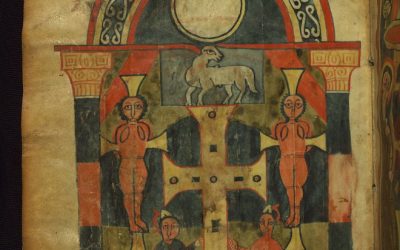
- Religious art, especially within Ethiopian Orthodox and Eritrean Orthodox Christianity, features colorful frescoes and illuminated manuscripts that have been preserved over centuries.
- Handwoven textiles, such as the Ethiopian gabi and Eritrean wist, are significant cultural symbols used in everyday life and ceremonies.
Music and Dance
- Ethiopian music encompasses diverse genres like Ethiopian jazz, traditional folk tunes, and Christian hymns, characterized by unique scales and rhythms.
- Eritrean music similarly blends indigenous melodies with Arabic and Italian influences, often performed with traditional instruments like the krar and the masenqo.
- Dance performances, such as the Eskista in Ethiopia, involve dynamic shoulder movements and are integral to cultural celebrations.
Cultural Celebrations
- Timket, the Ethiopian Epiphany, is a major religious festival celebrating the baptism of Jesus, marked by colorful processions and church ceremonies.
- Meskel, another significant holiday, commemorates the discovery of the True Cross and features the burning of a large bonfire called the Demera.
- Independence Day celebrations in Eritrea showcase traditional music, dance, and community gatherings that highlight national pride and unity.
International Relations and Regional Influence
International relations and regional influence play a crucial role in shaping the political and economic dynamics of neighboring countries. In the context of Ethiopia and Eritrea, these relationships have significantly impacted their development, stability, and cooperation. Understanding the interactions between these nations offers insight into the broader regional geopolitics and the efforts towards peace and collaboration in the Horn of Africa.
Diplomatic Relations with Neighboring Countries
In the realm of international relations, Ethiopia and Eritrea have experienced a complex and evolving diplomatic relationship that has significantly impacted regional stability. Historically, tensions and conflicts marked their interactions, particularly over border disputes and political disagreements. However, recent efforts toward reconciliation have fostered renewed diplomatic engagement, promoting peace and cooperation within the Horn of Africa. Establishing strong diplomatic ties with neighboring countries is crucial for Ethiopia and Eritrea to enhance regional security, economic development, and political stability. Continued dialogue and joint initiatives are essential for building trust and promoting mutual understanding among these nations, ultimately contributing to a more stable and prosperous region.
Role in Regional Organizations
In the context of international relations, Ethiopia and Eritrea play significant roles within their region, influencing regional stability and diplomatic dynamics through their participation in multiple organizations. Their historical and ongoing interactions often shape the geopolitical landscape of the Horn of Africa, emphasizing the importance of regional cooperation and strategic alliances.
Ethiopia, as one of the most populous and influential countries in East Africa, actively participates in regional organizations to promote economic development, stability, and regional integration. Eritrea, with its strategic coastline along the Red Sea, also seeks to leverage regional partnerships to bolster its security and economic interests.
- African Union (AU): Both Ethiopia and Eritrea are members, engaging in efforts to promote peace, security, and development within Africa. Ethiopia notably hosts the AU headquarters in Addis Ababa, underscoring its leadership role.
- Intergovernmental Authority on Development (IGAD): Ethiopia is a founding member of IGAD, which aims to foster cooperation on issues such as peace, drought resilience, and regional trade, with Eritrea having rejoined in recent years after a period of suspension.
- United Nations: Both countries participate in UN initiatives, often collaborating on peacekeeping missions and humanitarian efforts across the region.
- East African Community (EAC): While Ethiopia is an observer and partner in regional integration, Eritrea continues to seek closer ties, aiming to join or strengthen affiliations with East African economic communities.
Border Agreements and Disputes
Ethiopia and Eritrea have a complex history shaped significantly by their international relations and regional influence. The two countries share a long border that has been the source of both conflict and negotiations, with border disputes notably leading to the Eritrean-Ethiopian War from 1998 to 2000. Post-war agreements, including the 2018 Algiers Peace Agreement, aimed to resolve these disputes and foster stability in the region. Ethiopia’s growing regional influence, driven by economic development and diplomatic initiatives, influences its interactions with neighboring countries and international partners. Eritrea, under its unique political regime, seeks to assert sovereignty and regional presence, often through strategic alliances and infrastructural projects like the Red Sea corridor. Ongoing border disputes and peace efforts remain critical to fostering lasting stability and regional cooperation in the Horn of Africa.
Challenges and Opportunities
Understanding the challenges and opportunities in language within the context of Ethiopia and Eritrea reveals a rich tapestry of cultural diversity and complex communication dynamics. Both nations boast numerous indigenous languages that reflect their unique histories and identities, yet these linguistic differences also pose obstacles in education, governance, and social cohesion. Despite these challenges, there are significant opportunities to promote national unity, preserve cultural heritage, and foster regional collaboration through language development and multilingual policies.
Economic Development and Poverty Alleviation
Among the key challenges faced by Ethiopia and Eritrea are economic disparities, political instability, and limited access to infrastructure, which hinder sustainable development and poverty reduction. Despite these obstacles, both nations have significant opportunities to harness their abundant natural resources, strategic geographic locations, and youthful populations to accelerate economic growth. Investments in agriculture, industry, and technology can create jobs and improve living standards. Collaborative efforts and regional integration also present avenues for stability and shared prosperity. Addressing poverty requires inclusive policies that ensure equitable distribution of wealth and access to education, healthcare, and infrastructure, ultimately fostering long-term economic development and social cohesion in Ethiopia and Eritrea.
Environmental Preservation and Climate Change
Both Ethiopia and Eritrea face significant challenges and opportunities concerning environmental preservation and climate change. Rapid population growth and economic development have increased pressure on natural resources, leading to deforestation, soil erosion, and water scarcity. These environmental issues threaten agricultural productivity and biodiversity, which are vital for the region’s livelihoods. However, these countries also have opportunities to implement sustainable practices, harness renewable energy sources such as hydroelectric power, and adopt innovative conservation strategies.
Ethiopia, with its vast water resources and potential for clean energy, has the opportunity to become a regional leader in renewable energy production, reducing reliance on fossil fuels and decreasing carbon emissions. Eritrea’s efforts to conserve its coastal and marine environments can enhance sustainable fishery practices and protect biodiversity. Both nations can improve climate resilience by investing in climate-smart agriculture, reforestation projects, and community-based conservation initiatives. Addressing these challenges requires regional cooperation and a commitment to sustainable development that balances economic growth with environmental preservation.
Peacebuilding and Conflict Resolution
The ongoing relationship between Ethiopia and Eritrea presents both significant challenges and opportunities for peacebuilding and conflict resolution. Historically, border disputes, political tensions, and conflicts have hindered regional stability, impacting millions of lives. However, recent peace initiatives and diplomatic negotiations offer a promising pathway toward reconciliation and cooperation. These efforts can foster improved economic ties, social integration, and regional stability, turning past conflicts into opportunities for growth. To achieve lasting peace, it is essential to address underlying issues such as border demarcation, political inclusivity, and economic development, while promoting dialogue and mutual understanding between the two nations.


0 Comments