
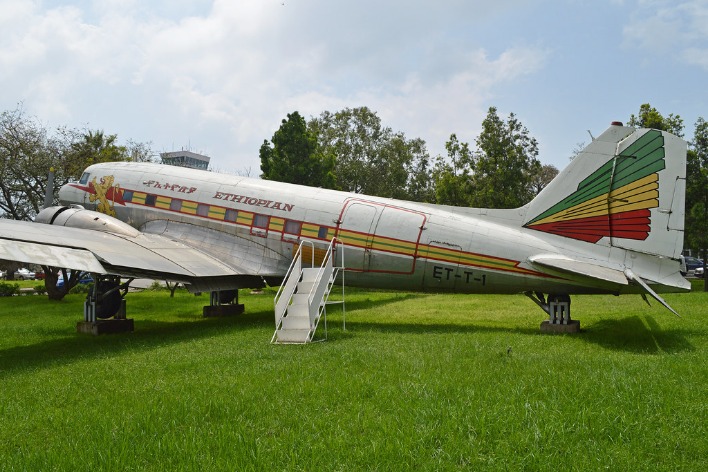
Overview of Addis Ababa Bole International Airport
Addis Ababa Bole International Airport is the primary gateway to Ethiopia and one of the busiest airports in Africa. Located in the capital city, this modern hub serves as a key transit point for travelers across Africa, Europe, the Middle East, and beyond. With its extensive facilities, ongoing expansions, and excellent airport services, Bole International Airport plays a vital role in enhancing Ethiopia’s connectivity and promoting international tourism and trade.
Location and Geography
Addis Ababa Bole International Airport is the primary international airport serving Ethiopia and is located in the capital city, Addis Ababa. Situated in the Bole area, the airport is approximately 3 kilometers southeast of the city center, making it easily accessible for travelers and cargo operations. The airport is strategically positioned within the Horn of Africa, functioning as a key hub connecting Africa with Middle Eastern, European, Asian, and North American destinations.
Geographically, Addis Ababa Bole International Airport sits at an elevation of about 2,469 meters (8,100 feet) above sea level, making it one of the highest airports in Africa. The airport features a large, modern terminal building with extensive runways suited for wide-body aircraft, reflecting Ethiopia’s growing role as an international transit point. Surrounded by urban development and situated on a relatively flat terrain, the airport benefits from its geographic location, facilitating efficient navigation and air traffic management. Its placement in Ethiopia’s highland region also influences weather patterns, which are carefully monitored to ensure safe flight operations.
Historical Development
Addis Ababa Bole International Airport is the primary international gateway to Ethiopia, serving as a vital hub for both domestic and international flights. Located in the capital city, Addis Ababa, it has grown significantly over the years to accommodate increasing passenger traffic and cargo operations. The airport’s strategic importance is underscored by its role in connecting Ethiopia to numerous global destinations, fostering trade, tourism, and economic growth.
The historical development of Addis Ababa Bole International Airport reflects Ethiopia’s expanding aerospace and transport infrastructure. The airport was originally established in the mid-20th century as a small aerodrome but has since undergone multiple expansions and modernizations. These developments include the construction of new terminals, runway extensions, and upgraded facilities to support larger aircraft and improve passenger experience. Today, it stands as one of the busiest airports in Africa, representing Ethiopia’s progress and aspiration on the international stage.
- The airport was officially inaugurated in 1961, serving as a strategic air link during the era of Pan-African and international aviation development.
- In the 1980s and 1990s, it experienced significant upgrades to enhance capacity and operational efficiency.
- Recent modernization efforts, including extensive terminal renovations completed in the 2010s, have increased passenger handling capacity and improved services.
- The airport now features a modern terminal, multiple runways, and state-of-the-art facilities to accommodate growing air traffic demands.
Significance in Ethiopian Aviation
Addis Ababa Bole International Airport is the primary gateway to Ethiopia and one of the busiest airports in Africa. Located in the capital city of Addis Ababa, it serves as a major hub for international and domestic flights, connecting Ethiopia to major cities across the globe. The airport features modern facilities, extensive passenger services, and a substantial cargo terminal, making it a critical infrastructure for the country’s transportation network.
The airport plays a vital role in Ethiopian aviation, supporting Ethiopian Airlines, one of Africa’s leading airlines with a growing global presence. As a strategic hub, it facilitates economic growth, tourism, and international trade, significantly contributing to Ethiopia’s development. Its strategic location also enhances connectivity within Africa and internationally, making it a crucial center for aviation activity in the region.
Facilities and Infrastructure
The facilities and infrastructure at Addis Ababa Airport play a crucial role in ensuring smooth and efficient air travel for passengers and cargo. As the gateway to Ethiopia and one of the busiest airports in Africa, it boasts modern terminals, extensive runways, and state-of-the-art facilities designed to meet international standards. Continuous development and upgrades aim to enhance connectivity, safety, and passenger experience, positioning Addis Ababa Airport as a vital hub in the region.
Terminals and Passenger Services
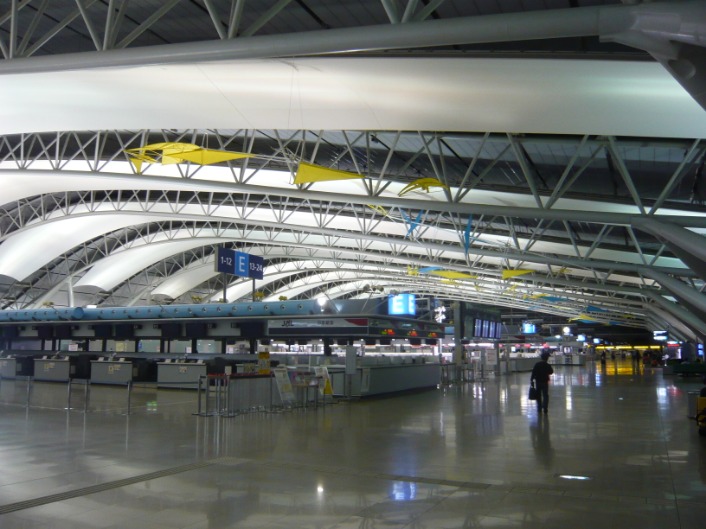
The Addis Ababa Bole International Airport is a major transportation hub in Ethiopia, featuring extensive facilities and infrastructure to accommodate both domestic and international travelers. Its modern terminals are equipped with advanced security systems, comfortable waiting areas, and a variety of shops and restaurants to enhance passenger experience. The airport provides efficient passenger services including check-in counters, baggage handling, VIP lounges, and assistance for travelers with special needs. Additionally, the airport’s infrastructure supports seamless connectivity, with well-maintained runways, taxiways, and ground services that ensure smooth operations and rapid turnaround times for flights.
Runways and Taxiways
Facilities and infrastructure at Addis Ababa Bole International Airport are designed to support efficient air travel and passenger comfort. The airport features modern terminal buildings equipped with advanced security, baggage handling, and passenger services to accommodate millions of travelers annually. It also includes various amenities such as lounges, shops, and restaurants to enhance the passenger experience.
The runways at Addis Ababa Airport are constructed to meet international standards, facilitating the handling of large aircraft like the Boeing 787 and Airbus A350. The main runway is asphalt-paved, measuring approximately 4,200 meters in length, enabling the airport to handle long-haul international flights. Additionally, multiple taxiways are strategically positioned to connect the runways with terminal facilities and parking areas, allowing for smooth aircraft movements and quick turnaround times.
Cargo and Freight Facilities
The Addis Ababa Bole International Airport is equipped with extensive facilities and infrastructure to support efficient cargo and freight operations, making it a vital hub in Africa for both passenger and freight services.
- Modern cargo terminals with advanced refrigeration and storage facilities for perishable and valuable goods.
- Dedicated freight handling areas designed for quick turnaround and secure processing of international shipments.
- State-of-the-art logistics infrastructure, including customs clearance areas to facilitate smooth import and export procedures.
- Specialized equipment such as cargo scanners, forklifts, and container handling systems to streamline operations.
- Connectivity with major transportation networks, including road links for efficient distribution within Ethiopia and neighboring countries.
- Facilities for Dangerous Goods handling adhering to international safety standards.
- Administrative offices and administrative support services for cargo logistics management.
Passenger Amenities and Lounges
Ethiopia’s Addis Ababa Airport, also known as Addis Ababa Bole International Airport, boasts modern facilities and infrastructure designed to cater to the needs of travelers efficiently. The airport features multiple runways, advanced navigation systems, and well-developed terminal buildings to ensure smooth operations and safety. Passengers can enjoy a wide range of amenities including duty-free shops, restaurants, currency exchange services, and banking facilities, all aimed at enhancing the travel experience. Additionally, the airport offers comfortable lounges for both arriving and departing passengers, providing a relaxing environment with amenities such as Wi-Fi, refreshments, and comfortable seating. These facilities collectively make Addis Ababa Airport a key hub in Africa, offering world-class services to millions of travelers annually.
Transportation Links
Transportation links in Ethiopia, particularly around Addis Ababa, play a crucial role in connecting the city to both domestic and international destinations. As the capital and economic hub of the country, Addis Ababa boasts a well-developed transportation network that facilitates smooth movement for travelers and goods. The city’s primary gateway, Addis Ababa Bole International Airport, serves as a vital transit point, linking Ethiopia to numerous global cities and supporting the growth of trade and tourism.
Access to City Center

Transportation links and access to the city center are vital aspects of Ethiopia’s main gateway, Addis Ababa Bole International Airport. The airport is well-connected to the city through various transportation options, ensuring convenient movement for travelers and residents alike. A major road connecting the airport to the city center allows for easy taxi and shuttle services, reducing travel time. Additionally, the city has been developing public transportation systems such as modern bus services and proposed rail links to enhance connectivity. These infrastructure improvements aim to provide efficient, reliable, and affordable access to Addis Ababa’s vibrant urban core, supporting both economic growth and tourism development.
Public Transportation Options
Transportation links and public transportation options around Addis Ababa Bole International Airport are well-developed to facilitate smooth transit for travelers and commuters. The city offers a range of options including taxis, ride-sharing services, and shuttle buses that connect the airport to various parts of Addis Ababa. Additionally, the Ethiopian Railways has plans to enhance rail connectivity, improving access to and from the airport. Public buses also operate from nearby terminals, providing affordable transportation for passengers. The city’s infrastructure continues to improve, making travel to and from Addis Ababa Airport convenient and efficient for both local residents and international visitors.
Private and Taxi Services
Transportation links around Addis Ababa Airport are well-developed, providing travelers with convenient options to reach the city and surrounding regions. Private car services and taxis are readily available, offering flexible and comfortable transportation solutions for passengers arriving or departing from the airport. Many private companies operate with dedicated vehicles, allowing travelers to book in advance or hire upon arrival. Taxis are also abundant at the airport, with official taxi stands ensuring safety and reliable service. These transportation options connect passengers efficiently to central Addis Ababa, nearby towns, and other destinations, making travel seamless for visitors. Overall, the mix of private and taxi services enhances accessibility and ensures a smooth transit experience for all travelers at Ethiopia’s primary international gateway.
Operations and Airlines
Operations and airlines play a vital role in ensuring smooth air travel and connectivity, especially at busy international hubs like Addis Ababa Bole International Airport. This airport serves as a key gateway for Ethiopia and the surrounding region, supporting various airlines and complex logistical operations. Efficient management and coordination among airlines and airport authorities are essential to provide travelers with seamless journeys and boost economic growth.
Major Airlines Operating at the Airport
Addis Ababa Bole International Airport is a major hub in Ethiopia, serving as the primary gateway for international and domestic flights. It is operated by the Ethiopian Airports Authority and plays a vital role in connecting Ethiopia to the world. The airport is equipped to handle a large volume of passengers and cargo, supporting Ethiopia’s growing economy and tourism industry.
Several major airlines operate at Addis Ababa Airport, offering both regional and long-haul services. These airlines include:
- Ethiopian Airlines
- Kenya Airways
- Emirates
- Qatar Airways
- Turkish Airlines
- EgyptAir
Operations at the airport are seamless, with facilities designed to facilitate efficient passenger movement and cargo handling. Ethiopian Airlines, being the flagship carrier, provides extensive connections across Africa, Asia, Europe, and the Americas, making Addis Ababa a strategic hub in international aviation.
Flight Destinations
Addis Ababa Bole International Airport is the primary gateway for travelers flying to and from Ethiopia, serving as a major hub for both domestic and international flights. Managed by Ethiopian Airlines, one of Africa’s leading carriers, the airport offers extensive flight destinations across Africa, Europe, Asia, the Middle East, and the Americas. Ethiopian Airlines operates flights to major cities such as London, Dubai, Beijing, Mumbai, and Johannesburg, providing a wide network for passengers. The airport’s operations are focused on ensuring efficient passenger movement, state-of-the-art infrastructure, and excellent safety standards. With its strategic location and expanding routes, Addis Ababa Airport continues to strengthen Ethiopia’s connectivity globally, fostering tourism, trade, and economic growth in the region.
Air Traffic Statistics
Addis Ababa Bole International Airport is the primary aviation hub of Ethiopia, serving as a major gateway for both domestic and international flights. It is operated by Ethiopian Airports Enterprise and plays a critical role in connecting Ethiopia to the global economy. The airport handles millions of passengers annually, with a significant volume of air traffic related to passenger travel, cargo shipments, and airline operations.
In recent years, Air Traffic Statistics have shown a steady increase in passenger numbers, reflecting Ethiopia’s growing economy and expanding airline industry. Ethiopian Airlines, the national carrier, maintains a strong presence at the airport, ranking among Africa’s largest and most efficient airlines. The airport’s operations support numerous airlines that serve destinations across Africa, Europe, Asia, and the Middle East, contributing to increased connectivity and economic development.
The airport’s operations are complemented by extensive cargo facilities that facilitate the import and export of goods, including perishable items, pharmaceuticals, and other critical commodities. The air traffic control systems ensure smooth, safe, and efficient movement of aircraft, maintaining high safety standards universal in commercial aviation. Continuous upgrades and expansion projects aim to accommodate increasing traffic volumes, promising enhanced capacity and improved passenger experience at Addis Ababa Bole International Airport.
Expansion and Development Projects
Expansion and development projects at Addis Ababa Airport are pivotal in transforming Ethiopia into a major hub for international travel and commerce. These initiatives aim to enhance infrastructure, increase capacity, and improve passenger experience, positioning the airport as a key gateway in Africa. As Ethiopia continues to grow economically and diplomatically, its airport expansion projects reflect its commitment to modernity and global connectivity.
Current Expansion Plans
The expansion and development projects at Addis Ababa Bole International Airport are aimed at enhancing capacity, improving infrastructure, and supporting Ethiopia’s growing air travel demand. The current expansion plans include the construction of a new terminal building that will significantly increase passenger handling capacity and provide modern amenities. Additionally, runway upgrades and expansion are underway to accommodate larger aircraft and reduce congestion. The project also involves upgrading existing facilities, implementing advanced security systems, and improving transportation links around the airport. These developments are part of Ethiopia’s broader strategy to position Addis Ababa as a major hub for international air travel in Africa, supporting economic growth and tourism in the region.
Future Infrastructure Enhancements
The expansion and development projects at Addis Ababa Bole International Airport are poised to significantly enhance Ethiopia’s connectivity and support its growing economic landscape. Ongoing infrastructure upgrades include the construction of new runways, expanded terminals, and advanced baggage handling systems to accommodate increasing passenger and cargo volumes. Future infrastructure enhancements aim to introduce modern technology-driven facilities, streamline border control processes, and improve overall airport efficiency. These initiatives are part of Ethiopia’s broader vision to position Addis Ababa as a major regional aviation hub, fostering economic growth, tourism, and international trade. Through strategic investments in infrastructure development, the airport is set to meet future demands and boost Ethiopia’s status on the global aviation map.
Impact on Regional Connectivity
The expansion and development projects at Addis Ababa Bole International Airport have significantly enhanced Ethiopia’s regional connectivity, facilitating easier and faster transportation links within East Africa and beyond. These projects aim to accommodate the growing number of passengers and cargo, ensuring the airport remains a vital hub for international and domestic flights, thereby boosting economic growth and regional integration.
- Improved Infrastructure: New runways, terminals, and upgraded facilities have increased the airport’s capacity, supporting more flights and passengers daily.
- Enhanced Connectivity: Expansion projects have integrated Addis Ababa more effectively with neighboring countries, promoting trade, tourism, and business travel.
- Regional Hub Potential: By upgrading its facilities, Ethiopia positions Addis Ababa as a key airline hub in Africa, attracting more airlines and routes.
- Economic Impact: Better connectivity has attracted investment, increased export potential, and created employment opportunities in the region.
- Facilitation of Cargo Transport: Development projects have expanded cargo handling capabilities, supporting Ethiopia’s export industries such as coffee, flowers, and textiles.
Security and Safety Measures
Security and safety measures are essential to ensure the protection of travelers, staff, and infrastructure at Addis Ababa Bole International Airport. Implementing comprehensive protocols helps prevent incidents, enhances efficient operations, and fosters a secure environment for all who pass through the airport. In Ethiopia’s busiest airport, strict security procedures and safety protocols are prioritized to maintain high standards of safety and customer confidence.
Security Protocols and Measures
The Addis Ababa Bole International Airport in Ethiopia implements comprehensive security and safety measures to ensure the protection of passengers, staff, and infrastructure. These protocols include strict screening procedures, baggage inspection, and access control to restricted areas. Surveillance systems, such as CCTV cameras, are strategically placed throughout the airport to monitor activities continuously and detect suspicious behavior promptly.
Security personnel are well-trained to handle various security threats and emergencies, including fire safety, medical incidents, and potential terrorist activities. The airport also collaborates with national and international security agencies to stay updated on emerging threats and enhance overall safety protocols.
Moreover, safety measures extend to infrastructure maintenance, regular safety drills, and adherence to international standards set by aviation authorities. These efforts collectively help maintain a secure environment, facilitating smooth and safe operations at Ethiopia’s principal international gateway.
Emergency Response and Safety Procedures
At Addis Ababa Bole International Airport in Ethiopia, comprehensive security and safety measures are in place to ensure the protection of all travelers, staff, and infrastructure. These include advanced surveillance systems, strict passenger screening procedures, and security personnel trained to handle various threats effectively. Emergency response protocols are regularly updated and rigorously practiced to ensure swift action during incidents such as fire, medical emergencies, or security threats. Safety procedures emphasize maintaining a secure environment through controlled access points, baggage screening, and continuous monitoring of airport facilities. Additionally, cooperation with local law enforcement and international agencies enhances the airport’s ability to respond efficiently to any unforeseen events, ensuring the safety and confidence of all airport users.
Economic and Cultural Impact
The Addis Ababa Airport serves as a vital hub for Ethiopia, significantly influencing both the country’s economy and cultural exchange. Its strategic location and modern infrastructure facilitate international trade, tourism, and connectivity, fostering economic growth. Additionally, the airport plays a crucial role in promoting Ethiopia’s diverse cultural heritage by connecting people from around the world and showcasing its rich traditions and history. Overall, the airport’s development has a profound impact on Ethiopia’s social and economic landscape.
Role in Ethiopia’s Economy
The Addis Ababa Bole International Airport plays a vital role in Ethiopia’s economic and cultural development. As the country’s primary international gateway, it facilitates significant passenger and cargo traffic, contributing to Ethiopia’s integration into global markets.
- Enhances trade: The airport serves as a hub for importing and exporting goods, boosting Ethiopia’s economy through increased commerce and industrial growth.
- Supports tourism: By attracting international visitors, it promotes Ethiopia’s rich cultural heritage and natural attractions, generating revenue and job opportunities.
- Creates employment: The airport’s operations generate thousands of jobs, from airline staff to retail and hospitality services, fostering economic stability.
- Facilitates connectivity: It links Ethiopia with major international destinations, fostering cultural exchange and diplomatic relations.
- Encourages foreign investment: The improved infrastructure and connectivity attract foreign direct investment, contributing to long-term economic growth.
Contribution to Tourism
The Addis Ababa Bole International Airport serves as a vital hub for Ethiopia, significantly impacting both the country’s economy and cultural landscape. Its strategic location enhances Ethiopia’s connectivity, promoting increased international trade and investment, which in turn stimulates economic growth. The airport’s expanding infrastructure creates numerous jobs and opportunities for local businesses, contributing to the regional development.
Moreover, as a major gateway to Africa, the airport fosters cultural exchange by facilitating travel for tourists, business travelers, and diaspora communities. It helps showcase Ethiopia’s rich heritage, history, and diverse cultures to the world, encouraging cultural tourism. This influx of visitors boosts local tourism industries such as hospitality, transportation, and entertainment, making the airport a pivotal element in Ethiopia’s economic and cultural expansion.
Promotion of Ethiopian Culture
The Ethiopia Airport in Addis Ababa plays a significant role in boosting both the economic and cultural landscape of the country. As a major hub for international flights, it facilitates increased trade, tourism, and foreign investment, thereby contributing to Ethiopia’s economic growth. Additionally, the airport serves as a gateway for showcasing Ethiopian culture to the world, with architectural elements, art, and organized events reflecting the country’s rich heritage. This exposure helps promote Ethiopian traditions, language, music, and cuisine globally, fostering a sense of national pride and cultural identity. Overall, the airport not only enhances Ethiopia’s connectivity but also acts as a cultural ambassador, strengthening Ethiopia’s presence on the international stage.




0 Comments