
Geography and Climate of Egypt
Egypt is a country distinguished by its unique geography and climate, which have significantly shaped its history and way of life. Located in the northeastern corner of Africa, Egypt is largely dominated by the vast Sahara Desert and the fertile Nile River Valley. Its climate is predominantly hot and dry, with scorching summers and mild winters, creating an environment that has influenced everything from agriculture to daily routines. Understanding Egypt’s geographical features and climate is essential to appreciating the country’s cultural and environmental landscape.
Location and Landscape
Egypt, located in northeastern Africa, is a country renowned for its rich history and diverse landscapes. It is bordered by the Mediterranean Sea to the north, Libya to the west, Sudan to the south, and Israel and the Gaza Strip to the east. The country’s geography is predominantly dominated by the vast Sahara Desert and the Nile River, which flows through the center, creating a fertile valley amid arid surroundings. The Nile Delta in the north facilitates lush agricultural land, contrasting sharply with the surrounding desert regions.
Egypt’s climate is characterized as mostly desert, with hot, dry summers and mild winters. The coastal areas experience a Mediterranean climate with milder temperatures and more humidity, while inland regions face more extreme heat during the summer months. Sandstorms and droughts can be common, especially in the desert areas, but the Nile Valley’s irrigation allows for the cultivation of crops and sustained settlements. Overall, Egypt’s landscape and climate have historically shaped its development, culture, and way of life, making it a unique blend of natural beauty and historical significance.
Climate Zones and Weather Patterns
Egypt is a country located in northeastern Africa, known for its diverse geography and distinct climate zones. The geography ranges from the vast expanse of the Sahara Desert in the west to the fertile Nile Valley and Delta in the east. The Nile River is the primary water source, supporting agriculture and human settlements along its course. The country also features mountain ranges such as the Eastern and Western Deserts, contributing to its varied landscape.
The climate of Egypt is primarily characterized as desert climate, with hot, dry summers and mild winters. In the Nile Valley and Delta, temperatures during summer can soar above 40°C (104°F), while winter temperatures are more moderate, averaging around 10-20°C (50-68°F). The Western Desert is even more arid, experiencing extreme temperature fluctuations between day and night. The coastal areas along the Mediterranean Sea enjoy a Mediterranean climate, with milder, wetter winters and warm, dry summers. Overall, Egypt’s climate zones and weather patterns reflect its geographical diversity, with arid desert conditions dominating most of the country and more temperate climates along the northern coastlines.
Historical Overview of Egypt
Egypt, one of the world’s oldest civilizations, boasts a rich history that dates back to ancient times. From the mighty pharaohs and majestic pyramids to its influential role in regional and global affairs, Egypt’s historical journey is a testament to its enduring cultural and political significance. Over millennia, the country’s landscape has witnessed the rise and fall of powerful dynasties, shaping the society and heritage that continue to fascinate the world today.
Ancient Civilizations and Early Dynasties
Egypt, often referred to as the “Land of Pharaohs,” boasts one of the world’s oldest and most influential civilizations. Its history begins with the emergence of ancient cultures along the Nile River, where the fertile land supported the development of early communities. During the prehistoric period, small villages gradually grew into sophisticated societies that laid the foundation for the emergence of the Pharaonic civilization.
The ancient Egyptians are renowned for their remarkable achievements in architecture, writing, and art. The Early Dynastic Period (around 3100 BCE) marks the unification of Upper and Lower Egypt under one ruler, traditionally identified as Narmer or Menes. This era saw the beginnings of centralized authority and the establishment of Memphis as a political capital. The subsequent Old Kingdom, often called the “Age of the Pyramids,” witnessed the construction of iconic structures like the Great Pyramid of Giza, reflecting the advanced engineering and organizational skills of the Egyptians.
Throughout the Middle and New Kingdoms, Egypt experienced periods of expansion, stability, and cultural flourishing. The ancient civilization developed complex religious beliefs, hieroglyphic writing, and impressive tombs and temples dedicated to their gods. The early dynastic period set the cultural and political groundwork that would influence Egypt for millennia, making it a pivotal chapter in the history of early civilizations.
Pharaonic Era and Architectural Marvels
Egypt, often referred to as the cradle of civilization, boasts a rich historical legacy that dates back to ancient times. The Pharaonic era, spanning from around 3100 BC to 30 BC, marks the period when Egypt was governed by powerful pharaohs who oversaw remarkable developments in culture, religion, and governance. This era is renowned for its advances in writing, art, and monumental architecture, which have left an indelible mark on human history.
During the Pharaonic period, Egypt flourished as a center of innovation and religious devotion. The construction of iconic structures such as the Great Pyramid of Giza, built for Pharaoh Khufu, exemplifies the architectural ingenuity of the ancient Egyptians. These pyramids served as tombs and symbols of divine power, reflecting their religious beliefs about the afterlife. Alongside pyramids, impressive temples like Karnak and Luxor were constructed to honor gods and pharaohs, showcasing intricate carvings, massive columns, and majestic statues.
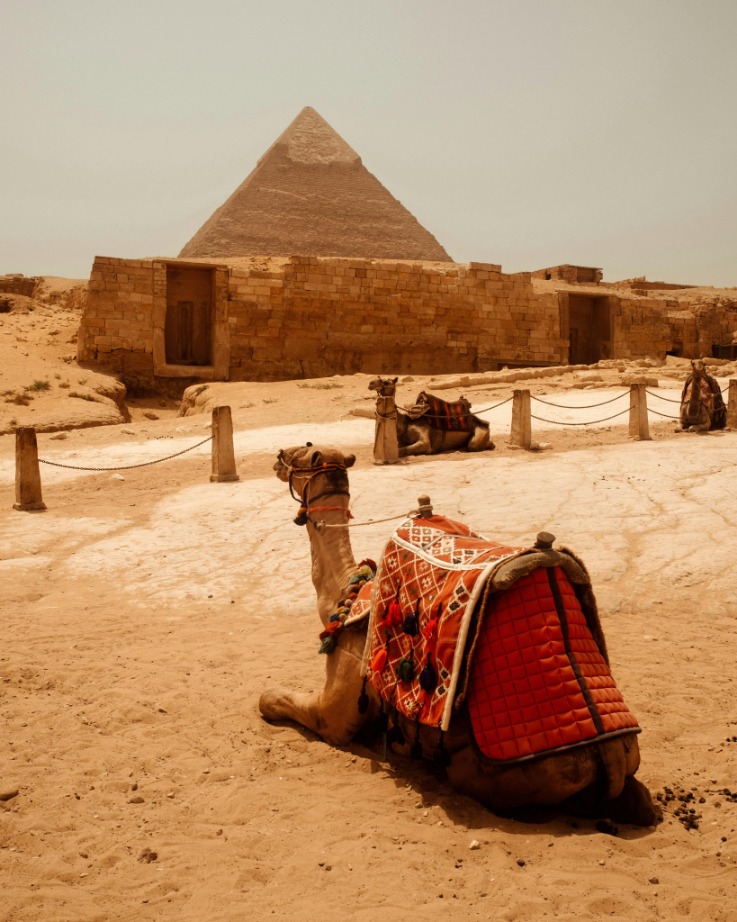
The architectural marvels of Egypt are testament to the civilization’s engineering prowess and artistic achievements. The Sphinx, with its enigmatic presence, stands as a symbol of ancient Egypt’s grandeur. The temples and tombs carved into rock cliffs, such as those at Abu Simbel, demonstrate the sophisticated knowledge of construction techniques. These structures not only served religious and funerary purposes but also demonstrated the Egyptians’ advanced understanding of architecture, astronomy, and artistry. Today, these marvels attract millions of visitors and continue to fascinate historians and archaeologists, offering a glimpse into Egypt’s illustrious past.
Islamic and Medieval Periods
Egypt’s history is a rich tapestry that spans thousands of years, marked by remarkable achievements in civilization, culture, and religion. The ancient period of Egypt saw the rise of one of the world’s earliest advanced societies, known for its impressive architectural feats like the pyramids, and a complex system of government centered around pharaohs who were regarded as divine rulers.
Following the decline of ancient Egypt, the Islamic period began with the Arab conquest in the 7th century, ushering in a new era characterized by the spread of Islam and Arabic culture. Cairo, founded in 969 AD, became a major center of learning, trade, and political power under the Fatimid Caliphate and later the Ayyubids and Mamluks. This period saw significant advancements in science, literature, and art, blending Islamic traditions with local customs.
During the Medieval Period, Egypt continued to be a vital region within the broader Islamic world. It became a crossroads of trade routes linking Africa, the Middle East, and Asia, contributing to its economic prosperity. The Mamluk Sultanate, prominent during this time, maintained stability and fostered a flourishing of arts and architecture, with the construction of stunning mosques and public buildings. This era laid the groundwork for subsequent Ottoman influence when Egypt became part of the Ottoman Empire in the 16th century, further shaping its historical trajectory.
Modern History and Independence
Egypt’s history is one of the most fascinating and influential narratives in human civilization, beginning with ancient pharaonic dynasties that built monumental structures such as the pyramids and Sphinx. The civilization thrived along the Nile River, developing advanced societal, religious, and cultural practices that continue to influence the world today. Throughout centuries, Egypt experienced various periods of foreign rule, including Persian, Greek, Roman, Byzantine, and Islamic dominance, each contributing to its rich cultural tapestry.
During the medieval period, Egypt became a vital center of Islamic culture and scholarship. The Mamluk Sultanate and later the Ottoman Empire controlled the region, further integrating Egypt into broader Islamic civilization. In the 19th century, Muhammad Ali Pasha transformed Egypt into a modern state with significant military, industrial, and educational reforms, laying groundwork for future developments.
The modern history of Egypt is marked by struggles for independence and national identity. The early 20th century saw widespread resistance against British occupation, culminating in the Egyptian Revolution of 1952. This revolution led to the abolition of the monarchy and the establishment of a republic led by the Free Officers Movement, with Gamal Abdel Nasser emerging as a prominent leader. Nasser’s era was characterized by land reforms, socialist policies, and efforts to reclaim sovereignty, including the nationalization of the Suez Canal in 1956.
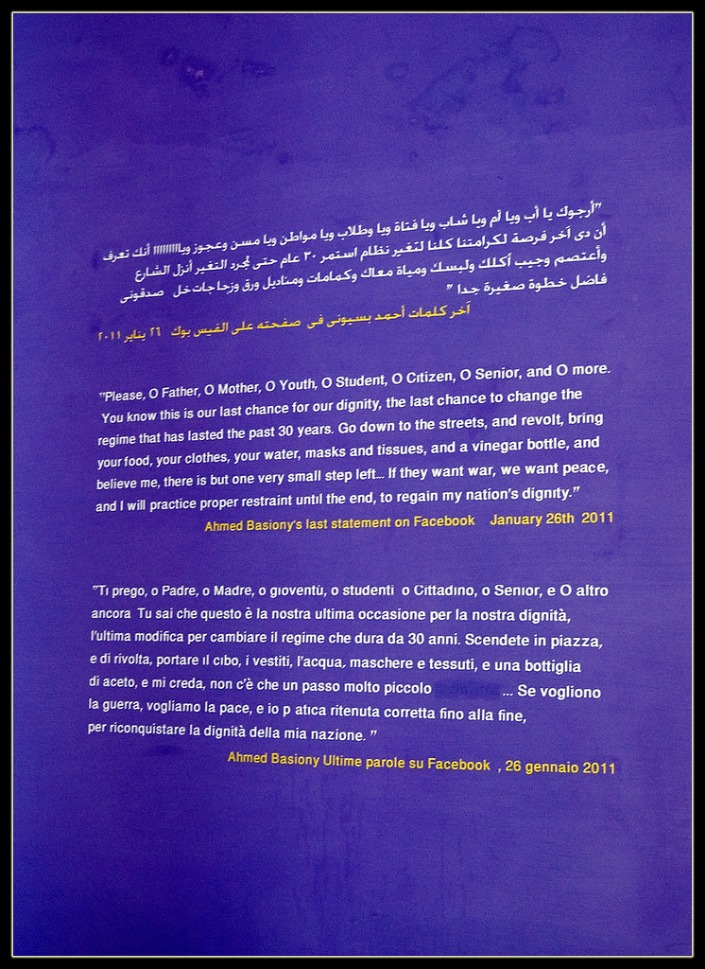
Egypt officially gained independence from British control in 1952, although full sovereignty took time to solidify due to lingering influence. The post-independence period saw attempts at modernization, political upheavals, and conflicts with neighboring countries, most notably the wars with Israel. The 1970s introduced markets reforms and peace treaties, while recent decades have been dominated by political transformation, including the Arab Spring protests in 2011, which led to significant changes in governance. Despite challenges, Egypt remains a key player in regional and global affairs, with a deep historical legacy shaping its path toward future development.
Major Cities and Urban Development
Egypt’s major cities are vibrant centers of culture, commerce, and history, reflecting centuries of urban development and growth. As the country continues to modernize, urban areas such as Cairo and Alexandria are experiencing significant advancements in infrastructure, housing, and public services. These developments play a crucial role in shaping Egypt’s economic landscape and improving the quality of life for its residents.
Cairo: The Capital and Metropolis
Cairo, the capital city of Egypt, stands as a vibrant metropolis that embodies the rich history and dynamic growth of the nation. As one of the largest cities in Africa and the Middle East, Cairo serves as the political, economic, and cultural hub of Egypt, attracting millions of residents and visitors alike.
Throughout history, Cairo has evolved from a small Islamic city into an expansive urban center. Its development has been shaped by a desire to accommodate a rapidly growing population, leading to extensive urban planning and infrastructure projects. Modern Cairo features a mix of ancient landmarks, such as the Pyramids of Giza and the Egyptian Museum, alongside contemporary skyscrapers and residential districts.
Urban development in Cairo faces numerous challenges, including congestion, pollution, and uneven distribution of resources. Efforts are underway to improve transportation networks, develop sustainable housing, and enhance public services to support the city’s expanding population. Initiatives like new administrative and economic zones aim to boost growth and modernize the city’s infrastructure.
Despite these challenges, Cairo continues to be a symbol of Egypt’s resilience and potential. The city’s vibrant markets, historic sites, and diverse communities contribute to its unique character, making it a focal point for cultural exchange and economic development in the region.
Alexandria: The Naval Port City
Alexandria, often referred to as Egypt’s naval port city, is a major hub of urban development and strategic importance. Located on the Mediterranean coast, it has a rich history dating back to antiquity, serving as a center of trade, culture, and maritime activity. In recent years, Alexandria has experienced significant urban growth driven by infrastructure projects, modernization efforts, and increased economic activities, especially in shipping and tourism sectors.
The city’s development has been marked by the expansion of its port facilities, improved transportation networks, and new residential and commercial districts. These efforts aim to accommodate a growing population and boost Egypt’s connectivity with global markets. Alexandria’s urban landscape blends historic sites with contemporary architecture, reflecting its importance as both a historic city and a modern urban center.
Urban development initiatives in Alexandria focus on sustainable growth and enhancing the quality of life for residents. Projects include upgrading public spaces, expanding healthcare and educational services, and fostering industries to diversify the economy. As Egypt’s second-largest city, Alexandria continues to play a vital role in the country’s overall development and integration into the global economy.
Other Significant Cities
Egypt’s major cities and urban development play a vital role in shaping the country’s economic and cultural landscape. Cairo, the capital city, is the largest urban area in Egypt, serving as a political, economic, and cultural hub with a rapidly growing population and ongoing modernization projects. Alexandria, situated along the Mediterranean coast, combines historical significance with modern urban planning, making it a key port city and cultural center. Other significant cities include Giza, known for the iconic pyramids, and Luxor, famous for its ancient temples and historical sites. Urban development in Egypt focuses on improving infrastructure, expanding transportation networks, and creating sustainable living environments to accommodate the increasing population and promote economic growth.
Cultural Heritage and Traditions
Cultural heritage and traditions are vital elements that preserve the identity and history of a nation’s people. In Egypt, these rich customs reflect a timeless connection to ancient civilizations, blending ancient practices with modern influences. Exploring Egypt’s cultural heritage offers a glimpse into its unique traditions, vibrant festivals, and enduring artistry that continue to shape its society today.
Language, Religion, and Social Norms
Egypt boasts a rich cultural heritage that spans thousands of years, reflecting a blend of ancient traditions and modern influences. Its traditions are deeply rooted in its history, with practices that have been preserved and passed down through generations, including music, dance, festivals, and culinary customs that showcase the country’s unique identity. The Arabic language is the primary means of communication, serving as a vital aspect of Egyptian culture and a conduit for preserving its historical and literary heritage. Religion plays a prominent role in daily life, with Islam being the dominant faith, influencing various aspects of social customs, celebrations, and community life. Social norms in Egypt emphasize hospitality, respect for elders, and strong family bonds, shaping interactions and societal expectations. Together, these elements create a vibrant cultural tapestry that continues to define Egypt’s identity in the modern world.
Festivals and Celebrations
Egypt GO is renowned for its rich cultural heritage, vibrant traditions, and lively festivals that reflect its historical significance and diverse society. The historical landmarks such as the Pyramids of Giza, the Sphinx, and ancient temples showcase Egypt’s storied past and are often central to cultural celebrations. Traditional music, dance, and folklore play vital roles in preserving the country’s identity, with instruments like the oud and darbuka commonly featured in performances.
Festivals and celebrations in Egypt are deeply rooted in religious and historical traditions. Eid al-Fitr and Eid al-Adha are widely observed, marked by communal prayers, feasts, and charity. The Islamic lunar calendar influences many cultural events, including the Mawlid, celebrating the Prophet Muhammad’s birth, with processions and public gatherings. Coptic Christian festivals, like Christmas and Easter, are also significant, featuring church services, processions, and special foods.
Additionally, Egypt hosts a variety of local festivals that showcase its regional diversity. The Arabic Music Arts Festival and Cairo International Film Festival highlight Egypt’s artistic achievements, attracting visitors from around the world. Traditional souks and markets often serve as venues for lively celebrations, where people enjoy traditional foods, crafts, and performances. Overall, Egypt’s cultural heritage is a vibrant tapestry woven through its festivals, rituals, and daily customs, celebrating its enduring history and cultural diversity.
Traditional Cuisine
Egypt is a country rich in cultural heritage and traditions that have been preserved for thousands of years. Its ancient history is reflected in iconic landmarks such as the Pyramids of Giza and the Sphinx, which continue to attract visitors from around the world. The customs and practices of Egyptian society, from traditional music and dance to festivals and ceremonies, showcase a deep connection to their history and identity.
Traditional Egyptian cuisine offers a delicious glimpse into its cultural roots. Dishes like koshari, a hearty mixture of rice, lentils, pasta, and a spiced tomato sauce, are beloved staples. Ful medames, made from fava beans, is a popular breakfast item enjoyed nationwide. Other flavorful specialties include molokhia, a leafy green stew, and stuffed vegetables called mahshi. Egyptian cuisine often features aromatic spices, herbs, and bread, emphasizing communal dining and hospitality that are central to the country’s social fabric.
Music, Dance, and Arts
Egypt is a country rich in cultural heritage and vibrant traditions that have been preserved and celebrated for thousands of years. Its history is reflected in numerous ancient monuments, museums, and cultural practices that continue to intrigue and inspire both locals and visitors. Music, dance, and arts play a vital role in expressing Egypt’s unique cultural identity, blending ancient influences with modern expressions.
Egyptian music encompasses a diverse array of genres, from traditional folk tunes to contemporary pop and electronic music. Instruments like the oud, qanun, and darbuka are central to Egyptian musical performances, creating rhythms and melodies that have captivated audiences for generations. Traditional music often accompanies celebrations, religious ceremonies, and social gatherings, serving as a vital thread in the fabric of Egyptian life.
Dance is another essential aspect of Egypt’s cultural expression, with belly dance being one of the most renowned art forms. This expressive dance combines intricate movements and vibrant costumes, showcasing Egypt’s rich history of performance arts. Folk dances from various regions also depict local stories, customs, and festivities, fostering a strong sense of community and cultural pride.
Egyptian arts range from ancient hieroglyphic carvings and sculptures to contemporary visual arts and crafts. Architecture, calligraphy, and jewelry design are deeply rooted in Egypt’s history, while modern artists continue to explore new mediums and themes. Handicrafts such as papyrus art, pottery, and textiles preserve traditional techniques and storytelling, ensuring Egypt’s artistic heritage remains alive and relevant.
Economy and Industries
Egypt’s economy is a dynamic and diverse system that plays a vital role in the country’s development. The nation boasts a mix of traditional industries such as agriculture and textiles, alongside expanding sectors like tourism, manufacturing, and services. Key industries driving Egypt’s economic growth contribute to its strategic position in the Middle East and Africa, making it a significant player in regional stability and commerce.
Agriculture and Water Resources
Egypt’s economy is a diverse mix of industries, agriculture, and water resources that play a vital role in its development and stability. The country has historically relied on agriculture along the Nile River, which sustains a significant portion of the population and remains a key sector in its economy.
- Agriculture: Egypt’s agriculture sector primarily depends on the Nile River for irrigation. Major crops include cotton, rice, wheat, corn, and fruits. Despite modernization efforts, water scarcity continues to challenge farmers and impact productivity.
- Industries: The manufacturing industry in Egypt covers textiles, food processing, chemicals, cement, and steel. The country is also expanding its oil and natural gas sectors, attracting investments to boost industrial growth.
- Water Resources: The Nile River is Egypt’s main water source, supporting agriculture, industry, and domestic use. Extensive water management projects are ongoing to address water scarcity, including irrigation improvements and water conservation initiatives.
Overall, sustainable management of water resources and modernization of agricultural and industrial sectors are crucial for Egypt’s economic future and resilience.
Tourism: Ancient Monuments and Natural Attractions
Egypt is renowned for its rich history and diverse natural landscapes, making it a unique destination for travelers interested in both ancient monuments and scenic attractions. The country’s economy benefits significantly from the tourism sector, which is fueled by its iconic archaeological sites and picturesque natural scenery.
Ancient monuments such as the Great Pyramids of Giza, the Sphinx, and the temples of Luxor and Karnak attract millions of visitors each year. These sites not only symbolize Egypt’s illustrious past but also serve as a vital component of the national economy through tourism revenue. Preservation and promotion of these historic landmarks continue to play a central role in Egypt’s cultural identity and economic development.
In addition to its archaeological treasures, Egypt boasts stunning natural attractions like the Nile River, the Red Sea coast, and the Sahara Desert. These natural sites offer opportunities for activities such as sailing, diving, desert safaris, and eco-tourism, further diversifying the tourism industry and boosting local economies.
The tourism sector’s growth has a ripple effect on various industries, including hospitality, transportation, and retail, contributing significantly to Egypt’s overall economic stability. Sustainable management of these ancient and natural assets is essential to ensure long-term prosperity and continued global interest in Egypt as a premier travel destination.
Manufacturing and Sectors
Egypt’s economy is a diverse mix of industries that play a vital role in the country’s development and growth. The manufacturing sector is a cornerstone of the economy, generating employment and producing a wide range of goods including textiles, chemicals, food products, and electronics. These industries are supported by significant investments aimed at modernizing infrastructure and increasing industrial output.
The agricultural sector remains important, providing employment for a large portion of the population and contributing to food security. Egypt is known for its production of cotton, sugarcane, rice, and fruits, leveraging its fertile Nile Delta region. Additionally, the oil and natural gas industries are crucial for Egypt’s energy needs and export revenues, with ongoing efforts to explore renewable energy sources like solar and wind power to diversify the energy mix.
The services sector, particularly tourism, finance, and telecommunications, also plays a significant role in the economy. Tourism revolves around Egypt’s rich historical and cultural heritage, attracting millions of visitors annually. Financial services continue to expand, supported by banking reforms and digital transformation, which facilitate trade and investment. Overall, Egypt’s economy is evolving, with strategic initiatives aimed at boosting industrial growth and diversifying sectors to ensure sustainable development.
Emerging Sectors and Investments
Egypt’s economy is experiencing dynamic growth, driven by strategic investments and the development of emerging sectors. The country has identified key industries such as tourism, construction, renewable energy, and information technology as vital to its economic expansion. Investment in infrastructure projects, including the New Administrative Capital and extensive transportation networks, aims to boost productivity and attract foreign direct investment.
Emerging sectors in Egypt are showing promising potential. The renewable energy sector, particularly solar and wind, benefits from abundant natural resources and government incentives to reduce reliance on fossil fuels. The technology industry is also gaining momentum, with a focus on digital transformation, fintech, and e-commerce, supported by a youthful and increasingly connected population.
Foreign and domestic investments are vital for sustaining Egypt’s economic growth. Initiatives like the Suez Canal expansion and special economic zones are designed to foster industrial development and export capabilities. Efforts to improve business regulations and infrastructure are aimed at creating a more conducive environment for investors, encouraging innovative startups, and promoting economic resilience in the face of global challenges.
Natural Wonders and Tourist Destinations
Egypt is a captivating country renowned for its extraordinary natural wonders and historic tourist destinations. From the majestic Nile River to the stunning deserts and vibrant cities, Egypt offers a diverse array of sights that attract travelers from around the world. Visitors can explore ancient monuments, enjoy breathtaking landscapes, and immerse themselves in a rich cultural heritage that spans millennia.
Valley of the Queens and Pyramids of Giza
Egypt is renowned for its extraordinary natural wonders and historic tourist destinations that attract travelers from around the world. Among these, the Valley of the Queens and the Pyramids of Giza stand out as iconic symbols of Egypt’s rich ancient heritage.
The Valley of the Queens, located on the west bank of the Nile near Luxor, served as the burial site for the wives and children of Pharaohs during the New Kingdom. This archaeological site is famous for its elaborately decorated tombs and stunning wall carvings that depict scenes from ancient Egyptian mythology and daily life. Visitors can explore these tombs to gain insight into the burial practices and artistic achievements of one of Egypt’s most fascinating eras.
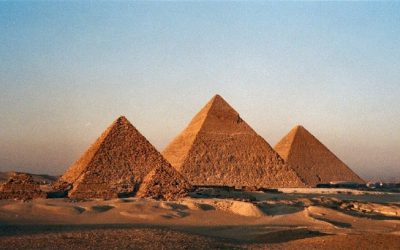
The Pyramids of Giza, situated on the outskirts of Cairo, are arguably the most recognizable monuments of ancient Egypt. The Great Pyramid of Khufu, along with the pyramids of Khafre and Menkaure, form a mesmerizing complex that exemplifies ancient Egyptian engineering prowess. The Great Sphinx, a colossal limestone statue with a lion’s body and a human head, guards the site and adds to its mystique. These monuments continue to captivate tourists and historians alike, standing as timeless symbols of Egypt’s grandeur and ingenuity.
Together, the Valley of the Queens and the Pyramids of Giza offer a captivating glimpse into Egypt’s historical grandeur, making Egypt a must-visit destination for those interested in ancient civilizations and natural wonders.
Luxor and Ancient Thebes
Egypt is renowned for its incredible natural wonders and historical treasures, making it a prime destination for travelers seeking both adventure and cultural immersion. Among its many highlights, Luxor stands out as a city rich in ancient history and archaeological significance. Known as the “world’s greatest open-air museum,” Luxor is home to some of the most iconic monuments from ancient Thebes, the ancient capital of Egypt.
Historically, Luxor was the heart of ancient Thebes, a vibrant city that flourished during Egypt’s New Kingdom period. Today, visitors can explore the legendary temples of Karnak and Luxor, which showcase magnificent hieroglyphic carvings and massive statues. The Valley of the Kings, located on the west bank of the Nile, offers a glimpse into Egypt’s elaborate burial practices, with tombs of pharaohs such as Tutankhamun and Ramses the Great. Additionally, the nearby Temple of Hatshepsut and Colossi of Memnon provide further insight into Egypt’s architectural achievements and royal history.
Traveling to Luxor offers an immersive journey into the grandeur of ancient Egypt, making it an essential destination for history enthusiasts and curious explorers alike. Its combination of natural beauty along the Nile River and awe-inspiring archaeological sites make it a captivating part of Egypt’s diverse tourist landscape. Whether wandering through ancient ruins or enjoying the scenic river views, Luxor and the remnants of ancient Thebes continue to enchant visitors from around the world.
Aswan and the Nubian Region
Egypt is renowned for its stunning natural wonders and vibrant tourist destinations, among which Aswan and the Nubian Region stand out for their rich cultural heritage and breathtaking landscapes. Aswan, located on the banks of the Nile River, offers visitors a unique blend of natural beauty and historical significance, making it a must-visit site in Egypt.
The Nile River, the lifeline of Egypt, runs through Aswan, providing picturesque views and essential resources. The region is famous for the Aswan High Dam, a marvel of modern engineering that has transformed the local economy and agriculture. Nearby, Lake Nasser, one of the largest reservoirs in the world, offers tranquil waters and opportunities for boating and fishing.
The Nubian Region, encompassing parts of southern Egypt and northern Sudan, boasts a distinct cultural identity and vibrant traditions. Its colorful Nubian villages are renowned for their unique architecture, craftwork, and music. Visitors can explore ancient Nubian temples, such as the Temple of Philae, and marvel at the vivid, traditional dress and welcoming community spirit.
Natural wonders in the area include the desert landscapes, with picturesque sand dunes and rocky formations that create stunning scenery. The region’s hot springs and waterfalls add to its appeal as a natural sanctuary. Combining historical exploration with scenic beauty, Aswan and the Nubian Region provide an enriching experience for travelers seeking authentic Egyptian culture and breathtaking vistas.
Red Sea Resorts and Coastal Areas
Egypt offers a stunning array of natural wonders and tourist destinations that attract travelers from around the world. The Red Sea region, in particular, is renowned for its vibrant coral reefs, diverse marine life, and clear turquoise waters, making it a top destination for diving and snorkeling enthusiasts. Coastal areas along the Red Sea feature luxurious resorts and charming beach towns where visitors can relax, enjoy water sports, and experience the warm Egyptian hospitality. From the famous beaches of Hurghada and Sharm El Sheikh to the serene coastal villages, these destinations provide a perfect blend of natural beauty and vibrant local culture, making Egypt a must-visit country for nature lovers and adventure seekers alike.
Challenges and Contemporary Issues
Egypt’s vibrant culture and historical significance make it a fascinating country to explore. However, amidst its rich heritage, Egypt faces numerous challenges and contemporary issues that impact its development and societal progress. These challenges encompass economic struggles, political reforms, environmental concerns, and social changes, all of which play a crucial role in shaping the nation’s future trajectory.
Environmental Concerns and Water Scarcity
Egypt faces numerous challenges and contemporary issues, particularly in the realms of environmental concerns and water scarcity. These issues threaten the country’s sustainability, economic development, and social stability. With increasing population growth and urbanization, the pressure on natural resources has intensified, highlighting the urgency of addressing these critical problems.
- Environmental degradation caused by pollution, deforestation, and overuse of natural resources.
- Severe water scarcity exacerbated by limited Nile River flow and over-extraction of groundwater.
- Climate change leading to rising temperatures and unpredictable weather patterns, further impacting agriculture and water availability.
- Desertification and land degradation that reduce arable land and affect food security.
- Pollution of water sources, including the Nile, from industrial, agricultural, and urban waste.
- Challenges in managing sustainable water resources amidst competing needs for agriculture, industry, and residential use.
- Implementing efficient water management and conservation strategies.
- Investing in renewable energy to reduce environmental impact.
- Promoting sustainable agricultural practices to minimize water use and maintain soil health.
- Strengthening policies and regulations to control pollution and protect natural ecosystems.
- Enhancing regional cooperation with neighboring countries on transboundary water issues.
- Raising public awareness about environmental issues and encouraging community participation in conservation efforts.
Political Landscape and Stability
Egypt’s political landscape faces several contemporary challenges that impact its stability and governance. Over the years, the country has experienced significant political upheaval, transitioning from a long-standing monarchy to a republic and undergoing multiple phases of unrest and reform. These issues shape Egypt’s current stability and the future trajectory of its political system.
Some of the key challenges and issues include:
- Political Transition and Democratic Processes: Egypt has struggled with consolidating democratic institutions following the 2011 revolution, with concerns over authoritarian tendencies and limited political freedoms.
- Security and Terrorism: Ongoing threats from extremist groups have necessitated stringent security measures, sometimes leading to human rights concerns and impacting civil liberties.
- Economic Stability: Economic difficulties, including high unemployment and inflation, hinder social stability and demand comprehensive reforms.
- Social and Regional Divisions: Ethnic, religious, and socio-economic divides continue to influence the political climate, posing challenges to national unity.
- Foreign Relations and Regional Stability: Egypt’s strategic position in the Middle East affects its political stability, requiring balancing relationships with global powers and neighboring states.
These issues require careful management and reform efforts to ensure long-term stability and sustainable development for Egypt.
Economic Development and Poverty Alleviation
Egypt’s journey towards economic development and poverty alleviation faces numerous challenges and contemporary issues that require strategic efforts. The country grapples with high unemployment rates, especially among the youth, which hampers economic growth and social stability. Additionally, disparities between urban and rural areas contribute to uneven development, leaving many communities behind. Infrastructure deficiencies, coupled with inflation and currency fluctuations, pose significant hurdles to attracting foreign investment and boosting industrial productivity. Egypt’s reliance on imported goods and energy also makes its economy vulnerable to global market fluctuations. Social issues such as population growth and income inequality further complicate efforts to reduce poverty, as resources are stretched thin across expanding populations. Addressing these challenges necessitates comprehensive reforms aimed at improving education, expanding employment opportunities, and promoting sustainable development that benefits all segments of society.
Preservation of Cultural Heritage
Egypt GO faces numerous challenges in preserving its rich cultural heritage amidst rapid modernization and urban development. The influx of tourism and commercial projects risk damaging ancient sites and traditional practices. Additionally, environmental factors such as pollution, climate change, and pollution threaten the integrity of historic monuments like the Pyramids and temples along the Nile. Contemporary issues also include the need for sustainable tourism to prevent overexposure and degradation of sites while ensuring economic benefits for local communities. Balancing modernization with conservation efforts remains essential to safeguarding Egypt’s unique cultural legacy for future generations.


0 Comments