

History of the Egyptian Flag
The history of the Egyptian flag is a reflection of the nation’s rich cultural heritage and its journey towards independence and unity. Over the years, the flag has evolved, symbolizing various political changes, revolutions, and national pride. It represents Egypt’s identity, reflecting its history, struggles, and hopes for the future.
Origins and Early Designs
The history of the Egyptian flag is a reflection of the country’s rich cultural and political evolution over the centuries. Its origins can be traced back to the period when Egypt was under Ottoman rule, where various banners symbolized different factions and rulers. The modern Egyptian flag, however, began to take shape during the early 20th century as a symbol of nationalism and independence.
Early designs of the Egyptian flag often incorporated elements from the national emblem and colonial influences. The first official flag of Egypt was introduced in 1952 following the revolution that led to the abolition of the monarchy and the establishment of a republic. Initially, the flag featured three horizontal stripes with black, white, and red colors, representing the end of oppression, the bright future, and unity respectively.
During the early years of the republic, these colors were adopted as symbols of liberation and Arab nationalism, inspired by the pan-Arab movement. The design of the flag evolved several times, with notable modifications such as the addition of the golden eagle of Saladin in the 1950s, which became a key emblem. The current tricolor flag with its specific shades of red, white, and black, along with the central emblem, officially solidified in 1984 and continues to represent Egypt’s sovereignty and identity today.
Evolution Over the Years
The history of the Egyptian flag reflects a rich tapestry of national identity, cultural heritage, and political change. Over the years, the flag has evolved from symbols used during ancient times to the modern tricolor design that represents contemporary Egypt. The earliest flags were influenced by the pharaonic symbols and regional banners, but they did not resemble the current national flag.
In the 19th century, Egypt adopted various banners under Ottoman influence and later under Muhammad Ali Pasha, which often incorporated Islamic and Arabic motifs. The modern Egyptian flag’s origins trace back to the Egyptian Revolution of 1952, which led to the overthrow of the monarchy and the establishment of a republic. The initial revolution flag was green, symbolizing the fertility of the land and Islam.
In 1958, Egypt united with Syria to form the United Arab Republic, and the flag was modified to incorporate Pan-Arab colors: black, white, and red, with an eagle emblem. After the dissolution of the union in 1961, Egypt adopted a new flag featuring black, white, and red horizontal stripes with an eagle of Saladin in the center. This eagle became a key national symbol and appeared on subsequent flags.
Throughout the 20th and into the 21st century, the Egyptian flag continued to undergo minor updates, but the essential tri-color design with the eagle persisted. The current flag, adopted in 1984, consists of three horizontal stripes—red at the top, white in the middle, and black at the bottom—with the Egyptian eagle of Saladin in gold at the center of the white stripe. This design encapsulates Egypt’s history, unity, and resilience, symbolically representing the country’s ongoing journey toward progress and stability.
Modern Flag Adoption
The history of the Egyptian flag reflects the nation’s rich cultural heritage and political evolution. Historically, Egypt’s flags have undergone numerous changes, especially during periods of independence, revolution, and political change. The modern Egyptian flag, as it is recognized today, was officially adopted on October 4, 1984, although its elements have roots in earlier flags from the 19th and 20th centuries.
The current Egyptian flag features three horizontal stripes of red, white, and black, from top to bottom. In the center of the white band lies the golden Eagle of Saladin, a symbol of Arab strength and independence. The red represents the struggle for independence, the white symbolizes purity and peace, and the black stands for the end of oppression and Egypt’s colonial past. The eagle emblem is a historic symbol that signifies power, sovereignty, and unity.
The adoption of this flag marked Egypt’s modern identity and was influenced by the Arab nationalist movements of the 20th century. It replaced earlier flags that incorporated different symbols, colors, and emblems, representing various political regimes and ideologies. The current design has been maintained to embody national unity and pride, serving as a symbol of Egypt’s sovereignty and cultural heritage in the contemporary era.
Design and Color Significance
The design and colors of a flag carry deep symbolic meaning and reflect the history, culture, and values of a nation. In the case of the Egyptian flag, its thoughtful design and vibrant colors serve as powerful representations of Egypt’s identity and heritage. Understanding the significance behind the flag’s elements offers insight into the nation’s pride and the stories it wishes to tell the world.
Colors: Red, White, and Black
The flag of Egypt features a striking combination of red, white, and black, each color carrying deep symbolic meaning. The red stripe represents the struggle for independence and the sacrifices made by the Egyptian people. The white symbolizes purity, peace, and the bright future ahead. The black signifies the end of oppression and the oppression endured in the past. Together, these colors create a powerful visual identity that reflects Egypt’s history, resilience, and hope for progress.
The Central Eagle of Saladin
The design and color significance of the Egyptian flag embody the nation’s rich history and cultural identity. The flag features three horizontal stripes: red at the top, white in the middle, and black at the bottom. The red symbolizes the struggle for independence and the sacrifices made for freedom. The white represents purity, peace, and the hopeful future of Egypt. The black signifies the end of oppression and the resilience of the Egyptian people. In the center of the white stripe is the iconic Eagle of Saladin, a symbol of strength, sovereignty, and Arab unity. The eagle depicted on the flag is inspired by the Central Eagle of Saladin, a historic emblem representing leadership and the Arab nation’s unity during Saladin’s era. This emblem emphasizes Egypt’s cultural heritage and its role in the Arab world, serving as a proud emblem of national identity and resilience. The combination of colors and symbols on the flag reflects Egypt’s journey, its aspirations, and its enduring spirit as a nation.
Color Symbolism and National Identity
The design and color of Egypt’s flag embody rich historical and cultural significance that reflects the nation’s identity and heritage. The flag features three horizontal stripes—red, white, and black—that are carefully chosen to symbolize key aspects of Egypt’s journey and values. The red stripe represents the struggle for independence and the sacrifices made by those who fought for freedom. The white symbolizes a peaceful transition and hope for the future, while the black signifies the end of oppression and the country’s past hardships. The emblem in the center, often a golden eagle, further emphasizes sovereignty and strength, tying together the colors with national pride. Overall, the colors and design elements of the flag serve to reinforce Egypt’s resilience, unity, and continuous desire for progress.
Flag Specifications and Proportions
The specifications and proportions of a flag are essential elements that ensure its consistent representation and recognition. When examining the Egyptian flag, understanding these details helps to appreciate its symbolism and design integrity. Proper adherence to flag proportions ensures that the flag maintains its intended appearance whether displayed proudly on a national occasion or in everyday settings.
Flag Dimensions and Ratios
The flag of Egypt features a horizontal tricolor of red, white, and black stripes, each of equal size. The proportion of the flag is typically 2:3, meaning the height is two-thirds of the length. In the center of the white stripe is the golden eagle of Saladin, which is a prominent emblem representing power and sovereignty. The flag’s design and proportions adhere to specific standards to maintain consistency and symbolism. The dimensions are arranged so that the three horizontal stripes are of equal height, ensuring a balanced appearance. The ratio of length to height ensures the flag displays well from various viewing distances, preserving its distinctive colors and emblem.”
Fabric and Material Standards
The flag of Egypt features a horizontal tricolor of red, white, and black, which are standard proportions typically set at a 2:3 ratio. The proportions ensure a balanced and recognizable appearance across various sizes and usages. The red symbolizes the struggle for independence, the white represents the purity of the revolution, and the black signifies the end of oppression. In the center of the white band, there is the golden eagle of Saladin, which is a national emblem representing strength, power, and sovereignty.
Fabric and material standards for the Egyptian flag generally require the use of durable, high-quality textiles such as polyester or nylon, which are resistant to weather conditions and fading. The colors are often produced using colorfast dyes to maintain vibrancy over time. The embroidery or applique of the eagle emblem is detailed and securely stitched to prevent peeling or damage. Overall, materials used conform to national and international standards for flag manufacturing, ensuring clarity, durability, and respectful representation of the national symbol.
Flag Symbols’ Placement and Size
The flag of Egypt features three horizontal stripes of equal height: red at the top, white in the middle, and black at the bottom. In the center of the white stripe lies the golden Eagle of Saladin, a prominent national symbol. The proportions of the flag are typically 2:3, meaning the height is two units and the width is three units. This standardized ratio ensures consistency in representation across various uses and sizes. The eagle symbol is centrally placed within the white stripe and scaled to occupy a prominent portion of the flag’s width and height, usually about one-half of the flag’s height and approximately one-third of its length, ensuring visibility and prominence without overwhelming the background stripes. The placement and size of the symbols are carefully designed to maintain balance, ensuring that the emblem is clearly visible and proportionate to the overall dimensions of the flag while adhering to official specifications for display and manufacturing.
Use and Regulations of the Egyptian Flag
The Egyptian flag holds great national significance and reflects the rich history and cultural identity of Egypt. Its use and regulation are governed by specific guidelines to ensure respect and proper display across various settings. Understanding the proper handling and representation of the flag is essential to uphold its dignity and adhere to national laws.
Official Protocols and Display Guidelines
The Egyptian flag holds significant national symbolism and is subject to specific use and display regulations to honor its importance. Proper handling and presentation of the flag reflect respect for Egypt’s heritage and sovereignty.
- The Egyptian flag should be raised in a position of prominence during national celebrations, official ceremonies, and public events.
- When displayed indoors, the flag must be hung vertically or horizontally in a manner that ensures the emblem and colors are clearly visible and undamaged.
- The flag must always be kept clean, folded properly when not in use, and replaced if it becomes tattered or faded.
- During the raising and lowering of the flag, it should be handled with dignity and saluted appropriately by officials and spectators.
- It is forbidden to use the Egyptian flag for commercial advertising, or to display it in a disrespectful or inappropriate manner.
- When displayed with other flags, the Egyptian flag should occupy a position of honor, typically placed to the right or at the center when carried with multiple flags.
- Any alteration, defacement, or misuse of the flag’s design, colors, or emblem is considered a breach of regulation and disrespectful to the national symbol.
- The official protocols require that the flag is raised at sunrise and lowered at sunset at designated locations and during official events.
- Specific guidelines detail the correct proportions of the flag and the manner of its display to maintain consistency and respect across all settings.
- Only authorized institutions and officials are permitted to authorize the official use and display of the Egyptian flag in formal contexts.
- Any violation of the flag regulations may result in legal penalties, emphasizing the importance of adhering to established protocols.
Usage During National and International Events
The Egyptian flag holds great national significance and is a symbol of pride for the Egyptian people. Its use is governed by specific regulations to ensure respect and proper representation. During national events, such as Independence Day and national celebrations, the flag is prominently displayed on government buildings, public spaces, and at ceremonies to honor the country’s heritage. At international events, the Egyptian flag is used to represent the nation accurately and respectfully, whether in diplomatic meetings, sports competitions, or cultural exchanges. Proper handling and display of the flag are essential, including raising it high during official ceremonies and lowering it respectfully at the end of events. The flag should not be used for commercial purposes or displayed in a manner that tears, dirties, or disrespects its symbolism, ensuring it remains a dignified emblem of Egypt’s sovereignty and unity.
Punishments for Improper Use
The Egyptian flag is a national symbol representing the country’s sovereignty and heritage. Its use is governed by strict regulations to uphold respect for the flag and maintain its dignity. The flag should be displayed with the national emblem facing the public and should not be used in any manner that could be deemed disrespectful or inappropriate. It is prohibited to burn, deface, or misuse the flag in any way that could tarnish its reputation. Official ceremonies, public events, and government functions must adhere to specific guidelines regarding the display and handling of the Egyptian flag. Violations of these regulations can lead to legal consequences, including fines or imprisonment, depending on the severity of the misuse. These laws aim to ensure that the flag remains a symbol of national pride and unity, and any improper use is subject to punishment to maintain the respect due to Egypt’s national emblem.
Cultural and Symbolic Importance
The Egyptian flag holds deep cultural and symbolic significance, representing the nation’s rich history, national identity, and collective aspirations. Each color and element on the flag conveys underlying values and historical references that resonate with the Egyptian people. Understanding the symbolism behind the flag offers insight into Egypt’s cultural heritage and the unity that the flag fosters among its citizens.
Representation of National Pride
The flag of Egypt holds deep cultural and symbolic significance, representing the nation’s rich history, identity, and values. Its colors and design elements are carefully chosen to embody pride, unity, and the struggle for independence. The red symbolizes the sacrifices and perseverance of the Egyptian people, the white reflects peace and purity, and the black signifies the end of oppression and colonial rule. Together, these colors serve as a powerful emblem of national resilience and hope. The flag is frequently displayed during national celebrations and important events, acting as a unifying symbol that inspires patriotism and a collective sense of belonging among Egyptians. It stands as a visual expression of Egypt’s enduring cultural heritage and aspirations for a prosperous future.
Role in Egyptian Celebrations
The Egyptian flag holds deep cultural and symbolic significance, representing the nation’s identity, history, and aspirations. Its colors and symbols convey powerful messages about Egypt’s independence, unity, and heritage, making it an important emblem during national celebrations and events.
The flag’s vibrant design features three horizontal stripes of red, white, and black, each carrying symbolic meaning. Red symbolizes the struggle for independence and the sacrifices made by the Egyptian people. White represents the peaceful nature of the revolution and the bright future of Egypt. Black signifies the end of oppression and the overcoming of past hardships.
During Egyptian celebrations, especially national holidays such as Independence Day and Revolution Day, the flag is prominently displayed and plays a central role in patriotic displays and ceremonies. It unites citizens in expressing national pride and commemorating important historical moments.
- The flag is used in parades and public gatherings to symbolize national unity and sovereignty.
- It is often seen fluttering atop government buildings, monuments, and homes during festive occasions.
- Musical performances, dances, and cultural events incorporate the flag as a sign of pride and cultural identity.
- Educational and civic programs during celebrations highlight the flag’s symbolic messages to foster a sense of patriotism among Egyptians.
Symbol in Egyptian Art and Literature
The Egyptian flag holds profound cultural and symbolic significance, representing the nation’s identity, history, and values. Its design reflects Egypt’s rich heritage and the enduring spirit of its people.
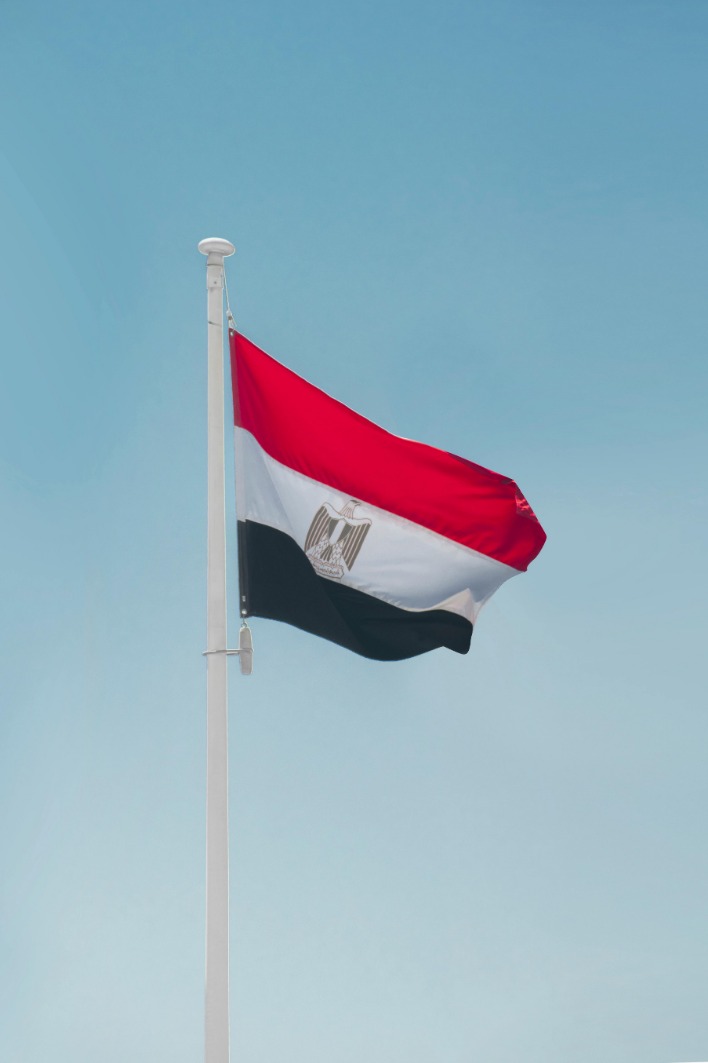
The flag features three horizontal stripes: red, white, and black. The red symbolizes the struggle against oppression and the sacrifices made for independence. The white represents purity and the peaceful nature of the Egyptian people. The black signifies the end of colonization and the resilience of Egypt’s nationhood.
The central emblem, a golden eagle known as the Eagle of Saladin, is a powerful symbol of strength, sovereignty, and pride. It is inspired by historical iconography associated with the unity and enduring legacy of Egypt and the broader Arab world.
In Egyptian art and literature, symbols such as the eagle and the colors of the flag are frequently used to evoke national pride and unity. Artistic representations often depict these elements to reinforce cultural identity and evoke patriotic sentiments, making the flag a vital symbol within Egypt’s cultural narrative.
Flag Raising Ceremonies and Customs
Flag raising ceremonies are meaningful traditions that symbolize national pride and unity. They often involve specific customs and rituals that honor the significance of the flag. In Egypt, the flag raising ceremony holds special cultural and patriotic importance, serving as a moment to celebrate national identity and history. These ceremonies are conducted with reverence and respect, reflecting the deep pride Egyptians feel for their country.
National Flag Day Celebrations
Flag raising ceremonies and customs hold a significant place in honoring national pride and unity, especially on occasions like Egypt’s National Flag Day. These ceremonies often involve military personnel, government officials, and citizens coming together to demonstrate respect and patriotism. During the event, the Egyptian flag is hoisted with reverence, accompanied by national anthems and patriotic songs, symbolizing the nation’s history and sovereignty.
National Flag Day celebrations in Egypt typically include various patriotic activities, such as parades, educational programs, and cultural performances. Citizens often display the flag proudly in homes, public spaces, and schools, reflecting their love for the country. These festivities serve as a reminder of Egypt’s heritage and the importance of unity, freedom, and independence, emphasizing the significance of the Egyptian flag as a symbol of national identity and pride.
Flag Raising Protocols
The Egyptian flag raising ceremonies are a significant and symbolic event that reflect national pride and respect for the country. These ceremonies typically take place during official occasions, national holidays, and important state events, emphasizing the importance of patriotism and unity among citizens. Proper understanding of the customs and protocols involved ensures that the flag is honored appropriately, honoring Egypt’s rich history and sovereignty.
During the flag raising, it is customary for participants to stand at attention with respect, often facing the flag and observing silence or singing the national anthem. The flag should be handled with care, avoiding any disrespectful gestures such as touching the ground or allowing it to touch unclean surfaces. The raising itself is usually performed with pride and precision, often accompanied by marching or a ceremonial salute.
Protocols also dictate that the flag should be raised to the top of the flagpole smoothly and lowered with dignity at the end of the event. When the Egyptian flag is displayed alongside other flags, it should be positioned in a way that maintains its prominence and respect. Respecting these customs not only honors the symbol of Egypt but also fosters national unity and pride among its citizens.
Historical Events Marked by Flag Ceremonies
Flag raising ceremonies hold a significant place in Egyptian history and culture, symbolizing national pride, sovereignty, and unity. These ceremonies are often conducted during important national events, celebrations, and official functions to honor Egypt’s heritage and independence. The Egyptian flag, featuring red, white, and black horizontal stripes with the golden Eagle of Saladin in the center, is prominently displayed during these events, reinforcing patriotic sentiments among citizens.
Historically, flag raising ceremonies in Egypt are associated with pivotal moments in the country’s modern history. For instance, the July 23 Revolution of 1952, which led to the overthrow of the monarchy and the establishment of the republic, was marked by symbolic flag events emphasizing the new regime’s sovereignty. The signing of Egypt’s independence from British rule in 1952 was also accompanied by a flag-raising ceremony that signified its full sovereignty and national pride.
Throughout Egypt’s history, flag ceremonies have been used to mark important events such as national holidays, military victories, and the swearing-in of leaders. These ceremonies serve to foster patriotism and remember key moments in Egypt’s journey toward independence and modernization. Today, they continue to be a powerful tradition that unites Egyptians in celebrating their national identity and honoring their historical milestones.




0 Comments