
Overview of Ethnic Diversity in Algeria
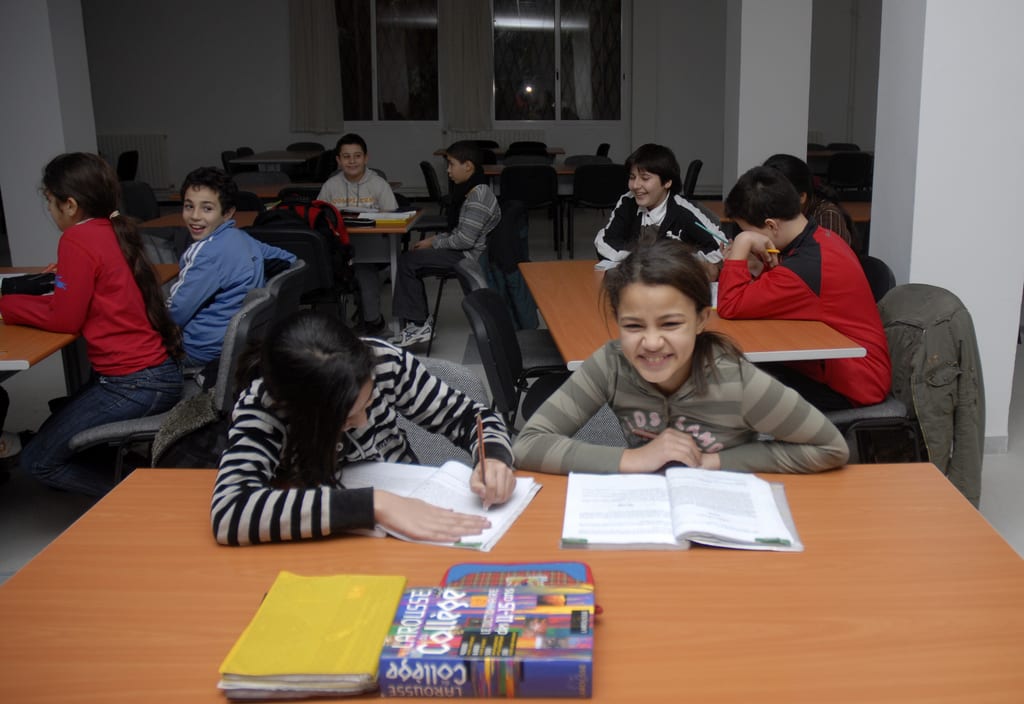
Algeria is a nation characterized by a rich tapestry of ethnic diversity, reflecting its complex history and geographical position in North Africa. The primary ethnic group is the Arab-Berbers, who form the majority of the population and share cultural and linguistic ties to both Arab and Berber heritage. The Berbers, also known as Amazigh people, are indigenous to the region and maintain their distinct languages and traditions, particularly within groups such as the Kabyles, Chaouis, and Mozabites. In addition to these main groups, Algeria has smaller communities of Tuareg nomads, who inhabit the Sahara Desert, and various sub-Saharan African groups due to historical migration and trade. Throughout history, these diverse ethnicities have contributed to the country’s vibrant cultural landscape, customs, languages, and social practices. The government recognizes the multicultural aspect of Algerian society, promoting the coexistence of various cultural identities while also fostering a sense of national unity. Overall, Algeria’s ethnic diversity is a fundamental aspect of its national identity, shaping its social fabric and cultural heritage.
Major Ethnic Groups in Algeria
Algeria is a diverse country known for its rich tapestry of ethnic groups that contribute to its vibrant cultural landscape. The major ethnic communities include Arabs, Berbers, and a mixture of others who have shaped the nation’s history and social identity. Understanding these groups provides insight into Algeria’s complex heritage and its ongoing cultural dynamics.
Arabs
Algeria is a diverse country with a rich mosaic of ethnic groups, among which Arabs constitute a significant portion of the population. Arab identity in Algeria predominantly stems from the Arab-Berber heritage, reflecting centuries of cultural and historical intermingling. The Arab population in Algeria primarily speaks Arabic and practices Islamic faith, contributing deeply to the country’s cultural and social fabric. Arab influence is evident in the country’s language, traditions, and historical development, making them a central element of Algerian identity. Despite the coexistence of other ethnic groups such as Berbers, the Arab community plays a vital role in shaping the national cultural landscape and socio-political structure of Algeria.
Berbers (Amazigh)
Algeria is a diverse country with a rich tapestry of ethnic groups, among which the Berbers, also known as Amazigh, are one of the most prominent and historically significant. The Berbers are indigenous to North Africa and have inhabited the region for thousands of years, contributing deeply to Algeria’s cultural heritage.
The Amazigh community is composed of various tribes and subgroups, each with its own dialects, customs, and traditions. They primarily reside in the mountainous and rural areas of the country, particularly in regions such as Kabylie, the Aurès Mountains, and the M’zab Valley.
The Berber language, known as Tamazight, is an important part of their identity and has experienced a resurgence as a symbol of cultural pride and resistance. The Berbers have played a vital role in Algeria’s history, from ancient times through the colonial period and into the modern era, shaping the nation’s cultural landscape.
Today, Berbers continue to preserve their language and traditions, fostering a sense of identity that coexists alongside other ethnic groups in Algeria, making the country a mosaic of diverse ethnicities and cultures.
Tuareg
Algeria is a diverse country with a rich mosaic of ethnic groups contributing to its cultural heritage. Among these, the Tuareg are a notable nomadic people primarily found in the Sahara Desert regions of southern Algeria. They are known for their distinct language, customs, and vibrant traditions that set them apart from other groups in the country.
- Tuareg are part of the Berber ethnic family and speak Tamasheq, a Berber language.
- They traditionally practice a nomadic pastoral lifestyle involving camels, goats, and sheep.
- The Tuareg are renowned for their unique dress, including indigo-dyed clothing and intricate jewelry.
- Culturally, they have rich oral traditions, including poetry and music, which play a significant role in their community.
- Their societal structure is organized into clans and tribes, emphasizing kinship and social ties.
Chaoui
Algeria is a diverse country with a rich mosaic of ethnic groups that contribute to its cultural heritage. Among these groups, the Chaoui people are a prominent Berber (Amazigh) community primarily inhabiting the Kabylie region in the northeastern part of the country. The Chaoui have their own distinct language, culture, and traditions that set them apart within the broader Berber identity. They have historically played an important role in Algeria’s history and continue to preserve their language and customs amidst modernization efforts. The Chaoui enjoy a unique cultural identity that encompasses traditional music, dance, and crafts, reflecting their deep-rooted history in the mountainous terrains of Algeria. Despite influences from Arab culture, the Chaoui maintain a strong sense of their heritage, contributing significantly to the multicultural fabric of Algeria.
Other Ethnic Communities in Algeria
Algeria is a diverse nation shaped by a rich tapestry of ethnic communities that contribute to its vibrant cultural landscape. Beyond the Arab-Berber majority, the country is home to various ethnic groups, each with unique traditions, languages, and histories. These communities play a significant role in shaping Algeria’s social fabric and historical identity.
Sub-Saharan Africans
Algeria is a diverse nation with a variety of ethnic communities contributing to its rich cultural tapestry. Among these groups are Sub-Saharan Africans, who have been an integral part of the country’s social fabric through history. These communities include long-standing residents as well as more recent migrants, often originating from West and Central Africa. Many Sub-Saharan Africans in Algeria work in sectors such as agriculture, commerce, and service industries, while others have established vibrant communities within cities. Their presence adds to the multicultural identity of Algeria, bringing distinct traditions, languages, and cultural practices that blend with the broader Algerian culture. Despite facing challenges such as social integration and legal status, Sub-Saharan Africans continue to contribute significantly to the country’s diversity and economic vitality.
Europeans (including French and Spaniards)
Algeria is a diverse country with a rich tapestry of ethnic communities, among which Europeans, including French and Spaniards, have historically played a significant role. During the colonial period, many Europeans settled in Algeria, especially the French who constituted a prominent minority and held influential positions in administration, commerce, and culture. Spaniards also established communities, particularly in certain regions, contributing to the local economy and cultural landscape. Even after Algeria gained independence in 1962, some Europeans remained in the country, maintaining their cultural traditions and fostering a unique multicultural environment. Today, these communities are smaller but still represent an important aspect of Algeria’s historical and social fabric, reflecting centuries of interaction and coexistence among diverse ethnic groups.
Jewish Communities
Algeria is a diverse country with a rich tapestry of ethnic communities, each contributing to its cultural heritage. Among these, Jewish communities have played a significant historical role in the social and economic life of the nation.
- Historical Presence: Jewish communities have resided in Algeria for centuries, dating back to Roman times. They thrived particularly during the French colonial period, establishing vibrant communities in cities like Algiers, Oran, and Constantine.
- Cultural Contributions: Algerian Jews contributed to commerce, arts, and education. They maintained their distinct traditions, dialects, and religious practices while also integrating into broader Algerian society.
- Migration and Decline: Following Algeria’s independence in 1962, many Jews emigrated to France, Israel, and other countries due to political changes and rising tensions. Today, only a small Jewish community remains in Algeria.
- Current Status: The Jewish community in Algeria is now mainly composed of elderly individuals, with synagogues and cultural sites preserved as part of the country’s historical legacy.
Cultural Influences of Ethnic Groups
Algeria is a rich tapestry of ethnic groups, each contributing unique cultural influences that shape the nation’s identity. The diverse traditions, languages, and practices of these groups reflect centuries of history and interaction, fostering a vibrant and multifaceted society. Understanding the cultural influences of Algeria’s ethnic communities offers valuable insights into the country’s social fabric and heritage.
Language Variations
Algeria is a country with a rich tapestry of ethnic groups, each contributing to the nation’s diverse cultural landscape. The primary ethnic communities include Arabs, Berbers (also known as Amazigh), and smaller groups such as Tuaregs and Mozabites. These ethnic groups influence various aspects of society, including customs, traditions, and social norms, leading to a vibrant cultural mosaic.
The Arab population in Algeria primarily speaks Arabic, which is the official language and used in government, media, and education. However, the influence of Arab culture is also reflected in music, cuisine, and religious practices, emphasizing Islam as a predominant religion. Meanwhile, the Berber communities retain their own languages and traditions, with Tamazight recognized as a national language and taught in schools. This recognition has boosted the preservation and promotion of Berber cultural identity across the country.
Language variation in Algeria is significant, with dialects differing across regions. Algerian Arabic, a local dialect, incorporates words from Berber languages, French, and Turkish due to historical interactions. In the Kabylie region and the Sahara, Berber languages like Taqbaylit and Tamasheq are prevalent, serving as vital elements of cultural expression and identity. These linguistic differences underscore the ethnic diversity of Algeria, highlighting how language serves as both a cultural marker and a tool for community preservation.
Overall, the interplay of ethnic groups and language variations in Algeria showcases how history, migration, and social evolution shape a complex cultural identity. This diversity enriches the nation’s cultural fabric, making Algeria a unique example of a multi-ethnic society where different traditions and languages coexist and influence each other.
Traditional Clothing and Customs
Algeria is a diverse country with a rich tapestry of ethnic groups that significantly influence its culture, traditional clothing, and customs. The major ethnic groups include Arabs, Berbers (Amazigh), and others, each contributing unique elements to the national identity. Arab influence is prominent in language, religion, and social practices, reflecting a long history of Arab-Islamic civilization. The Berbers, the indigenous people of North Africa, have preserved their own languages, traditional clothing, and customs despite external influences. Their traditional clothing often features bright colors, intricate embroidery, and accessories like silver jewelry, symbolizing their cultural heritage.
In terms of customs, many practices are rooted in Islamic traditions, such as Ramadan observances, wedding ceremonies, and community gatherings. Traditional clothing varies by region but often includes items like the *gandoura* and *khalf* for men, and the colorful *melhfa* or *kaftan* for women, which are worn during special occasions and festivals. These garments not only serve practical purposes but also embody cultural significance, representing identity and social status. Overall, the ethnic composition of Algeria fosters a vibrant cultural landscape where ancient customs and traditional attire continue to play a vital role in everyday life and celebrations.
Festivals and Rituals
Algeria is a country rich in cultural diversity, with its various ethnic groups contributing significantly to its vibrant cultural landscape. The Berbers, Arabs, Tuaregs, and other communities each have distinct traditions, festivals, and rituals that reflect their unique histories and beliefs. These cultural expressions serve as a way to preserve their identities and pass down their heritage through generations.
Festivals and rituals play a central role in uniting communities and showcasing their cultural richness. The Amazigh (Berber) communities celebrate events such as the Imilchil Marriage Festival, which combines storytelling, music, and dance to honor love and marriage. The Arab population observes religious occasions like Ramadan and Eid al-Fitr with communal prayers, feasts, and charitable acts, reinforcing social bonds and spiritual values. The Tuareg people celebrate their own festivals, such as the World Festival of the Sahara, emphasizing their nomadic heritage, music, and craftsmanship.
These cultural expressions are deeply intertwined with the history and social fabric of Algeria, promoting a sense of identity and continuity for each ethnic group. They also serve as a bridge for intercultural understanding and tourism, highlighting the country’s diverse cultural tapestry for the world to appreciate.
Historical Context of Ethnic Groups in Algeria
Algeria’s rich and diverse cultural landscape is shaped by a complex history of various ethnic groups that have inhabited the region for centuries. From the indigenous Berbers, who are considered the original inhabitants, to Arab Muslim populations introduced through centuries of Arab influence, the country’s ethnic tapestry reflects a blend of indigenous traditions and external cultural forces. Colonial rule, especially French colonization, further influenced the demographic composition, adding layers of cultural diversity and fostering a sense of national identity rooted in a multitude of ethnic backgrounds.
Ancient Berber Kingdoms
The historical context of ethnic groups in Algeria is deeply rooted in the region’s rich and diverse past, particularly during the era of ancient Berber kingdoms. These indigenous peoples, known as Berbers or Amazighs, have inhabited North Africa for thousands of years, with archaeological evidence dating back to prehistoric times. In antiquity, they established powerful kingdoms such as Numidia and Mauretania, which played significant roles in the Mediterranean world. The Berber kingdoms were characterized by their unique language, culture, and social organization, and they maintained independence despite the influence of Phoenician, Roman, and later Arab civilizations. The legacy of these ancient Berber states continues to influence Algeria’s ethnic landscape, contributing to its cultural mosaic. Over centuries, Berbers interacted with various invaders, yet they retained many of their traditions, shaping the identity of the region and laying the groundwork for modern ethnic diversity in Algeria today.
Moorish and Arab Conquests
The ethnic landscape of Algeria has been profoundly shaped by its complex history of conquests and cultural exchanges, particularly during the Moorish and Arab periods. These historical events introduced new populations, languages, and traditions that contributed to the diverse fabric of Algerian society today.
- The Moorish influence in Algeria traces back to the period of Islamic expansion into North Africa in the 7th and 8th centuries. The Moors, primarily of Berber and Arab descent, played a significant role in establishing Islamic culture, architecture, and governance systems in the region.
- The Arab conquests beginning in the 7th century further solidified the Arab presence in Algeria. Arab armies spread Islam and Arabic language, which became central to cultural and religious identity in the region.
- These conquests led to the integration of Arab dialects with local Berber languages, creating a unique linguistic blend that is evident in modern Algerian dialects and cultural practices.
- Throughout these periods, local Berber populations retained their distinct identities and traditions, contributing to the diversity of ethnic groups within Algeria. Their resistance and adaptation to Arab rule resulted in a rich multicultural society.
- The legacy of Moorish and Arab conquests is also reflected in Algeria’s religious landscape, which is predominantly Islamic, along with a history of religious tolerance and blending of different traditions.
Colonial Period and Its Impact
The ethnic landscape of Algeria has been shaped by a rich and complex history that dates back thousands of years. Indigenous Berbers, also known as Amazighs, have inhabited the region for centuries and form a fundamental part of the country’s identity. Alongside them, Arabs arrived during the 7th century Islamic conquests, gradually integrating into the existing population. Over centuries, these groups interacted and blended, creating a diverse ethnic mosaic. The colonial period, particularly under French rule from 1830 to 1962, significantly impacted the social fabric of Algeria. French colonization intensified divisions by implementing policies that favored certain groups over others and by marginalizing indigenous communities. Language policies during French rule prioritized French at the expense of Arabic and Berber languages, leading to a decline in the use of native languages and affecting cultural expressions. This colonial legacy fostered tensions and contributed to the rise of nationalist movements aiming to recover cultural and linguistic identities. Post-independence, Algeria has navigated these complex ethnic relationships, emphasizing unity while acknowledging the diverse heritage that defines its people.
Current Social and Political Dynamics
Algeria’s social and political landscape is deeply shaped by its diverse array of ethnic groups, each contributing to the nation’s rich cultural mosaic. The interplay between Arab, Berber, and other minority communities influences national identity, political policies, and social cohesion. Understanding these dynamics is essential to comprehend Algeria’s ongoing efforts toward unity and the challenges posed by ethnic diversity in shaping its future.
Ethnic Identity and National Unity
Algeria’s social and political landscape is deeply shaped by its diverse ethnic composition, which includes Arabs, Berbers (Amazigh), and other minority groups. These ethnic groups have historically contributed to the country’s rich cultural tapestry, but their interactions also influence national unity and policies. The Arab majority has traditionally played a dominant role in political and social institutions, while Berber communities have maintained distinct languages, traditions, and identities, often advocating for greater recognition and rights. Tensions between these groups have occasionally surfaced, especially around issues of language, cultural recognition, and political representation, impacting efforts toward national unity. In recent years, there has been increased emphasis on acknowledging Algeria’s indigenous Berber identity, exemplified by the official recognition of the Amazigh language and culture, fostering a sense of inclusion and shared identity. Overall, Algeria’s ongoing challenge is to balance ethnic diversity with the pursuit of a cohesive national identity that respects and celebrates its multifaceted heritage while promoting social cohesion.
Representation and Rights
Algeria’s social and political landscape is deeply shaped by its diverse ethnic composition, which includes Arabs, Berbers, and various subgroups such as the Kabyles and Tuaregs. These groups have historically maintained distinct cultural identities and languages, contributing to a rich mosaic of traditions and social practices within the country. Despite efforts at national unity, issues of representation and rights remain central to ongoing political discussions, with some communities advocating for greater cultural recognition and autonomy. The Berber movement, in particular, has gained prominence in recent decades, demanding official language status and preservation of their heritage. This dynamic continues to influence Algeria’s policies, emphasizing the importance of inclusive governance that respects ethnic plurality and promotes equitable rights for all groups in society.
Inter-ethnic Relations
Algeria’s social and political landscape is deeply influenced by its diverse ethnic composition, primarily consisting of Arabs and Berbers, along with smaller groups such as Mourefa and Europeans. Inter-ethnic relations in the country are characterized by a complex history of coexistence, cultural integration, and sometimes tension stemming from issues of identity, language rights, and political representation. The government’s recognition of Amazigh (Berber) identity and language has been a significant step toward fostering inclusivity, yet challenges remain in balancing national unity with ethnic diversity. Movements advocating for greater cultural acknowledgment and autonomy among Berbers have periodically prompted political dialogues and reforms, reflecting ongoing efforts to address historical disparities. Overall, Algeria continues to navigate its diverse social fabric by promoting policies aimed at fostering harmony, ensuring ethnic rights, and strengthening national cohesion amidst a dynamic political environment.



0 Comments