

Overview of Nigeria’s Ethnic Composition
Nigeria is renowned for its rich and diverse ethnic landscape, comprising numerous ethnic groups that contribute to the country’s vibrant cultural heritage. The major ethnic communities include the Hausa-Fulani, Yoruba, and Igbo, each with unique languages, traditions, and histories. This ethnic mosaic plays a significant role in shaping Nigeria’s social, political, and cultural identity, reflecting the nation’s complex and dynamic population structure.
Major Ethnic Groups
Nigeria is a highly diverse country with a rich tapestry of ethnic groups, each contributing to its vibrant cultural heritage. The nation is known for its multitude of ethnic communities, with some groups dominating in terms of population size and cultural influence. This diversity is reflected in Nigeria’s languages, traditions, and social practices, making it a mosaic of unique identities.
The major ethnic groups in Nigeria include the Hausa-Fulani, Igbo, Yoruba, and Kanuri, among others. The Hausa-Fulani, predominantly found in the northern regions, are known for their Islamic culture and history of Islamic scholarship and governance. The Igbo, primarily located in the southeastern part of Nigeria, are recognized for their entrepreneurial spirit and rich cultural festivals. The Yoruba, mainly in the southwestern regions, have a deep-rooted tradition of artistry, religion, and monarchy systems. Other significant groups include the Kanuri in the northeast, Tiv in the middle belt, and Ijaw in the Niger Delta, each contributing unique customs and traditions to Nigeria’s cultural landscape.
Minority Ethnic Groups
Nigeria is a diverse country with a rich tapestry of ethnic groups that collectively shape its cultural landscape. The majority of the population belongs to three major ethnic groups: the Hausa-Fulani in the North, the Yoruba in the Southwest, and the Igbo in the Southeast. These groups hold significant influence in the country’s political, cultural, and economic spheres. Beyond these dominant groups, Nigeria is home to numerous minority ethnic communities that contribute to its diversity.
Minority ethnic groups in Nigeria include the Tiv, Kanuri, Ibibio, Ijaw, Nupes, and many others. Each of these groups has distinct languages, traditions, and customs, often maintaining unique social structures and practices. While they may represent smaller percentages of the overall population, their cultural heritage is vital to Nigeria’s national identity.
These minority groups often face challenges related to political representation, economic development, and cultural preservation. Nonetheless, they play a crucial role in enriching Nigeria’s diversity, fostering a sense of unity in multiplicity. Efforts to promote inclusion and protect minority rights remain important to Nigeria’s development and social cohesion.
Population Distribution by Ethnicity
Nigeria is one of the most ethnically diverse countries in Africa, with a rich mosaic of ethnic groups contributing to its cultural fabric. The country is home to over 250 distinct ethnic groups, but the major ones include the Hausa-Fulani, Yoruba, Igbo, and others such as Kanuri, Tiv, Ibibio, and Ijaw. The population distribution by ethnicity varies across different regions, reflecting Nigeria’s diverse historical, cultural, and geographical landscape.
The Hausa-Fulani, predominantly found in the northern part of Nigeria, constitute the largest ethnic group, particularly dominant in states like Kano, Katsina, and Sokoto. The Yoruba primarily inhabit the southwestern regions, including Lagos, Ogun, and Oyo, and are known for their rich cultural heritage and influence in commerce and politics. The Igbo are mainly located in the southeastern parts of Nigeria, such as Anambra, Enugu, and Imo, with a significant presence in industrial and entrepreneurial activities.
Besides these major groups, Nigeria’s population is also composed of smaller ethnic communities that contribute to the country’s cultural diversity. Each group has its own language, customs, and traditions, making Nigeria an epitome of multiculturalism. Population distribution by ethnicity continues to evolve due to internal migration, urbanization, and social factors, shaping Nigeria’s demographic landscape into a vibrant and complex mosaic.
Historical Background of Ethnic Groups
Nigeria is a diverse country characterized by a rich tapestry of ethnic groups, each with its own unique history, language, and cultural traditions. The country’s historical background is deeply intertwined with the migrations, kingdoms, and colonial influences that have shaped its population over centuries. Understanding the origins of Nigeria’s major ethnic groups provides valuable insight into the nation’s complex social fabric and ongoing cultural dynamics.
Origins and Migration Patterns
Nigeria is a country rich in ethnic diversity, with numerous groups that have distinct origins and migration histories. The major ethnic groups include the Hausa-Fulani, Yoruba, and Igbo, each with unique cultural and historical backgrounds that shape Nigeria’s national identity.
The Hausa-Fulani are predominantly found in the northern regions of Nigeria. Their origins trace back to the ancient Hausa city-states and the Fulani migrations during the 18th and 19th centuries. The Fulani migration, driven by Islamic expansion and pastoralist movements, led to the spread of Fulani influence across West Africa, integrating with indigenous Hausa communities to form a powerful political and religious entity.
The Yoruba people are primarily located in the southwestern part of Nigeria. Their history is rooted in ancient civilizations such as Ife and Oyo, which date back over a thousand years. The Yoruba are believed to have migrated southward from the Nok culture region, establishing city-states renowned for their art, religion, and complex social systems long before European contact.
The Igbo, mainly situated in southeastern Nigeria, have a history of migration from central regions, possibly originating from ancient cultural groups in the Nri-Also area. They developed numerous independent communities and migrated eastward and southward over centuries, maintaining a strong tradition of communal governance and diverse dialects that reflect their extensive migratory patterns.
Migration patterns among Nigeria’s ethnic groups have been influenced by trade, conflict, environmental changes, and religious expansion, leading to a complex mosaic of peoples. These movements have facilitated cultural exchanges and the development of vibrant societies, shaping the intricate demographic and cultural landscape of Nigeria today.
Historical Interactions and Conflicts

The ethnic groups of Nigeria possess rich and complex historical backgrounds marked by diverse origins, interactions, and conflicts over centuries. Nigeria’s main ethnic communities, including the Hausa, Yoruba, Igbo, and others, each have unique histories that have shaped their identities and relationships within the region.
- The Hausa-Fulani in Northern Nigeria trace their origins to ancient civilizations and migrated into the region through trade and conquest, establishing powerful city-states and later Islamic emirates.
- The Yoruba people of Southwestern Nigeria have historical roots dating back to powerful kingdoms like Ife and Oyo, known for their early kingdoms and rich cultural traditions.
- The Igbo in Southeastern Nigeria are recognized for their decentralized communities and history of early self-governing societies, with significant interactions through trade and colonial encounters.
Throughout history, these groups have interacted through trade, alliances, and cultural exchanges, but also experienced conflicts driven by territorial disputes, religious differences, and political ambitions. European colonization, particularly British influence, further complicated relationships, often exacerbating divisions through policies that favored certain groups over others. Post-independence, ethnic tensions have occasionally led to violent conflicts, such as the Biafran War, highlighting the enduring importance of historical ethnic relations in Nigeria’s socio-political landscape.
Colonial Influence on Ethnic Identity
The ethnic groups of Nigeria have a rich historical background that has shaped their unique identities over centuries. These groups, including the Hausa, Yoruba, Igbo, and many others, have developed distinct cultures, languages, and social structures through a combination of indigenous evolution and external influences over time. Historically, these groups were organized into city-states, kingdoms, and confederations, each with their own traditions and political systems.
Colonial influence significantly impacted the ethnic identities of Nigeria. The British colonization in the 19th and 20th centuries unified diverse ethnic groups under a single administrative framework, often disregarding existing boundaries and social structures. This imposed political borders and policies fostered interactions, conflicts, and syncretism among different groups. Colonial rule also introduced new educational systems, religions, and economic practices, which further influenced ethnic identities and social cohesion, often creating lasting divisions or fostering a shared national consciousness.
Cultural Practices and Traditions
Cultural practices and traditions are vital aspects of ethnic groups in Nigeria, shaping their identities and way of life. These customs reflect their history, beliefs, and social values, creating a rich tapestry of cultural diversity across the country. Understanding these practices offers insight into the unique ways in which Nigerian ethnic groups celebrate, preserve, and pass down their heritage through generations.
Languages and Dialects
Ethnic groups in Nigeria are known for their rich cultural practices, traditions, languages, and dialects that shape the nation’s diverse identity. Each group contributes uniquely to the country’s vibrant cultural mosaic, reflecting centuries of history and social development.
- The Hausa-Fulani are renowned for their Islamic traditions, elaborate festivals, and craftsmanship, speaking primarily Hausa and Fulfulde languages.
- The Yoruba people have a deep-rooted tradition of art, music, and spiritual practices, with Yoruba as their main language, alongside numerous dialects.
- The Igbo community emphasizes community festivals, traditional masquerades, and the Igbo language, which has many dialects across different regions.
- Other ethnic groups such as the Tiv, Kanuri, Ibibio, and Edo also maintain distinct cultural practices and speak their unique languages and dialects, enriching Nigeria’s cultural landscape.
Religious Beliefs and Rituals
The ethnic groups in Nigeria are rich in cultural practices and traditions that define their unique identities. These practices include traditional dances, elaborate festivals, and distinctive art forms that are passed down through generations. Such cultural expressions serve to strengthen community bonds and preserve historical heritage.
Religious beliefs and rituals play a significant role in the daily lives of Nigeria’s diverse ethnic groups. Many communities practice indigenous religions with their own unique ceremonies and sacred sites, while others follow Islam or Christianity. Rituals such as initiation rites, marriage ceremonies, and festivals are integral to maintaining spiritual connections and cultural continuity.
Overall, the intertwining of cultural practices, traditions, and religious beliefs in Nigeria’s ethnic groups fosters a vibrant and dynamic social fabric, reflecting the country’s rich multicultural identity.
Festivals and Celebrations
The ethnic groups of Nigeria, including the Hausa, Yoruba, Igbo, and many others, have rich cultural practices and traditions that are deeply rooted in their histories. These practices often include unique rites of passage, traditional dances, and ceremonies that showcase their heritage and social values. Festivals and celebrations play a vital role in strengthening community bonds and preserving cultural identity. For example, the Yoruba celebrate the Osun-Osogbo festival, honoring the river goddess with art, dance, and religious rituals. The Igbo mark the New Yam Festival, a vibrant celebration of harvest and thanksgiving, featuring colorful processions and traditional foods. Meanwhile, the Hausa often celebrate the Eid al-Fitr and Eid al-Adha festivals with prayers, feasts, and communal activities. These festivals and traditions not only serve as a reflection of their history but also as a means of passing cultural knowledge from generation to generation. They provide an opportunity for communities to come together, rejoice, and reaffirm their cultural values and beliefs. Nigeria’s diverse ethnic groups continue to uphold and celebrate their unique cultural identities through these vibrant practices, ensuring their heritage remains alive and relevant in modern times.
Social Structure and Customs
Social structure and customs play a vital role in shaping the identity and daily life of Nigeria’s diverse ethnic groups. These elements define relationships, social roles, traditions, and cultural practices that are passed down through generations. Understanding the social fabric of Nigeria provides deeper insight into the richness and complexity of its ethnic communities and how they maintain their unique cultural heritage amidst modernization.
Family Hierarchies and Roles
The social structure and customs of Nigeria are deeply rooted in the diverse ethnic groups that inhabit the country, each with unique traditions and hierarchy systems. Family hierarchies often emphasize respect for elders and ancestral reverence, which play a central role in daily life. In many Nigerian societies, age and status determine social roles, with elders holding authority and making key decisions for the family or community. Extended families are highly valued, providing a support network that reinforces social cohesion and cultural continuity. Customs such as rites of passage, marriage ceremonies, and community festivals serve to strengthen family bonds and reinforce societal roles. These social norms help maintain order and preserve the rich cultural heritage across Nigeria’s numerous ethnic communities, including the Yoruba, Igbo, Hausa, and others.
Attire and Adornments
The ethnic groups of Nigeria possess rich social structures and customs that define their community life and traditions. These groups often organize themselves around family ties, clans, and age-grade systems, which regulate social responsibilities and communal decision-making. Customs such as festivals, rites of passage, and traditional ceremonies play a vital role in preserving their cultural identity and passing traditions to younger generations.
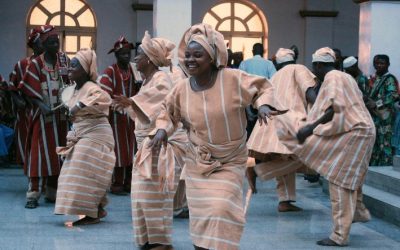
Attire and adornments are important expressions of cultural identity among Nigeria’s ethnic groups. Many groups wear colorful traditional garments made from locally woven fabrics, often decorated with intricate embroidery and beadwork. For example, the Yoruba are known for their brightly colored agbada and gele headdresses, while the Igbo often wear embroidered shirts and wrappers. Jewelry and body adornments such as beads, face paint, and scarification are also significant, symbolizing social status, rites of passage, or spiritual beliefs.
Arts and Craftsmanship
The social structure and customs of Nigeria’s ethnic groups are diverse and intricate, reflecting a rich cultural heritage. Various groups, such as the Hausa, Yoruba, Igbo, and others, have unique social hierarchies, traditional roles, and customs that govern community life. These structures often emphasize family ties, age grades, and communal decision-making, fostering a strong sense of identity and unity within each group.
Arts and craftsmanship are highly valued across Nigeria’s ethnic communities, showcasing intricate artistry and cultural symbolism. Traditional crafts include beadwork, pottery, weaving, and metalworking, which often serve both functional and ceremonial purposes. Music, dance, and visual arts play essential roles in festivals, rites of passage, and social gatherings, serving as vital expressions of cultural identity and creativity among Nigerian peoples.
Economic Activities and Livelihoods
Economic activities and livelihoods are vital aspects that shape the daily lives and cultural identities of Nigeria’s diverse ethnic groups. These communities engage in various traditional and modern occupations that sustain their social and economic well-being. Understanding their livelihood patterns provides insight into the rich cultural tapestry and economic resilience of Nigeria’s ethnic landscapes.
Agriculture and Farming
Economic activities and livelihoods among Nigeria’s ethnic groups are diverse, reflecting the country’s rich cultural and geographical landscape. Agriculture and farming remain the backbone of most communities, especially in rural areas, providing sustenance and income for millions of Nigerians. Different ethnic groups engage in specific agricultural practices suited to their regions, such as the Fulani practicing cattle herding, the Yoruba cultivating yams and cocoa, and the Igbo focusing on crops like cassava and oil palm. These activities are vital not only for food security but also for preserving traditional ways of life and strengthening communal bonds. Despite the challenges posed by climate change, land degradation, and modern economic pressures, agriculture continues to be a primary livelihood, supporting the socio-economic development of Nigeria’s diverse ethnic populations.
Trade and Commerce
Economic activities and livelihoods among Nigeria’s ethnic groups are diverse and deeply rooted in their cultural practices and geographical locations. Many groups engage in agriculture, livestock rearing, fishing, and craft-making, which serve as primary sources of income and sustenance. For example, the Hausa-Fulani in the northern regions predominantly rely on farming and trade, while the Yoruba in the southwestern areas are known for their commerce, markets, and artisanal industries. The Igbo in the southeastern parts are recognized for their industriousness in trading, manufacturing, and small-scale industries. These activities not only support local communities but also contribute significantly to Nigeria’s overall economy.
Trade and commerce play a vital role in the economic life of Nigeria’s ethnic groups. Historically, ethnic traders engaged in vibrant markets that facilitated the exchange of goods such as textiles, crafts, agricultural produce, and imported items. Urban centers like Lagos, Kano, and Onitsha serve as commercial hubs where diverse ethnic groups converge to trade. Cross-ethnic trade relationships foster economic cooperation and cultural exchange, strengthening the nation’s economic stability. Modern commerce continues to evolve with the advent of technology and infrastructure development, yet traditional trading practices remain integral to the livelihoods of many ethnic communities across Nigeria.
Artisanal and Craft Industries
Ethnic groups in Nigeria have diverse economic activities and livelihoods that are deeply rooted in their cultural practices and geographical environments. Many communities engage in agriculture, cultivating crops such as yams, cocoa, and cassava, which form the backbone of their economy. Additionally, fishing is prominent among coastal and riverine groups, providing both sustenance and income.
Artisanal and craft industries are vital to the cultural identity and economic sustenance of Nigeria’s ethnic groups. Traditional crafts like weaving, pottery, bead-making, and carving are practiced widely, often passed down through generations. These artisanal industries not only preserve cultural heritage but also serve as sources of income, employing many at the local level and contributing to the national economy through the production of textiles, jewelry, and other handmade goods.
Overall, the economic activities and artisanal industries among Nigeria’s ethnic groups play a crucial role in maintaining their livelihoods, fostering cultural continuity, and supporting local economies in the region.
Political Influence and Representation
Political influence and representation are essential components in shaping the governance and development of Nigeria, especially among its diverse ethnic groups. The country’s rich tapestry of ethnic communities plays a significant role in determining political power dynamics, policy-making, and social harmony. Understanding how different ethnic groups are represented and how their political influence is exerted is crucial to comprehending Nigeria’s complex political landscape and striving towards inclusive governance.
Ethnic Politics in Nigeria
Nigeria’s political landscape is deeply shaped by its diverse ethnic composition, with numerous ethnic groups vying for influence and representation. Ethnic politics often influence electoral outcomes, policy decisions, and government appointments, reflecting the importance of ethnic identity in national affairs.
In Nigeria, major ethnic groups such as the Hausa-Fulani, Yoruba, and Igbo have historically played dominant roles in shaping political power, often aligning political parties with their ethnic interests. This has sometimes led to ethnic-based politics, where political loyalty is strongly linked to ethnic identity, sometimes at the expense of national unity.
Ethnic representation remains a crucial aspect of Nigeria’s political system, with various efforts aimed at ensuring inclusivity and fairness. Power-sharing arrangements, such as rotational presidency among the regions, have been implemented to balance ethnic interests and prevent dominance by any single group.
However, ethnic politics can also lead to regionalism, polarization, and conflict, challenging the nation’s stability. The challenge lies in fostering national unity while respecting the identities and interests of Nigeria’s numerous ethnic communities.
Overall, ethnicity remains a central factor in Nigeria’s political influence and representation, shaping policies, leadership, and the quest for a cohesive national identity amid its rich diversity.
Leadership and Chiefs
Political influence and representation play a crucial role in shaping the governance and development of Nigeria’s diverse ethnic groups. Different groups often seek to ensure their interests and rights are adequately represented in government to promote fair resource distribution and political stability. Leadership and Chiefs within these communities serve as vital figures who uphold cultural traditions while also acting as intermediaries between their people and the government. These leaders are instrumental in maintaining social cohesion, resolving disputes, and advocating for their community’s needs at the national level. As Nigeria continues to navigate its complex ethnic landscape, the balance of influence among various groups remains a key factor in fostering unity and progress across the nation.
Ethnic Conflicts and Resolutions
Nigeria, a country rich in ethnic diversity, faces significant challenges related to political influence and representation, which often influence ethnic conflicts and their resolutions. The complex interplay between various ethnic groups such as the Hausa, Yoruba, Igbo, and others impacts national politics, governance, and social stability. Ensuring equitable political representation is crucial for fostering unity and peace among these groups.
- The distribution of political power in Nigeria has historically favored certain ethnic groups, leading to grievances and feelings of marginalization among others.
- Ethnic conflicts frequently escalate over resource control, political participation, and recognition, often fueled by historical grievances and competition for influence.
- Efforts to address these conflicts include dialogue, federal restructuring, and policies aimed at promoting inclusive governance.
- Institutions such as the National Assembly and regional councils have been used to enhance representation of different ethnic groups in decision-making processes.
- Conflict resolution strategies also involve community-led initiatives, peace committees, and national dialogue forums to foster understanding and reconciliation.
Achieving a balanced political influence that truly represents Nigeria’s ethnic diversity is essential for sustainable peace. Promoting fair participation, fostering mutual respect, and implementing inclusive policies are key to resolving conflicts and building a harmonious nation.


0 Comments