
Geography and Location of the Kalahari Desert
The Kalahari Desert is a vast arid region located in Southern Africa, renowned for its unique landscape and rich biodiversity. Covering parts of Botswana, Namibia, and South Africa, it is characterized by sandy dunes, sparse vegetation, and extensive grasslands. The desert’s strategic location within these countries makes it an important geographical feature, influencing the climate, ecology, and human activities in the region.
Extent and Borders
The Kalahari Desert is a vast semi-arid sandy savanna stretching across parts of several southern African countries, primarily forming a significant geographic feature of Botswana. It is known for its unique ecosystem and expansive landscape, encompassing diverse flora and fauna.
- The Kalahari Desert covers approximately 900,000 square kilometers (about 350,000 square miles).
- It extends across southeastern Namibia, western Botswana, southern Angola, and parts of Zambia and Zimbabwe.
- In Botswana, the desert is mainly situated in the southwestern region of the country, forming the country’s largest desert area.
- The borders of the Kalahari are defined by its natural boundaries, such as the Okavango Delta to the north and the Namibian border to the west.
- The desert’s terrain includes sand dunes, salt pans, dry lake beds, and sparse vegetation adapted to arid conditions.
Topography and Landforms
The Kalahari Desert is a vast semi-arid sandy region located in Southern Africa, primarily covering Botswana, Namibia, and South Africa. In Botswana, the desert extends across a significant portion of the country, forming an important part of its geographic landscape. The desert’s location is characterized by its central position within Southern Africa, bordered by the Namib Desert to the west and the Drakensberg Mountains to the southeast.
The topography of the Kalahari is relatively flat and expansive, with vast plains that stretch for hundreds of kilometers. It features rolling sand dunes, gravel plains, and seasonal riverbeds known as “oshs.” The landforms include the famous sand dunes such as the Orapa and the Makgadikgadi salt pans, which are remnants of ancient lakes that have since dried up. These landforms create a unique landscape that supports a variety of wildlife adapted to the harsh environment.
Climate and Weather Patterns
The Kalahari Desert, located in Botswana, is a vast semi-arid sandy area that extends across several countries in Southern Africa, including Namibia and Zimbabwe. It is characterized by its expansive sand dunes, sparse vegetation, and unique ecosystems. The region’s geography is defined by its extensive desert landscape, which is part of the larger Kalahari Basin, covering approximately 900,000 square kilometers.
The climate of the Kalahari Desert in Botswana is classified as semi-arid, with hot temperatures predominating throughout the year. The area experiences high daytime temperatures often exceeding 40°C (104°F) during summer months, while winter nights can be quite cold. Rainfall is limited and irregular, typically ranging between 250 to 500 millimeters annually, leading to arid conditions that support drought-resistant vegetation. Weather patterns are heavily influenced by atmospheric systems that bring sporadic and unpredictable rains, contributing to the desert’s fragile and dynamic ecological balance.
Ecology and Wildlife
Ecology and wildlife in the Botswana Kalahari Desert showcase a unique and resilient ecosystem that has adapted to some of the harshest conditions on Earth. This expansive arid region is home to a diverse array of plants and animals that have developed remarkable survival strategies. Understanding the delicate balance of this environment is crucial for preserving its natural beauty and ecological significance for future generations.
Vegetation and Ecosystems
The Kalahari Desert in Botswana is a vast semi-arid region that supports a unique and resilient ecosystem. despite its harsh conditions, the area is home to a diverse range of flora and fauna adapted to survive in extreme environments. Vegetation primarily consists of grasses, shrubs, and sparse trees such as acacias and hypocenia, which have deep root systems to access underground water sources. These plants provide essential food and shelter for numerous wildlife species including meerkats, gemsbok, springbok, and predators like lions and cheetahs. The desert’s ecological balance is maintained through complex interactions among plants, animals, and the soil, which sustain the region’s biodiversity. Conservation efforts are crucial to protect this fragile ecosystem from threats such as overgrazing, climate change, and human encroachment, ensuring the survival of Botswana’s unique desert wildlife and vegetation for future generations.
Native Fauna
The Kalahari Desert in Botswana is a unique ecosystem that hosts a diverse array of native fauna adapted to its arid environment. Despite the harsh conditions, the region is home to several remarkable species such as the African meerkat, gemsbok, and brown hyena, which have developed specialized traits to survive in this semi-desert landscape. The desert also supports numerous bird species, including the sociable weaver and various raptors, making it a vital area for avian biodiversity. Conservation efforts in Botswana aim to protect these species and their habitats, ensuring the preservation of the desert’s fragile ecological balance. The thriving wildlife in the Kalahari not only reflects the resilience of nature but also emphasizes the importance of maintaining sustainable practices in arid ecosystems.
Conservation Efforts
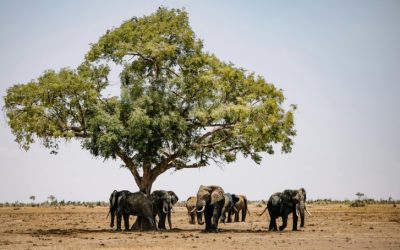
The Kalahari Desert in Botswana is a vast semi-arid region known for its unique ecology and diverse wildlife. Despite its harsh environment, the desert supports a variety of plant and animal species that have adapted to survive with minimal water. Notable wildlife includes the African elephants, lions, cheetahs, and numerous species of antelope and birds, which thrive in this resilient ecosystem. Conservation efforts in Botswana focus on protecting these species and their habitats through national parks such as the Central Kalahari Game Reserve and conservation programs that promote sustainable tourism and community involvement. These initiatives are crucial in ensuring the preservation of the Kalahari’s rich biodiversity for future generations and maintaining ecological balance in this fragile desert environment.
Human Presence and Culture
The Kalahari Desert in Botswana is a landscape deeply intertwined with human presence and culture, shaped by centuries of adaptation and tradition. Despite its arid environment, it is home to diverse communities whose ways of life reflect a profound connection to the land. Exploring the cultural heritage of these peoples reveals their resilience, rich storytelling, and unique customs that continue to thrive amidst challenging conditions. This relationship between humans and their environment forms a vital part of Botswana’s cultural identity in the Kalahari Desert.
Indigenous Communities
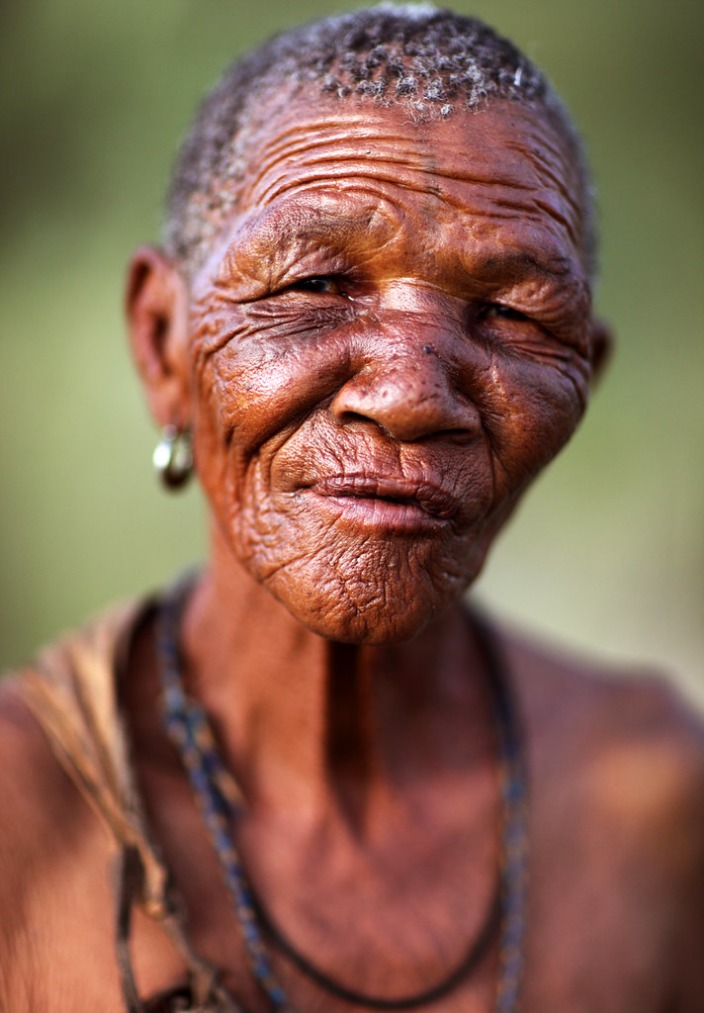
The Kalahari Desert in Botswana is home to a rich tapestry of indigenous communities, each with unique cultures deeply rooted in their environment. These communities, including the San people or Bushmen, have inhabited the region for thousands of years, developing sustainable ways of living that honor their connection to the land. Their traditional knowledge, language, rituals, and hunting techniques reflect a profound understanding of the desert’s ecosystem, which is crucial for their survival and cultural identity.
Human presence in the Kalahari has shaped and been shaped by the environment, fostering a resilient cultural heritage that emphasizes harmony with nature. Indigenous communities maintain their social structures, oral traditions, and spiritual practices that are closely linked to the land, animals, and natural resources. Today, efforts are ongoing to preserve their cultures amid modernization and tourism, recognizing their vital role in the region’s cultural landscape and in promoting sustainable coexistence with the desert environment.
Traditional Livelihoods
The Kalahari Desert in Botswana is a region rich in human presence and cultural heritage, where traditional livelihoods continue to play a vital role in community life. Indigenous communities have adapted to the challenging environment through unique practices that preserve their identity and sustain their way of living.
- Many local tribes, such as the San people, rely on hunting, gathering, and craft-making as their primary economic activities.
- These communities have developed intricate knowledge of the desert’s landscape, flora, and fauna, which is passed down through generations.
- Traditional practices include the use of natural resources like medicinal plants and animal products for both subsistence and cultural rituals.
- Music, dance, and storytelling form essential components of their cultural expressions, reinforcing social bonds and cultural continuity.
- Although modern influences and tourism have introduced new opportunities, many communities strive to maintain their traditional livelihoods to preserve their cultural identity.
Impact of Modern Development
The human presence and culture in the Kalahari Desert of Botswana reflect a deep connection to the harsh yet resilient environment. Indigenous communities, such as the San people, have inhabited this desert for thousands of years, developing unique traditions and ways of life that center around hunting, gathering, and sustainable living. Modern development has brought significant changes to their lifestyle, including increased infrastructure, tourism, and conservation efforts, which sometimes threaten their traditional practices. Despite these pressures, local cultures continue to adapt, preserving their heritage while engaging with contemporary opportunities. The impact of modern development in this region highlights the delicate balance between progress and the preservation of cultural identities in one of Africa’s most iconic desert landscapes.
Tourism and Attractions
Discover the captivating beauty of the Kalahari Desert in Botswana, a unique destination renowned for its stunning landscapes and diverse wildlife. This expansive desert offers travelers an unforgettable experience with its vast sand dunes, ancient salt pans, and rich cultural heritage. As one of Africa’s most intriguing regions, the Kalahari is a perfect spot for adventure, exploration, and appreciating nature’s remarkable wonders.
Desert Safaris and Tours
Discover the breathtaking beauty of Botswana’s Kalahari Desert through various tourism and attraction opportunities. This vast and arid landscape offers a unique blend of stunning scenery, rich wildlife, and cultural experiences that attract travelers from around the world. Visitors can enjoy exploring the expansive dunes, salt pans, and unique flora and fauna that thrive in this environment.
One of the highlights of visiting the Kalahari is embarking on a thrilling desert safari. These safaris provide an immersive experience where you can observe elusive wildlife, including meerkats, oryx, and the majestic oryx, as well as predators like lions and cheetahs in their natural habitat. Many tours are guided by experienced rangers who share insights into the desert’s ecology and the adaptation of its inhabitants.
Tour operators in the region offer a variety of desert tours, from day trips to multi-day expeditions, often complemented with luxury lodges and camping options. Activities such as off-road adventures, bird watching, and visiting ancient San rock art sites add further richness to your journey. A desert safari in the Kalahari is an unforgettable experience that combines adventure, nature, and cultural discovery in one remarkable destination.
Notable Parks and Reserves
Botswana’s Kalahari Desert is a remarkable destination renowned for its unique landscapes and diverse wildlife. Visitors can explore expansive sandy plains, rolling dunes, and seasonal saltpans that reveal the desert’s captivating beauty. The region offers a range of attractions, from thrilling safaris to cultural experiences with indigenous communities, providing an authentic connection to the desert’s rich heritage.
Notable parks and reserves in the area include the Central Kalahari Game Reserve, one of Africa’s largest and most remote wilderness areas, home to remarkable wildlife such as cheetahs, lions, and oryx. Makgadikgadi Pans National Park features vast salt pans that are some of the largest in the world, attracting flamingos and other migratory birds. Nxai Pan National Park, adjacent to Makgadikgadi, offers spectacular landscapes and excellent game viewing opportunities, making these reserves essential for wildlife enthusiasts and travelers seeking adventure in the desert environment.
Cultural Sites and Events
The Kalahari Desert in Botswana offers a unique blend of tourism opportunities, cultural sites, and vibrant events that attract visitors from around the world. This expansive and arid landscape is renowned for its stunning scenery, diverse wildlife, and rich cultural history, making it a must-visit destination for adventure seekers and cultural enthusiasts alike.
Tourists can explore the remarkable wildlife of the Kalahari through thrilling safaris in renowned parks such as the Central Kalahari Game Reserve and Moremi Game Reserve. These protected areas provide opportunities to see iconic species like lions, elephants, cheetahs, and the rare black-maned lions, offering an authentic African safari experience. Visitors can also enjoy birdwatching and guided nature walks that highlight the desert’s unique ecosystem.
Cultural sites in Botswana’s Kalahari region are equally captivating, showcasing the traditions and history of indigenous peoples such as the San Bushmen. Visitors have the chance to learn about their ancient hunting techniques, rock art, and storytelling traditions at various cultural centers and community villages. These experiences foster a deeper understanding of the region’s indigenous heritage.
Throughout the year, the Kalahari hosts various cultural events and festivals that celebrate local music, dance, and art. Events like the San Dance Festival allow visitors to immerse themselves in authentic cultural performances, traditional cuisine, and craft markets, offering a lively and memorable experience. Such festivals not only entertain but also promote cultural preservation and community development.
Overall, the Kalahari Desert in Botswana provides a fascinating combination of natural beauty, cultural richness, and engaging events that make it a compelling destination for travelers seeking adventure and cultural exploration.
Environmental Challenges
The Kalahari Desert in Botswana presents unique environmental challenges that threaten its fragile ecosystem. As one of the aridest regions in Southern Africa, it faces pressing issues such as desertification, water scarcity, and habitat loss. These challenges not only impact the diverse flora and fauna adapted to this harsh environment but also pose significant risks to the local communities relying on its resources. Addressing these environmental concerns is essential for the sustainable future of the Kalahari Desert and its inhabitants.
Desertification and Climate Change
The Kalahari Desert in Botswana faces significant environmental challenges, notably desertification and climate change, which threaten the region’s delicate ecosystems and the livelihoods of local communities. Desertification refers to the process where fertile land becomes increasingly arid, losing its productivity due to various factors such as overgrazing, deforestation, and inadequate land management practices. Climate change exacerbates these issues by causing unpredictable rainfall patterns, rising temperatures, and prolonged droughts, making water scarcity a pressing concern. These environmental challenges not only diminish biodiversity and reduce the natural resilience of the desert ecosystem but also impact agriculture, water availability, and the overall sustainability of communities living within and around the Kalahari. Addressing these issues requires coordinated efforts to implement sustainable land management, conserve water resources, and adapt to changing climatic conditions to preserve the unique landscape of the Botswana Kalahari Desert for future generations.
Water Scarcity Issues
Water scarcity is a critical environmental challenge faced by Botswana, particularly in the Kalahari Desert where water resources are extremely limited. The arid climate and low rainfall contribute to the persistent drought conditions, making it difficult for communities and ecosystems to access sufficient water. Over-extraction of groundwater and inefficient water management practices further exacerbate the problem, threatening both human livelihoods and the region’s biodiversity. Addressing water scarcity in the Kalahari requires sustainable resource management, investment in alternative water sources, and community-based conservation efforts to ensure a resilient environment for future generations.
Impact of Mining and Industry
The Kalahari Desert in Botswana faces numerous environmental challenges, largely driven by the impacts of mining and industry. As mineral resources such as diamonds are abundant in the region, extensive mining activities have led to habitat destruction, soil erosion, and depletion of natural water sources. This not only threatens the unique desert ecosystem but also endangers the native wildlife and plant species that depend on the fragile environment for survival. Industrial development, while vital for economic growth, often results in pollution, including chemical runoff and air emissions, which further degrade the environment. Additionally, the extraction processes can disrupt traditional livelihoods of indigenous communities, leading to social and economic instability. Managing these impacts requires sustainable practices and stringent environmental regulations to balance economic development with ecological preservation in the Kalahari Desert.
Research and Exploration
Research and exploration in the Kalahari Desert of Botswana reveal a region rich in unique ecosystems, diverse wildlife, and cultural heritage. This vast semi-arid wilderness has captivated explorers and scientists alike, offering insights into desert adaptation, ancient human activity, and sustainable living. Understanding this extraordinary environment continues to inspire discovery and deepen our appreciation for one of Africa’s most intriguing landscapes.
Scientific Studies
Research and exploration in the Kalahari Desert of Botswana have revealed a rich tapestry of ecological and cultural significance. Scientific studies focus on understanding the desert’s unique environmental conditions, including its arid climate, unique flora and fauna, and the adaptations that enable life to thrive there. These investigations help to uncover the complex interactions between the desert ecosystem and the indigenous communities, such as the San people, whose survival relies on their profound knowledge of this harsh landscape. Ongoing exploration also aims to assess the impact of climate change on the region’s biodiversity and to develop sustainable conservation strategies for its fragile environment.
Archaeological Discoveries
The Kalahari Desert in Botswana has long been a fascinating site for research and exploration, revealing insights into ancient human activity and ecological adaptations. Archaeologists have uncovered evidence of early human hunters and gatherers, including stone tools and ancient hearth remains, which suggest continuous occupation over thousands of years. Ongoing excavation projects aim to better understand how early populations survived in this arid environment and how their cultures evolved over time. Discoveries such as the Bushmen rock art provide a glimpse into the spiritual and social lives of prehistoric peoples, making the area a significant archaeological treasure. These findings contribute to the broader understanding of human resilience and adaptation in desert ecosystems, shedding light on the complex history of the region. Exploration continues today with advanced technologies like remote sensing and radiocarbon dating, promising new discoveries that deepen our knowledge of Botswana’s Kalahari Desert heritage.
Ongoing Projects
Research and exploration in the Kalahari Desert of Botswana continue to reveal new insights into its unique ecosystem, geological features, and cultural history. Ongoing projects aim to understand the desert’s environmental dynamics and its role in regional biodiversity.
- Wildlife Conservation Studies: Researchers are tracking species such as the cheetah, desert elephants, and meerkats to develop effective conservation strategies.
- Climate and Soil Research: Projects focus on understanding the desert’s climate patterns and soil composition to assess impacts of climate change and support sustainable land use.
- Ancient Human Settlements: Archaeological digs are uncovering evidence of early human habitation, shedding light on the desert’s historical significance.
- Renewable Energy Initiatives: Exploration of solar energy potential is underway to harness the abundant sunlight for sustainable power generation.
- Hydrology and Water Resources: Studies are analyzing underground water sources and their sustainability to address water scarcity issues in the desert.



0 Comments