
Historical Overview of Egyptian Art
Egyptian art is one of the most remarkable and enduring cultural expressions, reflecting thousands of years of history, religion, and societal values. It encompasses a wide range of artistic forms, including sculpture, jewelry, painting, and architecture, all characterized by a distinct style that remained remarkably consistent over centuries. This art form played a crucial role in religious and funerary practices, serving as a means to honor gods and the deceased. The development of Egyptian art provides valuable insights into the civilization’s beliefs, political structure, and daily life, making it a vital component of Egypt’s rich cultural heritage.
Origins and Development
Egyptian art is one of the most ancient and enduring artistic traditions in the world, characterized by its distinctive style and symbolic elements. It originated around 3100 BCE with the unification of Upper and Lower Egypt and developed over thousands of years, reflecting the cultural and religious beliefs of this ancient civilization. The art was primarily created for religious purposes, serving to honor gods, pharaohs, and the afterlife, and remained relatively consistent in style for much of its history.
The development of Egyptian art can be divided into several chronological periods, including the Early Dynastic Period, Old Kingdom, Middle Kingdom, New Kingdom, and Late Period. Each era contributed to the evolution of artistic techniques and themes while maintaining core conventions such as the strict use of frontal and profile views, symbolic color schemes, and hierarchical proportions. Sculptures, tomb paintings, wall reliefs, and statues were the primary mediums used to communicate religious and social messages.
- During the Old Kingdom, famous for the construction of the pyramids, art focused on monumental architecture and grand statues that emphasized stability and eternity.
- The Middle Kingdom saw increased artistic realism and the development of detailed narrative scenes in tomb paintings.
- The New Kingdom was marked by more elaborate temples, vivid tomb paintings, and refined sculpture, exemplified by works such as those of Queen Nefertiti and Pharaoh Ramesses II.
- Throughout all periods, Egyptian artists adhered to conventions that emphasized order, harmony, and the divine nature of their subjects.
Overall, Egyptian art’s origins and development reflect a civilization dedicated to immortality and the spiritual realm, with artistic expression serving as a bridge between the human and divine worlds. Its enduring influence can be seen in subsequent artistic traditions and in the fascination it continues to inspire today.
Influence of Religion and Mythology
Egyptian art is one of the most distinctive and enduring artistic traditions in history, rooted in the ancient civilization that flourished along the Nile River for thousands of years. Its development can be traced from the Early Dynastic Period through successive eras such as the Old, Middle, and New Kingdoms, each contributing unique styles and innovations. The art was primarily designed to serve religious and funerary purposes, emphasizing order, stability, and the eternal life of the soul.
Religion and mythology played a crucial role in shaping Egyptian art, influencing everything from the choice of subjects to the symbolism embedded within works. Gods, goddesses, and mythological themes were central, often depicted with specific iconography that conveyed their divine attributes and stories. Pharaohs were considered divine beings on earth, and their depictions aimed to reinforce their divine authority and connection to the gods. Rituals, offerings, and the afterlife were recurrent themes, with monumental structures like tombs, temples, and statues designed to ensure continued existence and divine favor.
The artistic style was highly formalized, with strict conventions governing proportions, poses, and the use of color to maintain consistency and convey specific meanings. Hieroglyphic inscriptions complemented visual imagery, serving both decorative and informative purposes. Over time, Egyptian art maintained a remarkable continuity, allowing us to understand their religious beliefs and cultural values through its symbols, motifs, and elaborate craftsmanship. The influence of Egyptian religious ideas extended beyond their borders, affecting neighboring civilizations and later artistic traditions while remaining rooted in the profound relationship between their art and spiritual beliefs.
Evolution through Dynasties
Egyptian art is one of the most enduring and distinctive artistic traditions in history, reflecting the civilization’s religious beliefs, societal structure, and cultural values. It developed over thousands of years, beginning in the Early Dynastic Period around 3100 BCE and evolving through various dynasties until the end of the Pharaonic era. Throughout this long history, Egyptian art maintained a strong sense of continuity, with changes often occurring gradually rather than abruptly.
During the Old Kingdom (2686-2181 BCE), art became highly formalized, exemplified by monumental architecture such as the Pyramids of Giza and intricate statues of pharaohs. The emphasis was on portraying rulers as eternal and divine, often depicted with idealized features. The Middle Kingdom (2055-1650 BCE) saw a shift toward more naturalistic representations, especially in sculpture and relief work, while maintaining the symbolic conventions.
The New Kingdom (1550-1070 BCE) marked a period of artistic flourishing, characterized by grand temples, elaborate tomb decorations, and detailed portraiture. The art became more expressive, with a focus on capturing personality and realism. Notable examples include the tomb paintings in the Valley of the Kings and the sculptures of kings like Ramses II.
In later periods, such as the Late Period and Ptolemaic Era, Egyptian art absorbed influences from Greece and other cultures, leading to a fusion of styles. Despite these external influences, the core principles of Egyptian artistic tradition—such as adherence to strict conventions, symbolism, and a focus on the afterlife—remained central. This long-standing style continued until the Roman conquest, after which native Egyptian art gradually declined but continued to influence subsequent artistic traditions in the region.
Key Artistic Mediums and Materials
Egyptian art is renowned for its rich history and diverse use of artistic mediums and materials. Throughout centuries, Egyptian artists have employed a variety of techniques and resources to create enduring works that reflect their culture, beliefs, and daily life. From intricate carvings in stone to vibrant painted frescoes, the choice of materials played a vital role in expressing the spiritual and societal values of ancient Egypt.
Stone Carvings and Sculptures
Stone carvings and sculptures are fundamental components of ancient Egyptian art, serving both artistic and religious purposes. These mediums allowed artists to create lasting representations of gods, pharaohs, and daily life, reflecting the civilization’s skill and devotion to permanence.
- Stone Carvings: Egyptians utilized a variety of stones such as limestone, sandstone, granite, and basalt for carving intricate reliefs and inscriptions. These carvings adorned temples, tombs, and monuments, often depicting scenes from mythology, history, and the afterlife.
- Sculptures: The creation of sculptures involved materials like quartz, faience, and rarely, bronze for smaller figures. Large-scale statues, typically made from durable stones like granite and basalt, prominently featured pharaohs and deities, emphasizing their divine stature and eternal rule.
Through these mediums, Egyptian artists achieved a high level of realism and idealism, ensuring their work would withstand the test of time and serve spiritual functions for generations to come.
Painted Reliefs and Murals
Egyptian art is renowned for its diverse artistic mediums and materials, which have played a significant role in shaping its rich cultural heritage. Painted reliefs and murals are among the most prominent forms, often depicting gods, pharaohs, and daily life scenes with intricate detail. These artworks were typically created using natural pigments derived from minerals such as ochre, malachite, and lapis lazuli, applied onto plaster surfaces. Murals adorned tombs, temples, and monuments, serving both decorative and spiritual purposes, and employed techniques like fresco secco or true fresco to ensure durability. The use of carved and painted reliefs allowed for three-dimensional storytelling, capturing the grandeur and religious significance of Egyptian civilization, while murals provided vibrant visual narratives that have captivated viewers for millennia.
Jewelry and Small Amulets
Jewelry and small amulets are significant artistic mediums in ancient Egyptian art, serving both decorative and spiritual purposes. These tiny but meaningful objects reflect the craftsmanship, religious beliefs, and social status of their creators and owners. Made from a variety of materials, jewelry and amulets were often imbued with symbolic meanings and used in burial rituals to ensure protection and divine favor in the afterlife.
- Metals such as gold, silver, and copper were commonly used due to their availability and symbolic associations with the divine and eternity.
- Precious and semi-precious stones like carnelian, turquoise, amethyst, and lapis lazuli were popular for their vibrant colors and believed protective properties.
- Faience, a glazed non-clay ceramic material, was extensively employed for creating amulets, offering a colorful and affordable alternative to precious stones.
- Glass and semi-precious stones were often combined in intricate designs to craft necklaces, rings, and charms that conveyed religious and cultural significance.
- Small amulets were carved or molded into various shapes representing gods, symbols, and animals associated with protection, health, and rebirth.
Papyrus and Manuscripts
Egyptian art is renowned for its diverse array of artistic mediums and materials, with papyrus and manuscripts playing a vital role in preserving and conveying cultural and religious knowledge. Papyrus, made from the pith of the papyrus plant, was a fundamental writing surface in ancient Egypt, used extensively for creating scrolls, documents, and illustrations. Its durability and availability made it an essential material for artists and scribes. Manuscripts, often decorated with intricate hieroglyphs and illustrations, served not only as administrative records but also as religious texts and literary works, reflecting the Egyptians’ sophisticated craftsmanship and spiritual beliefs. The combination of these materials exemplifies the Egyptians’ mastery in utilizing natural resources to produce long-lasting and artistically significant works that continue to influence art history today.
Iconography and Symbolism in Egyptian Art
Egyptian art is renowned for its rich use of iconography and symbolism, serving as a visual language that conveyed religious beliefs, social hierarchy, and cultural values. Through carefully crafted images and symbols, ancient Egyptians expressed complex ideas about gods, the afterlife, and royal authority. This intricate symbolic system helped to communicate messages across generations, ensuring the continuity of their spiritual and societal traditions.
Gods and Deities
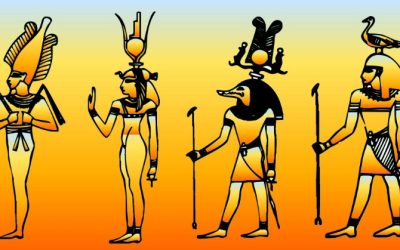
Egyptian art is renowned for its rich iconography and symbolism, which serve to convey complex spiritual and cultural beliefs. Gods and deities are central figures in this visual language, often depicted with specific attributes that identify their divine roles and powers. For example, the god Osiris is commonly shown as a mummified figure, emphasizing themes of death and rebirth, while Hathor is represented with a cow’s horns and a solar disk, symbolizing motherhood and divine femininity. These images are carefully crafted to communicate ideas about the gods’ domains and their relationships with humans. Symbols such as the ankh, representing life, and the scarab, symbolizing rebirth and transformation, are pervasive motifs that reinforce theological concepts. Overall, the iconography in Egyptian art functions as a visual vocabulary that encapsulates religious beliefs, societal values, and the divine order.
Symbols of Power and Authority
Egyptian art is renowned for its rich iconography and symbolism, which serve to convey complex ideas about religion, power, and the divine. Symbols of power and authority are prominently featured, emphasizing the ruler’s divine right to govern and their connection to the gods. The throne, crook and flail, and the double crown are iconic representations of sovereignty, often depicted in statues, reliefs, and murals. The ankh symbolizes eternal life, reinforcing the divine nature of the pharaoh, while the serpent or uraeus on crowns and headdresses signifies protection and royal authority. Hieroglyphic imagery and motifs such as the sun disk of Ra symbolize divine rulership, emphasizing the belief that pharaohs were intermediaries between gods and humans. Overall, Egyptian art uses a highly stylized iconography to reinforce societal hierarchy, religious beliefs, and the unassailable power of the ruling class.
Afterlife and Burial Symbols
Egyptian art is renowned for its rich iconography and symbolism, which play a vital role in conveying religious beliefs and cultural values. In particular, the depiction of the afterlife and burial symbols reflects the ancient Egyptians’ focus on immortality and spiritual continuation. Iconography such as the ankh represents eternal life, while the scarab beetle symbolizes rebirth and transformation. Hieroglyphs often accompanied these images, providing context and reinforcing the spiritual messages conveyed through art. Symbols like the lotus flower signify purity and rebirth, frequently seen in tomb paintings and sculptures. These visual elements not only served decorative purposes but also held deep spiritual significance, guiding souls through the afterlife and ensuring their safe passage into eternity. The detailed representation of gods, protective symbols, and ritual objects underscores the importance of spiritual preparation and belief in life after death within Egyptian culture.
Major Artistic Sites and Monuments
Egyptian art is renowned for its rich history and extraordinary monuments that reflect the grandeur of ancient civilization. Major artistic sites and monuments in Egypt offer a glimpse into the country’s cultural heritage, showcasing spectacular architecture, intricate carvings, and timeless sculptures. These sites not only highlight the artistic achievements of ancient Egypt but also continue to captivate visitors from around the world.
The Pyramids of Giza
The Pyramids of Giza are among the most iconic and awe-inspiring monuments in Egypt, representing the grandeur of ancient Egyptian art and architecture. Located on the Giza Plateau, these massive structures were built as tombs for pharaohs and are a testament to the Egyptians’ advanced engineering skills and religious beliefs. The Great Pyramid of Khufu is the largest and most famous, originally reaching 146 meters in height, and served as a symbol of the power and divine nature of the pharaohs. Surrounding the pyramids are the Sphinx and various smaller tombs, all contributing to the rich cultural and artistic heritage of Egypt. These monuments continue to attract millions of visitors and are considered masterpieces of ancient art, illustrating the Egyptians’ mastery of stone carving and their sophisticated artistic traditions. The Pyramids of Giza remain a testament to Egypt’s rich history and enduring artistic legacy.
The Valley of the Kings
The Valley of the Kings is one of the most remarkable major artistic sites and monuments in Egypt, showcasing the grandeur of ancient Egyptian art and architecture. Located on the west bank of the Nile near Luxor, this necropolis served as the burial ground for Pharaohs and high-ranking officials of the New Kingdom. The tombs are renowned for their intricate wall paintings, elaborate hieroglyphic inscriptions, and detailed carvings that depict religious rituals, afterlife beliefs, and scenes from Egyptian mythology. The artistry within these tombs reflects the advanced skills of ancient Egyptian artisans and their dedication to preserving the divine status of their rulers. The Valley of the Kings stands as a testament to Egypt’s rich artistic heritage and continues to attract scholars, tourists, and art enthusiasts worldwide, eager to explore the masterpieces of Egypt’s ancient civilization.
Temples of Karnak and Luxor
Egyptian art is renowned for its grandeur, symbolism, and historical significance, with major sites like the Temples of Karnak and Luxor exemplifying this rich cultural heritage. These monuments showcase the artistic prowess of ancient Egypt and serve as important symbols of religious and political power.
The Temples of Karnak and Luxor are two of the most iconic archaeological sites in Egypt, reflecting the artistic achievements of different periods of Egyptian history, primarily the New Kingdom. Their intricate carvings, colossal statues, and sacred structures provide insight into ancient Egyptian religious practices and artistic conventions.
- The Temple of Karnak, located in Luxor, is a vast complex dedicated primarily to the god Amun-Ra. It features massive pylons, obelisks, hypostyle halls with towering columns, and detailed hieroglyphic inscriptions.
- The Luxor Temple, also in Luxor, was dedicated to the rejuvenation of kingship and the gods Amun, Mut, and Khonsu. It is renowned for its majestic gateway, sacred lake, and beautifully preserved reliefs depicting religious rituals and royalty.
Both sites are masterpieces of ancient Egyptian art, illustrating the use of monumental architecture, detailed carvings, and symbolic iconography that continue to captivate visitors and scholars alike. Their artistic elements reflect the spiritual beliefs, societal values, and artistic innovations of ancient Egypt.
The Sphinx and Other Sculptures
Egyptian art is renowned for its grandeur and timeless beauty, exemplified by the major artistic sites and monumental sculptures scattered across the country. Among these, the Sphinx stands as a symbol of ancient Egypt’s artistic mastery and spiritual significance, blending the head of a pharaoh with the body of a lion to represent strength and wisdom. Other notable sculptures include the colossal statues of Pharaoh Ramses II, which demonstrate the Egyptians’ skill in creating detailed and imposing works of art. These monuments were not only artistic achievements but also served religious and ceremonial purposes, reflecting the culture’s reverence for gods and rulers. Temples, tombs, and statues dotted along the Nile reveal the depth of Egypt’s artistic heritage and its contribution to world cultural history, showcasing an enduring legacy of craftsmanship, symbolism, and spiritual expression.
Notable Egyptian Artists and Artisans
Egypt has a rich artistic tradition that spans thousands of years, showcasing the creativity and craftsmanship of its remarkable artists and artisans. From ancient times to contemporary periods, Egyptian artists have contributed to a diverse cultural heritage through painting, sculpture, jewelry, and textiles. Their work reflects the country’s history, religious beliefs, and vibrant cultural identity, making Egypt a vital hub for artistic expression. Exploring notable Egyptian artists and artisans offers a glimpse into the nation’s enduring artistic legacy.
Craftsmen of the Old Kingdom
Egyptian art from the Old Kingdom period is renowned for its craftsmanship and artistic excellence, reflecting the civilization’s sophisticated culture and religious beliefs. Notable artisans and craftsmen of this era specialized in creating durable sculptures, finely decorated tombs, and exquisite jewelry, which often held spiritual significance. Skilled stone carvers and sculptors produced monumental statues of pharaohs and deities with precise hieratic proportions, demonstrating technical mastery. Artisans also excelled in craftsmanship for daily life objects, such as finely crafted vessels, amulets, and figurines that were both functional and symbolic. Their work exemplifies the blend of utility, spirituality, and artistic beauty that characterizes ancient Egyptian art, preserving a legacy that influences the art world to this day.
Artists of the Amarna Period
The Amarna Period is renowned for its distinctive art style and the innovative artists who shaped it during the reign of Pharaoh Akhenaten. This era marked a significant departure from traditional Egyptian art, emphasizing naturalism and expressive poses. Notable artists and artisans from this period include the sculptor Thutmose, who is credited with creating the famed bust of Queen Nefertiti, celebrated for its exquisite craftsmanship and realism. Additionally, artists such as the sculptor Ahmose and other craftsmen specialized in jewelry, wall paintings, and ornamental works that reflected the unique religious and cultural shifts of the time. Their artistry not only illustrates the religious revolution but also embodies a period of artistic experimentation that left a lasting impact on Egyptian art history.
Renaissance-era Discoveries
Egypt has a rich artistic heritage that spans thousands of years, with notable artists and artisans contributing significantly to its cultural legacy. During the Renaissance-era, Egypt experienced a revival of interest in classical art and craftsmanship, blending traditional techniques with new influences brought through trade and exploration. Egyptian artisans excelled in various crafts such as jewelry making, woodwork, and textiles, often incorporating intricate designs and symbolic motifs. Renowned artists of the period helped preserve and innovate Egyptian artistic traditions, creating masterpieces that reflect the country’s historical and spiritual identity. Their work not only served decorative and ceremonial purposes but also influenced broader artistic movements across the Mediterranean region. Discoveries from this era have shed light on Egypt’s sophisticated aesthetic and enduring influence in the history of art and craftsmanship.
Modern Perceptions and Influence
Modern perceptions of Egyptian art reveal a dynamic blend of traditional craftsmanship and contemporary interpretations. This evolving perspective has significantly influenced how audiences around the world understand and appreciate ancient Egyptian culture. By exploring the interplay between historical symbolism and modern artistic expression, we gain insight into the enduring legacy and ongoing relevance of Egyptian art in today’s creative landscape.
Egyptian Revival in Art and Architecture
The Egyptian Revival in art and architecture reflects a fascination with Egypt’s ancient civilization, characterized by iconic motifs such as hieroglyphs, lotus flowers, and the use of columns resembling lotus or papyrus stalks. This style gained prominence in the 19th century, particularly after Napoleon’s expedition to Egypt, which ignited widespread interest and admiration for Egyptian culture. Modern perceptions of Egyptian art are often influenced by these revivalist designs, blending historical symbolism with contemporary aesthetics to evoke a sense of mystery, grandeur, and timelessness.
In contemporary settings, the influence of Egyptian motifs extends beyond historical reconstructions, impacting fashion, jewelry, and interior design. The enduring popularity of Egyptian Revival signifies a broader fascination with the mysticism and ancient craftsmanship of Egypt, often associated with notions of power, spirituality, and the exotic. Artists and architects continue to draw inspiration from Egyptian elements, reinterpreting them in innovative ways that reflect modern perceptions of this ancient civilization’s cultural significance and aesthetic appeal.
Impact on Contemporary Artists
Modern perceptions of Egyptian art have significantly influenced contemporary artists by inspiring new interpretations and innovative techniques rooted in ancient traditions. These perceptions often blend historical symbolism with modern themes, creating a dialogue between the past and present. Contemporary Egyptian artists draw upon ancient motifs, hieroglyphs, and iconic imagery to express current social, political, and cultural issues, thus revitalizing their heritage in a dynamic way.
The impact of Egyptian art on modern creators fosters a sense of identity and continuity, encouraging artists to explore their cultural roots while experimenting with new mediums such as digital art, installation, and mixed media. By doing so, these artists challenge traditional boundaries and contribute to a global art scene that recognizes Egyptian history as a rich source of inspiration. Overall, modern perceptions of Egyptian art serve as a bridge connecting historical grandeur with contemporary innovation, shaping the work of today’s artists and influencing global artistic discourse.
Preservation and Restoration Efforts
Egyptian art has long been regarded as a profound expression of the country’s rich history and cultural identity, and modern perceptions continue to celebrate its significance while acknowledging the importance of preservation and restoration. Contemporary views recognize ancient Egyptian artifacts and monuments not only as invaluable historical treasures but also as symbols of national pride and identity. As a result, there is a growing emphasis on safeguarding these cultural assets for future generations.
Efforts in preservation and restoration are critical for maintaining Egypt’s archaeological heritage amidst environmental challenges, urban development, and tourism influxes. Modern techniques, such as advanced imaging technology and chemical treatments, are employed to stabilize fragile artifacts and restore damaged structures without compromising their authenticity. International collaborations and funding have played a vital role in supporting state initiatives aimed at conserving sites like the Pyramids of Giza, the Sphinx, and various tombs and temples.
Public awareness and educational campaigns further bolster these efforts, encouraging both local communities and visitors to appreciate the value of Egypt’s artistic legacy. By integrating traditional craftsmanship with innovative preservation methods, Egypt continues to ensure that its ancient art remains a vital part of its cultural landscape, inspiring future generations and fostering global appreciation of its timeless masterpieces.



0 Comments