
Geography and Location
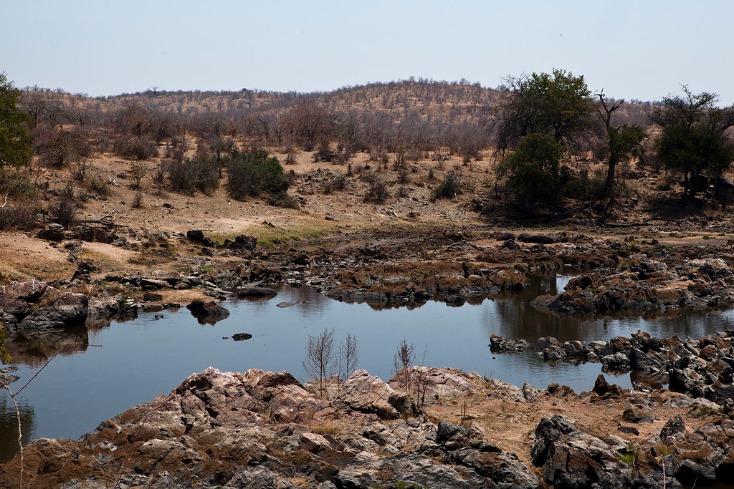
Ruaha National Park, located in Tanzania, is a vast and beautiful region renowned for its rich geographical features and strategic location. Situated in the center of the country, it lies within the Iringa and Morogoro regions, offering a diverse landscape that includes expansive savannahs, wildlife-filled rivers, and rugged hills. The park’s geographic position makes it a vital area for biodiversity and a key destination for eco-tourism in East Africa.
Position within Tanzania
Ruaha National Park is located in the southern part of Tanzania, making it one of the country’s largest and most remote wilderness areas. It is situated within the Iringa and Morogoro regions, directly inland from the Indian Ocean coast. The park is centrally positioned in Tanzania, serving as a vital habitat for diverse wildlife and is bordered by the Ruaha River to the east and the Rungwa River to the west. Its geographic location provides a strategic and scenic landscape characterized by mountains, savannahs, and dry plains, which support a rich variety of flora and fauna. Ruaha National Park’s proximity to other protected areas enhances its importance within the Tanzanian ecosystem, making it a key destination for conservation and tourism in Tanzania.
Size and Topography
Ruaha National Park, located in central Tanzania, is one of the country’s largest and most remote protected areas. It spans an extensive area of approximately 20,000 square kilometers, making it a significant size for wildlife conservation and tourism. The park is situated in the Ruaha River Valley and surrounds the eastern escarpment of the East African Rift system, contributing to its diverse terrain. The topography of Ruaha includes expansive savannahs, open grasslands, dense miombo woodlands, and rugged hills, creating a varied landscape that supports a wide range of flora and fauna. Its remote location offers a pristine environment with limited human development, making it a vital habitat for many species, including large herds of elephants, lions, and other African wildlife.
Climate and Weather Patterns
Ruaha National Park in Tanzania is situated in the southern part of the country, covering an extensive area characterized by diverse geographic features. The park is located within the Iringa Region and is bordered by the Ruaha River, which plays a vital role in shaping its landscape. The terrain includes savannahs, woodlands, and rocky outcrops, providing a rich habitat for a wide variety of wildlife. Its location in central Tanzania places it within a semi-arid zone, influenced by surrounding highlands and mountain ranges.
The climate in Ruaha National Park is predominantly semi-arid, with distinct wet and dry seasons. The rainy season typically occurs from November to April, bringing substantial periodic showers that support lush vegetation growth. The dry season spans from May to October, resulting in lower water levels and arid conditions that concentrate animals around water sources. This climate variation is crucial for the park’s ecosystem, affecting animal movements and plant life throughout the year.
Flora and Vegetation
Ruaha National Park in Tanzania is renowned for its diverse and vibrant flora and vegetation. The park’s rich plant life provides essential habitats for a wide variety of wildlife, supporting the region’s unique ecological balance. From lush woodlands to open grasslands, Ruaha’s vegetation showcases the beauty and resilience of African landscapes, making it a spectacular destination for nature enthusiasts and researchers alike.
Dominant Plant Species
Ruaha National Park in Tanzania is renowned for its diverse flora and lush vegetation, which support a rich variety of wildlife. The park features sprawling grasslands, dense woodlands, and thicket areas that provide essential habitats for many species. Dominant plant species in Ruaha include the acacia trees, which are well adapted to the semi-arid climate and offer crucial shade and food to animals. Baobab trees are also prominent, with their distinctive trunks and ability to store water. bushveld vegetation is widespread, consisting of various grasses and shrubs that thrive under the park’s climate conditions. These plant communities create a vibrant landscape that sustains the park’s abundant fauna and maintains ecological balance.
Vegetation Types
Ruaha National Park in Tanzania is renowned for its diverse flora and vegetation, which create a lush and vibrant landscape. The park’s vegetation is characterized by a mixture of woodland, savannah, and riverine forests, supporting a wide range of plant species. The Miombo woodland is predominant, featuring trees like Brachystegia, Julbernardia, and Isoberlinia, which are adapted to the dry climate and seasonal rainfall. Along the Great Ruaha River and other water streams, riparian forests and lush thickets thrive, attracting numerous animal species. The park’s varied vegetation types play a vital role in maintaining the complex ecosystem, providing food and shelter for wildlife such as elephants, lions, and giraffes, and contributing to the overall ecological richness of Ruaha National Park.
Seasonal Changes in Vegetation
Ruaha National Park in Tanzania is renowned for its diverse flora and lush vegetation, which sustain a wide variety of wildlife. The park’s landscape includes expansive grasslands, dense woodlands, and evergreen thickets, making it a vital habitat for many plant species. Seasonal changes significantly influence the park’s vegetation, especially with the shifting rains and dry periods.
During the rainy season, typically from November to April, vegetation flourishes as grasses and shrubs experience rapid growth. This period transforms the landscape into a verdant paradise, attracting herbivores and predators alike. Conversely, the dry season from May to October results in the drying of many plants, with some trees shedding leaves to conserve water. During this time, the vegetation becomes more sparse, but the remaining greenery, such as baobabs and acacias, sustain the wildlife and maintain the park’s ecological balance.
Fauna and Wildlife
Ruaha National Park in Tanzania is a stunning sanctuary teeming with diverse flora and fauna. As one of Africa’s largest parks, it offers a rich variety of wildlife, from majestic elephants and lions to rare species such as the sable antelope and the African wild dog. The park’s unique ecosystem provides a crucial habitat for many species, making it a remarkable destination for nature enthusiasts and wildlife lovers alike.
Major Animal Species
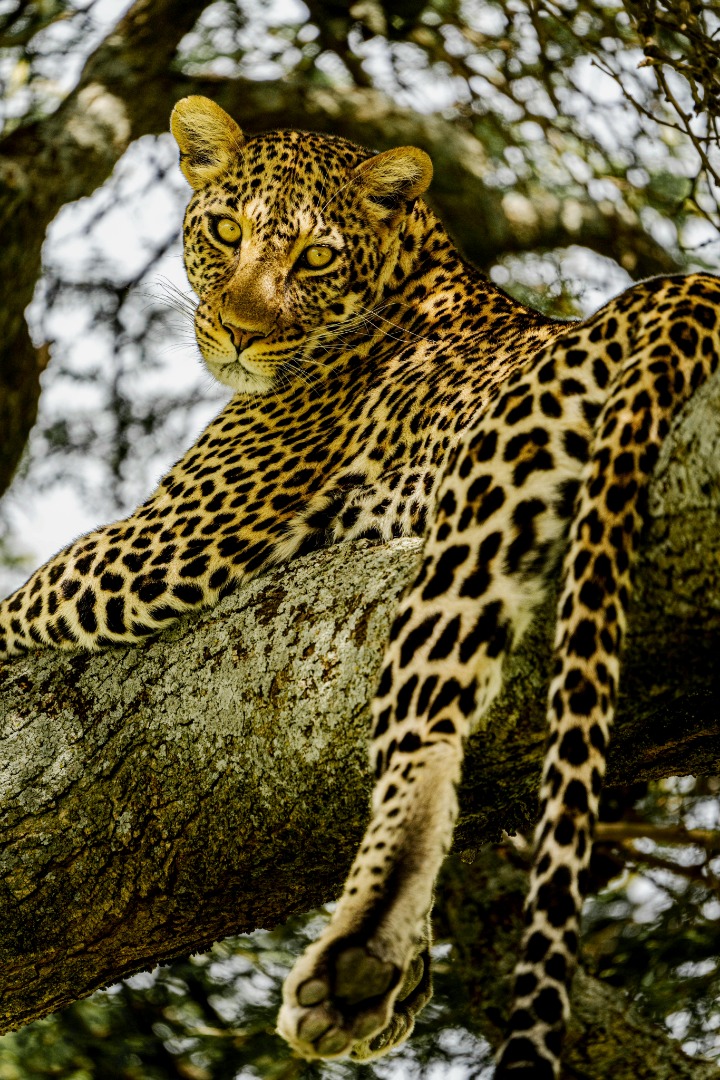
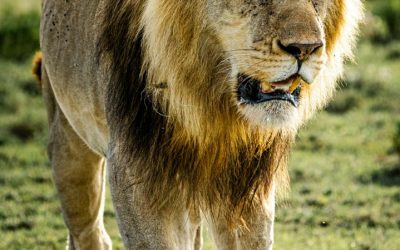
Ruaha National Park in Tanzania is renowned for its rich fauna and diverse wildlife, making it a premier destination for nature enthusiasts. The park hosts a wide variety of animal species, both large and small, that thrive in its expansive landscapes filled with rivers, savannahs, and woodlands. Major animals found in Ruaha include elephants, which are among the largest populations in Africa, along with lions, leopards, and cheetahs that serve as the park’s top predators. The park is also home to herds of buffalo, zebras, giraffes, and various antelope species such as impalas and various duikers. In addition to the iconic mammals, Ruaha supports a vibrant array of birdlife, crocodiles, hippos, and diverse amphibians and reptiles, all contributing to its ecological richness. This variety of fauna underscores the importance of Ruaha as a sanctuary for wildlife conservation and a vital part of Tanzania’s natural heritage.
Birdlife Diversity
Ruaha National Park in Tanzania is renowned for its incredible diversity of fauna and wildlife, making it a premier destination for nature lovers and wildlife enthusiasts. The park is home to a vast array of species, including elephants, lions, leopards, cheetahs, giraffes, and hippos, all thriving in its expansive landscapes of savannah, riverine forests, and rocky outcrops.
One of the park’s unique features is its rich birdlife diversity, with over 570 bird species recorded within its boundaries. These include spectacular raptors such as the martial eagle and bateleur, as well as colorful species like fish eagles, rollers, bee-eaters, and kingfishers. The diverse habitats support both resident and migratory birds, attracting birdwatchers from around the world.
Ruaha’s undisturbed wilderness and varied ecosystems create the ideal environment for a broad spectrum of wildlife. This biodiversity not only contributes to the ecological balance of the region but also offers visitors an unparalleled experience of observing nature in its most pristine form. The park’s rich fauna and birdlife highlight its importance as a vital conservation area in Tanzania.
Endangered and Rare Species
Ruaha National Park in Tanzania is a vital sanctuary for a diverse range of fauna and wildlife, renowned for its rich biodiversity and stunning landscapes. It is one of the largest national parks in Tanzania, offering a haven for many endangered and rare species. The park is particularly famous for its large populations of elephants, lions, cheetahs, and leopards, as well as the rare African wild dog and the elusive sitatunga antelope. Additionally, Ruaha hosts significant populations of threatened species such as the East African wild dog, African elephant, and the remarkable white-backed vulture. The park’s remote location and protected status help conserve these species, some of which are facing threats from habitat loss, poaching, and climate change. Visitors to Ruaha have an opportunity to witness wildlife in its natural habitat, contributing to awareness and conservation efforts for these endangered and rare species.
Ecological Importance
Ruaha National Park in Tanzania plays a vital role in maintaining ecological balance and biodiversity in the region. As one of Africa’s largest and most pristine wildlife parks, it provides a crucial habitat for a diverse range of species, from large predators to various plant life. The park’s ecosystems help sustain local communities and contribute to global environmental health through conservation efforts and natural resource preservation.
Habitat for Migratory Species
Ruaha National Park in Tanzania plays a vital role in maintaining ecological balance and supporting migratory species. Its diverse landscapes and abundant resources make it a crucial habitat for numerous wildlife species, especially migratory birds and large mammals.
- Provides a critical stopover and breeding ground for migratory birds traveling between Africa and Eurasia.
- Supports large populations of herbivores such as elephants, giraffes, and antelopes, which depend on the park’s diverse habitats.
- Acts as a corridor for migratory species, facilitating movement between different ecosystems within Tanzania and neighboring countries.
- Helps in maintaining regional biodiversity by conserving a wide variety of flora and fauna.
- Contributes to ecological processes such as seed dispersal and habitat regeneration through its rich plant and animal life.
Conservation Significance
Ruaha National Park in Tanzania is ecologically significant as it harbors a diverse range of habitats that support an array of wildlife, including the largest population of elephants in East Africa. Its ecosystem plays a crucial role in maintaining regional biodiversity, ensuring the stability of various plant and animal species, and supporting interconnected ecological processes. The park’s rivers and savannahs provide vital resources that sustain both resident and migratory species.
Conservation of Ruaha National Park is essential for preserving its rich biodiversity and ecological integrity. Protecting this area helps maintain healthy populations of endangered species such as lions, cheetahs, and wild dogs, which are vital for ecological balance. The park also serves as a habitat corridor that links different ecosystems, facilitating species migration and genetic diversity. Preservation efforts contribute to sustainable tourism, local community livelihoods, and global environmental health by safeguarding this unique natural landscape for future generations.
Role in Ecosystem Balance
Ruaha National Park in Tanzania plays a crucial role in maintaining ecological balance within the region. It provides a vital habitat for a diverse range of flora and fauna, ensuring the survival of numerous species that are essential for a healthy ecosystem. The park’s extensive landscapes support predator-prey dynamics, seed dispersal, and nutrient cycling, which help sustain the overall integrity of the ecosystem. By conserving these natural processes, Ruaha National Park contributes significantly to environmental stability and biodiversity preservation in Tanzania.
Tourism and Recreation
Ruaha National Park in Tanzania is a stunning destination that offers a remarkable blend of tourism and recreation opportunities. Known for its diverse wildlife, expansive landscapes, and unspoiled natural beauty, the park attracts travelers seeking adventure, relaxation, and a close encounter with nature. Visitors can enjoy a variety of activities such as safaris, bird watching, and scenic excursions, making Ruaha a premier location for eco-tourism and outdoor recreation.
Safari Activities
Ruaha National Park in Tanzania is a premier destination for tourism and recreation, renowned for its vast wilderness and incredible biodiversity. Visitors can immerse themselves in the thrill of safari activities, exploring expansive savannahs, riverine forests, and rugged hills that are home to a diverse array of wildlife. Guided game drives offer the opportunity to observe majestic elephants, lions, leopards, and countless other species in their natural habitat. The park’s remote location provides a peaceful and authentic safari experience, perfect for nature enthusiasts seeking adventure and tranquility. Additionally, guided walking safaris and bird-watching expeditions allow visitors to connect deeply with the environment and appreciate the site’s ecological richness. Ruaha National Park’s stunning landscapes and vibrant wildlife make it an unrivaled destination for those eager to experience the wonders of African safaris and outdoor recreation.
Best Viewing Seasons
Ruaha National Park in Tanzania is a stunning destination for tourism and recreation, offering diverse wildlife and breathtaking landscapes. The best viewing seasons for the park depend on the time of year, with each period providing unique opportunities for visitors. During the dry season, from June to October, animals congregate around water sources, making it easier to spot a variety of wildlife. This is also an ideal time for game drives and photography, as the animals are more visible against the sparse vegetation. The wet season, from November to April, brings lush green scenery and abundant birdlife, attracting birdwatchers and nature enthusiasts. Although some parts of the park can be challenging to access during heavy rains, the vibrant landscapes and breeding seasons of many animals make this a rewarding time to visit. Overall, the optimal viewing seasons are during the dry months when wildlife viewing is at its peak, but each season showcases a unique aspect of Ruaha’s rich ecological tapestry.
Visitor Facilities and Infrastructure
Ruaha National Park in Tanzania is a premier destination for tourism and recreation, offering visitors a diverse array of wildlife and scenic landscapes. The park is renowned for its large population of elephants, lions, and other iconic African species, making it a popular choice for safari enthusiasts seeking an authentic wilderness experience. To enhance visitor enjoyment, the park is equipped with well-maintained facilities such as lodges, tented camps, and viewing platforms that provide comfortable accommodation and exceptional opportunities for wildlife viewing.
The infrastructure within Ruaha National Park includes accessible dirt roads and designated picnic areas, facilitating easier travel and recreational activities for tourists. Visitor centers offer essential information and educational exhibits about the park’s ecosystems and conservation efforts. Additionally, the park’s management continuously invests in upgrading facilities to ensure safety, accessibility, and sustainable tourism practices, thus supporting both local communities and conservation initiatives while providing memorable experiences for visitors.
Conservation and Challenges
Ruaha National Park in Tanzania is a vital sanctuary for diverse wildlife and a crucial part of global conservation efforts. As one of Africa’s largest parks, it faces numerous challenges, including habitat degradation, poaching, and human-wildlife conflict. Addressing these issues is essential to preserve the park’s rich biodiversity for future generations and to ensure sustainable coexistence between wildlife and local communities.
Protected Area Status
Ruaha National Park in Tanzania is a vital conservation area known for its rich biodiversity and expansive landscapes. It serves as a critical habitat for numerous species, including elephants, lions, and the rare African wild dog, making its protection essential for maintaining ecological balance in the region.
Despite its ecological significance, Ruaha faces several challenges such as poaching, human-wildlife conflict, and illegal wildlife trade, which threaten the survival of many species. Additionally, habitat degradation caused by overgrazing and encroachment further endangers the park’s fragile ecosystems.
The park is designated as a protected area under Tanzania’s national conservation laws, with status as a Game Reserve and later upgraded to a National Park. This protected status helps ensure the enforcement of wildlife conservation policies and provides a framework for sustainable tourism and local community involvement, which are vital for preserving its unique environment for future generations.
Threats and Risks
Ruaha National Park in Tanzania is recognized for its rich biodiversity and vital role in conserving the region’s unique ecosystems. However, the park faces numerous challenges that threaten its ecological integrity and sustainability. Conservation efforts are essential to address these issues and ensure the preservation of this precious environment for future generations.
Challenges and Threats in Ruaha National Park
- Poaching: Illegal hunting for wildlife such as elephants and rhinoceroses poses significant threats due to the high demand for ivory and horns.
- Human-Wildlife Conflict: Expansion of agriculture and settlements near park boundaries often leads to conflicts between local communities and wildlife.
- Habitat Loss: Deforestation, illegal logging, and land conversion reduce natural habitats, impacting species populations.
- Climate Change: Altered rainfall patterns and temperatures threaten water availability, leading to droughts and affecting biodiversity.
- Water Scarcity: Competition for water resources between wildlife, local communities, and agriculture exacerbates stress on the park’s ecosystems.
- Tourism Pressures: While tourism supports conservation funding, unregulated or excessive tourism can cause environmental degradation.
Conservation Efforts
Ruaha National Park in Tanzania is a vital sanctuary for diverse wildlife species and an important area for conservation efforts. Despite its vast size and remote location, the park faces several challenges that threaten its delicate ecosystems. Conservation initiatives have been undertaken to preserve its rich biodiversity and ensure sustainable management of natural resources.
- Poaching and illegal wildlife trade pose significant threats to species such as elephants and lions within the park.
- Human-wildlife conflicts often occur due to increasing settlements near the park boundaries.
- Habitat degradation from overgrazing and agricultural expansion impacts the park’s ecosystems.
- Climate change leads to irregular rainfall patterns, affecting water availability and animal migration.
- Community involvement programs aim to promote sustainable livelihoods and reduce dependency on park resources.
- Anti-poaching units, supported by both government and NGOs, enhance patrol and enforcement efforts.
- Ecotourism development is prioritized to generate revenue that funds conservation activities.
- Restoration projects focus on habitat rehabilitation and species protection initiatives.
Local Communities and Cultural Aspects
Ruaha National Park in Tanzania is not only renowned for its stunning landscapes and diverse wildlife but also for the vibrant local communities and rich cultural heritage that surround it. These communities play a vital role in preserving the park’s natural beauty and contribute to the unique cultural tapestry of the region. Exploring the connection between the local people and their environment offers a deeper understanding of the park’s significance beyond its ecological value.
Interaction with Indigenous Communities
Ruaha National Park in Tanzania is a vital sanctuary that not only protects diverse wildlife but also plays a significant role in the preservation of local communities and their cultural heritage. The park is situated within a region inhabited by various indigenous groups who have maintained their traditions, crafts, and lifestyles for generations. Engaging with these communities provides visitors with a deeper understanding of their customs and ways of life, fostering respect and mutual benefit.
Interaction with indigenous communities around Ruaha National Park often involves community-led tourism initiatives, cultural tours, and conservation projects that empower locals and promote sustainable development. These interactions help to preserve traditional knowledge, storytelling, music, and dance, which are integral parts of their cultural identity. Respectful engagement ensures that the communities benefit economically and socially from tourism while maintaining their cultural integrity.
The integration of local communities in park management and conservation efforts also enhances the protection of natural resources and biodiversity. By involving indigenous groups in decision-making processes, Ruaha National Park demonstrates a model of harmonious coexistence that respects both ecological and cultural values, ultimately supporting the longevity of local traditions and the preservation of Tanzania’s rich cultural landscape.
Cultural Heritage
Ruaha National Park in Tanzania is renowned for its rich cultural heritage and vibrant local communities that have coexisted with the park’s diverse ecosystems for generations. These communities play a vital role in preserving the natural environment and maintaining the cultural traditions that define the region. The local tribes, such as the Hehe and Nyamwezi, have deep-rooted customs, music, dance, and traditions that are integral to the area’s identity.
The cultural aspects of Ruaha National Park are deeply intertwined with its wildlife and landscapes. Locals often hold traditional ceremonies and rituals that celebrate the natural world and acknowledge the importance of conservation. These practices help foster a sense of stewardship and responsibility toward the environment among community members and visitors alike.
Heritage sites within and near Ruaha serve as a testament to the area’s historical significance. Rock art, ancient settlements, and sacred sites provide insight into the early inhabitants’ lives and their relationship with nature. Efforts to protect and promote this cultural heritage encourage sustainable tourism and ensure that the legacy of the local communities continues to flourish for future generations.
Community Involvement in Conservation
Ruaha National Park in Tanzania is not only renowned for its stunning wildlife and expansive landscapes but also for its vibrant local communities and rich cultural heritage. The involvement of local communities plays a crucial role in the conservation efforts within the park, fostering a sense of ownership and responsibility towards preserving natural resources. These communities actively participate in sustainable tourism, traditional practices, and land management, ensuring that conservation benefits are shared and culturally respectful. Their indigenous knowledge and customs often complement scientific approaches, creating a harmonious balance between development and preservation. Celebrating local traditions and fostering community-led initiatives are essential for maintaining the ecological integrity of Ruaha National Park while also empowering the residents who call its surroundings home.

0 Comments