
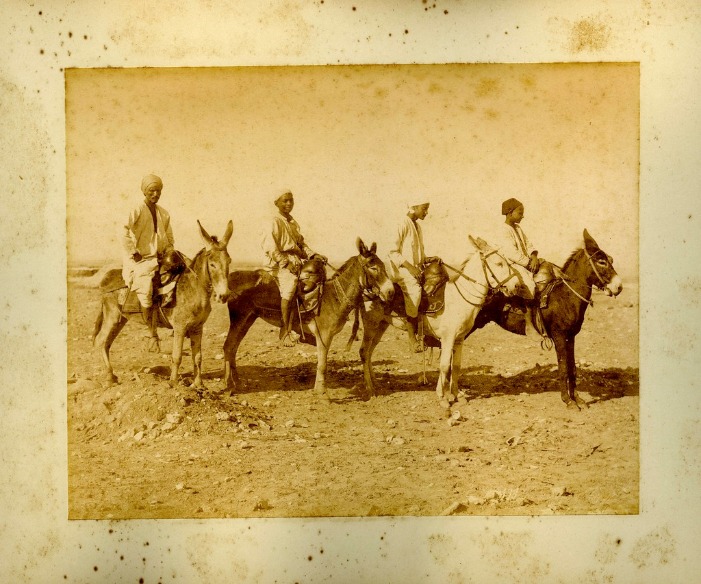
Cairo
Cairo, the vibrant capital of Egypt, is a city filled with rich history and bustling modern life. Known for its iconic pyramids and ancient landmarks, Cairo blends the old and new seamlessly, offering visitors a unique glimpse into Egypt’s storied past while showcasing its dynamic present. As one of the largest cities in Africa and the Middle East, Cairo is a hub of culture, commerce, and history that continues to captivate travelers from around the world.
Historical Significance
Cairo, the capital city of Egypt, holds immense historical significance as one of the world’s oldest and most influential cities. Its rich history spans thousands of years, serving as a center for culture, religion, and commerce throughout different periods of civilization.
- Ancient Capital: Cairo is situated near the site of the ancient city of Memphis, which was a vital hub for early Egyptian civilization.
- Islamic Heritage: The city is famous for its Islamic architecture, including historic mosques, madrasas, and markets that date back to the Islamic Golden Age.
- Al-Qahira: The name “Cairo” derives from “Al-Qahira,” meaning “The Victorious,” reflecting its historical prominence during the Fatimid and Mamluk periods.
- Home to the Pyramids: While the Great Pyramids of Giza are technically just outside Cairo, they are closely associated with the city and symbolize Egypt’s ancient history.
- Cultural Hub: Cairo has historically been a center for learning, arts, and literature, fostering important intellectual movements in the Arab world.
Major Landmarks
Cairo, the bustling capital of Egypt, is known for its rich history and vibrant culture. It is home to many world-famous landmarks that attract millions of visitors each year. One of the most iconic sites is the Pyramids of Giza, including the Great Pyramid, which is considered one of the Seven Wonders of the Ancient World. The Sphinx, a majestic statue with the body of a lion and the head of a Pharaoh, is also located nearby, symbolizing ancient Egyptian civilization. The Egyptian Museum in Cairo houses an extensive collection of ancient artifacts, including treasures from Tutankhamun’s tomb. The historic Islamic Cairo area features stunning mosques such as the Al-Azhar Mosque and Sultan Hassan Mosque, showcasing exquisite Islamic architecture. Additionally, the Citadel of Cairo offers panoramic views of the city and contains impressive structures like the Mosque of Muhammad Ali. These landmarks collectively highlight Cairo’s historical significance and cultural diversity, making it a captivating destination for travelers and history enthusiasts alike.
Cultural Heritage
Cairo, the vibrant capital of Egypt, is renowned for its rich cultural heritage that spans thousands of years. As one of the oldest cities in the world, it hosts a magnificent array of historical monuments, museums, and traditional markets that offer a glimpse into Egypt’s illustrious past. The iconic Giza Pyramids and the Sphinx stand as enduring symbols of ancient engineering and ingenuity, drawing visitors from around the globe. Cairo’s Islamic architecture, evident in mosques like Al-Azhar and Sultan Hassan, reflects the city’s historical importance as a center of education and religious life. Additionally, the city’s bustling streets are filled with music, art, and cuisine that preserve and celebrate Egypt’s vibrant cultural identity. Overall, Cairo’s cultural heritage is a testament to its historical significance and ongoing role as a hub of Egyptian culture and tradition.
Economy and Urban Development
Cairo, the capital city of Egypt, is a vibrant and bustling metropolis that plays a central role in the country’s economy and urban development. As one of the largest cities in Africa and the Middle East, Cairo serves as the economic hub of Egypt, with diverse sectors such as manufacturing, services, tourism, and commerce contributing significantly to its growth. The city’s strategic location along the Nile River facilitates trade and connectivity, fueling its economic expansion.
Urban development in Cairo has been driven by rapid population growth and ongoing infrastructure projects aimed at improving living conditions. The city faces challenges related to overcrowding, traffic congestion, and urban sprawl, prompting efforts to modernize transportation networks, expand housing, and develop new districts. Initiatives like the New Administrative Capital focus on easing pressure from central Cairo while fostering sustainable urban growth.
Overall, Cairo’s economy and urban development reflect a dynamic interplay of historic importance and modern aspirations, positioning it as a key driver of Egypt’s future economic stability and urban resilience.
Alexandria
Alexandria is a vibrant port city located along Egypt’s Mediterranean coastline. Known for its rich history and cultural significance, it has been a hub of commerce, learning, and maritime activity for centuries. Today, Alexandria combines historical landmarks with modern infrastructure, making it a key city in Egypt’s urban landscape.
Historical Background
Alexandria, founded by Alexander the Great in 331 BC, has a rich historical background that makes it one of Egypt’s most significant cities. Its strategic location on the Mediterranean coast facilitated it becoming a major center of trade, culture, and learning in the ancient world. Over the centuries, Alexandria was home to the famous Library of Alexandria, which symbolized knowledge and scholarship, attracting scholars from across the world. The city also played a vital role during the Hellenistic period, blending Greek and Egyptian cultures. Throughout history, Alexandria has experienced numerous transformations, from a bustling port in antiquity to a modern metropolis that continues to influence Egypt’s cultural and economic landscape today.
Key Attractions
Alexandria, Egypt’s second-largest city, is renowned for its rich history and stunning Mediterranean coastline. Visitors can explore a variety of key attractions that showcase its cultural and historical significance. The Bibliotheca Alexandrina, a modern marvel inspired by the ancient Library of Alexandria, stands as a symbol of knowledge and learning. The Citadel of Qaitbay offers panoramic views of the sea and a glimpse into medieval fortifications. The ancient Catacombs of Kom el Shoqafa provide fascinating insights into the city’s Roman era underground tombs and archaeological treasures. Additionally, the Corniche promenade is perfect for leisurely strolls along the waterfront, offering beautiful views, cafes, and lively street life. The Montazah Palace Gardens, lush and expansive, are ideal for relaxing amidst beautifully landscaped grounds and historical royal palaces. These attractions make Alexandria a captivating destination for history enthusiasts and travelers seeking scenic beauty alike.
Popular Neighborhoods
Alexandria, located along Egypt’s Mediterranean coast, is renowned for its vibrant neighborhoods that blend history, culture, and modernity. Some of the most popular neighborhoods include Maamoura, known for its beautiful beaches and lively nightlife, making it a favorite among locals and tourists alike. Stanley, a historic district offering stunning waterfront views and a mix of old-world charm with modern cafes, is another popular area. The Moharam Bey neighborhood is notable for its cultural sites, bustling markets, and traditional architecture. Additionally, Roushdy is a prominent residential area with upscale amenities, parks, and shopping centers, attracting those seeking a more suburban feel within the city. These neighborhoods collectively showcase Alexandria’s rich heritage and dynamic urban life, making it a captivating destination in Egypt.
Educational and Cultural Institutions
Alexandria, one of Egypt’s most prominent cities, is renowned for its rich educational and cultural institutions that have significantly contributed to its reputation as a hub of learning and culture. The city is home to several eminent universities, such as the University of Alexandria, which offers diverse academic programs and attracts students from around the globe. Alongside higher education, Alexandria boasts numerous libraries and research centers that foster intellectual growth and historical preservation.
In addition to educational institutions, Alexandria features a variety of cultural landmarks, including museums, art galleries, and theaters that showcase its vibrant artistic scene. The Alexandria Library, a symbol of knowledge and cultural revival, is among the city’s most iconic sites, emphasizing Egypt’s historical dedication to learning. Cultural festivals and events regularly take place, celebrating both traditional and modern artistic expressions. These institutions collectively underscore Alexandria’s role as a center of education, history, and culture in Egypt.
Giza
Giza is a historic city located on the west bank of the Nile River in Egypt, renowned worldwide for its ancient monuments and archaeological significance. It is best known for the iconic Great Pyramids and the Sphinx, which attract millions of visitors each year. Giza blends rich history with vibrant modern life, making it a fascinating destination for travelers and researchers alike.
Pyramids of Giza
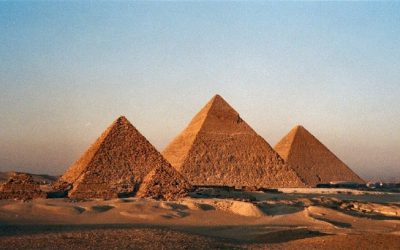
The city of Giza, located on the west bank of the Nile River near Cairo, is renowned worldwide for its ancient monuments, especially the Pyramids of Giza. These iconic structures are among the most impressive and enduring symbols of Egypt’s rich historical heritage. The Pyramids of Giza include the Great Pyramid, built for Pharaoh Khufu, and are part of a larger complex that also features the Pyramid of Khafre, the Pyramid of Menkaure, and the Great Sphinx. Together, these monuments attract millions of tourists annually, offering a glimpse into ancient Egyptian civilization and its architectural ingenuity. Giza continues to be a hub of archaeological significance, blending its historical treasures with its vibrant present as part of Egypt’s bustling urban landscape.
Historical Importance
Giza, located on the west bank of the Nile River near Cairo, is one of Egypt’s most historically significant cities due to its ancient monuments and archaeological sites. It has played a crucial role in Egypt’s history as a center of culture and civilization for millennia.
- Home to the iconic Great Pyramids of Giza, including the Pyramid of Khufu, which is one of the Seven Wonders of the Ancient World.
- Contains the Great Sphinx, a limestone statue with the body of a lion and the head of a Pharaoh, symbolizing strength and wisdom.
- Served as a burial site for Egypt’s Pharaohs during the Old Kingdom, reflecting its importance in royal funerary practices.
- Acts as a key archaeological hub, providing insights into ancient Egyptian engineering, religion, and society.
Tourist Activities
Giza is a captivating city in Egypt renowned for its ancient monuments and rich history. Visitors can explore the iconic Giza Pyramid Complex, home to the Great Pyramid of Khufu, the Sphinx, and other impressive tombs from the Old Kingdom era. The city offers a diverse range of tourist activities, including guided tours of archaeological sites, camel rides across the desert, and visits to nearby museums that showcase Egypt’s ancient civilization. Additionally, Giza provides opportunities to enjoy traditional Egyptian cuisine and experience vibrant local markets. Whether you’re interested in history, culture, or adventure, Giza offers a memorable experience for every traveler.
Modern Developments
Giza, one of Egypt’s most famous cities, has experienced considerable modern developments over recent years, transforming it into a hub of urban growth and modernization. The city continues to balance its historic significance with contemporary advancements, making it a prominent destination for both tourists and residents.
In recent times, Giza has seen the expansion of infrastructure projects, including improved transportation networks such as roads and metro lines, which facilitate easier access to the pyramids and surrounding areas. These developments aim to boost tourism and local commerce. Additionally, modern residential areas and commercial centers have been established to accommodate the growing population, blending traditional architecture with modern design.
Efforts to enhance public amenities, such as healthcare, education, and recreational facilities, are also underway, contributing to the overall quality of life. The city is increasingly embracing sustainable development practices, with initiatives focused on green spaces and environmentally friendly urban planning. These modern developments position Giza as a dynamic city that respects its ancient heritage while progressing towards a thriving future.
Luxor
Luxor is a city rich in history and archaeological wonders, often referred to as the world’s greatest open-air museum. Located in southern Egypt, it is renowned for its ancient temples, tombs, and monuments that date back to the New Kingdom period. Visitors flock to Luxor to explore the majestic Valley of the Kings, the impressive Karnak Temple, and other remarkable sites that showcase Egypt’s glorious past.
Ancient Thebes
Luxor, the city once known as Ancient Thebes, stands as a remarkable historical site in Egypt. It was the capital of Egypt during the New Kingdom and is renowned for its wealth of archaeological treasures. The city is home to the monumental temples of Karnak and Luxor, which showcase the grandeur of ancient Egyptian architecture and religious practices. Luxor is also famous for the Valley of the Kings, where many pharaohs, including Tutankhamun, were buried in elaborately decorated tombs. Today, it attracts millions of visitors from around the world who come to explore its rich history and marvel at its ancient monuments. Luxor continues to be a vital center for Egyptian culture and tourism, offering a glimpse into the civilization that once dominated the Nile River Valley.
Valley of the Kings
Luxor, often referred to as the world’s greatest open-air museum, is a city rich in history and culture located in southern Egypt. It is renowned for its extraordinary archaeological sites, particularly along the Nile River, where visitors can explore the ancient city of Thebes and its magnificent monuments. One of the most famous attractions in Luxor is the Valley of the Kings, a vast necropolis that served as the burial ground for pharaohs of the New Kingdom period.
The Valley of the Kings is home to over 60 tombs, including the tomb of Tutankhamun, which drew worldwide attention when it was discovered in 1922. These tombs are intricately decorated with hieroglyphics and paintings depicting scenes from Egyptian mythology, intended to accompany the pharaohs into the afterlife. Visiting the valley provides a deep insight into Egypt’s glorious past, emphasizing the nation’s sophisticated artistry, religious beliefs, and funerary practices. Luxor remains a testament to Egypt’s historical grandeur and continues to be a major destination for travelers interested in ancient civilizations.
Temples and Ruins
Luxor, often referred to as the world’s greatest open-air museum, is a city rich in history and ancient wonders. It is home to some of Egypt’s most impressive temples and archaeological ruins, attracting countless visitors interested in exploring Egypt’s glorious past.
- The Karnak Temple complex is one of the largest religious buildings in the world, built over thousands of years and dedicated primarily to the Theban triad of Amun, Mut, and Khonsu.
- The Valley of the Kings, where numerous pharaohs, including Tutankhamun, were buried in elaborate tombs cut into the rock walls, offers a glimpse into Egypt’s royal funerary practices.
- The Luxor Temple, located on the east bank of the Nile, served as a ceremonial center and is famed for its massive statues and hieroglyphic inscriptions.
- The Colossi of Memnon are two massive stone statues depicting Pharaoh Amenhotep III, standing as majestic remnants of an ancient mortuary temple.
- Ruins such as Medinet Habu and the Ramesseum further showcase Luxor’s importance as a religious and political hub during Egypt’s New Kingdom period.
Exploring Luxor provides an unparalleled journey into ancient Egyptian civilization, with its temples, tombs, and ruins illustrating the grandeur and spiritual depth of this ancient culture.
Tourism and Preservation
Luxor, often referred to as an open-air museum, stands as one of Egypt’s most remarkable cities, renowned for its rich history and archaeological treasures. As a hub for tourism, it attracts millions of visitors eager to explore its ancient temples, tombs, and monuments, such as the Karnak Temple and the Valley of the Kings. These sites offer invaluable insights into Egypt’s glorious past and continue to fascinate travelers from around the world.
Preservation of Luxor’s historical sites is crucial to maintaining the city’s cultural heritage and supporting sustainable tourism. Efforts involve careful restoration, archaeological research, and implementing measures to prevent deterioration caused by environmental factors and heavy foot traffic. Balancing modern development with preservation remains a challenge, but it is essential to ensure that future generations can appreciate Luxor’s historical significance.
Aswan
Aswan is a vibrant city located in the southern part of Egypt, renowned for its rich history and stunning landscapes. Surrounded by the Sahara Desert and the Nile River, it has long been a vital cultural and commercial hub. With its picturesque scenery, ancient temples, and bustling markets, Aswan offers visitors a unique blend of history and natural beauty that highlights the diverse allure of Egyptian cities.
Geographical Setting
Aswan is a city located in the southern part of Egypt, situated on the east bank of the Nile River. It is renowned for its strategic position near the borders of Sudan and its proximity to the deserts that extend into the Sahara. The city plays a vital role in Egypt’s geography due to its placement along important trade routes and its natural resources, including granite quarries and fertile lands watered by the Nile.
- Situated approximately 900 kilometers south of Cairo, the capital of Egypt.
- Located on the eastern bank of the Nile River, overlooking the Nile Valley.
- Surrounded by arid desert terrain, with the Nile acting as a fertile corridor through the desert.
- Positioned near significant landmarks such as the Aswan High Dam and the Aswan Low Dam.
- Close to historical sites including the temples of Philae and the ancient ruins associated with Nubian culture.
Aswan Dam and Lake Nasser
Aswan is a prominent city in southern Egypt, known for its rich history and picturesque landscapes along the Nile River. It serves as an important cultural and commercial hub in the region.
The Aswan Dam, also known as the High Dam, is a monumental structure that was constructed across the Nile River near Aswan. Completed in the 1970s, it plays a crucial role in controlling flooding, providing irrigation, and generating hydroelectric power for Egypt.
One of the most remarkable features associated with the dam is Lake Nasser, one of the largest artificial reservoirs in the world. It stretches across southern Egypt and northern Sudan, storing vast amounts of water to support agriculture and energy production. Lake Nasser has significantly impacted Egypt’s development, transforming the region into a more secure and prosperous area.
Philae Temple
Aswan is a picturesque city located in the southern part of Egypt, renowned for its stunning Nile River scenery and rich history. It serves as a vital cultural and historical hub, attracting many visitors each year who are eager to explore its scenic landscapes and ancient monuments. One of the most iconic sites in Aswan is the Philae Temple, an exquisite example of ancient Egyptian architecture dedicated to the goddess Isis. This temple complex is situated on Agilkia Island, providing a serene setting along the Nile and showcasing intricate carvings and hieroglyphics that tell stories of Egyptian mythology. Visitors to Aswan often include a trip to Philae Temple in their itinerary to experience the blend of natural beauty and historical grandeur that defines this remarkable city.
Cultural Events and Festivals
Aswan, a city located in southern Egypt, is renowned for its rich cultural heritage and vibrant festivals that celebrate its history and traditions. Throughout the year, Aswan hosts a variety of cultural events that showcase the local Nubian culture, music, dance, and crafts.
One of the most prominent festivals in Aswan is the Aswan International Sculpture Symposium, which attracts artists from around the world to create masterpieces from the local granite. This event promotes artistic expression and cultural exchange while highlighting the city’s natural resources.
The Nubian Festival is another significant celebration held in Aswan, showcasing traditional Nubian music, dance, and cuisine. Visitors can experience authentic performances, artisanal crafts, and learn about Nubian history and customs.
Furthermore, the Aswan Cultural Festival features theatrical performances, poetry readings, and exhibitions that celebrate Egypt’s diverse cultural heritage. These festivals not only enhance local identity but also attract tourists, contributing to the city’s cultural tourism sector.
Sharm El Sheikh
Sharm El Sheikh is a vibrant city located on the southern tip of the Sinai Peninsula in Egypt. Renowned for its stunning beaches, clear blue waters, and vibrant coral reefs, it is a popular destination for tourists seeking both relaxation and adventure. With a rich mix of natural beauty and modern amenities, Sharm El Sheikh offers a unique blend of leisure, water sports, and cultural experiences, making it one of Egypt’s most attractive cities.
Coastal Attractions
Sharm El Sheikh, a vibrant city located on the southern tip of the Sinai Peninsula, is renowned for its stunning coastal attractions and crystal-clear waters. It is a popular destination for travelers seeking both relaxation and adventure, offering a variety of beautiful beaches and vibrant coral reefs.
- Naama Bay: Known for its lively atmosphere, shopping, nightlife, and pristine beach, Naama Bay is the heart of Sharm El Sheikh’s coastal entertainment.
- Ras Um Sid: A peaceful beach perfect for snorkeling and diving, offering spectacular coral reefs and diverse marine life.
- SOHO Square: A bustling entertainment complex with beaches, restaurants, and cafes, providing a vibrant seaside atmosphere.
- Monte Galala Bay: A luxurious resort area with sweeping views, private beaches, and water activities.
In addition to its beaches, Sharm El Sheikh offers a range of water sports such as scuba diving, windsurfing, and jet skiing, making it an ideal destination for seaside enthusiasts. The city’s coastal attractions are complemented by the stunning natural beauty of the Red Sea, making it a must-visit city for travelers exploring Egypt.
Marine Life and Diving
Sharm El Sheikh is a renowned Egyptian city located on the southern tip of the Sinai Peninsula, famous for its stunning beaches and vibrant marine life. It serves as a popular destination for travelers seeking an extraordinary underwater experience.
The waters surrounding Sharm El Sheikh are teeming with diverse marine species, including colorful coral reefs, tropical fish, sea turtles, and occasionally dolphins. These rich ecosystems make it an ideal site for observing marine biodiversity.
Diving in Sharm El Sheikh offers a range of experiences suitable for all levels, from beginner to advanced divers. Popular dive sites such as Ras Mohammed National Park and Tiran Island provide clear waters and abundant marine life, making it a true paradise for underwater enthusiasts.
The city boasts numerous dive centers and schools that provide equipment, guided tours, and training to explore the underwater world safely. Overall, Sharm El Sheikh is a top destination for marine exploration, combining natural beauty and adventure in the heart of Egypt’s cities.
Tourism Infrastructure
Sharm El Sheikh is a renowned tourist destination in Egypt known for its vibrant tourism infrastructure that caters to both relaxation and adventure seekers. The city boasts a wide range of facilities designed to support a thriving hospitality sector, including luxury hotels, resorts, and diving centers that attract visitors from around the world. Its well-developed transportation network, including airports and roads, ensures easy accessibility for travelers. Additionally, Sharm El Sheikh offers diverse recreational amenities such as beaches, water parks, and desert safaris, making it a comprehensive tourist hub.
- Modern international airport facilitating direct flights from numerous countries
- A wide array of hotels and resorts ranging from budget to luxury options
- Efficient transportation services including taxis and shuttle buses
- Marinas and diving centers supporting water-based activities
- Extensive shopping malls and markets for souvenirs and local products
- Sports and entertainment facilities, including golf courses and nightclubs
Environmental Considerations
Sharm El Sheikh, a prominent city in Egypt, is renowned for its stunning beaches and vibrant coral reefs, making it a popular tourist destination. However, with increasing tourism comes significant environmental considerations that need to be addressed to preserve its natural beauty and biodiversity. Efforts to minimize ecological impact include regulating water usage, managing waste disposal, and protecting marine ecosystems from pollution and overfishing. Sustainable tourism practices are essential to ensure that development does not harm the region’s fragile environment. Additionally, initiatives to conserve coral reefs and promote eco-friendly activities contribute to maintaining the ecological balance of this captivating city.
Suez
Suez is a bustling city in Egypt located at the northern end of the Gulf of Suez, near the critical international maritime route known as the Suez Canal. Known for its strategic importance, Suez has historically served as a vital hub for trade and transportation connecting Africa and Asia. The city boasts a mix of modern development and rich history, making it a key city in the country’s economic and cultural landscape.
Strategic Location
Suez is a vital Egyptian city renowned for its strategic location at the crossroads of Africa and Asia, serving as a crucial gateway between the Mediterranean Sea and the Red Sea. Its position along the Suez Canal makes it one of the most significant maritime passages in the world, facilitating global trade and boosting Egypt’s economy. The city boasts a rich history linked to trade routes and modern developments that continue to enhance its importance in international commerce.
Suez Canal
Suez is a significant city in Egypt located at the northern end of the Red Sea, near the entrance to the Suez Canal. It serves as a major port and commercial hub, facilitating extensive maritime trade. The Suez Canal, an artificial waterway connecting the Mediterranean Sea to the Red Sea, is one of the most vital waterways in the world, enabling shorter shipping routes between Europe and Asia. The canal’s strategic importance has contributed to Suez’s growth and development over the years. This city plays a crucial role in Egypt’s economy, especially in terms of logistics, shipping, and international trade infrastructure.
Industrial Development
Suez, a prominent city in Egypt, plays a crucial role in the country’s industrial and economic development. Located at the southern end of the Suez Canal, it serves as a strategic gateway for international trade and maritime activities. The city has witnessed significant industrial growth, particularly in the sectors of logistics, manufacturing, and petrochemicals, supported by modern infrastructure and port facilities.
Egypt’s focus on developing Suez as a hub for industrial growth has led to the establishment of the Suez Canal Economic Zone (SCZONE), which attracts local and foreign investments. This zone aims to boost employment, enhance industrial output, and position Egypt as a key player in global trade routes. The city’s industrial development is also complemented by its proximity to Cairo and other major cities, facilitating economic integration and development across Egypt.
Urban Growth and Challenges
Suez, a vital city in Egypt, has experienced significant urban growth driven by its strategic location near the Suez Canal, a crucial maritime route connecting the Mediterranean and Red Seas. As economic activities around the canal expanded, Suez attracted more residents and industries, transforming from a small city into a bustling urban center. However, this rapid development has brought about several challenges, including infrastructure strain, environmental concerns, and the need for sustainable urban planning.
The city’s expansion has placed pressure on transportation systems, water supply, and waste management, often leading to congestion and environmental degradation. Additionally, the influx of population has increased demand for housing and public services, challenging local authorities to provide adequate facilities. Addressing these issues requires comprehensive planning that balances economic growth with ecological preservation and quality of life for residents.
Furthermore, coastal erosion and pollution pose threats to Suez’s environment, affecting both urban living and the local economy. Efforts to mitigate these challenges involve enhancing infrastructure resilience, promoting green urban initiatives, and implementing policies that regulate industrial and urban activities. Sustainable development in Suez is essential for maintaining its role as a key Egyptian city while ensuring a healthy, livable environment for future generations.


0 Comments