
Traditional Egyptian Dishes
Egyptian cuisine offers a rich tapestry of flavors and historical influences, reflecting the country’s ancient heritage and diverse cultural interactions. Traditional Egyptian dishes are known for their hearty, flavorful ingredients and unique cooking techniques that have been passed down through generations. From savory stews to aromatic rice dishes, Egyptian food provides a delicious glimpse into the vibrant culinary traditions of the Nile Valley.
Koshari
Egyptian cuisine offers a rich variety of traditional dishes, with Koshari being one of the most beloved and iconic street foods. This hearty dish combines rice, lentils, and pasta, topped with a flavorful spiced tomato sauce, crispy fried onions, and chickpeas. Koshari reflects Egypt’s diverse culinary history, blending Arab, Mediterranean, and North African influences into a satisfying meal. It is often enjoyed as a comforting and filling food, suitable for any time of day, and is widely available across Egyptian markets and eateries. The dish not only highlights the simplicity and heartiness of Egyptian cooking but also serves as a symbol of national pride and culinary tradition.
Ful Medames
Ful Medames is a beloved traditional Egyptian dish that holds a special place in Egyptian cuisine. It is made from fava beans that are slowly cooked until tender and then seasoned with olive oil, lemon juice, garlic, and cumin. Often served with bread, it is a hearty and flavorful breakfast or street food staple in Egypt. Ful Medames is not only appreciated for its rich taste but also for its cultural significance, representing the simple yet delicious flavors of Egyptian food. It is commonly garnished with chopped coriander, tomatoes, onions, and sometimes hard-boiled eggs, making it a versatile and satisfying meal enjoyed by locals and visitors alike.
Taameya (Egyptian Falafel)
Taameya, also known as Egyptian falafel, is a popular traditional dish in Egyptian cuisine. Made primarily from crushed taameya beans, which are a type of fava beans, the mixture is seasoned with herbs such as parsley, coriander, and dill, along with onions, garlic, and cumin. The mixture is then formed into small patties or balls and deep-fried until golden and crispy. Often enjoyed as a street food or served as part of a breakfast platter, Taameya is typically accompanied by tahini sauce, salads, or pita bread. This dish is a flavorful and vegetarian-friendly option that holds a special place in Egyptian food culture, reflecting the rich culinary heritage of Egypt.
Molokhia
Molokhia is a beloved traditional Egyptian dish known for its rich flavor and nutritious qualities. Made from finely chopped leaves of the Corchorus plant, also called jute leaves, it is cooked into a thick, green, stew-like consistency. Typically seasoned with garlic, coriander, and sometimes lemon or vinegar, Molokhia is often served over rice or with Egyptian bread, accompanied by meat such as chicken, rabbit, or beef. It is a staple in Egyptian cuisine, enjoyed during family gatherings and special occasions. The dish’s unique texture and aromatic taste make it a favorite among locals and visitors alike, showcasing the essence of Egypt’s culinary heritage.
Mahshi (Stuffed Vegetables)
Mahshi, a beloved traditional Egyptian dish, consists of vegetables such as zucchini, eggplant, peppers, and vine leaves that are hollowed out and filled with a seasoned mixture of rice, herbs, and sometimes minced meat. This hearty dish is a staple in Egyptian cuisine and is often served during family gatherings and festive occasions. The stuffed vegetables are usually cooked in a tomato-based sauce, giving them rich flavors and tender textures. Mahshi exemplifies the Egyptian love for robust, flavorful, and wholesome food, highlighting the country’s rich culinary heritage.
Popular Egyptian Snacks and Street Food
Egyptian cuisine is renowned for its vibrant flavors and diverse street food options that reflect the country’s rich cultural heritage. Popular Egyptian snacks and street foods offer a delicious glimpse into local traditions, featuring a variety of savory, sweet, and hearty treats that are enjoyed by locals and visitors alike. From crispy falafel to flavorful koshari, these foods showcase the unique culinary artistry of Egypt’s bustling streets.
Baladi Bread and Pickles
Egyptian cuisine offers a rich variety of snacks and street foods that reflect its vibrant culture and history. Among the most popular are ful medames, taameya, and koshary, which are commonly enjoyed by locals and visitors alike. These dishes are often sold by street vendors and are known for their bold flavors and hearty ingredients.
Baladi bread, also known as Egyptian flatbread, is a staple in Egyptian meals. Its soft, fluffy texture makes it perfect for scooping up dips, salads, and cooked dishes. It is traditionally baked in tanoors, giving it a distinctive flavor and aroma that complements many Egyptian foods.
Pickles are also an essential part of Egyptian cuisine, adding a tangy contrast to many meals. Commonly made from cucumbers, turnips, carrots, and cabbage, Egyptian pickles are often seasoned with garlic, dill, and chili, making them a flavorful accompaniment to dishes like falafel, grilled meats, and salads. Together, baladi bread and pickles embody the authentic taste and everyday dining experience of Egypt.
Hawawshi (Egyptian Meat Pie)
Hawawshi, a beloved Egyptian street food, is a flavorful meat pie that showcases Egypt’s rich culinary tradition. Made with a thin flatbread stuffed with spiced minced meat, vegetables, and herbs, then baked to perfection, it offers a delicious and satisfying snack for locals and visitors alike. Hawawshi is commonly enjoyed on the go, making it a popular choice for quick meals in Egyptian streets and markets.
- Traditional Egyptian flatbread filled with seasoned minced meat
- Often spiced with cumin, coriander, garlic, and onions
- Baked until the bread is crispy and the meat is juicy
- Frequently sold by street vendors in cities and towns
- Served hot, often wrapped in paper for easy consumption
Sweets and Pastries
Egyptian cuisine is renowned for its vibrant street food, delicious snacks, and tempting sweets. Popular street foods include **koshari**, a hearty mix of rice, lentils, pasta, and tomato sauce, often topped with crispy fried onions. **Falafel** (known locally as ta’ameya) made from fava beans, and **hawawshi**, spicy stuffed bread, are commonly enjoyed as quick bites. Another favorite is **baladi bread**, served with various fillings or used as a scoop for dips.
Egyptian sweets and pastries are characterized by their rich flavors and use of nuts, honey, and syrup. **Basbousa**, a sweet semolina cake soaked in syrup, and **konafa**, filled with cheese or nuts and drenched in sugar syrup, are among the most beloved desserts. **Atayef** are small pancakes stuffed with nuts or cream and fried until golden. Traditional pastries like **baklava**, made from layers of phyllo dough filled with chopped nuts and honey, are also widely enjoyed during special occasions.
Traditional Egyptian Beverages
Traditional Egyptian beverages are an integral part of the country’s rich culinary heritage, offering a unique blend of flavors that reflect Egypt’s history and culture. From refreshing drinks made from natural ingredients to ancient recipes passed down through generations, these beverages provide insight into the daily life and social customs of Egyptians. Exploring these traditional drinks reveals the diversity and depth of Egypt’s gastronomic traditions.
Karkade (Hibiscus Tea)
Traditional Egyptian beverages offer a rich taste of the country’s cultural heritage, with Karkade, also known as Hibiscus Tea, being one of the most popular and beloved drinks. Made from dried hibiscus flowers, this vibrant red beverage is enjoyed both hot and cold, providing a refreshing and slightly tangy flavor that is perfect for any season.
Karkade is often flavored with additional ingredients such as cinnamon, cloves, or citrus to enhance its taste. It is traditionally served during gatherings, special occasions, and festivals, symbolizing hospitality and cultural pride. Besides its delightful taste, Karkade is valued for its health benefits, including its high antioxidant content and its role in lowering blood pressure.
This beverage has deep roots in Egyptian history and is consumed widely across the country, often prepared during Ramadan to break the fast with its invigorating qualities. Its deep red color and distinctive flavor make it a staple in Egyptian cuisine, embodying the warmth and hospitality of Egyptian culture.
Sweet Tamarind Juice
Traditional Egyptian beverages offer a glimpse into the rich cultural heritage of Egypt, with sweet tamarind juice being one of the most popular and refreshing options. Made from ripe tamarind pulp, this drink has a distinctive tangy flavor that is both invigorating and satisfying, especially during hot summer days.
To prepare tamarind juice, the tamarind pulp is usually soaked in warm water to soften, then strained to remove seeds and fibers. Sugar and sometimes a touch of ginger or lemon are added to enhance the taste. It is served chilled, providing a delightful balance of sweetness and tartness that is enjoyed by locals and visitors alike.
This traditional beverage is often consumed during festivals, family gatherings, and as a refreshing accompaniment to Egyptian street foods. Its unique flavor not only quenches thirst but also offers nutritional benefits, such as aiding digestion and providing a good source of antioxidants.
Egyptian Coffee and Tea
Traditional Egyptian beverages, including coffee and tea, play a significant role in the country’s culinary heritage. They are often enjoyed during social gatherings and daily routines, reflecting Egypt’s rich cultural history and hospitality. These drinks are not only refreshing but also carry flavors and preparation methods passed down through generations.
- Egyptian Coffee: Known locally as “gahwa,” Egyptian coffee is a distinct preparation style that often features a strong, thick brew flavored with spices like cardamom. It is typically served in small cups and enjoyed slowly, often accompanied by conversation. Sometimes, decoctions are infused with herbs or served with sweets, highlighting Egypt’s rich coffee culture.
- Egyptian Tea: Tea, or “shai,” is a staple beverage in Egypt, usually brewed using black tea leaves and served hot. It is often sweetened generously with sugar and sometimes flavored with mint or other herbs. Egyptian tea is a sign of warmth and hospitality, commonly offered to guests at homes and cafes alike.
Regional Variations and Influences
Regional variations and influences play a significant role in shaping the diverse culinary landscape of Egypt. Throughout the country, local ingredients, historical trade routes, and cultural exchanges have contributed to unique flavors and cooking styles. Understanding these regional differences offers a deeper appreciation of Egyptian food and its rich cultural heritage.
Northern Egypt Cuisine
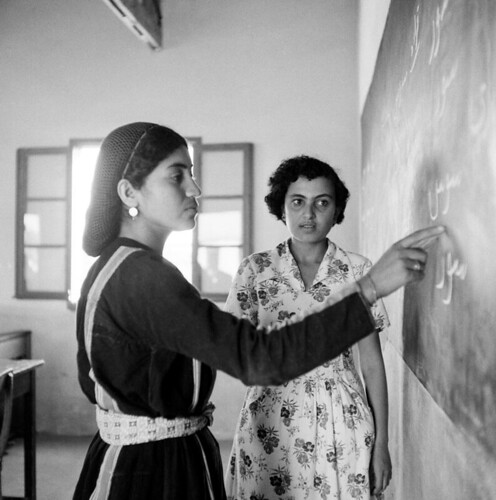
Northern Egypt cuisine is characterized by its unique regional variations and influences that distinguish it from other parts of the country. The culinary traditions here are shaped by a mix of Mediterranean, Middle Eastern, and local Egyptian flavors, creating a rich tapestry of tastes and ingredients. Coastal areas benefit from access to fresh seafood, which is a staple in many dishes, while inland regions incorporate more grains, legumes, and vegetables. The use of garlic, cumin, coriander, and lemon is prevalent, reflecting both local customs and trade influences over centuries. Additionally, historical interactions with Mediterranean civilizations have introduced olive oil and sophisticated baking techniques, notably in the preparation of bread and pastries. This blend of diverse influences results in a cuisine that is both vibrant and deeply rooted in regional identity, highlighting the cultural diversity of Northern Egypt.
Upper Egypt Specialties
Upper Egypt, known for its rich cultural heritage, offers a distinctive array of culinary specialties that reflect its historical and geographic influences. The cuisine in this region is characterized by hearty dishes, local ingredients, and traditional cooking methods that set it apart from other parts of Egypt.
Regional variations in Upper Egypt are evident in the use of grains like barley and millet, which are more prominent here than in Khaleej Egypt. Dishes such as Fattah, a layered meal of rice, bread, and meat, are commonly enjoyed during celebrations and special occasions. Additionally, molokhia, a leafy green stew, holds a significant place in Upper Egyptian cuisine, often prepared with specific herbs and spices unique to the region.
Influences from Nubian culture and neighboring regions have also contributed to the flavors and techniques found in Upper Egypt’s culinary traditions. The use of spices like coriander and cumin is prevalent, enhancing the flavors of stews, grilled meats, and vegetable dishes. The region’s specialties are often prepared using traditional methods like open-flame cooking and slow simmering, which preserve the authentic taste and texture of local ingredients.
Sweet treats such as basbousa and konafa are also popular in Upper Egypt, often flavored with local ingredients like sesame and date syrup. These desserts showcase the region’s rich agricultural produce and culinary craftsmanship, making Upper Egypt’s food not only a reflection of its history but also a vibrant expression of its regional identity.
Influence of Ottoman and Mediterranean Flavors
Egyptian cuisine is deeply shaped by a rich tapestry of regional variations and historical influences, notably from Ottoman and Mediterranean flavors. The Ottoman Empire’s presence in Egypt introduced a variety of spices, culinary techniques, and ingredients that are still evident today in dishes such as kebabs, stews, and savory pastries. These influences brought a level of sophistication and diversity to Egyptian cooking, blending Middle Eastern spice blends like baharat with local ingredients. Meanwhile, the proximity to the Mediterranean Sea has introduced a wealth of seafood, fresh vegetables, and olive oil, which are fundamental elements in many Egyptian dishes. The interplay of these regional and historical flavors creates a unique culinary identity, making Egyptian food a vibrant mosaic of cultural influences that varies across different regions within Egypt. Coastal areas tend to emphasize seafood and olive-based dishes, while inland regions may lean more towards hearty stews and bread-based foods, all infused with a blend of Ottoman and Mediterranean flavors that reflect Egypt’s historical crossroads.
Festive and Celebratory Dishes
Egyptian cuisine offers a rich array of festive and celebratory dishes that showcase its vibrant culinary traditions. During special occasions and holidays, families gather to enjoy flavorful dishes rooted in history and culture. These dishes often feature a blend of aromatic spices, fresh ingredients, and time-honored recipes, creating a lively and memorable dining experience for all who partake.
Shish Kebab and Grilled Meats
Egyptian cuisine features a variety of festive and celebratory dishes that highlight the rich culinary traditions of the region. Among these, shish kebab and grilled meats hold a special place, often served during special occasions, gatherings, and holidays. These dishes are prepared with seasoned cuts of meat, typically beef, lamb, or chicken, which are marinated with a blend of spices and herbs to enhance their flavor. They are then skewered and cooked over open flames or hot grills, resulting in tender, smoky, and flavorful meat that is a favorite in Egyptian celebrations. The art of grilling meat is deeply embedded in Egyptian food culture, symbolizing hospitality, community, and festivity. Served alongside traditional breads, salads, or rice, shish kebabs and grilled meats embody the warmth and vibrancy of Egyptian culinary heritage, making them staples in festive meals across the country.
Confectioneries for special occasions
Egyptian cuisine offers an array of festive and celebratory dishes and confectioneries that are cherished during special occasions and holidays. These dishes reflect Egypt’s rich cultural heritage and love for flavorful, often sweet, treats that bring families and communities together.
- Ma’amoul: Traditional filled cookies made with semolina and dates, nuts, or figs, often prepared during Eid and other celebrations.
- Kahk: Delicious honey-glazed cookies filled with nuts, a staple during Eid al-Fitr and other festive times.
- Basbousa: A moist, sweet cake made from semolina soaked in syrup, commonly served at feasts and gatherings.
- Qatayef: Pancake-like pastries filled with nuts or cheese, fried or baked, typically enjoyed during Ramadan and Eid.
- Baklava: Though originating from the Ottoman Empire, it’s widely enjoyed in Egypt during celebrations, made with layers of filo pastry, nuts, and honey syrup.
Festive dishes also include hearty main courses like stuffing-filled poultry, lamb, or beef dishes, often served with rice or bread. These dishes, combined with confectioneries, create a vibrant and sweet atmosphere fitting for Egyptian celebrations, symbolizing joy, unity, and prosperity.




0 Comments