
Traditional Moroccan Dishes
Traditional Moroccan dishes are renowned for their rich flavors, vibrant spices, and unique culinary techniques that reflect the country’s diverse cultural heritage. From aromatic stews to flavorful tagines, Moroccan cuisine offers a delightful blend of influences from Arab, Berber, Mediterranean, and Sub-Saharan cultures. These dishes often emphasize fresh ingredients, fragrant herbs, and slow cooking methods that create deeply satisfying and memorable tastes. Exploring Moroccan food provides a delicious journey into the heart of Morocco’s vibrant traditions and history.
Tagine
Traditional Moroccan dishes are renowned for their rich flavors, aromatic spices, and diverse ingredients that reflect the country’s vibrant culinary heritage. Among these dishes, Tagine stands out as a iconic and versatile centerpiece of Moroccan cuisine.
- Tagine: Named after the special earthenware pot in which it is cooked, Tagine is a slow-cooked stew that combines meat, vegetables, and spices. Common meats used include chicken, lamb, or beef, often paired with dried fruits, olives, and preserved lemons to add layers of flavor.
- Preparation: The ingredients are layered inside the conical lid of the Tagine pot, allowing steam to circulate and infuse the dish with intense flavors. The dish is simmered gently, resulting in tender meat and fragrant sauces.
- Variations: There are numerous regional and seasonal variations of Tagine, such as Chicken with preserved lemons and olives, Lamb with apricots, or Vegetarian options with seasonal vegetables and spices.
- Serving: Tagine is traditionally served with couscous or Moroccan bread, which is used to scoop up the delicious stew, making it a communal and hearty meal enjoyed across Morocco.
Couscous
Traditional Moroccan dishes are renowned for their rich flavors, aromatic spices, and unique cooking techniques that reflect the country’s diverse cultural heritage. Among these dishes, couscous stands out as a staple and beloved delicacy loved by locals and visitors alike.
Couscous is a traditional Moroccan dish made from tiny steamed balls of crushed durum wheat semolina. It is often served as a main course accompanied by a variety of hearty stews, such as lamb, chicken, or vegetable sauces, infused with spices like saffron, cinnamon, and cumin. The dish is typically garnished with dried fruits, nuts, and fresh herbs, creating a delightful blend of textures and flavors.
In Morocco, couscous is traditionally prepared in a special vessel called a couscoussière, which allows the grains to be steamed gently while the accompanying stews cook underneath. This method ensures the couscous remains light and fluffy. It is commonly served during family gatherings, religious celebrations, and special occasions, symbolizing unity and hospitality.
Beyond its delicious taste, couscous embodies the warmth and rich culinary traditions of Morocco, making it a must-try dish for anyone exploring Moroccan cuisine. Its versatility and comforting nature have helped it become a cherished part of Morocco’s food culture, enjoyed in homes and restaurants across the country.
Pastilla
Pastilla, also known as Bastilla, is a renowned traditional Moroccan dish that beautifully combines savory and sweet flavors. This dish is typically made with thin layers of flaky pastry called warqa or brick pastry, which encase a filling of spiced poultry, often chicken or pigeon, mixed with almonds, eggs, and sometimes seafood. The filling is seasoned with aromatic herbs and spices such as saffron, cinnamon, and ginger, creating a rich and fragrant taste. Once assembled, the pastilla is baked until golden and crispy on the outside, while remaining tender inside. It is often garnished with powdered sugar and cinnamon, offering a unique contrast that is characteristic of Moroccan cuisine. Pastilla is commonly served during special occasions and celebrations, reflecting its cultural significance and the artistry involved in its preparation.
Harira
Harira is a traditional Moroccan dish that is deeply embedded in the country’s culinary heritage. It is a hearty soup commonly enjoyed during the holy month of Ramadan to break fast, but it is also served throughout the year as a comforting and nourishing meal. Made with a rich blend of ingredients, Harira offers a harmonious balance of flavors and textures that reflect Morocco’s diverse culinary influences.
- Tomatoes: The base of Harira, providing a tangy and savory flavor.
- Lentils and chickpeas: Add protein and a hearty consistency to the soup.
- Meat: Usually lamb or beef, which adds depth and richness.
- Celery, onions, and fresh herbs: Contribute aromatic and fresh notes.
- Spices: Including cinnamon, ginger, turmeric, and pepper, giving it a warm and complex flavor profile.
- Rice or vermicelli: Sometimes added to create a more filling dish.
- Lemon juice and cilantro: Used for garnishing, adding brightness and freshness.
Harira is not only a nourishing dish but also a symbol of Moroccan hospitality and tradition, shared with family and friends over warm conversations and communal meals.
Popular Moroccan Ingredients
Moroccan cuisine is renowned for its vibrant flavors and aromatic spices, making it a delicious reflection of the country’s rich cultural heritage. Central to this culinary tradition are several popular ingredients that infuse dishes with unique taste and character. From fragrant herbs to bold spices, these ingredients capture the essence of Moroccan food and contribute to its global appeal.
Spices
Moroccan cuisine is renowned for its rich flavors and aromatic spices, which contribute to its distinctive and vibrant dishes. The country’s culinary tradition relies on a variety of essential ingredients that create the bold and warm tastes characteristic of Moroccan food.
- Berber onions and garlic serve as foundational ingredients, providing depth to many dishes.
- Preserved lemons add a unique tangy flavor, often used in tagines and salads.
- Olives, both green and black, are a staple, offering salty, earthy notes.
- Fresh herbs such as cilantro, parsley, and mint are used generously for garnish and flavor enhancement.
- Local vegetables like eggplants, zucchinis, and bell peppers are common in stews and salads.
- Meats such as lamb, chicken, and beef form the protein core of many traditional dishes.
- Cumin – a quintessential spice providing warmth and earthiness.
- Coriander – used for its citrusy and floral notes, often combined with other spices.
- Turmeric – lends a vibrant color and a mild, bitter flavor to tagines and rice.
- Saffron – prized for its distinctive aroma and golden hue, especially in rice dishes.
- Ginger – adds a spicy warmth, frequently used in both savory and sweet preparations.
- Cinnamon – used in both sweet dishes and savory stews to add a sweet and woody flavor.
- Paprika – often smoked, providing a smoky depth to various dishes.
Olives and Preserved Lemons
Moroccan cuisine is renowned for its bold flavors and aromatic ingredients, with olives and preserved lemons standing out as essential staples. These ingredients are integral to many traditional dishes, offering distinctive taste and depth.
- Olives: Morocco produces a wide variety of olives, which are often used in salads, tagines, and as appetizers. They add a salty, earthy flavor that complements many dishes.
- Preserved Lemons: A key component in Moroccan cooking, preserved lemons are lemons that have been pickled in salt and their own juices. They impart a tangy, fragrant citrus flavor to stews, sauces, and marinades.
- Usage in Dishes: Both olives and preserved lemons are frequently used in classic recipes like tagines, couscous, and salads, bringing authentic Moroccan taste to every meal.
Vegetables
Moroccan cuisine is renowned for its vibrant flavors and diverse ingredients, with vegetables playing a crucial role in many traditional dishes. Popular Moroccan vegetables include carrots, zucchini, peas, and bell peppers, which are often used in stews and tagines. Eggplants and tomatoes are staples that form the base of numerous sauces and side dishes, providing rich flavor and texture. Additionally, chickpeas and lentils are widely utilized, adding protein and heartiness to vegetarian and meat-based dishes alike. These fresh and flavorful vegetables are integral to Moroccan food, reflecting the country’s rich culinary heritage and emphasis on bold, aromatic flavors.
Meat and Fish
Moroccan cuisine is renowned for its rich flavors and diverse ingredients, with meat and fish playing a vital role. Popular meats include lamb, beef, and chicken, which are often used in traditional stews, tagines, and kebabs. These meats are typically seasoned with a variety of spices such as cumin, coriander, and saffron, enhancing their aromatic qualities. Fish is equally important in Moroccan cooking, especially in coastal regions. Common types include sardines, mackerel, and cod, which are often grilled, cured, or incorporated into flavorful broths and salads. Fresh herbs like parsley and cilantro, along with preserved lemons and olives, complement the meats and fish, creating the signature bold and vibrant flavors characteristic of Moroccan food.
Moroccan Food Techniques
Moroccan food techniques reflect a rich culinary heritage that combines indigenous Berber traditions with influences from Arab, Mediterranean, and African cuisines. The artistry in Moroccan cooking lies in its unique methods of preparing, flavoring, and presented dishes, emphasizing slow cooking, intricate spice blending, and the use of fresh, aromatic ingredients. These techniques create the vibrant and complex flavors that are characteristic of Moroccan cuisine, making it a delightful experience for the senses.
Slow Cooking in Tagines
Slow cooking in Tagines is a traditional Moroccan food technique that infuses dishes with rich flavors and tender textures. The Tagine, a conical clay pot, allows heat to circulate gently around the ingredients, creating a unique environment ideal for slow cooking. This method enhances the natural flavors of meats, vegetables, and aromatic spices, resulting in hearty and flavorful meals.
Preparing a Tagine involves layering ingredients such as meats, vegetables, and spices, then allowing them to simmer over low heat for several hours. The slow cooking process not only tenderizes tougher cuts of meat but also helps the spices meld, producing complex and delicious flavors. Common dishes made using this technique include Lamb Tagine with apricots, Chicken with preserved lemons and olives, and Vegetable Tagine with seasonal produce.
The use of a Tagine for slow cooking is a hallmark of Moroccan culinary tradition, emphasizing patience and depth of flavor. It is a vital technique that showcases the rich cultural heritage of Morocco, offering a unique and authentic taste experience for those who prepare and enjoy these slow-cooked dishes.
Marinating and Preserving
Moroccan cuisine is renowned for its rich flavors and diverse techniques of preparing and preserving food. The use of marinating and preserving methods plays a vital role in enhancing the taste and prolonging the freshness of various dishes. These techniques are deeply rooted in the country’s culinary traditions and reflect its cultural history.
Marinating is a fundamental process in Moroccan cooking, where meats, fish, and vegetables are soaked in flavorful mixtures to tenderize and infuse them with aromatic spices. Common ingredients in marinades include olive oil, lemon juice, garlic, saffron, cumin, and amber spices, which help develop deep flavors and tenderize the ingredients.
Preserving in Morocco involves techniques such as drying, pickling, and fermenting. These methods are essential for maintaining food during long periods and for creating traditional products like preserved lemons, which are a staple in many recipes. Preserved lemons add a distinctive tang and aroma to dishes like tagines and salads.
Some popular Moroccan food techniques include:
- Marinating meats and vegetables to enhance flavor and tenderness.
- Using preserved lemons and olives to add a unique sourness and complexity.
- Drying herbs and spices in the sun to intensify their aroma.
- Fermenting vegetables and dairy for traditional products like charmoula and preserved vegetables.
- Slow-cooking stews and tagines to develop layered flavors over time.
Using Fresh and Dried Spices
Moroccan cuisine is renowned for its rich flavors and aromatic spices, which are essential to creating authentic dishes. Using fresh and dried spices in Moroccan food techniques brings depth and complexity to each meal, highlighting the country’s culinary heritage. Fresh herbs like parsley, cilantro, and mint are often added at the end of cooking to preserve their vibrant aroma, while dried spices such as cumin, coriander, and cinnamon are toasted beforehand to enhance their potency. Achieving the perfect balance involves layering these spices during different stages of cooking, from slow-simmered tagines to spice-infused couscous. This technique not only amplifies flavors but also reflects the meticulous craftsmanship embedded in Moroccan culinary traditions, making each dish a flavorful journey through Morocco’s vibrant culture.
Regional Variations in Moroccan Cuisine
Moroccan cuisine is renowned for its rich tapestry of flavors and aromatic spices, which vary significantly across different regions of the country. Each area brings its unique culinary traditions, influenced by geographic, cultural, and historical factors. From the coastal flavors of the Atlantic and Mediterranean to the desert-influenced dishes of the south, regional variations in Moroccan food offer a diverse and authentic culinary experience that reflects the country’s vibrant heritage.
Atlas Mountain Flavors
Regional variations in Moroccan cuisine showcase the diverse culinary traditions across the country, with each region offering unique flavors and ingredients. The Atlas Mountains, in particular, contribute distinctive tastes that reflect the rich cultural heritage of the highland communities.
In the Atlas Mountain region, the flavors are deeply influenced by the local environment and the traditional way of life. The cuisine often features hearty, warming dishes designed to sustain residents in the cooler mountain climate. Herbs like thyme, chamomile, and coriander are frequently used, imparting aromatic qualities to the food. Mountain communities rely heavily on locally available ingredients such as barley, dried fruits, nuts, and game meats.
- Tagine dishes seasoned with wild herbs and dried fruits, offering a sweet and savory blend
- Using preserved lemons and olives to add depth to stews and sauces
- Oriental-style bread (khobz) baked in underground ovens, often serving as a staple accompaniment
- Soups like harira, enriched with lentils, chickpeas, and aromatic spices, perfect for the mountain climate
- Flatbreads and grilled meats, often flavored with cumin, paprika, and local herbs
Overall, the Atlas Mountain flavors emphasize the use of natural, locally sourced ingredients and traditional preparation techniques, creating a cuisine that is both hearty and aromatic, distinct from other regional varieties in Morocco.
Coastal Seafood Dishes
Moroccan cuisine is renowned for its rich diversity and vibrant flavors, which vary significantly across different regions of the country. Coastal areas, in particular, boast a distinct culinary tradition centered around fresh seafood and aromatic spices. In cities along the Atlantic and Mediterranean coasts, dishes commonly feature abundant fish, calamari, shrimp, and other marine bounty, often prepared with locally available herbs and spices such as saffron, cumin, and coriander. Maritime influences have given rise to signature dishes like grilled sardines, seafood tagines, and fish courtyards, which highlight the freshness of the catch and the skillful use of traditional Moroccan seasoning. These coastal recipes typically emphasize simplicity to showcase the quality of the seafood, while also incorporating regional flavors that reflect the cultural exchange due to Morocco’s historical ties with Mediterranean and Atlantic trade routes. As a result, coastal Moroccan seafood dishes offer a unique taste experience, blending the bounty of the sea with the aromatic essence of Moroccan culinary techniques.
Sahara Region Specialties
Moroccan cuisine is renowned for its rich flavors and diverse regional influences, with each region offering unique culinary specialties. The Sahara region, known for its vast deserts and nomadic culture, has developed distinctive dishes that reflect its environment and traditions.
- Tagine often features dried fruits like apricots and dates paired with lamb or chicken, infused with native spices such as saffron, cinnamon, and cumin.
- Pastila, a sweet and savory pie made from layers of pigeon meat, almonds, and honey, is a specialty in certain desert communities.
- Snacks like msemen and baghrir, traditional Moroccan pancakes, are enjoyed as breakfast or street food in Sahara settlements.
- Use of locally available ingredients such as millet, barley, and desert herbs influences the flavor profiles of Sahara dishes.
- Preserved foods, like dried meats and fruits, are vital for nomadic lifestyles and are often incorporated into meals.
Moroccan Sweets and Desserts
Moroccan sweets and desserts showcase a vibrant and rich culinary tradition that reflects the country’s diverse cultural influences. Known for their aromatic flavors, intricate presentations, and use of natural ingredients like honey, almonds, and orange blossom water, these treats are an essential part of Moroccan hospitality and celebrations. From delicate pastries to syrup-soaked confections, Moroccan desserts offer a delightful taste of the country’s rich heritage and vibrant culinary artistry.
Baklava and Chebakia
Moroccan sweets and desserts are renowned for their rich flavors, aromatic spices, and intricate presentation, reflecting the country’s vibrant culinary heritage. Among the most popular treats are Baklava and Chebakia, both of which showcase Morocco’s mastery in confections involving layers, honey, and nuts.
Baklava is a sweet pastry made of thin, flaky phyllo dough layered with chopped nuts such as almonds or walnuts. It is generously soaked in honey or syrup, giving it a sticky, sweet finish that is beloved throughout Morocco and the broader Middle Eastern region. Its crispy texture combined with the nutty filling creates a delightful contrast that is often enjoyed during festive occasions and special celebrations.
Chebakia, on the other hand, is a quintessential Moroccan pastry particularly associated with Ramadan. It is made by shaping dough into intricate flower or spiral shapes, then fried until golden brown. After frying, Chebakia is soaked in a honey syrup infused with orange blossom water, which imparts a fragrant aroma. Its crunchy exterior and sweet, fragrant interior make it a favorite during religious holidays and family gatherings.
Both Baklava and Chebakia exemplify the Moroccan love for sweet foods that combine sweetness, texture, and aromatic spices, reflecting the country’s diverse cultural influences and culinary traditions.
Fresh Fruits and Nuts
Moroccan cuisine is renowned for its rich and delightful sweets and desserts, which reflect the country’s vibrant culture and history. Traditional Moroccan sweets often feature ingredients like honey, almonds, pistachios, and dates, creating a harmonious blend of flavors and textures. Popular treats include baklava, chebakia, and zalabia, each offering a sweet journey through Morocco’s culinary heritage.
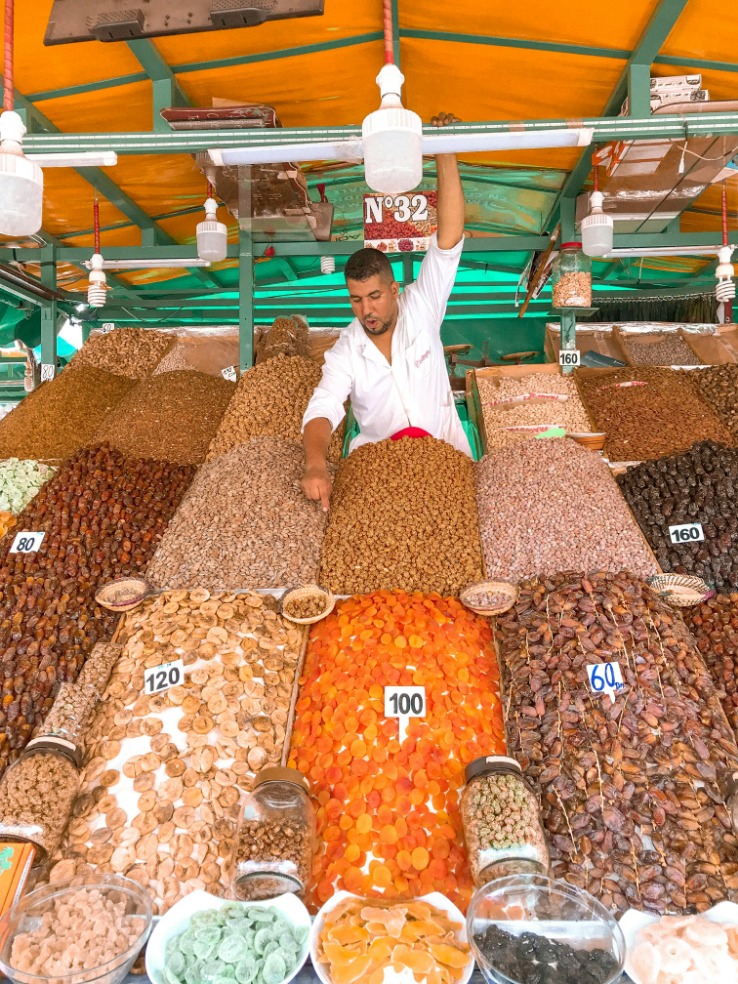
Fresh fruits play a vital role in Moroccan food, offering a natural sweetness and nutritional value. Common fruits such as oranges, mandarins, apricots, figs, and pomegranates are enjoyed seasonally and are often used in desserts or eaten fresh to complement savory dishes. These fruits are not only delicious but also symbolize prosperity and hospitality in Moroccan culture.
Nuts are an essential ingredient in many Moroccan recipes, adding crunch and richness. Almonds, pistachios, and walnuts feature prominently in confectionery and pastry making, as well as being sprinkled over salads and tagines. Their aromatic qualities enhance the depth of flavors in Moroccan cuisine, making every bite a rich and satisfying experience.
Honey and Almond-based Confections
Moroccan cuisine is renowned for its rich and diverse array of sweets and desserts, many of which highlight the country’s mastery in combining natural ingredients with aromatic spices. Among these, honey and almond-based confections hold a special place, showcasing tradition and flavor in every bite. Moroccan sweets are often prepared for celebrations and special occasions, reflecting the warmth and hospitality of Moroccan culture.
Sweet treats like Baklava, made with layers of flaky pastry, honey syrup, and finely chopped almonds, are popular throughout Morocco. These confections are soaked in honey, giving them a luscious sweetness and a chewy texture. Another beloved dessert is Chebakia, a sesame and almond cookie shaped into a flower or spiral, then deep-fried and coated with honey, offering a perfect harmony of crunchiness and sweetness.
Among the traditional Moroccan sweets, nougat and almond candies are also well-loved, often prepared during Ramadan and other festivities. These confections emphasize natural ingredients like pure honey, roasted almonds, and aromatic spices, creating a delicious fusion of flavors. The use of honey not only adds sweetness but also imparts a natural, fragrant aroma that elevates the overall taste experience.
Overall, Moroccan honey and almond-based desserts exemplify the country’s rich culinary heritage, emphasizing craftsmanship, natural ingredients, and a love for sweet, flavorful treats that delight both locals and visitors alike.
Moroccan Beverages
Moroccan beverages offer a rich and diverse array of flavors that reflect the country’s vibrant culture and traditions. From aromatic teas to refreshing fruit drinks, these beverages play a vital role in Moroccan social life and hospitality. Exploring these drinks provides a unique insight into Morocco’s culinary heritage and the warm, welcoming spirit of its people.
Mint Tea
Moroccan beverages are an integral part of the country’s rich culinary tradition, with mint tea being one of the most iconic and widely enjoyed drinks. Known locally as “Atay bi Naanaa,” Moroccan mint tea is celebrated for its refreshing taste and cultural significance. It is typically prepared with green tea, fresh spearmint leaves, and a generous amount of sugar, creating a sweet and aromatic beverage that symbolizes hospitality and social harmony. Serving mint tea is often a ceremonial activity, enjoyed during gatherings, celebrations, and at the end of meals. The process of making and sharing this tea reflects Moroccan values of warmth, friendliness, and community, making it much more than just a drink but a cherished social ritual.
Fruit Juices
Moroccan beverages, especially fruit juices, play a vital role in the country’s rich culinary tradition. Known for its diverse and vibrant flavors, Morocco offers a variety of refreshing drinks made from locally grown fruits. Popular choices include fresh orange juice, which is widely enjoyed for its tangy sweetness, and pomegranate juice, celebrated for its deep color and health benefits. Additionally, agua de naranja, a traditional orange water infused with subtle spices, is often served alongside meals. Other fruit-based drinks incorporate ingredients like lemon, watermelon, and apricot, reflecting Morocco’s fertile land and abundant fruit orchards. These beverages are not only refreshing but also embody the country’s cultural heritage and passion for vibrant, natural flavors, making them an essential part of Moroccan cuisine and hospitality.
Traditional Alcoholic Drinks (e.g., Mahia)
Moroccan beverages offer a rich variety of traditional drinks that showcase the country’s vibrant culture and hospitality. Among these, traditional alcoholic drinks like Mahia hold a special place. Mahia is a clear, potent spirit made from the distillation of fermented dates or figs, commonly consumed in Moroccan villages and rural areas. It is often enjoyed during celebrations, social gatherings, or as a customary welcoming drink for guests. Aside from Mahia, Morocco is also known for its aromatic mint tea, which, although non-alcoholic, is a fundamental part of Moroccan hospitality and complements many traditional dishes. These beverages reflect Morocco’s diverse history and the blending of Berber, Arab, and European influences in its culinary traditions.



0 Comments