
Geography of Botswana
Botswana, a landlocked country located in Southern Africa, boasts a diverse and captivating geography. It is characterized by vast expanses of desert, savannahs, and grasslands that support a rich variety of wildlife. The Kalahari Desert covers a large portion of the country, providing a unique landscape that shapes Botswana’s climate and ecosystems. Additionally, the country is punctuated by the Okavango Delta, one of the world’s largest inland deltas, which is a UNESCO World Heritage site and a vital habitat for numerous species. Botswana’s varied geography plays a crucial role in its cultural heritage, tourism, and conservation efforts.
Location and Boundaries
Botswana is a landlocked country located in southern Africa. It shares borders with Namibia to the west and north, Zimbabwe to the northeast, Zambia to the north, and South Africa to the south, southeast, and southwest. The country’s geographic position places it centrally within the southern African region, making it a significant crossroads in the area. Its location features vast, flat terrains with the Kalahari Desert covering much of the interior, contributing to its unique landscape and ecosystems.
Topography and Landscape
Botswana, located in southern Africa, features a diverse and intriguing geographical landscape that greatly influences its climate and ecosystems. The country is predominantly covered by the Kalahari Desert, which spans most of the southwestern part of Botswana, resulting in arid and semi-arid conditions across large areas. The landscape includes expansive plains, salt pans, and dunes, creating a unique desert environment.
The topography of Botswana is characterized by relatively flat terrain with some gently rolling hills and ridges. The Okavango Delta, one of the world’s largest inland deltas, forms a lush, fertile area in the northwest, contrasting sharply with the surrounding desert. This delta is a vital habitat for numerous species and is a UNESCO World Heritage Site due to its ecological significance.
In addition to the delta, Botswana’s landscape features the Makgadikgadi Salt Pans, vast dried-up lake beds that are remnants of ancient lakes. The eastern part of the country includes the border regions with Zimbabwe and South Africa, which have more varied terrain with some hills and ridges, including the Tswapong and Ghanzi Hills. Overall, Botswana’s topography and landscape create a distinctive environment that supports a rich diversity of wildlife and contributes to its prominence as a safari destination.
Major Lakes and Water Bodies
Botswana, located in Southern Africa, is a landlocked country known for its diverse geography that includes savannahs, deserts, and wetlands. The country is characterized by extensive flatlands and is largely covered by the Kalahari Desert, which influences its climate and landscape. Botswana’s terrain is mainly low-lying plateau with some mountain ranges and escarpments.
Major lakes and water bodies in Botswana include the Okavango Delta, one of the world’s largest inland delta and UNESCO World Heritage Site, renowned for its unique ecosystem and rich biodiversity. The Chobe River forms a significant waterway in the northern part, supporting abundant wildlife and serving as a vital water source. The Katsina and Thamalakane rivers are also important, with the Thamalakane River flowing through Maun and contributing to the Okavango Delta’s water system. These water bodies play a central role in Botswana’s ecological landscape and support the country’s thriving wildlife and tourism industries.
History of Botswana
Botswana, a landlocked country in southern Africa, has a rich history shaped by its indigenous tribes and colonial influences. The region was traditionally inhabited by the Tswana people, from whom the country derives its name. Throughout its history, Botswana experienced periods of gain and loss of independence, ultimately becoming a British protectorate in the early 20th century. It gained independence in 1966 and has since developed into one of Africa’s most stable and prosperous nations.
Pre-Colonial Era
The pre-colonial era of Botswana is a significant period marked by the rise of various indigenous communities and the development of rich cultural traditions. Before becoming a European protectorate, the region was inhabited by diverse groups such as the Bantu-speaking Tswana, Kalanga, and San peoples, each contributing to the area’s cultural and social fabric. The Tswana people established powerful chieftainships and organized themselves into chiefdoms, laying the foundations for centralized governance. Trade networks flourished across the region, connecting Botswana with neighboring territories and facilitating the exchange of goods like ivory, gold, and cattle. The San communities, known for their deep connection to the land and their hunter-gatherer lifestyle, played an essential role in shaping the early history of the region. This era was characterized by a complex society structure, resilient social systems, and extensive interactions with neighboring groups, all of which set the stage for future colonial and modern developments in Botswana.
Colonial Period and Independence
Botswana, a landlocked country in southern Africa, has a rich history shaped by its indigenous cultures and colonial influences. Before colonization, the region was inhabited by various Bantu-speaking groups, notably the Tswana people, who established complex societies and traded widely across the region.
During the colonial period, Botswana was known as the British Protectorate of Bechuanaland, established in 1885 to protect the area from encroachment by neighboring colonial powers. The British administered Bechuanaland with minimal interference, allowing local chiefs to retain authority, which helped preserve many aspects of Tswana culture. The colonial administration focused mainly on maintaining stability and protecting trade routes, rather than extensive economic development or infrastructure projects.
In the path toward independence, Bechuanaland’s movement for self-governance gained momentum in the 1960s. The country was noteworthy for its peaceful transition from colonial rule, leading to the country’s official independence from Britain on September 30, 1966. Seretse Khama, a prominent leader and traditional chief, became Botswana’s first president, emphasizing democratic governance and national unity. Since independence, Botswana has developed into one of Africa’s most stable and economically prosperous countries, largely due to prudent governance and its diverse natural resources.
Post-Independence Development
Botswana, a landlocked country in Southern Africa, gained independence from British colonial rule on September 30, 1966. Prior to independence, the region was known for its traditional societies and minimal European influence, primarily functioning as a protectorate under British administration. After independence, Botswana faced numerous challenges, including economic development and political stability, but it quickly established a reputation for good governance and prudent resource management.
Post-independence, Botswana’s economy historically relied on cattle farming, but the discovery of diamond resources transformed its economic landscape. The country implemented sound policies that promoted transparency and attracted foreign investment, turning diamonds into a cornerstone of its development. As a result, Botswana experienced steady economic growth, improving infrastructure, healthcare, and education systems.
Throughout its post-independence period, Botswana maintained a stable democratic government characterized by regular elections and respect for human rights. The government prioritized poverty reduction, diversification of the economy, and social development, resulting in significant improvements in the quality of life for many citizens. Additionally, Botswana has been recognized for its efforts in wildlife conservation and maintaining political stability in a region that has faced various conflicts.
Today, Botswana continues to develop its economy beyond diamond mining by investing in sectors like tourism and agriculture, aiming for sustainable growth. The country’s post-independence journey reflects its commitment to stability, good governance, and inclusive development, establishing it as a notable example in Africa.
Political System and Governance
Botswana, located in southern Africa, boasts a stable and democratic political system that has contributed to its development and growth. Its governance structure is characterized by a parliamentary democracy with regular elections, a transparent government, and respect for human rights. This political stability has played a crucial role in fostering economic progress and social development across the nation.
Constitution and Political Structure
Botswana’s political system is a stable democracy characterized by a parliamentary republic structure. It features a multi-party system where the President is both the head of state and government, elected by the National Assembly. The country’s governance framework emphasizes the rule of law, respect for human rights, and democratic principles. The constitution of Botswana, adopted in 1966, is the supreme law and establishes the separation of powers among the executive, legislature, and judiciary. It provides for regular elections, protections of fundamental rights, and mechanisms to ensure accountable governance. The political structure is further defined by an active parliament consisting of the National Assembly and the House of Chiefs, which plays an advisory role. Botswana’s governance and constitutional integrity have contributed significantly to its reputation as one of Africa’s most democratic nations, ensuring political stability and efficient administration across the country.
Major Political Parties
Botswana, located in Southern Africa, has a stable political system characterized by democratic governance and peaceful transitions of power. The country operates a multi-party political system, ensuring representation of various political ideologies and interests. Botswana’s governance is based on a parliamentary democracy with a clear separation of powers among the executive, legislature, and judiciary.
The political landscape in Botswana is dominated by two major political parties that have played significant roles in the country’s development and stability. These parties have contributed to shaping Botswana’s policies and its reputation for good governance in the region.
- Botswana Democratic Party (BDP): The ruling party since independence in 1966, known for its progressive policies, economic stability, and focus on development.
- United Democratic Party (UDC): The main opposition party, advocating for social issues, economic reforms, and inclusive governance to challenge the ruling party.
Role of Traditional Authorities
Botswana’s political system is a democratic republic characterized by a multi-party system, with power primarily centered around the presidency and the National Assembly. The country upholds principles of constitutional democracy, regular elections, and the rule of law, ensuring stability and good governance. Traditional authorities in Botswana, such as village chiefs and dikgosi, play a significant role in local governance and community leadership. These traditional leaders work alongside government institutions, serving as custodians of cultural heritage and mediators within their communities. Their influence helps maintain social cohesion and promotes local participation in governance processes, blending modern political institutions with indigenous leadership structures for effective governance across the nation.
Economy of Botswana
The economy of Botswana is a prominent example of stability and growth within Africa, driven largely by its rich mineral resources and prudent economic policies. Known for its diamond industry, the country has managed to achieve steady development, reduce poverty, and improve living standards over recent decades. Despite challenges such as unemployment and dependence on mining, Botswana continues to diversify its economy and invest in sectors like tourism and agriculture to ensure sustainable progress.
Natural Resources and Mining
Botswana, a landlocked country in Southern Africa, has a remarkably stable and growing economy primarily driven by its rich natural resources and mining industry. The country is known for its prudent economic management, which has helped it maintain steady growth over the years. Natural resources in Botswana mainly include diamonds, which are a significant contributor to the national revenue and export earnings.
The mining sector is the backbone of Botswana’s economy, with diamonds accounting for a substantial portion of the country’s income. Aside from diamonds, Botswana also has deposits of copper, nickel, soda ash, and gold, though these are less developed. The government has implemented policies to diversify the economy, promoting sectors such as agriculture, tourism, and manufacturing to reduce dependency on mineral exports.
Botswana’s natural resource wealth has provided the foundation for economic stability; however, it also presents challenges related to resource management and environmental sustainability. The country continues to explore ways to maximize the benefits of its resources while developing other sectors to ensure long-term economic resilience.
Tourism Industry
Botswana’s economy is primarily driven by diamond mining, which accounts for a significant portion of its revenue and exports. The country has successfully managed its natural resources, leading to stable economic growth over the years. In addition to diamonds, Botswana is exploring sectors like agriculture, manufacturing, and services to diversify its economy and reduce dependence on mineral resources.
The tourism industry in Botswana is a vital part of its economy, renowned for its rich wildlife and pristine natural landscapes. The country attracts eco-tourists and adventure travelers eager to experience its national parks, such as Chobe and Okavango Delta, home to diverse flora and fauna. Botswana’s commitment to conservation and sustainable tourism has helped maintain its reputation as a premier safari destination in Africa, boosting revenue and creating employment opportunities for local communities.
Agriculture and Livestock
Botswana, a landlocked country in southern Africa, boasts a mixed economy heavily reliant on diamond mining, which accounts for a significant portion of its revenue and exports. The country has demonstrated stable economic growth over recent decades, benefiting from prudent fiscal policies and international support. Despite the dominance of mineral resources, Botswana has been actively diversifying its economy to include other sectors such as agriculture, tourism, and services.
Agriculture plays an important role in Botswana’s economy, providing employment for a large segment of the population, particularly rural communities. The main agricultural activities include cattle raising, crop farming, and subsistence farming. However, the sector faces challenges such as recurrent droughts, limited arable land, and water scarcity, which hamper productivity and growth. Despite these obstacles, efforts are being made to improve agricultural techniques, introduce drought-resistant crops, and promote sustainable farming practices.
Livestock farming, especially cattle, is a vital aspect of Botswana’s agricultural sector and cultural heritage. The country is known for its substantial cattle herd, which supports local livelihoods and contributes to the economy through beef exports. The government has implemented policies to enhance livestock health and productivity, including vaccination programs and livestock management standards. Additionally, livestock activities provide essential income and food security for many Botswanans, reinforcing the importance of agriculture and livestock in the nation’s socio-economic landscape.
Economic Challenges and Opportunities
Botswana, located in Southern Africa, boasts a stable and growing economy primarily driven by its rich diamond resources, which account for a significant portion of its GDP and exports. The country has experienced steady economic growth over the past decades, making it one of Africa’s more successful economies. However, despite these advancements, Botswana faces several challenges that threaten its economic stability.
One of the main economic challenges is its heavy dependence on diamond exports, which exposes the country to fluctuations in global commodity prices. This reliance limits diversification and makes Botswana vulnerable to economic shocks. Additionally, unemployment rates remain relatively high, especially among the youth, and income inequality persists, hindering broader social development.
Despite these obstacles, Botswana has numerous opportunities for economic expansion. The government is actively promoting diversification into sectors such as tourism, agriculture, and manufacturing, aiming to reduce dependency on diamonds. The country’s political stability, sound governance, and investment-friendly environment create a conducive climate for attracting foreign investment. Moreover, initiatives to enhance better infrastructure, education, and technological innovation could further boost economic resilience and growth in Botswana.
Culture and Society
Culture and society in Botswana are rich and diverse, reflecting the nation’s deep-rooted traditions and modern influences. As a country in southern Africa, Botswana’s societal fabric is woven from a mix of indigenous customs, such as the Setswana language and cultural practices, alongside contemporary developments. Understanding this dynamic interplay provides insight into how Botswana maintains its cultural identity while embracing progress in the modern world.
Ethnic Groups and Languages
Botswana is a landlocked country in Southern Africa known for its rich cultural diversity, vibrant society, and variety of ethnic groups. It has a unique blend of traditions and modern influences that shape its national identity.
- Many ethnic groups coexist peacefully in Botswana, including the Tswana, Kalanga, and Basarwa (San) communities.
- The Tswana people are the largest ethnic group and their language, Setswana, is the national language and widely spoken across the country.
- Other significant languages include Kalanga, spoken mainly in the northeastern regions, and English, which is used in government, education, and business.
- Traditional music, dance, and storytelling play an important role in maintaining cultural heritage and community bonds.
- National celebrations, such as Botswana Day, reflect the country’s history and cultural pride.
Traditional Customs and Practices
Botswana has a rich cultural heritage that reflects its history, traditions, and social practices. The society is known for its strong sense of community, respect for elders, and preservation of traditional customs that have been passed down through generations.
- Traditional Music and Dance: Music and dance play a vital role in Botswana’s cultural identity. The dikgafela, a dance performed during celebrations, exemplifies the vibrant spirit of the people.
- Customs and Rituals: Initiation ceremonies such as the Boy and Girl Scouts are important rites of passage, marking the transition from childhood to adulthood.
- Traditional Clothing: The attire, including the widely recognized iseakele (beaded necklaces) and bogobe, reflects the tribe’s identity and social status.
- Language and Oral Tradition: Setswana is the national language, and storytelling is a crucial way of passing down history, morals, and traditional knowledge.
- Respect for Elders: Society emphasizes respect and reverence for older members, who are regarded as custodians of wisdom and tradition.
These customs and practices contribute to the vibrant and cohesive social fabric of Botswana, maintaining a deep connection to its cultural roots amid modern influences.
Music, Dance, and Festivals
Botswana, a landlocked country in Southern Africa, boasts a rich and diverse culture deeply rooted in its history and traditions. The society is characterized by a strong sense of community, traditional values, and respect for elders, which play a vital role in daily life. Music and dance are essential aspects of Botswana’s cultural expression, often performed during celebrations, ceremonies, and social gatherings to celebrate important events and reinforce social bonds. The traditional music includes styles such as the folk songs and drumming known as “Setapa,” which reflect themes of love, social issues, and historical narratives. Dance forms, like the energetic Ngwaswama and the slow, rhythmic setswana dances, are performed to accompany musical performances, showcasing agility and cultural storytelling. Festivals in Botswana are lively and colorful, celebrating everything from traditional customs to significant national milestones. The Dhow Festival and the Maitisong Festival highlight local arts, music, dance, and crafts, drawing visitors and fostering national pride. Overall, Botswana’s cultural landscape is a vibrant mosaic that continues to thrive, preserving its heritage while embracing modern influences.
Wildlife and Environment
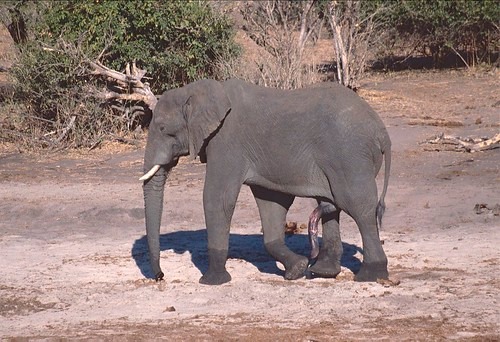
Botswana, a remarkable country in Africa, is renowned for its rich wildlife and commitment to environmental conservation. The nation’s vast savannas, deserts, and waterways provide a diverse habitat for numerous species, including elephants, lions, and cheetahs. Protecting this natural heritage is essential not only for preserving Botswana’s unique ecosystem but also for maintaining the global ecological balance. Sustainable practices and conservation efforts play a vital role in ensuring that future generations can enjoy the beauty and bounty of Botswana’s environment.
Major National Parks and Reserves
Botswana is renowned for its rich wildlife and pristine natural environments, making it a premier destination for eco-tourism in Africa. The country is home to some of the continent’s most famous national parks and reserves, which play a crucial role in conservation efforts and habitat preservation.
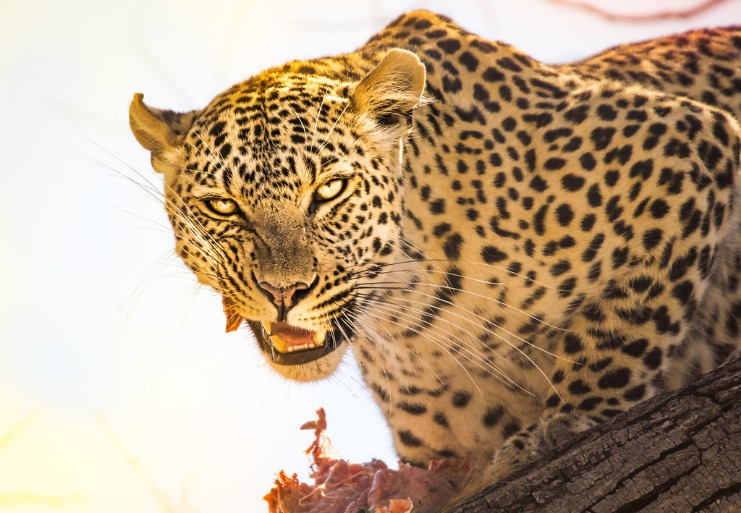
One of the most notable protected areas in Botswana is the Chobe National Park, known for its large herds of elephants, diverse birdlife, and stunning river landscapes. The Okavango Delta, a UNESCO World Heritage Site, is another highlight, offering a unique ecosystem with lush wetlands that support a wide array of wildlife, including lions, leopards, and hippos. The Moremi Game Reserve, located within the Okavango Delta, is a critical habitat for many species and offers exceptional game viewing opportunities.
Other significant reserves include the Central Kalahari Game Reserve, which protects a vast desert landscape inhabited by black-maned lions, and the Makgadikgadi Pans National Park, known for its expansive salt pans and seasonal wildlife migrations. These parks and reserves exemplify Botswana’s commitment to conserving its natural heritage and provide safe havens for numerous species to thrive, ensuring the country’s ecosystems remain vibrant and resilient.
Conservation Efforts
Botswana, located in Southern Africa, is renowned for its rich wildlife and dedication to environmental conservation. The country’s vast savannas and protected parks such as Chobe National Park and the Okavango Delta serve as critical habitats for a diverse range of species including elephants, lions, and rhinos. These areas attract numerous eco-tourists, contributing significantly to Botswana’s economy while emphasizing the importance of preserving natural ecosystems.
Conservation efforts in Botswana are robust, with the government implementing policies to safeguard wildlife and combat poaching. Anti-poaching units are actively engaged in protecting endangered species, especially elephants targeted for their ivory. Community-based conservation initiatives also play a vital role, empowering local populations to participate in sustainable practices and conserve their natural heritage.
Additionally, Botswana has embraced innovative strategies like satellite tracking and wildlife monitoring to better understand animal movements and threats. These efforts not only help preserve biodiversity but also promote eco-tourism as a sustainable development pillar. Overall, Botswana exemplifies a country committed to balancing economic growth with environmental stewardship for the benefit of future generations.
Endangered Species
Botswana, located in Southern Africa, is renowned for its rich wildlife and pristine natural environments. The country is home to some of the world’s most iconic species, making it a critical area for conservation efforts. Protecting wildlife in Botswana is essential to maintaining the region’s ecological balance and biodiversity.
- Endangered Species in Botswana include the African elephant, black rhinoceros, and wild dog, all facing threats from poaching and habitat loss.
- Conservation organizations in Botswana work tirelessly to safeguard these species through anti-poaching initiatives and protected areas such as the Okavango Delta and Chobe National Park.
- The government has implemented strict laws and community-based conservation programs to promote sustainable tourism and wildlife preservation.
- Efforts are also focused on restoring habitats and addressing human-wildlife conflict to ensure the survival of endangered animals.
- Public awareness campaigns aim to educate local communities and visitors about the importance of preserving Botswana’s unique ecosystems.



0 Comments