
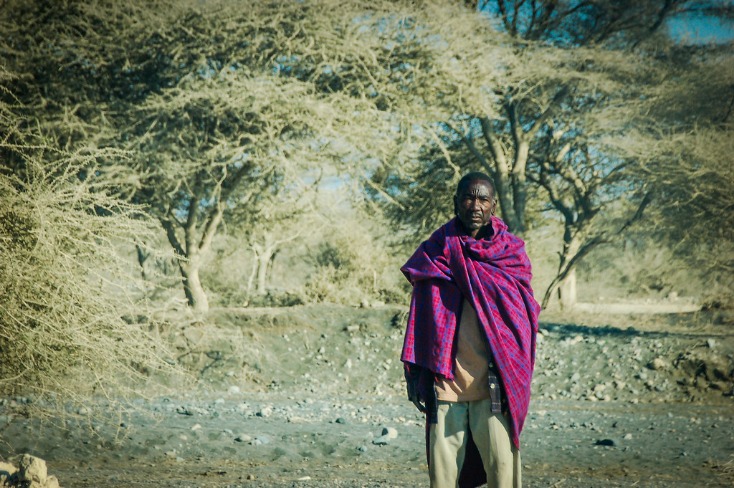
Demographics of Tanzania
The demographics of Tanzania are characterized by a diverse and vibrant population. With a population exceeding 60 million, Tanzania is one of the most populous countries in East Africa. The country is home to various ethnic groups, with Bantu-speaking communities making up the majority, alongside Nilotic and Cushitic groups. The population is young, with a large proportion of people under the age of 25. Urban centers like Dar es Salaam and Arusha are rapidly growing, reflecting ongoing national development and urbanization trends.
Population Size and Growth Rate
The people of Tanzania are known for their diverse ethnic backgrounds, with over 120 ethnic groups contributing to a rich cultural mosaic. The population size of Tanzania is approximately 65 million people, making it one of the most populous countries in East Africa. The country has experienced steady population growth over recent decades, with an annual growth rate of about 2.7%. This rapid increase is driven by improvements in healthcare and fertility rates, which continue to shape the demographic landscape of Tanzania, impacting its social and economic development.
Age Distribution and Population Pyramid
The demographics of Tanzania reveal a youthful population with a significant proportion of young people. The age distribution and population pyramid illustrate the demographic structure and growth pattern of the country, highlighting its potential for future development and the social dynamics within the nation.
- The population of Tanzania is estimated to be over 60 million people, making it one of the most populous countries in Africa.
- A large majority of the population is under the age of 15, indicating a high birth rate and a youthful demographic profile.
- The median age in Tanzania is approximately 17 years, reflecting the preponderance of children and teenagers.
- The population pyramid exhibits a broad base, which tapers gradually towards older age groups, typical of developing nations with high fertility rates.
- This pyramid shape underscores the importance of youth-centered policies and investment in education, healthcare, and employment opportunities to accommodate a growing young population.
- Over the coming decades, Tanzania’s population is expected to continue growing, with the youth demographic gradually aging and influencing the country’s socioeconomic landscape.
Urban vs Rural Population Distribution
The population of Tanzania is characterized by a diverse demographic profile, with a significant portion residing in both urban and rural areas. According to recent data, approximately 35% of the population lives in urban centers, while the remaining 65% resides in rural regions. This distribution reflects Tanzania’s largely agrarian economy, where rural communities predominantly engage in farming and related activities. Urban areas such as Dar es Salaam, Arusha, and Dodoma continue to experience growth due to rural-urban migration driven by economic opportunities, education, and better infrastructure. Despite the increasing urbanization trend, a majority of Tanzanians still lead rural lifestyles, maintaining traditional customs and lifestyles. The demographic landscape is thus marked by a youthful population, with a median age around 18 years, and a mixture of rapid urban expansion alongside a predominantly rural demographic foundation.
Ethnic Composition of Tanzania
Tanzania is a diverse nation with a rich tapestry of ethnic groups, each contributing to the country’s vibrant cultural landscape. The country’s population comprises over 120 distinct ethnic communities, ranging from large, well-known groups to smaller indigenous tribes. This ethnic diversity is reflected in Tanzania’s languages, traditions, and social practices, making it a melting pot of cultures that shape the nation’s identity.
Main Ethnic Groups
The people of Tanzania are characterized by a diverse range of ethnic groups, each contributing to the rich cultural mosaic of the nation. These groups vary significantly in language, traditions, and social practices, reflecting the country’s complex history and ethnic diversity.
- Chaga: Predominantly found in the Kilimanjaro region, the Chaga are known for their agriculture, especially coffee cultivation, and rich cultural heritage.
- Iraqw: Primarily located in northeastern Tanzania, the Iraqw are part of the Cushitic-speaking communities with distinct customs and language.
- Nyamwezi: Historically significant as traders and carriers, the Nyamwezi are found in central Tanzania and speak the Nyamwezi language.
- Zanzibar Swahili: Encompassing various ethnic groups including Arabs, Persians, and local Bantu communities, the Swahili coast is a melting pot of cultures with a predominant Swahili language.
- Makonde: Indigenous to southeastern Tanzania and northern Mozambique, the Makonde are renowned for their intricate wood carvings and art forms.
- Hadzabe and Datoga: Indigenous hunter-gatherer and pastoralist groups in northern Tanzania, preserving ancient traditions and lifestyles.
Minority Ethnicities and Their Cultures
Tanzania is a country known for its rich and diverse ethnic composition, comprising numerous ethnic groups each with unique cultures, traditions, and languages. While the majority of the population belongs to the Bantu-speaking communities, there are also significant minority ethnicities that contribute to the country’s vibrant cultural mosaic.
- Massai: A prominent Nilotic ethnic group famous for their semi-nomadic pastoralist lifestyle, distinct customs, attire, and traditional dances. They are primarily found in northern Tanzania and southern Kenya.
- Chaga: An Bantu-speaking group residing mainly on the slopes of Mount Kilimanjaro, known for their agricultural skills, particularly coffee cultivation, and elaborate rituals.
- Hehe: Originally from the central highlands, the Hehe are recognized for their rich history and traditional governance systems, as well as their resilience and warrior spirit.
- Nyamwezi: Known for their historical role as traders, they inhabit the central regions and have a rich tradition of music and dance.
- Hadza: One of the last hunter-gatherer groups in Africa, residing in the Lake Eyasi region, known for their distinctive language and subsistence practices based on hunting and gathering.
- Makonde: Located in the southern regions, the Makonde are famed for their intricate wood carvings and ebony sculptures, which are vital to their cultural identity.
- Datoga: A Nilotic pastoralist group found in the northern parts, known for their metalworking skills, distinctive beadwork, and cattle herding traditions.
- Gogo: Inhabitants of the central Tanzania plateau, with a rich oral history, dance, and storytelling traditions that play a crucial role in their community life.
These minority ethnicities maintain their distinctive languages, customs, and traditional practices, enriching the cultural landscape of Tanzania. Despite the dominance of the Swahili language and culture, these diverse groups continue to preserve their heritage and contribute significantly to the nation’s identity.
Ethnic Distribution Across Regions
The ethnic composition of Tanzania is highly diverse, reflecting a rich tapestry of cultural backgrounds. The country is home to over 120 distinct ethnic groups, each contributing to the nation’s vibrant cultural landscape. The largest ethnic group is the Sukuma, who primarily inhabit the Mwanza region in the northwest. Other major groups include the Chagga in the Kilimanjaro region, the Haya in the Kagera region, and the Nyamwezi in the Tabora region. The coastal areas are predominantly occupied by the Swahili-speaking peoples, including the Zaramo and the Shirazi settlers, blending African and Arab heritage. Additionally, there are significant numbers of Maasai pastoralists living in the northern regions, known for their unique customs and traditions. Ethnic distribution across regions highlights a diverse mosaic, with certain groups concentration dominating specific geographical areas, yet the population remains largely integrated in a multicultural society.
Languages Spoken in Tanzania
Tanzania is a linguistically diverse country, home to a multitude of languages spoken by its people. While Swahili and English are the official languages, there are numerous indigenous languages that reflect the rich cultural heritage of the nation’s various ethnic groups. This linguistic mosaic plays a significant role in shaping the identity and daily life of Tanzanians across the country.
Official Languages
In Tanzania, the primary official language is Swahili, which is widely spoken across the country and serves as a unifying means of communication among diverse ethnic groups. Additionally, English is also an official language and is used extensively in government, education, and business sectors. Besides these official languages, Tanzania is home to a multitude of indigenous languages spoken by various ethnic communities, including Sukuma, Chaga, and Haya. This rich linguistic diversity reflects the country’s vibrant cultural heritage and the importance of language in shaping local identities.
Major Indigenous Languages
Tanzania is a country rich in linguistic diversity, reflecting its vibrant cultural heritage. The official language is Swahili, which is widely spoken across the nation and serves as a national unifying language. English is also an official language and is commonly used in government, education, and business sectors.
Besides Swahili and English, Tanzania is home to a multitude of indigenous languages. Some of the major indigenous languages include Sukuma, Chaga, Haya, Nyamwezi, and Hehe. These languages are spoken by various ethnic groups and are an integral part of their cultural identity.
Overall, Tanzania’s linguistic landscape embodies a blend of colonial influences and indigenous traditions, making it a truly multilingual nation. The coexistence of these languages fosters cultural diversity and enhances communication within the country.
Language Use in Different Sectors
In Tanzania, the linguistic landscape is quite diverse, reflecting the country’s rich cultural heritage. Swahili, known locally as Kiswahili, is the national language and is widely spoken across the nation, serving as a lingua franca that unites people from various ethnic backgrounds. English is also extensively used, especially in government, education, and business sectors, due to Tanzania’s colonial history and its role as an official language. Besides Swahili and English, numerous indigenous languages such as Chaga, Hehe, and Maasai are spoken in different regions, often within local communities. The use of languages varies across sectors; Swahili is predominantly used in everyday communication, traditional ceremonies, and local media, while English is prevalent in formal settings like government administration, higher education, and commerce. Indigenous languages tend to be confined to specific regions and community interactions, helping preserve the cultural identities of various ethnic groups. Overall, language use in Tanzania reflects a balance between national unity and cultural diversity, influencing social, educational, and professional spheres of life.
Religious Beliefs and Practices
Religious beliefs and practices play a significant role in the daily lives of people in Tanzania. The country is known for its rich religious diversity, with Christianity and Islam being the most widely practiced faiths. Many Tanzanians incorporate their spiritual beliefs into their customs, traditions, and community activities, creating a vibrant tapestry of religious expression that influences social and cultural life across the nation.
Predominant Religions
Religious beliefs and practices play a significant role in the lives of people in Tanzania, shaping their cultural identity and social interactions. Tanzania is home to a diverse religious landscape, reflecting its rich cultural heritage and history of coexistence among different faith communities.
- Christianity is the predominant religion in Tanzania, with a large percentage of the population identifying as Protestants or Catholics. Churches are prominent in many communities, and Christian festivals such as Christmas and Easter are widely celebrated.
- Islam is also a major religion in Tanzania, especially in the coastal regions and the city of Zanzibar. Muslims in Tanzania observe traditional practices of Islam, including daily prayers, fasting during Ramadan, and celebrating Islamic festivals such as Eid.
- There are also indigenous and traditional beliefs practiced by some communities, which often involve worship of ancestors, nature spirits, and participation in rituals that are integral to their cultural identity.
Overall, religious tolerance and the blending of different spiritual practices are common in Tanzanian society, reflecting its spirit of unity amidst diversity.
Religious Festivals and Ceremonies
Religious beliefs and practices play a vital role in the lives of many people in Tanzania, reflecting a rich tapestry of traditions and faiths. The majority of Tanzanians adhere to Christianity and Islam, with a significant number also practicing indigenous beliefs rooted in local customs and spirituality. These faiths influence daily life, community interactions, and cultural celebrations across the country.
Religious festivals and ceremonies are vibrant and integral to Tanzanian society. Christian holidays such as Christmas and Easter are widely celebrated with church services, processions, and communal feasts. Islamic festivals like Eid al-Fitr and Eid al-Adha are marked with prayers, social gatherings, and charitable giving. Indigenous rituals often involve traditional music, dance, and rites of passage, emphasizing a deep connection to ancestral and natural spirits. These festivals serve as unifying events that reinforce cultural identity and spiritual devotion among Tanzanians.
Religious Influence on Daily Life
Religious beliefs and practices play a vital role in the daily lives of people in Tanzania. The country is home to a diverse multitude of faiths, including Christianity, Islam, and indigenous beliefs, each influencing social norms, rituals, and community activities. Many Tanzanians participate in religious ceremonies, prayers, and festivals that reinforce their spiritual values and cultural identity.
Religion in Tanzania often guides moral conduct, family life, and community responsibilities. Religious leaders hold significant influence, providing guidance and support to their followers and promoting social cohesion. Religious practices are integrated into daily routines, from morning prayers to special holiday observances, fostering a strong sense of belonging and shared faith among communities.
The presence of various religious groups often encourages intercultural dialogue and tolerance, shaping the nation’s inclusive spirit. Despite differences, religion remains a unifying force, contributing to peace and stability within Tanzanian society. Overall, religious beliefs and practices deeply shape the social fabric and individual identities of Tanzanians, influencing their worldview and interactions every day.
Education and Literacy
Education and literacy are vital components for the development and empowerment of individuals and communities. In Tanzania, efforts to improve access to quality education have been essential in bridging gaps and fostering economic growth. Literacy rates continue to rise, opening new opportunities for the youth and contributing to the country’s overall progress. Understanding the state of education in Tanzania highlights the significance of sustained investment and innovative initiatives to ensure inclusive learning for all.
Educational Attainment Levels
Education and literacy are vital components of development for the people of Tanzania. Over the years, the country has made significant progress in increasing access to basic education and improving literacy rates among its population.
Educational attainment levels in Tanzania vary across regions and age groups, with many young people completing primary education and a growing number pursuing secondary and higher education. Despite these advances, challenges such as limited resources and infrastructure gaps continue to impact the quality and reach of education.
Efforts by the government and various organizations aim to enhance literacy and ensure more Tanzanians can access quality education, which is essential for economic growth and social development in the country.
Literacy Rates by Region and Gender
Education and literacy are vital indicators of social development in Tanzania, reflecting the nation’s progress towards achieving inclusive growth. Despite significant improvements, disparities remain among different regions and between genders, highlighting areas that need targeted interventions.
- Overall literacy rate in Tanzania has increased over the past decade, with current estimates around 77% for adults.
- Regional variations are notable; urban areas such as Dar es Salaam and Arusha typically report literacy rates above 85%, while some rural regions like Morogoro and Rukwa lag behind at approximately 65-70%.
- Gender disparities persist, with male literacy rates generally higher than female rates. Across the country, male literacy stands at about 80%, compared to 74% for females.
- Efforts by the government and NGOs continue to focus on improving access to education for girls and marginalized communities, aiming to close the gender gap.
- Challenges such as limited infrastructure, poverty, and cultural factors still hinder universal literacy and equitable education in Tanzania.
Access to Education in Rural Areas
Education and literacy are vital components for the development of Tanzania, especially in rural areas where access to quality education remains a significant challenge. Many children in these regions face difficulties due to limited infrastructure, shortage of qualified teachers, and inadequate learning materials. Consequently, literacy rates in rural Tanzania tend to lag behind those in urban centers, hindering socioeconomic progress.
Access to education in rural Tanzania is often constrained by geographical barriers, poverty, and cultural factors that prioritize other activities over schooling. Schools are frequently located far from communities, making it difficult for children, especially girls, to attend regularly. Limited transportation options and economic hardships further impede consistent school attendance.
Efforts by the government and various non-governmental organizations aim to improve educational infrastructure, provide scholarships, and promote awareness about the importance of education. Initiatives like building more schools, training teachers, and supplying learning materials are helping to bridge the gap. Nonetheless, addressing the diverse challenges faced by rural populations remains essential to achieving universal access to quality education in Tanzania.
Occupations and Economic Activities
Occupations and economic activities are vital aspects of daily life for the people of Tanzania. These activities shape the country’s economy and influence the livelihoods of its residents. From agriculture to commerce, Tanzanians engage in diverse fields that contribute to their community and national development.
Agriculture and Farming Practices
People in Tanzania are engaged in a variety of occupations and economic activities that sustain the country’s economy and communities. Agriculture remains the main livelihood for a significant portion of the population, providing employment and food security across rural areas. Farmers in Tanzania cultivate a wide range of crops including maize, bananas, coffee, tea, and cocoa, utilizing traditional and modern farming practices to enhance productivity. Many farmers rely on subsistence farming, while others participate in commercial agriculture to generate income. Farming practices often involve mixed cropping, use of organic fertilizers, and traditional irrigation techniques, though modern methods are gradually gaining popularity. Besides agriculture, Tanzanians also work in fishing, mining, manufacturing, and services sectors, contributing to economic diversification. Overall, agriculture and farming practices continue to play a vital role in shaping Tanzania’s social and economic landscape, supporting millions of livelihoods and food systems.
Urban Employment and Industries
Occupations and economic activities in Tanzania are diverse, reflecting the country’s rich natural resources and growing urbanization. Many Tanzanians are engaged in agriculture, which remains the primary occupation and source of livelihood, with farming, fishing, and forestry leading the way. Urban employment is expanding rapidly, especially in cities like Dar es Salaam, Dodoma, and Arusha, where industries such as manufacturing, trade, and services are becoming more prominent. The industrial sector in Tanzania includes textile production, food processing, cement manufacturing, and mining activities, which contribute significantly to the economy. Additionally, the growth of the transport, communication, and construction industries supports urban employment and economic development, creating job opportunities for a large segment of the population. Overall, Tanzania’s economic landscape is evolving with a mix of traditional and modern occupations, fostering diverse employment prospects across urban areas and industries.
Informal Sector and Self-employment
In Tanzania, the landscape of occupations and economic activities is diverse, encompassing formal, informal, and self-employed sectors. Many people engage in agricultural activities, trading, and small-scale industries to sustain their livelihoods. The informal sector plays a significant role in providing employment and income opportunities, especially for those who do not have access to formal employment channels. Self-employment is also prevalent, with individuals establishing small businesses or working as artisans to meet their economic needs.
- Agriculture remains the backbone of Tanzania’s economy, employing a large portion of the population.
- The informal sector includes street vendors, small-scale traders, artisans, and informal service providers.
- Self-employment opportunities often involve farming, craft making, and small retail shops.
- Many Tanzanians rely on self-employment and informal activities due to limited formal job opportunities.
- The government promotes policies to formalize parts of the informal sector and support small entrepreneurs.
Health and Healthcare Access
Access to quality health and affordable healthcare services is a vital aspect of improving the well-being of people in Tanzania. Despite ongoing efforts, many communities still face challenges in obtaining necessary medical care due to geographical, economic, and infrastructural barriers. Understanding the current state of health and healthcare access in Tanzania is crucial for addressing disparities and promoting healthier populations across the country.
Prevalent Health Conditions
In Tanzania, access to healthcare remains a significant challenge due to geographic, economic, and infrastructural barriers. Many rural communities have limited access to medical facilities, which affects the overall health outcomes of the population. Efforts are ongoing to improve healthcare infrastructure and expand services to underserved areas, but disparities still exist.
Prevalent health conditions in Tanzania include infectious diseases such as malaria, HIV/AIDS, and tuberculosis. Malaria remains a leading cause of morbidity and mortality, especially among children and pregnant women. Additionally, non-communicable diseases like hypertension and diabetes are on the rise, driven by changes in lifestyle and diet. Addressing these health issues requires strengthening healthcare systems, increasing awareness, and ensuring equitable access to preventive and treatment services.
Healthcare Infrastructure and Facilities
Access to quality health and healthcare infrastructure remains a significant challenge for the people of Tanzania. Many communities, especially in rural areas, face shortages of medical facilities and trained health workers, limiting their ability to receive proper medical care. Improving healthcare infrastructure is essential to ensure that all individuals have reliable access to primary health services, emergency care, and specialized treatments.
In Tanzania, healthcare facilities range from government hospitals and clinics to private healthcare providers, but disparities in service quality and availability persist. The government has been working to upgrade existing facilities and build new health centers to bridge these gaps. Investments in modern medical equipment, transportation, and technology are crucial to enhance healthcare delivery across the country.
Overall, expanding healthcare infrastructure and ensuring equitable access to healthcare services are vital steps towards improving health outcomes for the people of Tanzania. Strengthening health systems will contribute to better disease prevention, treatment, and health education, ultimately leading to healthier communities nationwide.
Traditional Medicine and Practices
In Tanzania, health and healthcare access remain significant challenges for many communities, especially those in rural areas. Limited resources, inadequate healthcare infrastructure, and shortages of medical professionals hinder the delivery of essential health services. Despite these obstacles, various traditional medicine practices play an integral role in the healthcare system, often serving as the primary source of treatment for many individuals. Traditional healers utilize herbal remedies, spiritual rituals, and culturally rooted techniques to address ailments, reflecting the deep cultural beliefs and practices of Tanzanian society. Efforts are ongoing to integrate traditional medicine with modern healthcare, aiming to improve overall health outcomes while respecting local customs and traditions.
Cultural Traditions and Social Norms
Cultural traditions and social norms play a vital role in shaping the identities and daily lives of people in Tanzania. These customs influence how community members interact, celebrate, and uphold their values. Understanding these traditions provides insight into the rich cultural heritage of Tanzania and helps foster respect and appreciation for its diverse population. As a nation marked by a variety of ethnic groups, Tanzania’s social norms reflect a blend of historical practices and contemporary changes that continue to define its society.
Marriage and Family Roles
People in Tanzania have rich cultural traditions and social norms that shape their daily lives and community interactions. These traditions often emphasize respect for elders, communal hospitality, and participation in traditional ceremonies. Social norms guide behaviors such as dress, communication styles, and gender roles, maintaining social harmony and cultural identity across diverse ethnic groups. Marriage and family roles in Tanzania are deeply rooted in cultural values, where marriage is seen as a significant social institution. Typically, men are expected to be providers and protectors, while women often assume responsibilities related to household management and child-rearing. Extended family networks play a vital role in supporting individuals, and community involvement is common in various life events. These cultural practices continue to influence contemporary society, balancing tradition with modern changes.
Festivals and Cultural Celebrations
People in Tanzania have a rich tapestry of cultural traditions and social norms that shape their daily lives and community interactions. These practices are deeply rooted in their diverse ethnic groups, such as the Sukuma, Chagga, Maasai, and Haya, each contributing unique customs and beliefs. Respect for elders, family cohesion, and communal living are highly valued, often reflected in traditional ceremonies and social gatherings.
Festivals and cultural celebrations hold a special place in Tanzanian society, serving as times for expressing cultural identity and unity. The Ngoma festivals, Maasai rites of passage, and harvest celebrations are some notable events that showcase vibrant dance, music, and traditional attire. These celebrations often include storytelling, ritual performances, and communal feasts, allowing younger generations to learn about their heritage and preserve their ancestral customs.
Clothing, Cuisine, and Art Forms
People in Tanzania have rich cultural traditions and social norms that shape their daily lives and community interactions. These customs often emphasize respect for elders, family values, and community cohesion, creating a sense of belonging and identity among the people. Traditional ceremonies, festivals, and rituals play a vital role in maintaining and transmitting cultural heritage across generations.
Clothing in Tanzania varies between regions and communities, with many wearing traditional attire that reflects their ethnic background. For instance, the Chaga people often wear colorful kangas and shukas, while Swahili women might don intricate dresses and headscarves during special occasions. Modern clothing is also common, especially in urban areas, blending Western styles with traditional elements.
The cuisine of Tanzania is diverse, influenced by both indigenous ingredients and coastal trade traditions. Staple foods include ugali (a maize porridge), rice, beans, and various types of fish and seafood, especially along the coast. Dishes are often flavored with spices like ginger, garlic, and cumin, reflecting a blend of African, Arab, and Indian culinary influences.
Art forms in Tanzania are vibrant and varied, encompassing traditional dance, music, carvings, and textiles. Tinga tinga painting, characterized by bright colors and lively scenes, is a well-known art style. Drums, other percussion instruments, and dance are integral to many cultural ceremonies, serving both artistic expression and community bonding. Additionally, craftwork such as beadmaking and basket weaving showcases the craftsmanship and cultural identity of different groups within Tanzania.

0 Comments