

Traditional Nigerian Dishes
Traditional Nigerian dishes are a vibrant reflection of the country’s rich cultural diversity and culinary heritage. Characterized by bold flavors, unique ingredients, and age-old cooking techniques, these dishes bring people together and showcase Nigeria’s lively food traditions. From hearty soups to savory stews, Nigerian cuisine offers a delicious and authentic taste of its diverse communities.
Jollof Rice
Jollof Rice is one of the most popular and beloved traditional dishes in Nigeria, renowned for its rich flavor and vibrant color. It is a one-pot meal made with long-grain parboiled rice cooked in a savory tomato stew, often combined with a mix of spices, vegetables, and sometimes meats such as chicken, beef, or fish. The dish is celebrated across Nigeria and regional variations add unique touches to its preparation. Jollof Rice is often enjoyed during festive occasions, family gatherings, and special celebrations, symbolizing community and cultural pride. Its hearty and flavorful nature makes it a staple in Nigerian cuisine, representing the culinary heritage of the nation.
Yam Porridge (Pounded Yam and Egusi Soup)
Traditional Nigerian dishes are known for their rich flavors and cultural significance. One of the popular dishes is Yam Porridge, which combines pounded yam with a flavorful Egusi soup. This hearty meal is enjoyed across Nigeria and represents the diverse culinary heritage of the region.
- Pounded Yam: Made by pounding boiled yam until smooth and stretchy, pounded yam is a staple food in Nigeria often served as a side dish or with soups.
- Egusi Soup: A thick, savory soup prepared with ground melon seeds, vegetables, meats, and spices, often served alongside pounded yam or other fufu varieties.
Combining these two elements creates a delicious and satisfying meal cherished in Nigerian culture. Its preparation involves skillful pounding and careful cooking, reflecting the culinary traditions passed down through generations.
Suya (Grilled Spiced Meat)
Suya is a popular traditional Nigerian dish known for its rich, spicy flavor and smoky aroma. It consists of skewered, grilled meat—usually beef, chicken, or ram—that is coated with a flavorful blend of ground peanuts, spices, and sometimes chili peppers. This delicious street food is widely enjoyed across Nigeria, especially in the western regions, and is often served with sliced onions, tomatoes, and sweet yams. Suya is a beloved part of Nigerian cuisine, celebrated for its bold taste and cultural significance, often prepared at markets and festivals as a communal activity. Its unique seasoning and grilling method make it a must-try for anyone interested in exploring authentic Nigerian food.
Fufu and Soups (Egusi, Ogbono, Light Soup)
Traditional Nigerian dishes are renowned for their rich flavors and diverse ingredients, reflecting the country’s cultural heritage. Among these, fufu and various delicious soups hold a special place in Nigerian cuisine. Fufu is a starchy, chewy dish made from cassava, yams, or plantains, often served as a staple accompaniment to soups and stews. It is traditionally pounded into a smooth, elastic consistency and used as a vehicle for enjoying flavorful soups.
Egusi soup is one of Nigeria’s most popular and beloved dishes. Made with ground melon seeds, it is thick, hearty, and filled with vegetables, meat, or fish, seasoned with spices and sometimes palm oil. Its rich, nutty flavor pairs perfectly with fufu, creating a typical Nigerian culinary experience.
Ogbono soup, also known as draw soup, is another favorite. It is prepared using ground ogbono seeds, which give the soup a mucilaginous, slightly slimy texture. Often cooked with meat, fish, leafy vegetables, and seasonings, ogbono soup is thick and flavorful, served with fufu or pounded yam.
Light Soup, often called ‘Ofe Nsala’ in some regions, is a mild, spicy broth made with meat, often chicken or fish, and flavored with local spices, seasoning cubes, and sometimes yams or other vegetables. It is a comforting soup usually enjoyed with pounded yam, fufu, or other starchy side dishes, embodying the mild yet flavorful essence of Nigerian cuisine.
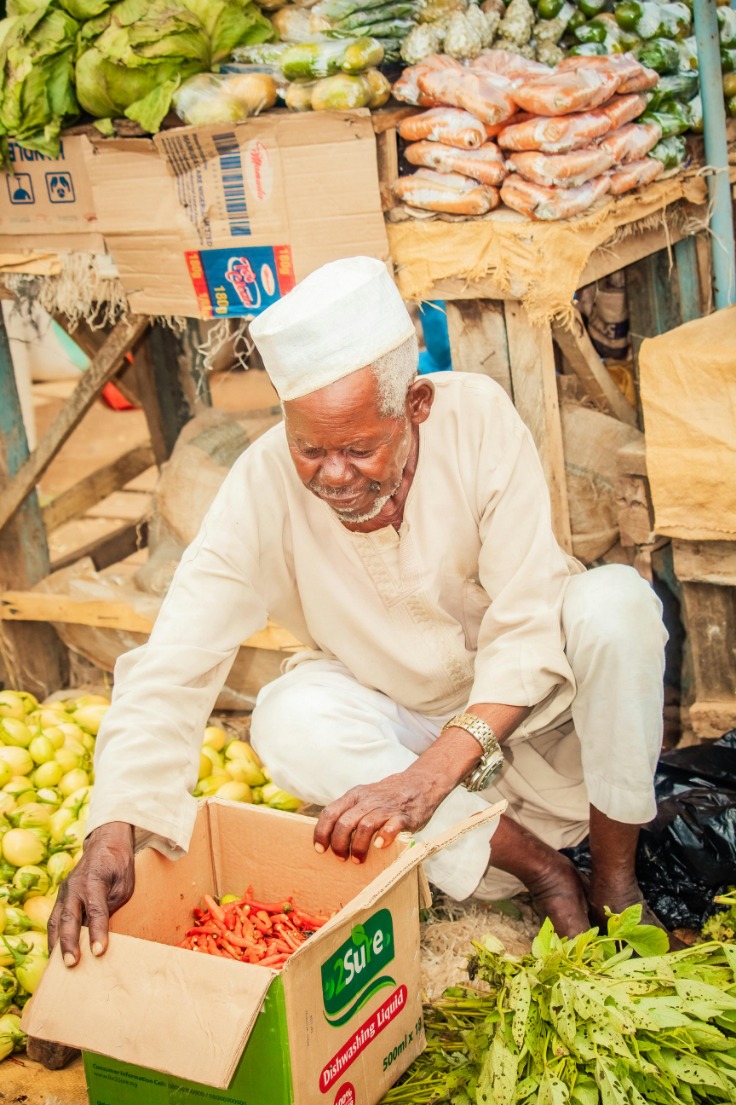
Staple Foods and Ingredients
Staple foods and ingredients form the foundation of Nigerian cuisine, reflecting the rich cultural diversity of the country. These essential components are commonly used in everyday dishes, providing nourishment and flavor that are deeply rooted in Nigerian traditions. From grains and tubers to spices and vegetables, these staples are vital in creating the vibrant and flavorful meals enjoyed across Nigeria.
Cassava and Yam
Staple foods and ingredients play a vital role in Nigerian cuisine, with cassava and yam being two of the most important. Cassava is a root vegetable widely cultivated across Nigeria and is used to produce various dishes such as garri, tapioca, and fufu. Yam, another essential tuber, is cherished for its versatility and is often boiled, pounded, or fried, serving as a primary carbohydrate source. Both cassava and yam are deeply embedded in Nigerian culinary traditions, providing energy and nourishment to millions of people. These ingredients are not only staple foods but also cultural symbols, featured prominently in festivals and traditional celebrations.
Maize and Millet
Staple foods and ingredients play a vital role in Nigerian cuisine, reflecting the country’s rich agricultural heritage. Among these staples, maize and millet are particularly significant, providing essential nutrients and serving as primary sources of carbohydrates for many Nigerians.
Maize, also known as corn, is widely cultivated across Nigeria and is used in various traditional dishes such as porridge, fufu, and roasted maize. It is an important crop that supports both rural and urban populations, offering a versatile ingredient for daily meals. Maize is also processed into flour to make various baked goods and is a crucial commodity in Nigerian food markets.
Overall, maize and millet are essential staples that underpin many Nigerian dishes, highlighting the country’s agricultural diversity and cultural heritage in its food practices.

Spices and Condiments (Locally Made Pepper, Ginger, Garlic)
Staple foods and ingredients play a vital role in Nigerian cuisine, forming the foundation of many traditional dishes. Common staples include yams, cassava, maize, and rice, which are often prepared in various unique ways across different regions. These ingredients are complemented by an array of locally made spices and condiments that enhance the flavors of traditional meals.
Spices such as locally made pepper, ginger, and garlic are essential in Nigerian cooking. Nigerian pepper, often known as hot pepper or chili, adds a fiery kick to soups and stews. Ginger brings a zesty and aromatic flavor that is used in both savory dishes and drinks, while garlic provides a rich, pungent taste that deepens the aroma and flavor profile of many meals. These ingredients, frequently sourced locally, contribute to the vibrant and diverse culinary landscape of Nigeria.
Regional Culinary Variations
Nigeria boasts a rich tapestry of culinary traditions, each region offering unique flavors and ingredients that reflect its cultural heritage. From the spicy dishes of the North to the savory stews of the South, Nigerian cuisine showcases a diverse array of tastes and cooking techniques. Exploring these regional culinary variations provides a deeper understanding of Nigeria’s vibrant and multifaceted food culture.
Northern Nigerian Cuisine
Northern Nigerian cuisine is renowned for its rich flavors and unique culinary traditions that reflect the region’s cultural heritage. The cuisine heavily features grains such as millet, sorghum, and maize, which serve as staples in many dishes. Popular foods include tuwo, a starchy dish made from ground grains, and soups like miyan kuka and miyan taushe, prepared with local vegetables and spices. Meat, particularly mutton and goat, is commonly used in stews and broths, often combined with spicy pepper sauces such as mako. Dishes are typically served with flatbreads like masa or crispy fried items, highlighting the region’s love for hearty and flavorful foods. Northern Nigerian cuisine also incorporates distinctive spices and herbs, creating bold and aromatic flavors that set it apart from other Nigerian culinary styles. Overall, the cuisine reflects a deep connection to the region’s history, geography, and pastoral lifestyle.
Western Nigerian Cuisine
Western Nigerian cuisine is renowned for its rich flavors and diverse culinary traditions that reflect the cultural heritage of the Yoruba people. This region offers a variety of traditional dishes, often characterized by the use of ingredients such as yams, cassava, beans, and fresh vegetables, combined with flavorful spices and herbs. Popular dishes include jollof rice, which is a vibrant, tomato-based rice dish, and pounded yam served with hearty soups like egusi or vegetable soup. Additionally, staples like fried plantains, moi moi (steamed bean pudding), and akara (bean cakes) are commonly enjoyed. Each community within Western Nigeria has its own unique twists on these dishes, showcasing regional culinary variations that highlight local ingredients and cooking techniques. Whether through spicy stews, grilled meats, or street foods, Western Nigerian cuisine offers a colorful and flavorful reflection of the culture’s diversity and history.
Eastern Nigerian Cuisine
Eastern Nigerian cuisine is known for its rich flavors and diverse culinary traditions that reflect the region’s cultural heritage. Dishes often feature ingredients such as yam, cassava, plantains, and fresh vegetables, combined with locally prepared spices and seasonings. Soups like Oha soup and Nsala soup are staples, showcasing the use of leafy greens and hearty meats. Native delicacies such as pounded yam served with various soups highlight the communal aspect of meals in the region. The cuisine also incorporates unique methods of preparation, including fermentation and roasting, which contribute to its distinctive taste. Overall, Eastern Nigerian food offers a vibrant and flavorful experience that captures the essence of its cultural diversity.
Popular Nigerian Snacks and Street Foods
Nigeria is renowned for its vibrant and diverse culinary culture, especially its popular snacks and street foods that reflect the country’s rich traditions and flavors. From savory treats to sweet delights, the streets are filled with an array of mouthwatering options enjoyed by locals and visitors alike. These foods not only satisfy hunger but also offer a glimpse into Nigeria’s lively and colorful heritage.
Puff-Puff
Puff-Puff is one of the most beloved Nigerian snacks and street foods, cherished for its sweet, fluffy, and deep-fried goodness. Made from a simple batter of flour, sugar, yeast, and warm water, it is carefully shaped into small balls or rounds before being fried to golden perfection. This delicious treat is often enjoyed at gatherings, markets, and festivals, offering a warm and satisfying taste of Nigerian street cuisine. Puff-Puff’s soft interior and slightly crispy exterior make it a popular choice among all age groups, symbolizing the vibrant and flavorful food culture of Nigeria. Apart from Puff-Puff, Nigeria boasts a variety of other popular snacks and street foods, including Suya, Moi Moi, Bofrot, and Akara, each showcasing unique flavors and cooking techniques rooted in local tradition.
Akara (Fried Bean Cakes)
Akara, also known as fried bean cakes, is a beloved Nigerian street food and snack that holds a special place in the country’s culinary culture. These delicious fritters are made from peeled black-eyed peas or honey beans, which are blended into a smooth batter with onions, peppers, and other seasonings. The mixture is then deep-fried until golden brown, resulting in crispy on the outside and soft on the inside treats. Akara is commonly enjoyed for breakfast, as a snack, or even as part of a larger meal, often paired with bread, pap, or custard. Its popularity stems from its rich flavor, satisfying texture, and affordability, making it a favorite among people of all ages across Nigeria. Street vendors frequently sell Akara hot from the fryer, offering a quick and tasty option for locals and visitors alike to experience authentic Nigerian flavors.
Boli (Grilled Plantains)
Popular Nigerian snacks and street foods offer a vibrant taste of the country’s rich culinary culture. Among these, Boli, or grilled plantains, stands out as a beloved delicacy enjoyed by locals and visitors alike. Boli is typically prepared by skewering ripe plantains and roasting them over an open flame, often seasoned with spices or wrapped in leaves for added flavor. It is commonly sold by street vendors, especially in bustling markets and on busy roadsides, making it an accessible and affordable treat. In addition to Boli, Nigeria boasts a variety of other street foods such as suya, roasted yam, puff-puff, and chin chin, each reflecting the diverse flavors and culinary traditions of the nation. These snacks are not only delicious but also a vibrant part of Nigeria’s street food culture, representing the country’s love for bold, tasty, and convenient foods.
Moi Moi (Steamed Bean Pudding)
Moi Moi is a beloved Nigerian snack and street food known for its rich flavor and smooth texture. It is a steamed bean pudding made primarily from washed and blended peeled black-eyed peas or honey beans, mixed with ingredients such as red bell peppers, onions, and spices. The mixture is often seasoned with salt and optional ingredients like boiled eggs, corned beef, or fish for added taste.
Typically, Moi Moi is wrapped in leaves like moi moi leaves, aluminum foil, or embedded in small cups or containers before steaming to achieve its characteristic moist and fluffy consistency. It is commonly enjoyed as a snack, appetizer, or a side dish served alongside traditional Nigerian dishes like jollof rice or fried plantains.
Popular among street vendors, Moi Moi is often sold in markets and roadside stands, making it accessible to many Nigerians. Its delicious taste, nutritional benefits from beans, and versatility make it a staple in Nigerian cuisine and a favorite among locals and visitors alike.
Movies and Food Culture
Food and movies are deeply intertwined in Nigerian culture, reflecting the rich traditions and vibrant flavors of the region. Nigerian films often showcase diverse culinary scenes, highlighting traditional dishes and the role of food in social gatherings and celebrations. This connection offers a unique glimpse into the country’s culinary heritage, making food an integral part of Nigeria’s storytelling and cultural identity.
Food in Nigerian Celebrations and Festivals
Food plays a vital role in Nigerian celebrations and festivals, serving not only as sustenance but also as a symbol of cultural identity and communal bonding. Nigerian movies often depict the importance of traditional dishes, showcasing their significance in social gatherings and rituals. These culinary traditions highlight the rich diversity of Nigeria’s ethnic groups and their unique flavors, ingredients, and preparation methods.
- Jollof Rice: A popular dish across Nigeria, often served during weddings, birthdays, and national festivals.
- Egusi Soup: Made with melon seeds, vegetables, and meat or fish, it is a staple in many celebratory feasts.
- Pounded Yam and Soups: Dishes like Amala with Ewedu or Gbegiri are common during major festivals like Argungu and Mana Festival.
- Snacks and Street Foods: Moi Moi, Puff Puff, and Akara are enjoyed during celebrations as sharing traditional snacks fosters community spirit.
- Food in Nigerian celebrations often features a combination of spicy, savory, and sometimes sweet flavors, reflecting the country’s diverse culinary heritage.
- Festivals such as the Argungu Fishing Festival or the Calabar Carnival incorporate specific traditional dishes that are exclusive to those events.
- Food preparation and presentation during these events are often elaborate, showcasing the cultural artistry and hospitality of Nigerian communities.
Role of Food in Nigerian Hospitality
Food plays a vital role in Nigerian movies and hospitality, reflecting the rich cultural diversity and traditional values of the country. In Nigerian films, food scenes are often used to depict social bonds, family connections, and cultural identity, showcasing dishes that are unique to different ethnic groups. Hospitality in Nigeria is deeply rooted in the sharing of meals, symbolizing respect and friendship, and often includes a variety of flavorful local dishes. The importance of food in Nigerian society extends beyond sustenance, serving as a means of preserving heritage and fostering community spirit.
- Rice dishes like Jollof rice and fried rice are staples in Nigerian cinema scenes, highlighting the significance of communal meals.
- Traditional foods such as pounded yam and soup are frequently featured in movies to depict cultural authenticity.
- Food acts as a social currency, where sharing meals signifies respect and hospitality towards guests.
- In Nigerian hospitality, offering a variety of local delicacies demonstrates generosity and welcoming behavior.
- Food festivals and street food markets are often portrayed in films, emphasizing the vibrant culinary culture of Nigeria.
Contemporary Food Trends and Fusion Cuisine
Food in Nigeria is deeply intertwined with its rich cultural heritage, and cinema has played a significant role in showcasing this culinary diversity. Nollywood films often depict traditional dishes such as jollof rice, pounded yam, and suya, highlighting their importance in Nigerian social life. This media exposure helps to promote the country’s food culture internationally and encourages appreciation for local ingredients and cooking methods.
Contemporary food trends in Nigeria are embracing both modern and traditional influences, leading to innovative dishes and food practices. There is a growing movement towards street food fusion, where local flavors are combined with global culinary techniques, resulting in unique culinary experiences. Additionally, health-conscious eating and organic food consumption are gaining popularity, reflecting a shift towards more sustainable and nutritious diets within urban communities.
Fusion cuisine in Nigeria is flourishing as chefs and food entrepreneurs experiment with blending indigenous Nigerian ingredients with international flavors. For example, Nigerian spices like suya seasoning are now being used in salads and wraps, while international cooking styles are integrated with Nigerian staples to create vibrant new dishes. This culinary innovation not only celebrates Nigeria’s diverse culture but also positions the country as a dynamic and global food destination.




0 Comments