
Historical Background of the Giza Pyramids
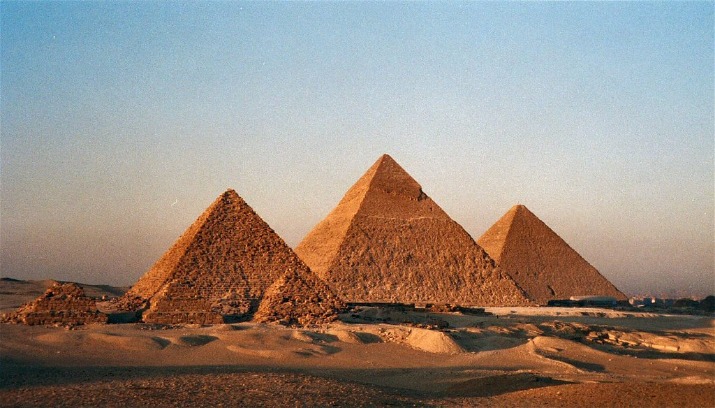
The Giza Pyramids, located on the outskirts of Cairo, Egypt, are among the most iconic and enduring symbols of ancient Egyptian civilization. Built during the Fourth Dynasty of the Old Kingdom around 2580–2560 BCE, these monumental structures served as tombs for the Pharaohs Khufu, Khafre, and Menkaure. Their construction reflects the advanced engineering skills and religious beliefs of the ancient Egyptians, as they sought to ensure their Pharaohs’ divine status and eternal life. Over centuries, the Giza Pyramids have become a testament to Egypt’s rich history and architectural ingenuity.
Construction Period and Pharaohs Involved
The Giza Pyramids are among the most iconic monuments of ancient Egypt, representing the pinnacle of pyramid construction and royal tombs. These monumental structures were built during the Old Kingdom period, specifically in the 4th Dynasty, around 2580–2560 BCE. The construction of the pyramids is believed to have been a massive undertaking that involved thousands of skilled laborers, craftsmen, and architects working over several decades. The Great Pyramid of Giza, also known as the Pyramid of Khufu, is the largest and oldest of the three main pyramids on the Giza Plateau. It was constructed for Pharaoh Khufu (also known as Cheops), who reigned during this period. The second pyramid was built for Pharaoh Khafre (Chephren), Khufu’s son, and the third for Pharaoh Menkaure. These pyramids served as elaborate tombs to ensure the pharaohs’ afterlife and demonstrated their divine status. The precise construction methods used remain a topic of scholarly debate, but the pyramids exemplify the Egyptians’ advanced engineering skills and religious beliefs centered around the eternal life of their rulers.
Historical Significance and Purpose
The Giza Pyramids, located on the outskirts of Cairo, Egypt, are among the most iconic and enduring monuments of ancient Egypt. Constructed during the Fourth Dynasty of the Old Kingdom around 2580–2560 BCE, these pyramids reflect the advanced engineering and organizational skills of ancient Egyptian society. The three main pyramids—Khufu, Khafre, and Menkaure—were built as monumental tombs for these pharaohs and served as symbols of their divine power and eternal authority.
The historical significance of the Giza Pyramids lies in their architectural innovation and their role in Egyptian religion and culture. They exemplify the ancient Egyptians’ beliefs in the afterlife and their dedication to ensuring the Pharaoh’s immortality. The construction of the pyramids also demonstrates the societal organization, resource management, and skilled craftsmanship achieved by ancient Egyptians. Over centuries, the Giza complex has become a testament to human ingenuity, religious devotion, and the grandeur of ancient Egyptian civilization.
The primary purpose of the Giza Pyramids was to serve as elaborate tombs for the deceased pharaohs, ensuring their safe passage into the afterlife. They were designed to align with celestial bodies and include burial chambers filled with treasures, statues, and texts intended to guide and support the Pharaoh in the afterlife. In addition to their religious function, the pyramids also proclaimed royal power, reinforced the divine status of the pharaohs, and demonstrated the kingdom’s wealth and stability to the world. Today, they continue to be a symbol of Egypt’s rich history and cultural legacy.
Architectural Features of the Pyramids
The Pyramids of Giza are remarkable architectural marvels that showcase the ingenuity and mastery of ancient Egyptian builders. These iconic structures feature precise geometric shapes, massive stone blocks, and intricate internal chambers, reflecting their cultural and religious significance. The architectural features of the pyramids not only demonstrate advanced engineering techniques of their time but also serve as a testament to the sophistication of ancient Egyptian civilization.
Design and Dimensions of the Great Pyramid
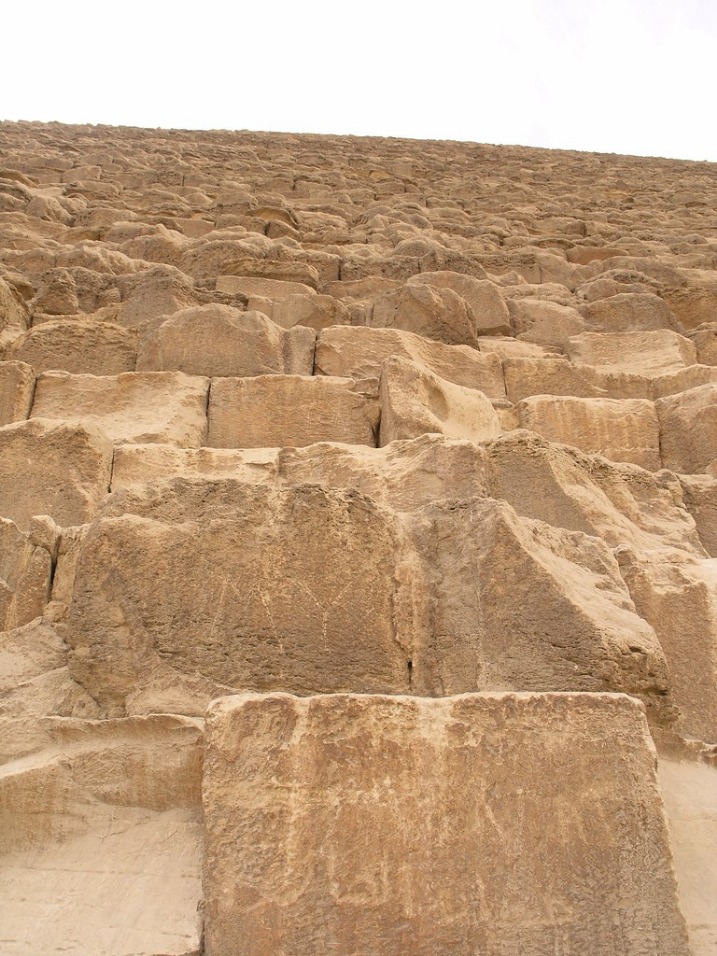
The Pyramids of Giza, especially the Great Pyramid, showcase remarkable architectural features that reflect the ingenuity of ancient Egyptian builders. The Great Pyramid is constructed with precisely cut limestone blocks, originally covering a core of rough stones. Its design features a square base measuring about 230.4 meters (756 feet) on each side, with an original height of approximately 146.6 meters (481 feet). The pyramid’s sides are aligned with incredible precision to the cardinal points, demonstrating advanced surveying skills. Internally, it contains a network of passageways and chambers, including the King’s Chamber, Queen’s Chamber, and the Grand Gallery, which are strategically positioned within the structure. The pyramid’s smooth, angled sides originally were covered with polished casing stones that reflected sunlight, making it shine brilliantly. These architectural elements exemplify the Egyptians’ expertise in large-scale construction, astronomy, and geometry, making the Great Pyramid not only a royal tomb but also a monument to their profound technological and cultural achievements in ancient Egypt.
Materials and Construction Techniques
The pyramids of Giza are remarkable examples of ancient Egyptian architectural ingenuity, showcasing advanced engineering techniques and sophisticated construction methods. These monumental structures were built using massive limestone blocks, which were carefully quarried, transported, and precisely fitted together without the use of mortar. The core of the pyramids was constructed with rougher, locally sourced stones, while the outer casing was made from highly polished Tura limestone to create a smooth and reflective surface. In some sections, granite was employed for internal chambers and passages, owing to its durability and strength.
Construction techniques involved the use of large ramps, levers, and sledges to move the enormous stones into place. The Egyptians meticulously planned the layout and used precise alignments with celestial bodies, especially evident in the pyramids’ cardinal orientation. The internal architecture features complex passageways, chambers, and ventilation shafts, demonstrating advanced knowledge of architecture and engineering. The combination of durable materials, innovative construction methods, and precise craftsmanship contributed to the longevity and iconic stature of the Giza pyramids, making them enduring symbols of ancient Egypt’s architectural mastery.
Interior Chambers and Passages
The Giza pyramids are renowned for their impressive architectural features, including their precise construction and complex interior design. The pyramids were built with massive limestone blocks, meticulously aligned with the cardinal points, reflecting advanced engineering skills of ancient Egypt. Inside, the pyramids contain a series of chambers and passageways that served ceremonial and burial purposes.
The Great Pyramid of Khufu features a Grand Gallery that leads to the King’s Chamber, which is constructed from large granite blocks. Below the chamber are the Queen’s Chamber and various underground passages. The interior passages include ascending and descending corridors designed to protect the burial chamber and prevent theft. The intricate network of passages was challenging to navigate and added to the security of the tomb.
Overall, the internal structure of the Giza pyramids showcases sophisticated engineering—ranging from the precise fitting of stones to the complex layout of chambers and passageways—that exemplifies the grandeur and enduring mystery of ancient Egyptian architecture.
Discovery and Archaeological Excavations
Discovery and archaeological excavations have played a crucial role in uncovering the mysteries of ancient civilizations, with Egypt’s Giza pyramids standing as some of the most remarkable archaeological treasures. These excavations have provided invaluable insights into the construction techniques, cultural significance, and the history of the Egyptian civilization that built these iconic structures. Exploring the Giza Plateau continues to fascinate scholars and visitors alike, revealing the grandeur of one of history’s greatest architectural achievements.
Notable Archaeological Findings
The Giza pyramids, located on the outskirts of Cairo, are among the most significant archaeological sites in Egypt, representing the pinnacle of ancient Egyptian engineering and cultural achievement. Discovery and archaeological excavations around Giza have uncovered a wealth of information about the Old Kingdom civilization, the construction techniques used, and the religious beliefs of the time. These excavations have revealed tombs, burial chambers, and artifacts that provide insight into the lives of the Pharaohs and their subjects. Notable findings include the Great Pyramid of Khufu, the Pyramid of Khafre, the Pyramid of Menkaure, and the numerous smaller tombs and mastabas surrounding them. Through ongoing excavations, scholars have unearthed tools, inscriptions, statues, and burial goods that help piece together the history and purpose of these monumental structures. These discoveries continue to deepen our understanding of ancient Egypt and its impressive civilization, making the Giza plateau a focal point for archaeological study and tourism worldwide.
Prominent Excavation Campaigns
The discovery and archaeological excavations surrounding the Giza Pyramids have significantly enhanced our understanding of ancient Egyptian civilization. These monumental structures, built during the Fourth Dynasty, served as tombs for Pharaohs Khufu, Khafre, and Menkaure, showcasing the Egyptians’ advanced engineering and religious beliefs. Over the centuries, numerous excavation campaigns have aimed to uncover the secrets hidden beneath the desert sands, revealing tombs, temples, and artifacts that shed light on the pyramid builders’ society.
Prominent excavation campaigns include those led by famous archaeologists such as Auguste Mariette and Georges Legrain in the late 19th and early 20th centuries, which uncovered earlier tombs and uncovered inscriptions inside the pyramid complexes. More recent efforts, like those by Zahi Hawass and his team, have focused on exploring the surrounding necropolises and uncovering hidden chambers, providing insight into the complex workforce and daily life of ancient Egypt. These campaigns have continually expanded our knowledge of the construction techniques, religious practices, and the political organization behind one of the world’s most iconic archaeological sites.
Restoration and Preservation Efforts
The Giza pyramids in Egypt are some of the most iconic and significant archaeological sites in the world, representing an extraordinary achievement of ancient engineering and civilization. Discovery efforts have continually uncovered new insights into their construction, purpose, and the lives of the people who built them. Archaeological excavations around the pyramids have revealed hidden chambers, tombs, and artifacts that deepen our understanding of ancient Egyptian culture and religious beliefs. Restoration projects aim to stabilize and conserve these ancient structures, ensuring their preservation for future generations. These efforts include repairing weathered stones, reinforcing structural integrity, and removing damaging vegetation or debris. Preservation initiatives also involve modern techniques such as digital mapping, 3D modeling, and environmental monitoring to prevent deterioration caused by environmental factors like erosion, pollution, and climate change. Together, discovery, excavation, restoration, and preservation efforts continue to safeguard the Giza pyramids as invaluable cultural heritage sites, allowing us to appreciate the grandeur of ancient Egypt and maintain their legacy for the future.
Tourism and Cultural Importance
The Giza Pyramids stand as a remarkable testament to Egypt’s rich cultural heritage and ancient engineering prowess. As one of the most iconic landmarks in the world, these ancient structures attract millions of tourists each year, offering a glimpse into the grandeur of Egypt’s pharaonic civilization. Tourism centered around the Giza Pyramids not only boosts the local economy but also helps preserve and celebrate the country’s extraordinary historical and cultural legacy.
Visitor Attractions and Facilities
The Giza Pyramids are one of the most iconic symbols of Egypt’s rich cultural heritage and a major attraction for tourists worldwide. These ancient wonders highlight the ingenuity and spiritual beliefs of the Old Kingdom civilization, offering visitors a unique glimpse into Egypt’s historical grandeur. The site attracts millions of tourists each year, drawn by its archaeological significance and majestic structures.
- Visitor Attractions: The primary attraction is the Great Pyramid of Khufu, along with the Pyramids of Khafre and Menkaure. The Great Sphinx of Giza, standing guard nearby, also draws significant interest. Visitors can explore the pyramids’ interior chambers, learn about their construction, and enjoy panoramic views of the surrounding desert.
- Facilities: The site offers guided tours, educational displays, and museums showcasing ancient artifacts. There are also nearby amenities such as souvenir shops, cafes, and transportation services including camel rides and shuttle buses. Safety and informational signage are provided to enhance visitor experience.
- Cultural Significance: The Giza Pyramids are UNESCO World Heritage Sites and serve as a testament to Egypt’s rich history and cultural identity. They remain a symbol of ancient Egyptian civilization, attracting scholars, historians, students, and travelers eager to connect with their storied past.
Role in Egyptian Heritage and Identity
The Giza Pyramids hold a profound significance in Egypt’s tourism and cultural heritage, serving as a symbol of ancient Egyptian civilization and ingenuity. These iconic monuments attract millions of visitors from around the world, showcasing Egypt’s rich history and architectural mastery. The pyramids are not only a testament to the advanced engineering skills of the ancient Egyptians but also a vital part of Egypt’s national identity, representing their historical grandeur and cultural pride. Preserving and promoting the Giza Pyramids helps reinforce Egypt’s global cultural footprint, fostering national unity and inspiring future generations to appreciate their ancestral legacy.
Impact on Local Economy
The Giza Pyramids in Egypt hold immense tourism and cultural significance, serving as a symbol of ancient Egyptian civilization and architectural ingenuity. They attract millions of visitors from around the world, offering a glimpse into the rich history, beliefs, and achievements of one of the world’s earliest advanced societies.
The impact of tourism centered on the Giza Pyramids greatly influences the local economy by generating revenue and creating employment opportunities. This influx of tourists supports various sectors including hospitality, transportation, retail, and guiding services, fostering economic development within the surrounding communities.
- Increased income for local businesses through tourism-related transactions
- Job creation for guides, hotel staff, transportation providers, and souvenir vendors
- Development of infrastructure and public amenities to accommodate visitors
- Promotion of cultural exchange and global awareness of Egypt’s heritage
- Revenue generated from entrance fees and tourism taxes to support preservation efforts
Myths, Legends, and Modern Interpretations
The pyramids of Giza have long captivated the imagination of people around the world, inspiring numerous myths and legends that intertwine history and mystique. These ancient structures are not only marvels of engineering but also subjects of modern interpretations that attempt to understand their true purpose and significance. Exploring the myths, legends, and contemporary theories surrounding the Giza pyramids offers a fascinating glimpse into how ancient Egypt continues to influence cultural storytelling and scholarly debates today.
Ancient Myths Surrounding the Pyramids
The Egypt Giza pyramids have long captured the imagination of people around the world, inspiring numerous myths, legends, and modern interpretations. Ancient cultures viewed these monumental structures as divine symbols of power, eternity, and religious devotion. Some legends suggest that the pyramids were built with the aid of supernatural forces or advanced lost technologies, fueling theories about alien involvement or secret knowledge. Modern interpretations often explore these ideas, blending archaeological evidence with speculative theories, although mainstream archaeology attributes their construction to advanced engineering and organized labor. Despite the scientific explanations, myths persist that the pyramids harbor hidden chambers filled with treasures or contain secret messages from an ancient civilization. These stories continue to ignite curiosity and inspire countless stories, films, and books, maintaining the pyramids’ status as enigmatic symbols of human achievement and mystery.”
Modern Theories and Discoveries
The pyramids of Giza have long fascinated scholars, historians, and travelers, inspiring numerous myths and legends surrounding their construction and purpose. Ancient stories often depicted them as celestial gateways or divine tombs carved by supernatural beings, fueling imaginations for centuries. Modern interpretations suggest that these legends, although rooted in national pride and religious beliefs, have been complemented and challenged by archaeological discoveries and scientific theories.
Recent discoveries have shed light on the methods and tools used by the ancient Egyptians, revealing sophisticated engineering techniques and social organization. Modern theories propose that the construction of the pyramids involved a large labor force of skilled workers, rather than slaves, as once believed. Advanced studies in geology and materials science have helped uncover the sourcing of stones and the transportation methods used, providing a clearer picture of the logistical marvels behind these monumental structures.
Furthermore, new technologies such as 3D imaging and seismic analysis have uncovered hidden chambers and complex internal layouts, prompting updated interpretations of the pyramids’ religious and astronomical significance. These discoveries also challenge older myths by emphasizing human ingenuity and organizational skills, illustrating how modern research continues to evolve the understanding of Giza’s pyramids while respecting their mythic aura.
Popular Culture and Media Representations
The Giza pyramids are among the most iconic and enduring symbols of ancient Egypt, inspiring countless myths and legends that have persisted through centuries. These extraordinary structures have often been surrounded by tales of divine construction, hidden chambers, and mystical powers, fueling speculation about their purpose and the secrets they may hold. In modern times, popular culture has further amplified the mystique of the pyramids through movies, documentaries, and literature, often blending historical facts with fictional narratives. Media representations frequently depict the pyramids as sources of ancient supernatural knowledge, gateways to other worlds, or as the work of alien architects, reflecting contemporary fascination with their enigma. Despite these embellishments, ongoing archaeological research continues to shed light on their true history, although their mystique remains a compelling part of both cultural heritage and entertainment discourse.




0 Comments