
Geographical Overview of Mountains in Tanzania
Tanzania is renowned for its impressive mountain ranges, which are a significant part of the country’s diverse landscape. The most notable among them is Mount Kilimanjaro, the highest peak in Africa, attracting adventurers from around the world. Alongside Kilimanjaro, Tanzania features other prominent mountains such as Mount Meru and the Ngorongoro Highlands, each contributing to the country’s rich geographical diversity. These mountains not only shape the terrain but also support unique ecosystems and play vital roles in the local climate and culture.
Location and Topography
Tanzania is renowned for its diverse and impressive mountain landscapes, which play a significant role in the country’s geography and climate. The mountains in Tanzania are primarily located in the northern and southern regions, with several prominent peaks that attract climbers and tourists alike. The topography of these mountains varies from rugged, steep slopes to softer, rolling hills, contributing to the region’s rich biodiversity and varied ecosystems. The most notable mountain in Tanzania is Mount Kilimanjaro, the highest peak in Africa, towering at 5,895 meters above sea level. Other significant mountains include Mount Meru, Mount Oldonyo Lengai, and the Udzungwa Mountains, each offering unique geological features and scenic vistas. Overall, Tanzania’s mountains are integral to its natural landscape, influencing weather patterns and supporting numerous endemic species.
Elevation Ranges of Major Peaks
Tanzania is renowned for its diverse and breathtaking mountain ranges, which are integral to its geographical landscape. The country’s mountainous regions are characterized by their stunning peaks, ranging from volcanic formations to rugged highlands, offering a variety of elevations that attract climbers and nature enthusiasts alike.
The elevation ranges of major peaks in Tanzania vary significantly. Mount Kilimanjaro, the tallest mountain in Africa, rises dramatically to an elevation of approximately 5,895 meters (19,341 feet) above sea level, making it a prominent landmark and a popular destination for trekkers. Mount Meru, another prominent peak, stands at about 4,562 meters (14,968 feet), offering impressive elevation and challenging climbs. The Ngorongoro Highlands and other volcanic mountains also contribute to the diverse topography, with elevations typically spanning from 3,000 to over 4,500 meters. These varied elevation ranges create unique ecosystems and landscapes across Tanzania’s mountainous regions, from snow-capped summits to lush highland forests.
Climatic Conditions Across Different Altitudes
Tanzania is renowned for its diverse and striking mountainous landscape, which includes some of Africa’s highest peaks. The country’s mountains are primarily part of the Eastern Arc and the Great Rift Valley, creating a varied topography that influences local climate and biodiversity. Notable mountains like Mount Kilimanjaro, Mount Meru, and the Udzungwa Mountains contribute to Tanzania’s rich geographical diversity.
The climatic conditions across different altitudes in Tanzania vary significantly. Lower elevations typically experience tropical weather with warm temperatures and high humidity, supporting lush forests and agriculture. As altitude increases, temperatures decrease, leading to cooler, more temperate conditions on mountain slopes. High-altitude areas, especially around mountaintops, often experience alpine climates with cold temperatures, frequent cloud cover, and sometimes snow, particularly on Mount Kilimanjaro. These climatic variations create unique habitats and are crucial for the region’s ecological richness.
Notable Mountains in Tanzania
Tanzania is renowned for its breathtaking mountainous landscapes, home to some of the most notable peaks in Africa. These mountains not only shape the country’s diverse geography but also attract adventurers and nature enthusiasts from around the world. From the towering Kilimanjaro to the volcanic formations of the Ngorongoro Highlands, Tanzania’s mountains offer stunning scenery and unique ecological ecosystems.
Kilimanjaro
Tanzania is home to several notable mountains, with Mount Kilimanjaro being the most famous and the highest free-standing mountain in the world. Kilimanjaro rises approximately 5,895 meters (19,341 feet) above sea level and attracts thousands of climbers and adventure enthusiasts each year. Besides Kilimanjaro, Tanzania also features other significant mountains such as Mount Meru, which is located near Arusha and offers challenging trekking routes. The Central Highlands and the Eastern Arc Mountains also contribute to the country’s diverse mountainous landscape, supporting rich biodiversity and local cultures. These mountains play an essential role in Tanzania’s climate, water supply, and tourism industry, making them vital geographic features of the country.
Mount Meru
Tanzania is home to several notable mountains that attract climbers and nature enthusiasts from around the world. Among these, Mount Meru stands out as a prominent peak within the country’s diverse landscape.
- Location: Mount Meru is situated in Arusha National Park in northern Tanzania, close to Mount Kilimanjaro.
- Elevation: It rises approximately 4,562 meters (14,968 feet) above sea level, making it the second highest peak in Tanzania.
- Significance: Mount Meru is considered an excellent acclimatization climb for those aiming to summit Kilimanjaro and offers spectacular views and rich wildlife.
- Features: The mountain features volcanic slopes, lush forests, and diverse ecosystems that host various animal species, including elephants and buffalos.
- Climbing: The ascent typically takes 3 to 4 days, with routes designed for adventurers seeking a challenging yet less crowded experience compared to Kilimanjaro.
Other Prominent Peaks (e.g., Mount Oldoinyo Lengai)
Tanzania is renowned for its diverse and striking mountain landscapes, home to some of Africa’s most notable peaks. The most famous among these is Mount Kilimanjaro, the highest free-standing mountain in the world and the tallest peak in Africa, reaching an altitude of 5,895 meters (19,341 feet). Kilimanjaro is a popular destination for trekkers and mountaineers seeking to summit the “Roof of Africa.” Another significant mountain is Mount Meru, located in Arusha National Park, which stands at 4,562 meters (14,968 feet) and offers spectacular views and challenging climbs. Besides these, Tanzania features other prominent peaks, including Mount Oldoinyo Lengai, known as the “Mountain of God” in Maasai tradition. Oldoinyo Lengai is unique as the only volcano that erupts natrocarbonatite lava, which is cool enough to flow on the surface, creating a distinctive landscape. Other notable mountains include the Ngorongoro Highlands and Mount Hanang, each contributing to Tanzania’s diverse mountainous terrain and ecological richness.
Ecological and Biodiversity Aspects
The diverse ecosystems of Tanzania’s mountains play a crucial role in maintaining ecological balance and supporting rich biodiversity. These mountainous regions host a variety of flora and fauna unique to their elevations and climate conditions. Understanding the ecological and biodiversity aspects of these mountains is essential for their conservation and sustainable management, ensuring that their natural beauty and biological wealth are preserved for future generations.
Flora and Fauna on Mount Kilimanjaro
Mount Kilimanjaro, located in Tanzania, is renowned for its rich ecological and biodiversity significance. The mountain hosts a diverse range of habitats, from lush rainforests at its base to alpine deserts and glacial peaks at the summit, each supporting unique flora and fauna.
The lower slopes are covered with dense montane rainforest, home to a variety of plant species including bamboo, mahogany, and bamboo palms. This lush vegetation provides habitat for numerous animals such as elephants, buffalo, monkeys, and a multitude of bird species, making it a vital ecological zone.
Above the rainforest, the mountain transitions into heath and moorland zones characterized by heather, tussock grass, and endemic flora adapted to harsher conditions. This area hosts species like the Kilimanjaro bearded chinchilla rat and the endemic Kilimanjaro plume plant.
At higher elevations, the environment becomes arid, hosting alpine flora such as wildflowers and mosses that can withstand extreme cold and wind. The summit glaciers and snowfields represent the final habitat, though they are rapidly retreating due to climate change, affecting the mountain’s fragile ecological balance.
Overall, Mount Kilimanjaro’s varied ecosystems support a remarkable diversity of plant and animal life, many of which are endemic or specialized to its unique environment, making it an important site for conservation efforts.
Unique Ecosystems in High-Altitude Zones
High-altitude zones in Tanzanian mountains host unique ecological and biodiversity features that are crucial for the region’s environmental health. These areas are characterized by specialized plant and animal species adapted to extreme conditions such as low temperatures, high winds, and limited oxygen. Unique ecosystems like alpine meadows and montane forests support a variety of endemic species, many of which cannot be found elsewhere. These ecosystems play a vital role in maintaining regional biodiversity, providing habitat for rare and endangered species, and contributing to ecological resilience. Conservation of these high-altitude environments is essential to preserve their fragile ecosystems and the rich biodiversity they harbor, which are vital for local communities and global ecological balance.
Conservation Areas and National Parks
The mountains of Tanzania, such as Mount Kilimanjaro and Mount Meru, are vital ecological and biodiversity hotspots that support a wide variety of flora and fauna. These high-altitude environments create unique habitats for specialized species, many of which are endemic and vulnerable to environmental changes. Conservation efforts in these areas are essential to preserve their rich biodiversity and prevent habitat loss due to human activities and climate change.
Conservation areas and national parks in Tanzania, including Kilimanjaro National Park and Arusha National Park, play a crucial role in protecting these delicate mountain ecosystems. These designated areas help to safeguard the diverse plant and animal species while promoting sustainable tourism and local community involvement. Proper management of these protected regions ensures the resilience of Tanzania’s mountainous ecosystems for future generations.
Tourism and Climbing Expeditions
Tourism and climbing expeditions in Tanzania offer adventurous travelers a unique opportunity to explore some of Africa’s most iconic mountains. Renowned for its breathtaking landscapes and challenging terrains, Tanzania attracts climbers from around the world eager to conquer majestic peaks. These expeditions not only provide thrilling experiences but also promote sustainable tourism and local community development, making Tanzania a premier destination for mountain enthusiasts.
Popular Routes and Trails
Tanzania is renowned for its stunning mountain landscapes, attracting adventurers and nature lovers from around the world. The country’s mountains offer a unique combination of challenging climbs, breathtaking scenery, and rich cultural experiences. Climbing expeditions in Tanzania are popular among those seeking both adventure and a connection with nature.
The most famous mountain for climbing in Tanzania is Mount Kilimanjaro, the highest free-standing mountain in the world, standing at 19,341 feet. It draws thousands of trekkers annually who aim to reach its summit via several routes, including the Marangu Route, Machame Route, Lemosho Route, and Rongai Route. Each route offers different levels of difficulty and scenic beauty, catering to a variety of climbers.
Another notable mountain is Mount Meru, located near Arusha, known for its challenging terrains and as a good preparation climb for Kilimanjaro. The Usambara Mountains and the Rungwe Volcanic Province also feature popular trails, offering more moderate hikes amid lush forests and vibrant wildlife. These routes highlight the diverse landscapes of Tanzania and provide excellent opportunities for trekking and exploring the country’s rich biodiversity.
Preparation and Safety Tips
Embarking on a climbing expedition in Tanzania’s majestic mountains offers an unforgettable adventure, but proper preparation and safety measures are essential to ensure a successful and enjoyable experience. Tanzania is renowned for its stunning peaks like Mount Kilimanjaro and Mount Meru, attracting climbers from around the world. To make the most of your journey, thorough planning is crucial.
Start by choosing the right mountain and route that match your fitness level and experience. Gather detailed information about the trail conditions, weather, and necessary permits. Physical preparation should include regular endurance, strength, and acclimatization training to adapt to high altitudes. It’s recommended to undergo altitude acclimatization to prevent altitude sickness, which can be dangerous at high elevations.
Safety tips include hiring experienced guides and porters who know the terrain well, using quality climbing gear, and packing sufficient supplies such as water, snacks, and warm clothing. Always listen to your guides and communicate any discomfort immediately. Be aware of weather changes, as mountain conditions can shift rapidly, and prepare for sudden cold or storms. Prioritize your health and safety over pushing limits, and ensure you have comprehensive travel insurance that covers high-altitude trekking.
Making sure your expedition is well-planned and safety-conscious will help you enjoy the breathtaking scenery of Tanzania’s mountains while minimizing risks. Respect the environment, follow local regulations, and leave no trace to preserve these beautiful natural landmarks for future climbers.
Economic and Cultural Impact of Mountain Tourism
Mountain tourism in Tanzania, particularly centered around iconic peaks like Mount Kilimanjaro and Mount Meru, significantly influences both the economy and the culture of the region. These mountains attract thousands of climbers and adventure enthusiasts annually, contributing substantially to local livelihoods and national revenue. The popularity of climbing expeditions not only boosts the hospitality and transport sectors but also fosters global cultural exchange as visitors learn about Tanzanian traditions and heritage.
- Economic Impact:
- Generation of foreign currency through tourism expenditures.
- Creation of jobs for local guides, porters, and service providers.
- Development of infrastructure such as roads, lodges, and health facilities to support tourists.
- Cultural Impact:
- Promotion of local Maasai and Chagga cultures to tourists through cultural tours and events.
- Preservation of indigenous traditions and practices as part of the mountain experience.
- Enhanced global awareness and appreciation of Tanzanian heritage and natural beauty.
- Challenges and Opportunities:
- Environmental concerns due to increasing foot traffic leading to erosion and habitat disruption.
- Potential for sustainable tourism models that respect and conserve mountain ecosystems.
- Opportunities for community-based tourism initiatives to ensure local benefits.
Cultural and Sacred Significance
Mountains in Tanzania hold profound cultural and sacred significance for local communities and indigenous groups. They are often considered spiritual landmarks, symbolizing ancestral connections and serving as sites for traditional rituals and ceremonies. These majestic peaks not only shape the natural landscape but also deeply influence the cultural identities and beliefs of the people who live nearby.
Mythology and Local Legends
The mountains of Tanzania hold profound cultural and sacred significance for various indigenous communities, serving as spiritual symbols and sites of traditional ceremonies. Many local legends and myths are centered around these majestic peaks, often portraying them as sacred guardians or dwelling places of ancestral spirits. For example, Mount Kilimanjaro is revered not only for its natural grandeur but also for its deep mythological roots, believed to be a spiritual gateway linking the earthly realm with the divine. These stories and beliefs reinforce the cultural identity of the people and highlight the mountain’s importance beyond its physical presence.
Religious and Ritual Importance
Mountains in Tanzania hold deep cultural and sacred significance for many indigenous communities and local tribes. These majestic peaks are often regarded as sacred sites where spiritual gatherings and ceremonies are conducted to honor ancestors and deities. The mountain landscapes serve as powerful symbols of identity and spiritual connection, playing a central role in various myths and legends passed down through generations.
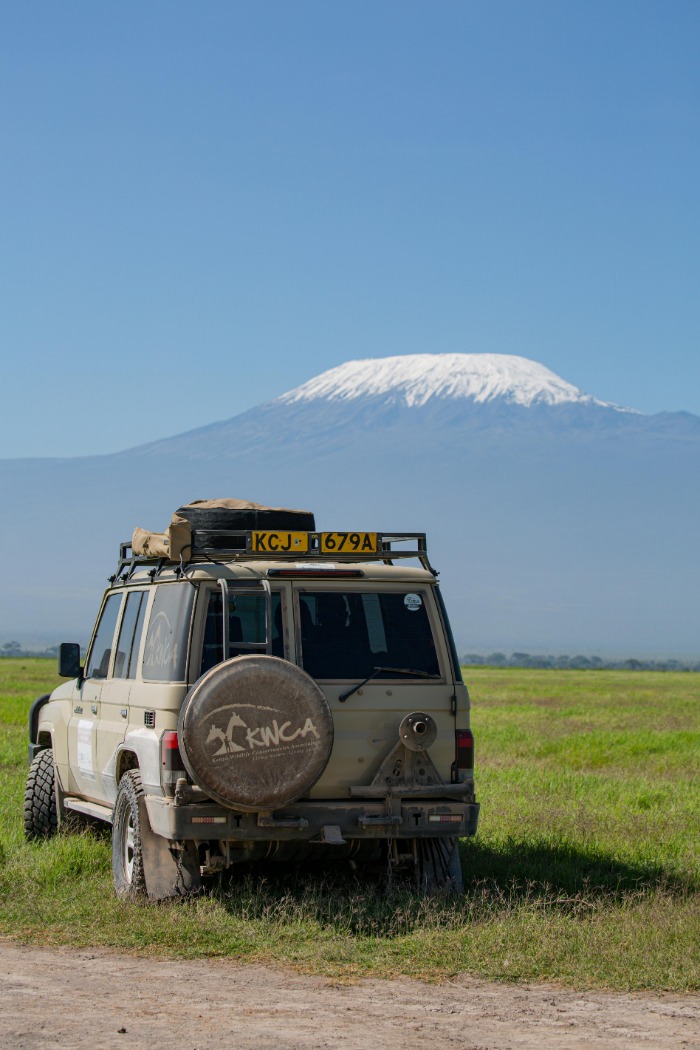
Religiously and ritually, mountains in Tanzania are considered divine realms where rituals are performed to seek blessings, protection, and guidance. For example, Mount Kilimanjaro is revered by local Maasai and Chaga communities, who attribute spiritual importance to its summit and surrounding areas. These rituals often involve offerings, prayers, and traditional dances aimed at maintaining harmony between humans and the spiritual world. The mountains are thus not only physical landmarks but also vital components of the spiritual and cultural fabric of Tanzanian societies.
Communities Living in Mountain Regions
Mountains in Tanzania hold profound cultural and sacred significance for the indigenous communities that reside in their regions. For many ethnic groups, such as the Chaga, Meru, and Maasai, these mountains are considered sacred landscapes that embody spiritual beliefs and ancestral connections. These communities often perform traditional rituals and ceremonies in mountain areas to honor their ancestors, seek blessings, and ensure harmony with nature. The mountains are also seen as places of refuge, spiritual strength, and identity, playing a vital role in their cultural heritage. Moreover, these sacred sites are central to storytelling, folklore, and customs passed down through generations, reinforcing community bonds and cultural continuity.
Environmental Challenges and Preservation Efforts
Mountains in Tanzania, such as Kilimanjaro and the Udzungwa range, are vital natural landmarks that face numerous environmental challenges. Deforestation, climate change, and pollution threaten these ecosystems, endangering both local wildlife and communities. Efforts to preserve these majestic mountains involve conservation programs, community engagement, and sustainable tourism initiatives aimed at protecting their unique biodiversity and natural beauty for future generations.
Impact of Climate Change
Mountains in Tanzania, such as Mount Kilimanjaro and Mount Meru, face several environmental challenges that threaten their ecosystems and local communities. Climate change is a significant factor impacting these mountainous regions, leading to melting glaciers, altered weather patterns, and biodiversity loss.
- Glacial Melting: The glaciers on Mount Kilimanjaro are retreating rapidly due to rising temperatures, which affects water sources for communities and wildlife.
- Loss of Biodiversity: Changes in temperature and habitat degradation threaten native plant and animal species unique to Tanzanian mountains.
- Deforestation: Logging and agricultural expansion in mountain foothills contribute to soil erosion and habitat destruction.
- Increased Erosion and Landslides: Climate variability causes unpredictable rainfall, leading to soil erosion and increased risk of landslides on mountain slopes.
- Conservation Initiatives: Various organizations promote afforestation, sustainable tourism, and community involvement to preserve mountain environments.
- Climate Adaptation Policies: Government efforts aim to mitigate climate impacts through policy formulation, climate-resilient infrastructure, and environmental education.
- Research and Monitoring: Continuous scientific research helps track changes in mountain ecosystems, informing effective preservation strategies.
- Community Engagement: Empowering local communities through awareness programs and eco-friendly livelihood options is crucial for sustainable preservation.
Deforestation and Human Encroachment
Mountains in Tanzania, such as Mount Kilimanjaro and Mount Meru, face significant environmental challenges due to deforestation and human encroachment. These activities threaten the delicate ecosystems that have thrived in these regions for centuries, leading to habitat loss for countless species and disrupting natural water cycles. As local populations grow, the demand for agricultural land and resources intensifies, often resulting in illegal logging and expansion of settlements into forested areas. In response, various conservation organizations and government initiatives have increased efforts to preserve these vital natural landscapes. Reforestation projects, community awareness programs, and sustainable tourism are among the strategies employed to mitigate further damage. Ensuring the protection of Tanzania’s mountains is crucial for maintaining biodiversity, supporting local communities, and sustaining the ecological balance of the region for future generations.
Policies and Initiatives for Sustainable Management
Mountains in Tanzania, such as Mount Kilimanjaro and Mount Meru, face significant environmental challenges including deforestation, climate change, and habitat loss. These threats threaten the unique biodiversity and the livelihoods of local communities that depend on these ecosystems. To address these issues, Tanzania has implemented various policies and initiatives aimed at sustainable management and conservation of its mountain environments.
Efforts such as the Kilimanjaro Climate Change Adaptation Program focus on increasing resilience to climate impacts through reforestation, sustainable tourism practices, and community engagement. The Tanzania Forest Service Agency (TFS) enforces forest conservation laws and promotes afforestation projects to combat deforestation. Additionally, national parks like Kilimanjaro National Park are protected under legal frameworks that regulate tourism and resource use, ensuring the preservation of natural habitats.
International collaborations also play a vital role, with organizations supporting projects that address climate resilience and promote sustainable livelihoods for local populations. Education campaigns raise awareness about the importance of protecting these vital mountain ecosystems for future generations. Through these combined efforts, Tanzania aims to balance environmental preservation with sustainable development, safeguarding its iconic mountains while supporting community well-being.

0 Comments