

Popular Egyptian Dishes
Egyptian cuisine is renowned for its rich flavors and diverse ingredients, offering a unique culinary experience rooted in centuries of tradition. Popular Egyptian dishes showcase a delightful blend of herbs, spices, and fresh produce that reflect the history and culture of the region. These dishes are not only delicious but also represent the warm hospitality and vibrant heritage of Egypt.
Ful Medames
Ful Medames is one of the most popular traditional Egyptian dishes, known for its rich flavors and nutritional value. It is a hearty breakfast meal made from cooked fava beans seasoned with cumin, garlic, lemon juice, and served with various toppings such as olive oil, chopped vegetables, and hard-boiled eggs. This dish is deeply rooted in Egyptian culture and is enjoyed across the country, often accompanied by fresh bread like baladi bread.
Koshari
Koshari is a beloved Egyptian dish that holds a special place in the country’s culinary tradition. It is known for its hearty and flavorful combination of ingredients, making it a filling and satisfying meal for many Egyptians and visitors alike.
- Brown lentils
- Cooked rice
- Macaroni pasta
- Crispy chickpea topping
- Spiced tomato sauce
- Caramelized onions
Koshari is typically served with a drizzle of vinegar and hot sauce, allowing each person to customize the flavors to their liking. This dish is not only affordable and filling but also a reflection of Egypt’s rich culinary history and diverse ingredients.
Molokhia
Molokhia is a beloved traditional Egyptian dish known for its vibrant green color and rich, flavorful broth. Made from finely chopped leaves of the jute plant, it is commonly prepared with garlic, coriander, and chicken or rabbit, creating a hearty and aromatic stew. Frequently served with rice or bread, Molokhia is a staple in Egyptian cuisine and holds cultural significance, often enjoyed during family gatherings and special occasions. Its unique taste and comforting texture make it one of Egypt’s most popular and cherished dishes.
Mahshi (Stuffed Vegetables)
Mahshi, also known as stuffed vegetables, is a beloved Egyptian dish that showcases the rich flavors and culinary traditions of Egypt. This dish typically features a variety of vegetables filled with a seasoned mixture of rice, herbs, and sometimes minced meat, then cooked to perfection. It is a staple in Egyptian cuisine and is often enjoyed during family gatherings and special occasions.
- Zucchini (Kousa Mahshi): Small zucchinis hollowed out and stuffed with a savory rice and herb mixture.
- Bell Peppers (Filfil Mahshi): Colorful bell peppers filled with flavorful rice, herbs, and sometimes ground meat.
Kofta
Kofta is a beloved Egyptian dish that showcases the rich flavors of Middle Eastern cuisine. Made from ground meat, typically beef or lamb, mixed with herbs, spices, and onions, it is usually shaped into elongated or round forms and cooked through grilling, baking, or frying. In Egypt, kofta is often served with rice, bread, or fresh vegetables, and is a common feature at family gatherings and festive occasions. Its savory taste and tender texture make it a popular choice among Egyptians and visitors alike. The dish reflects the region’s culinary traditions and love for flavorful, hearty meals.
Traditional Ingredients
Traditional ingredients form the foundation of Egyptian cuisine, bringing authentic flavors and rich cultural heritage to every dish. From fragrant spices to fresh vegetables and aromatic herbs, these components reflect centuries of culinary tradition. Understanding these ingredients is essential to appreciating the unique taste and significance of Egyptian dishes.
Lentils and Beans
Egyptian cuisine features a variety of traditional ingredients, among which lentils and beans hold a prominent place. These legumes are staples in many Egyptian dishes due to their affordability, versatility, and rich nutritional value.
Lentils are commonly used in dishes such as “Mujaddara,” a hearty combination of lentils, rice, and caramelized onions, which is cherished for its comforting flavor. Often, red and brown lentils are preferred for their quick cooking time and smooth texture. Beans, particularly fava beans, are central to popular dishes like “Ful Medames,” a breakfast dish made with cooked fava beans seasoned with olive oil, lemon, garlic, and spices. Other varieties like chickpeas are also used in Egyptian recipes, including salads and stews.
In Egyptian cooking, these ingredients are often prepared with fragrant herbs and spices such as cumin, coriander, and garlic, enhancing their natural flavors. They are typically served with flatbread and fresh vegetables, making them essential components of traditional Egyptian meals that emphasize simple, wholesome, and flavorful ingredients.
Rice
Rice is a fundamental ingredient in many Egyptian dishes, serving as a versatile base or side. Its ability to absorb flavors makes it perfect for a variety of traditional recipes enjoyed across Egypt.
- Long-grain Egyptian rice, often imported from India or locally grown varieties, is commonly used for its fluffiness and elasticity.
- Basmat rice, known for its fragrant aroma and delicate texture, is popular in special dishes and festive meals.
- Round and short-grain rice is sometimes used for making rice puddings or creamy rice dishes like “Roz Bel Laban.”
- Some traditional preparations incorporate rice with spices such as cinnamon, cardamom, or turmeric to enhance flavor.
- Rice is also a key component in dishes like “Koshari,” where it combines with lentils, pasta, and tomato sauce for a hearty meal.
Vegetables and Leafy Greens
Traditional Egyptian dishes feature a rich variety of vegetables and leafy greens that are fundamental to their flavorful and nutritious cuisine. Common vegetables include tomatoes, onions, garlic, and bell peppers, which form the base of many stews and sauces. Leafy greens such as spinach, kale, and mulukhiyah are essential ingredients in popular dishes, providing both taste and health benefits. These ingredients are often prepared simply to highlight their natural flavors, using traditional methods like sautéing, boiling, or stewing. The use of fresh herbs and spices further enhances the dishes, making Egyptian cuisine both aromatic and wholesome.
Spices and Herbs
Egyptian cuisine is renowned for its rich use of traditional ingredients, spices, and herbs that create bold and distinctive flavors. Common ingredients include lentils, beans, rice, vegetables, and meats such as lamb and chicken, which form the foundation of many beloved dishes. Spices like cumin, coriander, cinnamon, and cloves are integral to developing the deep, aromatic profiles characteristic of Egyptian food. Herbs such as parsley, dill, and cilantro are frequently used to add freshness and vibrant color to dishes. Together, these ingredients, spices, and herbs contribute to the unique and flavorful culinary heritage of Egypt.
Cooking Techniques
Cooking techniques are essential skills that bring out the unique flavors and textures of traditional dishes. When exploring Egyptian cuisine, understanding these methods helps to unlock the rich cultural heritage behind each dish. From slow simmering stews to perfectly seasoned grilled meats, mastering these techniques enhances the authenticity and deliciousness of Egyptian food.
Stewing
Stewing is a fundamental cooking technique often used in preparing traditional Egyptian dishes, such as tagine and various slow-cooked meat and vegetable stews. This method involves cooking ingredients slowly in liquid over low heat, which allows flavors to meld and ingredients to become tender. In Egyptian cuisine, stewing typically uses ingredients like lamb, beef, chicken, tomatoes, onions, garlic, and a blend of spices such as cinnamon, cumin, and allspice. The process begins with browning the meat to develop rich flavors, followed by adding vegetables and spices before simmering the mixture for an extended period. This slow cooking technique enhances the depth of flavor and creates hearty, comforting dishes that are central to Egyptian culinary tradition. Ultimately, stewing is valued for its ability to transform simple ingredients into complex, aromatic meals that showcase the vibrant flavors of Egyptian cuisine.
Boiling
Boiling is a fundamental cooking technique used in preparing many Egyptian dishes, such as lentil soup and rice-based dishes. This method involves cooking food in a liquid, usually water or broth, at its boiling point to soften ingredients and develop flavors. When preparing Egyptian cuisine, boiling is often the first step in creating rich stews like fasolia, where beans are boiled with spices and vegetables, or in making traditional rice dishes such as koshari. Proper boiling ensures that ingredients are tender and flavors are infused, resulting in authentic, delicious dishes that are central to Egyptian culinary heritage.
Frying and Grilling
Frying and grilling are popular cooking techniques used in preparing many Egyptian dishes, each contributing unique flavors and textures. Frying is often employed in dishes such as falafel and koshari, where ingredients are cooked in hot oil to achieve a crispy exterior and tender interior. This method enhances the rich, savory taste and adds a delightful crunch that complements the spices used in Egyptian cuisine. Grilling, on the other hand, is a traditional method in preparing grilled meats like kebabs and kofta. The high heat of the grill imparts a smoky flavor and charred aroma, which is highly prized in Egyptian dishes. Both techniques are essential for creating authentic flavors and satisfying culinary experiences in Egyptian cooking. Enjoying these methods highlights the diverse and flavorful nature of Egyptian cuisine, where frying and grilling are used to elevate simple ingredients into delicious, memorable dishes.
Baking
Cooking techniques and baking play a vital role in preparing traditional Egyptian dishes, which are rich in flavors and cultural significance. Mastering these methods can elevate the authenticity and taste of each dish, whether it is savory or sweet.
- Marinating: Many Egyptian dishes, like kebabs and kofta, require marinating meat with spices, lemon juice, and herbs to enhance flavor and tenderness.
- Slow cooking: Stews such as molokhia are cooked slowly to allow flavors to meld and ingredients to tenderize, resulting in a rich and hearty dish.
- Baking bread: Traditional Egyptian bread, like baladi bread, is baked in tandoor ovens or on clay griddles to achieve a crispy crust and soft interior.
- Stuffing: Dishes like mahshi involve stuffing vegetables such as zucchini or grape leaves with rice and herbs, then baking or braising until cooked through.
- Fermentation: Some Egyptian delicacies involve fermentation, such as the preparation of certain pickles or fermented bread for unique flavors.
- Mixing ingredients thoroughly to ensure even distribution of spices and flavors.
- Controlling temperature carefully during baking to prevent burning or undercooking, especially for baked pastries like baklava.
- Using traditional methods, such as clay pots or tandoor ovens, to achieve the authentic taste and texture of Egyptian cuisine.
- Practicing patience during slow cooking processes to develop depth in flavors, particularly for hearty stews and rice dishes.
- Garnishing and finishing with fresh herbs or sesame seeds to enhance aroma and presentation.
Regional Variations
Regional variations in language enrich the cultural tapestry of regions around the world, including Egypt. In discussions about Egyptian cuisine, such as popular dishes like koshari or ful medames, language differences can influence how these foods are described and enjoyed across various communities. Understanding these linguistic nuances offers deeper insights into the diverse traditions and identities that shape Egypt’s culinary landscape.
Cairo Cuisine
Cairo cuisine showcases a rich tapestry of flavors that reflect its diverse cultural influences and historical heritage. Regional variations within Cairo contribute to the unique culinary experiences found across different neighborhoods and districts, each offering specialized dishes and cooking styles.
- Downtown Cairo: Known for bustling street food, offering quick and flavorful dishes like falafel, taameya, and hearty sandwiches. The area also features traditional Egyptian cafes serving popular beverages such as Karkade and Sahlab.
- Al-Azhar and Islamic Cairo: This historic district emphasizes traditional recipes, including slow-cooked meats like molokhia and stuffed vegetables, often prepared using age-old recipes passed down through generations.
- Mohandiseen and Zamalek: These neighborhoods are characterized by more modern Cairo cuisine, blending Egyptian flavors with international ingredients, and are home to numerous restaurants offering contemporary takes on classic dishes.
- Haroun and Shubra: Known for its vibrant markets and authentic street-side eateries, offering dishes like kushari, which combines pasta, rice, lentils, and tomato sauce, reflecting the hearty street food culture of Cairo.
- Fustat and Old Cairo: These areas preserve ancient culinary traditions, including traditional Egyptian bread and pastries, along with historic recipes like gibna bi laban (cheese with milk) often served in local eateries.
Alexandria Specialties
Regional variations and local specialties play a significant role in shaping the culinary identity of Alexandria, one of Egypt’s historic coastal cities. The city’s cuisine is influenced by its Mediterranean location, resulting in a unique blend of flavors and ingredients that reflect both Egyptian and Mediterranean traditions.
In Alexandria, seafood is a cornerstone of the local diet, with dishes like grilled fish, calamari, and shrimp being highly popular due to the city’s access to the Mediterranean Sea. One notable specialty is “Sayadeya,” a flavorful fish and rice dish seasoned with spices and onion, often prepared with fresh fish from the harbor. Another popular dish is “Feseekh,” a fermented fish delicacy enjoyed during the celebration of Shamal el Nassem.
Alexandria also showcases distinct variations of traditional Egyptian dishes, such as “Koshari,” which can include regional toppings like fresh seafood or specific local spices that give it a unique flavor profile. Street food like “Fiteer,” a layered flaky pastry, often features regional twists, including savory fillings influenced by both Egyptian and Mediterranean tastes.

The city’s culinary scene is also famous for its seafood-based mezzes, including “Hummus,” “Mutabbal,” and “Tabbouleh,” often served with freshly baked flatbread. These regional specialties highlight Alexandria’s rich cultural history and its role as a melting pot of diverse culinary influences, making the local cuisine both vibrant and distinct within Egyptian gastronomy.
Upper Egypt Dishes
Upper Egypt, known for its rich cultural heritage, offers a distinctive array of traditional dishes that highlight local ingredients and culinary traditions. The flavors in this region tend to be hearty and aromatic, reflecting the agricultural practices and tastes unique to Upper Egypt.
- Fatta: A celebratory dish made with rice, bread, garlic, and meat, often served during festivals and special occasions.
- Molokhia: A nutritious green soup made from finely chopped leaves of the jute plant, typically flavored with garlic and coriander and served with rice or bread.
- Taameya: The Egyptian version of falafel, made from ground fava beans mixed with herbs and spices, deep-fried to a crisp perfection.
- Asab: A traditional dish consisting of dried and smoked fish often prepared with spices and served with local bread.
- Kushari: Though common across Egypt, in Upper Egypt, it is prepared with regional variations, often incorporating local lentils and rice, topped with tomato sauce and fried onions.
Delta Region Flavors
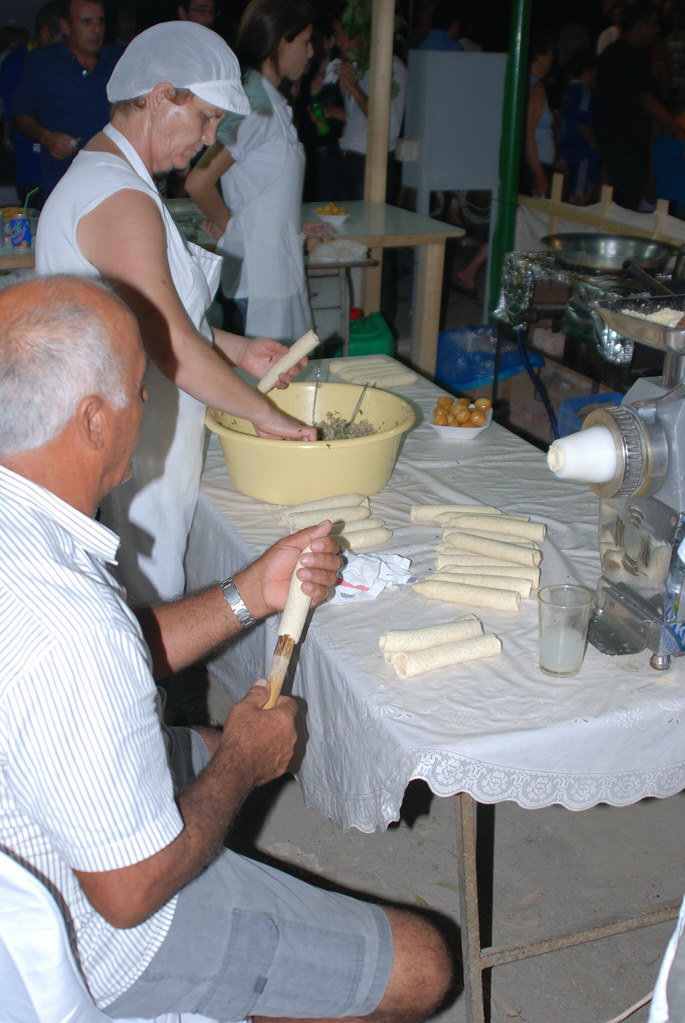
Regional variations and delta region flavors play a significant role in the diverse culinary landscape of Egyptian dishes. Each region along the Nile Delta brings its unique ingredients, cooking techniques, and flavor profiles to the table, creating a rich tapestry of local specialties. In the Delta, you can find dishes that emphasize fresh fish, citrus, and aromatic herbs, reflecting the area’s fertile farmland and access to abundant waterways. These flavors often contrast with those of Upper Egypt, where heartier, spiced, and slow-cooked stews are more common. The coastal areas incorporate more seafood into their cuisine, often seasoned with local spices and citrus, highlighting the freshness of the region’s ingredients. Overall, the delta region’s culinary identity is characterized by bright, tangy, and fragrant flavors that distinguish it from other parts of Egypt, making it a vibrant and integral part of Egyptian culinary heritage.
Modern Twists on Traditional Dishes
Egyptian cuisine is renowned for its rich flavors and centuries-old recipes, yet modern twists are transforming these traditional dishes into contemporary culinary masterpieces. By infusing new ingredients, presentation styles, and creative techniques, chefs are breathing fresh life into classic Egyptian fare. This innovative approach not only pays homage to the country’s culinary heritage but also appeals to evolving tastes and global influences, offering a delightful fusion of history and modernity.
Fusion Recipes
Modern twists on traditional Egyptian dishes bring a new dimension to classic flavors, creating exciting fusion recipes that appeal to contemporary palates. By combining authentic ingredients with innovative techniques or international influences, chefs and home cooks alike can reimagine beloved Egyptian dishes in innovative ways. For example, blending traditional koshari with Mediterranean spices or transforming stuffed grape leaves into a savory burrito-style wrap introduces fresh experiences while honoring heritage.
These fusion recipes not only celebrate Egypt’s rich culinary history but also make the cuisine more accessible and versatile. Incorporating elements like Asian stir-fry techniques into Egyptian falafel or adding global herbs and spices to classic dishes can elevate the flavors and serve as a bridge between cultures. Such creative adaptations often lead to new favorites and inspire a broader appreciation of Egyptian cuisine worldwide.
Vegetarian and Vegan Versions
Modern twists on traditional Egyptian dishes offer a exciting way to experience the rich culinary heritage while catering to contemporary dietary preferences. Vegetarian and vegan versions of classic recipes, such as koshari, ful medames, and mahshi, have gained popularity by replacing animal products with flavorful plant-based ingredients. For instance, vegan koshari uses lentils, rice, pasta, and tomato sauce without cheese or fried onions, maintaining its hearty nature. Similarly, stuffed vegetables like zucchinis and eggplants are filled with spiced rice and vegetable mixtures instead of meat, creating satisfying vegan options. These innovative adaptations allow more people to enjoy Egyptian flavors without compromising their dietary choices, preserving the essence of traditional dishes while embracing modern nutrition trends. The result is a vibrant culinary landscape where heritage meets innovation, making Egyptian cuisine accessible and appealing to a broader audience.
International Influences
Modern twists on traditional Egyptian dishes highlight the dynamic blending of cultural influences, creating innovative culinary experiences while honoring heritage. By infusing international flavors into classic recipes like koshari or ful medames, chefs are reimagining Egypt’s rich culinary history for contemporary palates. These adaptations often incorporate ingredients or techniques from Middle Eastern, Mediterranean, and even Asian cuisines, reflecting Egypt’s position as a crossroads of cultures. Such experimentation not only elevates familiar dishes but also fosters global appreciation for Egyptian cuisine’s versatility and depth.




0 Comments