
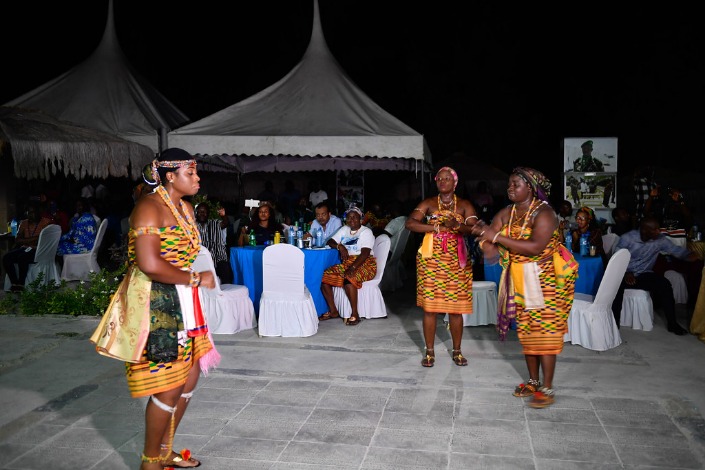
Geography of Ghana
Ghana, located in West Africa, boasts a diverse and vibrant geography that greatly influences its culture and economy. The country features a mix of coastal savannahs, rainforests, and mountainous regions, providing a rich natural landscape. Its strategic position along the Gulf of Guinea gives it access to important maritime trade routes, while the expansive inland areas are dotted with rivers and mineral resources. This diverse geography helps shape Ghana’s unique wildlife, agriculture, and overall way of life.
Location and Size
Ghana is a country located in West Africa, known for its diverse geography and vibrant culture. It shares borders with Côte d’Ivoire to the west, Burkina Faso to the north, Togo to the east, and the Gulf of Guinea to the south. The country’s land area covers approximately 238,535 square kilometers, making it the 82nd largest country in the world. Ghana’s size and strategic coastal position contribute to its significance in the region.
- Ghana is positioned along the Gulf of Guinea, giving it a lengthy Atlantic coastline.
- The country features a variety of landscapes, including coastal savannahs, tropical rainforests, and inland highlands.
- The Volta River, with Lake Volta, one of the largest man-made reservoirs in the world, is a prominent geographic feature.
- Ghana’s terrain is predominantly flat along the coast, gradually rising to hilly and mountainous regions in the interior.
Major Landforms
Ghana is a country located in West Africa known for its diverse geography and prominent landforms. It features a variety of landscapes, including coastal plains, rainforests, and savannahs. To the south, Ghana has a narrow coastline along the Gulf of Guinea, which includes sandy beaches and is vital for trade and tourism. Inland, the terrain gradually rises into the Green Ghana, an area characterized by rolling hills and fertile lands.
The major landforms in Ghana include the Akwapim-Togo mountain range, which extends into the eastern part of the country and forms part of the boundary with Togo. The Volta River, one of the longest in Africa, flows through the country, creating the Volta Lake, the largest artificial reservoir in the world. The lake serves as a crucial source of hydroelectric power and irrigation. Ghana also features the Ashanti Plateau, an elevated region with rich mineral deposits and dense forests. The Northern region comprises the savannah plains, which are essential for agriculture and grazing. These diverse landforms contribute to Ghana’s rich natural landscape and support its agriculture, industry, and biodiversity.
Climate Zones
Ghana is a West African country characterized by diverse geographical features and climate zones. It features a mostly flat landscape with a prominent coastline along the Gulf of Guinea, which includes beaches, lagoons, and estuaries. The country also has lush forests in the southern regions, rolling savannahs in central areas, and arid zones in the north. Ghana’s varied topography includes highlands such as the Akwapim-Togo and Volta ranges, which influence local climate patterns.
The climate of Ghana is mainly classified as tropical, with distinct wet and dry seasons across different regions. The southern part of the country experiences a humid equatorial climate with moderate temperatures and high rainfall, especially from April to June and September to November. The northern regions have a more semi-arid climate with higher temperatures and less rainfall, leading to a dry season that lasts from November to March. These diverse climate zones support a wide range of ecosystems, agriculture, and livelihoods throughout Ghana.
Natural Resources and Biodiversity
Ghana is a country located in West Africa, bordered by Burkina Faso to the north, Togo to the east, the Gulf of Guinea to the south, and Ivory Coast to the west. Its diverse landscape includes forests, savannahs, wetlands, and coastal plains, which contribute to its rich geographical features.
Natural resources play a vital role in Ghana’s economy, with gold being the most prominent, making it one of the world’s leading producers. Other significant resources include diamonds, bauxite, manganese, and oil. The country’s agriculture also benefits from its fertile lands, supporting crops such as cocoa, cocoa beans, and yams.
Ghana boasts a rich biodiversity, with numerous national parks and wildlife reserves preserving its unique flora and fauna. Notable protected areas include Mole National Park and Kakum National Park, home to elephants, chimpanzees, and various bird species. The country’s diverse ecosystems support a wide array of plant and animal life, making it a significant region for biodiversity conservation in Africa.
History of Ghana
Ghana, a West African nation with a rich and diverse history, has played a significant role in regional and global developments. Its history is marked by powerful ancient kingdoms, colonial struggles, and a journey to independence. Over the centuries, Ghana has evolved into a vibrant nation, preserving its cultural heritage while embracing modern progress. This article explores some fascinating facts about Ghana’s historical legacy and its influence on the world.
Ancient Kingdoms and Civilizations
Ghana has a rich history marked by ancient kingdoms and civilizations that profoundly shaped West Africa. One of the earliest known civilizations in the region was the Nok culture, which existed around 1500 BCE and is famous for its terracotta sculptures. The Ghana Empire, established around the 6th century CE, was a powerful gold trading empire that prospered for centuries, making Ghana a significant hub for commerce and wealth in West Africa. Later, the Mali Empire rose to prominence in the 13th century, known for its wealth and the legendary city of Timbuktu. The Songhai Empire succeeded Mali and became one of the largest empires in African history. Throughout these civilizations, Ghana’s strategic location facilitated trade routes that linked coastal regions with the interior, fostering cultural exchanges and economic growth. The history of Ghana reflects a legacy of advanced societies, trade, and cultural achievements that laid the foundation for modern Ghana today.
Colonial Period and Independence
Ghana, located in West Africa, has a rich history marked by ancient kingdoms, colonialism, and eventual independence. The area was originally inhabited by various ethnic groups with significant historical kingdoms such as the Ashanti Empire. During the late 19th and early 20th centuries, Ghana became a focal point of European colonization, primarily by the British, who established the Gold Coast colony.
- The Gold Coast was officially established as a British colony in 1902, after a series of treaties and battles with local kingdoms.
- During the colonial period, the British exploited Ghana’s resources, especially gold, cocoa, and timber, which contributed significantly to the colonial economy.
- The colonial administration imposed Western education and political institutions, shaping Ghana’s modern political landscape.
- Ghana’s pursuit of independence gained momentum in the mid-20th century, driven by nationalist movements and leaders like Kwame Nkrumah.
- Ghana achieved independence from British rule on March 6, 1957, becoming the first sub-Saharan African country to do so.
- Kwame Nkrumah became Ghana’s first Prime Minister and later its first President, advocating for Pan-Africanism and economic development.
- Independence marked a significant milestone in Africa’s decolonization, inspiring other nations to seek independence.
- Post-independence, Ghana faced challenges such as political instability and economic difficulties, but it remains a key country in African history.
Post-Independence Developments
Ghana gained independence from British colonial rule on March 6, 1957, becoming the first sub-Saharan African country to do so. Led by Kwame Nkrumah, the nation aimed to foster unity and economic development, establishing itself as a symbol of Pan-Africanism. After independence, Ghana faced various political challenges, including military coups and changes in leadership, which impacted its stability and growth. In 1992, Ghana adopted a new democratic constitution, leading to the current multi-party political system. The country has made significant strides in education, healthcare, and infrastructure, positioning itself as an emerging economy in Africa. Ghana’s post-independence history is marked by persistence and resilience as it continues to develop and modernize, balancing tradition with progress.
Political Structure
Ghana’s political structure is a stable democratic system that combines a president and a parliamentary government. It is characterized by a multi-party system, with the President serving as both head of state and government. The governance framework ensures separation of powers among the executive, legislative, and judicial branches, fostering a system of checks and balances. This structure plays a vital role in maintaining peace, promoting development, and upholding democratic principles within the country.
Government System
Ghana’s political structure is a unitary republic with a democratic government system. It operates based on the principles of separation of powers among the executive, legislative, and judiciary branches, ensuring a system of checks and balances.
- The President of Ghana is both the head of state and head of government, elected by popular vote for a four-year term, with a maximum of two terms.
- The Parliament of Ghana is a unicameral body consisting of 275 members who are elected every four years to represent various constituencies across the country.
- The judiciary is independent, with the Supreme Court being the highest court, responsible for interpreting the constitution and ensuring justice.
Ghana’s government emphasizes democratic principles, including free and fair elections, political pluralism, and active civil participation in governance processes.
Administrative Divisions
Ghana is a republic with a democratic political system characterized by a president as the head of state and government. The country operates under a constitution that outlines the separation of powers among the executive, legislative, and judiciary branches. Ghana’s political structure includes multiple political parties, with free and fair elections held regularly to ensure democratic governance.
Administratively, Ghana is divided into ten regions, each headed by a Regional Minister appointed by the President. These regions are further subdivided into districts, which are the basic units of local government. Districts are managed by District Assemblies, which consist of local government officials and representatives, playing a vital role in regional development and administrative functions. The decentralization process promotes local governance and allows for more community-specific decision-making across the country.
Major Political Parties
Ghana’s political structure is a stable democracy characterized by a multi-party system. The government is divided into three branches: the Executive, the Legislature, and the Judiciary. The President, elected by universal suffrage, serves as both head of state and government, with a four-year term. The Parliament consists of members elected to represent various constituencies and is responsible for making laws. The judiciary operates independently to ensure justice and uphold the constitution.
The major political parties in Ghana include:
- National Democratic Congress (NDC)
- New Patriotic Party (NPP)
- Convention People’s Party (CPP)
- The People’s National Convention (PNC)
- Progressive People’s Party (PPP)
Economy of Ghana
The economy of Ghana is one of the most diverse in West Africa, with a mix of agriculture, industry, and services contributing to its growth. Known for its rich natural resources, Ghana has a thriving gold, cocoa, and oil industry that plays a significant role in its economic development. Despite challenges such as inflation and unemployment, the country continues to progress through government reforms and foreign investments, making it an important economic player in the region.
Major Industries
Ghana’s economy is one of the most stable and diverse in West Africa, characterized by a mix of agriculture, industry, and services. It has experienced steady growth over the years, driven by its rich natural resources and expanding sectors. The country is known for its abundant mineral resources, including gold, diamonds, and bauxite, which are significant contributors to its export revenue. Ghana also boasts a vibrant agricultural sector that produces cocoa, which is a major global commodity. Additionally, the manufacturing industry has grown, focusing on food processing, textiles, and cement production. The service sector, including banking, telecommunications, and tourism, is increasingly important, supporting economic diversification and development. Overall, Ghana’s economy is marked by resilience and potential for further growth, making it a key player in the region’s economic landscape.
Agriculture and Farming
Ghana’s economy is primarily driven by agriculture, which remains a vital sector for the country’s development. Agriculture accounts for a significant portion of Ghana’s GDP and provides employment to a large percentage of the population, especially in rural areas. The main crops cultivated include cocoa, which is one of the country’s top exports, along with yams, maize, plantains, and rice. Ghana is also known for its robust fishing industry, contributing to both local consumption and export markets. Farming practices in Ghana range from subsistence farming to modern commercial agriculture, with efforts ongoing to improve productivity and sustainability. The government has implemented various policies to support farmers, facilitate access to credit, and promote agricultural innovations to boost food security and export growth. Overall, agriculture remains a cornerstone of Ghana’s economy, shaping its economic stability and future prospects.
Mining and Resources
Ghana’s economy is one of the most diversified in West Africa, heavily reliant on agriculture, mining, and services. It is renowned for its rich natural resources, particularly in gold, cocoa, and minerals, which significantly contribute to its GDP and export revenues. The country has experienced steady economic growth over the years, driven by the stability of its political environment and expanding industries.
- Gold is Ghana’s most prominent export commodity, earning it the nickname “Gold Coast” during colonial times.
- The country is the world’s second-largest producer of Ghanaian cocoa, a vital component of its economy and global commodity markets.
- Other significant minerals include bauxite, manganese, and diamonds, which are extracted mainly in the Western and Ashanti regions.
- Mining activities contribute substantially to national revenue and employment, fostering infrastructure development and local enterprise growth.
- The government continues to promote responsible mining practices to ensure sustainable resource management and environmental conservation.
Recent Economic Trends
Ghana’s economy has experienced notable growth in recent years, driven largely by its rich natural resources, including gold, cocoa, and oil. The country has seen improvements in sectors such as agriculture, manufacturing, and services, contributing to a steady GDP increase. Despite global economic uncertainties, Ghana has maintained a relatively stable macroeconomic environment, supported by sound fiscal policies and structural reforms.
Recent economic trends indicate a rebound from the effects of the COVID-19 pandemic, with inflation rates gradually stabilizing and foreign investments on the rise. The government has prioritized infrastructure development, including energy and transportation projects, to boost productivity and economic diversification. However, challenges such as public debt levels, inflation, and unemployment remain areas for continued policy focus to ensure sustainable growth.
Culture and Society
Culture and society in Ghana are rich and diverse, reflecting a vibrant blend of traditions, languages, and customs unique to the region. As one of West Africa’s most culturally vibrant countries, Ghana’s social fabric is woven with numerous ethnic groups, each contributing their own distinctive practices and beliefs. Understanding the cultural dynamics of Ghana provides valuable insights into its history, social cohesion, and the everyday lives of its people.
Languages and Ethnic Groups
Ghana is a vibrant country renowned for its rich cultural diversity and historical significance. Its society is characterized by a blend of traditional customs and modern influences that shape everyday life. The nation boasts over 100 ethnic groups, with the Akan being the largest, followed by Mole-Dagbon, Ewe, and Ga-Dangme communities. Languages spoken in Ghana reflect this diversity, with English serving as the official language used in government and education, while numerous indigenous languages such as Akan, Ewe, and Dagbani are widely spoken across different regions. Ghanaian culture is deeply rooted in traditions that include colorful festivals, elaborate ceremonies, and authentic art forms like drumming and dance, which play a crucial role in unifying communities. This cultural mosaic contributes to Ghana’s reputation as a nation proud of its heritage and cultural identity.
Traditional Arts and Crafts
Ghana boasts a rich cultural heritage that is deeply rooted in its traditional arts and crafts, reflecting the diverse ethnic groups and their unique histories. The country’s artisans are renowned for their intricate beadwork, vibrant textiles, and handcrafted sculptures, which often hold cultural and ceremonial significance. Adinkra symbols, created using carved stamps on fabric, convey messages and proverbs, playing a vital role in Ghanaian society. Kente cloth, a famous woven fabric, symbolizes prestige and is traditionally worn during important events. Craftsmanship is passed down through generations, preserving the cultural identity of Ghana. Such arts and crafts not only serve as a means of cultural expression but also contribute to the economy through tourism and export. Overall, Ghana’s traditional arts and crafts are a testament to its vibrant culture and societal values, offering a glimpse into its history, beliefs, and social structures.
Music and Dance
Ghana boasts a rich cultural heritage that is reflected in its vibrant music and dance traditions. Music plays a vital role in expressing the history, beliefs, and social values of the Ghanaian people. Songs are often used during ceremonial occasions, festivals, and social gatherings to celebrate achievements, honor ancestors, or communicate stories. Traditional dances such as Adowa, Kpanlogo, and Agbadza are dynamic and energetic, often performed with intricate footwork and symbolic movements that convey cultural narratives and community solidarity. These artistic expressions serve not only as entertainment but also as a means of preserving Ghana’s diverse cultural identities and fostering unity among different ethnic groups.
Festivals and Celebrations
Ghana boasts a rich cultural heritage that is reflected in its diverse festivals and celebrations. The country celebrates numerous festivals throughout the year, each highlighting unique traditions, histories, and beliefs of its various ethnic groups. These festivals often involve colorful rituals, traditional dances, music, and drumming, bringing communities together to honor their ancestors and cultural roots.
One of the most notable festivals is the Homowo Festival celebrated by the Ga people, which commemorates a historical famine and the subsequent bumper harvest. It features a grand street procession, traditional drumming, and the sprinkling of palm wine and kpoo (local food) to symbolize abundance and gratitude. Another prominent celebration is the Akwasidae Festival of the Ashanti, which showcases regal rituals, elaborate kente cloth, and ancestral reverence, emphasizing the importance of kingship and cultural pride.
In addition to these traditional festivals, Ghana also celebrates national events such as Independence Day on March 6th, marked by patriotic displays, parades, and cultural performances nationwide. These festivals and celebrations play a vital role in strengthening social bonds, preserving heritage, and promoting unity among Ghanaian people.
Education and Health
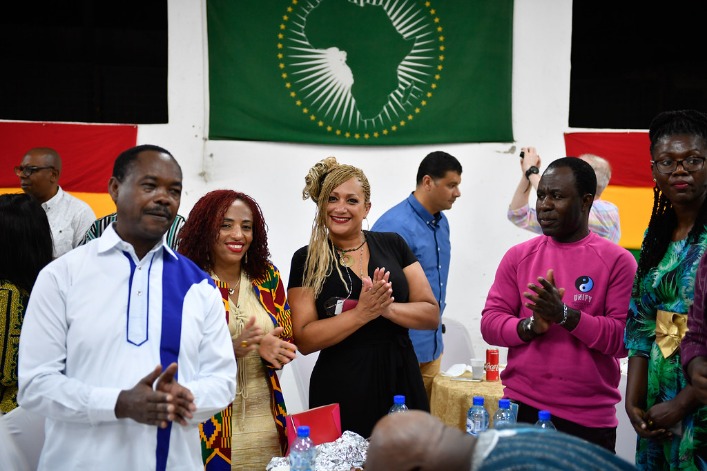
Education and health are vital components of Ghana’s development, shaping the well-being and future prospects of its people. Access to quality education and healthcare services plays a crucial role in improving living standards and fostering social progress in the country. Understanding the facts surrounding these sectors provides insight into Ghana’s efforts and challenges in building a healthier, more educated society.
Educational System
Ghana has made significant progress in the fields of education and health over the past decades. The country has established a comprehensive educational system that is accessible to both urban and rural populations, aiming to improve literacy rates and educational standards nationwide. Ghana’s education sector emphasizes universal primary education and has implemented policies to reduce dropout rates and promote technical and vocational training. Additionally, Ghana’s health system has expanded its reach, providing basic healthcare services to its citizens through a network of clinics and hospitals. The government has prioritized health initiatives such as immunization programs, maternal health, and disease control efforts, notably in combating malaria and HIV/AIDS. Despite these advancements, challenges remain, including resource limitations and disparities in access between different regions, but ongoing efforts continue to improve the overall quality of education and healthcare in Ghana. These developments are crucial to the country’s socio-economic growth and the well-being of its people.
Health Infrastructure
Ghana has made significant progress in developing its education and health sectors over recent years. The country has increased access to primary and secondary education, aiming to improve literacy rates and skills among its population. Education policies focus on reducing gender disparities and promoting inclusive learning environments. In terms of health, Ghana has expanded healthcare services and improved maternal and child health outcomes. The government has invested in training healthcare professionals and implementing health programs to combat diseases such as malaria and HIV/AIDS. Health infrastructure has seen improvements, with more hospitals and clinics being established across urban and rural areas, though challenges remain in ensuring equitable access to quality healthcare for all citizens. Overall, these efforts reflect Ghana’s commitment to enhancing the well-being and development of its people.
Public Health Challenges
Ghana faces significant challenges in education and public health, which impact its overall development. Despite progress in increasing literacy rates and expanding access to education, many regions still encounter issues such as inadequate infrastructure, shortage of trained teachers, and barriers to enrollment, especially for girls and marginalized groups. These gaps hinder the country’s efforts to elevate educational standards and empower its youth.
In terms of health, Ghana struggles with communicable diseases like malaria, HIV/AIDS, and maternal mortality, alongside rising non-communicable diseases such as hypertension and diabetes. The healthcare system often faces shortages of medical supplies, limited access to quality healthcare facilities in rural areas, and insufficient funding. Addressing these public health challenges is crucial for improving overall well-being, reducing health disparities, and promoting sustainable development in Ghana.
Tourism in Ghana
Ghana, located in West Africa, is a vibrant country renowned for its rich cultural heritage and diverse natural landscapes. As a popular tourist destination, it offers travelers a unique blend of historical landmarks, colorful festivals, inviting beaches, and wildlife reserves. Tourism in Ghana plays a significant role in the nation’s economy, attracting visitors from around the world eager to experience its warm hospitality and fascinating traditions.
Major Tourist Attractions
Ghana is a vibrant tourist destination in West Africa known for its rich history, diverse culture, and stunning landscapes. Visitors are drawn to its warm hospitality and unique blend of traditional and modern experiences. From historic castles to natural wonders, Ghana offers a variety of attractions that showcase its heritage and beauty.
Major tourist attractions in Ghana include Cape Coast Castle and Elmina Castle, which are UNESCO World Heritage Sites that played important roles in the trans-Atlantic slave trade. Kakum National Park, famous for its canopy walkway, offers an adventurous experience amidst lush rainforest. Mole National Park is Ghana’s largest wildlife reserve, home to elephants, lions, and antelopes, providing excellent safari opportunities. The W.E.B. Du Bois Center in Accra celebrates the legacy of the influential scholar and civil rights activist. Labadi Beach and Coconut Grove Beach are popular seaside spots where visitors can relax and enjoy water activities. Additionally, the Ashanti Region features the UNESCO World Heritage Site of Kumasi’s Kejetia Market and the historic Ashanti Kingdom.
UNESCO World Heritage Sites
Ghana is a popular tourist destination known for its rich history, diverse culture, and stunning landscapes. The country offers a variety of attractions for visitors, from vibrant markets to historic sites and beautiful beaches. One of Ghana’s highlights is its UNESCO World Heritage Sites, which showcase its unique historical and cultural significance.
Ghana has three UNESCO World Heritage Sites recognized for their cultural importance:
- Cape Coast Castle and Elmina Castle – These historic forts played a central role in the trans-Atlantic slave trade and are important symbols of Ghana’s colonial past.
- Kakum National Park – Famous for its canopy walkway, this park is home to diverse wildlife and lush rainforest, offering an immersive experience in Ghana’s natural environment.
- Historical Trading Town of Butre – Recognized for its colonial architecture and historical significance as a trading settlement, reflecting Ghana’s maritime history.
Tourism in Ghana is also supported by its vibrant festivals, archaeological sites, and warm hospitality, making it a compelling destination for travelers seeking cultural and natural experiences.
Cultural Tourism
Ghana is a renowned destination for cultural tourism, offering visitors a rich tapestry of history, tradition, and vibrant festivals. The country is celebrated for its diverse ethnic groups, each with unique customs, languages, and rituals that showcase its cultural heritage. Visitors can explore ancient castles like Cape Coast and Elmina, which tell stories of the trans-Atlantic slave trade, and experience lively festivals such as Homowo and Odwira that highlight the traditions and spirituality of local communities. Ghana’s colorful textiles, handcrafted artifacts, and traditional dance performances further enrich the cultural experience. As a hub of West African culture, Ghana attracts tourists eager to immerse themselves in authentic cultural practices and historical landmarks, making it a top destination for cultural tourism.
Adventure and Eco-Tourism
Ghana is a popular destination for tourism, offering a rich blend of cultural heritage, historical sites, and natural beauty. Its diverse landscapes make it an ideal location for adventure and eco-tourism enthusiasts seeking unique and immersive experiences.
- Ghana boasts numerous national parks and wildlife reserves, such as Mole National Park, home to elephants, antelopes, and diverse bird species.
- The Kakum Conservation Area features a canopy walkway that provides panoramic views of the rainforest canopy, perfect for eco-tourists and adventure seekers.
- Exploring historical sites like Cape Coast Castle and Elmina Castle offers insight into Ghana’s colonial past and slave trade history.
- The Wli Waterfalls in the Volta Region are among the highest in West Africa, attracting trekkers and nature lovers.
- Ghana’s caves, such as the Shai Hills caves, provide underground exploration adventures amidst scenic surroundings.


0 Comments