
Geographical Location of Victoria Falls
Victoria Falls is one of the most famous waterfalls in the world, located on the Zambezi River at the border between Zimbabwe and Zambia. Situated in southern Africa, it spans approximately 1.7 kilometers and is renowned for its breathtaking size and powerful spray. The falls are nestled within the Victoria Falls National Park in Zimbabwe, offering visitors a stunning natural spectacle and a unique geographic location that attracts travelers from around the globe.
Position on the Zambezi River
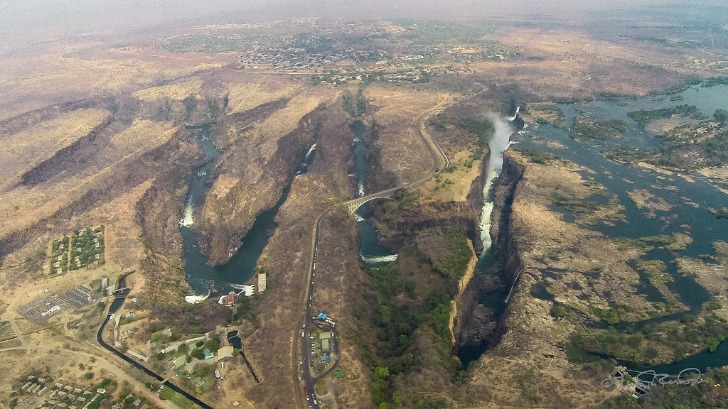
Victoria Falls is located on the Zambezi River, which forms the natural border between Zimbabwe and Zambia. The falls are situated near the town of Livingstone in Zambia and the city of Victoria Falls in Zimbabwe. This iconic waterfall is approximately 1.7 kilometers wide and is renowned for its impressive spray and roar, making it one of the largest and most famous waterfalls in the world. The falls are positioned in a scenic region where the Zambezi River plunges into a deep gorge, creating a stunning natural spectacle that attracts visitors from around the globe.
Proximity to Border of Zimbabwe and Zambia
Victoria Falls is located on the Zambezi River, forming the border between Zimbabwe and Zambia. It is situated near the northwestern part of Zimbabwe and the southern part of Zambia, making it a natural boundary between the two countries. The falls are approximately 1.7 kilometers wide and are a major geographical landmark in southern Africa. Due to its position on the border, visitors can access the falls from both countries and experience different views of this breathtaking waterfall.
Surrounding Topography and Landscape
Victoria Falls is located on the Zambezi River, on the border between Zimbabwe and Zambia. The falls are situated near the town of Victoria Falls in Zimbabwe, which serves as a gateway for visitors eager to explore this natural wonder. The surrounding topography is characterized by a lush, green landscape with rolling hills, basalt escarpments, and river gorges that have been carved over thousands of years. The area features a dramatic drop of about 108 meters (354 feet) and an expansive width of approximately 1,708 meters (5,604 feet), creating a stunning curtain of water that cascades into the Zambezi Gorge below. The landscape is dotted with rainforests, wetlands, and savanna, supporting diverse flora and fauna. The escarpment formations and the Zambezi River’s course give the region a rugged, dramatic appearance, making Victoria Falls one of the most spectacular natural landmarks in Africa.
Physical Characteristics of Victoria Falls
Victoria Falls, one of the most awe-inspiring natural wonders in the world, is renowned for its breathtaking physical features. The falls stretch approximately 1,708 meters (5,604 feet) across the Zambezi River, creating a spectacular curtain of water that plunges into the Zambezi Gorge below. During the peak flow season, the water thunders down with immense force, producing a mist that can be seen from miles away. The gorge itself is about 108 meters (354 feet) deep, adding to the majestic scale of this extraordinary waterfall. Surrounded by lush rainforests and jagged basalt cliffs, Victoria Falls offers a stunning display of natural beauty and power.
Dimensions and Size
Victoria Falls, one of the world’s most famous waterfalls, is renowned for its impressive physical characteristics. It stretches approximately 1,708 meters (5,604 feet) across the Zambezi River, creating a breathtaking curtain of water. The height of the falls varies between 108 meters (354 feet) and 128 meters (420 feet), depending on the water flow, producing a magnificent, powerfully cascading spray. The width of the falls and the continuous flow of water form a spectacular sight, attracting millions of visitors each year.
Height and Width of the Falls
Victoria Falls, one of the most famous waterfalls in the world, is renowned for its impressive physical characteristics. The waterfall stretches across the Zambezi River, forming a stunning display of natural beauty. It has a height of approximately 108 meters (354 feet), making it one of the largest curtain waterfalls globally. The width of Victoria Falls varies, but it generally spans about 1,708 meters (5,604 feet), creating a magnificent vista that captivates visitors. The extensive width and dramatic drop make Victoria Falls a breathtaking feature of Zimbabwe’s natural landscape.
Volume of Water Flow
Victoria Falls, one of the most spectacular natural wonders in Zimbabwe, is renowned for its impressive physical characteristics. The falls stretch approximately 1,708 meters (5,604 feet) wide, creating a breathtaking curtain of water that plunges into the Zambezi River below. The height of Victoria Falls varies between 80 meters (262 feet) and 108 meters (354 feet), depending on the season and water volume. The width and height combine to produce a massive sheet of spray and mist that can be seen from miles away, often creating rainbows in the sunlight. The geology of the site features basalt cliffs carved by centuries of erosion, forming a rugged and dramatic landscape that enhances the falls’ majestic appearance. The volume of water flowing over Victoria Falls fluctuates seasonally, but during the peak rainy season, the flow can reach up to 12,800 cubic meters per second (approximately 452,000 cubic feet per second), making it one of the largest curtain of falling water in the world.
Formation and Geology
Victoria Falls, located on the border between Zimbabwe and Zambia, is a stunning natural wonder renowned for its breathtaking beauty and powerful cascade. The formation and geology of this iconic waterfall reveal a fascinating history shaped by millions of years of geological processes. Understanding the underlying rock layers and volcanic activity gives insight into how the falls were formed and continue to evolve over time.
Geological History of the Area
Victoria Falls, located on the Zambezi River between Zimbabwe and Zambia, is renowned for its extraordinary geological and geological history. The area’s formation dates back millions of years, shaped by complex geological processes involving volcanic activity and river erosion. The falls themselves were formed through the retreat of lava flows that created layers of basalt, which are highly resistant to erosion. Over time, the Zambezi River carved out a deep gorge through these basalt layers, leading to the spectacular waterfall we see today.
The geological history of Victoria Falls involves significant volcanic activity during the Miocene and Pleistocene epochs, which contributed to the landscape’s current basalt formations. The erosion caused by the river has continued to sculpt the landscape, expanding the gorge and creating the series of waterfalls and rapids. These geological processes reveal a dynamic history of volcanic eruptions, sedimentation, and erosional forces that have contributed to the area’s unique topography and natural beauty.
Types of Rock Formations
Victoria Falls, located on the Zambezi River in Zimbabwe, is not only a stunning natural wonder but also a site of significant geological interest. The formation of Victoria Falls dates back millions of years, involving complex geological processes that shaped the landscape. The falls are part of the Zambezi Gorge, which was carved out of solid rock through the erosive forces of water over time. This process continues today, gradually transforming the surrounding terrain.
The geology of Victoria Falls primarily features basalt rock, which is part of the Karoo basalt formation. These volcanic rocks are about 180 million years old and formed from ancient lava flows. The basalt layers are interspersed with sandstone and shale, contributing to the area’s varied geological makeup. The sheer cliffs of the falls are primarily composed of basalt, providing the dramatic drops and rugged natural scenery seen today.
There are several types of rock formations associated with Victoria Falls. These include the vertical basalt cliffs, which create the iconic plunge pools and rugged landscape. Overlying or adjacent to these are sedimentary deposits like sandstone, which add to the geological diversity. The ongoing erosion of these rocks results in the formation of unique landforms such as gorges and waterfalls, making the area not only a breathtaking destination but also a fascinating field for geological study.
Erosion and Geological Changes Over Time
Victoria Falls, located on the Zambezi River between Zimbabwe and Zambia, is one of the world’s most spectacular natural wonders, renowned for its breathtaking beauty and impressive geological formations. The falls were formed over millions of years through the processes of geological activity, including volcanic eruptions and erosion, which shaped the landscape. The geological composition of the area primarily consists of basaltic rocks, which are remnants of ancient volcanic activity that occurred millions of years ago. Over time, the powerful flow of the Zambezi River has continuously eroded these rocks, carving out the deep gorge and creating the iconic waterfall. The erosional forces are still active today, gradually changing the landscape by widening the gorge and depositing sediments downstream. These ongoing geological processes contribute to the dynamic nature of Victoria Falls, making it a fascinating site for studying Earth’s geological history and the natural forces that shape our planet over millions of years.
Hydrology and Water Data
Hydrology and water data are essential for understanding the movement, distribution, and quality of water resources around the world. These fields provide crucial insights into river flows, rainfall patterns, and water availability, which are vital for environmental management, infrastructure development, and conservation efforts. In the context of Victoria Falls in Zimbabwe, hydrological data helps to appreciate the dramatic power and volume of water that sustains this stunning natural wonder.
Seasonal Variations in Water Flow
Victoria Falls in Zimbabwe is one of the largest and most famous waterfalls in the world, attracting millions of visitors each year. Hydrology and water data play a crucial role in understanding the seasonal variations in water flow that influence the breathtaking spectacle of the falls. During the rainy season, typically from November to March, the Zambezi River experiences a significant increase in volume, leading to the spectacular cascade of water that creates a thick mist and roaring sound. Conversely, in the dry season, from May to October, the water flow diminishes considerably, revealing rocky formations and exposing sections of the bed. These seasonal fluctuations are driven by rainfall patterns and upstream water management, affecting everything from water quality to hydroelectric power generation. Monitoring these variations is vital for maintaining the ecological health of the region and ensuring the safety of visitors and surrounding communities. Victoria Falls serves as a natural gauge for hydrological studies, illustrating the importance of water data in managing and preserving vital water resources in Zimbabwe and beyond.
Annual Flooding Patterns
Victoria Falls, located on the Zambezi River at the border between Zimbabwe and Zambia, experiences significant annual flooding patterns that are primarily driven by seasonal rainfall. During the rainy season, typically from November to March, high rainfall in the Zambezi River basin causes increased water flow, leading to expansive flows over the falls and surrounding regions. Hydrology studies reveal that peak flood levels usually occur between March and May, when the river discharge reaches its maximum. In the dry season, from June to October, reduced rainfall results in lower water levels, making the falls narrower and less forceful. Monitoring water data throughout the year is crucial for understanding the hydrological dynamics of Victoria Falls, as it impacts not only the local ecosystem and tourism but also the management of water resources in the region. Overall, the annual flooding patterns are a vital aspect of Victoria Falls’ natural wonder and are closely tied to the area’s climate and rainfall variability.
Longest and Broadest Sections of the Falls
Victoria Falls, located on the Zambezi River at the border between Zimbabwe and Zambia, is renowned for its impressive hydrology and water data. The falls are characterized by their extraordinary width and length, making them one of the largest and most awe-inspiring waterfalls in the world. During the peak flow season, the river can release up to 1,088 cubic meters of water per second, showcasing the immense volume of water that constantly reshapes the landscape below.
The longest section of Victoria Falls stretches approximately 1,708 meters (5,604 feet), creating a vast curtain of falling water that spans across the width of the gorge. The broadest section of the falls is also impressive, with the width reaching more than 1,700 meters during high flow periods. These dimensions not only highlight the grandeur of Victoria Falls but also exemplify its significant contribution to the hydrological cycle of the region, maintaining a consistent flow that supports diverse ecosystems and local communities.
Wildlife and Ecosystem

Victoria Falls, one of the world’s most breathtaking natural wonders, is home to a diverse array of wildlife and a vibrant ecosystem. The area’s lush forests, riverbanks, and surrounding savannahs support an incredible variety of plants and animals, making it a crucial habitat for many species. Understanding the wildlife and ecosystem of Victoria Falls reveals the importance of conserving this extraordinary region for future generations.
Flora Unique to the Area
Victoria Falls, located on the border between Zimbabwe and Zambia, is renowned for its breathtaking scenery and rich biodiversity. The area supports a diverse array of wildlife, including elephants, lions, buffalo, and various antelope species, which thrive in the surrounding national parks such as Zambezi National Park and Mosi-oa-Tunya National Park. The falls create a moist environment that sustains lush vegetation, providing habitat for many bird species, including hornbills, Kingfishers, and the endemic African fish eagle. This unique ecosystem is characterized by its combination of riverine forests and savannahs, fostering a vibrant array of flora and fauna. The area’s distinctive plant life features cycads, acacia trees, and flamboyant wild orchids, which together contribute to the region’s ecological richness. The interplay between the powerful waterfall and the diverse ecosystem makes Victoria Falls an exceptional natural wonder with extraordinary biodiversity.
Fauna Associated with Victoria Falls
Victoria Falls, located on the border between Zimbabwe and Zambia, is one of the most breathtaking natural wonders in the world. The surrounding area supports a diverse array of wildlife and ecosystems, making it a vital habitat for many species of plants and animals.
The region around Victoria Falls is characterized by a lush rainforest that thrives due to the constant spray of water from the falls. This microclimate sustains a rich variety of flora, including numerous species of ferns, palms, and hardwood trees. The ecosystem provides essential resources for the wildlife that inhabits the area.
- Atlas Moths, one of the largest moth species, can be found fluttering through the rainforest in search of food.
- The area is home to several large mammals such as elephants, which often traverse the national parks surrounding the falls.
- Predators like lions and leopards are also present, preying on herbivores that feed on the abundant vegetation.
- Birdlife is abundant, with species such as African fish eagles, kingfishers, and hornbills commonly seen near the waters and forests.
- Reptiles, including crocodiles and various snake species, inhabit the river and surrounding wetlands, contributing to the ecosystem’s health.
Overall, the wildlife and ecosystems around Victoria Falls play a crucial role in maintaining the region’s ecological balance, attracting nature lovers and conservationists from around the world.
Conservation Efforts and Protected Areas
Victoria Falls in Zimbabwe is one of the most spectacular natural wonders in the world, offering not only breathtaking views but also rich biodiversity that supports diverse wildlife and ecosystems. The area around the falls includes lush rainforests, grasslands, and riverine habitats that serve as vital ecosystems for numerous species of birds, mammals, and aquatic life. Protecting these ecosystems is essential to preserving the region’s natural beauty and ecological balance.
Conservation efforts in the Victoria Falls region focus on safeguarding endangered species and maintaining the health of local habitats. Various initiatives promote sustainable tourism practices that minimize environmental impact, along with reforestation projects to restore degraded areas. Efforts are also made to control invasive species and reduce pollution, ensuring that the natural environment remains resilient and vibrant for future generations.
Protected areas such as the Victoria Falls National Park play a crucial role in conservation. These parks provide a refuge for wildlife and help regulate human activities to prevent habitat destruction. By establishing such protected areas, Zimbabwe aims to promote biodiversity conservation, support eco-tourism, and foster environmental awareness among visitors and local communities alike. The preservation of Victoria Falls and its surrounding ecosystems remains vital to maintaining the region’s ecological and economic significance.
Tourism and Cultural Significance
Victoria Falls in Zimbabwe is one of the most awe-inspiring natural wonders in the world, drawing countless visitors from around the globe. Beyond its breathtaking waterfalls, the site holds deep cultural and historical significance for local communities and nations alike. Tourism here not only offers spectacular views and adventure activities but also promotes the preservation of Zimbabwe’s rich heritage and traditions.
Popular Activities and Sightseeing Tours
Victoria Falls in Zimbabwe is renowned for its breathtaking natural beauty and rich cultural significance. As one of the world’s largest and most iconic waterfalls, it attracts millions of tourists eager to experience its awe-inspiring vistas and the power of nature. The falls hold deep cultural importance for local communities, who have long considered it a sacred site and a symbol of national pride.
Tourists visiting Victoria Falls can enjoy a wide range of popular activities, including guided tours to witness the majestic waterfall from various viewpoints, exhilarating wildlife safaris in nearby national parks, white-water rafting on the Zambezi River, and helicopter flights that provide stunning aerial perspectives of the falls and surrounding landscapes. Adventure enthusiasts also participate in bungee jumping and river cruises, making the destination versatile for all interests.
Sightseeing tours at Victoria Falls often include visits to the rainforest surrounding the falls, which is home to diverse flora and fauna, as well as cultural tours that showcase local villages and traditions. Many travelers take part in park walks and historical exhibitions to learn about the indigenous history and geology of the area, enriching their understanding of this World Heritage Site’s significance and natural wonder.
Historical Significance and Legends
Victoria Falls in Zimbabwe is not only renowned for its breathtaking natural beauty but also holds profound cultural and historical significance. The falls, known locally as “Mosi-oa-Tunya,” or “The Smoke That Thunders,” have been a sacred site for indigenous communities for centuries, serving as a spiritual symbol and a place for traditional rituals.
Historically, Victoria Falls was a key point of exploration during the 19th century, attracting European explorers such as David Livingstone, who famously declared the falls to be one of the world’s greatest wonders. His exploration helped introduce the site to global recognition and contributed to the development of the region as a major tourist destination. The falls also played a role in colonial history, serving as a border between Zimbabwe and Zambia.
Legend surrounds Victoria Falls, with local stories emphasizing its sacred status. The indigenous Tonga and Lozi tribes have long respected the falls, believing they are inhabited by spirits and deities. One legend speaks of a powerful water spirit that protects the site, and these stories have been passed down through generations, adding to the site’s mystical allure and cultural depth. These legends contribute to the falls’ enduring significance as a symbol of natural wonder and cultural heritage for Zimbabwe and beyond.
Impact on Local Economy
Victoria Falls in Zimbabwe is renowned for its breathtaking natural beauty and cultural significance, attracting millions of tourists from around the world each year. The falls, known locally as Mosi-oa-Tunya or “The Smoke That Thunders,” hold deep cultural importance for the indigenous Tonga and Lozi people, who regard it as a sacred site. Tourism centered around Victoria Falls not only highlights its majestic scenery but also promotes awareness and appreciation of local traditions and history. The influx of visitors stimulates the local economy by creating jobs in hospitality, guiding services, transportation, and craft markets. Moreover, tourism revenue helps fund community development projects, conservation efforts, and infrastructure improvements. As a UNESCO World Heritage site, Victoria Falls continues to be a vital driver of economic growth and cultural preservation for Zimbabwe, fostering both global recognition and local pride.




0 Comments