
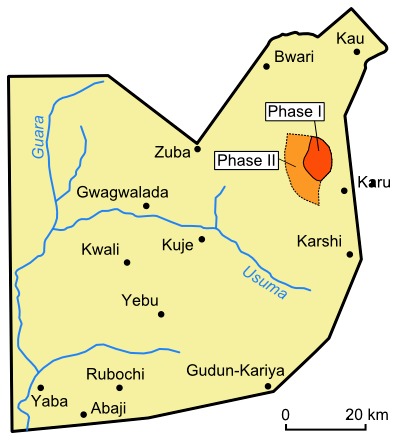
Overview of the Federal Capital Territory (FCT) Nigeria
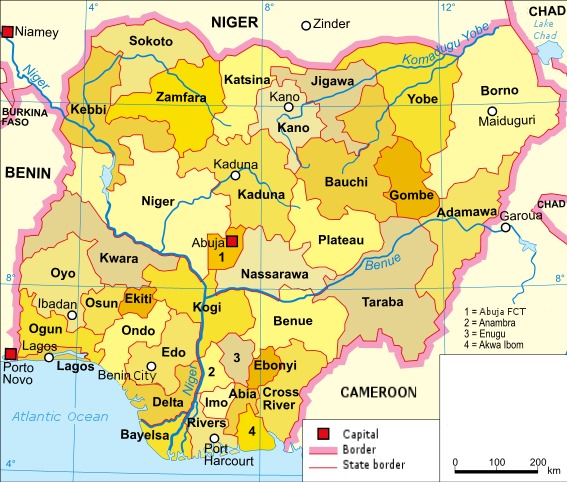
The Federal Capital Territory (FCT) of Nigeria is a significant and vibrant region that serves as the political and administrative center of the country. Located in the heart of Nigeria, the FCT is home to the nation’s capital, Abuja, which is known for its modern infrastructure, diverse population, and strategic importance. As the hub of government activities and diplomatic missions, the FCT plays a crucial role in shaping Nigeria’s development and national identity.
Historical Background of the FCT
The Federal Capital Territory (FCT) of Nigeria serves as the political and administrative center of the country, housing the nation’s capital, Abuja. It was established to replace Lagos as the capital city, aiming to foster balanced regional development and reduce congestion in Lagos. The FCT is a unique geopolitical region that functions as the seat of government and contains various political, economic, and cultural institutions.
Historically, the area now known as the FCT was originally inhabited by various indigenous peoples, including the Gbagyi, Koro, and others. In the 1970s, the Nigerian government initiated a plan to develop a new capital that would be more centrally located within Nigeria to promote national unity and administrative efficiency. The selection of Abuja as the site was based on factors such as its strategic location, accessibility, and suitability for urban planning. Construction began in the late 1970s, and Abuja officially became the capital in 1991, replacing Lagos. The transformation from a rural area into a modern city involved extensive planning and development, making the FCT a symbol of Nigeria’s aspirations for progress and national integration.
Establishment and Administrative Changes
The Federal Capital Territory (FCT) of Nigeria was established to serve as the political and administrative center of the country, housing the nation’s capital, Abuja. It was created in 1976, replacing Lagos as Nigeria’s capital to promote equitable development and reduce congestion in Lagos. The FCT officially became the seat of government in 1991, when Abuja was designated as the federal capital. Over the years, the territory has undergone several administrative changes, including the creation of local government areas and the establishment of the Federal Capital Territory Administration (FCTA), which oversees its governance. These changes aimed to enhance administrative efficiency, promote urban development, and ensure effective management of the territory’s resources and infrastructure. The FCT remains a unique political and administrative entity, distinguished from other Nigerian states by its status as the national capital.”
Legal Framework and Governance
The Federal Capital Territory (FCT) of Nigeria is a unique administrative region designated as the political and administrative heart of the country, housing the capital city, Abuja. It was created in 1976 to replace Lagos as the seat of government, providing a centralized location for Nigeria’s executive, legislative, and judicial branches. The FCT is structured to promote decentralized governance and effective administration within the territory.
The legal framework governing the FCT is primarily established by the Nigerian Constitution and specific legislation such as the FCT Act. The Abuja Municipal Area Council (AMAC) and the FCT Authority are the key bodies responsible for local governance. The Abuja Area Council acts as the local government authority, while the FCT Authority, established under the FCT Act, manages broader administrative functions, urban planning, and development activities.
Governance in the FCT involves a unique blend of federal and local authority structures. The FCT Minister, appointed by the President of Nigeria, oversees the territory’s administration, functioning as both a federal appointee and a chief executive role. The Territory also has a FCT Ministerial Council that advises on policy and administrative matters. Local government councils provide grassroots services, ensuring governance at the community level. This dual system aims to balance federal oversight with local administrative autonomy, ensuring effective governance and development in Nigeria’s capital.
Geography and Climate
The Federal Capital Territory of Nigeria is a unique region with diverse geographical features and a climate that influences the lives of its inhabitants. It is situated in the central part of the country, encompassing Abuja, the nation’s capital city. The terrain includes hills, valleys, and expansive plains, providing a varied landscape. The climate in the FCT is mainly characterized by a tropical climate with distinct wet and dry seasons, shaping the region’s environment and daily activities.
Location and Size
The Federal Capital Territory of Nigeria, known as Abuja, is centrally located within the country, serving as its political and administrative hub. Covering an area of approximately 801 square kilometers, Abuja is relatively small compared to other Nigerian states but holds significant importance due to its status as the capital. The territory’s geography features a mix of hills, plains, and river valleys, contributing to a diverse landscape that supports various wildlife and plant species.
Abuja experiences a tropical climate characterized by a distinct wet and dry season. The rainy season extends from April to October, bringing heavy showers and high humidity, while the dry season, from November to March, is marked by lower humidity, cooler temperatures, and dry harmattan winds blowing from the Sahara. The climate and central location make Abuja a vibrant, dynamic city with a relatively moderate climate compared to regions in the northern or southern parts of Nigeria.
Topography and Landforms
The Federal Capital Territory of Nigeria, located in the central part of the country, features a diverse geography and climate that influence its landscape and environment. The region is characterized by a mix of lowland plains, rolling hills, and some elevated areas, which collectively create a varied topography. The landscape includes agricultural plains, urban areas, and patches of forest, contributing to its ecological richness.
The climate of the Federal Capital Territory is predominantly tropical, with distinct wet and dry seasons. The rainy season lasts from April to October, bringing heavy rainfall that supports lush vegetation, while the dry season from November to March is marked by hotter temperatures and lower humidity. This climate influences the landforms and the overall environment, supporting a variety of flora and fauna.
Topographically, the region is relatively flat with some undulating terrain and gently rising hills. Notable landforms include the Aso Rock, a prominent granite monolith that dominates parts of Abuja, as well as surrounding ridges and valleys. These landforms not only define the physical landscape but also contribute to the area’s scenic beauty and influence urban development and land use planning in the capital city.
Climate and Weather Patterns
The Federal Capital Territory of Nigeria, located in the heart of the country, features a diverse geography that includes urban areas, green spaces, and surrounding hills. The terrain is mostly flat with some gentle undulations, providing a suitable environment for the development of the capital city, Abuja. The region is characterized by a mix of savannah and forested areas, contributing to its rich biodiversity.
The climate of the Federal Capital Territory is classified as tropical savannah, with distinct wet and dry seasons. The area experiences a warm climate year-round, with temperatures typically ranging from 21°C to 33°C. The rainy season usually occurs between April and October, bringing heavy rainfall that supports agriculture and natural vegetation. The dry season, which spans from November to March, is marked by lower humidity, dust storms, and harmattan winds from the Sahara, reducing visibility and causing cooler evenings.
Weather patterns in the region are heavily influenced by the West African Monsoon, leading to significant seasonal variations in rainfall and temperature. During the rainy season, thunderstorms are common in the afternoons, and the region’s vegetation becomes lush and green. Conversely, the harmattan period results in dry, dusty conditions that can cause respiratory discomfort and reduce sunlight. Overall, the climate greatly influences daily life, agriculture, and urban planning within Nigeria’s federal capital territory.
Administrative and Political Structure
The Administrative and Political Structure of the Federal Capital Territory of Nigeria is designed to ensure effective governance and development. It comprises various institutions and authorities that work together to manage urban planning, security, and public services. This structure aims to promote transparency, representation, and efficient administration within the territory, reflecting Nigeria’s federal organization and commitment to decentralization.
Federal Capital Territory Administration (FCTA)
The Federal Capital Territory Administration (FCTA) is the governing body responsible for the administration and development of Nigeria’s capital, Abuja. It functions as the local government authority for the FCT, overseeing various sectors such as education, health, infrastructure, and security to ensure the smooth running of the territory. The FCTA operates under a structured political framework headed by a Minister appointed by the President of Nigeria, who reports to the President and the Federal Executive Council. The administration also includes several departments and agencies that implement policies and programs aimed at the territory’s growth and sustainability. The legislative arm within the FCTA provides policy guidance, while the executive arm ensures its implementation in collaboration with traditional rulers and community leaders. Overall, the FCTA’s administrative and political structure enables effective governance and the coordinated development of Nigeria’s federal capital.
Local Government Areas (LGAs)
The Federal Capital Territory of Nigeria is governed through a structured administrative and political framework that ensures effective management and development. It operates under a unique system that distinguishes it from other regions in Nigeria, with a focus on centralized administration and local governance. The territory is divided into several Local Government Areas (LGAs), each serving as the administrative units responsible for local administration, development efforts, and service delivery. These LGAs have elected councils that oversee local affairs, including education, health, and infrastructure, ensuring that residents benefit from localized governance. The Federal Capital Territory Administration (FCTA) oversees the general governance of the territory, working closely with the LGAs to implement national policies and facilitate development projects. This structure aims to promote efficient governance, transparency, and accountability within Nigeria’s capital territory.
Political Representation and Electoral System
The Federal Capital Territory of Nigeria, Abuja, operates within a well-defined administrative and political framework that ensures effective governance and representation. The territory is administered by a Minister appointed by the President of Nigeria, and it has its own Local Government Councils to oversee local affairs. Politically, Abuja functions as the political hub of Nigeria, hosting national government institutions, diplomatic missions, and key administrative offices. The political representation of Abuja is integrated into Nigeria’s federal system, with the territory being represented in the National Assembly through elected Senators and House of Representatives members. The electoral system in Abuja follows Nigeria’s democratic process, utilizing a first-past-the-post voting method for legislative elections and a presidential system for executive elections. Voters in Abuja participate in general elections to elect their representatives at various levels, contributing to Nigeria’s overall democratic governance. This structure ensures that Abuja remains a critical center for political activity, administration, and representation within Nigeria’s federal system.
Economy of the FCT
The economy of the Federal Capital Territory (FCT) of Nigeria is a dynamic hub of activity, driven by government services, commerce, and emerging industries. As the political and administrative center of Nigeria, the FCT hosts many key institutions, which significantly contribute to its economic growth. Additionally, the territory’s vibrant markets, real estate development, and growing service sectors play crucial roles in shaping its economic landscape. Overall, the FCT’s economy reflects a blend of administrative importance and urban development, making it a vital component of Nigeria’s national economy.
Major Economic Activities
The Economy of the Federal Capital Territory (FCT) of Nigeria is primarily driven by a diverse range of economic activities that contribute significantly to its development. As the political and administrative center of Nigeria, the FCT hosts many government agencies, institutions, and diplomatic missions, which generate substantial employment and economic activities.
Major economic activities in the FCT include public administration, with government services being the dominant sector. Additionally, the territory has a vibrant private sector comprising construction, real estate, banking, telecommunications, and retail trade. Tourism also plays a vital role, with attractions such as the National Mosque, National Church, and Abuja National Park attracting visitors. Furthermore, the FCT has steadily growing sectors in education and hospitality, which support its status as a center of governance and culture.
Commercial and Business Hubs
The Federal Capital Territory (FCT) of Nigeria is a growing economic hub, with a diverse and vibrant commercial and business landscape. The FCT’s economy is driven by government institutions, services, and a burgeoning private sector that attracts both local and international investments. Its strategic location and well-developed infrastructure facilitate trade, commerce, and business activities across various sectors.
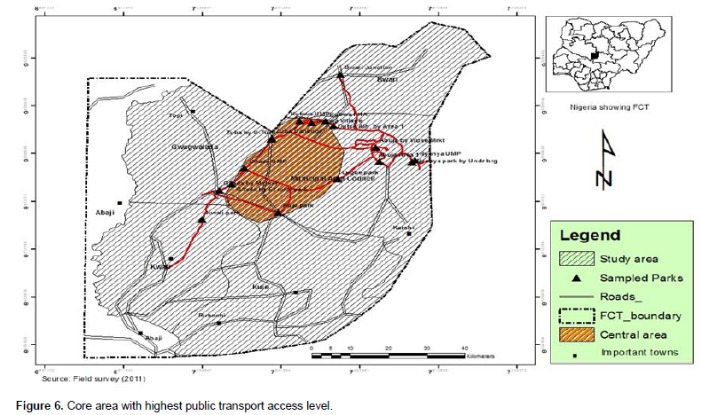
Commercial hubs in the FCT include key districts like Abuja Central Business District, Wuse, Garki, and Jabi, which host numerous banks, corporate offices, markets, and retail outlets. These areas serve as the nucleus for financial transactions, trade, and entrepreneurial activities, contributing significantly to the territory’s economic stability.
Business hubs within the FCT are characterized by numerous industrial parks, tech incubators, and business centers promoting innovation and entrepreneurship. Abuja’s status as Nigeria’s political capital also ensures a steady flow of policy and administrative activities that enhance economic resilience. The government’s focus on infrastructure development, security, and ease of doing business continues to attract investments, fostering a dynamic economy within the territory.
Government and Parastatals’ Role
The economy of the Federal Capital Territory (FCT) of Nigeria is a dynamic mix heavily influenced by government activities, parastatals, and the private sector. As the political and administrative center of Nigeria, the FCT plays a significant role in the nation’s economic landscape, providing services, infrastructure, and employment opportunities.
The government and parastatals are central to the development and management of the FCT’s economy. They are responsible for implementing policies that foster economic growth, urban development, and service delivery. Parastatals, in particular, facilitate various sectors such as transportation, utilities, and housing, ensuring the smooth functioning of the territory.
- Policy Formulation and Implementation: The FCT administration develops policies that promote economic activities, infrastructure development, and urban planning.
- Provision of Public Services: Government agencies and parastatals deliver essential services such as water, electricity, transportation, and healthcare.
- Infrastructure Development: Major projects led by government bodies enhance connectivity, housing, and commercial spaces, attracting investment and boosting economic activities.
- Employment Generation: Public sector programs and parastatals create numerous jobs, contributing to reducing unemployment within the territory.
- Regulation and Oversight: The government ensures business activities comply with laws and standards, fostering a conducive environment for growth.
Overall, the role of the government and parastatals is crucial in shaping a sustainable and vibrant economy in the FCT, balancing development with urban management to serve the needs of its citizens and promote national prosperity.
Key Urban Centers and Infrastructure
The Federal Capital Territory of Nigeria is a vital hub of urban development and infrastructure, serving as the political and economic center of the country. Key urban centers within the territory, such as Abuja, are characterized by modern infrastructure, efficient transportation networks, and well-planned city layouts that support the needs of residents, businesses, and government institutions. These urban centers play a crucial role in shaping the growth and development of Nigeria’s capital region.
Abuja City Planning and Development
The Federal Capital Territory of Nigeria, with Abuja as its capital, is a rapidly evolving urban center characterized by strategic planning and substantial infrastructure development. Abuja serves as the political and administrative hub of Nigeria, attracting government institutions, diplomatic missions, and a growing population, all contributing to its dynamic urban landscape.
The key urban centers within Abuja are thoughtfully distributed to balance administrative functions, residential needs, commercial activities, and recreational spaces. Districts like Garki, Wuse, and Maitama are known for their vibrant commercial hubs and affluent residential areas, while satellite settlements such as Kubwa and Lugbe accommodate the expanding population and provide essential services.
Infrastructure development in Abuja has been prioritized to support its status as a capital city. This includes the construction of modern roads, bridges, and transportation networks to facilitate ease of movement. The city boasts a well-planned layout with designated zones for government buildings, residential neighborhoods, markets, and recreational parks, illustrating the influence of comprehensive urban planning.
Efforts to develop Abuja’s infrastructure also include the implementation of reliable electricity, water supply, healthcare, and educational facilities. The federal government continuously invests in upgrading these systems to enhance the quality of life for residents and to sustain the city’s growth. These initiatives contribute to Abuja’s reputation as a model of sustainable urban development within Nigeria.
Transportation Networks
The Federal Capital Territory of Nigeria, Abuja, is a vital hub of urban development and infrastructure in the region. It features key urban centers that serve as administrative, commercial, and cultural focal points, facilitating efficient governance and economic activities. The city’s infrastructure includes modern government buildings, educational institutions, healthcare facilities, and residential areas designed to support a growing population.
Transportation networks in Abuja are well-developed, comprising an extensive road system, including major expressways and arterial roads that connect various parts of the city. The Abuja Light Rail provides a reliable and efficient means of urban transportation, easing commutes and reducing traffic congestion. Additionally, the city is served by a network of bus services and private transportation options, ensuring accessibility across different neighborhoods and promoting smooth mobility within the territory.
Utilities and Public Services
The Federal Capital Territory of Nigeria, centered around Abuja, boasts key urban centers supported by advanced infrastructure, utilities, and public services that foster economic growth and improve residents’ quality of life.
- Modern transportation networks including roads, highways, and an expanding airport facilitate regional and international connectivity.
- Reliable electricity supply is maintained through a mix of national grid connections and localized power solutions.
- Comprehensive water supply and sanitation systems ensure access to clean water and proper waste management for urban populations.
- Well-developed healthcare facilities, hospitals, and clinics are distributed across the territory, providing essential health services.
- Educational institutions from primary schools to tertiary institutions are strategically located to serve residents and attract students nationwide.
- Public safety is supported by a network of police stations, fire services, and emergency response units.
- Waste collection, recycling programs, and environmental management systems are actively implemented to maintain urban cleanliness and sustainability.
Culture, Tourism, and Heritage
The Federal Capital Territory of Nigeria is a vibrant hub of culture, tourism, and heritage, offering a unique blend of tradition and modernity. With its rich history, diverse ethnic groups, and iconic landmarks, it attracts visitors from around the world eager to explore its cultural treasures. The territory’s heritage sites, lively festivals, and burgeoning tourism industry play a vital role in preserving and showcasing Nigeria’s cultural identity.
Historical Sites and Landmarks
The Federal Capital Territory of Nigeria, Abuja, is renowned for its rich cultural heritage, vibrant tourism attractions, and historic landmarks that showcase the nation’s diverse history. Visitors can explore various cultural festivals, traditional dances, and local crafts that reflect the unique identities of the numerous ethnic groups in the area. The territory boasts numerous historical sites and landmarks, including the National Mosque, the Abuja Arts and Crafts Village, and the Aso Rock Presidential Villa, each offering insights into Nigeria’s political and spiritual history. These sites not only serve as monuments of national pride but also attract tourists from around the world seeking to experience Nigeria’s cultural richness and historical significance.
Festivals and Cultural Events
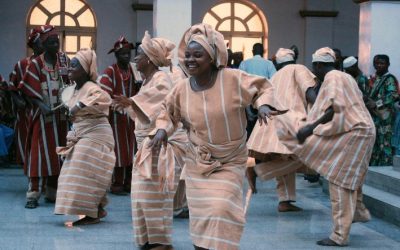
The Federal Capital Territory of Nigeria is a vibrant hub of culture, tourism, and heritage, reflecting a rich blend of traditions and modernity. The area is renowned for its diverse festivals and cultural events that showcase the unique customs of various ethnic groups, including the Hausa, Yoruba, Igbo, and many others. These celebrations often feature colorful rituals, traditional music, dance, and cuisine, offering visitors a glimpse into Nigeria’s multifaceted cultural landscape. Heritage sites and museums within the FCT further preserve the history and identity of the region, attract tourists, and promote cultural understanding. Festivals such as the Arab and Islamic festivals, Independence Day celebrations, and local traditional events contribute significantly to the social fabric and tourism industry of the capital. Overall, the FCT stands as a testament to a dynamic cultural heritage that continues to thrive amidst urban development, making it a compelling destination for cultural enthusiasts and travelers alike.
Museums and Art Galleries
The Federal Capital Territory of Nigeria, known as Abuja, is a vibrant hub of culture, tourism, and heritage. It boasts a rich tapestry of traditions, festivals, and historical sites that reflect Nigeria’s diverse cultural landscape. Visitors can explore various museums and art galleries that showcase the nation’s history, indigenous crafts, and contemporary art scenes. These institutions serve as vital custodians of Nigeria’s cultural heritage, providing insights into the country’s past and inspiring future generations. Abuja’s blend of modern architecture and traditional influences makes it a captivating destination for tourists seeking to experience Nigeria’s cultural richness.
Education and Health Institutions
The Federal Capital Territory of Nigeria is home to a diverse array of education and health institutions that play a vital role in ensuring the well-being and development of its residents. These institutions are essential for providing quality education and healthcare services, contributing to the overall growth and sustainability of the region. With ongoing efforts to improve infrastructure and access, the FCT continues to prioritize the health and educational needs of its population.
Major Educational Institutions
The Federal Capital Territory of Nigeria is home to numerous educational and health institutions that cater to the needs of its diverse population. These institutions play a crucial role in fostering development, innovation, and well-being within the region. Major educational institutions include prestigious universities such as the University of Abuja, Nigeria’s federal university offering a wide range of undergraduate and postgraduate programs. Other notable institutions include the Nigerian Institute of Journalism and the National Open University of Nigeria, which provide specialized and distance learning opportunities. In terms of health, the FCT boasts several key hospitals and healthcare facilities such as the National Hospital Abuja, which provides comprehensive medical services to residents and visitors. The region also hosts various clinics and specialized health centers that contribute to the overall health and wellness of the population. These institutions are vital in ensuring sustainable development and improving the quality of life in Nigeria’s political and administrative capital.
Healthcare Facilities
The Federal Capital Territory of Nigeria is equipped with a range of education and health institutions that serve its diverse population. These facilities include numerous primary, secondary, and tertiary educational institutions, offering quality education to residents and students from neighboring regions.
Healthcare facilities within the FCT are well-developed, including government hospitals, clinics, and specialty health centers that provide essential medical services. These institutions aim to promote public health, facilitate medical research, and ensure that residents have access to reliable healthcare. The region continues to invest in improving these facilities to meet international standards and enhance the well-being of its inhabitants.
Research and Innovation Centers
The Federal Capital Territory of Nigeria boasts a well-developed network of Education and Health Institutions, as well as Research and Innovation Centers that are pivotal to its growth and development. The region hosts numerous universities, colleges, and technical institutes that provide quality education and foster academic excellence among its citizens. Major hospitals and health clinics ensure accessible and comprehensive healthcare services, contributing to the overall well-being of the population.
Research and Innovation Centers in Abuja, the capital city, play a critical role in advancing technological advancements, scientific research, and policy development. These centers collaborate with both local and international partners to address national challenges and promote sustainable development. The continuous investment in these institutions highlights Nigeria’s commitment to building a knowledge-driven and healthy society within the Federal Capital Territory.
Environmental Concerns and Sustainability
The Federal Capital Territory of Nigeria faces increasing environmental challenges as rapid urbanization and development put pressure on its natural resources. Sustainability has become a vital focus for ensuring that growth does not come at the expense of the environment. Efforts to promote eco-friendly practices and conservation are essential for creating a healthy, resilient, and sustainable future for the region’s residents and ecosystems.
Urban Pollution and Waste Management
The Federal Capital Territory of Nigeria faces significant environmental challenges, particularly concerning urban pollution and waste management. Rapid urbanization has led to increased air and water pollution, affecting the health of residents and the surrounding ecosystems. Inefficient waste collection and disposal methods have contributed to overflowing landfills, illegal dumping, and pollution of natural water sources. Addressing these issues requires a comprehensive approach to sustainability that emphasizes green practices, improved recycling systems, and stricter enforcement of environmental regulations. Promoting awareness and sustainable urban planning can help mitigate the environmental impact and foster a healthier, more sustainable urban environment in Nigeria’s capital.
Green Spaces and Parks
The Federal Capital Territory of Nigeria faces significant environmental challenges that highlight the importance of sustainability and green development. Rapid urbanization has led to increased pollution, deforestation, and strain on natural resources, threatening the balance of the local ecosystem. To address these concerns, the promotion of green spaces and parks has become essential in creating healthier urban environments and enhancing the quality of life for residents.
Green spaces and parks play a vital role in environmental sustainability by improving air quality, supporting biodiversity, and providing recreational areas for communities. In the FCT, efforts are being made to expand and maintain parks and natural reserves, ensuring that urban growth does not come at the expense of environmental health. These areas serve as ecological sanctuaries and contribute to the resilience of the city against climate change impacts.
Moreover, integrating sustainable practices into urban planning in the FCT encourages the conservation of natural resources and promotes environmental awareness among residents. Initiatives such as tree planting programs, waste management reforms, and the development of eco-friendly infrastructure are crucial steps toward a more sustainable and environmentally resilient capital territory.
Efforts Towards Sustainable Development
The Federal Capital Territory of Nigeria faces numerous environmental concerns, including deforestation, pollution, and urban sprawl, which threaten its ecological balance and the well-being of its residents. To address these challenges, efforts towards sustainable development have been prioritized by local authorities and environmental organizations. Initiatives such as afforestation projects, waste management programs, and climate resilience strategies aim to reduce environmental degradation and promote eco-friendly urban growth. These endeavors seek to balance development needs with the preservation of natural resources, ensuring a healthier environment for current and future generations in the Federal Capital Territory.



0 Comments