
Origin and Cultural Significance of Fried Rice in Nigeria
Fried rice holds a special place in Nigerian cuisine, blending influences from local ingredients and global culinary traditions. Its origin can be traced to the Chinese way of preparing rice, which was adapted and embraced by Nigerians over the years. Culturally, fried rice is often associated with celebrations, family gatherings, and festive occasions, symbolizing unity and joy. Its vibrant colors, rich flavors, and hearty ingredients make it a beloved dish that represents Nigeria’s diverse culinary heritage.
Historical Background of Fried Rice in Nigerian Cuisine
Fried rice in Nigeria has become a beloved dish that symbolizes celebration and communal gatherings. Its origin is often linked to Chinese cuisine due to the influence of Chinese immigrants and traders in Nigeria, who introduced fried rice as part of their culinary traditions. Over time, Nigerian cooks adapted the dish to local tastes and ingredients, making it uniquely Nigerian. The vibrant use of vegetables, spices, and sometimes alongside meat or seafood has helped it gain popularity across different regions.
Historically, fried rice in Nigerian cuisine gained prominence during the post-independence era when urbanization and increased exposure to international cuisines expanded the variety of foods available. It was initially served at special occasions such as weddings, birthday parties, and festivals, symbolizing prosperity and hospitality. Nigerian fried rice reflects a blend of cultural influences, integrating local flavors with methods borrowed from Asian cooking. Today, it stands as a staple dish at celebrations and everyday meals alike, embodying the fusion of tradition, innovation, and cultural identity in Nigeria’s diverse culinary landscape.
Fried Rice as a Festive and Everyday Dish
Fried rice in Nigeria has its origins rooted in the influence of Asian cuisine, particularly from Chinese immigrants who introduced stir-frying techniques to Africa. Over time, Nigerian chefs adapted this dish by incorporating local ingredients and flavors, transforming it into a beloved culinary staple. The vibrant and savory nature of Nigerian fried rice reflects the country’s rich cultural tapestry, blending diverse spices, vegetables, and proteins to create a dish that resonates with many regions and communities.
In Nigerian culture, fried rice is more than just a meal; it symbolizes celebration, unity, and hospitality. It is commonly prepared for special occasions like weddings, birthdays, and festivals, where its colorful presentation and hearty ingredients make it a centerpiece. Despite its festive associations, fried rice is also a popular everyday dish enjoyed across households, often served with various side dishes such as chicken, fish, or grilled meats. Its versatility and appealing taste have cemented fried rice as both a celebratory and a daily comfort food in Nigeria, embodying the nation’s love for flavorful, communal eating.
Cultural Influences and Variations Across Regions
Fried rice in Nigeria originates from a blend of local ingredients and foreign culinary influences, particularly from Asian cuisines introduced through trade and migration. It has become a staple dish in Nigerian cuisine, often prepared during special occasions, celebrations, and festive gatherings. The cultural significance of fried rice lies in its role as a communal dish that brings families and communities together to enjoy a shared meal, symbolizing unity and prosperity.
The dish holds a special place in Nigerian culture as it reflects the nation’s diverse culinary heritage, combining rice with an array of vegetables, meats, and spices that cater to local tastes. Over time, fried rice has evolved to incorporate regional ingredients, making it a versatile and adaptable dish across Nigeria’s various cultures and areas. For example, in the southern regions, it may include more seafood and exotic spices, while northern versions often feature more dried meats and different spice mixes. Each region’s variations highlight local flavors and cultural preferences, making fried rice a reflection of Nigeria’s rich cultural diversity.
Ingredients and Variations of Nigerian Fried Rice
Nigerian fried rice is a flavorful and vibrant dish that combines aromatic rice with an array of colorful vegetables, spices, and protein options. Its rich blend of ingredients creates a deliciously satisfying meal that is popular at parties and family gatherings across Nigeria. Variations of Nigerian fried rice often incorporate different meats, seafood, or even plantains, allowing for versatile and customizable flavors to suit every palate.
Basic Ingredients Used in Nigerian Fried Rice
Nigerian fried rice is a flavorful and colorful dish that features a combination of rice, vegetables, and seasonings. The basic ingredients used in Nigerian fried rice include long-grain parboiled rice, vegetable oil, onions, bell peppers, carrots, peas, and all-purpose seasoning. Additional ingredients such as garlic, ginger, thyme, curry powder, and bouillon cubes are often used to enhance the taste. Proteins like chicken, shrimp, or canned sardines can also be added for variety.
Variations of Nigerian fried rice can include using different types of meats such as beef or smoked fish, adding extra spices like curry or paprika, or incorporating ingredients like sweet corn or green beans. Some cooks choose to use tomato paste or ketchup for a tangy flavor, while others might include fresh parsley or cilantro for garnishing. The versatility of Nigerian fried rice allows for numerous creative twists to suit individual preferences and regional influences.
Common Variations and Customizations
Nigerian Fried Rice is a flavorful and colorful dish that can be customized with various ingredients to suit individual tastes. The core ingredients typically include long-grain parboiled rice, mixed vegetables such as carrots, peas, and corn, along with protein options like shrimp, chicken, or sausages. Aromatic seasonings like curry powder, thyme, and bouillon cubes are essential for the distinctive Nigerian flavor. Additionally, vegetable oils, onions, and garlic form the base of the dish, providing depth and richness.
Common variations of Nigerian Fried Rice often incorporate different proteins, such as boiled eggs, fish, or beef, to add diversity and nutritional value. Some recipes enhance the color and flavor by including red bell peppers or tomatoes. For a spicy touch, hot pepper or chili powder can be added. Customizations may also involve using different types of rice, like jasmine or jasmine-style rice, for a unique aroma and texture. Garnishing with fried plantains, sliced onions, or fresh herbs like parsley can also personalize the dish, making it versatile and adaptable to different preferences.
Vegetable and Protein Additions
Nigerian fried rice is a flavorful dish that combines a variety of ingredients to create a vibrant and delicious meal. The base typically includes long-grain parboiled rice, which is cooked with a mixture of seasonings such as curry powder, turmeric, and bouillon cubes to enhance its savory taste. Vegetables like diced carrots, peas, green beans, and bell peppers are commonly added for color and nutrition, offering a crunchy texture and freshness. Protein options vary widely and often include cooked chicken, shrimp, sausages, or beef, which are incorporated to make the dish more hearty and satisfying.
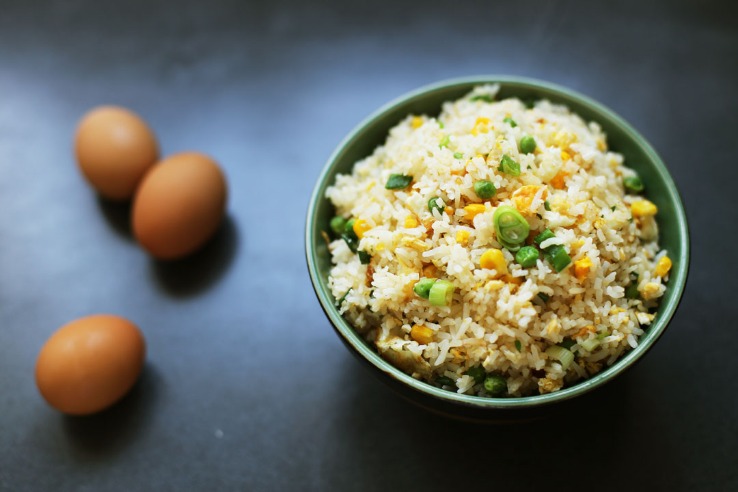
Variations of Nigerian fried rice can differ based on personal preferences or regional influences. Some recipes include diced pineapples or raisins for a touch of sweetness, while others might incorporate fresh tomatoes or onions for added flavor. The dish can also be customized with different protein sources such as fried eggs, tofu, or smoked fish for a unique twist. Spices and herbs like ginger, garlic, and thyme may be added to intensify the aroma and taste. Overall, Nigerian fried rice is highly versatile, allowing for numerous variations that cater to different tastes and dietary needs.
Preparation and Cooking Techniques
Preparation and cooking techniques are essential components of making delicious fried rice in Nigeria. Mastering the proper methods ensures a flavorful, perfectly cooked dish that highlights local ingredients and culinary traditions. By understanding key steps such as seasoning, ingredient preparation, and cooking methods, you can create a savory fried rice that captures the essence of Nigerian cuisine.
Preparation of Ingredients
Preparation and cooking techniques are essential steps in making authentic Nigerian fried rice, ensuring the flavors and textures are just right. Proper preparation of ingredients not only enhances taste but also contributes to the overall success of the dish.
- Wash and chop vegetables such as carrots, green beans, and bell peppers into small, uniform pieces for even cooking.
- Cook and shred protein sources like chicken, shrimp, or beef ahead of time, seasoning them lightly to infuse flavor.
- Use long-grain rice, rinse thoroughly to remove excess starch, and cook until just tender; let it cool to prevent clumping during frying.
- Preparation of condiments like minced garlic, ginger, and onions should be done finely to release maximum aroma and flavor.
- Pre-measure spices and seasoning ingredients such as curry powder, thyme, and bouillon cubes for quick and even mixing during cooking.
- Begin by heating oil in a wok or large frying pan over medium-high heat.
- Sauté onions, garlic, and ginger until fragrant, then add pre-cooked meats and vegetables, stir-frying to blend flavors.
- Add the cooled rice to the pan, breaking apart clumps, and stir well to combine with other ingredients.
- Season with spices, soy sauce, and a pinch of salt, adjusting to taste.
- Cook for a few more minutes, stirring continuously, until the rice is evenly coated and heated through, then serve hot.
- Spicy Nigerian Fried Rice: Made with long-grain rice, tableau vegetables, and seasoned with cayenne pepper, chili flakes, and hot sauce. Often garnished with fried plantains and grilled meats for added flavor.
- Hot Pepper Fried Rice: Incorporates generous amounts of fresh Nigeria hot peppers (like Scotch bonnet) into the cooking process, giving the rice a fiery kick. Sometimes mixed with onions, garlic, and ginger to enhance the heat and aroma.
- Jollof Fried Rice: A fusion of Jollof rice and fried rice, this variant uses tomatoes, peppers, and spices to produce a rich, spicy taste. Commonly served with fried chicken or fish.
- Spicy Shrimp Fried Rice: Includes seasoned shrimp, mixed with hot spices and chili powder, creating a spicy seafood delight that is popular along Nigeria’s coastal regions.
- Vegetable Hot Fried Rice: Combines hot peppers with a variety of seasonal vegetables, offering a vegetarian spicy fried rice option for those who prefer plant-based meals.
- Using too much soy sauce or seasoning can make the rice overly salty or overpowering. To fix this, start with a small amount and gradually add more, tasting as you go.
- Undercooked rice often results from using insufficient water or cooking time. Ensure the rice is fully cooked and cooled before stir-frying to achieve the right texture and flavor integration.
- Overcooking the rice can lead to mushiness, which affects the flavor and texture. Use medium heat and keep stirring gently to maintain a fluffy consistency.
- Inadequate seasoning can cause the dish to taste bland. Incorporate aromatics like garlic, onions, and seasoning cubes early in the frying process to enhance flavor depth.
- Poor flavor absorption might happen if the rice is too fresh or moist. Using day-old rice helps the fried rice absorb flavors better and prevents clumping.
- Sweet Sensation Restaurant
- Nando’s Nigeria
- Sweet City Restaurant
- Choprite
- Sweet Sensation
- Mr. Biggs
Step-by-step Cooking Process
To prepare Nigerian fried rice, begin by thoroughly washing the rice until the water runs clear to remove excess starch. Parboil the rice with a little salt until it is just cooked but still firm, then drain and set aside. Next, in a large frying pan or wok, heat some vegetable oil over medium heat. Add diced onions, minced garlic, and chopped bell peppers, sautéing until fragrant and soft. Incorporate your choice of vegetables such as carrots or peas, cooking briefly to retain their crunch. If using protein like cooked chicken, shrimp, or sausage, add it to the mixture and stir well. Push the ingredients to one side of the pan, then add the cooked rice. Break up any clumps and stir thoroughly to combine all ingredients evenly. Season with salt, pepper, and Nigerian spices such as curry powder or thyme to enhance flavor. For extra richness, add a splash of soy sauce or seasoning powder. Continue stir-frying for a few more minutes, ensuring the rice is heated through and has absorbed all flavors. Serve hot as a flavorful Nigerian fried rice dish that’s perfect for any occasion.
Tips for Achieving Perfect Fried Rice
Preparing and cooking perfect fried rice in Nigeria requires attention to detail and proper technique to ensure each bite is flavorful and well-textured. Start with day-old, refrigerated rice as it helps prevent clumping and results in a drier, fluffier dish. Before cooking, gently break apart any clumps to ensure even frying. Use high heat to achieve a slight char and vibrant flavor, but be sure to keep the rice moving in the pan to prevent burning. Incorporate a balanced mix of vegetables, proteins, and seasonings such as soy sauce, garlic, and ginger to enhance depth of flavor. For added authenticity, consider using local ingredients like Nigerian spices or fresh herbs. Keep the ingredients in small, uniform pieces for consistent cooking and texture. Lastly, finish with a splash of sesame oil or a sprinkle of green onions to add aroma and a fresh taste. With these tips, you can master the art of fried rice in Nigeria, creating a delicious and visually appealing dish every time.
Serving and Presentation
Serving and presentation play a vital role in enhancing the culinary experience, especially when it comes to dishes like fried rice Nigeria. Proper presentation not only highlights the vibrant colors and textures of the dish but also elevates its appeal, making it more enticing for diners. In Nigerian cuisine, creative serving styles can turn a simple fried rice into a memorable feast, showcasing the richness of local flavors and culinary traditions.
Traditional Serving Styles
Traditional serving styles for fried rice in Nigeria are often characterized by vibrant and communal presentations that emphasize sharing and hospitality. Fried rice is typically served on large, decorative platters or bowls, allowing family and friends to gather around and serve themselves. Commonly, it is garnished with colorful vegetables, fried plantains, or fried eggs, adding visual appeal and enhancing the flavor. In many Nigerian households and events, fried rice is accompanied by sides like fried chicken, fish, or assorted meats, arranged artistically to create a lively and inviting display. This style of presentation highlights the rich culinary culture of Nigeria, emphasizing warmth, community, and the enjoyment of well-prepared, flavorful dishes.
Accompaniments and Garnishes
Serving and presentation are essential elements that enhance the appeal of fried rice in Nigeria. A well-presented dish not only looks inviting but also offers an enjoyable dining experience. For fried rice, it’s common to serve it on a clean, attractive plate or platter, often garnished with fresh vegetables, herbs, or slices of fried plantains to add color and texture. Accompaniments such as fried chicken, grilled shrimp, or meat skewers complement the flavorful rice and make the meal more satisfying. Garnishes like chopped spring onions, sliced peppers, or a wedge of lemon can elevate the dish’s appearance and enhance its flavor profile, creating a visually appealing and flavorful Nigerian fried rice dish.
Era and Occasion-specific Presentation
Serving and presentation play a crucial role in enhancing the appeal of fried rice in Nigeria, making it more appetizing and inviting. Proper plating, garnishing with fresh vegetables, herbs, or fried eggs, and using attractive serving ware can elevate the dining experience. Era-specific presentation styles reflect traditional or modern influences, showcasing how Nigerian culinary aesthetics have evolved over time, blending vibrant colors and local motifs with contemporary trends. Occasion-specific presentation further emphasizes the importance of context, whether for family gatherings, festive celebrations, or formal events, where the presentation of Nigerian fried rice can be tailored to suit the event’s significance and cultural importance.
Health and Nutrition Aspects
Health and nutrition are essential considerations when preparing and enjoying dishes like fried rice in Nigeria. Understanding how ingredients and cooking methods impact nutritional value can help promote healthier eating habits. By exploring the nutritional aspects of fried rice, individuals can make informed choices to balance taste and health effectively.
Health Benefits of Ingredients
Fried rice in Nigeria offers a variety of health and nutrition benefits due to its diverse ingredients. Including vegetables like carrots, peas, and bell peppers, it provides essential vitamins and minerals that support overall health. The use of lean proteins such as chicken or shrimp adds high-quality protein necessary for muscle growth and repair. Using minimal oil and choosing healthier oils can help reduce saturated fat intake, making the dish a balanced option for maintaining a healthy weight. Additionally, the fiber content from vegetables and rice aids digestion and promotes satiety, helping to control appetite and prevent overeating. Overall, properly prepared Nigerian fried rice can be a nutritious meal that contributes to a well-rounded diet while offering delightful flavors.
Healthy Variants and Modifications
Fried rice in Nigeria offers a tasty and versatile dish that can be tailored to meet health and nutrition needs. Incorporating vegetables, lean proteins, and whole grains can enhance its nutritional profile, making it a balanced meal. Using less oil or opting for healthier oils such as olive or sunflower oil can reduce unhealthy fat intake. Additionally, preparing fried rice with brown rice instead of white rice boosts fiber content and promotes better digestion. For those seeking to modify the dish further, adding plenty of colorful vegetables like bell peppers, carrots, and peas increases vitamin and mineral intake. Incorporating lean chicken, shrimp, or tofu provides quality protein while keeping the dish light. Such healthy variants ensure that fried rice remains a delicious and nutritious meal suitable for various dietary preferences in Nigeria.
Nutrition Facts and Caloric Content
Fried rice in Nigeria is a popular dish celebrated for its vibrant flavors and adaptability to various ingredients. When considering health and nutrition aspects, it’s important to note that fried rice can be a balanced meal when prepared with wholesome ingredients, such as vegetables, lean meats, and minimal oil. However, traditional preparation methods often involve significant oil and sodium, which can impact health if consumed excessively. Nutrition facts vary depending on the ingredients and portion sizes used. Generally, a serving of fried rice provides carbohydrates from rice, proteins from added meats or eggs, and vitamins from vegetables. The caloric content can range from 200 to 400 calories per serving, influenced by the amount of oil, meat, and rice used. For healthier options, incorporating less oil, adding more vegetables, and controlling portion sizes are recommended to maximize nutritional benefits while enjoying this beloved Nigerian dish.
Popular Fried Rice Recipes in Nigeria
Fried rice is a beloved and versatile dish that holds a special place in Nigerian cuisine. Known for its rich flavors and vibrant colors, Nigerian fried rice is often prepared with a mix of fresh vegetables, succulent meats, and aromatic spices. Whether served at festive gatherings or as a quick meal, popular fried rice recipes in Nigeria showcase a perfect blend of tradition and modern culinary twists, making it a favorite among many households.
Classic Nigerian Fried Rice Recipe
Fried rice is a popular and flavorful dish enjoyed across Nigeria, often served at celebrations, parties, and family gatherings. Nigerian fried rice is known for its vibrant colors, rich taste, and the use of local ingredients that make it uniquely Nigerian. There are various recipes and styles, but some classic elements include the use of vegetables, spices, and sometimes meat or seafood to enhance the flavor.
One of the most popular Nigerian fried rice recipes involves cooking parboiled rice with a mix of vegetables such as carrots, peas, and bell peppers. The rice is often stir-fried with onions, garlic, and ginger for added flavor. Typically, seasoned with curry powder, thyme, and bouillon cubes, the dish is often garnished with fried plantains, chicken, or prawns. This dish is not only delicious but also visually appealing with its colorful vegetable mixture. It is commonly served alongside popular Nigerian sides like jollof, moi moi, or suya. The versatility and rich taste of Nigerian fried rice make it a staple dish for many celebratory occasions and everyday meals in Nigeria, showcasing the nation’s love for hearty and flavorful foods.
Vegetarian and Vegan Versions
Fried rice is a beloved dish in Nigeria, known for its vibrant flavors and versatility. Popular fried rice recipes in Nigeria typically include ingredients like rice, vegetables, spices, and sometimes proteins such as chicken or shrimp. For vegetarians, one can enjoy delicious Nigerian fried rice by focusing on a hearty mix of carrots, peas, bell peppers, and onions, seasoned with curry powder, thyme, and bouillon cubes for added flavor. Vegan versions eliminate any animal-derived ingredients, substituting with plant-based fats like vegetable oil and using vegetables like green beans, corn, and broccoli to create a nutritious and colorful dish. Both vegetarian and vegan fried rice recipes are easy to prepare and perfect for family gatherings or everyday meals, offering a tasty way to enjoy Nigerian culinary traditions without any meat or animal products.
Spicy and Hot Variants
Popular fried rice recipes in Nigeria often feature vibrant flavors and bold spices, especially in spicy and hot variants that are enjoyed across the country. These dishes are a favorite at parties, family gatherings, and popular street food stalls, showcasing a mix of local ingredients and flavorful spices.
Common Challenges and Troubleshooting
Fried rice is a popular and beloved dish in Nigeria, enjoyed by many for its rich flavors and versatility. However, cooking the perfect fried rice can sometimes present common challenges such as uneven cooking, sogginess, or lacking flavor. Understanding these issues and troubleshooting them effectively can help you achieve delicious results every time. In this article, we will explore some common problems faced during the preparation of fried rice in Nigeria and provide practical solutions to overcome them.
Problems in Achieving the Perfect Texture
Achieving the perfect texture in fried rice Nigeria can be challenging due to various common issues that cooks often encounter. One prevalent problem is rice sticking together or becoming mushy, which typically results from overwatering or using rice that is too soft. To avoid this, it is crucial to use day-old rice or properly cooked rice that has cooled completely before frying. Another challenge is uneven texture, where some parts of the rice are soggy while others are dry. This can be mitigated by stirring gently and consistently during frying to ensure even heat distribution. Overcooking ingredients like vegetables and proteins can also affect the final texture, making the dish less appealing. Troubleshooting these issues involves maintaining the right heat level, not overcrowding the pan, and adding ingredients in stages to preserve their individual textures. Additionally, using the right type of rice, such as long-grain rice, helps achieve the desirable fluffy and non-sticky outcome essential for authentic Nigerian fried rice. With proper techniques and attention to detail, cooks can master the art of creating perfectly textured fried rice that is both flavorful and appealing.
Fixes for Overcooked or Underflavored Rice
When preparing fried rice Nigeria-style, achieving the perfect flavor balance can sometimes be challenging. Overcooked or underflavored rice can detract from the dish’s overall taste and enjoyment. Understanding common issues and their solutions can help you consistently craft delicious fried rice every time.
Maintaining Color and Flavor Balance
Maintaining the perfect balance of color and flavor in Nigerian fried rice can be challenging due to various factors such as ingredient quality and cooking techniques. Common issues include uneven coloring, dull appearance, and lack of flavor harmony. To troubleshoot these problems, ensure the use of fresh vegetables and high-quality spices, and evenly distribute ingredients during stir-frying. Properly seasoning the rice with enough curry powder, pepper, and bouillon enhances the rich color and flavor. Monitoring heat levels prevents burning or overcooking, which can dull the vibrant look of the dish. Consistent stirring and adding ingredients gradually also help to maintain an appealing appearance and a balanced taste. With attention to these details, you can achieve beautifully colored and flavorful Nigerian fried rice every time.
Commercial and Restaurant Fried Rice
Fried rice is a popular and versatile dish enjoyed in many cultures, especially in Nigeria where it is a staple in both commercial and restaurant menus. Known for its rich flavors, colorful presentation, and satisfying taste, commercial and restaurant fried rice offers a delightful meal that combines perfectly seasoned rice with a variety of vegetables, meats, and spices. Whether served at casual local eateries or upscale restaurants, fried rice in Nigeria remains a favorite choice for many food enthusiasts seeking a hearty and flavorful dish.
Mass Production Techniques
Commercial and restaurant fried rice in Nigeria is prepared using mass production techniques that ensure efficiency, consistency, and high quality. These techniques involve the use of large-scale cooking equipment such as industrial rice cookers, mixers, and stir-frying machinery to streamline the cooking process. Ingredients are typically pre-measured and processed to maintain uniformity across batches. In mass production, cooked rice is often cooled rapidly to prevent clumping and preserve texture before being combined with sautéed vegetables, meats, and seasonings. Automated or semi-automated systems facilitate mixing and packaging, ensuring quick turnaround times suitable for high demand environments like restaurants and food outlets. Additionally, quality control measures are implemented throughout the process to ensure food safety and adherence to standard recipes, making fried rice both delicious and reliable for consumers in Nigeria and beyond.
Popular Nigerian Restaurants Serving Fried Rice
Fried rice is a beloved dish in Nigeria, known for its vibrant flavors and versatility. It is commonly served in both commercial eateries and restaurants across the country, attracting locals and visitors alike. Many Nigerian restaurants have perfected their own unique recipes of fried rice, making it a popular choice for lunch and dinner. These establishments often incorporate local ingredients and spices, giving the dish a distinct Nigerian touch.
Delivery and Takeaway Options
Commercial and restaurant fried rice in Nigeria offer a delightful array of flavors suitable for any palate. Whether enjoyed at a local eatery or ordered for delivery, fried rice provides a satisfying and versatile meal option. Many Nigerian restaurants serve their fried rice with a variety of ingredients such as vegetables, meats, and seafood, allowing customers to customize their dishes to their preferences. Delivery and takeaway services have made it easier than ever to enjoy delicious fried rice from the comfort of your home or office. These options ensure quick and convenient access to flavorful Nigerian-style fried rice, making it a popular choice for both lunch and dinner. With various local and international twists, fried rice in Nigeria continues to grow in popularity among food lovers everywhere.




0 Comments