
Geographical Overview of Namibia
Namibia is a vast and diverse country located in southwestern Africa, characterized by its striking landscapes and unique geographical features. It borders the Atlantic Ocean to the west, and its terrain includes deserts, savannas, and mountain ranges. The Namib Desert, one of the oldest deserts in the world, dominates much of the country’s landscape, while the contrasting Etosha Pan is a prominent salt depression. Namibia’s geographical diversity plays a significant role in shaping its climate, wildlife, and human settlements, making it a fascinating subject for mapping and geographical exploration.
Location and Boundaries
The map of Namibia highlights its geographical location and boundaries within southern Africa. Namibia is bordered by the Atlantic Ocean to the west, which provides it with a significant coastline, and it shares land borders with Angola and Zambia to the north, Botswana to the east, and South Africa to the south and southeast. The country’s northern boundary is defined by the Caprivi Strip, a narrow extension that provides access to rivers and connections to neighboring nations. Namibia spans an area of approximately 825,615 square kilometers, making it one of the largest countries in Africa. Its diverse terrain includes deserts such as the Namib Desert, which runs along the Atlantic coast, and the Kalahari Desert in the east. The geographical placement of Namibia greatly influences its climate, ecosystems, and cultural interactions within the region.
Topography and Terrain
The map of Namibia reveals a country characterized by diverse topography and expansive terrains that shape its unique landscape. Located in southwest Africa, Namibia features a predominantly arid environment with remarkable geographical features. The country is distinguished by the Namib Desert, one of the world’s oldest deserts, which extends along the Atlantic coast and is renowned for its towering sand dunes such as those found in the Sossusvlei area. Inland, the terrain transitions into semi-arid plains and savannas that support varied wildlife and vegetation. The Great Escarpment runs through eastern Namibia, creating dramatic cliffs and elevated plateaus, while the central region consists of rugged highlands and rocky formations. The terrain also includes significant features like the Fish River Canyon, one of Africa’s largest canyon systems, and the eastern part of the country has mountainous areas such as the Brandberg Mountain, known for its geological formations and ancient rock art. Overall, Namibia’s topography is marked by a combination of deserts, mountains, and plains that define its diverse and striking landscape.
Climate Zones
The map of Namibia reveals a diverse geographical landscape characterized by various landforms and climatic zones that shape the country’s natural environment. Namibia is situated in southwestern Africa and spans an area known for its contrasting terrains, from arid deserts to lush coastal regions.
The country’s geography includes expansive deserts such as the Namib Desert along the Atlantic coast, known for their stunning sand dunes and unique ecosystems. Inland, Namibia features high plateaus, mountain ranges, and savannahs that support a wide array of flora and fauna. The Namibian coastline extends roughly 1,600 kilometers, offering significant coastal and marine environments.
Namibia’s climate zones are equally diverse, influenced by its geographical features. The coastal area experiences a cool desert climate with frequent fogs and moderate temperatures. The central plateau enjoys a semi-arid climate with warm summers and mild winters. The northern regions have a subtropical climate with more rainfall, supporting denser vegetation and agriculture. The southern part of Namibia is predominantly arid, with some of the world’s driest conditions.
- Namib Desert along the Atlantic coast, characterized by towering dunes
- Central plateau with semi-arid conditions and significant ecoregions
- Northern regions featuring subtropical climate zones with higher rainfall
- Southern areas marked by extreme dryness and desert landscapes
Major Landmarks and Natural Features
Namibia is renowned for its stunning landscape, marked by remarkable landmarks and natural features that attract travelers from around the world. From vast deserts to towering mountains, the country’s diverse geography offers a glimpse into an extraordinary natural wonderland. These major landmarks and natural features not only define Namibia’s unique character but also highlight its rich environmental heritage.
Namib Desert
The Namib Desert is one of the oldest and most breathtaking natural landmarks in Namibia, characterized by vast sand dunes, rugged coastlines, and unique geological formations. Its iconic red and orange dunes, some towering over 300 meters, create a surreal landscape that attracts tourists and desert enthusiasts from around the world. Along the Atlantic coastline, the desert meets the cold Benguela Current, forming a striking contrast between land and sea.
Natural features such as the Skeleton Coast, known for its shipwrecks and foggy mornings, and the towering Big Daddy dune exemplify the dramatic scenery of the region. The Namib Desert also features several oases and dry riverbeds, supporting flora and fauna specially adapted to this harsh environment. These landmarks are vital for understanding the geography of Namibia and are prominently marked on maps of the country, highlighting the desert’s importance as a natural wonder and cultural symbol.
Etosha Pan
Etosha Pan is one of Namibia’s most prominent natural landmarks, famed for its vast salt desert that stretches across thousands of square kilometers in the north of the country. This huge, flat depression is a remnant of an ancient lake that has largely evaporated, leaving behind a shimmering white salt crust visible from space. The pan is a central feature of Etosha National Park, which is renowned for its rich biodiversity and is a key destination for wildlife safaris. Around the pan, visitors can observe large herds of elephants, lions, rhinoceroses, and numerous bird species, especially during the dry season when water sources concentrate around the pan’s edges. The surrounding landscape includes sparse vegetation and several waterholes, making it a vital habitat for many species and a major natural feature in the map of Namibia. Its unique ecological and geological characteristics make Etosha Pan an iconic symbol of Namibia’s natural heritage.
Hochland and Central Plateau
The map of Namibia highlights some of the country’s major landmarks and natural features, which include the Hochland and Central Plateau regions. These areas are renowned for their unique landscapes, geological formations, and ecological significance, making them essential features for understanding Namibia’s diverse geography.
- The Hochland, also known as the highlands, features rugged mountainous terrain with dramatic peaks and deep valleys. It is home to several national parks and offers spectacular scenery and opportunities for hiking and wildlife viewing.
- The Central Plateau extends across much of Namibia and is characterized by flat to gently rolling plains, interspersed with occasional mesas and hills. This region forms the backbone of the country and includes key urban centers such as Windhoek, the capital.
- The Central Plateau also hosts notable natural features such as Lake Oanob and numerous rivers that support local ecosystems and agriculture.
- Natural landmarks like the Brandberg Mountain, Namibia’s highest peak, are situated near the Hochland, attracting visitors to view ancient rock art and experience breathtaking vistas.
- The landscape of both regions contributes to Namibia’s rich biodiversity, supporting a variety of flora and fauna adapted to its arid and semi-arid climates.
Fish River Canyon
The Fish River Canyon is one of the most breathtaking natural landmarks in Namibia, renowned for being the second-largest canyon in the world. It stretches approximately 160 kilometers long, up to 27 kilometers wide, and reaches depths of over 550 meters, offering spectacular scenery and a unique geological formation.
- Located in the south of Namibia, within the Namibian HELPING park, it is a major attraction for tourists and nature enthusiasts alike.
- The canyon was carved by the Fish River over millions of years, creating a dramatic landscape filled with rugged cliffs, winding riverbeds, and diverse wildlife.
- The surrounding area features striking desert terrain and unique vegetation adapted to the arid environment.
- Popular activities include hiking, river rafting, and bird watching, allowing visitors to explore its natural beauty up close.
- On a map of Namibia, the Fish River Canyon is prominently marked in the southern part, serving as a highlight for travelers exploring the country’s major landmarks and natural features.
Regions and Administrative Divisions
Regions and administrative divisions are essential aspects of a country’s geographic and political organization, defining areas with specific governance structures. In Namibia, these divisions help to facilitate local administration, resource management, and regional development. Understanding the map of Namibia’s regions provides valuable insights into its diverse geographic landscape and administrative framework, offering a clearer picture of how the country is structured and governed.
Oshana Region
The Oshana Region is one of the twelve administrative regions of Namibia, located in the northern part of the country. It is known for its flat, floodplain landscape and diverse cultural heritage. The region is divided into several local authority areas, including constituencies and administrative centers such as the town of Ondangwa. Oshana is characterized by its networks of oshanas—seasonal shallow channels that carry water during the rainy season, playing a vital role in local agriculture and daily life. The region’s administrative divisions facilitate local governance and development efforts, contributing to the broader map of Namibia’s regional governance structure. Oshana’s strategic location and administrative boundaries are important features on maps of Namibia, illustrating the country’s diverse regional landscape.
Khomas Region
The Khomas Region is a central administrative area in Namibia, known for its vibrant capital city, Windhoek. As one of the most developed regions, it serves as the political, economic, and cultural hub of the country. The region is divided into several smaller administrative divisions, including suburbs and constituencies, which facilitate local governance and service delivery.
On the map of Namibia, Khomas is prominently situated in the southern central part of the country, bordered by regions such as Erongo, Otjozondjupa, and Hardap. Its strategic location makes it a key area for transportation, commerce, and industry. The region’s diverse landscapes range from urban centers to semi-arid plains and mountainous areas, reflecting Namibia’s varied geography and ecological zones.
Understanding the regions and administrative divisions within Namibia, especially Khomas, is essential for comprehending the country’s governance structure, regional development, and demographic distribution. The map illustrates these divisions, highlighting their strategic importance and regional characteristics.
Erongo Region
The Erongo Region is a significant administrative region in Namibia, renowned for its diverse landscape and vibrant coastal cities. It is situated along the central coast of the country and features a mix of desert, mountains, and oceanfront areas. This region plays a vital role in Namibia’s economy, particularly through tourism, mining, and fishing industries.
Administratively, the Erongo Region is divided into several districts and towns, including the capital, Walvis Bay, which is Namibia’s main port and a key trading hub. Other notable settlements include Swakopmund, a popular tourist destination known for its colonial architecture and outdoor activities, and Omaruru, recognized for its cultural heritage.
The region’s administrative divisions facilitate local governance and development initiatives. The map of Namibia clearly indicates the Erongo Region’s location along the Atlantic coast, highlighting its importance as a gateway for trade and tourism. Its diverse geography and strategic coastal position make it a unique and vital part of Namibia’s national framework.
//Other regions as applicable
The map of Namibia highlights its various regions and administrative divisions, which help organize the country for governance and administrative purposes. Namibia is divided into 14 regions, each with its own local government structures. These regions include Khomas, Erongo, Otjozondjupa, Omaheke, //Other regions as applicable in language English. These divisions facilitate regional development, resource management, and public service delivery across Namibia. The regions are further managed through local councils and administrative centers, making it easier to implement policies and coordinate efforts throughout the country.
Key Cities and Settlements
Namibia is home to a diverse array of key cities and settlements that serve as cultural, economic, and administrative centers. Understanding the locations and significance of these urban areas is essential for exploring the country’s geography and development. This map of Namibia highlights the major cities and settlements that shape the nation’s identity and connectivity.
Windhoek (Capital City)
Windhoek, the capital city of Namibia, is a key urban center and the political, economic, and cultural hub of the country. Located in the central part of Namibia, Windhoek serves as a vital point on the map of Namibia, connecting various regions and facilitating transportation and commerce.
- Windhoek is the largest city in Namibia and hosts most government offices, national institutions, and major businesses.
- It features important landmarks such as the Independence Memorial Museum, Christ Church, and the Parliament Gardens.
- The city is known for its mix of modern amenities and colonial-era Architecture, reflecting Namibia’s diverse history.
- Windhoek’s central location makes it an ideal starting point for exploring other key settlements and natural attractions across Namibia.
Swakopmund
Swakopmund is a prominent coastal city in Namibia, known for its unique blend of German colonial architecture and vibrant seaside atmosphere. It serves as a key settlement along the Atlantic Ocean and plays an important role in Namibia’s tourism and economic activities.
- Swakopmund is situated in the Erongo Region, approximately 370 kilometers west of Windhoek, the capital city of Namibia.
- The city is renowned for its well-preserved German colonial buildings, beaches, and adventure sports such as sandboarding and quad biking.
- It acts as a gateway to the Namib Desert and nearby attractions like the Skeleton Coast and Dune 45.
- Swakopmund also hosts various festivals and events that celebrate its cultural heritage and seaside lifestyle.
- The city’s port facilities support fishing, mineral exports, and tourism-related businesses, making it a vital economic hub in the region.
Walvis Bay
Walvis Bay is a prominent city located along the coast of Namibia, serving as one of the key settlements in the country. It is an important port known for its strategic location on the Atlantic Ocean, facilitating trade and transportation. As a major economic hub, Walvis Bay supports industry, fishing, and shipping activities, making it vital to Namibia’s development. The city is also recognized for its scenic beauty, including its lagoon and proximity to natural reserves. Its significance is reflected in maps of Namibia, where Walvis Bay stands out as a key city contributing to the nation’s infrastructure and commerce.
Keetmanshoop
Keetmanshoop is one of the key cities and settlements in Namibia, located in the southern part of the country. It serves as an important regional hub within the ǁKaras Region, known for its strategic position along major transportation routes. The city has a rich history linked to the railway development and agriculture, contributing significantly to Namibia’s economic activities. Visitors often use Keetmanshoop as a gateway to explore nearby attractions such as the Quivertree Forest and the Fish River Canyon. As a vital settlement, it plays a central role in connecting various parts of Namibia on the map, highlighting its importance in the nation’s infrastructure and regional development.
Transportation Networks and Infrastructure
Transportation networks and infrastructure play a vital role in connecting regions, facilitating trade, and supporting economic development. In Namibia, a country known for its vast landscapes and diverse geography, an efficient transportation system is essential for both residents and visitors. Understanding the layout of roads, railways, ports, and airports helps in navigating the country and appreciating its connectivity. A detailed map of Namibia provides valuable insights into its infrastructure and transportation routes, ensuring better planning and mobility across this expansive nation.
Roads and Highways
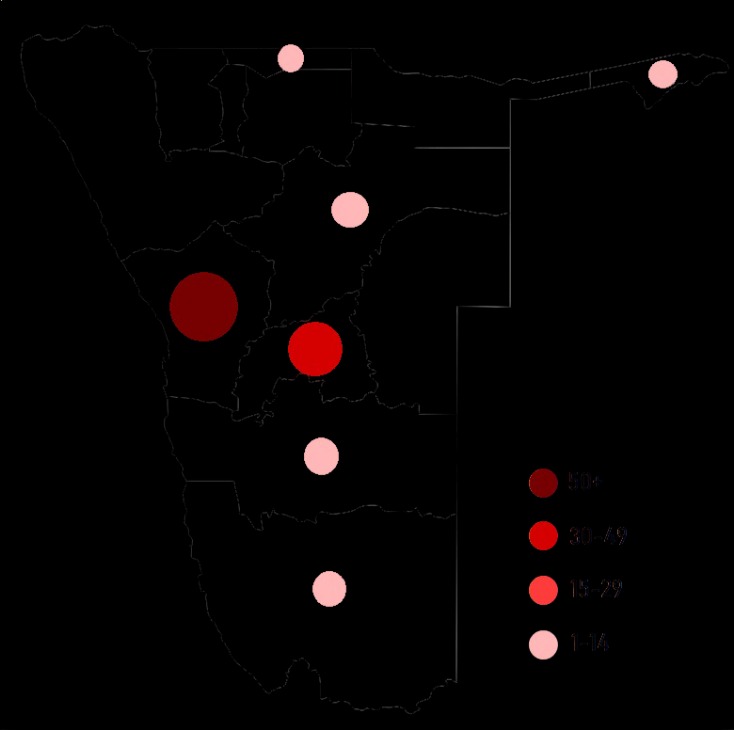
The map of Namibia showcases a well-developed transportation network that includes an extensive system of roads and highways essential for connectivity and economic activities across the country. These routes facilitate movement of people and goods, supporting tourism, trade, and local industries.
- Main roads connect the capital, Windhoek, to other major cities and towns such as Swakopmund, Walvis Bay, and Oshakati.
- Highways like the B1 and B2 are crucial for long-distance travel and freight transportation within Namibia and to neighboring countries.
- Secondary roads provide access to rural areas and less populated regions, often requiring four-wheel-drive vehicles due to the terrain.
- Infrastructure improvements have been ongoing to upgrade existing roads, expand highway networks, and improve safety standards across the transportation system.
- Ports such as Walvis Bay serve as important gateways for international trade, supported by an integrated network of roads connecting inland regions to these maritime hubs.
Airports and Air Travel
The map of Namibia showcases a well-developed transportation network that facilitates both domestic and international travel. Major airports, including Hosea Kutako International Airport near Windhoek, serve as key hubs for air travel within the country and connecting Namibia to global destinations. The air infrastructure is complemented by extensive road networks, railways, and ports that support the movement of people and goods across Namibia’s diverse landscapes. These transportation systems are vital for tourism, trade, and economic growth, allowing access to remote regions and enhancing connectivity across the country.
Ports and Maritime Access
Namibia boasts a well-developed transportation network that plays a vital role in facilitating trade and movement within the country and beyond. The road network is extensive, connecting key urban centers such as Windhoek, Walvis Bay, and Swakopmund, enabling efficient transportation of goods and people across various regions. The rail system, primarily operated by TransNamib, links major cities to ports and neighboring countries, supporting regional integration and trade.
Ports and maritime access are crucial components of Namibia’s infrastructure, with the port of Walvis Bay serving as the country’s primary gateway to international trade. This deep-water port provides strategic access for shipping routes along the Atlantic Ocean, facilitating the export of minerals, fish, and other goods. The port’s modern facilities and services are instrumental in supporting Namibia’s economy, especially its mining and fishing industries.
Overall, Namibia’s transportation networks and port facilities are essential for economic development, enabling efficient import-export activities and ensuring connectivity within the country and to global markets. The strategic location of ports and the robustness of transportation routes position Namibia as an important maritime and logistics hub in the region.
Protected Areas and National Parks
Protected areas and national parks in Namibia play a vital role in conserving the country’s diverse ecosystems and unique wildlife. These designated regions offer a glimpse into Namibia’s rich natural heritage, providing opportunities for eco-tourism, research, and environmental preservation. A map of Namibia highlights these special areas, showcasing the locations where nature is protected and preserved for future generations to enjoy.
Etosha National Park
Etosha National Park is one of Namibia’s most renowned protected areas, illustrating the country’s commitment to wildlife conservation and natural preservation. Located in northern Namibia, it spans approximately 22,270 square kilometers and is distinguished by its large salt pan, which becomes a hub of activity during the rainy season. The park is home to a diverse array of species, including elephants, lions, giraffes, zebras, and rhinos, making it a significant site for wildlife tourism and ecological research. Etosha’s extensive network of waterholes attracts animals throughout the year, providing excellent opportunities for game viewing and photographic safaris.
As part of the map of Namibia, Etosha National Park is a key feature illustrating the country’s rich natural heritage. The park’s location is central in Namibia’s north, and it is connected by well-maintained roads to major cities such as Windhoek, making it accessible for visitors. The protected area plays a vital role in Namibia’s environmental strategy, helping to preserve biodiversity and promote eco-tourism. Visitors to the park can experience the vastness of Namibia’s wilderness, which is represented prominently on the national map as a symbol of Namibia’s extensive conservation efforts.
Sossusvlei and Namib Naukluft Park
The map of Namibia highlights several protected areas and national parks that showcase the country’s rich natural heritage. Among these, Sossusvlei and Namib Naukluft Park are some of the most renowned destinations for visitors interested in exploring Namibia’s unique desert landscape.
Sossusvlei is a famous salt and clay pan situated within Namib Naukluft Park, known for its towering red sand dunes that are among the tallest in the world. These dunes create a dramatic and scenic environment that attracts photographers, adventurers, and nature lovers alike.
Namib Naukluft Park is one of the largest conservation areas in Africa, covering over 19,000 square kilometers. It encompasses diverse landscapes, including deserts, mountains, and river valleys, and provides habitat for a wide range of flora and fauna, such as oryx, desert-adapted elephants, and various bird species.
These protected areas are crucial for preserving Namibia’s unique ecosystems and are key highlights on any map of Namibia, reflecting the country’s commitment to conservation and eco-tourism.
Skeleton Coast National Park
The Skeleton Coast National Park is one of Namibia’s most iconic protected areas, renowned for its dramatic coastal landscape and unique biodiversity. Located along the Atlantic Ocean, this park features vast sand dunes, rugged desert terrain, and a hauntingly beautiful coastline dotted with shipwrecks and marine life. It serves as a critical sanctuary for wildlife such as desert-adapted elephants, black rhinoceroses, and various species of oryx and springbok.
As part of Namibia’s network of protected areas, Skeleton Coast National Park plays a vital role in conservation efforts, preserving the region’s fragile ecosystem and cultural heritage. The park’s remote location offers visitors a chance to experience pristine wilderness, scenic vistas, and the stark beauty of one of Africa’s most unique landscapes. A map of Namibia highlighting the Skeleton Coast National Park reveals its position along the Atlantic, adjacent to other national parks and protected areas that form a comprehensive conservation strategy for the country.
Waterberg Plateau Park
The Waterberg Plateau Park is a prominent protected area located in central Namibia, known for its striking sandstone massif that rises dramatically from the surrounding plains. It is part of Namibia’s network of national parks and conservation areas dedicated to preserving the region’s unique flora and fauna.
This park covers approximately 405 square kilometers and offers a diverse landscape that includes rugged cliffs, deep valleys, and lush forests. It is home to a variety of wildlife such as rhinoceroses, elephants, lions, and numerous bird species, making it an important site for conservation and eco-tourism.
The Waterberg Plateau Park is also significant culturally, with archaeological sites and historical significance tied to Namibia’s liberation history. Visitors to the park can enjoy activities like game viewing, guided walks, and visiting viewpoints that offer panoramic views over the landscape.
In the context of a map of Namibia, the Waterberg Plateau Park is situated in the central part of the country, serving as a key point of interest within the nation’s protected areas network and illustrating Namibia’s commitment to conserving its natural heritage.
Human Geography and Demographics
Human geography and demographics explore the spatial distribution and characteristics of populations around the world. Understanding these concepts helps us analyze how human activities, cultures, and population patterns shape regions like Namibia. A map of Namibia provides valuable insights into the country’s demographic makeup, settlement patterns, and regional differences. Such maps are essential tools for visualizing population data and understanding the social and economic landscape of Namibia.
Population Distribution
The map of Namibia provides valuable insights into the country’s human geography and demographic patterns. It highlights the distribution of the population across the diverse landscape, revealing areas of high and low density. Urban centers such as Windhoek and Swakopmund have concentrated populations, reflecting economic opportunities and infrastructure development. In contrast, vast desert regions like the Namib Desert are sparsely populated, illustrating the impact of environmental conditions on settlement patterns. Demographically, Namibia’s population includes various ethnic groups, with a mixture of urban and rural communities shaping the overall population distribution. Understanding these patterns helps in planning resource allocation, infrastructure development, and social services to meet the needs of Namibia’s people effectively.
Ethnic Groups and Languages
The map of Namibia reveals a diverse landscape that is deeply intertwined with its human geography, demographics, and cultural composition. Namibia is home to various ethnic groups, each contributing unique languages, customs, and identities to the nation’s social fabric.
Major ethnic groups include the Ovambo, who are the largest, along with the Herero, Nama, Damara, and San peoples. These groups speak distinct languages, such as Oshiwambo, Herero, Nama, and various San languages, reflecting Namibia’s rich linguistic diversity. German, English, and Afrikaans are also widely spoken, often serving as official or lingua franca languages in different contexts.
Demographically, Namibia has a relatively young population, with a significant proportion under the age of 25. Urban centers like Windhoek, Swakopmund, and Walvis Bay are populated by diverse communities, shaping the country’s social dynamics. Rural areas tend to be more homogenous, often reflecting traditional ethnic compositions and languages.
The map of Namibia highlights the geographical distribution of these groups and languages, illustrating how historical migrations, colonial boundaries, and modern administrative divisions influence the demographic landscape of the country.
Urban vs. Rural Areas
Human geography and demographics play a crucial role in understanding the spatial distribution and social dynamics within Namibia, especially when examining urban and rural areas. Namibia’s population distribution reflects significant contrasts between rapidly growing urban centers and more sparsely populated rural regions. Urban areas such as Windhoek, Walvis Bay, and Swakopmund serve as economic and administrative hubs, attracting diverse populations due to employment opportunities and better services. Conversely, rural areas tend to have lower population densities and are often centered around agricultural activities, traditional lifestyles, and local communities.
The demographic patterns in Namibia are influenced by historical, economic, and environmental factors. For instance, urban populations tend to be younger and more diverse, with higher access to healthcare, education, and infrastructure. Rural populations, meanwhile, often face challenges such as limited access to essential services and economic opportunities. Understanding these differences is vital for regional planning and resource allocation. The map of Namibia vividly illustrates these demographic contrasts, highlighting the urban-rural divide and guiding policies aimed at balanced development across the country.
Economic and Cultural Regions
The map of Namibia reveals diverse economic and cultural regions that shape the country’s unique identity. Understanding these regions provides insight into Namibia’s local traditions, languages, and economic activities. This spatial distribution highlights the rich variety within the nation, reflecting both historical influences and contemporary development patterns.
Mining and Industry Zones
The map of Namibia highlights various economic and cultural regions as well as designated zones for mining and industry, reflecting the country’s strategic focus on resource management and regional development. Namibia’s economic regions are often aligned with key industries, particularly mining, which is a cornerstone of the nation’s economy. These zones are established to optimize resource extraction, processing, and export activities.
The major mining zones include areas rich in minerals such as uranium, diamonds, copper, and gold, often located in the northern and central parts of Namibia. Industrial regions are typically situated near major urban centers like Windhoek and Walvis Bay, facilitating trade and manufacturing. Cultural regions correspond to Namibia’s diverse ethnic groups, including the Ovambo, Herero, Nama, San, and others, each with distinct historical and cultural identities reinforced through localized economic activities.
Overall, Namibia’s map displays a conscious division of its territory to enhance economic growth, regional cultural preservation, and sustainable exploitation of mineral resources. The integration of these regions, zones, and cultural areas plays a vital role in Namibia’s development strategy, aiming for balanced economic progress and cultural integrity.
Tourism Hotspots
Namibia’s map highlights a diverse array of economic and cultural regions, each offering unique attractions for travelers. The country is divided into various zones that reflect its rich cultural heritage, natural landscapes, and economic activities. Notable regions include the Namib Desert, renowned for its stunning sand dunes and beach tourism, and the Caprivi Strip, a lush biodiverse area that supports fisheries and wildlife tourism. Urban centers like Windhoek serve as economic hubs, providing opportunities for business and cultural exchange. Additionally, some regions are known for their indigenous communities, preserving traditional crafts and lifestyles, which attract cultural tourism enthusiasts.
Tourism hotspots in Namibia are scattered across the country, showcasing the country’s natural wonders and cultural heritage. The Namib Desert and Sossusvlei are iconic destinations known for their breathtaking dunes and desert scenery. Etosha National Park stands out as a premier wildlife viewing area with abundant fauna. Swakopmund offers a blend of adventure sports, colonial architecture, and seaside relaxation. The Skeleton Coast provides a dramatic coastal landscape and shipwreck explorations. Visitors can also explore the Fish River Canyon, one of the largest canyons in Africa, offering spectacular hiking experiences. These hotspots collectively make Namibia a compelling destination for eco-tourism, adventure, and cultural exploration.
Agricultural Areas
The map of Namibia illustrates various economic, cultural, and agricultural regions that define the country’s diverse landscape and societal structure. Namibia’s economic regions are primarily focused on sectors such as mining, tourism, and agriculture, with areas like the Otjozondjupa and Erongo regions contributing significantly to mineral extraction and industry. Culturally, Namibia is characterized by its various ethnic groups, including the Himba, Herero, and San communities, which are often associated with specific regions reflecting their traditional habitats. Agricultural areas are primarily found in the central and northern parts of Namibia, where farming practices such as cattle herding, crop cultivation, and livestock farming are prevalent. These regions support Namibia’s food production and are vital to the rural economy, with the Caprivi Strip and Kavango regions being notable for their fertile lands and access to waterways that facilitate agriculture. Overall, Namibia’s map highlights the interconnectedness of these regions, showcasing the country’s rich cultural diversity and economic potential aligned with its geographical features.

0 Comments