
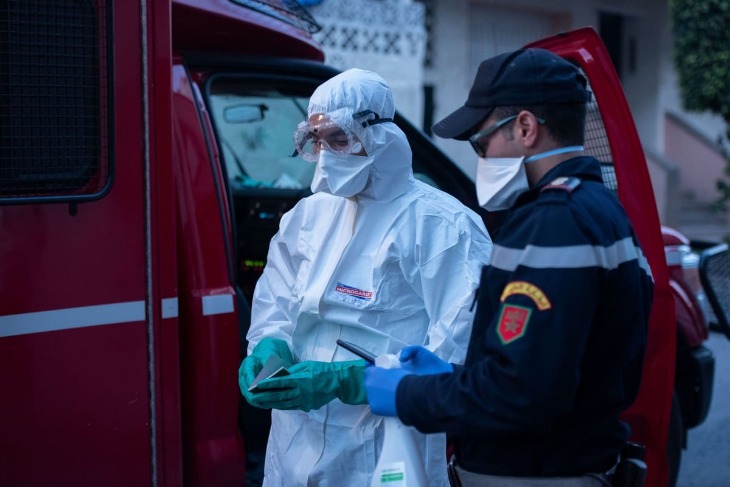
General Safety Overview in Morocco
Morocco is a popular travel destination known for its rich culture, historic sites, and vibrant markets. Ensuring safety while exploring this diverse country is a top priority for visitors. Understanding general safety tips and awareness of common concerns can help travelers enjoy their experience with confidence and peace of mind. This overview provides a foundational understanding of safety considerations in Morocco to assist travelers in planning their trip responsibly.
Crime Rates and Types of Crime
Morocco is generally considered a safe destination for travelers, but like any country, it has areas where caution is advised. Understanding the safety landscape helps visitors enjoy their trip without unnecessary risks.
Crime rates in Morocco are moderate, with petty crimes such as pickp-pocketing and bag snatching being the most common, especially in crowded areas and tourist spots. Violent crimes are less frequent but can occur, particularly in urban centers after dark. It is essential to stay vigilant, avoid displaying valuables, and be cautious in unfamiliar neighborhoods.
The most common types of crime include theft, scams targeting tourists, and in some cases, mugging. There are also reports of illegal taxi drivers overcharging or taking longer routes. It is advisable to use registered transportation providers and keep personal belongings secure. While the overall safety situation is manageable, travelers are encouraged to stay informed about local advisories and exercise common sense precautions to ensure a safe visit to Morocco.
Safety in Tourist Areas
Morocco is generally considered a safe destination for travelers, especially in popular tourist areas. Visitors should exercise normal precautions, such as keeping an eye on their belongings and avoiding isolated areas at night. Common safety concerns include petty theft and scams, which are more prevalent in crowded markets and tourist spots. It is recommended to stay vigilant and be cautious when interacting with strangers or accepting numerous offers. Emergency services are accessible, and local authorities in tourist regions generally maintain a visible security presence. By staying aware of their surroundings and following basic safety tips, travelers can enjoy the rich culture, history, and landscapes Morocco has to offer with confidence.
Legal System and Law Enforcement
Morocco is generally considered a safe destination for travelers, but like any country, it has specific safety considerations and legal norms that visitors should be aware of to ensure a smooth experience.
The legal system in Morocco is based on a combination of civil law, influenced by French and Islamic legal traditions. The judiciary is independent, though there may be occasional concerns regarding transparency and consistency. Laws regarding public behavior, personal conduct, and cultural sensitivity are strictly enforced, and it is important to respect local customs and regulations.
Law enforcement agencies, including the police and gendarmerie, are present throughout the country, particularly in urban centers and tourist areas. While they work to maintain public order and safety, travelers should carry necessary identification, adhere to local laws, and exercise caution in unfamiliar environments. In cases of emergencies, contacting local authorities or the embassy is recommended.
- Be aware of local laws and customs, especially related to dress code and photography.
- Seek assistance from law enforcement if you encounter any issues or emergencies.
- Respect religious and cultural sites to avoid misunderstandings or legal complications.
- Remain vigilant in crowded areas to prevent petty crimes such as pickpocketing.
- Ensure your travel documents are up-to-date and stored securely.
Travel Advisories and Government Warnings
Travel advisories and government warnings are important sources of information for travelers considering a trip to any destination, including Morocco. These alerts provide updated guidance on safety, security, health risks, and other travel concerns issued by government agencies to help travelers make informed decisions. Understanding these advisories can help ensure a safe and enjoyable visit, especially in regions where conditions may vary. In examining whether Morocco is a safe destination, it is essential to consider the latest official recommendations and travel advisories issued for the country.
United States Travel Advisory
Travel advisories and government warnings are essential tools for travelers to assess the safety of visiting Morocco. The United States Department of State provides current travel advisories that inform travelers about potential risks such as crime, health concerns, and political instability. These advisories are regularly updated to reflect the latest situation in Morocco, helping visitors make well-informed decisions. While Morocco generally remains a popular tourist destination with rich cultural attractions and vibrant cities, travelers should stay aware of specific safety recommendations, especially in certain regions. Consulting the official U.S. travel advisory before planning a trip ensures that travelers are aware of any warnings or precautions to take, contributing to a safer and more enjoyable experience in Morocco.
European Country Travel Advisories
Travel advisories and government warnings are essential tools for travelers planning a trip to Morocco, providing updated information on safety, health risks, and other important considerations. These advisories are issued by governments to help travelers make informed decisions and stay safe during their visits to foreign countries, including European countries and Morocco.
European country travel advisories regarding Morocco typically assess various factors such as political stability, crime rates, health risks, and natural hazards. While Morocco is generally considered a popular tourist destination with rich cultural heritage, travelers are encouraged to stay informed about current conditions before their journey.
- Always check the latest travel advisories issued by your government or relevant authorities.
- Be aware of areas with higher crime rates or political unrest, and exercise caution accordingly.
- Follow local laws and customs to ensure respectful and safe interactions.
- Pay attention to health advisories, including required vaccinations or health precautions.
- Stay updated on natural hazard alerts such as earthquakes or sandstorms that may occur in certain regions.
In summary, Morocco is generally safe for tourists, especially in popular areas such as Marrakech, Casablanca, and Fez. However, travelers should stay informed through official advisories, remain cautious, and plan their activities accordingly to ensure a safe and enjoyable visit.
Recommendations for Visitors
When considering whether Morocco is safe for travelers, it is important to consult current travel advisories and government warnings. These resources provide vital information on safety conditions, political stability, and regional risks that may impact visitors.
Travel advisories typically include updates on areas to avoid due to unrest, natural disasters, or other threats. It is recommended to stay informed through official government websites or trusted travel organizations before and during your trip.
Government warnings often highlight specific concerns such as pickpocketing in crowded areas, scams targeting tourists, or transportation safety. Following the recommendations provided can help ensure a safer experience in Morocco.
Furthermore, travelers should exercise common safety precautions, stay in reputable accommodations, and be aware of local customs and laws. By staying informed and prepared, visitors can enjoy their journey while minimizing potential risks in Morocco.
Regional Safety Considerations
When evaluating the safety of traveling to Morocco, understanding regional safety considerations is essential. Different areas within the country may present varying levels of risk due to local conditions, political stability, and environmental factors. Being informed about regional safety helps travelers make informed decisions and ensures a more secure and enjoyable experience while exploring Morocco’s diverse landscapes and vibrant cities.
Safety in Urban Centers (Casablanca, Marrakech, Rabat)
Morocco is generally considered a safe destination for travelers, especially in major urban centers like Casablanca, Marrakech, and Rabat. However, there are regional safety considerations that should be taken into account to ensure a secure visit. Urban areas tend to be more lively and bustling, which can sometimes lead to petty crimes or crowds that travelers need to be cautious of.
Safety in these cities involves awareness of local surroundings, avoiding isolated areas at night, and safeguarding personal belongings. In addition, understanding regional safety guidelines can help travelers navigate urban centers confidently.
- Petty Theft and Pickpocketing: Urban centers like Casablanca, Marrakech, and Rabat attract many tourists, making them hotspots for petty theft. Travelers should keep valuables secure and remain vigilant in crowded places.
- Traffic and Road Safety: Traffic congestion and differing driving norms are common. Pedestrians should use designated crossings and remain attentive to vehicles.
- Local Customs and Cultural Norms: Respect for local traditions can enhance safety and avoid unintended conflicts.
- Political Events or Demonstrations: While generally peaceful, political gatherings can occur. Travelers should stay informed about local news and avoid large gatherings.
- Night Safety: Some areas are safer during the day. Caution is advised when venturing out at night, especially in less populated neighborhoods.
Safety in Rural and Remote Areas
Morocco generally offers a safe environment for travelers, including those visiting rural and remote areas. However, safety considerations can vary depending on the region, and visitors should exercise caution when exploring less-developed areas. Rural and remote regions may have limited medical facilities, infrastructure, and emergency services, making it important to plan ahead and carry necessary supplies. It is advisable to stay informed about local conditions, follow guides or local advice, and avoid risky areas to ensure a safe experience in Morocco’s diverse landscapes.
Travel Safety in Desert and Mountain Regions
Morocco presents diverse travel experiences, but safety considerations vary depending on the region. In desert areas, such as the Sahara, travelers should be prepared for extreme temperatures, limited water supplies, and challenging terrain. It is advisable to join guided tours or hire experienced local guides to navigate these regions safely. Proper clothing, sun protection, and emergency supplies are essential for desert excursions.
In mountain regions like the Atlas Mountains, travelers need to be mindful of altitude sickness, unpredictable weather, and difficult roads. Trekking routes should be approached with caution, preferably with local guides or tour operators specializing in mountain adventures. Adequate gear, including sturdy footwear and warm clothing, is crucial to ensure safety in these high-altitude areas.
Overall, Morocco is generally considered safe for tourists who take common precautions. Staying informed about weather conditions, avoiding isolated areas at night, and respecting local customs contribute to a secure and enjoyable experience in the country’s diverse landscapes.
Health and Medical Safety
Ensuring health and medical safety is a vital aspect of traveling or living in any destination, including Morocco. Understanding the quality of healthcare services, availability of medical facilities, and safety measures can help visitors and residents feel more confident and prepared. In this article, we explore the safety of Morocco in terms of health and medical support, providing essential information for those considering or currently in the country.
Availability of Medical Facilities
Morocco offers a reasonable level of health and medical safety for travelers and residents, with a number of available medical facilities across major cities and tourist destinations. Emergency services are accessible in urban areas, and many hospitals are equipped to handle common medical issues and emergencies. However, access to medical care in remote regions can be limited, making it essential to plan ahead and carry comprehensive health insurance. It is advisable to learn about local healthcare providers and ensure vaccinations and health precautions are up to date before traveling. Overall, with proper planning and awareness, Morocco can be a safe destination for medical needs.
Health Risks and Precautions
Morocco is generally considered a safe travel destination, but like any country, it is important to be aware of health and medical safety considerations to ensure a safe visit. Travelers should take precautions to minimize health risks and be prepared for emergencies.
- Stay updated on routine vaccinations such as measles, mumps, rubella, and tetanus, and consider vaccines for hepatitis A and B, typhoid, and rabies depending on activities planned.
- Drink bottled or boiled water to avoid waterborne illnesses, and eat thoroughly cooked food from reputable establishments.
- Practice good hygiene by washing hands regularly with soap and water, especially before eating.
- Carry a basic first aid kit including antiseptics, bandages, pain relievers, and any personal medications.
- If engaging in outdoor activities or exploring rural areas, be aware of potential insect bites and use insect repellent to prevent diseases like malaria or dengue fever.
- Ensure access to medical insurance that covers health emergencies abroad, and know where local hospitals or clinics are located beforehand.
- Avoid contact with stray animals to prevent rabies and other zoonotic diseases.
By taking these precautions, travelers can enhance their safety and enjoy their trip to Morocco with peace of mind regarding health and medical safety concerns.
COVID-19 and Other Public Health Concerns
Morocco is generally considered a safe destination for travelers, but it is important to stay informed about health and medical safety concerns, especially related to COVID-19 and other public health issues. Travelers should be aware of the current health guidelines and take precautionary measures to protect themselves during their stay.
- COVID-19: Travelers should stay updated on the latest travel advisories and entry requirements, including testing and vaccination protocols. It is advisable to practice good hygiene, wear masks in crowded places, and maintain social distancing.
- Health Facilities: While major cities like Marrakech, Casablanca, and Rabat have well-equipped medical facilities, healthcare quality might vary in rural areas. Carry comprehensive travel insurance that covers medical expenses.
- Public Health Concerns: Besides COVID-19, other health risks include mosquito-borne diseases such as dengue fever and Zika virus, particularly in certain regions. Use insect repellent, wear appropriate clothing, and follow local health advice.
- Preventive Measures: Ensure you have up-to-date vaccinations, including for hepatitis A and B, typhoid, and tetanus. Drinking bottled or boiled water is recommended to avoid waterborne illnesses.
- Emergency Contacts: Keep a list of local emergency service numbers and the contact information for your country’s embassy or consulate in Morocco for assistance if needed.
Cultural and Local Safety Norms
When exploring Morocco, understanding the cultural and local safety norms is essential for a smooth and respectful experience. Respecting local customs and traditions helps visitors navigate social interactions comfortably and minimizes misunderstandings. Being aware of safety guidelines specific to the region ensures personal security and appreciation of Moroccan culture. This awareness fosters a more enriching and secure travel experience in one of North Africa’s most fascinating destinations.
Respecting Local Customs and Traditions
Morocco is generally considered a safe destination for travelers, but it is essential to respect local customs and traditions to ensure a respectful and enjoyable experience. Understanding and observing cultural norms can help avoid misunderstandings and demonstrate appreciation for the local community.
- Dress modestly, especially when visiting religious sites or rural areas, to show respect for local traditions.
- Always ask for permission before taking photographs of people, particularly women, to respect their privacy and comfort.
- Follow local etiquette when greeting or interacting with residents, such as using the right hand for gestures like handshakes or offering items.
- Avoid discussing sensitive topics such as politics, religion, or social issues unless approached cautiously by locals.
- Be mindful of local customs during religious periods or festivals, including appropriate clothing and behavior.
- Respect local markets and shops by bargaining politely and avoiding aggressive negotiation tactics.
- Observe customary behaviors during Ramadan, such as refraining from eating, drinking, or smoking in public during daylight hours.
Dress Code and Behavior Expectations
Morocco is generally considered a safe destination for travelers, but it is important to be aware of local cultural and safety norms to ensure a respectful and enjoyable visit. Respect for local customs and traditions is highly valued, and adhering to dress codes and behavior expectations can help foster positive interactions with residents and avoid misunderstandings.
In Morocco, modest clothing is recommended, especially for women, to show respect for local customs. Covering shoulders and knees is advised when visiting religious sites, markets, or rural areas. Dressing conservatively not only demonstrates respect but also enhances personal safety by avoiding unnecessary attention.
Behavior expectations in Morocco emphasize politeness, modesty, and respect for local traditions. Public displays of affection are generally discouraged, and loud or disruptive behavior should be avoided. It is also important to ask permission before taking photographs of people, particularly in rural or religious areas, and to be sensitive to cultural differences.
Following local safety norms, such as being cautious in crowded places, avoiding isolated areas at night, and keeping an eye on personal belongings, can help ensure a safe and respectful experience in Morocco. Being aware of and adapting to these norms demonstrates cultural sensitivity and enhances the overall safety of your visit.
Female Traveler Safety Tips
Morocco is generally considered a safe destination for travelers, but it is important to stay informed about local safety norms and cultural expectations to ensure a smooth and enjoyable experience. Respect for local customs, dress codes, and social norms can greatly enhance your safety and interactions with residents. Modest clothing is recommended, especially when visiting religious sites or rural areas, to show respect for local traditions. It is also advisable to avoid displaying expensive jewelry or electronics in crowded places to prevent unwanted attention.
Female travelers should take specific precautions to ensure their safety while exploring Morocco. Traveling in groups or with a trusted guide is often safer, especially in less touristy areas. Dress conservatively to avoid unwanted attention and to respect local customs. It is wise to keep copies of important documents, such as your passport, and avoid sharing personal information with strangers. Use reputable transportation options, such as registered taxis or organized tours, and avoid walking alone late at night. Being aware of your surroundings and trusting your instincts can help you navigate both crowded markets and quieter neighborhoods confidently.
Understanding and adhering to Morocco’s cultural norms fosters respect and safety. Engaging politely with locals, avoiding contentious subjects, and following the advice of local authorities or experienced guides will help ensure a safe and enriching visit. With proper precautions, female travelers can enjoy the vibrant markets, stunning landscapes, and rich history Morocco has to offer with confidence.
Transportation Safety
Transportation safety is a crucial aspect of any travel experience, ensuring that travelers arrive at their destinations securely and without incident. In Morocco, a country known for its vibrant culture and diverse landscapes, transportation options range from modern trains to bustling city taxis and scenic bus routes. Understanding the safety standards and infrastructure in place can help visitors navigate the country confidently and enjoy their journey while prioritizing their well-being.
Road Conditions and Driving Risks
Transportation safety in Morocco varies depending on the region, infrastructure, and adherence to traffic rules. While major cities like Casablanca and Marrakech generally have well-maintained roads and clearer signage, rural areas may present more challenging driving conditions, including unpaved roads and limited lighting. Road conditions can be affected by weather, especially during rainy seasons, leading to potential hazards such as floods or slippery surfaces. Driving risks in Morocco include aggressive driving behaviors, sudden maneuvers, and inconsistent enforcement of traffic laws. Travelers should exercise caution, stay alert, and adhere to local traffic regulations to ensure safe transportation experiences.
Public Transport Safety
Transportation safety in Morocco is a vital aspect of ensuring both local residents and visitors can travel confidently across the country. Public transport systems, including buses, trains, and taxi services, are widely used and generally reliable, but passengers should remain cautious and aware of safety guidelines. Road conditions and driving behaviors can vary, so exercising caution while traveling by car or motorcycle is recommended. The government has taken steps to improve safety standards through stricter regulations and infrastructure investments. Overall, Morocco can be considered safe for travelers when following common safety practices and staying alert during transit experiences.
Flights and Air Travel Safety
Morocco is generally considered a safe destination for travelers, and this extends to its transportation systems, including flights and air travel. The country has modern airports equipped with standard safety measures, and airlines operating within Morocco adhere to international aviation safety regulations. Passengers can feel confident in the safety protocols followed by airlines and airport authorities, which include comprehensive security screenings and maintenance procedures.
Air travel in Morocco is regulated by national and international standards, ensuring secure and reliable services. Major airports like Casablanca Mohammed V, Marrakech Menara, and Rabat Salé are well-managed and maintain high safety standards. While as with any form of transportation, travelers should remain vigilant and adhere to safety guidelines, overall air travel within Morocco is safe and efficiently managed for both domestic and international flights.
Safety Tips for Travelers
When considering travel to Morocco, it’s important to prioritize safety to ensure a smooth and enjoyable experience. Being aware of essential safety tips can help travelers navigate the local environment confidently and avoid potential issues. From cultural norms to common precautions, knowing what to keep in mind can enhance your trip and provide peace of mind throughout your journey.
Personal Security Measures
Morocco is a popular travel destination that offers vibrant culture, historic sites, and stunning landscapes. However, ensuring personal security is essential for a safe and enjoyable trip. Here are some important safety tips for travelers visiting Morocco.
- Keep your valuables secure and avoid displaying expensive items in public to prevent theft.
- Stay vigilant in crowded areas such as markets and tourist sites, as pickpocketing can occur.
- Use reputable transportation options and avoid hitchhiking or accepting rides from unverified sources.
- Learn basic phrases in local language to communicate effectively and seek help if needed.
- Dress modestly, especially when visiting religious sites, to respect local customs and avoid unwanted attention.
- Keep copies of important documents like your passport, visa, and travel insurance separately from the originals.
- Stay informed about current safety and security advisories issued by your government or local authorities.
- Avoid political demonstrations or large gatherings, which can sometimes become unpredictable.
- Be cautious when exploring unfamiliar areas, and consider guided tours for remote or less-touristed locations.
- Trust your instincts—if a situation feels unsafe, remove yourself and seek assistance.
Emergency Contacts and Services
Morocco is generally a safe destination for travelers, but it’s important to take certain precautions to ensure a smooth and secure trip. Being prepared with emergency contacts and understanding safety tips can help you handle unexpected situations effectively.
Safety Tips for Travelers in Morocco
- Keep your valuables secure and avoid displaying expensive items in public to prevent theft.
- Stay aware of your surroundings, especially in crowded areas and marketplaces.
- Avoid traveling alone at night in unfamiliar or less-populated areas.
- Use reputable transportation options such as registered taxis or guided tours.
- Respect local customs and dress modestly to avoid unwanted attention.
- Learn a few basic phrases in Arabic or French to facilitate communication.
- Carry a copy of your passport and important documents, leaving the originals in a safe location.
Emergency Contacts and Services in Morocco
- Emergency Police: 19 (or +212 19 from abroad)
- Medical Emergency: 15
- Fire Department: 15 or 05 37 67 83 40
- Tourist Assistance: Contact your embassy or consulate for support and guidance
- Local hospital contacts or clinics can be found in major cities for urgent medical care
Precautionary Tips for Night Travel
Traveling in Morocco can be a wonderful experience, but safety should always be a priority, especially during night travel. To ensure a safe journey, it is important to follow some key precautionary tips. Always plan your route in advance and stick to well-lit, populated areas. Avoid traveling alone at night in unfamiliar or remote locations. Keep your valuables secure and be cautious with your belongings to prevent theft. Use reputable transportation services, such as official taxis or pre-arranged transfers, instead of unverified vendors. Stay aware of your surroundings and trust your instincts; if something feels unsafe, seek help immediately. By taking these precautions, travelers can enjoy the rich culture and beauty of Morocco with greater peace of mind.

0 Comments