
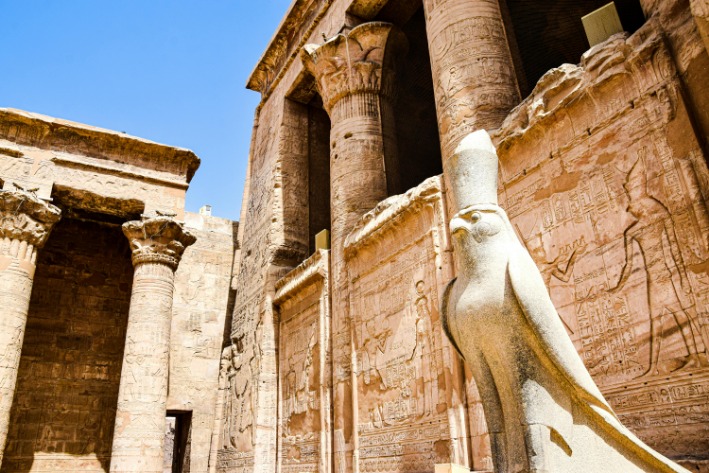
Major Egyptian Gods and Goddesses
Ancient Egypt was rich in mythology, with a pantheon of gods and goddesses that played vital roles in daily life and afterlife beliefs. These deities, often associated with natural elements, the cosmos, and human qualities, were worshipped and revered for their power and influence. Understanding the major Egyptian gods and goddesses provides insight into the civilization’s spiritual beliefs and cultural values.
Ra – The Sun God
Ra is one of the most important deities in ancient Egyptian mythology, known as the Sun God. He represents the power and the life-giving energy of the sun, which was central to the Egyptian understanding of creation and the universe. Ra was often depicted with a falcon’s head crowned with a solar disk, symbolizing his connection to the sun and the sky. As the creator god, he was believed to be the source of all life, embodying light, warmth, and vitality.
Osiris – The God of the Underworld and Resurrection
Osiris is one of the most important deities in ancient Egyptian mythology, known as the god of the underworld and resurrection. He is often depicted as a mummified king with a white crown of Upper Egypt and holding a crook and flail, symbols of kingship and authority. Osiris symbolizes death, rebirth, and immortality, playing a central role in Egyptian beliefs about the afterlife. According to myth, he was murdered by his brother Set, but was resurrected by his wife Isis, which established the theme of eternal life. His story underscores the Egyptians’ focus on life after death and the hope for renewal and eternal existence. As the ruler of the afterlife, Osiris was venerated in many temples and was a key figure in their religious rituals and funerary practices. His influence extended beyond mythology, shaping Egyptian culture’s views on morality, death, and rebirth.
Isis – The Goddess of Magic and Motherhood
Isis is one of the most important deities in ancient Egyptian religion, revered as the goddess of magic, motherhood, and fertility. She was believed to possess powerful magical abilities that could heal and protect, making her a central figure in Egyptian mythology. Isis was often depicted as a woman wearing a throne-shaped crown or with a solar disk and cow horns, symbolizing her divine nature and connection to the nurturing aspects of motherhood. As a compassionate mother and dedicated wife, she played a crucial role in mythologies surrounding her husband Osiris and their son Horus, representing the ideal of maternal devotion and protective magic. Her worship extended widely across Egypt and beyond, and she was considered a protector of the nation, embodying both nurturing care and powerful supernatural forces.
Horus – The Sky God and Protector of the Pharaoh
In ancient Egyptian mythology, gods and goddesses played a vital role in explaining the principles of the universe and guiding the daily lives of people. Among the most prominent deities is Horus, the sky god and protector of the pharaoh. Horus is often depicted as a falcon or as a man with a falcon’s head, symbolizing his divine nature and association with the sky. He was considered a symbol of kingship, power, and protection, signifying the divine authority granted to the pharaohs as his earthly representatives.
- Horus is associated with the sky, kingship, and protection.
- He is typically depicted as a falcon or a man with a falcon’s head.
- Horus was believed to be the son of Isis and Osiris, embodying the fight between order and chaos.
- The ancient Egyptian rulers identified themselves with Horus, considering their divine right to rule as a reflection of his power.
- The famous legend of Horus’s battle with Set symbolizes the ongoing struggle between good and evil in Egyptian mythology.
Anubis – The God of Mummification and the Dead
Anubis is one of the major Egyptian gods, known as the God of Mummification and the Dead. He is traditionally depicted as a black canine or a man with a jackal head, symbolizing his role in guiding souls to the afterlife and overseeing funerary rituals. Anubis played a vital part in ancient Egyptian religion, ensuring the proper preservation of bodies through mummification and protecting the deceased in the journey to the afterworld. His association with death and rebirth made him an essential figure in Egyptian mythology, embodying the transition from life to the afterlife and maintaining the balance between worlds. Anubis’s significance is reflected in numerous tomb paintings, statues, and funerary artifacts, underscoring his importance in Egyptian spiritual beliefs and practices.
Thoth – The God of Wisdom and Writing
Thoth is one of the most significant gods in Egyptian mythology, revered as the God of Wisdom, Writing, and Knowledge. Often depicted with the head of an ibis or sometimes as a baboon, Thoth played a crucial role in the divine realm, acting as a mediator and record keeper for the gods. He was believed to have invented hieroglyphic writing, which was essential for communication and record-keeping in ancient Egypt. Thoth was also associated with the moon, symbolizing time, magic, and the cycle of nature. Worshiped extensively, Thoth was considered the mind behind the universe, overseeing justice, science, and the arts. His influence extended into Egyptian religion, where he was seen as a protector of scribes and scholars, embodying wisdom and the pursuit of knowledge.
Bastet – The Goddess of Home, Fertility, and Cats
In ancient Egyptian mythology, Bastet is a prominent goddess associated with home, fertility, and cats. She is often depicted as a lioness or as a woman with the head of a lioness or domestic cat, symbolizing her fierce and protective nature. Bastet was highly revered by Egyptians, who believed she brought good fortune, health, and protection to families.
- Goddess of Home and Domesticity: Bastet was considered the protector of households and families, symbolizing domestic harmony and safety.
- Fertility and Childbirth: She was invoked to promote fertility and aid women during childbirth, embodying nurturing and caring qualities.
- Patroness of Cats: Bastet’s association with cats made her a symbol of grace, independence, and mystery; cats were sacred animals in her worship.
- Symbolism and Worship: Temples dedicated to Bastet were built in cities like Bubastis, where festivals celebrating her were among the most popular in Egypt.
Bastet’s role as a goddess encapsulates the nurturing yet formidable aspects of femininity, and her worship highlights the deep respect Egyptians held for cats and the domestic sphere.
Seth – The God of Chaos, Disorder, and the Desert
In ancient Egyptian mythology, Seth is a prominent god associated with chaos, disorder, and the harsh conditions of the desert. As a son of Osiris and Isis, Seth represents the chaotic forces that oppose order and stability. He is often depicted as a mysterious and formidable deity, symbolizing the unpredictable and destructive aspects of nature. Despite his tumultuous nature, Seth played an essential role in the Egyptian pantheon, embodying the necessary balance between chaos and order in the universe. His complex character reflects the civilization’s understanding of the natural world’s dualities and the ongoing struggle to maintain harmony amidst chaos.
Other Notable Egyptian Deities
Beyond the well-known gods like Osiris and Ra, Egyptian mythology features a diverse array of deities that played important roles in their religious beliefs and daily life. These lesser-known gods and goddesses embody various natural forces, concepts, and social functions, offering a rich tapestry of spiritual symbolism. Exploring these deities provides a deeper understanding of ancient Egyptian culture and their complex pantheon.
Aten – The Disk of the Sun and Monotheistic Sun God
Among the various deities worshiped in ancient Egypt, Aten holds a unique place as the disk of the sun and a central figure in one of the earliest forms of monotheism. Aten was believed to be the visible aspect of the sun disk and was venerated as the sole creator god during the reign of Pharaoh Akhenaten. This religious shift emphasized the worship of Aten above other traditional gods, highlighting the importance of the sun as a symbol of life and divine power in Egyptian religion.
Hathor – The Goddess of Joy, Women, and Music
Hathor is one of the most revered deities in Egyptian mythology, embodying joy, womanhood, love, and music. Often depicted as a cow goddess or as a woman with a headdress featuring a sun disk enc encircled by cow horns, she signifies maternal care and compassion. Hathor was believed to be a nurturing deity who supported kings and protected women during childbirth. Her association with music, dance, and celebration made her a central figure in festive occasions and religious ceremonies. As a goddess of joy and fertility, Hathor played a vital role in ensuring the well-being and happiness of the people, symbolizing the nurturing aspects of nature and society. Throughout Egyptian history, she was worshipped in numerous temples, including the famous Hathor Temple at Dendera, which remains a significant archaeological site today. Her enduring legacy reflects her importance as a deity representing the joyous and life-giving forces of the universe.
Ptah – The God of Creation and Craftsmen
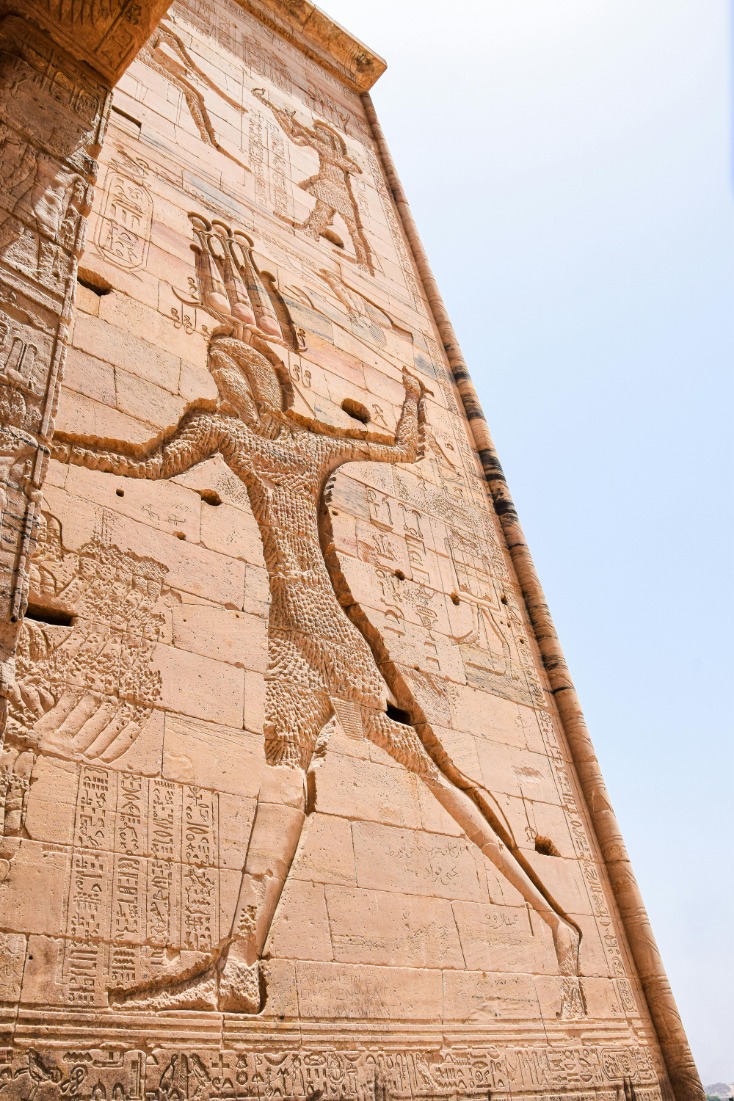
Ptah is one of the significant deities in Egyptian mythology, revered as the god of creation, craftsmen, and builders. He was considered a powerful creator god who brought the universe into existence through thought and speech, embodying the skills of artisans and architects who shape the physical world.
- Ptah is often depicted as a mummified man wrapped in a shroud, holding a scepter that combines the symbols of power and stability.
- He was primarily worshipped in the city of Memphis, which was a major religious and cultural center in ancient Egypt.
- As a creator god, Ptah was believed to have spoken the world into existence, emphasizing the importance of speech and thought in creation.
- He was also associated with craftsmanship and considered the patron deity of artisans and builders.
- Many temples and shrines dedicated to Ptah included statues and imagery representing him as a creator shaping the universe with his divine will.
Nephthys – The Protective Goddess of Night and Mourning
Nephthys is a significant deity in ancient Egyptian religion, known as the protective goddess of night and mourning. She is often depicted as a woman with a hieroglyph representing her name on her head, sometimes shown with wings symbolizing her protective nature. As the sister of Isis and the wife of Set, Nephthys plays a crucial role in Egyptian mythologies, particularly in the context of funerary practices and protection of the deceased. Her association with the night emphasizes her connection to darkness, magic, and the transition between life and afterlife. Nephthys is revered for her caring and protective qualities, often depicted assisting Isis and Osiris in their mythological tales. Her presence symbolizes the hope, comfort, and safety offered during times of loss and mourning, making her a vital figure in the pantheon of Egyptian gods.
Khonsu – The God of the Moon
Khonsu is an important deity in Egyptian mythology, primarily known as the god of the moon. He is associated with moon gods and lunar phenomena and was considered a protector during the night. Khonsu’s name means “Traveler” or “Pathfinder,” reflecting his role in guiding travelers safely through darkness and time.
- Khonsu was often depicted as a young man with a sidelock of youth, holding a scepter and ankh. He is frequently shown with a lunar disk atop his head, symbolizing his connection to the moon.
- He was a member of the Theban Triad, alongside Amun and Mut, and his primary cult center was at the Karnak Temple complex.
- Khonsu was believed to have healing powers, and his name was invoked in medical spells to cure diseases and protect individuals from harm.
- He played a crucial role in the Egyptian calendar and lunar cycle, influencing religious and agricultural practices based on moon phases.
- In myth, Khonsu was associated with time and change, embodying the waxing and waning of the moon, which symbolized renewal and transformation.
Maat – The Goddess of Truth, Balance, and Justice
Maat is one of the most revered deities in ancient Egyptian mythology, embodying the fundamental principles of truth, order, balance, and justice. As a goddess, she played a crucial role in maintaining the harmony of the universe and the moral integrity of society. Maat was often depicted as a woman with an ostrich feather on her head, symbolizing truth and righteousness.
In ancient Egyptian belief, Maat was considered essential for the proper functioning of the cosmos, the legal system, and everyday life. Kings and pharaohs were seen as the guarantors of Maat, ensuring that justice was upheld throughout the land. Her influence extended to the afterlife, where the hearts of the dead were weighed against her feather to determine their worthiness for the eternal world.
- Role in the Afterlife: Maat’s feather was used in the judgment scene, symbolizing truth, fairness, and moral integrity.
- Symbolism: The ostrich feather on her head represents truth and order, and her name itself signifies truth and righteousness.
- Depictions: She is typically depicted as a woman wearing a feathered crown or holding an ankh, symbolizing life, or a scepter representing authority.
- Influence: Maat’s principles were embedded in legal systems and ethical codes, guiding both rulers and common people.
- Cultural Significance: Temples and monuments regularly honor her as the divine principle that sustains cosmic and social harmony.
Roles and Symbolism of Egyptian Gods
Egyptian gods played a vital role in the spiritual and cultural life of ancient Egypt, embodying various aspects of nature, society, and the cosmos. These deities were not only revered as divine beings but also served as symbols of power, protection, and harmony. Their roles often intertwined with myths and rituals, reflecting the Egyptians’ profound connection to the universe and their afterlife beliefs.
Creation and Cosmology
Egyptian gods played a central role in shaping the religion, culture, and understanding of the universe in ancient Egypt. These deities were believed to embody various natural and societal forces, guiding the faithful through their divine powers. Each god or goddess had specific roles, responsibilities, and symbolism that reflected the values and environments of ancient Egyptian society.
Among the most prominent gods was Ra, the sun god, symbolizing creation, life, and light. He was often depicted with a sun disk atop his head, representing his role as the creator of the world. Osiris, associated with the afterlife and resurrection, symbolized rebirth and renewal, embodying themes of death and rebirth in Egyptian cosmology. Isis was revered as the goddess of magic, motherhood, and protection, often linked with the concept of fertility and nurturing.
The creation myth in ancient Egypt varied but commonly involved the primordial waters of Nun, from which the first land, often personified as the god Geb, emerged. The god Atum was considered the creator who brought forth other gods and represented the beginning of the universe. The cosmology depicted a universe ordered by the divine will of these gods, with the Nile River embodying the life-giving principle central to Egyptian understanding of harmony and stability.
Egyptian gods also symbolized natural phenomena, such as Hathor, goddess of love and joy, represented by a cow or a solar disk, and Thoth, the god of wisdom and writing, depicted with an ibis head. These deities personified the forces of nature and societal values, reinforcing the interconnectedness of the spiritual and physical worlds in ancient Egyptian belief systems. The elaborate mythology and symbolism of Egyptian gods reflected their profound influence on daily life and the eternal pursuit of harmony and order in the universe.
Protection and Royalty
Egyptian gods played a crucial role in the spiritual and cultural life of ancient Egypt, embodying various aspects of the natural world, human experience, and the divine order. Their roles extended from overseeing sovereign authority to ensuring protection and harmony within the universe. These deities were often represented with rich symbolism, which conveyed their unique powers and attributes, reinforcing their significance in religious practices and daily life.
Protection and royalty were especially prominent themes associated with Egyptian gods, reflecting their importance in maintaining cosmic balance and supporting the pharaohs’ divine authority. Gods like Horus and Isis were seen as protectors of the ruler and the land, embodying strength, vigilance, and nurturing qualities that upheld order and safety.
- Horus: Often depicted as a falcon or with a falcon head, Horus symbolized kingship, protection, and the sky. As a divine protector, he was believed to guard the pharaoh and uphold order on earth.
- Isis: Representing magic, motherhood, and protection, Isis was honored as a nurturing goddess who shielded her followers and the pharaoh, often depicted with outstretched wings signifying shelter and safety.
- Anubis: The god of funerary rites and the afterlife, Anubis served as a protector of the dead, guiding souls through the underworld and ensuring their safe passage to the afterlife.
- Seth: Although often associated with chaos, Seth also represented protection against enemies and the natural forces that threatened the order of the world, embodying both destructive and safeguarding aspects.
- Sacred Symbols: Egyptian gods were associated with distinct symbols such as the ankh (life), scepter (power), and the Eye of Horus (protection and royal authority), which conveyed their divine functions and were used in rituals and royal regalia.
- Royal Authority: The pharaoh was considered an earthly embodiment of gods like Horus, reinforcing the divine right to rule. Priests and religious iconography further emphasized the gods’ role in legitimizing and safeguarding the monarchy.
- Processions and Temples: Rituals, temple ceremonies, and statues of gods served as expressions of their protective and regal significance, ensuring their continued favor and safeguarding the stability of Egypt.
Death and Afterlife
Egyptian gods played a central role in shaping the spiritual and cultural beliefs of ancient Egypt, embodying various aspects of life, nature, and the cosmos. Each deity was associated with specific roles and responsibilities, often represented through distinct symbols that conveyed their divine attributes. For example, Osiris, the god of death and resurrection, was depicted with an atef crown and a crook and flail, symbolizing kingship and authority over the afterlife. The gods served as intermediaries between humans and the divine, guiding souls through the journey after death. The Egyptian view of death was deeply intertwined with the concept of eternal life, where rituals and offerings ensured the deceased’s successful transition to the afterlife, a realm ruled by gods such as Osiris and Anubis. These deities symbolized hope, rebirth, and the eternal cycle of life and death, reinforcing the importance of morality and the pursuit of righteousness in life to secure a favorable judgment in the afterworld. Overall, the symbolism of Egyptian gods highlights their multifaceted roles in maintaining cosmic balance, moral order, and the continuity of life beyond death.
Natural Elements and Daily Life
Egyptian gods played a vital role in shaping the spiritual and cultural identity of ancient Egypt, representing various aspects of life, nature, and the universe. Each deity was associated with specific natural elements, such as the sun, rivers, or crops, embodying the Egyptians’ deep connection to their environment. For example, Ra, the sun god, symbolized creation, power, and rebirth, highlighting the importance of the sun in daily life and spiritual belief. Similarly, Osiris represented the afterlife and renewal, reinforcing the cycle of life and death. Many gods also held symbolic meanings related to justice, wisdom, fertility, and protection, guiding moral values and societal behavior. Daily life was intricately linked to these divine figures, with rituals and offerings aimed at appeasing gods for prosperity, health, and safety. The symbolism of the gods extended into art, architecture, and religious practices, creating a rich tapestry that reflected the Egyptians’ worldview and their reverence for natural forces and divine order.
Temples and Worship Practices
Temples and worship practices have played a vital role in ancient Egyptian religion, serving as sacred spaces where deities were honored and rituals were performed. These structures were often grand and intricately decorated, reflecting the importance of gods in daily life and afterlife beliefs. Understanding the temples and their associated rituals provides insight into the rich spiritual traditions dedicated to Egyptian gods.
Major Temples Dedicated to Egyptian Gods
Egyptian gods played a central role in the spiritual and daily life of ancient Egyptians, who built magnificent temples dedicated to their deities as sites of worship and divine communication. These temples served not only as religious centers but also as symbols of the pharaoh’s divine authority and the gods’ everlasting presence on earth.
Egyptian temples were constructed with grand architecture, featuring massive columns, statues, and intricate hieroglyphic carvings that depicted stories of gods and their myths. Religious rituals and offerings to the gods were performed regularly by priests, who acted as intermediaries between the divine and the mortal worlds. Festivals and processions were also common, celebrating various deities and their mythologies.
Major temples dedicated to Egyptian gods include the Temple of Amun at Karnak, which was one of the largest religious complexes in ancient Egypt and was dedicated to Amun, Mut, and Khonsu. The Temple of Horus at Edfu is renowned for its well-preserved architecture and is dedicated to Horus, the sky god of kingship. The Temple of Isis at Philae is another prominent site, honoring Isis, the goddess of motherhood and magic. Additionally, the Temple of Ptah at Memphis was a significant religious center dedicated to the creator god Ptah.
These temples functioned as hubs of worship, learning, and culture, and their enduring legacies continue to provide insight into the religious beliefs and practices of ancient Egypt. Today, they remain some of the most important archaeological and cultural sites, reflecting the deep reverence the Egyptians held for their gods and the elaborate rituals performed in their honor.
Rituals and Offerings
In ancient Egypt, temples served as sacred places where gods were honored and worshipped through elaborate rituals and offerings. These temples, dedicated to specific deities such as Osiris, Isis, Ra, and Horus, were considered the divine homes of the gods on earth. Priests performed daily ceremonies to maintain the gods’ favor, which included processions, music, chanting, and the presentation of offerings.
Rituals often involved purification practices, such as washing and anointments, to prepare priests and worshippers for sacred rites. Offerings typically consisted of food, drink, incense, and symbolic objects, which were presented on altars as a sign of reverence and gratitude. In many cases, these offerings were believed to nourish the gods spiritually and maintain the cosmic order.
Temples also hosted festivals and special ceremonies aligned with celestial events or mythological stories, reinforcing the divine connection between gods and worshippers. Sacred rituals aimed to ensure the continuity of maat, or cosmic harmony, and to secure divine blessings for the pharaoh, the people, and the land of Egypt.
Festivals and Religious Celebrations
In Egyptian religion, temples served as sacred spaces dedicated to gods and goddesses, where rituals and ceremonies were performed to honor and communicate with divine beings. These temples were elaborate structures, often featuring massive pylons, courtyards, hypostyle halls, and inner sanctuaries housing the statues of deities. Worship practices included offerings, prayers, rituals, and processions designed to maintain maat, or cosmic order. Priests played a vital role in overseeing daily rites and special ceremonies, ensuring the favor of the gods was maintained.
Festivals and religious celebrations were integral to Egyptian spiritual life, often aligning with the agricultural calendar and astronomical events. Major festivals, such as the Opet Festival for Amun and the Beautiful Feast of the Valley, involved lavish processions, music, dances, and sacred enactments to evoke the gods’ presence among the people. These celebrations fostered community cohesion and reinforced the divine authority of kingship, as pharaohs often participated in or sponsored festivities to demonstrate their divine right to rule. Overall, worship practices and festivals created a vibrant religious culture that was deeply embedded in daily life and the social fabric of ancient Egypt.

0 Comments