
Population Overview
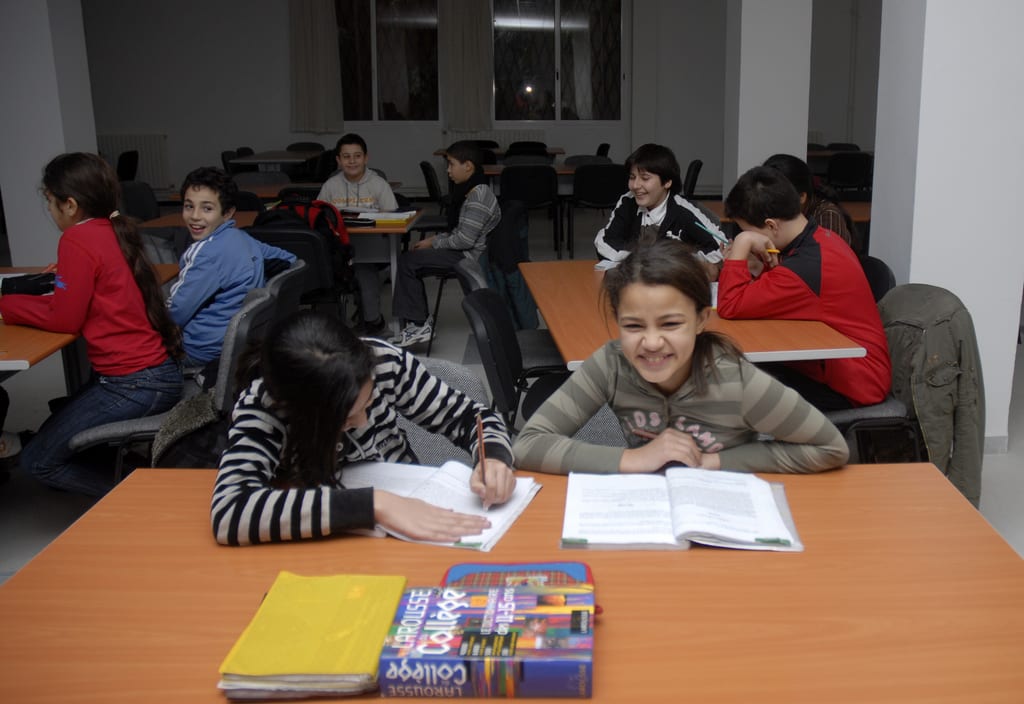
Algeria, the largest country in Africa by land area, has a diverse and dynamic population. Its demographic profile reflects a blend of rich cultural heritage and modern growth trends. Understanding the population overview provides insight into the country’s social structure, age distribution, urbanization, and population growth patterns that shape Algeria’s development trajectory.
Total Population
Algeria’s total population reflects its diverse and dynamic demographic profile. As one of the most populous countries in Africa, it has experienced steady growth over recent decades driven by natural increase and urbanization. The population is characterized by a young median age, with a significant proportion under the age of 25. Major cities like Algiers, Oran, and Constantine serve as urban hubs that attract people from rural areas, contributing to the country’s expanding urban population. Overall, Algeria’s population size continues to rise, shaping the nation’s social, economic, and cultural landscape.
Population Growth Trends
Algeria’s population has experienced significant growth over the past decades, reflecting broader demographic shifts in the region. The country’s population is characterized by a youthful age structure, with a substantial proportion of residents under the age of 30, which influences social and economic development. Population growth trends indicate a steady increase since the mid-20th century, driven by improved healthcare, higher life expectancy, and declining mortality rates. Although the growth rate has slowed somewhat in recent years, the population continues to expand, reaching over 44 million in 2023. Urbanization is also a notable feature, with a majority of the population residing in major cities such as Algiers, Oran, and Constantine, leading to ongoing challenges related to infrastructure, resource distribution, and urban planning. Overall, Algeria’s demographic profile demonstrates a pattern of sustained growth and youthful demographics, shaping the nation’s future development prospects.
Population Density
Algeria is the largest country in Africa by land area, boasting a diverse and dynamic population. Its total population is over 44 million people, with a significant portion residing along the northern coast, where the climate is more temperate and suitable for urban development. The country experiences a steady population growth rate, driven by natural increase and migration patterns.
Population density in Algeria varies greatly across different regions. The coastal zones, particularly around Algiers, Oran, and Constantine, are densely populated, with densities exceeding 150 people per square kilometer. In contrast, the vast Sahara Desert interior has a very low population density, often less than 1 person per square kilometer. This uneven distribution reflects the economic and environmental factors shaping settlement patterns, with most Algerians live in urban areas along the Mediterranean coast and in fertile inland regions.
Age Structure
Age structure refers to the distribution of different age groups within a population, which significantly impacts a country’s social, economic, and healthcare systems. In the context of Algeria, understanding its demographic age structure provides insight into its current and future development challenges. This demographic information helps policymakers plan for education, employment, and social services by highlighting the population’s age-related needs and trends.
Children and Youth (0-14 years)
Algeria’s age structure reveals a relatively young population, with a significant proportion of children and youth aged 0-14 years. This demographic segment constitutes a substantial part of the country’s total population, reflecting high birth rates observed in recent decades. A youthful population can drive economic growth through a large labor force in the future but also presents challenges related to education, healthcare, and employment opportunities. The ongoing demographic transition in Algeria is characterized by gradually declining fertility rates, which may influence the future size and age distribution of its youngest age groups.
Working-Age Population (15-64 years)
Algeria’s age structure reflects a relatively young population, with a significant proportion of its inhabitants falling within the working-age group of 15 to 64 years. This demographic segment is crucial for the country’s economic development, providing a substantial workforce that can support various industries and drive productivity. The proportion of working-age individuals has traditionally been high, contributing to the potential for economic growth, although it also presents challenges related to employment opportunities and social services. The youthful demographic trend suggests ongoing needs for education, healthcare, and employment initiatives to ensure sustainable development within Algeria.
Senior Citizens (65 years and older)
Algeria’s demographic profile is characterized by a growing aging population, with an increasing proportion of senior citizens aged 65 years and older. This shift is a result of improved healthcare, increased life expectancy, and declining birth rates over recent decades. The aging demographic presents both challenges and opportunities for the country’s social, economic, and healthcare systems.
- The percentage of senior citizens in Algeria has been steadily rising, reflecting broader demographic transition trends.
- As of recent data, approximately 4-5% of the Algerian population is aged 65 and older, with projections indicating continued growth.
- This increase in the elderly population necessitates expanded healthcare services, pension schemes, and social support systems.
- Algeria faces challenges related to ensuring quality of life, accessibility, and social integration for its senior citizens.
- Policy efforts are being made to address aging-related issues, including the development of dedicated healthcare facilities and social programs.
Ethnic and Cultural Composition
Algeria’s demographic landscape is characterized by a diverse and rich ethnic and cultural composition. The country’s population reflects a blend of indigenous Berber peoples, Arab influences, and various other groups, creating a vibrant mosaic of traditions, languages, and cultural practices. Understanding Algeria’s ethnic and cultural diversity offers valuable insights into its social fabric and historical development.
Arab-Berber Population
Algeria’s population is characterized by a rich ethnic and cultural diversity, primarily consisting of Arab-Berbers. The Arab-Berber identity reflects a blend of indigenous Amazigh (Berber) roots and Arab influences, resulting from centuries of historical interactions, including Arab migration and Islamic expansion. The majority of Algerians identify as Arab-Berber, sharing cultural traditions, languages, and customs that encompass both the Arabic language and Amazigh languages such as Tamazight.
The Arab component of the population is predominantly Muslim and has historically contributed to the country’s official language, Arabic, which is used in government, education, and media. The Berber or Amazigh community maintains its distinct cultural heritage through traditional music, crafts, festivals, and the Tamazight language, which was recognized as a national and official language alongside Arabic in recent years.
This ethnic and cultural diversity has significantly shaped Algeria’s social fabric, fostering a sense of unity amidst regional and cultural differences. The interplay between Arab and Berber identities continues to influence the nation’s cultural expression, political landscape, and efforts to preserve indigenous traditions while embracing modern development.
Other Ethnic Groups
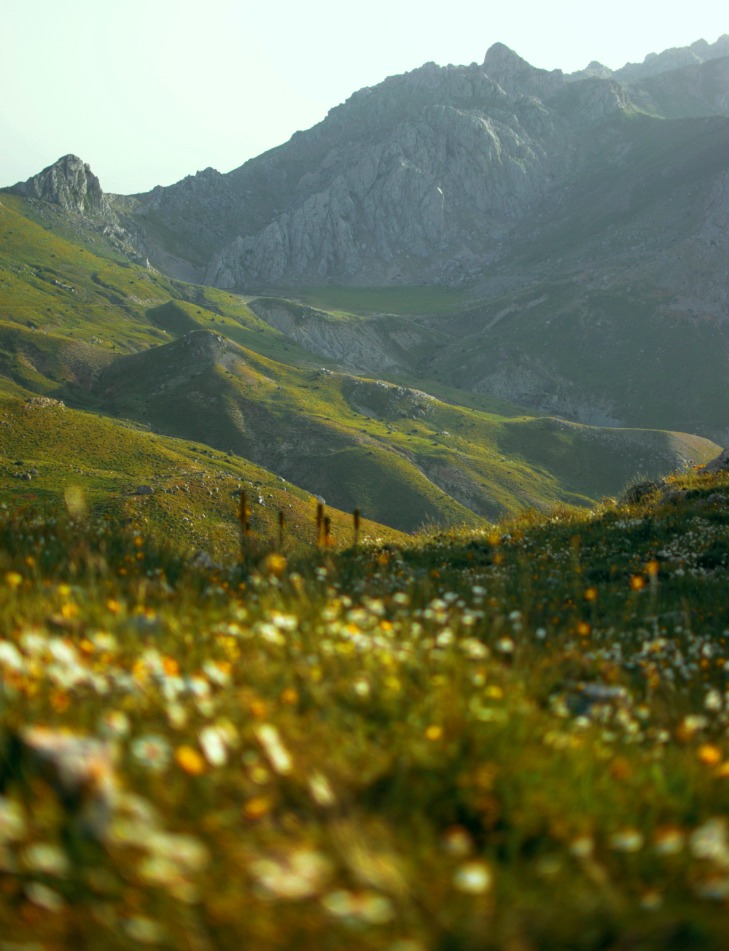
Algeria’s ethnic and cultural composition is diverse, reflecting a rich historical background. The majority of the population is Arab-Berber, with Arab influences shaping the language, customs, and traditions of the nation. A significant portion of the population identifies with Berber ethnic groups, including the Kabyle, Chaoui, and Tuareg, each maintaining their own unique languages and cultural practices. These groups have played an important role in preserving indigenous traditions and contributing to the country’s cultural mosaic.
In addition to the dominant Arab-Berber population, Algeria is home to other ethnic groups that add to its diversity. There are smaller communities of Europeans, mostly of French descent, who have historically lived in the country, especially in urban centers. Sub-Saharan African migrants and their descendants also form part of the societal fabric, often engaged in various economic activities. The coexistence of these diverse groups has fostered a rich cultural landscape, characterized by a blend of indigenous, Arab, Berber, French, and African influences.
Cultural Diversity and Integration
Algeria’s demographic landscape is marked by a rich blend of ethnic and cultural groups, reflecting its complex history and geographical diversity. The majority of the population is Arab-Berber, with Amazigh (Berber) communities maintaining their distinct languages and traditions. These groups have coexisted for centuries, contributing to a unique cultural mosaic. Algeria’s cities, especially Algiers, showcase a vibrant mix of Arab, Berber, French, and other influences, illustrating the nation’s diverse heritage. Throughout its history, Algeria has experienced periods of cultural integration and tension, yet the overall society is characterized by a strong sense of identity rooted in its shared language, history, and traditions. Efforts to preserve and promote cultural diversity are evident in the recognition of Amazigh languages and the celebration of various cultural festivals, which serve to strengthen national unity while honoring distinct ethnic identities. This complex interplay between different cultural groups continues to shape Algeria’s social fabric, making it a nation of remarkable demographic and cultural diversity.
Religious Demographics
Algeria is a diverse country with a rich cultural heritage shaped by various religious traditions. The majority of the population adheres to Islam, which plays a significant role in daily life and national identity. There are also small communities of Christians and Jews, reflecting the country’s historical interactions with different cultures. Understanding the religious demographics of Algeria provides insight into its social fabric and cultural diversity.
Islam
Islam is the predominant religion in Algeria, shaping the cultural and social landscape of the country. The vast majority of Algerians adhere to Sunni Islam, specifically the Maliki school of jurisprudence, which is deeply rooted in the country’s history and traditions. Islamic practices and values play a significant role in daily life, influencing rituals, festivals, and social norms. While Algeria officially recognizes Islam as the state religion, it also maintains a degree of religious tolerance towards other faiths, although Muslim identity remains central to national identity and heritage. The religious demographic distribution reflects the importance of Islam in maintaining the country’s cultural continuity and social cohesion.
Christianity
Christianity in Algeria represents a small minority within the country’s predominantly Muslim population. Despite being a Muslim-majority nation, Algeria has a Christian community mainly composed of expatriates, foreign workers, and some indigenous converts. The Christian population primarily adheres to Catholicism, with smaller numbers of Protestants and other Christian denominations present. Historically, Christianity was more widespread in Algeria during the colonial period under French rule, but its presence has significantly diminished over the years. Today, the government’s policies and societal attitudes limit the public practice of Christianity, leading to a largely underground or private Christian worship. Overall, Christians constitute less than 1% of Algeria’s total population, highlighting the religious homogeneity of the country.”
Other Religions and Secular Population
Algeria’s religious demographics are predominantly Muslim, with the majority of the population adhering to Islam, specifically Sunni Islam. Christianity and Judaism are present but constitute a very small percentage of the population. In addition to these mainstream religions, there is a significant secular population in Algeria, many of whom identify as non-religious or secular due to modern urbanization, education, and social changes. These secular individuals often emphasize cultural heritage over religious practice, reflecting the country’s complex history and influences.
Urban and Rural Distribution
Urban and rural distribution in Algeria reflects the diverse demographic landscape of the country. As a nation with rapidly growing cities and expansive rural areas, understanding the distribution of the population between these regions provides valuable insights into economic development, resource allocation, and social dynamics. Examining the patterns of urbanization and rural habitation is essential for comprehending Algeria’s demographic trends and planning for future growth.
Major Urban Centers
Algeria exhibits a significant distribution between urban and rural populations, with a notable concentration of residents in major urban centers. Over the years, urbanization has accelerated, leading to the growth of large cities that serve as economic and cultural hubs. The capital city, Algiers, is the largest urban center, hosting a substantial portion of the country’s population, followed by other major cities such as Oran, Constantine, and Annaba. These cities offer extensive infrastructure, educational institutions, and employment opportunities, attracting rural inhabitants seeking better living conditions. Despite rapid urban growth, rural areas in Algeria remain vital, maintaining agricultural activities and traditional lifestyles, although some regions face challenges like underdevelopment and migration to cities. Overall, Algeria’s demographics are characterized by a dominant urban population centered in a few key metropolitan areas, alongside a still significant rural population contributing to the country’s diverse demographic landscape.
Rural Communities
Algeria’s demographics reveal a diverse distribution between urban and rural areas, reflecting its socio-economic landscape. A significant portion of the population resides in urban centers, driven by opportunities in industries, education, and infrastructure development. Cities such as Algiers, Oran, and Constantine have experienced rapid growth, becoming hubs of economic and cultural activity.
Despite the trend toward urbanization, rural communities in Algeria remain vital to the country’s agricultural sector and cultural heritage. These communities often face challenges such as limited access to modern amenities, healthcare, and education, which influences migration patterns towards urban areas. Efforts to improve infrastructure and services in rural regions aim to balance development and preserve the traditional lifestyles of these communities.
Urbanization Trends
Algeria has experienced significant shifts in its demographic distribution, with a notable movement from rural to urban areas over recent decades. This urbanization trend is driven by increased industrialization, better economic opportunities in cities, and improved infrastructure that attract rural populations to urban centers. As a result, major cities such as Algiers, Oran, and Constantine have seen rapid population growth, transforming their social and economic landscapes. The rural areas, meanwhile, have experienced relative population decline, although they still play a vital role in agriculture and traditional livelihoods. The ongoing urbanization trend reflects broader demographic changes in Algeria, including a declining rural population and a rising urban demographic, which pose both opportunities and challenges for sustainable development, infrastructure, and service provision.
Educational and Literacy Rates
Educational and literacy rates are key indicators reflecting the social and economic development of a country. In Algeria, these rates offer valuable insights into the progress of its education system and the overall well-being of its population. Understanding the levels of literacy and access to education helps to better evaluate the nation’s demographic trends and its efforts toward social advancement.
Overall Literacy Rate
Algeria has made significant progress in improving its educational and literacy rates over recent decades. The overall literacy rate in the country has increased substantially, reflecting efforts to expand access to education across both urban and rural areas. Many government initiatives have focused on enhancing adult literacy and ensuring that children and young adults receive quality education, contributing to a more informed and skilled population. Despite these advancements, disparities still exist between different regions and socioeconomic groups, but overall, Algeria continues to work toward achieving higher literacy levels and greater educational equity.
Educational Attainment by Age Group
Algeria’s educational and literacy rates, along with educational attainment by age group, offer important insights into the country’s demographic and social development. Over recent years, significant progress has been made in improving literacy and access to education across various age groups, reflecting the government’s focus on human capital development.
- Literacy Rate: The overall literacy rate in Algeria exceeds 80%, with higher rates observed among younger generations and urban populations. Youth literacy (ages 15-24) is particularly high, nearing 95%, signaling positive trends in modern educational access.
- Educational Attainment by Age Group:
- Young Adults (15-24): Most have completed primary or secondary education, with increasing numbers pursuing higher education such as university degrees.
- Adults (25-64): Educational attainment varies, but many have attained at least lower secondary education, though some older individuals have limited formal education.
- Seniors (65+): Generally have lower literacy rates and minimal formal education due to historical limitations in access to schooling during earlier decades.
Regional Variations in Education
Algeria exhibits significant variations in educational and literacy rates across different regions, reflecting diverse socio-economic and infrastructural factors. Urban areas, particularly in the capital Algiers and major cities like Oran and Constantine, tend to have higher literacy levels and better access to quality education. In contrast, rural and remote regions often face challenges such as limited educational facilities, shortages of qualified teachers, and greater economic hardships, leading to lower literacy rates. Efforts by the government and international organizations aim to reduce these disparities through investments in rural education infrastructure and literacy programs. Achieving uniform educational access remains a key component in Algeria’s broader development strategy to improve social equity and economic growth across all regions.
Migration Patterns and Diaspora
Migration patterns and diaspora communities play a significant role in shaping Algeria’s demographic landscape. Over the years, various factors such as economic opportunities, political stability, and historical ties have influenced the movement of people both within the country and abroad. Understanding these patterns provides valuable insights into the cultural diversity, economic connections, and social dynamics that characterize Algeria today.
Internal Migration Trends
Algeria’s demographic landscape has been significantly shaped by migration patterns and the formation of diaspora communities. Historically, internal migration has seen substantial movement from rural areas to urban centers such as Algiers, Oran, and Constantine, driven by economic opportunities, educational prospects, and infrastructural development. This rural-to-urban shift has contributed to rapid urbanization, with urban populations consistently increasing over the decades.
Simultaneously, Algeria has experienced considerable emigration, particularly during periods of political unrest and economic challenges. Many Algerians have migrated to neighboring countries and Europe, establishing diaspora communities that maintain cultural ties and influence transnational networks. The Algerian diaspora is notably large in France, where it has become an integral part of the social and economic fabric.
Internal migration trends continue to evolve, with recent movements also reflecting a push towards coastal areas and regional economic hubs. These migration patterns impact demographic distributions, labor markets, and social services, shaping Algeria’s demographic profile. Overall, the interplay of internal and external migration has played a vital role in transforming Algeria’s demographic structure and will likely continue to do so in the future.
Algerian Diaspora Abroad
The Algerian diaspora plays a significant role in shaping the country’s demographic landscape, with millions of Algerians living abroad across various regions of the world. Migration patterns from Algeria have historically been driven by economic opportunities, political stability, and social factors, leading to substantial communities in Europe, North America, and the Middle East. Many Algerians migrated during the colonial period and after independence, establishing vibrant diaspora communities that maintain strong cultural and familial ties to their homeland. These migration trends have contributed to demographic shifts within Algeria, as many younger generations seek education and employment abroad, often leading to a decline in rural populations and changes in urban growth dynamics. The Algerian diaspora not only influences demographic statistics but also fosters economic remittances and cultural exchange, highlighting the interconnectedness between Algeria and its global communities.
Impact of Migration on Demographics
Migration patterns and diaspora significantly influence the demographics of Algeria by shaping population distribution, cultural diversity, and economic dynamics. Historically, Algerian migration has encompassed movements within the country and international migration, contributing to shifts in regional populations and the composition of society.
Algeria has experienced various waves of migration, including rural to urban movement and emigration to European countries such as France, Spain, and Italy. These patterns have resulted in a diverse diaspora that maintains strong cultural and familial ties to Algeria, impacting both host countries and local demographics.
The impact of migration on Algeria’s demographics includes changes in population size, age structure, and ethnic composition, alongside influences on economic sectors and urbanization. Migration often leads to decreased rural populations while increasing urban centers’ growth, altering regional demographic profiles.
- Population Distribution: Migration trends have caused a concentration of populations in major cities like Algiers, Oran, and Constantine, leading to urban overpopulation.
- Ethnic Diversity: Migration and diaspora have introduced and maintained diverse ethnic communities within Algeria, enriching its cultural tapestry.
- Demographic Aging: Emigration of young people can influence age structures, potentially leading to an aging population and affecting labor markets.
- Remittances: The Algerian diaspora contributes significantly through remittances, impacting local economies and demographic sustainability.
- Population Growth Rates: Migration can either slow down or accelerate population growth depending on emigration and immigration rates, shaping the overall demographic trajectory.



0 Comments