
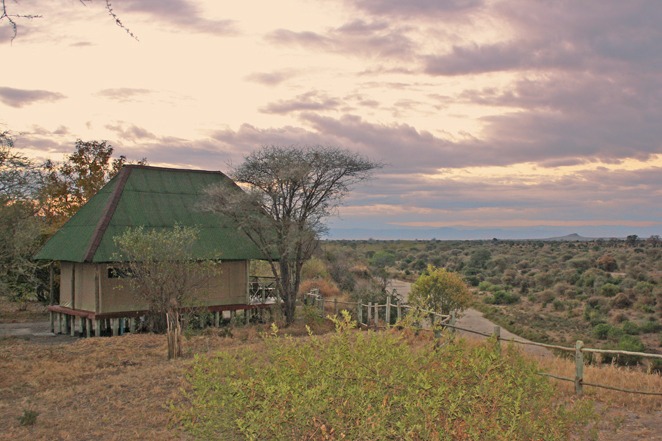
Overview of Safari in Tanzania
Experience the thrill of an unforgettable safari adventure in Tanzania, renowned for its diverse wildlife and stunning landscapes. From the vast plains of the Serengeti to the majestic Mount Kilimanjaro, Tanzania offers unparalleled opportunities for wildlife viewing and cultural encounters. Planning a safari here involves various options and costs, making it essential to understand the overall overview to choose the best experience within your budget.
Types of Safaris Available
Safari in Tanzania offers an incredible opportunity to explore some of Africa’s most renowned national parks and game reserves, known for their abundant wildlife and stunning landscapes. These safaris cater to a wide range of preferences and budgets, making Tanzania a top destination for wildlife enthusiasts.
- Budget Safaris: Affordable options that typically include group tours, basic accommodation, and shared transport, ideal for travelers seeking a cost-effective adventure.
- Mid-range Safaris: Moderate-priced packages with private vehicles, comfortable lodges, and personalized services, balancing comfort and affordability.
- Camping Safaris: Staying in tented camps within the parks, offering an authentic wilderness experience at a lower cost.
- Luxury Safari Lodges: Accommodation in upscale lodges or tented camps that provide premium amenities and services, often with spectacular views.
- Custom and Private Safaris: Fully tailored experiences with flexible schedules, private guides, and personalized activities, usually at a higher price point.
Best Time to Visit for Safari Adventures
Safari in Tanzania offers an unparalleled experience to witness the magnificent wildlife and breathtaking landscapes of East Africa. Known for its diverse ecosystems, including the Serengeti, Ngorongoro Crater, and Selous Game Reserve, Tanzania provides an ideal setting for memorable safari adventures. The country’s rich biodiversity attracts nature enthusiasts from around the world, making it a top destination for wildlife safaris.
The best time to visit Tanzania for safari adventures is during the dry season, which spans from June to October. During this period, animals gather around water sources, making sightings more accessible and rewarding. The weather is also generally clear and comfortable for game drives. The shoulder months of May and November see the beginning and end of the migration, offering unique opportunities for viewing different wildlife behaviors. Visiting during these optimal months maximizes your chances of experiencing the vibrant wildlife drama that Tanzania’s safaris are famous for.
Cost Breakdown of a Tanzanian Safari
Embarking on a safari in Tanzania offers an unforgettable adventure into the heart of Africa’s wilderness. Understanding the cost breakdown of such a trip is essential for planning a memorable experience that fits your budget. From park fees and accommodation to transportation and guided tours, exploring the various expenses involved helps travelers make informed decisions and maximize their safari experience in Tanzania.
Guided Safari Packages
Understanding the cost breakdown of a Tanzanian safari guided package is essential for planning a memorable adventure. The overall price typically includes several core components that contribute to the total expenditure. Firstly, park fees and permits constitute a significant part of the cost, granting access to renowned reserves like Serengeti, Ngorongoro, and Tarangire. These fees vary depending on the park and season, with peak times often being more expensive.
Accommodation costs are another major element, ranging from luxury lodges to tented camps, each offering different levels of comfort and service. The type of accommodation chosen directly influences the overall price. Transportation costs, including 4×4 vehicle rentals, private guides, and fuel, are also included and ensure seamless exploration of the wilderness.
Guided services and expertise provided by professional guides and safari crews are crucial for a safe and enriching experience, often reflected in the package price. Additionally, meals, bottled water, and game drives are typically covered, but some packages may charge extra for optional activities or special excursions. Lastly, there are often administrative fees and tips, which, while optional, can enhance the overall experience for guides and staff. Overall, the price of a safari in Tanzania offers a comprehensive experience that combines wildlife viewing, comfortable lodging, expert guidance, and logistical arrangements, creating a memorable African adventure.
Self-Drive Safari Costs
The cost of a self-drive safari in Tanzania can vary depending on several factors, including the duration of the trip, type of vehicle, and park entry fees. Understanding the breakdown of these costs helps travelers plan a budget-friendly adventure and ensures they are prepared for all expenses involved in their safari experience.
- Park Entrance Fees: These are mandatory and vary depending on the national park or game reserve visited. Some parks have higher fees for non-residents or for vehicles.
- Vehicle Rental: Renting a suitable 4×4 vehicle for self-drive safaris is one of the main expenses. Costs depend on the vehicle size, rental duration, and included amenities.
- Fuel Costs: Fuel consumption is a significant expense, especially over long distances within parks and surrounding areas. Budget accordingly based on the planned itinerary.
- Accommodation: Options range from basic camping sites to luxury lodges. Prices vary widely, influencing the overall cost of the safari.
- Permits and Conservation Fees: Additional permits or fees may be required for certain parks or conservation areas, adding to the total expenses.
- Food and Supplies: Providing for meals, cooking gear, and other necessities adds to the budget, especially on longer trips.
- Insurance and Safety Equipment: Ensuring proper insurance coverage and safety equipment is essential and can incur extra costs.
- Plan your route and select parks wisely to balance costs and wildlife viewing opportunities.
- Opt for a self-drive safari to potentially save on guide fees, but ensure you have adequate experience or guidance.
- Consider off-peak seasons for better prices and fewer crowds, but check park accessibility during these times.
- Budget for unexpected expenses, such as vehicle repairs or emergency situations, to avoid surprises during your safari.
Luxury Safari Experiences
The cost of a Tanzanian safari, especially luxury experiences, can vary significantly depending on the duration, accommodations, and activities chosen. Typically, these safaris offer a comprehensive package that includes transportation, guided tours, park fees, and upscale lodges or camps. The price for a luxury Tanzanian safari generally ranges from $5,000 to over $20,000 per person for a week-long journey. Key expenses include international flights to Tanzania, internal transfers, permits and entry fees to parks like Serengeti or Ngorongoro, and high-end lodging. Additionally, gourmet meals, private guides, and exclusive experiences such as hot air balloon rides or private game drives contribute to the overall cost. Customizing your safari to include unique activities or staying in top-tier accommodations can significantly increase the price but ensures a truly unforgettable adventure.
Budget Safari Options
Embarking on a safari in Tanzania offers an unforgettable experience, and understanding the cost breakdown can help you plan accordingly. Budget safari options typically range from $1,500 to $3,000 per person for a 5 to 7-day journey, making it accessible for many travelers. The main expenses include park fees, which usually account for about 20-30% of the total cost, covering entrance and conservation fees. Accommodation costs vary widely; budget lodges and camping often cost between $30 and $100 per night. Transportation, such as shared 4×4 safaris and internal flights, generally make up around 25-35% of your expenses. Food and beverages are relatively affordable, costing roughly $10 to $30 daily depending on your choices. Guided tours and activities are usually included in package deals, but extra excursions or specialized experiences might add to the cost. Overall, planning within a budget involves selecting affordable accommodations, opting for group safaris, and making smart choices on activities to ensure a memorable yet cost-effective Tanzanian safari experience.
Accommodation and Safari Prices
Embarking on a safari in Tanzania offers an unforgettable adventure into one of Africa’s most breathtaking landscapes. Understanding the accommodation and safari prices is essential for planning your trip, ensuring a comfortable experience while staying within your budget. Whether you seek luxury lodges or affordable tented camps, there are options available to suit every traveler’s needs. By exploring various packages and seasons, you can find the perfect balance of cost and adventure for your Tanzanian safari experience.
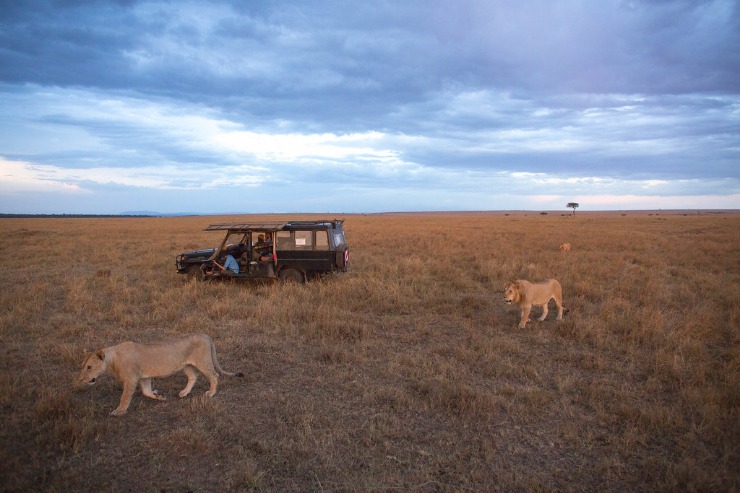
Luxury Lodges and Campsites
Safari prices in Tanzania vary depending on the type of accommodation and the level of luxury desired. Visitors can choose from a wide range of options, from budget campsites to world-renowned luxury lodges, each offering different experiences and amenities that influence the overall cost of the safari.
Luxury lodges in Tanzania typically offer all-inclusive packages that include game drives, meals, and premium services. These lodges are located in prime wildlife areas like Serengeti, Ngorongoro Crater, and Tarangire, providing guests with exclusive access and high-end amenities. The prices for luxury accommodations can range from a few hundred to several thousand dollars per night, depending on the lodge and the season.
Slightly more affordable but comfortable are safari campsites, which offer an authentic Tanzanian experience while still providing essential amenities like tents, beds, and sometimes meals. Campsites are ideal for travelers who want to experience the wilderness more closely and often come at a lower price point than luxury lodges.
- Luxury Lodges: $500 – $3,000+ per night
- Mid-range Lodges and Tented Camps: $200 – $500 per night
- Budget Campsites: $50 – $200 per night
Mid-range Hotels and Tented Camps
When planning a safari in Tanzania, understanding the accommodation and safari prices is essential for budgeting your trip. Mid-range hotels and tented camps offer a comfortable and authentic experience without the high costs of luxury lodges. These options typically provide well-maintained facilities, additional amenities, and a closer connection to the natural surroundings. Prices for mid-range accommodations generally range from affordable to moderate, depending on the location and season, making them ideal for travelers seeking a balance between comfort and budget. Tented camps, often situated within national parks, provide an immersive safari experience with the convenience of essential amenities. They usually cost less than luxury lodges but still offer the opportunity to enjoy stunning views and proximity to wildlife. Overall, choosing the right accommodation depends on your preferences and budget, but Tanzania offers a variety of affordable and enjoyable options for a memorable safari adventure.
Budget Hostels and Basic Campsites
When planning a safari in Tanzania, accommodation options and prices vary widely to suit different budgets. Budget hostels and basic campsites offer affordable ways to experience the wilderness without compromising the adventure. Typically, budget hostels cost between $20 and $50 per night, providing essential amenities and a communal atmosphere for travelers seeking economical options. Basic campsites, often located near national parks, usually charge between $10 and $30 per night and include basic facilities like showers and toilets, allowing adventurers to stay close to nature at a minimal cost. Safari prices in Tanzania can range from affordable group safaris at around $1500 per person for a week to luxury private tours exceeding $3000 per day, depending on the level of comfort and exclusivity desired. Budget travelers should consider combining stays at hostels and campsites to maximize their experience while managing expenses effectively. Overall, Tanzania offers a range of accommodation options that make exploring its incredible wildlife accessible for all budgets.
Park Entrance Fees and Permits
When planning a safari in Tanzania, understanding the park entrance fees and permit requirements is essential. These costs vary depending on the park, the duration of your visit, and the type of activities you wish to pursue. Proper permits ensure access to protected areas and help support conservation efforts, making them a crucial part of your travel preparations.
Ngorongoro Conservation Area Fees
When planning a safari in Tanzania, understanding the park entrance fees and permits is essential for budgeting and proper planning. Visitors to the Ngorongoro Conservation Area are required to pay both entrance fees and additional permits, which contribute to the maintenance and conservation of this UNESCO World Heritage site. The fees vary depending on the nationality of visitors, with foreigners generally paying higher rates than residents or Tanzanians. In 2023, the standard entry fee for international tourists to Ngorongoro was approximately $70 to $100 USD per person per day, with additional charges for vehicle permits. It is advisable to check the latest fee structure on official park websites or through your tour operator before your trip. These fees are crucial for preserving the area’s unique wildlife and landscapes, ensuring an unforgettable safari experience in Tanzania. Including these costs in your budget helps provide a comprehensive understanding of the overall price of your safari adventure.
Serengeti National Park Fees
Entering Serengeti National Park requires paying entrance fees and obtaining necessary permits, which contribute to the preservation and maintenance of the park. These fees vary depending on the visitor’s nationality, duration of stay, and type of visit. Generally, international tourists pay higher fees compared to East African residents. The standard one-day entrance fee for non-residents is approximately $60 USD per person, with additional charges for multiple-day visits. Park permits can also include guided tours, camping, and safari activities, each with separate costs. It is advisable to check current rates before planning your safari to Tanzania, as prices may change seasonally or due to park regulations. Ensuring proper permits and fees are paid helps support the park’s conservation efforts and enhances your safari experience in the Serengeti.
Selous Game Reserve Fees
Park entrance fees and permits for Selous Game Reserve vary depending on the visitor’s nationality, the type of vehicle, and the duration of stay. Typically, foreign adult visitors are required to pay an entrance fee that can range from approximately $30 to $50 per day. Children and residents may receive discounted rates or exemptions. Additionally, tourists planning to explore the reserve with a safari vehicle must obtain a permit, which includes a conservation fee and guides’ fees. Selous Game Reserve is one of Tanzania’s premier safari destinations, and its fees contribute to the preservation and management of the park’s rich wildlife. It is advisable to check with official park authorities or authorized tour operators for the most current fee structure and permit requirements prior to planning your safari.
Additional Costs to Consider
When planning a safari in Tanzania, it’s important to consider the additional costs beyond the basic package. These extra expenses can significantly impact your overall budget and enhance your experience. Being aware of potential charges will help you plan more effectively and ensure a smooth, enjoyable adventure in the stunning Tanzanian wilds.
Transportation Within Tanzania
When planning a safari in Tanzania, it’s important to consider additional transportation costs beyond the basic package. These expenses can significantly impact the overall budget and should be accounted for to avoid surprises.
- Transfer Fees Between Airports and Lodges: Many safaris include transfers from airports to your accommodation, but optional or private transfers may incur extra charges.
- Intra-park Transportation: Some parks require game drives or internal transfers, which can be arranged by private vehicles or lodge shuttles, each with different costs.
- Additional Excursions: Optional activities such as hot air balloon safaris, guided walks, or visits to nearby cultural sites often come with separate transportation fees.
- Transportation for Travel Between Parks: If your itinerary includes multiple parks or reserves, internal drives or flights can add to your expenses.
- Private Vehicle Rentals: Opting for a private vehicle for game drives or city transfers can be costlier than shared options but provides more flexibility and comfort.
Guides and Tour Operators
When planning a safari in Tanzania, it is important to consider additional costs beyond the basic tour price to ensure a smooth and enjoyable experience. These extra expenses can vary depending on your preferences and the level of comfort you seek.
- Park Entrance Fees: Fees for entering national parks and reserves are typically not included in the tour price and vary by park.
- Guide and Driver Tips: Tipping guides and drivers is customary and appreciated, usually around 10-20 USD per day.
- Additional Activities: Optional activities such as hot air balloon safaris, walking safaris, or night drives may incur extra charges.
- Accommodations Upgrades: Staying in luxury lodges or tents can significantly increase overall costs.
- Visa Fees: Tourist visas are required for many travelers and involve an additional fee.
- Travel Insurance: It is advisable to have comprehensive travel insurance that covers medical emergencies and trip cancellations.
- Transportation Costs: If not included, internal flights, transfers, or car rentals can add to your expenses.
Guides and tour operators often include many services in their packages, but it is essential to clarify what is covered. Always review what additional costs you may incur to better plan your budget for a memorable Tanzanian safari.
Special Activities and Add-ons
When planning a safari in Tanzania, it’s important to consider additional costs beyond the basic package. These may include park entrance fees, guide and driver tips, and transportation charges which can vary depending on the safari duration and vehicle type. Special activities such as guided walking safaris, night game drives, or hot air balloon rides often come with extra fees. Additionally, there are optional add-ons like luxury accommodations, private guides, or exclusive excursions that can significantly influence the overall price. Being aware of these potential expenses ensures a well-planned budget for an unforgettable Tanzanian safari experience.
Tips for Budgeting Your Safari
Planning a safari in Tanzania can be an exciting adventure, but managing your budget is essential to ensure a memorable experience without overspending. With the varying costs of accommodations, park fees, and guided tours, having effective budgeting tips can help you make the most of your trip. By carefully considering your expenses and planning ahead, you can enjoy the breathtaking wildlife and stunning landscapes of Tanzania while staying within your financial limits.
Best Value Packages
Budgeting for a safari in Tanzania can be an exciting yet challenging task. To ensure you get the best value for your money, it’s important to plan carefully and explore cost-effective options. Start by setting a clear budget that includes transportation, accommodation, park fees, and incidentals. Opt for group tours or shared accommodations to reduce costs without sacrificing the safari experience.
Looking for the best value packages? Consider booking through reputable tour operators that offer bundled deals, which often include accommodations, park entries, and guided safaris at discounted rates. Timing your trip during the shoulder seasons can also lead to lower prices and fewer crowds. Additionally, some parks and lodges offer special packages for extended stays or early bookings. Always compare different packages and read reviews to ensure quality and affordability, making your Tanzanian safari both memorable and budget-friendly.
Seasonal Price Variations
Planning a budget-friendly safari in Tanzania requires understanding seasonal price variations and smart planning. During peak seasons, such as the dry months from June to October, prices tend to be higher due to increased demand. To save costs, consider traveling during the shoulder seasons like April or November, when prices are more affordable and wildlife viewing is still excellent. It’s also helpful to compare different safari operators and accommodations, as prices can vary significantly. Booking well in advance can secure better deals, and opting for group tours can lower individual costs. Additionally, selecting less popular parks and remote areas can reduce expenses while still offering a memorable safari experience. Keeping an eye on special offers and discounts during off-peak times can also help you stay within your budget. Overall, flexibility and early planning are key to budgeting effectively for your Tanzanian safari.
How to Save Money on Safari in Tanzania
Planning a safari in Tanzania can be an incredible experience, but managing your budget is essential to make the most of your trip. To save money on a Tanzanian safari, start by choosing the off-peak seasons when prices for accommodations and tours tend to be lower. Consider staying in budget lodges or campsites instead of luxury lodges, which can significantly cut costs. Booking your safari package in advance or through reputable local operators can also offer better deals compared to last-minute bookings. Additionally, opt for group safaris rather than private tours, as shared safaris are more affordable and can provide a richer experience with fellow travelers. Lastly, limit extra expenses by bringing your own supplies, avoiding unnecessary excursions, and sticking to a predetermined budget throughout your adventure. With careful planning and smart choices, you can enjoy an unforgettable safari in Tanzania without overspending.

0 Comments