
Types of Houses in Botswana
Botswana is known for its diverse housing styles that reflect the country’s rich cultural heritage and modern development. From traditional rondavels to contemporary homes, the types of houses in Botswana showcase a blend of indigenous designs and modern architecture. These structures not only provide shelter but also represent the historical and social identities of the people. Exploring the various housing options reveals the unique ways in which Botswana’s communities adapt to their environment and cultural practices.
Traditional Rural Houses
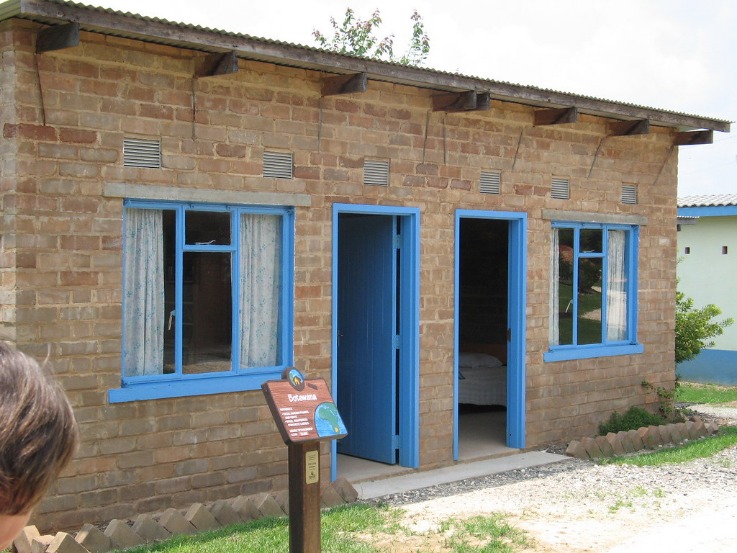
Traditional rural houses in Botswana are an important part of the country’s cultural heritage. These houses typically reflect the simplicity and practicality of rural life, often built using locally available materials. One common type is the rondavel, a circular hut with a thatched roof made from grass or reeds. Rondavels provide insulation against the hot climate and are easy to construct. In some regions, traditional houses are constructed with mud bricks or clay, giving them a sturdy and natural appearance. These houses often feature small openings for ventilation and are designed to suit the natural environment. The layout of rural houses can also include a surrounding courtyard, which offers privacy and space for daily activities. Overall, Botswana’s traditional rural houses emphasize sustainability, community, and harmony with nature, preserving the country’s cultural identity through their architecture.
Urban Modern Houses
Urban modern houses in Botswana are characterized by their contemporary designs and innovative architecture, reflecting the country’s growing urban development. These houses typically feature spacious layouts, large windows, and open-plan living areas to accommodate modern lifestyles. Materials such as glass, steel, and concrete are commonly used, providing durability and aesthetic appeal. Many urban modern homes incorporate energy-efficient systems and eco-friendly features, aligning with sustainability goals. These houses often include amenities like modern kitchens, luxurious bathrooms, and private gardens, catering to the needs of urban residents seeking comfort and convenience. Overall, urban modern houses in Botswana represent a blend of functionality, style, and advanced technological integration, symbolizing the country’s progress and urbanization trends.
Government-Constructed Housing
In Botswana, various types of houses reflect the country’s diverse cultural and economic landscape, with government-constructed housing playing a significant role in providing affordable shelter for its citizens.
- Traditional Houses: These include rondavels and thatched roof structures, typically built using local materials like mud, poles, and grass, representing indigenous architectural styles.
- Modern Residential Homes: Comprising single-family houses, duplexes, and apartments made with concrete, bricks, and modern construction techniques to cater to urban areas.
- Government-Constructed Housing: The Botswana government has initiated various housing programs to address urban growth and housing shortages. These include:
- Public Housing Projects: Designed to provide affordable housing options to low-income families, often built in new suburbs or urban development areas.
- Housing Developments: Large-scale estates with standardized designs, amenities, and infrastructure, aimed at improving living standards and urban planning.
- Resettlement Housing: Facilities constructed to relocate communities affected by infrastructure projects or environmental challenges, ensuring adequate shelter and community services.
Architectural Styles
Architectural styles in Botswana reflect a rich blend of traditional and modern influences, showcasing the country’s diverse cultural heritage and adaptation to local climates. From the use of natural materials to contemporary designs, Botswana houses illustrate the evolution of residential architecture in the region. Understanding these styles provides insight into the unique aesthetic and functional choices made by local communities and architects alike.
Grass and Thatch Roofed Houses
In Botswana, traditional houses often showcase distinctive architectural styles that reflect the cultural heritage and environmental adaptations of the region. One prominent feature is the use of grass and thatch roofs, which are both functional and aesthetic. These roofs provide natural insulation, keeping interiors cool in the hot climate and warm during cooler months. The grass and thatch materials are locally sourced, making them sustainable and environmentally friendly. Such houses are typically built using natural materials like wood, mud, and clay, contributing to their earthy and harmonious appearance. This style embodies the indigenous craftsmanship and cultural identity of the Botswana people, blending practicality with traditional beauty.
Brick and Concrete Structures
Botswana houses showcase a variety of architectural styles that reflect both traditional and modern influences. Many structures incorporate local materials and design elements that harmonize with the natural environment, emphasizing sustainability and cultural heritage. Brick and concrete are among the most commonly used building materials in contemporary Botswana homes, offering durability and versatile design options. Brick structures often feature intricate patterns and textures that highlight craftsmanship, while concrete provides a sleek, modern finish suitable for various architectural styles. Together, these materials enable architects to create functional, aesthetically pleasing residences that adapt to the climate and cultural context of Botswana.
Contemporary Architectural Designs
Contemporary architectural designs in Botswana often reflect a blend of modern aesthetics and traditional influences, creating unique and functional living spaces. These styles emphasize clean lines, open floor plans, and the use of sustainable materials to adapt to the local climate and environment. In Botswana, many houses incorporate elements such as large windows for natural ventilation, shaded verandas for outdoor living, and locally sourced construction materials. Architectural styles like minimalist, modernist, and eco-friendly designs are popular, showcasing an innovative approach while respecting the cultural heritage. Overall, contemporary Botswana houses are characterized by their simplicity, integration with nature, and emphasis on comfort and efficiency.
Materials Used in House Construction
Materials used in house construction play a vital role in determining the durability, appearance, and sustainability of homes in Botswana. Local resources and climate conditions influence the choice of building materials, ensuring that houses are well-suited to the environment. From traditional methods to modern techniques, understanding these materials helps in creating safe and comfortable living spaces across Botswana.
Local Materials: Adobe, Thatch, and Mud
In Botswana, traditional house construction often relies on locally available materials such as adobe, thatch, and mud. These materials are favored because they are abundant, affordable, and well-suited to the climate conditions of the region. Adobe, made from a mixture of clay, sand, water, and organic materials like straw, is used to build sturdy walls that provide good insulation against the heat. Thatch, composed of dried grasses or palm leaves, is traditionally used for roofing, offering natural ventilation and protection from the sun. Mud, often applied as a plaster or as a core material in construction, enhances the durability and aesthetic appeal of the structures. Using these local materials not only supports sustainable building practices but also helps preserve the cultural heritage of Botswana’s traditional architecture.
Modern Construction Materials
In Botswana, the construction of houses has evolved significantly with the adoption of modern materials that enhance durability, sustainability, and aesthetic appeal. Traditional materials such as mud bricks and thatch are now complemented or replaced by contemporary options like concrete blocks and steel, providing better insulation and strength. Cement is widely used for foundations, walls, and flooring, ensuring stability and longevity. Glass is increasingly incorporated into designs for natural lighting and ventilation, while sustainable materials like bamboo and recycled plastics are gaining popularity for eco-friendly construction. Additionally, advanced insulation materials such as polystyrene and polyurethane improve energy efficiency in Botswana’s climate, making homes more comfortable and cost-effective.
Housing Development Trends
Housing development trends in Botswana are evolving rapidly, reflecting the nation’s economic growth and urbanization patterns. As urban centers expand, there is a growing emphasis on affordable, sustainable, and innovative housing solutions to accommodate the increasing population. Understanding these trends provides insights into the future of housing infrastructure and the government’s efforts to improve living standards across the country.
Urban Expansion and Modernization
Housing development in Botswana has experienced significant transformation driven by urban expansion and modernization efforts. As cities like Gaborone grow rapidly, the demand for improved and sustainable housing solutions has increased, shaping the country’s urban landscape.
- Urban Expansion: Botswana’s urban areas are expanding due to rural-to-urban migration, which necessitates the development of new residential districts and infrastructure. Modern neighborhoods are emerging to accommodate this growth.
- Modernization of Housing: The shift from traditional to contemporary housing styles includes the integration of modern building materials, utility systems, and energy-efficient designs. This enhances living standards and supports sustainable development.
- Government Initiatives: The Botswana government has launched policies aimed at increasing affordable housing, promoting urban planning, and improving infrastructure to support expanding city populations.
- Technological Integration: Smart home technology and digital urban planning tools are increasingly being incorporated into housing projects, making homes more efficient and cities more livable.
- Sustainable Development: Emphasis on green building practices and eco-friendly materials is evident in new housing developments to reduce environmental impact and ensure long-term sustainability.
Rural Housing Improvements
Housing development trends in Botswana show a significant focus on improving rural housing to enhance living standards and promote sustainable development. In recent years, there has been an emphasis on integrating modern building techniques with traditional designs to create affordable and durable homes for rural communities.
Government initiatives and partnerships with private sectors have driven efforts to upgrade rural housing infrastructure, including better access to water, sanitation, and electricity. These improvements aim to reduce rural-urban migration by making rural areas more livable and economically viable.
Additionally, innovative construction methods such as prefab and eco-friendly materials are increasingly being adopted to expedite building processes and ensure environmentally sustainable housing options. Community involvement and local employment are also prioritized to foster ownership and ensure that housing solutions are culturally appropriate and meet local needs.
Overall, the trend towards rural housing improvements in Botswana reflects a comprehensive approach that combines modernization with traditional values, aiming to create sustainable and resilient living environments for all citizens.
Government Housing Initiatives

Housing development trends in Botswana have seen a significant shift towards sustainable and affordable housing solutions to meet the growing population’s needs. The government has initiated various programs to improve living standards and promote inclusive urban growth. One of the key initiatives includes the Massive Housing Development Program, aimed at constructing affordable homes for low-income families and reducing homelessness. Additionally, Botswana has embraced public-private partnerships to accelerate housing projects, ensuring efficient resource utilization and faster delivery of housing units. The government also promotes the use of local materials and innovative construction techniques to enhance affordability and sustainability. Overall, these efforts reflect Botswana’s commitment to providing decent, durable, and accessible housing for its citizens, fostering socio-economic development across the country.
Challenges in Housing Sector
The housing sector in Botswana faces numerous challenges that hinder affordable and adequate housing for its growing population. Rapid urbanization, limited land availability, and financial constraints contribute to the persistent housing shortage. Additionally, issues such as inadequate infrastructure, rising construction costs, and a lack of sustainable building practices further complicate efforts to improve housing conditions across the country.
Housing Shortage in Urban Areas
Challenges in the housing sector in Botswana, particularly in urban areas, are a pressing issue that affects many residents. Rapid urbanization has led to increased demand for affordable and adequate housing, but the supply has struggled to keep pace. As a result, densely populated informal settlements have emerged, often lacking proper infrastructure and services.
The housing shortage in Botswana’s urban regions is driven by factors such as rising population growth, limited land availability, and construction costs. This shortage leaves many low-income families without access to decent housing, exacerbating poverty and social inequality. Additionally, bureaucratic hurdles and lack of efficient planning complicate efforts to address the housing deficit.
Furthermore, economic constraints and limited government resources hinder large-scale housing development projects. As urban areas continue to expand, the need for sustainable, affordable, and well-planned housing solutions becomes increasingly urgent to improve living conditions and promote social stability in Botswana.
Affordability and Land Costs
The housing sector in Botswana faces significant challenges related to affordability and land costs, impacting the accessibility of decent housing for many citizens. Rising land prices, driven by limited available land and urbanization, have led to increased costs for developers and prospective homeowners alike. This disparity makes it difficult for low- and middle-income families to afford quality housing, often pushing them into informal settlements or substandard living conditions. Additionally, bureaucratic hurdles and delays in land allocation further exacerbate the problem, hindering efficient housing development. Addressing these issues requires coordinated efforts to implement affordable housing policies, streamline land distribution processes, and promote sustainable urban planning to ensure that housing remains accessible to all segments of Botswana’s population.
Infrastructure and Utilities
The housing sector in Botswana faces numerous challenges linked to infrastructure and utilities, which hinder sustainable development and access to quality housing for its population.
- Limited Access to Adequate Infrastructure: Many residential areas lack proper roads, drainage systems, and transportation networks, making it difficult for residents to connect to essential services.
- Inadequate Utilities Supply: Frequent interruptions in electricity, water supply, and sanitation services impact the livability of housing developments across the country.
- High Cost of Building Materials: The high costs associated with construction materials hinder affordable housing initiatives and delay project completion.
- Rapid Urbanization: Increasing urban population puts pressure on existing infrastructure, leading to overcrowding and stretched utility services.
- Insufficient Investment: Limited funding and investment in infrastructure projects restrict the expansion and upgrading of utilities to meet current demands.
- Land Tenure and Planning Challenges: Complex land tenure systems and inadequate urban planning contribute to informal settlements lacking proper infrastructure and utilities.
- Environmental Constraints: Geographic and environmental factors such as water scarcity and challenging terrain affect the development and sustainability of housing projects.
Government Policies and Programs
Government policies and programs play a vital role in shaping the housing sector in Botswana. These initiatives aim to improve access to affordable and quality housing for all citizens, addressing challenges such as urbanization, housing shortages, and infrastructure development. Through strategic planning and resource allocation, the government strives to create sustainable community living environments and enhance the overall living standards in the country.
National Housing Policy
The National Housing Policy of Botswana aims to address the growing demand for affordable and sustainable housing across the country. It focuses on promoting inclusive development by providing access to quality housing for all citizens, especially the underserved communities. The policy emphasizes innovative construction techniques, land tenure security, and the promotion of public-private partnerships to accelerate housing delivery. Additionally, Botswana’s government has implemented various programs such as the National Housing Development Program and special housing schemes for low-income families, ensuring that housing resources are equitably distributed and improved. These initiatives are part of the broader effort to enhance living conditions, stimulate economic growth, and foster social stability within the nation.
Housing Subsidies and Financing
Government policies and programs in Botswana play a vital role in addressing housing needs and ensuring access to affordable shelter for its citizens. These initiatives focus on providing direct housing subsidies, improving infrastructure, and promoting sustainable development within urban and rural areas. Through targeted funding and strategic planning, Botswana aims to reduce the housing deficit and enhance living conditions for low-income families.
Housing subsidies in Botswana are designed to make homeownership more accessible by offering financial assistance to qualifying individuals and families. These subsidies often cover part of the construction costs or provide low-interest loans, easing the financial burden and encouraging long-term investment in property. The government also collaborates with private sector partners to expand the reach and effectiveness of these programs.
Financing options for housing in Botswana include government-supported loan schemes, microfinance programs, and commercial bank offerings tailored to the needs of low- and middle-income households. Such financial products are structured to be affordable, with flexible repayment terms, helping citizens overcome barriers to entry in the housing market. Overall, these policies and programs contribute significantly to the goal of providing sustainable, accessible housing across Botswana.
Building Regulations and Standards
Government policies and programs in Botswana play a crucial role in shaping the development of housing and building infrastructure across the country. These initiatives aim to provide affordable, safe, and sustainable housing solutions for its citizens. Building regulations and standards are essential components that ensure construction quality, safety, and environmental sustainability in Botswana’s housing sector. The government has implemented various regulations to control building practices, promote energy efficiency, and ensure that structures meet health and safety standards. These policies also support urban planning and development projects, facilitating orderly growth in major cities such as Gaborone, Molepolole, and Francistown. By adhering to national standards, builders and developers contribute to reducing hazards, enhancing durability, and creating habitable environments that meet the needs of Botswana’s diverse communities. Overall, these government policies and building regulations are instrumental in advancing Botswana’s housing sector towards greater sustainability and resilience.
Future Developments in Housing
As Botswana continues to grow and develop, the future of housing in the country promises innovative solutions and sustainable designs. Advances in technology, eco-friendly materials, and urban planning are shaping the way homes are constructed and inhabited. These developments aim to address increasing housing demands while promoting environmental conservation and improving the quality of life for residents.
Smart Homes and Technology Integration
Future developments in housing in Botswana are poised to embrace advanced smart home technologies and innovative integration of cutting-edge systems to enhance living standards. As urbanization accelerates, there is a growing focus on sustainability, energy efficiency, and automation to meet the needs of a diverse population. Smart homes will incorporate features such as automated lighting, climate control, security systems, and water management to create more comfortable and secure environments for residents.
With the advent of technology, Botswana is expected to see increased adoption of Internet of Things (IoT) devices that seamlessly connect appliances, sensors, and networks, allowing homeowners to monitor and control their homes remotely. Additionally, developments in renewable energy solutions, like solar power, will be integrated into residential structures, reducing reliance on traditional energy sources and promoting eco-friendly living.
Future housing developments will likely include modular and prefabricated homes equipped with smart technology, making housing more affordable and rapidly deployable. Enhanced connectivity infrastructure will enable smarter building management systems, improving efficiency and sustainability. Overall, Botswana’s housing sector is set to transform through technology, fostering smarter, greener, and more responsive living environments for its citizens.
Affordable Housing Projects
Future developments in housing in Botswana focus on expanding affordable housing projects to accommodate the growing population and urban migration. Innovative building techniques and sustainable materials are being integrated to ensure cost-effective and environmentally friendly solutions. The government is collaborating with private developers to implement large-scale housing schemes that prioritize accessibility and quality of life for low-income families.
Additionally, smart housing technologies are expected to play a significant role in future developments, enhancing energy efficiency and security within residential areas. Efforts are also being made to improve infrastructure, such as roads and public transport, to support these housing initiatives and create integrated communities. Overall, Botswana’s future housing plans aim to reduce housing shortages and promote inclusive growth across urban and rural regions.
Sustainable and Eco-friendly Housing
Future developments in housing in Botswana are increasingly focused on sustainability and eco-friendliness, aiming to address environmental challenges while providing affordable and efficient living spaces. Innovative building materials and technologies are being introduced to reduce energy consumption and minimize environmental impact. Solar power integration is becoming more prevalent, harnessing Botswana’s abundant sunshine to supply households with sustainable energy. Additionally, the adoption of green roofs, rainwater harvesting systems, and natural ventilation techniques are enhancing the eco-credentials of residential buildings. Smart home technologies are also expected to play a significant role, promoting energy efficiency and improving residents’ quality of life. These developments represent a forward-thinking approach to housing that aligns with Botswana’s commitment to environmental preservation and sustainable development.



0 Comments