
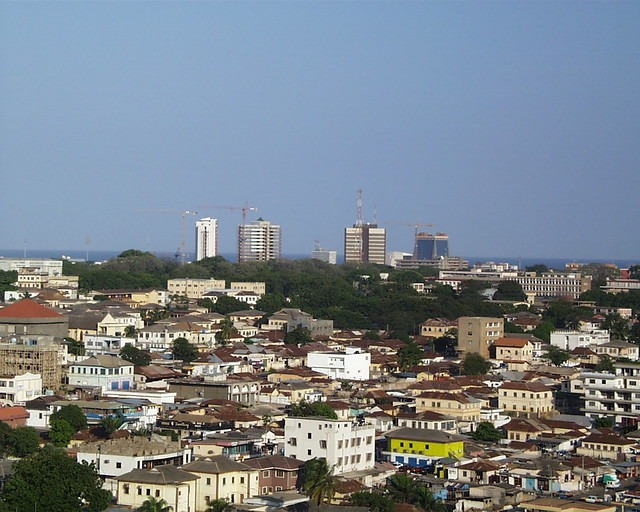
Overview of Accra
Accra is the vibrant capital city of Ghana, known for its rich history, diverse culture, and bustling urban life. As the economic and political center of the country, Accra offers a unique blend of modern development and traditional heritage. The city boasts beautiful beaches, lively markets, and significant landmarks that attract both residents and tourists alike, making it a dynamic hub in West Africa.
Historical Background
Accra, the capital city of Ghana, is a vibrant metropolis known for its rich history, diverse culture, and rapid development. It serves as the political, economic, and cultural center of the country, attracting people from different regions and backgrounds. The city boasts a blend of modern infrastructure and historical sites, making it a prominent destination in West Africa.
Historically, Accra has been inhabited for centuries, with its roots dating back to the pre-colonial era when it was a part of the Ashanti Empire and other local kingdoms. European traders arrived in the 15th century, establishing forts and trading posts, which contributed to the city’s growth as a key port. During the colonial period, it became a major hub for trade and administration under British rule. Ghana gained independence from Britain in 1957, and since then, Accra has continually expanded and modernized, reflecting its importance as the heart of the nation. Today, Accra stands as a symbol of Ghana’s progress and historical resilience.
Geographical Location
Accra is the capital city of Ghana, located along the Atlantic coast of West Africa. It serves as the political, economic, and cultural center of the country. Geographically, Accra is situated in the southeastern part of Ghana, within the Greater Accra Region. The city is characterized by its coastal plains and is bordered by the Gulf of Guinea to the south. Its strategic location along the coast has made it a vital hub for trade, commerce, and international connections in the region.
Population and Demographics
Accra is the vibrant capital city of Ghana, renowned for its rich history, diverse culture, and dynamic economic activities. As the political and administrative center of the country, Accra hosts numerous government buildings, foreign embassies, and businesses, making it a bustling hub of activity.
The population of Accra has been rapidly growing over the past few decades, currently estimated to be over 2.5 million residents, with some reports indicating a metropolitan area population exceeding 4 million. This growth is driven by rural-urban migration, economic opportunities, and urban development projects.
The demographics of Accra are characterized by a youthful population, with a significant percentage under the age of 30. The city is ethnically diverse, featuring various ethnic groups including Akan, Ewe, Ga, and other Ghanaian communities, as well as expatriates and immigrants from neighboring West African countries and beyond. This diversity contributes to the vibrant cultural landscape and social fabric of Accra.
Administrative and Political Significance
Accra, the capital city of Ghana, holds significant administrative and political importance in the country. As the political hub, it is the center of government operations, hosting key institutions such as the Parliament House, Presidential Palace, and various ministries. Additionally, Accra plays a crucial role in shaping national policies and fostering economic development, making it a vital location for both governance and political activities in Ghana.
Capital Status and Governance
Accra, the capital city of Ghana, holds substantial administrative and political significance as the country’s political hub and center of governance. It houses key government institutions, including the Presidential Palace, Parliament House, and various ministries, making it the heart of legislative and executive activities in Ghana. As the capital, Accra plays a pivotal role in national policymaking, political discourse, and development planning.
Accra’s status as the capital city underscores its importance in the nation’s administrative framework. It functions as the primary location for diplomatic missions, international organizations, and regional administration offices, facilitating effective governance and international cooperation. The city’s political importance is also reflected in its history of hosting significant political events, protests, and state functions.
In terms of governance, Accra benefits from a well-established administrative structure that oversees urban management, public services, and economic activities. It is governed by a city authority responsible for urban planning, infrastructure, and service delivery, ensuring the city’s smooth operation. The capital’s political stability and administrative coherence are vital for Ghana’s overall development and regional influence.
Role in National Politics
Accra, the capital city of Ghana, holds substantial administrative and political significance within the country. As the political hub, it hosts the seat of government, including the President’s office, Parliament, and key ministries responsible for national governance. Its strategic location and historical importance make it a focal point for political activities and decision-making processes in Ghana.
- Accra serves as the central location for political administration, enabling effective governance and policy implementation nationwide.
- It hosts major political events, national elections, and diplomatic engagements, reinforcing its role as the political heart of Ghana.
- The city’s infrastructure and institutions support active political participation and civic engagement among its citizens.
- Accra acts as a symbolic center of national unity and identity, often reflecting the political climate of Ghana.
- It influences national politics through media, political organizations, and think tanks situated within the city.
Municipal Structure
The administrative and political significance of Accra, the capital city of Ghana, lies in its role as the center of government, governance, and political activity. It hosts key governmental institutions, including the presidential palace, parliament, and various ministries, making it the hub of decision-making and policy formulation in the country. The city also serves as the primary location for diplomatic missions and international organizations, emphasizing its importance in national and international affairs.
Accra’s municipal structure is organized to facilitate effective governance and service delivery. It is divided into various administrative districts and sub-municipalities, each managed by local government authorities. These local bodies are responsible for urban planning, sanitation, education, and community development, ensuring that the needs of its diverse population are addressed efficiently. The municipal government operates within a framework that promotes decentralization, allowing local leaders to implement policies suited to their communities while aligning with national objectives.
Economic Importance
Accra, the capital city of Ghana, plays a vital role in the country’s economic development. As a major hub for trade, commerce, and industry, it contributes significantly to national and regional economies. The city’s strategic location and vibrant markets attract investments and foster economic growth, making it an essential center for business activities in West Africa.
Commercial Hub
Accra, the capital city of Ghana, holds significant economic importance as a key commercial hub in West Africa. It serves as the center of finance, trade, and industry, driving the country’s economic growth and development.
- Major commercial activities and markets are concentrated in Accra, making it the primary trading hub in Ghana.
- The city hosts numerous international businesses and financial institutions, facilitating regional and continental commerce.
- Accra’s port and transportation infrastructure enable efficient movement of goods and services, boosting trade and commerce.
- The vibrant real estate and hospitality sectors attract investments and support tourism development.
- Accra acts as a gateway for foreign investment, contributing significantly to Ghana’s GDP and employment opportunities.
Major Industries
Accra, the capital city of Ghana, holds significant economic importance for the country. It serves as the central hub for political, commercial, and cultural activities, fostering economic growth and development. The city’s strategic location and infrastructure investments have attracted both domestic and international businesses, boosting trade and investment opportunities.
Major industries in Accra include manufacturing, oil and gas, telecommunications, and services such as finance and tourism. The manufacturing sector produces consumer goods, textiles, and building materials, contributing substantially to the local economy. The oil and gas industry plays a crucial role due to Ghana’s offshore oil reserves, generating revenue and employment. The telecommunications sector continues to expand, supporting technological advancement and connectivity. Additionally, tourism is an important industry, with Accra attracting visitors to its historic sites, markets, and cultural festivals, further fueling economic activity.
Trade and Commerce
Accra, the capital city of Ghana, plays a vital role in the economic importance, trade, and commerce of the country. As the economic hub, it hosts numerous businesses, financial institutions, and markets that drive Ghana’s economy forward. The city’s strategic location along the Gulf of Guinea facilitates international trade, making it a key gateway for importing and exporting goods. Akra’s busy ports and improved infrastructure enhance trade connectivity with global markets, boosting commerce in the region. Additionally, the vibrant markets and commercial centers in Accra support local entrepreneurs and attract investment, reinforcing its position as an essential center for economic activity in Ghana.
Cultural and Social Highlights
Accra, the vibrant capital city of Ghana, is a melting pot of rich cultural traditions and lively social scenes. It offers a unique blend of historical heritage, colorful festivals, and dynamic arts, making it a showcase of Ghanaian identity. Visitors can immerse themselves in the local music, dance, and culinary delights that reflect the diverse and vibrant spirit of this bustling metropolis.
Historical Landmarks
Accra, the vibrant capital city of Ghana, is renowned for its rich cultural and social scene, as well as historical landmarks that reflect the nation’s complex history. The city offers a unique blend of traditional heritage and modern energy, making it a compelling destination for visitors and locals alike.
One of the most prominent cultural highlights in Accra is the National Museum of Ghana, which showcases the country’s diverse history, art, and cultural practices. The city also hosts numerous festivals, such as the Chale Wote Street Art Festival, celebrating contemporary art, music, and dance from Ghanaian and international artists.
Accra’s social scene is vibrant, with bustling markets like Makola Market, where traders sell traditional fabrics, crafts, and local foods, providing a glimpse into everyday Ghanaian life. The city’s nightlife features lively music venues and nightclubs that highlight highlife and afrobeat music genres.
Historically, Accra is home to several significant landmarks, including the Cape Coast Castle nearby, which is a reminder of the transatlantic slave trade. The Independence Arch and Black Star Square are pivotal symbols of Ghanaian independence and pride. Additionally, the W.E.B. Du Bois Center honors the legacy of the renowned scholar and civil rights activist.
Educational Institutions
Accra, the vibrant capital city of Ghana, is a hub of cultural and social richness. It boasts a blend of traditional practices and modern influences, reflected in its lively music scene, colorful festivals, and diverse cuisine. The city hosts numerous events that showcase Ghanaian heritage, fostering a strong sense of community and identity among residents and visitors alike.
Educational institutions in Accra are renowned for their quality and diversity. The city is home to prestigious universities such as the University of Ghana, which offers a wide range of programs and attracts students from across Africa. Additionally, there are numerous secondary schools, technical colleges, and international schools that provide excellent education, making Accra a center for academic excellence and intellectual growth.
Festivals and Events
Accra, the vibrant capital of Ghana, is renowned for its rich cultural heritage, lively festivals, and diverse social events that showcase the country’s traditions and modern spirit.
- Homowo Festival: Celebrated by the Ga people, this festival honors their history and harvest, featuring colorful parades, traditional dances, and communal feasts.
- Chale Wote Street Art Festival: An annual event that transforms Accra’s James Town into an open-air gallery, highlighting street art, music, dance, and performance arts.
- Chirman Festival: A traditional festival of the Hausa-Fulani communities in Accra, marked by cultural displays, music, and communal celebrations.
- Panafest: A Pan-African festival held every two years celebrating African history, unity, and culture through performances, symposiums, and workshops.
- Accra Fashion Week: A modern social event that showcases Ghanaian designers and promotes the country’s fashion industry on an international stage.
Tourist Attractions
Accra, the vibrant capital city of Ghana, is a bustling hub of culture, history, and modern attractions. Visitors to Accra can explore its lively markets, historic sites, and beautiful beaches, offering a perfect blend of tradition and contemporary life. With its warm hospitality and diverse attractions, Accra is an exciting destination for travelers seeking to experience the rich heritage of Ghana.
Historical Sites
Accra, the vibrant capital city of Ghana, is rich in tourist attractions and historical sites that draw visitors from around the world. The city offers a blend of modern infrastructure and cultural heritage, making it an ideal destination for travelers interested in history and local culture.
One of the most prominent historical sites in Accra is Cape Coast Castle, a UNESCO World Heritage Site that played a significant role in the trans-Atlantic slave trade. Visitors can explore the dungeons and learn about Ghana’s complex history through informative exhibits. Near Accra, the W.E.B. Du Bois Center commemorates the life and legacy of the eminent scholar and activist, offering insights into Ghana’s history of Pan-Africanism.
Another notable attraction is Independence Square, also known as Black Star Square, which symbolizes Ghana’s independence and national pride. The Effigy of Dr. Kwame Nkrumah, Ghana’s first president, is a significant historical monument that reflects the country’s journey to independence. Additionally, the Labadi Beach offers relaxation and entertainment along the Atlantic coast, providing a contrast to the city’s historical sites.
Accra is also home to numerous museums, such as the National Museum of Ghana, which showcases Ghanaian art, ethnography, and history. The Jamestown area, known for its colonial architecture and lighthouse, offers a glimpse into the city’s colonial past and vibrant local culture. These sites collectively make Accra a compelling destination for those interested in exploring Ghana’s rich history and cultural heritage.
Beaches and Natural Attractions
Accra, the vibrant capital city of Ghana, offers a diverse range of tourist attractions, beautiful beaches, and stunning natural sights. Visitors can explore historical sites such as the W.E.B. Du Bois Center and the Independence Square, which highlight Ghana’s rich cultural heritage. For those seeking relaxation, the city boasts several popular beaches like Labadi Beach and Coco Beach, known for their lively atmosphere and water activities. Additionally, the surrounding natural attractions, including the Shai Hills Reserve and Ada River, provide opportunities for wildlife viewing, hiking, and enjoying Ghana’s lush landscapes. Accra seamlessly blends urban excitement with natural beauty, making it an ideal destination for travelers.
Museums and Cultural Centers
Accra, the vibrant capital city of Ghana, is rich in tourist attractions, museums, and cultural centers that showcase the country’s history and traditions. Visitors can explore the W.E.B. Du Bois Center, dedicated to the life and achievements of the renowned scholar and activist. The National Museum of Ghana offers a fascinating insight into Ghanaian history, art, and culture through its extensive exhibits.
For outdoor enthusiasts, Labadi Beach provides a lively atmosphere with music, dance, and local food, making it a popular destination for both locals and tourists. The Artists Alliance Gallery is a must-visit for art lovers, displaying local craftsmanship and contemporary Ghanaian art. Additionally, the Kwame Nkrumah Mausoleum serves as a significant historical site, honoring Ghana’s first president and his contributions to independence.
Accra’s cultural centers often host traditional festivals, dance performances, and craft markets that allow visitors to experience the vibrant Ghanaian culture firsthand. Whether exploring historical museums or lively markets, visitors to Accra enjoy a rich tapestry of cultural experiences that reflect the soul of Ghana.
Urban Development and Infrastructure
Urban development and infrastructure are vital components in shaping the growth and vibrancy of Ghana’s capital city, Accra. As the city continues to expand rapidly, it faces the challenge of providing sustainable services, improved transportation, and modern amenities to accommodate its growing population. Effective urban planning and investment in infrastructure are essential for fostering economic development, enhancing quality of life, and ensuring a resilient and connected city for future generations.
Transport Networks
Accra, the capital city of Ghana, has experienced rapid urban development and infrastructure growth over the past few decades. The city has expanded significantly, attracting population influxes that necessitate improved infrastructure and transportation networks.
The development of modern roads, bridges, and public transportation systems has been prioritized to facilitate efficient movement within the city. Projects such as the Accra Metro, though still under development, aim to reduce traffic congestion and provide reliable transit options for residents and visitors alike.
Additionally, urban planning initiatives focus on sustainable development, integrating green spaces and smart city technologies to enhance the quality of urban life. The expansion of amenities and infrastructure also supports Ghana’s economic growth, making Accra a vital hub for commerce and culture in West Africa.
Housing and Real Estate
Accra, the capital city of Ghana, has experienced rapid urban development driven by economic growth and population influx. This expansion has led to significant improvements in infrastructure, including road networks, bridges, and public transportation systems, aimed at supporting the growing urban population. Efforts are also underway to enhance sanitation and water supply to ensure sustainable living standards.
In the housing and real estate sector, there has been a surge in modern residential projects, commercial complexes, and urban estates to accommodate the expanding middle class and expatriate community. However, challenges such as housing affordability, illegal settlements, and urban sprawl remain focal points for urban planners. The city continues to pursue sustainable development strategies to balance growth with environmental conservation and social inclusivity.
Public Services and Utilities
Accra, the capital city of Ghana, has experienced rapid urban development and infrastructure growth over recent years. This development aims to improve living standards, foster economic activity, and support a growing population. The city’s infrastructure includes roads, bridges, and modern buildings that are continuously expanding to meet urban demands.
- Public transportation systems have expanded, including mini-bus networks and urban transit options to reduce traffic congestion.
- Utilities such as electricity, water, and sanitation services have seen significant improvements, though challenges remain in some areas.
- Efforts are underway to enhance waste management and water supply systems, ensuring sustainable urban living.
- Public services like healthcare, education, and emergency response are also being strengthened to serve the diverse population of Accra.
- Smart city initiatives are being explored to leverage technology for efficient urban management and improved public services.
Challenges Facing Accra
Accra, the vibrant capital city of Ghana, faces a range of challenges as it continues to grow rapidly. Rapid urbanization has led to increased pressure on infrastructure, transportation, and public services. Additionally, issues such as traffic congestion, waste management, and uneven access to amenities pose significant hurdles for sustainable development. Addressing these challenges is crucial for ensuring a better quality of life for all residents and fostering the city’s long-term prosperity.
Urbanization and Overpopulation
Accra, the capital city of Ghana, faces numerous challenges due to rapid urbanization and overpopulation. These issues threaten the city’s infrastructure, environment, and overall quality of life for its residents.
- Overburdened Infrastructure: The increase in population has led to strain on transportation, healthcare, and sanitation services, causing frequent congestion and inadequate facilities.
- Housing Shortages: Rapid urban growth has outpaced the development of suitable housing, resulting in the proliferation of informal settlements and slum areas.
- Environmental Degradation: Increased waste production, deforestation, and pollution from industrial and domestic activities pose significant risks to Accra’s environment.
- Unemployment and Poverty: Overpopulation can lead to high unemployment rates, as job opportunities struggle to keep up with demographic growth, exacerbating poverty levels.
- Traffic Congestion: The influx of residents has caused severe traffic jams, affecting daily commutes and productivity within the city.
- Limited Urban Planning: Unplanned expansion and inadequate urban planning exacerbate problems related to infrastructure and resource management.
Environmental Issues
Accra, the vibrant capital city of Ghana, faces numerous environmental challenges that threaten its development and the well-being of its residents. Rapid urbanization has led to increased pressure on the city’s infrastructure, resulting in overcrowded neighborhoods and inadequate waste management systems. Pollution from vehicles, industries, and improper waste disposal significantly degrades air and water quality, posing health risks to inhabitants. Additionally, Accra encounters challenges related to deforestation and land degradation, which affect local ecosystems and contribute to climate change. Flooding during the rainy season is also a recurrent problem, worsened by poor drainage systems and unplanned settlements along waterways. Addressing these environmental issues is crucial for sustainable growth and improving the quality of life in Accra.
Traffic Congestion
Accra, the vibrant capital city of Ghana, faces significant challenges related to traffic congestion that impact daily life and economic activities. As the population continues to grow rapidly, the city’s infrastructure struggles to keep pace, leading to overcrowded roads and lengthy commutes.
One of the main causes of traffic congestion in Accra is the insufficient public transportation system, which forces many residents to rely on private vehicles. This increase in private car usage contributes to road congestion, air pollution, and higher commute times.
The limited road infrastructure and poor traffic management also exacerbate congestion issues, especially during peak hours. Narrow roads, illegal parking, and inadequate traffic signals make it difficult to maintain smooth traffic flow.
Furthermore, urban planning challenges, such as unplanned residential and commercial development, have led to congestion hotspots across the city. This not only hampers mobility but also affects economic productivity and quality of life for residents.
Efforts to address these challenges include the development of better public transportation systems, expansion of road networks, and improved traffic management strategies. However, sustainable urban planning remains crucial to effectively manage traffic congestion in Accra and support the city’s growth.



0 Comments