
Pre-Colonial Era and Early Settlements
The Pre-Colonial Era and Early Settlements in the history of Seychelles mark the foundational period before European influence transformed the islands. During this time, the islands were inhabited by early settlers and explorers who laid the groundwork for future development. Understanding this period offers valuable insights into the origins and initial stages of human activity in the Seychelles archipelago, setting the stage for subsequent cultural and historical transformations.
Indigenous Inhabitants and Early Exploration
The history of Seychelles during the Pre-Colonial Era and Early Settlements is marked by the presence of Indigenous inhabitants and the initial waves of exploration by explorers from various nations. Before European contact, the islands were likely uninhabited, with the first known visitors arriving in the 16th century. These early explorers, driven by the search for new territories and resources, mapped the islands and laid the groundwork for future settlement.
- The islands of Seychelles were uninhabited when first discovered by explorers, though some theories suggest the presence of early Polynesian or African visitors prior to European arrival.
- Portuguese explorers were among the first Europeans to chart the islands in the early 1500s during their voyages across the Indian Ocean.
- Despite their strategic location, the islands remained largely unclaimed and uninhabited until the late 18th century, when the French and British began establishing settlements.
- Early European explorers noted the islands’ lush vegetation and diverse marine life, which eventually attracted settlers and traders.
- The indigenous population was either nonexistent or very limited, with most early human activity centered around exploration and resource exploitation by European powers.
Initial European Contact and Discoveries
The history of the Seychelles during the Pre-Colonial Era and Early Settlements begins with the absence of indigenous inhabitants before European contact. The islands were uninhabited until explorers from Europe discovered them in the 16th century. Initial European contact was made by Portuguese explorers in the early 1500s, who charted the islands but did not establish permanent settlements. Over the subsequent centuries, Seychelles remained largely uninhabited until the arrival of sailors and explorers seeking strategic harbors and resources. These early discoveries paved the way for later European involvement, including the landing of French and British explorers, which significantly influenced the islands’ development and history.
Settlement by Arab and Austronesian Mariners
The history of Seychelles during the Pre-Colonial Era and Early Settlements is marked by the arrival of Arab and Austronesian mariners who explored the islands long before European colonization. These early travelers, primarily from the Arab world and Austronesian regions, are believed to have reached the islands between the 7th and 10th centuries, driven by trade routes spanning the Indian Ocean. Their presence laid the foundation for the islands’ early human activity and cultural exchanges. Although there is limited direct archaeological evidence, traditional stories and linguistic traces suggest these early visitors contributed to the initial awareness of Seychelles in the broader Indian Ocean trading network. The islands remained largely uninhabited by permanent settlements until later, when European explorers arrived in the 16th century, ushering in subsequent phases of colonization and development that shaped modern Seychelles.”
European Colonization and Colonial Administration
European colonization profoundly shaped the history of the Seychelles, transforming its social, political, and economic landscape. Colonial administration established during the 18th and 19th centuries brought about new governance structures, economic practices, and cultural influences that continue to influence the islands today. Understanding this history offers insight into the legacy of European presence and the subsequent path to independence and nationhood.
French Exploration and Settlement
The history of Seychelles is deeply intertwined with European colonization and exploration, especially by the French. In the late 18th century, French explorers and settlers established a presence on the islands, recognizing their strategic importance and beauty. French colonial administration introduced plantation agriculture, primarily focusing on the cultivation of vanilla, coconuts, and sugar, which relied heavily on enslaved Africans. The French claim to Seychelles was officially recognized in 1756 when Louis XV appointed a governor to oversee the islands. French settlers brought with them administrative practices that emphasized hierarchical governance, land distribution, and plantation economies, which laid the foundation for the islands’ social and economic structures. Despite changing hands to the British in the early 19th century, French language, culture, and legal traditions remained influential in Seychelles, shaping its development. French exploration and settlement thus played a crucial role in establishing the initial European influence that would define Seychelles’ colonial history and its path toward independence.
British Control and the Formal Colonization
The history of Seychelles is deeply intertwined with European colonization and the establishment of colonial administration, primarily under British control. Initially uninhabited, the islands attracted explorers and colonial powers in search of strategic advantages and resources. European countries, especially France and Britain, played significant roles in establishing control over these islands through formal colonization processes. The British officially took control of Seychelles in 1814 after the Treaty of Paris, which concluded the Napoleonic Wars. Under British rule, the islands were administered as a colony with a focus on developing plantations, particularly sugar, and managing the local population. Colonial administration involved establishing governance structures, legal systems, and economic policies aligned with British interests. Throughout this period, British control profoundly influenced Seychelles’ social, economic, and political development, laying the groundwork for its path toward independence in the 20th century. The formal colonization cemented British influence over Seychelles’ institutions and set the stage for the transition to self-governance and eventual independence in 1976.
Development of Plantation Economy and Slave Trade
The history of Seychelles is deeply intertwined with European colonization, which began in the 18th century when colonial powers such as France and Britain established control over the islands. European administrators introduced new systems of governance, often restructuring local societies to serve colonial economic interests.
During the colonial period, Seychelles saw the development of a plantation economy, primarily based on the cultivation of coconut, vanilla, and other commodities. The plantation system relied heavily on imported labor, leading to the growth of a significant enslaved population, particularly from Africa. These plantations became the economic backbone of the islands, shaping their social and economic structures.
The transatlantic slave trade played a crucial role in fueling this plantation economy, with enslaved Africans brought to Seychelles to work on the plantations under harsh conditions. The abolition of slavery in the 19th century prompted changes in labor systems but the legacy of colonial economic practices continued to influence Seychelles’ development for many years.
Overall, European colonization and administration, coupled with the growth of plantation agriculture and the slave trade, left a lasting impact on Seychelles’ demographic makeup, economic foundation, and societal organization, shaping the islands’ history and development.
Path to Independence
The Path to Independence in the history of Seychelles marks a significant milestone in the nation’s journey toward self-governance and national identity. It reflects the political, social, and economic changes that led Seychelles from a colonial territory to an independent nation. Understanding this path provides insight into the struggles and achievements that shaped the country’s modern history.
Rise of Nationalist Movements
The path to independence for Seychelles was marked by a gradual shift from colonial rule to self-governance, influenced by rising nationalist movements across Africa and the Indian Ocean region. Throughout the mid-20th century, local leaders and citizens grew increasingly dissatisfied with colonial administration, demanding greater political rights, economic control, and cultural recognition. The formation of political parties, such as the Seychelles People’s United and later the Seychelles People’s Progressive Front, exemplified the internal push for autonomy and national identity. These movements gained momentum in the 1960s and 1970s, driven by a desire to assert independence from British colonial rule. Ultimately, Seychelles achieved independence on June 29, 1976, signifying the culmination of years of political activism and the rise of a national consciousness among its people, establishing a sovereign nation with a unique cultural and historical identity.
Transition from Colonial Rule
The path to independence in Seychelles was marked by a gradual transition from colonial rule to self-governance, reflecting the country’s unique social and political developments. During the colonial era under British rule, efforts to foster local political awareness and organization grew, leading to the formation of political parties advocating for independence. The movement gained momentum in the mid-20th century, driven by a burgeoning sense of national identity and economic aspirations. Negotiations with the colonial administration intensified as Seychelles sought greater autonomy, culminating in constitutional reforms that expanded local legislative powers. These negotiations culminated in full independence on June 29, 1976, when Seychelles officially became a sovereign nation, ending decades of colonial dominance and paving the way for self-determined governance and national development.
Gaining Sovereignty and Establishing the Republic
The path to independence, gaining sovereignty, and establishing the republic were pivotal moments in the history of Seychelles, marking its transition from a colonial territory to a self-governing nation. After years of colonial rule under Britain, the Seychellois people gradually organized political movements advocating for greater autonomy and independence. In the 1960s, political parties such as the Seychelles Democratic Party and the Seychelles People’s United Party emerged, encouraging national dialogue and unity.
Following negotiations and constitutional reforms, Seychelles achieved independence on June 29, 1976, becoming a sovereign state within the Commonwealth of Nations. This milestone was not only a political change but also a symbol of Seychellois identity and self-determination. Subsequently, the country adopted a republican form of government, officially establishing itself as the Republic of Seychelles. These steps laid the foundation for its continued development and governance as an independent nation, charting its own course in regional and global affairs.
Post-Independence Developments
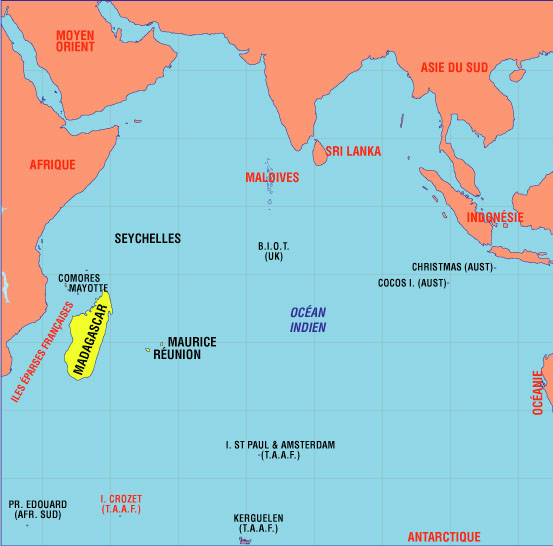
The post-independence period in Seychelles marked a significant chapter in the nation’s history, characterized by political, social, and economic transformations. Following independence, the country faced the challenge of establishing a stable governance structure and fostering national development. These developments laid the foundation for Seychelles’ modern identity, reflecting its pursuit of sovereignty, growth, and nation-building efforts in the years that followed.
Political Evolution and Leadership
Post-independence developments in Seychelles marked a significant phase in its political evolution, reflecting efforts to establish a stable and self-sufficient nation. After gaining independence from Britain in 1976, the country faced the challenge of consolidating its sovereignty while fostering economic growth and social cohesion.
Political evolution in Seychelles saw the transition from a colonial administration to a republic with a democratic framework. Initially led by President France-Albert René, who came to power through a coup in 1977, the country’s political landscape was characterized by shifts toward socialist policies and centralized governance during René’s early tenure. Over time, Seychelles gradually moved towards multi-party democracy, culminating in the first multi-party elections in 1993.
Leadership in Seychelles has been notably influential in shaping its modern history. France-Albert René, serving as President for over two decades, implemented policies aimed at developing tourism, fishing, and agriculture, which became vital sectors of the economy. His leadership set the stage for subsequent leaders who continued to strengthen democratic institutions and promote sustainable development. The nation’s political trajectory emphasizes stability, gradual reform, and the importance of effective leadership in navigating the complexities of post-independence nation-building.
Economic Growth and Tourism Industry
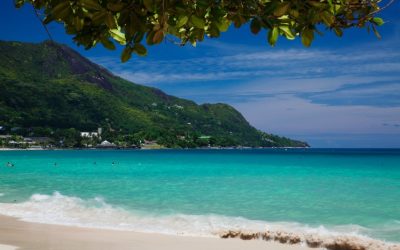
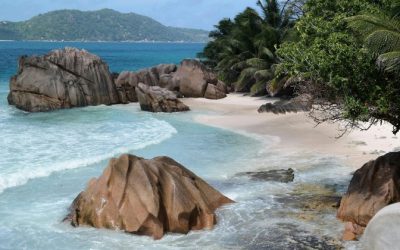
Following independence, Seychelles experienced significant developments across various sectors, notably in its economy and tourism industry. The nation shifted focus towards diversifying its economy, moving away from reliance on traditional fishing and agriculture towards services, especially tourism. The government invested in infrastructure and conservation efforts to promote Seychelles as a premier tourist destination, highlighting its pristine beaches, coral reefs, and unique biodiversity. This strategic emphasis led to substantial economic growth as tourism became a vital source of revenue, employment, and foreign exchange. The post-independence period also saw initiatives to strengthen political stability, improve educational and healthcare systems, and foster sustainable development, all of which contributed to the country’s overall national progress and global positioning as a desirable travel destination.
Environmental Conservation and Heritage Preservation
Following independence, the Seychelles embarked on a journey of national development, focusing on building a stable economy and governance framework. Efforts were made to diversify the economy beyond traditional agriculture towards tourism, fisheries, and services, contributing to socio-economic progress. Simultaneously, the nation placed a strong emphasis on environmental conservation, recognizing its unique island biodiversity. Policies were implemented to protect terrestrial and marine ecosystems, including establishing national parks and marine reserves. Heritage preservation also gained prominence, with initiatives to safeguard architectural landmarks, cultural traditions, and historical sites that reflect Seychelles’ diverse heritage. These developments underscore the country’s commitment to sustainable growth while conserving its natural and cultural heritage for future generations.

0 Comments