
Historical Significance of Egyptian Temples
Egyptian temples hold profound historical significance as enduring symbols of the ancient civilization’s religious, cultural, and political life. These grand structures served as sacred sites for worship, rituals, and offerings to gods and pharaohs, reflecting the civilization’s emphasis on divine authority and spiritual beliefs. Their intricate architecture and detailed inscriptions offer valuable insights into Egypt’s history, mythology, and societal organization, making them crucial to understanding the legacy of one of the world’s earliest and most influential cultures.
Role in Ancient Religion and Worship
Egyptian temples hold immense historical significance as they serve as enduring symbols of the ancient civilization’s religious practices and cultural identity. These monumental structures were designed to honor deities, facilitate religious rituals, and demonstrate the divine authority of pharaohs, reinforcing the divine order of the universe. Their architectural grandeur and intricate art reflect the theological beliefs and societal values of ancient Egypt, making them vital archaeological and cultural treasures.
In ancient Egyptian religion and worship, temples played a central role as the primary sites for religious ceremonies and offerings. They were considered the earthly dwelling places of gods, where priests conducted daily rituals to maintain Ma’at, the cosmic order. Temples were also centers of spiritual life, serving as focal points for festivals, initiations, and communal worship. The sacred spaces within temples, such as hypostyle halls and sanctuaries, were carefully designed to create a connection between the human and divine realms, underscoring the importance of religion in every aspect of ancient Egyptian society.
Architectural Development Over Dynasties
Egyptian temples hold immense historical significance as they served as vital religious, cultural, and political centers throughout ancient Egyptian civilization. These monuments were dedicated to gods and pharaohs, reflecting the divine authority bestowed upon rulers and the deeply spiritual nature of Egyptian society. The temples also functioned as sites for important rituals, festivals, and offerings, reinforcing the divine order and societal stability.
Over the course of various dynasties, Egyptian temple architecture evolved significantly, showcasing advancements in design, construction techniques, and symbolic artistry. Early structures featured simple post-and-lintel constructions, but over time, they developed into grandiose complexes with pylons, hypostyle halls, courtyards, and elaborate sanctuaries. The New Kingdom period, in particular, saw monumental developments such as the sprawling Karnak Temple, characterized by massive columns and intricate carvings that depict religious rituals and imperial achievements. Each dynasty contributed unique stylistic elements, reflecting changes in religious beliefs, political power, and technological capabilities, making Egyptian temples a living record of the civilization’s development over millennia.
Symbolism and Religious Rituals
Egyptian temples hold profound historical significance as they served not only as places of worship but also as symbols of divine kingship and cosmic order. These sacred structures were central to the spiritual and political life of ancient Egypt, embodying the unity between gods and pharaohs who were considered divine representatives on Earth. The grandeur and meticulous architecture of temples reflected the importance of religion in maintaining ma’at, the concept of harmony and balance essential to Egyptian culture.
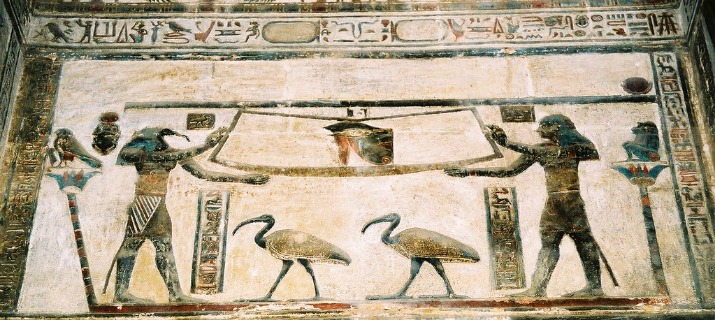
Symbolism played a crucial role in the design and decoration of Egyptian temples. Elements such as pylons, obelisks, and courtyards were imbued with meaning, representing cosmic principles and religious themes. Walls adorned with hieroglyphs and mythological scenes depicted the relationship between gods, pharaohs, and the universe, serving as visual narratives that reinforced religious beliefs and divine authority.
Religious rituals performed within temple precincts were vital for maintaining maat and ensuring the continued favor of the gods. These rituals included offerings, purification ceremonies, and processions, often conducted by priests who acted as intermediaries between the divine and human realms. Temples functioned as focal points for these practices, fostering a sense of spiritual connection and ensuring the prosperity and stability of the societal order.
Architectural Features of Egyptian Temples
Egyptian temples are remarkable architectural monuments that showcase the grandeur and spiritual significance of ancient Egyptian civilization. These temples feature a blend of massive stone structures, intricate carvings, and symbolic elements designed to honor gods and pharaohs. Their architectural features reflect the country’s religious beliefs, emphasizing harmony, symmetry, and enduring strength. From towering pylons to richly decorated sanctuaries, Egyptian temples continue to fascinated and inspire with their timeless design and cultural importance.
Main Components: Pylons, Hypostyle Halls, and sanctuaries
Egyptian temples are remarkable architectural structures that served as places of worship, rituals, and offerings dedicated to gods and pharaohs. Their design reflects religious symbolism and grandeur, emphasizing the connection between the divine and the earthly realm.
The main components of Egyptian temples include pylons, hypostyle halls, and sanctuaries, each serving specific purposes within the sacred complex.
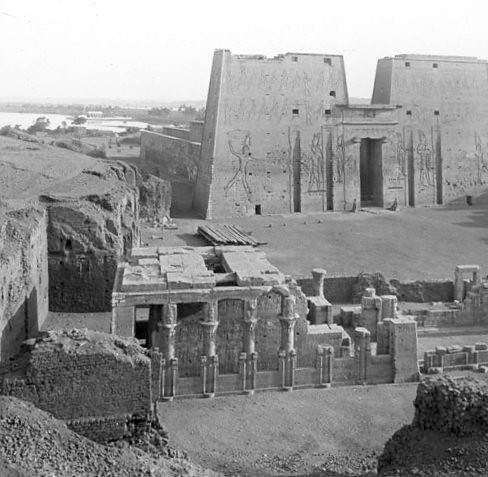
- Pylons: These are massive gateway structures that form the entrance to the temple. Typically consisting of two towering towers flanking a central gateway, pylons symbolize the horizon and the emergence of the sun god. They are decorated with reliefs and hieroglyphs depicting royal feats and divine myths.
- Hypostyle Halls: This large interior space features a forest of columns supporting a flat roof. The hypostyle hall is designed to impress with its scale and decorative carvings, often illustrating mythological scenes and offerings to the gods. It functions as a transitional area leading from the entrance to more sacred parts of the temple.
- Sanctuaries: Located at the innermost part of the temple, sanctuaries are private, highly restricted spaces where deities’ statues are housed. These chambers are the focal point of worship and rituals, symbolizing the divine presence. They are often situated behind aisles or hypostyle halls and are richly decorated with religious iconography.
Use of Imperial and Religious Symbols
Egyptian temples are remarkable architectural structures that showcase the grandeur and spiritual significance of ancient Egyptian civilization. They are characterized by massive stone constructions, including towering pylons, hypostyle halls filled with towering columns, and sanctuaries that house sacred statues. These architectural features are meticulously designed to elevate the spiritual experience and demonstrate the divine authority of the gods and pharaohs. The temples’ strategic orientation often aligns with celestial events, emphasizing their religious importance.
Imperial and religious symbols are prominently integrated into Egyptian temple architecture to emphasize divine power and cosmic order. The use of the ankh symbol represents eternal life, while the scarab signifies rebirth and resilience. Cartouches bearing the names of gods and pharaohs are inscribed throughout the structures, asserting their divine authority. The use of lotus and papyrus motifs symbolizes fertility and renewal, reinforcing the temple’s connection to divine forces. Statues of gods like Amun, Osiris, and Hathor are carefully placed within sanctuaries, embodying divine presence and protection. These symbols serve both a decorative and a spiritual purpose, reinforcing the temple’s role as a sacred space bridging the mortal and divine realms.
Construction Materials and Techniques
Egyptian temples are renowned for their distinctive architectural features, which showcase the civilization’s religious and cultural significance. These structures typically include grand entrance pylons, imposing courtyards, hypostyle halls filled with massive columns, and intricately decorated sanctuaries dedicated to gods and pharaohs. The layout often reflects a symbolic journey from the outer world to the inner sacred space, emphasizing spiritual transition and reverence.
Construction materials used in Egyptian temples mainly consist of stone, such as limestone, sandstone, and granite. Limestone was commonly utilized for the bulk of the structures due to its availability and ease of carving, while more durable materials like granite were reserved for the most significant elements, including statues, obelisks, and architectural details. Mudbrick was also employed for certain non-load-bearing sections and secondary structures.
Egyptian construction techniques involved precise stone quarrying, shaping, and fitting, often achieved through copper tools and abrasives. Large stone blocks were transported via sledges and barges, taking advantage of the Nile’s river transportation. The temples’ construction also featured elaborate relief carvings, painted decorations, and hieroglyphic inscriptions that adorned walls and columns, demonstrating advanced artistic and engineering skills of ancient Egyptian craftsmen.
Iconography and Decorations in Egyptian Temples
Egyptian temples are renowned for their stunning iconography and intricate decorations that vividly depict gods, pharaohs, and religious symbolism. These artistic elements served both to honor deities and to communicate spiritual beliefs to worshippers and visitors. The elaborate carvings, painted scenes, and symbolic motifs found within these sacred structures reveal a rich visual language that reflects Egypt’s religious worldview and cultural heritage.
Hieroglyphic Inscriptions and Reliefs
Egyptian temples are renowned for their intricate iconography and elaborate decorations that serve both religious and symbolic purposes. These decorations often include detailed hieroglyphic inscriptions and relief carvings that depict gods, pharaohs, and mythological scenes. The imagery was carefully designed to convey spiritual beliefs, narrate divine stories, and establish the divine authority of the rulers. Hieroglyphic inscriptions function as sacred texts, prayers, and dedications, providing context and history to the depicted scenes. The reliefs were skillfully carved into stone walls and columns, illustrating offerings, rituals, and mythological events in a visually expressive manner. Together, these artistic elements created a rich visual language that not only beautified the temple but also reinforced the religious ideology and cultural identity of ancient Egypt.
Depictions of Gods and Pharaohs
Egyptian temples are renowned for their rich iconography and intricate decorations, which played a vital role in religious and ceremonial functions. These elements serve not only as artistic expressions but also as a means to communicate the divine order and the power of the gods and pharaohs. The walls of temples are densely decorated with scenes depicting gods, goddesses, and the pharaoh in various rituals, emphasizing the divine relationship between the ruler and the divine entities.
- Depictions of gods often include well-known deities such as Osiris, Isis, Horus, and Amun, each portrayed with specific symbols and attributes that identify them and their roles in the cosmic order.
- Pharaohs are frequently shown in the presence of gods, offering offerings or receiving blessings, symbolizing their divine authority and their role as intermediaries between gods and people.
- The use of hieroglyphs alongside images enhances the narrative quality of the decorations, conveying stories, spells, and religious texts that ensure the protection and prosperity of the temple and the nation.
- Figures are typically shown in idealized form, adhering to strict artistic conventions that emphasize their divine nature rather than individual personality, with exaggerated features like large eyes and headdresses to signify their importance.
- The decorations often follow a hierarchical scale, with gods and pharaohs depicted larger than other figures, reinforcing their supremacy in the divine hierarchy.
Mythological Scenes and Their Significance
Iconography and decorations in Egyptian temples serve as a vital means of conveying religious beliefs, cultural values, and mythological narratives. These intricate carvings and painted scenes transform the temple walls into visual texts that communicate the divine histories and cosmological concepts central to ancient Egyptian religion.
Mythological scenes, often depicting gods, pharaohs, and mythic events, hold profound significance as they represent the divine order and the cosmic battles that underpin Egyptian spirituality. For example, scenes of Osiris’s resurrection or the weighing of the heart exemplify themes of afterlife and divine judgment, reinforcing the moral and spiritual principles upheld by the religion.
The decorations also function as a form of ritual protection, ensuring the favor of deities and maintaining cosmic harmony. Inscriptions and images of gods like Hathor, Thoth, and Horus often adorn temple walls, emphasizing their roles in creation, rebirth, and kingship. Overall, the iconography in Egyptian temples encapsulates a rich tapestry of mythological storytelling that was intended to serve both religious and political objectives, reinforcing the divine authority of the ruler and the eternal nature of the cosmos.
Notable Egyptian Temples
Egyptian temples are some of the most breathtaking and historically significant structures in the world, showcasing a blend of artistry, religion, and ancient engineering. These temples served as centers of worship, political power, and cultural celebration, reflecting the grandeur of Egypt’s rich civilization. Exploring notable Egyptian temples provides a glimpse into the spiritual and societal life of ancient Egypt, revealing its enduring legacy.
Karnak Temple Complex
The Karnak Temple Complex is one of the most significant and impressive ancient Egyptian temples, located near Luxor. This vast religious site was dedicated primarily to Amun, the king of the gods, and features a remarkable collection of sanctuaries, pylons, chapels, and monumental statues that showcase Egypt’s architectural and religious grandeur. Constructed over a span of more than 2,000 years, the complex reflects the changing styles and religious practices of various pharaohs, making it an invaluable historical monument. Visitors can explore impressive columned halls like the Great Hypostyle Hall, renowned for its massive columns adorned with hieroglyphic carvings. The Karnak Temple is also famous for its obelisks, such as the Obelisk of Hatshepsut, and the Avenue of Sphinxes that leads to Luxor Temple, creating a majestic approach to this ancient sacred site. Overall, the Karnak Temple Complex epitomizes Egypt’s artistic and spiritual achievements and remains a testament to the power and devotion of the pharaohs of Thebes.
Luxor Temple
Luxor Temple is one of the most remarkable and well-preserved ancient Egyptian temples, located on the east bank of the Nile in Luxor. Built primarily during the New Kingdom period, it served as a significant religious center dedicated to the rejuvenation of kingship. The temple complex is renowned for its impressive Hypostyle Hall, towering columns adorned with intricate hieroglyphic inscriptions, and enormous statues of the pharaoh Ramesses II. Visitors can explore the grand avenue lined with sphinxes that once connected Luxor Temple to Karnak Temple, illustrating its importance in ancient religious festivals. Today, Luxor Temple stands as a testament to Egypt’s rich architectural and cultural heritage, attracting numerous tourists and scholars interested in its history and artistry.
Abu Simbel Temples
The Abu Simbel Temples are among the most remarkable and iconic ancient Egyptian monuments, located in southern Egypt near the border with Sudan. Carved out of solid sandstone cliffs during the reign of Pharaoh Ramses II in the 13th century BCE, these temples serve as a testament to Egypt’s architectural prowess and religious devotion. The complex consists of two main temples: the Great Temple of Ramses II and the smaller, the Temple of Hathor and Nefertari, dedicated to his queen. The Great Temple is renowned for its colossal statues of Ramses II that dominate the façade, symbolizing his power and divine status.
Notable for its intricate carvings and hieroglyphic reliefs depicting battles and divine mythology, the Abu Simbel Temples were strategically built to face the sun during specific times of the year, illuminating the inner sanctuary and emphasizing the divine connection of the pharaoh. In the 1960s, they were relocated to higher ground to save them from flooding caused by the construction of the Aswan High Dam, an incredible engineering achievement. These temples remain a significant symbol of ancient Egypt’s ingenuity and religious grandeur, attracting countless visitors from around the world.
Hatshepsut’s Temple at Deir el-Bahari
Hatshepsut’s Temple at Deir el-Bahari is one of the most remarkable and well-preserved examples of ancient Egyptian architecture. Located on the west bank of the Nile near Luxor, this temple was built during the 18th Dynasty to honor Queen Hatshepsut, one of Egypt’s few female pharaohs. The temple is renowned for its stunning terraced design, integrated seamlessly into the surrounding cliffs, and its impressive statues and inscriptions that depict the queen’s achievements and divine status.
- The temple is composed of three main terraces connected by long ramps, creating an awe-inspiring grandiosity that symbolizes the ascent to the divine.
- Its architecture reflects a harmonious blend of natural landscape and man-made construction, emphasizing the connection between the mortal realm and gods.
- Famous features include the Valley of the Kings and the Hypostyle Hall, which houses several statues of Hatshepsut and other gods.
- The temple served not only as a religious site but also as a monument of royal propaganda, celebrating Hatshepsut’s divine right to rule.
- Today, it remains a significant archaeological site that offers insight into Egyptian religious practices, political history, and architectural innovation.
Preservation and Archaeological Discoveries
Egyptian temples are remarkable symbols of ancient civilization, offering valuable insights into the culture, religion, and architecture of Egypt’s past. Preservation of these structures and the discovery of archaeological sites have been essential in uncovering the secrets of Egypt’s history. Through diligent excavation and conservation efforts, scholars continue to reveal the stories etched into these ancient monuments, enriching our understanding of one of the world’s most fascinating civilizations.
Excavation and Restoration Efforts
Egyptian temples are some of the most remarkable cultural and historical treasures, reflecting the grandeur of ancient Egyptian civilization. Preservation and archaeological discoveries play a vital role in understanding these monumental structures, offering insight into religious practices, art, and architecture of the past. Excavation efforts have uncovered many hidden chambers, artifacts, and inscriptions that deepen our knowledge of Egypt’s history. Restoration initiatives aim to preserve these sites against environmental threats, tourism impact, and the passage of time, ensuring they remain accessible for future generations.
- Detailed archaeological excavations have revealed new sections of Egyptian temples, shedding light on their original design and purpose.
- Restoration projects often involve cleaning stone surfaces, reassembling broken architecture, and stabilizing structures against weathering.
- Advanced imaging and surveying technologies are used to document the temples and identify areas in need of preservation.
- International collaborations have helped fund and execute restoration efforts, emphasizing the global importance of Egypt’s heritage.
- Discoveries of inscriptions and artifacts continue to provide clues about ancient religious rituals and societal organization.
Key Artifacts and Finds
Egyptian temples are some of the most remarkable archaeological sites that offer insight into ancient Egyptian civilization. Preservation efforts have helped protect these grand structures from natural decay and human interference, allowing scholars and visitors to explore their historical significance. Key discoveries within Egyptian temples include exquisite statues, intricate carvings, and religious hieroglyphs that reveal details about ancient rituals and beliefs.
Among the most famous artifacts found in Egyptian temples are the statues of gods and pharaohs, which served both religious and ceremonial purposes. The discovery of the inner sanctuaries often contained relics such as ritual tools, offerings, and scarab amulets, providing valuable clues about temple functions and ancient practices. Excavations at temples like Karnak, Luxor, and Abu Simbel continue to unveil vital artifacts that deepen our understanding of Egypt’s history and culture.
In recent archaeological finds, well-preserved wall paintings and inscriptions have been uncovered, illustrating scenes of divine worship and everyday life. These key artifacts not only enhance our knowledge of ancient Egyptian religion but also highlight the craftsmanship and artistic skills of that era. Such discoveries emphasize the importance of preservation efforts to safeguard these priceless cultural treasures for future generations.
Challenges in Preservation
Egyptian temples are some of the most remarkable and culturally significant archaeological sites, offering insights into ancient Egyptian religion, art, and society. Preserving these monuments presents numerous challenges, as they are exposed to natural and human-made factors that threaten their integrity and longevity.
- Environmental Factors: The extreme desert climate, with high temperatures, sandstorms, and occasional flooding, accelerates erosion and deterioration of the temple structures and carvings.
- Tourism Impact: The increase in tourism leads to wear and tear, pollution, and accidental damage, which can harm delicate hieroglyphs and architectures.
- Urban Development: Modern construction projects in proximity to archaeological sites can cause vibrations and physical damage, and sometimes lead to neglect of preservation efforts.
- Looting and Vandalism: Unauthorized excavations and vandalism pose significant threats to the integrity of these ancient sites.
- Funding and Conservation Resources: Limited financial resources can hinder ongoing preservation and restoration projects, especially in remote or less prominent sites.
- Built-in Structural Challenges: The ancient construction techniques, sometimes using materials susceptible to natural deterioration, require specialized conservation methods to maintain stability.
- Increased Revenue: The influx of tourists generates significant income that supports local communities and cultural preservation projects.
- Job Creation: The tourism industry creates numerous employment opportunities in sectors like hospitality, transportation, and tour guiding.
- Cultural Awareness: Exposure to Egypt’s temples educates visitors about the rich history and significance of ancient Egyptian civilization.
- Preservation Challenges: High visitor numbers can lead to wear and tear on the temples, necessitating ongoing conservation efforts.
- Technological Integration: Modern influences, such as augmented reality and virtual tours, enhance educational experiences and attract younger audiences.
Despite these challenges, efforts by international and Egyptian conservation agencies aim to protect and restore these priceless monuments, ensuring that future generations can continue to study and appreciate Egypt’s rich archaeological heritage.
Modern Influence and Tourism
Modern influence and tourism play a vital role in showcasing Egypt’s ancient treasures, particularly its stunning temples. These historic landmarks attract millions of visitors each year, eager to explore the rich cultural heritage and architectural marvels of ancient Egypt. Through the intersection of modern travel and historical preservation, Egypt’s temples continue to inspire awe and fascination across the globe.
Egyptian Temples as Cultural Heritage Sites
Egyptian temples stand as remarkable symbols of ancient culture and continue to significantly influence modern tourism around the world. These magnificent structures, with their intricate carvings, towering pillars, and historical significance, attract millions of visitors each year. They serve not only as architectural marvels but also as a gateway to understanding Egypt’s rich civilization and religious practices. Preserve and promote these temples as vital cultural heritage sites help foster global appreciation and respect for Egypt’s history, while also supporting local economies through tourism revenue. Their enduring presence underscores the timeless appeal of Egypt’s ancient monuments and their ongoing influence in enriching modern cultural identity and heritage preservation efforts.
Impact on Tourism Industry
Modern influence and tourism have significantly transformed the way visitors experience Egypt’s ancient temples, impacting the local economy and preservation efforts. The increasing popularity of Egypt’s temples such as Karnak, Luxor, and Abu Simbel has led to a boost in the tourism industry, providing widespread economic benefits and opportunities for cultural exchange.
This surge in tourism emphasizes the importance of sustainable practices to protect these historical sites while accommodating a growing number of visitors. The integration of modern technology, guided virtual tours, and improved infrastructure enhances the overall tourist experience, making Egypt’s temples more accessible and engaging for global audiences.
Educational and Cultural Significance Today
Egyptian temples stand as timeless symbols of the civilization’s rich history, attracting modern influence and tourism. These majestic structures draw millions of visitors annually, eager to explore their intricate hieroglyphs and awe-inspiring architecture. The impact on tourism significantly boosts local economies and promotes global interest in Egypt’s heritage. Moreover, Egyptian temples serve as educational resources, offering insights into ancient religious practices, societal structures, and artistic achievements. Their cultural significance today not only preserves Egypt’s historic identity but also fosters cross-cultural understanding and appreciation among diverse audiences worldwide.



0 Comments