
Historical Background of Egypt and Gaza
The historical background of Egypt and Gaza is deeply intertwined, spanning thousands of years of cultural, political, and geographic exchanges. Situated at the crossroads of Africa and Asia, this region has witnessed the rise and fall of ancient civilizations, including the Pharaohs of Egypt and the various peoples inhabiting Gaza. Throughout history, these areas have experienced numerous conquests, rule by foreign powers, and periods of autonomy, shaping their complex identities and longstanding connections. Understanding this background provides essential insight into the current geopolitical dynamics between Egypt and Gaza today.
Ancient Civilizations and Early Settlements
The historical background of Egypt and Gaza is deeply rooted in the development of early civilizations that flourished in the region thousands of years ago. Ancient Egypt, one of the world’s earliest and most influential civilizations, emerged along the fertile Nile River around 3100 BCE. It is renowned for its advances in writing, architecture, and governance, as well as its rich religious and cultural life. Meanwhile, Gaza, situated on the southern coast of the Levant, became an important center of early settlement due to its strategic location as a gateway between Africa and Asia. The area saw a succession of civilizations such as the Canaanites, Philistines, and later, the Israelites, reflecting its significance as a hub for trade and cultural exchange. Early settlements in Gaza date back to the Bronze Age, and the city was frequently contested by various civilizations due to its valuable coastal position. Over time, Egypt exerted influence over Gaza, integrating it into its territorial and political sphere, especially during the New Kingdom period. This intertwined history highlights the importance of Egypt and Gaza in shaping the ancient landscape of the eastern Mediterranean region, laying the foundation for subsequent historical developments that continue to influence the area today.
Ottoman Empire and British Mandate Period
The history of Egypt and Gaza is deeply intertwined with the broader geopolitical changes in the Middle East, particularly during the period of the Ottoman Empire and the British Mandate. Historically, Gaza has been a strategic trading hub and a crossroads of civilizations, from ancient times through various empires. During the Ottoman period, which lasted from 1517 to 1917, the region was part of the Ottoman Empire’s larger territorial framework, experiencing administrative changes but maintaining its significance as a border and trade zone. Egypt, under Ottoman suzerainty initially, gained semi-independence in the 19th century, especially under Muhammad Ali Pasha, who established a more autonomous rule and modernized Egyptian administration and military. Following the decline of the Ottoman Empire, the British took control of Palestine and surrounding regions after World War I, establishing the British Mandate for Palestine in 1920. This period was marked by increased tensions between Jewish and Arab populations, influenced by nationalist movements and conflicting promises made during the war. The British Mandate period significantly shaped the modern boundaries and political dynamics of Egypt, Gaza, and surrounding areas, laying the groundwork for ongoing conflicts and claims over the territory.
Post-World War II Developments and the Formation of Israel
The historical background of Egypt and Gaza is deeply intertwined with the broader regional and colonial dynamics that shaped the modern Middle East. Gaza, a small strip of land along the Mediterranean coast, has long been a contested territory due to its strategic importance and proximity to Egypt and Israel. Historically, Gaza was part of the Ottoman Empire until the end of World War I, when it came under British control as part of the Mandate for Palestine. Egypt, meanwhile, gained limited independence from the British in 1922 but retained significant influence over Gaza, which was administered separately from the rest of Mandatory Palestine.
Post-World War II developments dramatically altered the landscape of the region. The aftermath of the war saw increased Jewish immigration to Palestine, driven by rising anti-Semitism and the Holocaust, leading to heightened tensions between Jewish and Arab communities. The United Nations proposed a partition plan in 1947 to establish separate Jewish and Arab states, a move rejected by Arab nations, including Egypt. In 1948, the State of Israel was proclaimed, igniting the Arab-Israeli War. During this conflict, Egypt took control of the Gaza Strip and occupied it, imposing military administration. This period marked the beginning of long-standing tensions over Gaza’s governance, borders, and the status of Palestinian refugees.
Subsequent decades saw multiple conflicts and political changes. Egypt maintained control over Gaza until the Six-Day War in 1967, when Israel captured the territory along with the West Bank, Sinai, and the Golan Heights. The Egyptian administration of Gaza effectively ended after this war. The post-war period also saw the rise of Palestinian nationalist movements, notably Hamas, which emerged in opposition to Israeli occupation and Egyptian control. The complex history of Egypt and Gaza is thus characterized by colonial legacies, conflict, and ongoing struggles for sovereignty and peace in the region.
Geographical and Demographic Overview
Egypt and Gaza are regions characterized by diverse geographical features and demographic characteristics that significantly influence their social, economic, and political dynamics. Situated in the northeastern corner of Africa and bordering the Mediterranean Sea, Egypt’s vast territory includes deserts, rivers, and urban centers. Gaza, a densely populated coastal strip along the Mediterranean, is known for its limited land area and high population density. Understanding the geographical layout and demographic composition of these areas provides crucial insights into their unique challenges and regional significance.
Geographical Boundaries and Key Regions
Egypt and Gaza are situated in a geopolitically significant region in the northeastern part of Africa and southwestern part of Asia, respectively. Egypt’s territory spans the entire length of the northeastern corner of Africa, bordering the Mediterranean Sea to the north, Libya to the west, Sudan to the south, and Israel and the Gaza Strip to the east. Gaza, a small Palestinian territory, is located along the eastern coast of the Mediterranean Sea, adjacent to southwestern Israel and northeastern Egypt. The region is characterized by its diverse geography, including coastal plains, desert areas, and the Sinai Peninsula, which connects Egypt to Asia.
Demographically, Egypt is the most populous country in the Arab world and Africa, with a diverse population primarily composed of ethnic Arabs. It features a range of cultural and historical communities, with the vast majority being Sunni Muslims, along with Christian minorities. Gaza’s population is predominantly Palestinian Arabs, with a high population density due to its small size and limited land resources. Gazans are mainly Sunni Muslims, with Christian minorities also present. The population of Gaza faces unique challenges related to migration, economic conditions, and access to resources.
The key regions within Egypt include the Nile Delta and Nile Valley, which are the most fertile and densely populated areas, Cairo (the capital), Alexandria along the Mediterranean coast, and the Sinai Peninsula, which is strategically important due to its borders with Israel and Palestine. Gaza itself comprises several major urban areas such as Gaza City, Khan Yunis, and Rafah, which are critical centers for political, social, and economic activity in the territory.
Population Statistics and Ethnic Composition
Egypt and Gaza are regions with distinct geographical and demographic characteristics, shaped by their historical, political, and cultural contexts. Egypt is a northeastern African country characterized by the expansive Sahara Desert and the Nile River, which sustains its population and fertile lands. Gaza is a small, densely populated coastal enclave along the eastern Mediterranean, sharing borders with Egypt and Israel. The demographic landscape of both areas reflects their rich histories and ongoing geopolitical influences.
Population statistics reveal significant differences in size and density. Egypt has a population approaching 110 million people, making it the most populous country in the Arab world. In contrast, the Gaza Strip has approximately 2 million residents, resulting in one of the highest population densities globally. This concentration creates considerable challenges related to resource provision, infrastructure, and social services.
The ethnic composition in Egypt is predominantly Arab, with the majority of the population identifying as Egyptian Arabs. There are also minority groups, including Nubians, Berbers, and others, primarily in the southern regions and the western desert. Gaza’s population is predominantly Palestinian Arabs, with deep-rooted familial, cultural, and social ties to the broader Palestinian identity. Over time, Palestinian refugees and their descendants have substantially contributed to the population makeup of Gaza.
- Egypt’s population is primarily Arab with minor minority groups.
- Gaza’s population consists mainly of Palestinian Arabs, including refugees and their descendants.
- The population density of Gaza is among the highest globally, leading to crowded living conditions.
- Both regions experience demographic growth, though at different rates, influenced by socioeconomic factors and migration patterns.
Urban Centers and Key Settlements
Egypt Gaza region is characterized by its unique geographical and demographic landscape, influenced by its proximity to the Israel-Gaza Strip and the Mediterranean coast. The area features a combination of arid plains, fertile agricultural land, and coastal zones that support both urban and rural communities. Demographically, the population is diverse, comprising predominantly Palestinian residents along with Egyptian nationals, with a youthful demographic profile and high population density in urban areas. Urban centers serve as vital economic, social, and cultural hubs, often reflecting a blend of local traditions and modern developments.
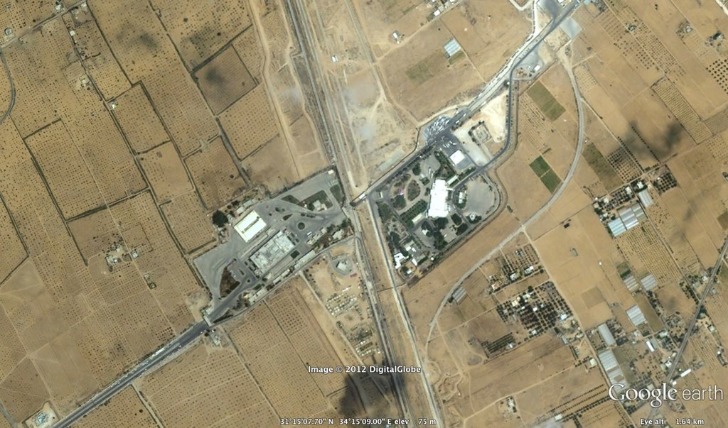
Key settlements in the Egypt Gaza region include the city of Rafah, located on the Egypt-Gaza border, which functions as an important border crossing point and commercial hub. Other notable urban centers include Sheikh Zuweid and the Palestinian city of Gaza itself, which is the largest city in the Gaza Strip and a primary focus of economic and political activity. These urban centers are marked by markets, administrative buildings, and infrastructure activities that cater to both local residents and regional interests.
Political Landscape and Governance
The political landscape surrounding Egypt and Gaza is complex and dynamic, shaped by historical tensions, regional influence, and ongoing conflicts. Governance in this region plays a crucial role in determining stability, security, and development for the communities involved. Understanding the interactions between political entities and the overarching governance structures is essential to grasp the broader implications for peace and cooperation in the area.
Egypt’s Policy Towards Gaza
Egypt’s policy towards Gaza is a complex aspect of its broader approach to regional stability and security. As a key neighboring country, Egypt aims to balance its interests by preventing the smuggling of weapons and militants while supporting humanitarian efforts and economic connectivity. Egypt maintains control over the Rafah crossing, which is a crucial gateway for goods and people, and often sessions of openness are contrasted with strict closures depending on the security situation. Politically, Egypt seeks to mediate between Hamas in Gaza and the Palestinian Authority, advocating for internal Palestinian reconciliation and stability. The Egyptian government also aligns its policies with regional and international actors, navigating a delicate diplomatic landscape to uphold security, counterterrorism, and regional influence. Overall, Egypt’s governance regarding Gaza reflects its strategic priorities of security, diplomatic influence, and regional stability, while addressing the humanitarian plight of the Palestinian population in Gaza.
Governance in Gaza: Hamas and Palestinian Authority
The political landscape and governance in Gaza are characterized by a complex power dynamic primarily between Hamas and the Palestinian Authority. These two entities represent contrasting visions for Palestinian governance, with significant implications for Egypt’s role and influence in the region.
Hamas, an Islamist political and militant organization, has controlled Gaza since 2007 after winning legislative elections and ousting Fatah-led Palestinian Authority (PA) forces. The Palestinian Authority, based in the West Bank, remains recognized internationally as the legitimate representative of the Palestinian people, but its authority in Gaza is limited due to Hamas’s control.
The governance structure in Gaza under Hamas involves a de facto administrative system, which includes security forces and social services. Meanwhile, the Palestinian Authority administers the West Bank and tries to exert influence over Gaza through diplomatic and economic channels, though with limited success.
This division has led to multiple challenges, including political instability, economic hardship, and restrictions on movement and trade. Egypt often acts as a mediator, seeking to manage the conflicts between Hamas and the Palestinian Authority, while also controlling access to Gaza through its border crossings, notably Rafah.
Overall, the governance in Gaza remains a significant factor affecting regional stability and Egyptian policies in relation to the Palestinian territories.
- Hamas’s control in Gaza results in a separate governance system from the Palestinian Authority in the West Bank.
- Egypt plays a key role in border management and mediation efforts between Hamas and the Palestinian Authority.
- The division hampers unified Palestinian representation and complicates peace negotiations.
- Economic blockade and restricted movement impact Gaza’s stability and humanitarian situation.
Influence of Regional and International Actors
The political landscape between Egypt and Gaza is shaped by a complex interplay of regional and international influences that significantly impact governance and stability in the area. Egypt plays a critical role in mediating between Hamas, which governs Gaza, and Israel, while also managing its own security concerns along the border. Regional actors such as Qatar, Turkey, and Iran contribute to the dynamics through financial support, diplomatic engagement, and ideological influence. International players, including the United States and the United Nations, exert influence through diplomatic efforts, aid, and security cooperation aimed at maintaining stability and addressing humanitarian issues. This web of regional and international interests creates a multifaceted governance environment that often complicates efforts to achieve long-term peace and development in Gaza and the surrounding region.
Conflict and Security Issues
The conflict between Egypt and Gaza remains a significant issue impacting regional stability and security. These ongoing tensions are deeply rooted in political, economic, and humanitarian challenges that influence the relationship between the two entities. Understanding the underlying conflict and security concerns is essential to grasp the broader implications for the Middle East and efforts towards peace and stability in the region.
History of Conflicts and Clashes
The conflict between Egypt and Gaza has a complex history rooted in regional politics, border disputes, and security concerns. Historically, Gaza has been a focal point of tension due to its strategic location and the influence of various Palestinian factions, particularly Hamas. Egypt shares a border with Gaza, which has been a significant point of conflict, especially during times of heightened violence in the Israeli-Palestinian conflict. Tensions have often escalated due to military clashes, restrictions on crossings, and efforts to prevent the infiltration of militants into Egyptian territory. Clashes between Egyptian forces and militant groups in the Sinai Peninsula have also contributed to the broader security issues affecting the Egypt-Gaza border. The history of conflicts in this region highlights the ongoing struggle to balance security, political stability, and humanitarian concerns, making it a persistent challenge for Egypt and the broader Middle East.
Blockades and Border Restrictions
Conflict and security issues surrounding Egypt-Gaza relations are complex and often rooted in regional tensions, border restrictions, and security concerns. Egypt maintains control over the Rafah border crossing, which is a critical point for humanitarian aid, trade, and movement between Gaza and Egypt. Due to security threats, including militant activities and smuggling, Egypt frequently enforces blockades and border restrictions that significantly impact the movement of people and goods in and out of Gaza.
- Border Blockades: Egypt has imposed strict blockades on the Rafah crossing at various times to prevent the inflow of weapons and militants, which has led to humanitarian challenges for the Gaza population.
- Security Concerns: Egypt’s security policies are driven by the need to combat militants such as Sinai-based groups, often leading to limited access and heightened restrictions for Gaza residents.
- Impacts on Humanitarian Aid: The restrictions hinder the delivery of essential supplies, medical aid, and humanitarian assistance to Gaza, exacerbating the humanitarian crisis.
- Regional Tensions: Escalations in Gaza, especially during conflicts with Israel or militant groups, often lead to tighter border controls by Egypt, affecting civilians on both sides.
- Diplomatic Negotiations: Egypt frequently plays a mediating role in conflicts and works to facilitate ceasefires, but security concerns often limit the opening of border crossings.
Military Operations and Ceasefires
The ongoing conflict between Egypt and Gaza has significantly impacted regional stability, involving military operations and attempts at establishing ceasefires. Egypt plays a crucial role as a mediator, striving to de-escalate hostilities and facilitate humanitarian aid to Gaza. Military engagements in the region often stem from complex political, security, and territorial disputes, leading to periods of intense violence and fragile ceasefires. These ceasefires, while temporarily reducing violence, often face challenges in holding due to underlying tensions and ongoing insurgent activities. The situation remains a critical security concern, influencing broader regional dynamics and requiring sustained diplomatic and military efforts to achieve lasting peace and stability.
Economic Conditions and Humanitarian Situation
The economic conditions in Egypt and Gaza are deeply interconnected, significantly impacting the humanitarian situation in the region. Ongoing conflicts, restrictions on trade and movement, and limited access to resources have exacerbated economic hardships, leading to widespread poverty and unemployment. These challenging economic realities further contribute to humanitarian crises, including shortages of essential supplies, inadequate healthcare, and displacement of vulnerable populations. Understanding the complex relationship between economic stability and humanitarian needs is crucial to addressing the ongoing issues faced by communities in Egypt and Gaza.
Economic Challenges and Unemployment
The economic conditions and humanitarian situation in Egypt and Gaza are deeply interconnected, facing significant challenges that impact millions of lives. Both regions experience ongoing economic hardships that exacerbate the humanitarian crisis, especially in Gaza, where restrictions and conflict have severely limited economic activity and access to necessary resources.
Economic challenges in Egypt and Gaza include high unemployment rates, inflation, and limited economic opportunities. Gaza’s economy is particularly strained due to blockades, restrictions on imports and exports, and recurrent conflicts, which hinder development and job creation. Meanwhile, Egypt faces its own economic hurdles such as fiscal deficits, reliance on imports, and inflation pressures that affect its population’s living standards.
Unemployment remains a critical issue, especially among youth and vulnerable groups, leading to increased poverty and social instability. The lack of economic prospects drives many towards informal employment or migration in search of better opportunities, often risking their safety.
- High unemployment rates persist, especially among youth and marginalized communities.
- Restricted access to goods, services, and employment opportunities exacerbates poverty.
- Inflation reduces purchasing power, making essentials less affordable for ordinary families.
- Economic instability contributes to increased humanitarian needs, including food security, healthcare, and housing.
- Prolonged conflict and blockade impair economic recovery and development initiatives.
Humanitarian Aid and International Support
The economic conditions and humanitarian situation in the Egypt-Gaza border region are deeply interconnected, significantly impacted by ongoing conflicts, blockades, and limited access to essential resources. The humanitarian crisis in Gaza has worsened due to shortages of medical supplies, food, clean water, and electricity, which directly affect the daily lives of residents. Egypt plays a crucial role in providing humanitarian aid and facilitating the flow of vital goods and services to Gaza, despite facing its own political and economic challenges.
International support and humanitarian aid efforts are vital in alleviating the suffering of civilians in Gaza. Various organizations and countries have mobilized resources to deliver aid and support reconstruction. Egypt acts as a key mediator and corridor for humanitarian supplies, working alongside international agencies to ensure aid reaches those in need.
- Efforts by international agencies such as the United Nations and Red Cross to provide emergency medical care, food assistance, and psychological support.
- Egypt’s role in opening border crossings to allow the passage of aid, energy supplies, and injured individuals needing medical treatment outside Gaza.
- Challenges faced include maintaining secure and sustainable supply routes amid ongoing tensions and political complexities.
- International donors and governments continue to call for increased support and long-term solutions to address the root causes of the crisis.
Impact of Blockades and Conflict on Daily Life
The economic conditions and humanitarian situation in the Egypt-Gaza region are deeply intertwined with ongoing blockades and conflicts that significantly disrupt daily life. The blockade has severely restricted the flow of goods, fuel, and essential supplies into Gaza, leading to widespread shortages of medical supplies, food, and clean water. These shortages exacerbate the suffering of civilians, many of whom struggle to meet basic needs. Unemployment rates have soared as businesses close or operate at reduced capacity, plunging the local economy into recession. The constant violence and instability also pose safety risks, hinder access to education, and limit healthcare services, further worsening the humanitarian crisis. Overall, the blockade and conflict have created a dire environment where economic hardship and humanitarian challenges are tightly linked, profoundly affecting the well-being and daily routines of residents in Gaza.
Human Rights and Social Issues
Human rights and social issues in Egypt and Gaza are complex and deeply interconnected, impacting the lives of millions. These regions face ongoing challenges related to political freedom, access to resources, and security, often amid conflict and instability. Understanding the human rights concerns and social dynamics here is essential to fostering awareness and advocating for positive change in these vulnerable communities.
Violations and Human Rights Concerns
The ongoing conflict between Egypt and Gaza has highlighted significant human rights violations and social issues that demand international attention. The blockade and military operations have severely impacted the civilian population, leading to loss of life, injuries, and widespread displacement. Access to basic needs such as food, medical care, and clean water has been severely restricted, exacerbating humanitarian crises in the region.
- Restrictions on movement and access have hindered the delivery of humanitarian aid and medical supplies, worsening health outcomes for vulnerable populations.
- The displacement of families due to conflict and destruction of homes presents a major social challenge, with many lacking shelter and safety.
- Children and women face heightened risks of violence, exploitation, and psychological trauma amidst the ongoing violence.
- Press freedom and the right to humanitarian assistance are often obstructed by political and military barriers.
- Human rights organizations continue to document violations such as unlawful killings, destruction of property, and suppression of dissent, raising concerns about accountability and justice.
- International pressure and diplomatic efforts are essential to de-escalate violence and ensure respect for human rights in the region.
- Addressing the root causes of the conflict, including political instability and economic hardship, is crucial for sustainable peace and social stability.
- Protection of civilians and ensuring humanitarian access should be prioritized by all parties involved.
- Efforts must be made to hold violators accountable and promote justice for victims of abuses.
- Promoting dialogue and reconciliation between Egypt and Gaza can help foster a safer environment and uphold human rights for all residents.
Access to Healthcare and Education
The ongoing conflict between Egypt and Gaza has significant implications for human rights and social issues, particularly concerning access to healthcare and education. In regions affected by political instability and border restrictions, civilians often face severe limitations on essential services, which exacerbates their vulnerability and hampers social development. Ensuring guaranteed access to healthcare is crucial for addressing injuries, disease outbreaks, and general well-being among the affected populations. Similarly, disruptions in education due to conflict or restrictions hinder the progress of young generations, impacting their future opportunities and perpetuating cycles of poverty and instability. Addressing these challenges requires coordinated efforts to uphold human rights, facilitate humanitarian aid, and promote long-term development strategies within the region.
Women’s and Children’s Rights
Human rights and social issues in Egypt and Gaza are complex and deeply rooted in the political, social, and economic contexts of the region. Women’s and children’s rights remain a significant concern due to ongoing conflicts, restrictions, and traditional societal norms that hinder progress and access to essential services.
- Women in Egypt and Gaza often face gender-based violence, limited employment opportunities, and restrictions on their freedom of movement and expression. Despite legal protections, societal attitudes and conflict-related disruptions continue to impede gender equality.
- Children in these areas are vulnerable to the effects of conflict, including displacement, access to education, and health services. Many children experience trauma and are deprived of a safe environment for growth and development.
- Access to healthcare and education remains a challenge, especially in Gaza, where blockade and military operations restrict the flow of goods and services, affecting the well-being of vulnerable populations.
- Efforts by local and international organizations focus on promoting human rights, advocating for the protection of women and children, and addressing social inequalities in these regions.
- Addressing these issues requires a multifaceted approach that involves conflict resolution, humanitarian aid, legal reforms, and empowerment initiatives aimed at fostering social justice and equality.
Diplomatic Relations and Peace Efforts
Diplomatic relations and peace efforts play a crucial role in shaping the stability and security of regions affected by conflict. In the context of Egypt and Gaza, these diplomatic initiatives are vital for fostering communication, reducing tensions, and promoting humanitarian aid. Egypt’s position as a mediator and its efforts to facilitate ceasefires and negotiations underscore its importance in the pursuit of lasting peace in the area.
Egypt’s Role in Mediating Peace
Egypt has long played a vital role in mediating peace and fostering diplomatic relations in the region, particularly concerning the Gaza Strip. As a neighboring country with historical, political, and cultural connections to Gaza and the broader Palestinian issue, Egypt has frequently acted as a mediator between Palestinian factions and Israel to promote stability and ceasefires. Its strategic location has enabled it to serve as a crucial conduit for humanitarian aid, ceasefire negotiations, and diplomatic dialogue aimed at de-escalating conflicts. Egypt’s efforts are rooted in a commitment to regional stability, and its diplomatic initiatives often emphasize the importance of dialogue, coexistence, and the pursuit of a lasting peace in the Middle East. Through these actions, Egypt continues to reinforce its role as a key facilitator of peace and a regional actor dedicated to reducing tensions and fostering security in Gaza and beyond.
Regional and International Peace Initiatives
Egypt has historically played a crucial role in fostering diplomatic relations and peace efforts between Gaza and the broader region. Its strategic location and political influence enable it to serve as a mediator in conflicts and peace negotiations involving Gaza and neighboring entities. Egypt’s involvement is vital in maintaining stability and facilitating cooperation aimed at addressing underlying issues such as security, humanitarian needs, and political reconciliation.
Regionally and internationally, Egypt has spearheaded numerous peace initiatives to promote stability in Gaza and the surrounding area. These efforts include mediating ceasefires between conflicting parties, working with international organizations, and advocating for sustainable solutions to long-standing disputes. Egypt’s diplomatic engagement extends to coordinating with countries such as the United States, Israel, and Palestinian leadership to foster dialogue and reduce tensions.
- Initiating ceasefire agreements during periods of heightened conflict to prevent escalation and safeguard civilian lives.
- Hosting negotiations between Hamas and Israel to facilitate peaceful resolutions and prevent prolonged hostilities.
- Collaborating with international bodies like the United Nations to provide humanitarian aid and support reconstruction efforts in Gaza.
- Promoting regional initiatives aimed at economic development and infrastructural rebuilding to improve living conditions and stability.
- Supporting diplomatic dialogues focused on addressing political divisions within Palestinian factions, fostering unity, and creating a unified approach to peace.
Future Prospects for Resolution
Egypt’s diplomatic relations and peace efforts play a crucial role in the ongoing conflict between Gaza and Israel, serving as a strategic mediator aimed at stabilizing the region. Over the years, Egypt has facilitated ceasefires, coordinated humanitarian aid, and hosted negotiations to address key issues such as border security, humanitarian access, and long-term reconciliation. The country’s proximity and historical ties to Gaza position it as a vital actor in fostering dialogue and fostering trust among conflicting parties.
The future prospects for resolution in the Egypt-Gaza context hinge upon sustained diplomatic engagement, regional cooperation, and international support. Persistent efforts to promote dialogue, address underlying grievances, and implement confidence-building measures could pave the way for a durable peace. Moreover, initiatives that focus on economic development, infrastructure rebuilding, and reconstruction could help alleviate the humanitarian crisis and foster stability in Gaza.
Despite numerous challenges, there remains hope that Egypt’s strategic and diplomatic endeavors, combined with broader regional and global initiatives, can lead to a peaceful resolution. Achieving lasting peace will require continued commitment, mutual understanding, and comprehensive approaches that address both immediate security concerns and long-term social and economic development for Gaza and its people.


0 Comments