
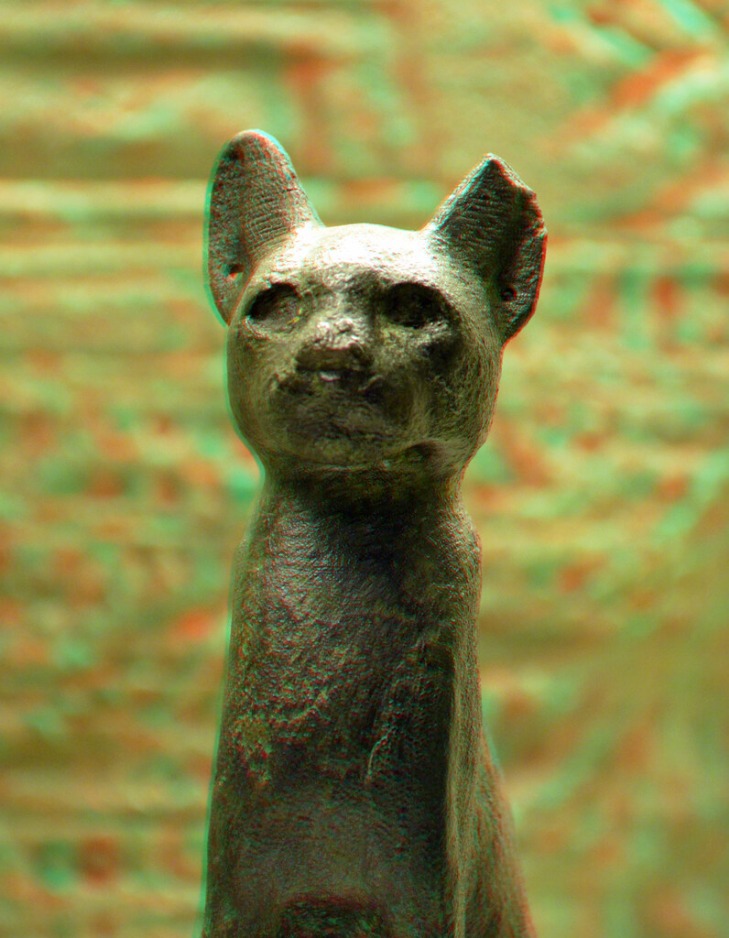
Origin and History of the Egyptian Cat
The Egyptian cat, widely admired for its graceful appearance and mysterious aura, has a rich history that dates back thousands of years. Revered by ancient Egyptians, these cats were considered sacred and symbolized protection, fertility, and divine presence. Their origins can be traced to the Nile Valley, where they played important roles in both religious rituals and everyday life, leaving a legacy that continues to intrigue cat enthusiasts around the world.
Ancient Egyptian Beliefs and Significance
The Egyptian cat holds a prominent place in ancient history, symbolizing grace, protection, and divine presence. Originating from ancient Egypt, cats were revered and considered sacred animals, closely associated with the goddess Bastet, the deity of home, fertility, and protection. The domestication of cats in Egypt dates back to around 2000 BCE, where they became integral to daily life and spiritual practices.
Ancient Egyptians believed that cats possessed protective qualities, guarding homes and temples from evil spirits and pests. They were also symbols of fertility and motherhood, often depicted in art and sculpture alongside their human counterparts. Cats’ graceful behavior and hunting skills made them valuable companions, and their presence was thought to bring good fortune and health. Killing a cat, even accidentally, was considered a grave offense, reflecting their elevated status.
- Cats were associated with the goddess Bastet, who was depicted as a lioness or as a woman with a lioness head, representing strength and nurturing qualities.
- They were often mummified and buried with their owners, signifying their importance in the afterlife and spiritual beliefs.
- Ancient Egyptian art frequently shows cats in domestic settings, emphasizing their role within the household.
- Felines were believed to embody protective spirits and were venerated in both religious rituals and everyday life.
Historical Depictions and Artworks
The Egyptian cat holds a revered place in ancient history, symbolizing grace, protection, and fertility. Originating from the region of Egypt, these cats were highly valued and often associated with the goddess Bastet, the deity of home, fertility, and protection. The domestication of cats in Egypt dates back to around 2000 BCE, where they became integral to both daily life and spiritual practices. Their natural agility and nocturnal hunting skills made them essential for controlling pests, further elevating their status in Egyptian society.
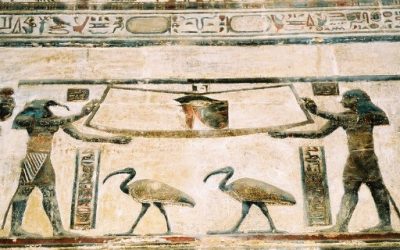
Throughout history, Egyptian cats have been depicted extensively in various artworks and artifacts. Ancient carvings, painted pottery, jewelry, and statues frequently feature domestic cats, illustrating their importance in Egyptian culture. Notably, cats were often shown in scenes of domestic life, sometimes accompanied by symbols of protection such as the uraeus (cobra). Artworks also portray revered cats with elaborate collars and ornaments, emphasizing their sacred status. In tomb paintings, cats are depicted as guardians of tombs and symbols of divine protection, reflecting their spiritual significance and connection to the gods.
The Role of Cats in Ancient Egyptian Society
The Egyptian cat, known for its ancient origins and revered status, has a rich history dating back thousands of years to ancient Egypt. Cats were domesticated in Egypt around 2000 BCE and quickly became integral to Egyptian society and culture. Their significance is reflected in numerous statues, paintings, and religious texts, highlighting their revered status. The Egyptian cat is believed to have descended from the African wildcat, which was domesticated for its ability to control pests and protect food supplies. Over time, these cats were cherished not only for their utility but also as symbols of grace, protection, and divine presence.
In ancient Egyptian society, cats played a vital role both practically and spiritually. They were considered sacred animals associated with the goddess Bastet, the deity of home, fertility, and protection. Cats were kept as beloved companions in households, and their presence was thought to bring good fortune and safeguard homes from evil spirits. Killing a cat, whether intentionally or accidentally, was considered a grave offense, often punishable by death. Egyptians also mummified cats, placing them in tombs alongside humans to ensure protection in the afterlife. Their prominent place in religion, art, and daily life underscores the deep admiration and respect Egyptians had for these animals, which continue to symbolize mystery and elegance even in modern times.
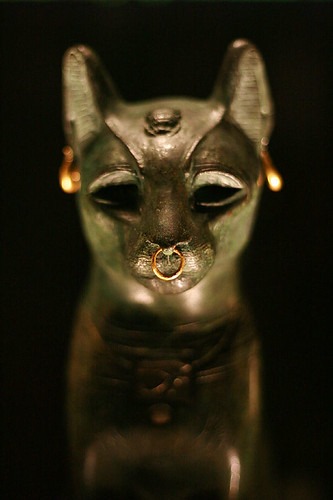
Physical Characteristics of the Egyptian Cat
The Egyptian cat, also known as the Feline of Ancient Egypt, is renowned for its elegant and lithe appearance. This breed features a sleek, muscular body with a graceful posture that exudes agility and speed. Its coat is short, fine, and close to the skin, often showcasing a striking color pattern that highlights its elegant traits. The Egyptian cat’s expressive almond-shaped eyes and alert demeanor further emphasize its majestic and mysterious aura, making it a truly distinctive and captivating feline breed.
Distinctive Features and Appearance
The Egyptian Cat, also known as the Egyptian Mau, is renowned for its striking appearance and elegant stature. It has a medium-sized, muscular body that exudes agility and grace. The coat is short, fine, and soft, typically featuring a shimmering sheen that highlights its unique coat pattern. The most distinctive feature of the Egyptian Mau is its strikingly attractive coat pattern, characterized by randomly distributed spots that resemble those of wild cats.
Its head is graceful with a slightly rounded contour and large, expressive almond-shaped eyes that are usually green, contributing to its alert and intelligent expression. The ears are medium-sized, wide at the base, and set high on the head, often pointed upward. The legs are long and slender, reinforcing its athletic build, while the tail is tapering with a slight curve at the tip. Overall, the Egyptian Mau’s appearance combines a wild-cat look with sleek domestic elegance, making it one of the most visually distinctive breeds of cats.
Size and Coat Variations
The Egyptian Cat, often recognized as the Egyptian Mau, is known for its striking physical features and elegant appearance. These cats typically display a medium-sized build with a muscular and graceful physique that reflects their agility and speed. Their body is athletic, with a slightly longer-than-tall proportion, giving them a sleek and balanced look. The head is moderately rounded with a distinctive, expressive face accentuated by large, almond-shaped eyes that can be gold, green, or copper in color.
In terms of coat variations, the Egyptian Mau boasts a short, fine, and satin-like fur that lies close to the body, enhancing their swift and agile movements. The most common coat pattern is the spotted pattern, with spots varying in size and distribution across the body, reminiscent of wild cats. Other coat variations include marbled patterns, which feature swirling, cloud-like markings. The color palette of their coat ranges from silver, bronze, to smoky shades, with the silver variant being the most recognized. Their unique coat patterns and vibrant eyes make the Egyptian Mau a truly captivating breed.
Expression and Body Language
The Egyptian Cat is renowned for its elegant and graceful appearance, characterized by a lithe and muscular body that exudes agility and agility. Their coat is short, sleek, and close to the skin, often displaying a beautiful, shimmering sheen that highlights their athletic build. The head is wedge-shaped with a prominent, straight nose and large almond-shaped eyes that are expressive and captivating, typically green or gold in color. Their ears are large, pointed, and set high on the head, giving them an alert and curious expression. The overall stance of the Egyptian Cat conveys confidence, alertness, and intelligence, often accompanied by attentive body language that signals their keen awareness of their surroundings. When communicating, they tend to use a combination of expressive eye contact, subtly twitching ears, and graceful postures to convey their mood and intent.
Behavior and Temperament
The behavior and temperament of a cat play a significant role in understanding its personality and how it interacts with its surroundings. When it comes to the Egyptian cat, known for its ancient heritage and distinctive appearance, exploring these traits reveals a unique blend of independence, loyalty, and curiosity. Understanding their behavior helps owners provide a nurturing environment that complements their natural disposition and fosters a strong bond.
Temperament Traits
Egyptian cats are renowned for their unique behavior and temperament, which make them stand out among other feline breeds. Known for their lively and playful nature, these cats often display a strong curiosity and intelligence that keeps their owners engaged. They tend to be affectionate but also independent, enjoying both companionship and time alone. Temperament traits of Egyptian cats include a gentle demeanor combined with alertness, making them excellent watchdogs despite their small size. Their social nature means they often form close bonds with their families, but they can be reserved around strangers. Overall, Egyptian cats possess a balanced temperament that blends curiosity, loyalty, and a spirited personality.
Social Behavior and Interaction with Humans
Egyptian cats, often recognized for their graceful and regal appearance, are known to possess distinctive behavior and temperament traits. They tend to be curious, intelligent, and active, enjoying interactive play and exploration within their environment. These cats are often affectionate with their owners, forming strong bonds and seeking companionship, yet they can also be independent when they choose to explore alone.
Social behavior among Egyptian cats varies, but they generally thrive in environments where they feel secure and engaged. They are often friendly towards other pets and children when socialized properly, demonstrating a gentle and tolerant nature. Their alertness and curiosity make them keen observers of their surroundings, and they often use their keen intelligence to navigate and manipulate objects or solve simple problems.
Regarding interaction with humans, Egyptian cats tend to be quite social and enjoy being involved in family activities. They are known to be responsive to their owner’s voice and routine, often bonding closely with those who spend time with them regularly. While they may sometimes display a more reserved demeanor, especially with strangers, they usually warm up quickly when approached with kindness and patience, making them delightful companions for those who appreciate an active and connected feline friend.
Common Play and Hunting Habits
The Egyptian cat, also known as the Egyptian Mau, is renowned for its unique behavior and temperament. These cats are generally very friendly, affectionate, and playful, often forming strong bonds with their owners. They tend to be lively and curious, displaying a high level of intelligence and independence. Their temperament makes them suitable companions for active households, as they enjoy interactive play and mental stimulation. Despite their energetic nature, they can also be quite gentle and enjoy relaxing on their owners’ laps.
In terms of play habits, Egyptian cats are highly active and enjoy a variety of toys and activities that challenge their agility and problem-solving skills. They often like to chase, pounce, and climb, showcasing their energetic and playful nature. They are known to be avid jumpers and climbers, often exploring high places in the home. Their playful demeanor means they thrive on stimulation and often entertain themselves with household objects or new toys.
When it comes to hunting habits, Egyptian cats exhibit instinctual behaviors typical of agile predators. They have keen senses of sight and hearing, enabling them to be excellent hunters of small moving objects, such as insects or toy mice. Their hunting instincts are often triggered during play, where they demonstrate stalking, pouncing, and capturing prey-like objects. These habits reflect their ancestral connection to natural hunters and contribute to their lively and alert behavior in the home environment.
Care and Maintenance of Egyptian Cats
Egyptian cats, known for their striking appearance and unique personality traits, require proper care and maintenance to stay healthy and vibrant. Providing the right environment, nutrition, and grooming routines can help these graceful felines thrive. Understanding their specific needs ensures a happy and harmonious relationship with your Egyptian cat.
Dietary Needs
Egyptian cats, known for their elegant appearance and affectionate nature, require proper care and maintenance to stay healthy and happy. Regular grooming helps keep their coat smooth and reduces shedding, while routine veterinary check-ups ensure they are free from health issues. Providing a balanced diet tailored to their specific needs supports their overall well-being. It is important to offer high-quality, protein-rich food to meet their energy demands, along with necessary vitamins and minerals. Fresh water should always be available to keep them well-hydrated. Maintaining a clean litter box and providing stimulating toys encourage mental and physical activity. Ensuring a safe, comfortable environment helps prevent stress and promotes a long, healthy life for Egyptian cats.
Grooming and Hygiene
Egyptian cats, known for their sleek appearance and affectionate nature, require proper care and maintenance to keep them healthy and happy. Regular grooming helps manage their short, fine coat and reduces shedding. Brush their fur gently once or twice a week to remove loose hairs and keep their coat shiny. Bathing is generally unnecessary unless they become particularly dirty, as their skin produces natural oils that keep their coat healthy.
Hygiene is essential for Egyptian cats to prevent infections and health issues. Keep their litter box clean by scooping daily and changing the litter regularly. Regularly check and clean their ears to prevent wax build-up or infections, using a damp cloth or a vet-recommended ear cleaner. Trim their nails every few weeks to prevent overgrowth and discomfort. Dental hygiene is also important; brush their teeth with feline-safe toothpaste to prevent dental diseases.
Providing a balanced diet and ensuring fresh water is available at all times supports their overall health and grooming. Routine veterinary check-ups are recommended to monitor their health, get vaccinated, and address any grooming concerns. With consistent care, Egyptian cats can maintain their beautiful appearance and continue to be loving, lively companions.
Health Concerns and Veterinary Care
Egyptian cats, also known as the Mau, are a regal and graceful breed that require proper care and regular health check-ups to ensure they lead a healthy and happy life. Maintaining their well-being involves a combination of grooming, a balanced diet, and routine veterinary care.
Care and maintenance for Egyptian cats include:
- Providing a nutritious, high-quality diet to support their sleek coat and overall health.
- Regular grooming, including brushing their short coat to reduce shedding and prevent matting.
- Ensuring they have plenty of mental and physical stimulation through play and environmental enrichment.
- Maintaining a clean litter box and monitoring for signs of illness or discomfort.
Health concerns common to Egyptian cats involve genetic and age-related issues such as:
- Dental problems, including gingivitis and periodontal disease.
- Obesity, which can lead to other health conditions if not properly managed.
- Respiratory issues, especially if they are exposed to dusty or smoky environments.
- Potential genetic concerns, like congenital heart issues or other inherited conditions.
Veterinary care is essential for maintaining their health. Regular check-ups should include vaccinations, parasite prevention, dental assessments, and weight management. It’s also important to observe any changes in behavior, appetite, or litter box habits and consult a veterinarian promptly if concerns arise. Preventative care and early detection of health issues can greatly enhance the lifespan and quality of life of Egyptian cats.
Significance and Cultural Impact
The Egypt cat, often associated with ancient Egyptian culture, holds a profound significance that extends beyond its role as a household pet. Throughout history, this feline has been revered and celebrated, symbolizing mysticism, protection, and grace. Its cultural impact is evident in ancient art, mythology, and religious practices, where it exemplified wealth and spiritual power. Exploring the significance and cultural influence of the Egypt cat reveals its enduring legacy and the deep connection it has maintained with human civilization over thousands of years.
Modern Representation in Media and Literature
The Egyptian cat, often associated with ancient Egyptian society, holds profound significance and cultural impact that extends beyond its historical origins. These cats were revered as sacred animals, symbolizing grace, protection, and divine connection in Egyptian mythology. Their presence in temples and homes underscored their importance, and they were frequently depicted in art and hieroglyphs, illustrating their revered status.
In modern media and literature, the Egyptian cat continues to symbolize mystery, elegance, and spiritual insight. Films, novels, and artworks often portray these cats as mystical beings with a deep connection to ancient wisdom. They are commonly featured as companions to characters seeking knowledge or enlightenment, reflecting their historical association with spirituality and protection. Contemporary representations also emphasize the allure of their sleek appearance and enigmatic nature, ensuring that the Egyptian cat remains an enduring symbol of both cultural heritage and intrigue.
Egyptian Cats in Contemporary Society
Egyptian cats hold a remarkable place in contemporary society, symbolizing both historical reverence and modern admiration for feline elegance. The cultural significance of these cats continues to influence art, fashion, and popular culture, bridging ancient traditions with current trends. Their image often evokes a sense of mystery, grace, and spiritual connection, reinforcing their status as icons of beauty and mystique. As symbols of protection and good fortune, Egyptian cats are embraced worldwide, reflecting their enduring legacy rooted in ancient Egyptian civilization. This cultural impact manifests through various mediums, including literature, films, and social media, where the allure of these majestic cats persists, fostering a global appreciation for their unique history and aesthetic appeal.
Symbolism and Folklore
The Egyptian cat, often revered in ancient Egypt, holds profound significance and cultural impact that extends beyond mere aesthetics. It was regarded as a sacred animal, symbolizing grace, protection, and divine power. Cats were believed to embody the goddess Bastet, the goddess of home, fertility, and protection, elevating their status to that of divine beings. This reverence influenced Egyptian society’s laws and customs, emphasizing kindness toward cats and their importance in spiritual life.
In terms of symbolism and folklore, the Egyptian cat is associated with mysticism and guardianship. Their graceful movements and keen senses made them symbols of vigilance and intuition. Folklore often portrays cats as protectors against evil spirits and bad luck, and their presence was thought to bring harmony and positive energy to households. Iconography featuring cats appears extensively in Egyptian art, emphasizing their role as symbols of protection, independence, and enigmatic beauty that continue to fascinate cultures worldwide today.



0 Comments