
Historical Context of Ancient Egypt
Ancient Egypt, one of the world’s earliest civilizations, flourished along the Nile River for over three millennia. Renowned for its remarkable advancements in writing, art, and architecture, Egypt’s history is deeply rooted in the powerful reigns of pharaohs and complex religious beliefs. During this extensive period, significant events and legendary figures such as Ramses the Great and Moses emerged, shaping not only Egyptian history but also influencing broader historical and religious narratives.
Political and Social Structure
The historical context of Ancient Egypt during the time of Ramses and Moses is a complex period marked by powerful dynasties, intricate political systems, and significant religious beliefs. Ramses II, also known as Ramses the Great, ruled during the 19th Dynasty around the 13th century BCE, establishing Egypt as a dominant empire with extensive building projects and military campaigns. Meanwhile, the story of Moses is traditionally linked to the earlier period when Egyptians enslaved Israelites, which is thought to have occurred during the Second Intermediate Period or early New Kingdom, reflecting a society with a strict social hierarchy and a centralized political authority.
The political and social structure of Ancient Egypt was highly stratified, comprising a divine monarchy at its top, supported by a class of nobles, priests, scribes, artisans, and farmers. The Pharaoh was considered a divine ruler, embodying the gods’ will on earth, with absolute power over the land and its people. Below the Pharaoh, the administrative system included viziers and officials responsible for governance, justice, and resource management. Society was organized into a hierarchy where the majority were peasants and laborers working on state projects, such as temples, tombs, and irrigation systems, often under the supervision of priests and officials who managed religious and political affairs.
- The Pharaoh: considered a divine deity with ultimate authority
- Nobles and Officials: administrators and military leaders supporting the Pharaoh
- Priests: custodians of religious practices and temples
- Scribes: record keepers and scholars responsible for administration
- Artisans and Craftsmen: skilled workers involved in building and art
- Farmers and Laborers: the largest class, providing food and labor for state projects
Cultural and Religious Beliefs
The historical context of Ancient Egypt, particularly during the period associated with Ramses II and the story of Moses, is rooted in a rich and complex civilization that flourished along the Nile River for thousands of years. Ramses II, known as Ramses the Great, ruled during the 19th Dynasty in the 13th century BCE and is celebrated for his military prowess, extensive building projects, and efforts to solidify Egypt’s power and stability. This era was characterized by a highly centralized government, vibrant art, and a polytheistic belief system deeply woven into daily life.
Cultural and religious beliefs in Ancient Egypt centered around a pantheon of gods and goddesses, with the Pharaoh regarded as a divine intermediary between gods and humans. Religious practices involved elaborate rituals, offerings, and elaborate tombs designed to ensure safe passage into the afterlife. The concept of eternity, life after death, and the importance of moral righteousness were fundamental to Egyptian spirituality, influencing their construction of pyramids and burial sites.
The story of Moses is set against this backdrop of a highly religious society, where the worship of gods like Amun-Ra, Osiris, and Isis played a central role. Moses’ narrative, involving the liberation of the Israelites from slavery, is intertwined with Egypt’s religious and political landscape. It reflects a society deeply rooted in tradition, divine authority, and the struggles between different cultural and religious identities, highlighting the significance of divine intervention and moral values in shaping historical and spiritual narratives of ancient Egypt.
Major Dynasties and Pharaohs
Ancient Egypt boasts a rich historical background characterized by powerful dynasties and influential pharaohs that contributed to its enduring legacy. The period from around 3100 BCE to 332 BCE saw the rise of major dynasties, beginning with the Early Dynastic Period, followed by the Old Kingdom, Middle Kingdom, New Kingdom, and later periods, each marked by significant administrative, cultural, and military achievements.
Among the most renowned pharaohs is Ramses II, also known as Ramses the Great, who reigned during the Nineteenth Dynasty in the 13th century BCE. His extensive building projects, military campaigns, and diplomatic initiatives solidified Egypt’s power and stability. Ramses II is also famous for signing the first known peace treaty and commissioning monumental temples like Abu Simbel.
Historical narratives surrounding Moses are primarily rooted in biblical traditions, set during a time when Egypt was under the rule of the later New Kingdom, possibly during the 15th or 13th century BCE. The story of Moses involves leading the Israelites out of Egyptian bondage, an event known as the Exodus. While much about Moses’s life remains a matter of faith and tradition, scholars have long debated the historical accuracy and context, often linking these stories to periods of Egyptian slavery and the leadership of powerful pharaohs such as Ramses II or others of the 18th and 19th Dynasties.
Ramses II: The Pharaoh of the Exodus?
Ramses II, also known as Ramses the Great, was one of Egypt’s most powerful and influential pharaohs, reigning during the 13th century BCE. His extensive building projects, military campaigns, and long-lasting rule left a significant mark on ancient Egyptian history. Central to many biblical narratives, Ramses II is often associated with the biblical figure of Moses and the story of the Exodus, creating a captivating intersection between history and legend.
Biography and Reign of Ramses II
Ramses II, also known as Ramses the Great, was one of Egypt’s most powerful and influential pharaohs, reigning from 1279 to 1213 BCE. His long and illustrious rule marked a period of stability, military expansion, and impressive architectural achievements. Ramses II is often associated with the biblical story of the Exodus, leading to debates about whether he was the pharaoh involved in the biblical crisis of the Israelites’ departure from Egypt.
Born around 1303 BCE, Ramses II ascended the throne after the death of his father, Seti I. His early years were marked by significant military campaigns, including conflicts in the Levant and efforts to secure Egypt’s borders. Ramses was a prolific builder, commissioning numerous temples, statues, and monuments, most notably the Ramesseum and the grand temples at Abu Simbel. These constructions were intended to celebrate his victories and his divine status.
The connection between Ramses II and the biblical story of the Exodus is historically debated. Some scholars suggest that the biblical account may be linked to Ramses II’s reign due to references to the city of Pi-Ramesses, a capital during his era, and the timeline aligning with the biblical timeline. However, there is no definitive archaeological evidence proving Ramses II was the pharaoh of the Exodus. Nonetheless, his reign symbolizes Egypt’s golden age and its enduring legacy in history and biblical tradition.
Architectural Achievements and Monuments
Ramses II, often called Ramses the Great, was one of Egypt’s most renowned and impactful pharaohs, ruling during the 19th Dynasty. His reign was marked by extensive military campaigns, diplomatic efforts, and monumental construction projects. The association with the biblical story of Moses and the Exodus has led to much speculation and archaeological interest, though definitive links remain debated.
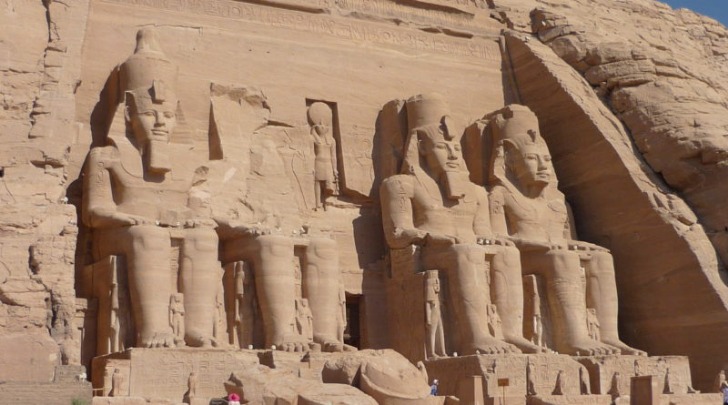
Architecturally, Ramses II left a lasting legacy through numerous impressive monuments and structures. Among his most famous achievements is the construction of the Ramesseum temple complex at Thebes, which celebrated his reign and divine status. He also constructed and expanded various temples, including the famous Abu Simbel temples, carved directly into the rock face of a mountainside in Nubia. These temples were designed to showcase his power, honor the gods, and ensure his immortality.
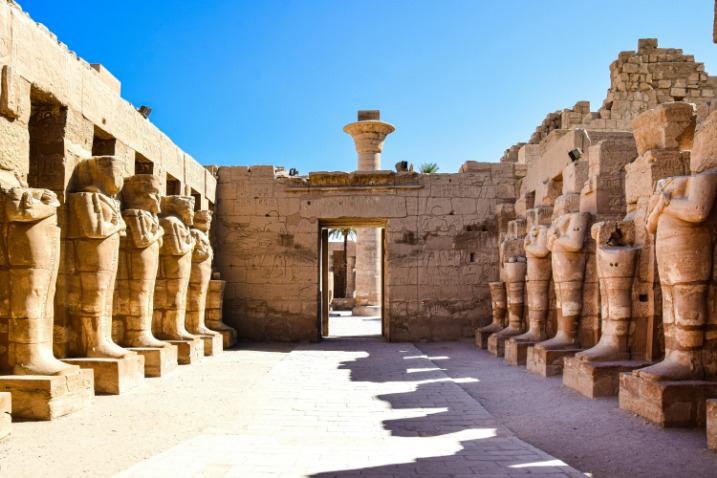
His contributions to Egyptian architecture encompass massive statues, grand gateways, and elaborate tombs that reflected his prestige and ambition. The Great Temple of Ptah in Memphis and the Karnak Temple additions are other examples of his architectural achievements, demonstrating Egypt’s artistic prowess and religious devotion during his rule. These monuments continue to fascinate scholars and visitors alike, offering insight into the grandeur of Ramses II’s era and his influence on Egypt’s cultural and religious landscape.
Historical Records and Interpretations
Ramses II, also known as Ramses the Great, is often associated with the biblical story of the Exodus, in which Moses leads the Israelites out of Egypt. Historically, there is ongoing debate among scholars about whether Ramses II was the pharaoh during this event and how much of the biblical narrative aligns with actual historical records.
Many interpretations of ancient Egyptian inscriptions and records suggest that Ramses II was a prolific builder and a military leader, but direct references to the Exodus are absent. Some scholars propose that if Ramses II was indeed the pharaoh of the Exodus, certain Egyptian documents would have referenced the event, which they do not. Instead, the only possible connection comes from the city of Pi-Ramesses, built during Ramses II’s reign, which some believe might have been the biblical Rameses.
- Egyptian records primarily focus on Ramses II’s military campaigns and construction projects.
- The biblical narrative describes a pharaoh who opposes the Israelites’ departure, but no Egyptian inscription explicitly mentions such an event or Moses.
- Historical evidence from Egypt about the Israelite bondage and exodus remains inconclusive and highly debated among scholars.
- Some interpretations suggest that the story of Moses could be a compressed memory of multiple events over centuries, rather than a single historical incident involving Ramses II.
Overall, the association of Ramses II with the Pharaoh of the Exodus remains speculative. While some alignments in chronology and archaeological finds spark interest, definitive historical evidence linking Ramses II directly to Moses and the biblical exodus has yet to be established.
The Story of Moses
The story of Moses is a central tale in religious history, highlighting themes of faith, leadership, and liberation. It is intertwined with the history of ancient Egypt, particularly during the reign of Pharaoh Ramses II, who is often associated with the biblical account of Moses. Their story reflects the struggle of the Hebrew people to attain freedom from slavery and the profound events that shaped the traditions of Judaism, Christianity, and Islam. Exploring the connection between Ramses and Moses offers a fascinating glimpse into myth, history, and ancient civilization.
Origin and Early Life in Egypt
The story of Moses begins in ancient Egypt, a land of great wealth and powerful rulers, during the time when the city of Ramses was prominent. Moses’ origins are intertwined with the history of Egypt’s dynasties, particularly under the rule of Pharaoh Ramses II, one of the most renowned and influential pharaohs of the New Kingdom. According to biblical tradition, Moses was born into a Hebrew family during a period when the Israelites were enslaved by the Egyptians.
As the story goes, to control the increasing Hebrew population, Pharaoh issued a decree to kill all male Hebrew infants. Moses’ mother, to protect him, placed him in a basket and set it afloat on the Nile River. He was found and adopted by Pharaoh’s daughter, who took him into her palace, raising him as an Egyptian prince. Growing up in the royal court, Moses learned about Egyptian culture, religion, and power, but he was also aware of his Hebrew heritage and the suffering of his people.
In his early life, Moses experienced a pivotal moment when he witnessed the oppression of his fellow Hebrews and saw an Egyptian taskmaster mistreating a Hebrew. Out of anger, he intervened, which led to him killing the Egyptian. Fleeing from Pharaoh’s wrath, Moses escaped into the desert, where he would later encounter God at the burning bush and begin his journey as a leader to free the Israelites from bondage in Egypt. His early life remains a blending of royal Egyptian influence and his deep connection to his Hebrew roots, setting the stage for the defining events of his life.
Flight to Midian and Call to Leadership
The story of Moses’ flight to Midian and his call to leadership is a pivotal chapter in the biblical narrative, particularly contrasting with the reign of Pharaoh Ramses in Egypt. Moses, born an Egyptian prince, grew up amidst the grandeur of Egypt but became aware of his Hebrew heritage. After witnessing the oppression of his people, he fled Egypt to escape Pharaoh’s wrath. In Midian, he found refuge and a new life as a shepherd, where he encountered God at the burning bush. This divine encounter marked his transition from a fugitive to a leader chosen to free the Israelites from Egyptian bondage under Pharaoh Ramses. Moses’ leadership and divine calling set the stage for the iconic events of the Exodus, shaping the history of Egypt and its people forever. The narrative highlights themes of faith, bravery, and divine intervention amidst the backdrop of Egypt’s powerful Pharaoh Ramses ruling during this tumultuous period.
The Exodus: Leading the Israelites Out of Egypt
The story of Moses and the Exodus is a foundational narrative in many religious traditions, detailing how Moses led the Israelites out of bondage in Egypt. Central to this story is the figure of Pharaoh Ramesses II, one of Egypt’s most powerful and renowned rulers, often associated with the events described in the biblical account. According to tradition, Moses was chosen by God to confront Pharaoh, demanding the release of the Israelites who had been enslaved for generations.
Pharaoh Ramesses II, ruling during a time of prosperity and military might, refused Moses’s demands, prompting a series of divine plagues that afflicted Egypt. These plagues, including the Nile turning to blood, locusts, and darkness, demonstrated God’s power and ultimately compelled Pharaoh to release the Israelites. However, he changed his mind and pursued them with his armies, leading to the dramatic parting of the Red Sea, allowing the Israelites to escape. This event marks a pivotal moment in the narrative, symbolizing deliverance and faith.
The story of Moses and the Exodus highlights themes of liberation, obedience to divine will, and the profound interaction between historical figures like Pharaoh Ramesses II and spiritual beliefs. While the historical accuracy of these events remains a subject of debate, their symbolic significance continues to resonate across generations. The narrative underscores the enduring struggle for freedom and the power of faith in overcoming oppression.
Historical and Archaeological Evidence
Historical and archaeological evidence provides crucial insights into the ancient world, helping to reconstruct the lives, events, and cultures of past civilizations. When it comes to the story of Egypt’s Ramses and Moses, such evidence plays a vital role in understanding the historical context of this biblical narrative. Researchers examine excavations, inscriptions, and ancient texts to piece together the possible connections and realities behind these legendary figures, offering a deeper comprehension of their significance in history and faith.
Evidence Supporting the Existence of Ramses II
Historical and archaeological evidence provides substantial support for the existence of Ramses II, one of Egypt’s most renowned pharaohs, and sheds light on his interactions with biblical figures such as Moses. Monuments, inscriptions, and statues bearing Ramses II’s name and likeness have been discovered across Egypt, confirming his extensive building projects and reign during the 19th Dynasty. Notably, the Abu Simbel temples, carved into the mountainside, depict Ramses II in grandeur, indicating his prominence and divine status. Additionally, inscriptions found in ancient Egyptian temples and tombs detail military campaigns and diplomatic relations, further verifying his historic existence.
In relation to Moses, some scholars point to archaeological findings and textual evidence to support the biblical narrative of the Exodus, which is believed to have occurred during Ramses II’s reign. The city of Pi-Ramesses, built by Ramses II as his capital, has been linked to the biblical “Ramses,” suggesting a timing overlap with the biblical story. Certain inscriptions describe conflicts with the Sea Peoples and the oppression of Semitic peoples, aligning with the biblical account of Hebrew captivity and release. While direct archaeological proof tying Ramses II definitively to the biblical Moses remains elusive, these pieces of evidence contribute to ongoing debates about the historical context of the biblical events during Ramses II’s rule.
Archaeological Findings Related to Moses and the Exodus
The historical and archaeological evidence related to Moses and the Exodus remains a subject of ongoing scholarly debate. While the Biblical narrative provides detailed accounts of Moses leading the Israelites out of Egypt, concrete archaeological proof supporting these events has yet to be definitively discovered. Many researchers explore the possibility of correlating the Biblical story with ancient Egyptian history, particularly during the reign of Ramses II, who ruled during the 13th century BCE. Some speculate that the story of the Israelites’ slavery and subsequent departure could be connected to historical episodes such as the Second Intermediate Period or the waning influence of Egyptian power. Archaeologists have uncovered various artifacts and settlements that shed light on Egyptian and Semitic interactions in the region, but direct links to the events described in the Bible remain elusive. The discovery of certain place names and Egyptian inscriptions has led to hypotheses suggesting potential connections to the Exodus story, yet these remain unconfirmed and highly debated within scholarly circles. Overall, the archaeological record offers intriguing clues but has not yet provided conclusive evidence tying Ramses II or any Egyptian pharaoh directly to the biblical Moses and the exodus of the Israelites.
Debates and Controversies in Historical Interpretation
The historical and archaeological evidence surrounding the figures of Ramses II and Moses has long been a subject of intense debate among scholars and archaeologists. Ramses II, known as Ramses the Great, reigned during Egypt’s 19th Dynasty and left behind numerous monuments, inscriptions, and temples that serve as tangible evidence of his reign. In contrast, the historical existence of Moses, a central figure in the Hebrew Bible, remains more contentious due to limited direct archaeological evidence. Many scholars attempt to correlate biblical narratives with Egyptian records or archaeological findings, but definitive proof remains elusive.
Controversies arise over the interpretation of Egyptian inscriptions and the dating of certain artifacts, which some argue could support or contradict biblical accounts. For example, some propose that the expulsion of the Hebrews from Egypt, as described in the Exodus story, might be linked to historical events like the collapse of the Egyptian empire or movements of peoples during the Late Bronze Age. Others contend that such connections are speculative and that traditional biblical stories are more mythological than historical. The debate is further complicated by gaps in Egyptian records concerning foreign populations and events that could support or refute the biblical narrative.
Overall, the tension between archaeological findings and biblical accounts fuels ongoing scholarly debates. While Ramses II’s reign is well-documented through monuments and Egyptian texts, the historicity of Moses continues to be a subject of controversy, illustrating broader disagreements over how to interpret ancient evidence and construct accurate historical narratives. The search for definitive proof remains a central challenge in understanding this pivotal period in ancient history.
Legacy and Impact
The legacy and impact of historical figures often shape the cultural and religious landscapes of civilizations. In the context of Egypt, Ramses II stands as a symbol of power and grandeur, leaving behind monumental structures and a lasting influence on the region’s history. Meanwhile, Moses is a pivotal figure whose story has inspired faith, law, and cultural identity across multiple generations. Exploring their legacies reveals how their lives and actions continue to resonate, shaping perceptions of leadership, faith, and historical significance throughout centuries.
Religious Significance in Judaism, Christianity, and Islam
The legacy and impact of Ramses II and Moses are profoundly significant within the religious traditions of Judaism, Christianity, and Islam. These figures are central to many theological narratives and serve as symbols of divine authority, liberation, and justice.
In Judaism, Moses is revered as the greatest prophet and leader who led the Israelites out of Egyptian bondage, an event celebrated during Passover. Ramses II, often associated with the biblical Pharaoh of the Exodus, symbolizes the mighty ruler opposed to divine will; however, his exact historical identity remains debated. The story of Moses and Ramses underscores the themes of faith, deliverance, and God’s covenant with His people.
- The story of Moses’ birth, his rise as a leader, and the liberation of the Israelites are foundational in Jewish faith and culture.
- Ramses II’s reign exemplifies Egypt’s power and grandeur, which plays a pivotal role in biblical narratives and historical assessments.
- The encounter between Moses and Pharaoh, traditionally linked to Ramses II, reflects the struggle between divine authority and worldly power.
In Christianity, Moses is considered a precursor to Jesus Christ, embodying the law and covenant between God and His people. Ramses II is sometimes referenced in biblical scholarship and Christian teachings as part of the historical context of the Exodus story. The themes of liberation, obedience to divine commandments, and divine intervention are common threads connecting these figures across the faiths.
Within Islam, Moses (known as Musa) is one of the most important prophets, with a significant role in the Quran. He is called to deliver Allah’s message and lead people to righteousness. Ramses II is sometimes discussed in Islamic tradition as the pharaoh of the Exodus, symbolizing arrogance and tyranny. The narrative emphasizes God’s power to free believers from oppression and His guidance through prophets like Musa.
- Moses/Musa is honored in Islam as a prophet and messenger who embodies perseverance, faith, and obedience to God.
- Ramses II’s role in the Exodus story is viewed as a symbol of human arrogance that is ultimately challenged by divine authority.
- The stories associated with these figures reinforce the themes of divine justice and the importance of faith across all three religions.
Cultural Influence on Art, Literature, and Theology
The legacy of Ramses II and Moses significantly shaped the cultural and spiritual landscape of ancient Egypt and the surrounding regions, leaving a lasting impact on art, literature, and theology. Ramses II, often regarded as one of Egypt’s greatest pharaohs, commissioned monumental architecture, inscriptions, and sculptures that reflected divine kingship and eternal power, influencing Egyptian art and symbolism for centuries. His reign inspired countless works that emphasized divine authority and military might, embedding these themes deeply into Egyptian cultural identity.
Moses, on the other hand, is a central figure in the religious and literary texts of Judaism, Christianity, and Islam. His story of liberation from Egyptian bondage and reception of divine laws profoundly impacted theological thought, moral philosophy, and religious practice across generations. The narrative of Moses inspired literary works, poetry, and religious art that explored themes of faith, leadership, obedience, and divine justice, fostering a rich tradition of spiritual and cultural reflection.
The interplay between these two figures and their stories contributed to a complex cultural dialogue that influenced art, literature, and theological discourse. Their legacy underscores the enduring power of historical and spiritual narratives to shape societal values, inspire artistic expression, and influence religious thought across diverse cultures and epochs.
Modern Historical Perspectives and Research
The legacy and impact of Ramses II and Moses continue to shape the understanding of ancient Egypt and its interactions with the broader ancient Near East. Ramses II, often regarded as one of Egypt’s greatest pharaohs, left behind monumental architecture and extensive inscriptions that exemplify Egypt’s political power and cultural achievements. His reign marked a period of prosperity and stability, influencing subsequent generations and inspiring modern archaeological research. The story of Moses, meanwhile, holds profound significance within religious traditions and historical scholarship, representing the narrative of liberation and divine intervention. Modern historical perspectives interpret the biblical account in light of archaeological findings, attempting to reconcile religious texts with evidence from Egyptian history and documents. Recent research employs interdisciplinary methods, including Egyptology, biblical studies, and comparative archaeology, to explore the historicity of Moses and the political context of the Exodus, transforming traditional narratives and deepening understanding of the complex relationship between Egypt and the ancient Israelites. Overall, ongoing scholarship continues to reframe the legacy of these figures, highlighting their enduring influence on cultural memory and historical discourse.”



0 Comments