
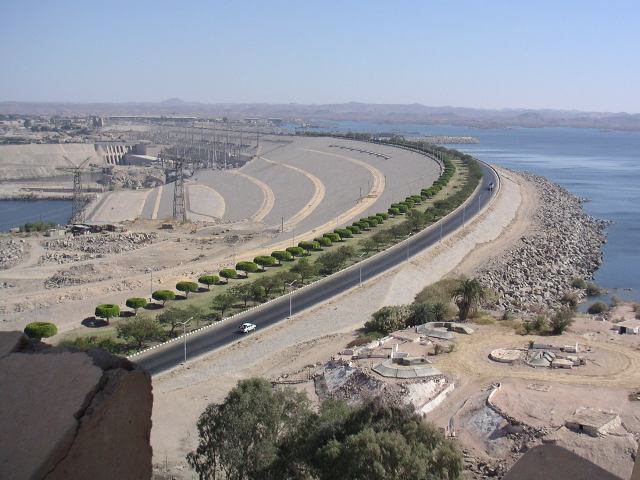
Overview of Aswan Dam
The Aswan Dam is one of Egypt’s most significant engineering marvels, shaping the nation’s water management and energy production. Located on the Nile River, it plays a crucial role in controlling flooding, providing irrigation, and generating hydroelectric power. The dam has a profound impact on Egypt’s economy, agriculture, and development, symbolizing the country’s efforts to harness and sustain its vital water resources.
Historical Background
The Aswan Dam, located in southern Egypt near the city of Aswan, is a monumental feat of engineering designed to control the flow of the Nile River. It plays a crucial role in providing water for irrigation, generating hydroelectric power, and preventing flooding in the region.
Historically, the idea of building a dam at Aswan dates back to the early 20th century, as Egypt faced increasing agricultural and developmental challenges. Initial construction began in the 1900s with a low dam, but it was insufficient for the growing needs. In the 1950s, plans for a larger, more permanent dam gained momentum, culminating in the construction of the current Aswan High Dam, which was completed in 1970.
- The idea of harnessing the Nile’s water for Egypt’s development was initially proposed by various engineers and policy makers in the early 1900s.
- Construction efforts started with the first Aswan Dam between 1898 and 1902, followed by significant expansions in subsequent decades.
- The Aswan High Dam project was part of Egypt’s broader national development plan, aiming to modernize agriculture and industry.
- International assistance and funding, including contributions from the Soviet Union and China, played a vital role in completing the dam.
- The dam’s completion dramatically transformed Egypt’s economy and environment, providing reliable water and electricity but also raising environmental and archaeological concerns.
Location and Geographical Significance
The Aswan Dam is a vital infrastructure project located on the Nile River in southern Egypt, near the city of Aswan. It plays a crucial role in controlling the flow of the river, providing water for irrigation, generating hydroelectric power, and preventing flooding in the region. The dam is one of the largest embankments in the world and has significantly contributed to Egypt’s economic development and agricultural stability.
Geographically, the Aswan Dam is situated in a strategic location where the Nile River narrows and flows through a rocky area, making it an ideal site for hydroelectric power generation. Its position in the Nubian Desert also helps in optimizing water management for Egypt’s arid climate. The dam’s construction has transformed the surrounding area into a hub of economic activity and has enabled the creation of Lake Nasser, one of the largest artificial reservoirs in the world, which supplies water and hydroelectricity to Egypt and neighboring countries.
Key Features and Structures
The Aswan Dam is one of the most significant engineering projects in Egypt, located on the Nile River near the border with Sudan. It was constructed to control the annual flooding of the Nile, provide water for irrigation, and generate hydroelectric power, playing a vital role in Egypt’s development and agriculture.
Key features of the Aswan Dam include its massive concrete structure and its reservoir, Lake Nasser, which is one of the largest artificial lakes in the world. The dam’s primary purpose is to regulate the flow of the Nile River, ensuring a steady water supply throughout the year, regardless of seasonal fluctuations.
The dam consists of a series of large embankments, a power station equipped with numerous turbines, and spillway gates to manage overflow during high flood periods. The hydroelectric power station at Aswan has a substantial capacity, contributing significantly to Egypt’s national electricity grid and supporting industrial growth.
Overall, the Aswan Dam’s structure and technological features exemplify modern engineering designed to meet the country’s water and energy needs, transforming Egypt’s landscape and economy for decades.
Construction and Development
The Aswan Dam is a significant symbol of modern construction and development in Egypt, representing a monumental achievement in engineering and infrastructure. Its construction transformed the region by providing vital water management, hydroelectric power, and economic growth. As a cornerstone of Egypt’s development plans, the dam exemplifies the nation’s commitment to harnessing natural resources for sustainable progress and regional stability.
Planning and Initiation
The construction and development of the Aswan Dam in Egypt represent a significant milestone in the country’s efforts to harness the Nile River’s resources for progress and stability. The planning and initiation phases involved extensive engineering studies, international collaborations, and strategic foresight to address Egypt’s growing water and energy demands. The project was conceived to control annual flooding, provide hydroelectric power, and facilitate irrigation, transforming Egypt’s agriculture and economy. The development process included meticulous design, resource allocation, and addressing environmental and social considerations, ensuring the dam’s long-term sustainability and impact on the nation’s infrastructure.
Construction Phases
The construction and development of the Aswan Dam in Egypt represent a significant achievement in large-scale infrastructure projects. This iconic dam has played a vital role in transforming Egypt’s landscape and economy by providing hydroelectric power, controlling annual flooding, and supporting agriculture. The development process involved complex planning, design, and engineering efforts to ensure the dam’s durability and functionality.
The construction phases of the Aswan Dam can be divided into several key stages. Initially, extensive site investigations and surveys were conducted to determine the most suitable location and design. Following this, the foundation was prepared, which involved extensive excavation and stabilization to support the massive structure. The main dam was then constructed, starting with the emplacement of concrete and earthwork techniques, often utilizing advanced machinery and skilled labor.
Subsequent phases focused on the installation of hydroelectric turbines, electrical systems, and water management infrastructure. Throughout these stages, numerous challenges such as technical complexities, environmental concerns, and logistical issues had to be addressed. Continuous testing and quality control ensured the dam’s safety and efficiency. Finally, the project concluded with the commissioning of the dam, marking a milestone in Egypt’s development, vital for water resource management, electricity generation, and regional stability.
International Collaboration and Funding
The Aswan Dam in Egypt stands as a monumental achievement in construction and development, symbolizing the nation’s efforts to control the Nile River’s flow and promote economic growth. Its construction marked a significant milestone in Egypt’s infrastructure development, offering benefits such as flood control, water storage, and hydroelectric power generation. International collaboration played a crucial role in the dam’s realization, involving various countries and organizations that provided expertise, funding, and technological support. This cooperation not only facilitated the project’s completion but also strengthened diplomatic ties and fostered regional development.
- Construction of the Aswan Dam began in 1960, with the assistance of international experts and funding, primarily from the Soviet Union, contributing to the project’s rapid progress.
- The dam’s design included large-scale engineering structures, such as the massive concrete arch-gravity dam, which required advanced construction techniques and international technical expertise.
- Funding sources from multiple countries, including aid and loans, were pooled together to finance the project, demonstrating the significance of international collaboration in large-scale infrastructure projects.
- Post-construction, ongoing development efforts focused on expanding hydroelectric capacity and improving water management systems, maintaining Egypt’s reliance on the dam for sustainable development.
- International partnerships continue to be vital for the dam’s maintenance and modernization, reflecting the importance of ongoing collaboration and funding in ensuring its long-term functionality.
Specifications of Aswan Dam
The Aswan Dam, an engineering marvel located in Egypt, is renowned for its impressive specifications and immense significance in regional development. Spanning the Nile River near the city of Aswan, it serves as a vital water resource management structure, contributing to flood control, irrigation, and hydroelectric power generation. Its construction reflects advanced engineering techniques and has played a pivotal role in transforming Egypt’s agricultural and energy landscape. The dam’s specifications highlight its iconic status as one of the largest embankment dams in the world, shaping the country’s modern history and infrastructure.
Dam Dimensions and Capacity
The Aswan Dam, located in Egypt, is one of the most significant engineering structures in the world. It was constructed to control the annual flooding of the Nile River, provide water for irrigation, and generate hydroelectric power. The dam’s specifications highlight its remarkable size and capacity, reflecting its vital role in Egypt’s development.
The dam is a rock-fill structure with a length of approximately 3,830 meters (12,566 feet) and a height of about 111 meters (364 feet). Its width at the crest is around 40 meters (131 feet), while the base extends to approximately 980 meters (3,215 feet). The Aswan Dam creates Lake Nasser, which is one of the largest reservoirs in the world, with a storage capacity of approximately 132 cubic kilometers (31.7 cubic miles). The dam’s reservoir capacity allows it to regulate the Nile’s flow effectively, supporting agriculture and water supply across Egypt and neighboring countries.
The hydroelectric power plant at Aswan Dam has a total installed capacity of about 2,100 megawatts, consisting of 12 turbines, each with a capacity of 175 megawatts. This significant capacity enables Egypt to generate a substantial portion of its electricity, contributing to national development and energy security. The dam’s dimensions and capacity exemplify its importance as a cornerstone of Egypt’s infrastructure, supporting economic growth and sustainable development.
Reservoir Details and Lake Nasser
The Aswan Dam, located in Egypt, is one of the most significant engineering projects in Africa, designed to control the flow of the Nile River, generate hydroelectric power, and provide water conservation. It has impressive specifications that highlight its scale and importance.
The dam itself is approximately 3,830 meters long and 111 meters high, constructed primarily from concrete and stone materials. It features a series of spillway gates and turbines that regulate water flow and produce electricity. The dam’s power station is equipped with 12 turbines, each with a capacity of 175 megawatts, resulting in a total installed capacity of around 2,100 megawatts.
The reservoir behind the Aswan Dam, known as Lake Nasser, is one of the largest artificial reservoirs in the world. It stretches over 550 kilometers (340 miles) in length and covers an area of approximately 5,250 square kilometers, with a maximum capacity of about 132 cubic kilometers (107 million acre-feet) of water. Lake Nasser plays a crucial role in water storage, irrigation, and hydroelectric power generation for Egypt and neighboring countries.
Overall, the Aswan Dam and Lake Nasser demonstrate remarkable engineering achievements, contributing significantly to Egypt’s agriculture, water management, and energy sectors while symbolizing modern development efforts in the region.
Hydroelectric Power Generation
The Aswan Dam is a monumental hydroelectric project located on the Nile River in Egypt, known for its significant contribution to the country’s electricity supply and water management. The dam measures approximately 3,830 meters (12,565 feet) in length and 111 meters (364 feet) in height, making it one of the largest embankment dams in the world. It is constructed primarily from rock-fill with an impervious core to prevent seepage. The dam’s reservoir, Lake Nasser, spans over 5,250 square kilometers, providing water storage for irrigation, flood control, and power generation. The hydroelectric power station at Aswan Dam has a total installed capacity of about 2,100 megawatts, featuring 12 turbines, each with a capacity of around 175 megawatts. These turbines operate efficiently to produce renewable energy, supporting Egypt’s energy needs and enabling economic development. The dam’s specifications highlight its importance as both an engineering marvel and a vital resource for Egypt’s sustainability and growth.
Economic and Social Impact
The construction and operation of the Aswan Dam in Egypt have had significant economic and social impacts on the country. This iconic infrastructure project has transformed Egypt’s agricultural productivity, provided hydroelectric power, and contributed to national development. At the same time, it has influenced local communities, regional stability, and environmental aspects, shaping Egypt’s socio-economic landscape in profound ways.
Energy Production and Supply
The Aswan Dam in Egypt has significantly influenced the country’s economic and social landscape by regulating the flow of the Nile River, which is vital for agriculture, industry, and daily life. Its construction has enabled Egypt to harness the river’s resources more effectively, leading to increased crop yields and improved food security, thus stimulating economic growth. Additionally, the dam has facilitated the generation of hydroelectric power, providing a reliable energy source that supports both domestic consumption and industrial development. This enhancement in energy production has reduced reliance on fossil fuels, contributing to a more sustainable and resilient energy infrastructure. Socially, the dam has fostered community development by creating jobs during its construction and operational phases, while also improving access to electricity in rural and underserved areas. Overall, the Aswan Dam has played a pivotal role in transforming Egypt’s economic and social fabric through its contributions to energy production and water resource management.
Water Management and Agriculture
The Aswan Dam in Egypt has significantly influenced the nation’s economic and social landscape, particularly in water management and agriculture. By controlling the annual Nile River floodwaters, the dam has enabled reliable irrigation and water supply, which has enhanced agricultural productivity and food security. This stability has led to increased crop yields and diversification of farming practices, supporting the livelihoods of millions of Egyptians. Economically, the dam has generated hydroelectric power, supplying electricity to urban and rural areas, promoting industrial growth, and reducing reliance on imported fuels. Socially, the dam has contributed to improved living standards, enabled urban development along the Nile, and fostered regional stability. However, it has also posed challenges, such as environmental concerns and the need for sustainable water management strategies to balance development with ecological preservation.
Employment and Economic Development
The Aswan Dam in Egypt has had profound economic and social impacts on the region and the country as a whole. It has significantly enhanced water management, allowing for improved agricultural productivity and stability in water supply, which supports local communities and boosts food security. The dam also played a crucial role in generating hydroelectric power, providing a reliable source of electricity that has facilitated industrial growth, attracted investments, and improved living standards. Consequently, these developments have created numerous employment opportunities, both directly in dam-related industries and indirectly through downstream businesses and services. Overall, the Aswan Dam has been a catalyst for Egypt’s economic development, transforming the nation’s energy landscape and contributing to social stability and improved quality of life for its citizens.
Environmental and Ecological Aspects
The Aswan Dam in Egypt is a critical infrastructure that significantly impacts the country’s environmental and ecological balance. Its construction and operation have brought about notable changes to the local ecosystem, affecting water flow, sediment transport, and biodiversity in the region. Understanding these environmental and ecological aspects is essential to assessing the dam’s overall impact and exploring sustainable management practices to protect Egypt’s natural resources.
Effects on Local Ecosystems
The Aswan Dam in Egypt has significant environmental and ecological impacts on the local ecosystem. Its construction and operation have altered natural water flow patterns, affecting the habitats of numerous aquatic and terrestrial species. The reservoir created by the dam has led to the submersion of vast areas, impacting wetlands and flooding zones that traditionally supported diverse wildlife. Furthermore, changes in sediment transport downstream have caused erosion and reduced fertility of the Nile Delta, threatening agricultural productivity and the ecosystems dependent on nutrient-rich sediments. The alteration of water temperature and chemistry also disrupts the breeding cycles of fish and other aquatic organisms, leading to a decline in biodiversity. Overall, while the dam provides crucial hydroelectric power and water management benefits, its environmental footprint presents ongoing challenges to maintaining the ecological balance of the region.
Changes in Sediment Flow
The Aswan Dam in Egypt has significantly impacted the environmental and ecological balance of the Nile River and its surrounding areas. By regulating the flow of water, the dam has altered the natural sediment transport processes, leading to a reduction in sediment deposition downstream. This change affects the fertility of the floodplains, which historically depended on the periodic flooding and sediment deposit for nutrients. Consequently, there has been a decline in the natural replenishment of soils, impacting agriculture and local ecosystems.
Changes in sediment flow due to the dam also influence aquatic habitats and species that rely on the natural flow variations. The reduction of sediments reaching the delta can lead to coastal erosion, threatening the stability of the Nile Delta region. Additionally, the trapping of sediments by the dam causes sediment accumulation in the reservoir, decreasing its capacity over time and potentially impacting water quality. Overall, the Aswan Dam’s construction has brought about complex environmental changes, necessitating careful management to mitigate negative ecological consequences while balancing human needs.
Measures for Environmental Conservation
The Aswan Dam in Egypt is a vital infrastructure project with significant environmental and ecological implications. It has transformed the Nile River’s flow, impacting both local ecosystems and regional environmental health.
- Construction of the dam has regulated the flow of the Nile River, reducing seasonal flooding and enabling year-round water supply for agriculture and urban use.
- However, this regulation has led to a decline in the natural sediment deposit downstream, which is critical for maintaining fertile soil and ecological balance.
- The reservoir created by the dam, Lake Nasser, has flooded large areas, affecting local flora and fauna and displacing communities.
To mitigate environmental impacts, measures for environmental conservation at the Aswan Dam include:
- Implementing sediment management techniques to adapt to reduced sediment flow, such as sediment bypassing or supplementing downstream nutrients artificially.
- Creating wildlife corridors and protected areas to support biodiversity and ecological connectivity in the region.
- Monitoring water quality regularly to prevent pollution and maintain the health of aquatic ecosystems.
- Promoting sustainable water management practices that balance human needs with ecological preservation.
- Engaging local communities in conservation efforts and environmental awareness programs to foster sustainable interactions with the ecosystem.
Challenges and Issues
The construction and operation of the Aswan Dam in Egypt have brought about numerous challenges and issues that impact both the environment and local communities. As one of the most significant engineering projects in Africa, the dam has raised concerns related to water management, ecological balance, and socio-economic effects. Understanding these challenges is essential to address the ongoing and future consequences of this vital infrastructure.
Structural and Technical Challenges
The Aswan Dam in Egypt faces numerous challenges and issues that impact its operation and the surrounding environment. One of the primary concerns is the structural integrity of the dam, which requires continuous maintenance and monitoring to prevent potential failures. Over time, wear and tear, along with environmental factors such as erosion and sedimentation, pose risks to the dam’s stability. Technical challenges also arise from the need to modernize and upgrade existing infrastructure to enhance safety and efficiency. Additionally, managing sediment accumulation in the reservoir reduces water storage capacity and complicates operational planning. Ecologically, the dam has affected river downstream ecosystems, altering natural flow patterns and impacting local agriculture and fisheries. Balancing these technical and environmental concerns remains a significant issue for authorities aiming to ensure the dam’s long-term sustainability and safe operation, while also addressing the socio-economic needs of Egypt.”
Downstream and Upstream Concerns
The Aswan Dam in Egypt presents a range of challenges and issues that impact both downstream and upstream regions. Upstream concerns primarily involve the construction and operation of the dam, which can lead to displacement of local communities, alteration of natural river ecosystems, and sediment trapping that affects soil fertility downstream. Additionally, the reservoir’s immense size raises issues related to the evaporation of water, which can reduce the overall water availability for Egypt and neighboring countries. Downstream issues include changes in the flow regime of the Nile River, impacting agriculture, fisheries, and the livelihoods of populations relying on consistent water supplies. Reduced sediment flow downstream can lead to erosion of riverbanks and delta regions, threatening coastal habitats and infrastructure. The dam also poses geopolitical concerns, as water-sharing and management become more complex between Egypt, Sudan, Ethiopia, and other Nile Basin countries. Balancing hydropower generation, agricultural needs, ecological sustainability, and regional cooperation remains a significant challenge in ensuring the dam’s benefits outweigh its issues. Ongoing efforts must focus on sustainable management practices, regional collaboration, and mitigation of environmental and social impacts to address these upstream and downstream concerns effectively.
Future Maintenance and Upgrades
The Aswan Dam in Egypt, while vital for irrigation, hydroelectric power, and flood control, faces several challenges and issues that need ongoing attention. Sedimentation buildup reduces the dam’s capacity over time, affecting its efficiency and lifespan. Additionally, the dam’s operation impacts the downstream ecosystems and communities, leading to changes in sediment flow that can cause erosion or habitat loss. The construction and operation also pose environmental concerns, such as water quality deterioration and ecological disruption. Ensuring the safety of the dam amid aging infrastructure and potential seismic activity remains a priority for engineers and government authorities.
Future maintenance and upgrades of the Aswan Dam are crucial to sustain its functionality and mitigate existing issues. This involves regular inspections, reinforcement of structural components, and implementation of advanced monitoring systems to detect potential faults early. Upgrades may include modernizing turbines for enhanced energy production efficiency and implementing sediment management techniques to extend the dam’s operational life. Additionally, comprehensive environmental assessments and conservation measures should be integrated into maintenance plans. Securing funding, technological innovation, and international collaboration will play vital roles in supporting the dam’s long-term sustainability and safety.
Regional and Geopolitical Implications
The construction and operation of the Aswan Dam in Egypt have significant regional and geopolitical implications that extend beyond its immediate physical and economic impacts. This massive infrastructure project has influenced Egypt’s water security, energy production, and regional stability, while also shaping diplomatic relations with neighboring countries and international stakeholders. Understanding these implications is crucial to comprehending the broader geopolitical landscape of North Africa and the Middle East, where water resources and regional cooperation play vital roles in shaping political dynamics.
Water Sharing Agreements
The Aswan Dam in Egypt holds significant regional and geopolitical implications, particularly in relation to water sharing agreements among upstream and downstream countries. As a critical component of Egypt’s water security, the dam influences negotiations with Ethiopia and other Nile Basin countries, who rely on the river’s resources for their development. The construction and operation of the dam have prompted complex diplomatic discussions concerning water rights, environmental sustainability, and regional stability. Ensuring equitable water distribution remains a key challenge, as nations seek to balance their developmental needs with the preservation of shared water resources, ultimately shaping the geopolitical landscape of Northeastern Africa.
Impact on Nile Basin Countries

The construction and operation of the Aswan Dam in Egypt have significant regional and geopolitical implications, particularly for the Nile Basin countries. The dam has transformed Egypt’s water management capabilities but also brought about complex relations among Nile nations, affecting their economies, diplomatic interactions, and regional stability.
- Water Sharing and Negotiations: The Aswan Dam controls a large portion of the Nile’s water, leading to tensions over equitable water distribution among Nile Basin countries like Ethiopia, Sudan, Uganda, and Tanzania.
- Regional Power Dynamics: Egypt’s historical dominance over the Nile’s resources has been challenged by upstream countries seeking greater access, which influences regional power balances.
- Impact on Agriculture and Economy: The dam enhances Egypt’s irrigation and hydroelectric power supply but raises concerns in other countries about reduced downstream flow, potentially affecting agricultural productivity and livelihoods.
- Environmental and Social Effects: Changes in water flow and sediment transport can have ecological consequences downstream, impacting fisheries and ecosystems shared by multiple countries.
- Geopolitical Tensions and Cooperation: The dam has catalyzed both conflict and cooperation efforts. Initiatives like the Nile Basin Initiative aim to foster dialogue, but disagreements over water rights persist, impacting regional stability.
- Influence on Diplomatic Relations: The dam’s development has led to diplomatic negotiations involving sovereignty, resource management, and development priorities, shaping long-term relations among Nile countries.
Diplomatic Relations and Policies
The construction and operation of the Aswan Dam have significant regional and geopolitical implications, shaping diplomatic relations and policies among Egypt, neighboring nations, and the broader international community. The dam’s strategic importance for Egypt’s water management, hydroelectric power generation, and economic development has fostered cooperation with countries reliant on the Nile River while also posing challenges related to water rights and regional stability.
Diplomatic relations surrounding the Aswan Dam have historically navigated complex issues involving water sharing agreements, particularly with Ethiopia and Sudan, which are upstream nations affecting the Nile’s flow. These relationships require delicate negotiations to ensure equitable resource utilization, as increased dam operations or new projects can influence water availability downstream, impacting agriculture, livelihoods, and regional security.
Policy considerations in this context often revolve around international legal frameworks, such as the principles of equitable water sharing and sovereignty. Egypt’s policies tend to prioritize safeguarding its historical water rights and preventing upstream developments from diminishing its water supply. Conversely, Ethiopia’s Grand Ethiopian Renaissance Dam (GERD) exemplifies efforts to assert sovereignty and pursue economic growth, leading to ongoing diplomatic dialogues and, at times, tensions.
Overall, the Aswan Dam exemplifies how infrastructure projects with regional significance can shape diplomatic strategies and foster cooperation or conflict, highlighting the importance of multilateral diplomacy, transparency, and sustainable management in maintaining stability in the Nile Basin.




0 Comments